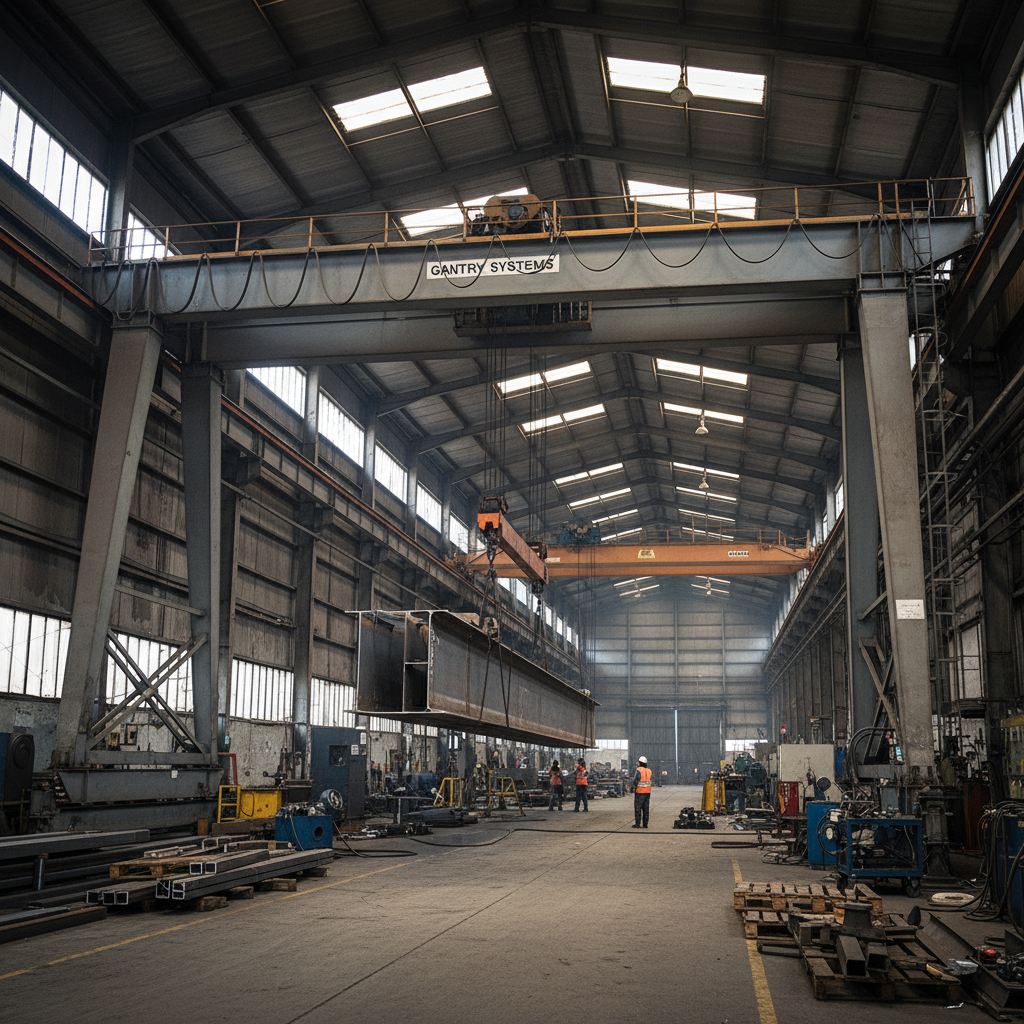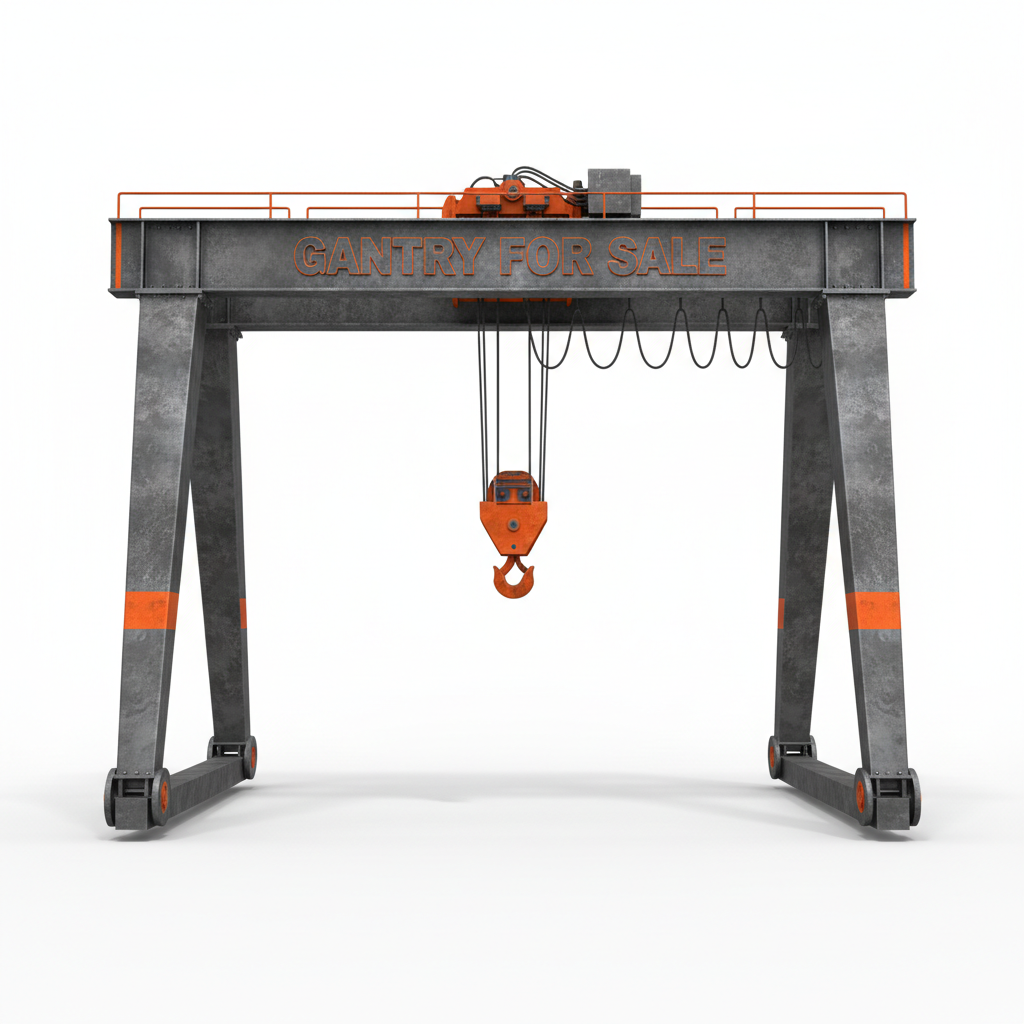
Integrating a custom gantry into a material handling workflow allows facilities to move heavy components with precision and safety. In the specialized field of light-duty lifting equipment, these structures provide the necessary versatility to handle non-standard loads that off-the-shelf cranes cannot accommodate.
Many operations struggle with spatial constraints or unique load geometries that lead to bottlenecks and safety risks. By designing a lifting solution tailored to specific height, span, and capacity requirements, businesses can optimize their floor space while reducing the physical strain on operators.
This analysis examines the critical parameters for specifying a tailored gantry system, the practical application of adjustable designs, and a decision framework for selecting the right configuration based on operational throughput and load stability.

Defining Custom Gantry Requirements

The first step in implementing a custom gantry is a precise audit of the load profile and the environmental constraints. Unlike standard cranes, a customized system is defined by its specific span—the distance between the outer edges of the legs—and the clear height required to lift a load over existing machinery or obstacles.
Beyond dimensions, the duty cycle must be established. A system used for intermittent lifting in a repair shop requires a different structural grade than one used for continuous production in a manufacturing plant. Establishing these boundaries prevents over-engineering, which wastes capital, or under-engineering, which compromises workplace safety.
Structural Parameters and Material Selection
Material integrity is the foundation of any lifting device. High-quality steel is the industry standard for gantry construction due to its predictable deformation characteristics and high strength-to-weight ratio. For a custom gantry, the thickness of the steel plates and the grade of the beams are adjusted based on the maximum intended load and the desired factor of safety.
Engineering focus is typically placed on the joints and the connection points of the I-beams. Weld quality and bolt grades must align with the intended capacity. In environments where moisture or chemicals are present, specialized coatings or galvanized finishes are applied to prevent corrosion, ensuring the structural longevity of the equipment in demanding industrial settings.
Optimizing Workflow with Adjustable Designs
Adjustable Gantry Cranes provide a middle ground between fixed installations and fully custom builds. These systems allow users to modify the height and span to suit different projects, making them ideal for workshops that handle a variety of product sizes. This flexibility eliminates the need for multiple dedicated cranes, reducing the overall footprint of the material handling area.
From an operational perspective, adjustability allows for rapid reconfiguration. When a production line changes or a new piece of machinery is installed, the gantry can be tuned to the new requirements without requiring a complete structural redesign. This adaptability is critical for companies pursuing lean manufacturing principles and high operational agility.
Relative Performance Evaluation Framework
When evaluating different gantry configurations, it is useful to use a normalized scoring system to compare their suitability across different operational dimensions. This illustrative framework helps buyers understand the trade-offs between flexibility, stability, and deployment speed.
The data above represents a conceptual comparison. While fixed custom gantries offer the highest stability for extreme loads, adjustable models score higher in versatility. Portable solutions provide the best deployment speed but are limited in maximum lift capacity compared to heavy-duty customized steel structures.
Integrating Supporting Lifting Accessories
A gantry is only as effective as the tools attached to its beam. To maximize the utility of a custom gantry, it should be paired with specific lifting accessories. For example, permanent magnetic lifters are essential for moving heavy steel plates without the need for slings, while spring balancers can reduce the effective weight of handheld tools used during assembly under the gantry.
For more complex material movements, combining a gantry with a machinery mover or cargo trolley allows for a seamless transition from vertical lifting to horizontal transport. This integrated approach ensures that the load remains secure throughout the entire movement process, minimizing the risk of drops or shifts in the center of gravity.
Common Engineering Overlooks in Specification
One frequent mistake in custom gantry procurement is failing to account for the "dynamic load." While the static weight of the object is known, the force exerted during the start and stop of a lift can significantly increase the stress on the structure. Specifications must include a safety margin that accounts for these inertial forces to prevent structural fatigue.
Another common oversight is the floor load capacity. A heavy-duty custom gantry concentrates immense pressure on small contact points (the casters or feet). If the warehouse floor is not rated for these point loads, it can lead to cracking or subsidence, which in turn destabilizes the crane and creates a severe tipping hazard.
Configuration Decision Matrix
Choosing the right gantry type depends on the intersection of load weight, frequency of use, and space availability. The following matrix provides a qualitative comparison of the primary lifting approaches used in material handling.
| Approach Type | Primary Strength | Main Limitation | Best Use Case |
|---|---|---|---|
| Fixed Custom | Maximum Stability | Zero Flexibility | Permanent Heavy Stations |
| Adjustable Span | High Versatility | Medium Load Cap | Multi-Product Workshops |
| Portable Gantry | Rapid Deployment | Lower Height | Temporary Maintenance |
| Heavy-Duty Steel | Extreme Capacity | High Installation Cost | Industrial Forging/Casting |
| Light-Duty Alu | Ease of Movement | Limited Capacity | Electronics Assembly |
| Hybrid System | Balanced Profile | Complex Maintenance | Mixed-Use Logistics |
Ultimately, the decision should be driven by the most restrictive constraint of the facility. If space is the primary limitation, a compact adjustable design is preferred. If safety and absolute load capacity are the priority, a fully engineered custom steel gantry is the only viable option.
Frequently Asked Questions
Typically, the span (width), the lifting height, the beam thickness, and the type of casters can be customized to meet specific site requirements.
Capacity is determined by the grade of steel used, the beam profile (e.g., I-beam or box beam), and the structural reinforcements at the leg-to-beam connections.
Yes, provided the steel is treated with weather-resistant coatings or galvanization to prevent oxidation and rust.
A gantry crane consists of a beam supported by legs on both ends, providing a rectangular work area, whereas a jib crane rotates around a single fixed point.
Mobile gantries do not require a foundation, but they do require a level, load-bearing floor. Fixed custom gantries may require concrete footings.
It is recommended to perform a torque check on all primary structural bolts monthly or after any significant shift in load capacity.
Conclusion
A custom gantry is more than just a lifting tool; it is a strategic investment in operational safety and efficiency. By accurately defining load requirements, selecting the appropriate material grade, and integrating the right lifting accessories, companies can eliminate bottlenecks and reduce the risk of workplace injuries.
For those evaluating specific configurations or needing customized lifting solutions, technical specifications and product ranges can be reviewed at www.daweihoisting.com to ensure the selected equipment aligns with actual industrial needs.