A heavy machinery moving company specializes in the complex logistical task of transporting oversized, overweight, and high-value industrial equipment. These firms utilize specialized tools such as machinery movers, cargo trolleys, and hydraulic systems to shift massive loads within tight factory floors or across diverse job sites without compromising structural integrity.
The challenge of relocating industrial assets lies in the extreme weight and the fragility of precise mechanical components. Without the right expertise and equipment, moving heavy machinery can lead to catastrophic equipment failure, workplace injuries, or permanent damage to the facility's flooring and infrastructure.
This guide explores the technical requirements for safe machinery transport, how to select the right moving equipment, and the operational standards that ensure a seamless transition of industrial assets. Readers will learn how to evaluate moving solutions to optimize efficiency and minimize operational downtime.

1Core Fundamentals of Industrial Machinery Moving

Industrial machinery moving is more than simple transport; it is a precise engineering operation. It involves the use of specialized physics-based tools to redistribute weight, reducing friction and ensuring that the center of gravity remains stable. A professional heavy machinery moving company focuses on preventing lateral shifts that could cause expensive equipment to tip or slide.
The process typically begins with a site survey to identify obstacles and load-bearing limits. By utilizing tools like cargo trolleys and machinery movers, technicians can translate vertical weight into horizontal movement with minimal effort, ensuring that the equipment reaches its destination without vibration-induced damage.
Reliability in this sector is built on the synergy between high-grade materials and operator expertise. Whether it is moving a CNC machine or a massive hydraulic press, the goal is to achieve a controlled transition that adheres to strict safety protocols and industrial standards.
2Essential Equipment for Heavy Load Transport
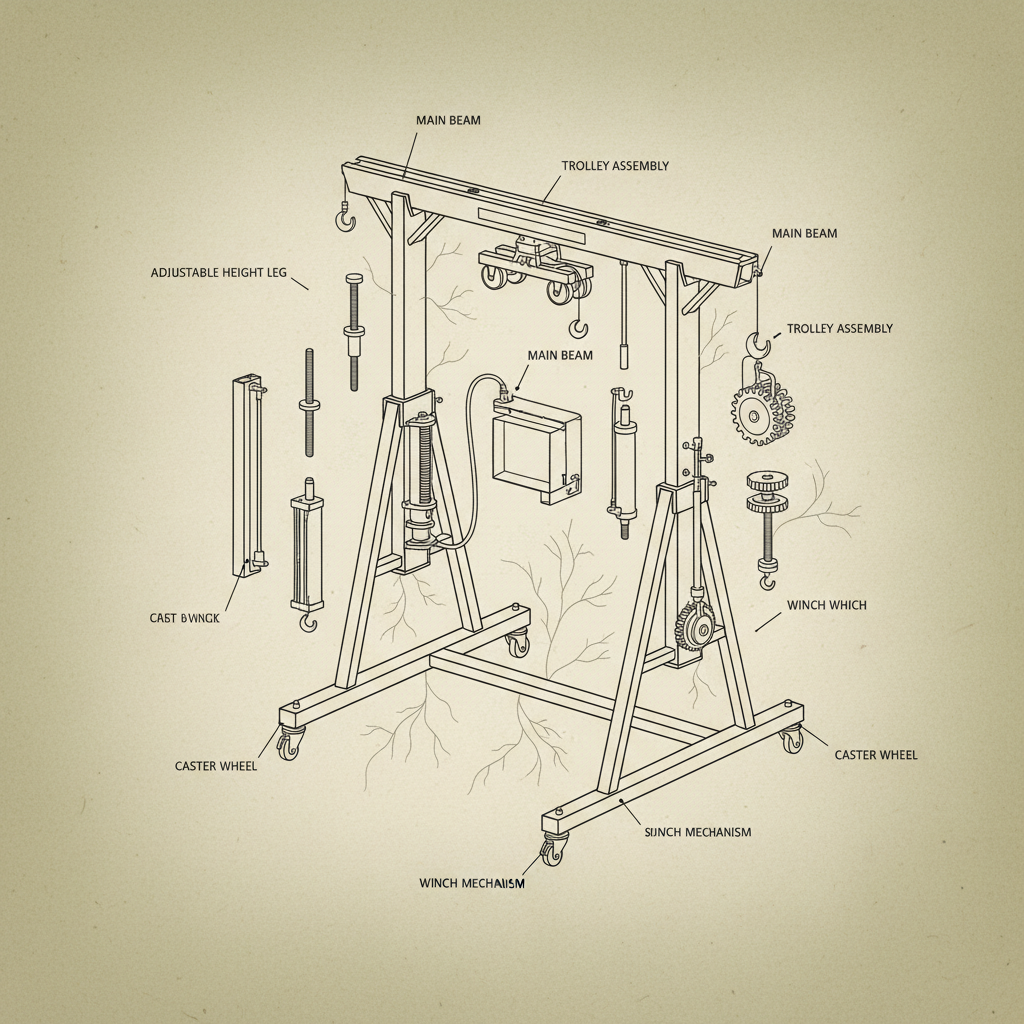
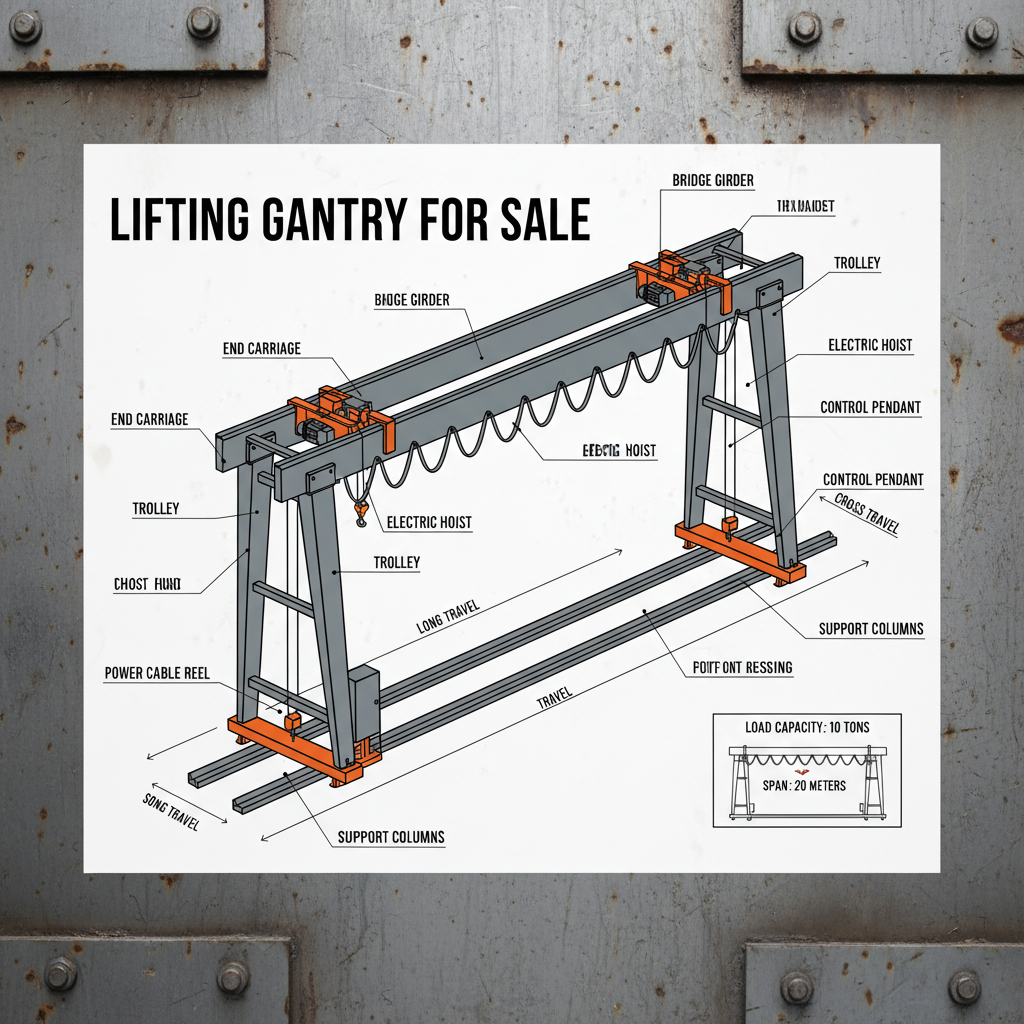
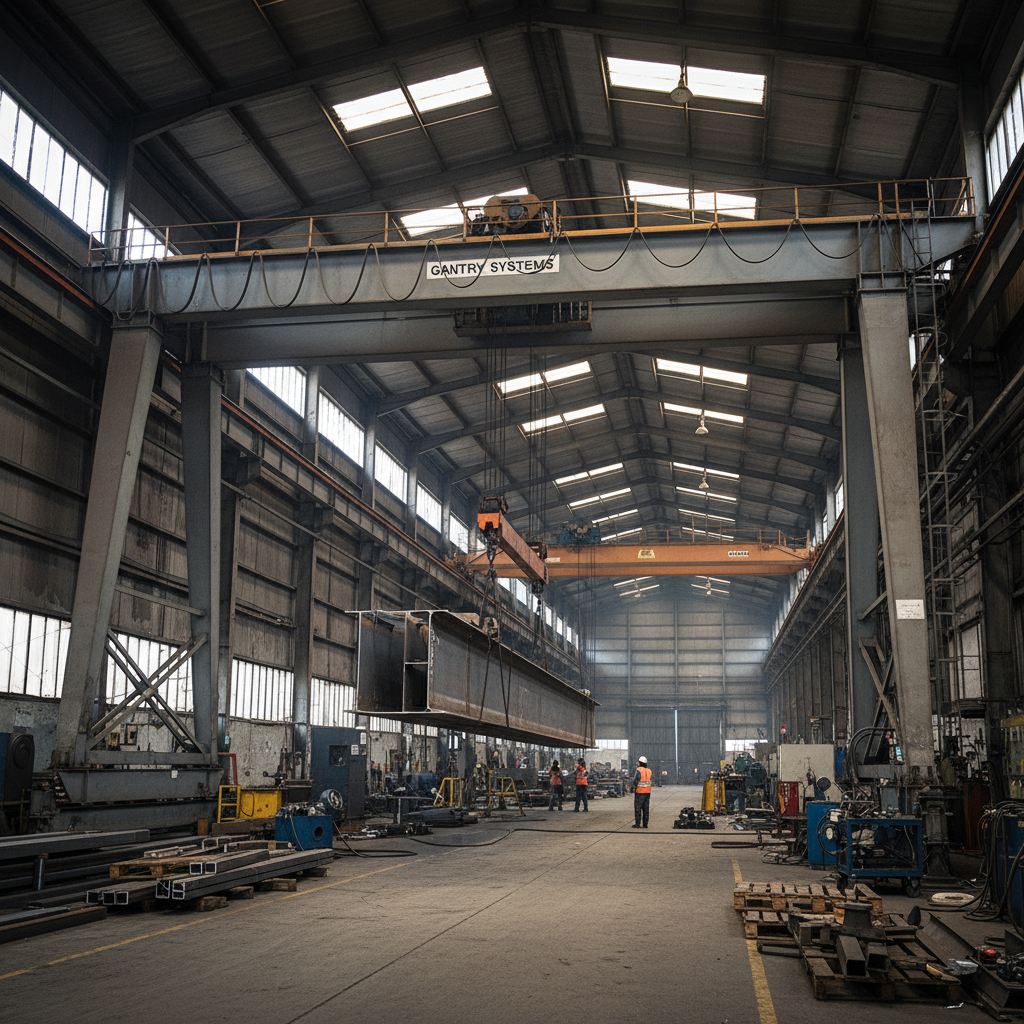
To execute a safe move, a variety of specialized lifting and shifting tools are required. Cargo trolleys (machinery movers) are fundamental for sliding loads across flat surfaces, while adjustable gantry cranes provide the necessary vertical lift for positioning equipment onto these trolleys.
Hydraulic claw jacks and lift tables are used for precision height adjustments, allowing operators to align machinery with millimetric accuracy. For vertical lifting in confined spaces, manual pallet stackers and hand pull hoists offer the flexibility needed when large overhead cranes are unavailable.
Permanent magnetic lifters are particularly useful for moving heavy steel plates or blocks, providing a secure grip without the need for slings or chains. The integration of spring balancers further reduces operator fatigue by neutralizing the weight of handheld tools during the installation phase.
3Operational Workflows for Safe Relocation
A successful relocation follows a structured sequence: preparation, lifting, transporting, and positioning. Preparation involves disconnecting power and fluid lines and securing all moving parts of the machinery to prevent internal damage during transit.
During the lifting phase, hydraulic jacks are used to create a gap between the machine and the floor, allowing machinery movers to be inserted. This phase requires extreme caution to avoid uneven lifting, which could warp the machine frame or cause it to slide off the jacks.
Once transported to the new location, the equipment is lowered slowly using controlled hydraulic descent. The final stage involves precision alignment and the removal of all transport equipment, followed by a verification check to ensure the machine is stable and level.
4Comparative Performance Metrics in Moving Systems
Comparing professional moving methods against standard material handling reveals significant differences in safety and efficiency. Professional systems prioritize load distribution and stability over simple speed, which significantly reduces the risk of equipment damage.
When using high-performance machinery movers, the force required to initiate movement is drastically lowered compared to traditional rollers, reducing the physical strain on operators and the risk of sudden, uncontrolled shifts in the load.
heavy machinery moving company Performance Metrics
The data indicates that specialized moving solutions provide superior load stability and operator safety. By implementing a controlled movement strategy, companies can reduce the "danger window" during relocation, ensuring that high-value assets are protected throughout the entire process.
5Procurement Criteria for Moving Solutions
When selecting moving equipment, the primary consideration must be the load range and the nature of the floor surface. For example, nylon rollers are preferred for sensitive floors to prevent marking, while steel rollers are used for extreme weight capacities on reinforced concrete.
Durability and ease of maintenance are also critical. Hydraulic components should be leak-proof and constructed from high-strength alloys to prevent failure under peak pressure. Certification and compliance with safety standards ensure that the equipment will not fail during a critical lift.
Total cost of ownership should include the cost of consumables, such as hydraulic oil and replacement rollers. Choosing high-quality equipment from experienced manufacturers ensures a longer lifespan and lower frequency of replacements in high-use industrial environments.
6Industry Trends in Material Handling Automation
The industry is shifting toward hybrid moving systems that combine manual precision with powered assistance. Electric-powered machinery movers are becoming more common, reducing the human effort required to move loads exceeding 10 tons.
Furthermore, there is an increasing focus on "smart" lifting equipment that can monitor the center of gravity in real-time, alerting operators if the load becomes unstable. This integration of sensors enhances safety in high-risk environments.
Despite these advancements, the role of the skilled operator remains indispensable. The ability to make real-time adjustments based on tactile feedback and visual cues is something automation cannot yet fully replace in complex, non-standardized moving tasks.
7Equipment Selection Matrix for Diverse Loads
Choosing the wrong tool for a specific load not only risks the equipment but also the safety of the entire workforce. Different assets require different mechanical approaches based on their weight, shape, and fragility.
The following matrix provides a quick reference for matching the load type with the most appropriate moving solution to optimize efficiency and safety.
| Load Type | Recommended Tool | Primary Advantage | Key Limitation |
|---|---|---|---|
| Ultra-Heavy Block | Machinery Mover | Maximum Stability | Slow Movement |
| Vertical Lift | Gantry Crane | High Reach | Requires Space |
| Precision Alignment | Hydraulic Jack | Millimetric Control | Short Stroke |
| Steel Plates | Magnetic Lifter | Quick Attachment | Surface Dependent |
| Small-Med Pallets | Pallet Stacker | High Mobility | Lower Capacity |
| Overhead Tools | Spring Balancer | Operator Comfort | Weight Limit |
By following this selection matrix, operational teams can avoid the common mistake of over-relying on a single tool. A combination of these assets—such as using a gantry crane to place a load on a machinery mover—creates the most versatile and safe moving environment.
Frequently Asked Questions
Conclusion
Relocating industrial machinery is a high-stakes operation where precision and safety must take precedence over speed. By utilizing the correct combination of machinery movers, hydraulic systems, and professional planning, companies can move their most valuable assets without risk of damage or downtime.
For organizations evaluating the most suitable tools for their specific industrial needs, detailed product specifications and solutions can be reviewed at www.daweihoisting.com to ensure the highest standards of operational safety.