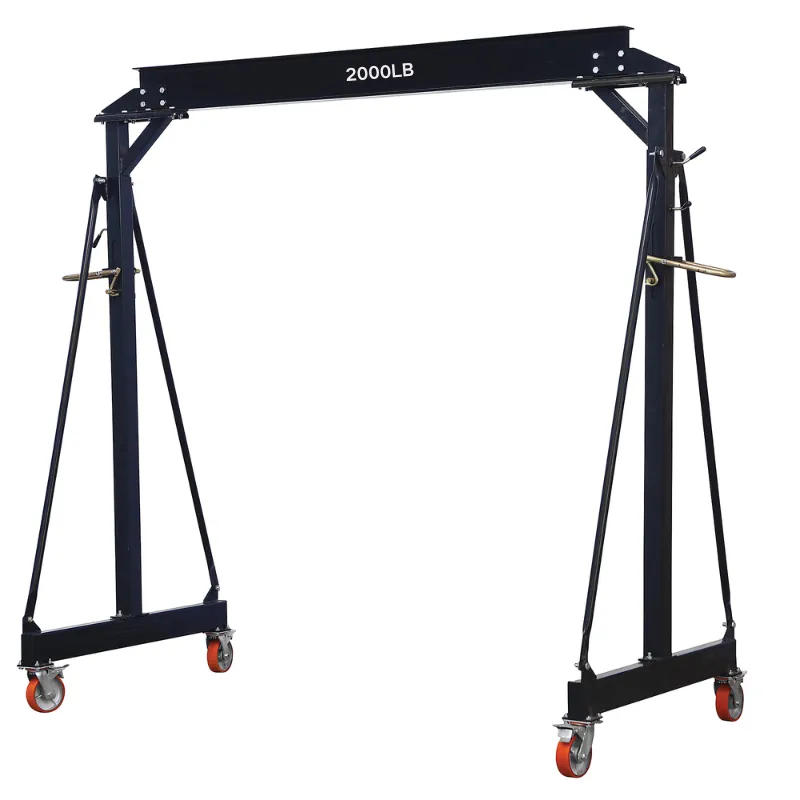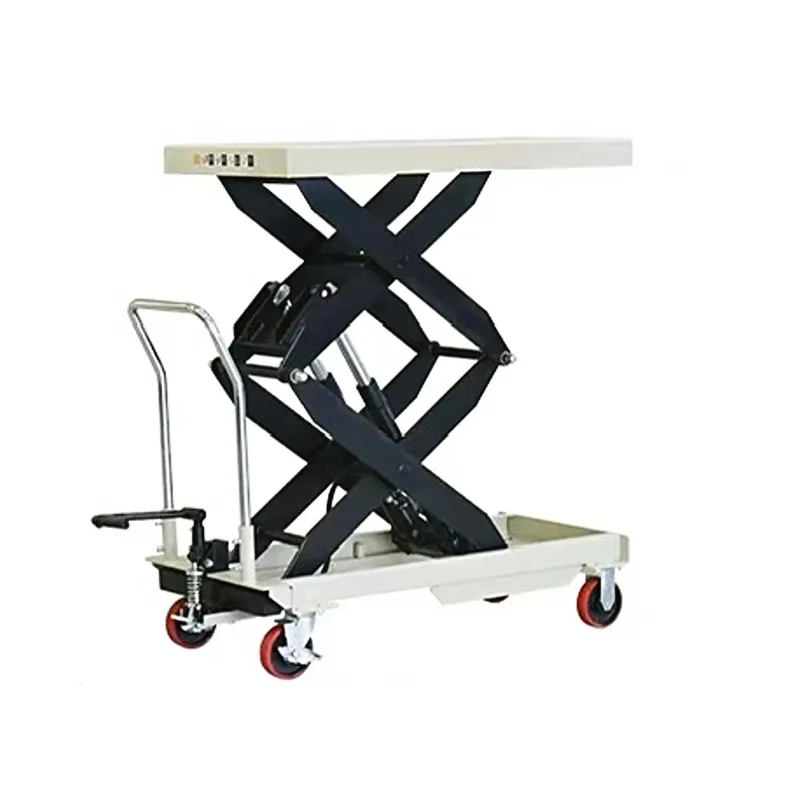
Reliable Manual Pallet Stacker and Factory Equipment Movers
Efficient material movement within a warehouse or workshop often hinges on the reliability of a manual pallet stacker. Designed specifically for lifting, stacking, and transporting palletized loads, these tools eliminate the need for complex powered machinery in small-scale storage operations. By integrating a durable steel frame with a high-precision hydraulic system, the manual stacker provides a stable platform for short-distance logistics, ensuring that goods are moved safely and positioned accurately.
For facility managers looking for dependable factory equipment movers, the manual pallet stacker offers a balance of maneuverability and strength. Whether it is organizing raw materials in a manufacturing plant or managing finished stock in a distribution center, the ability to lift loads to specific heights without electrical dependence makes this an essential asset for optimizing spatial efficiency and improving operational workflow.

Engineering Foundations of Manual Hydraulic Lifting Systems
The core functionality of a manual pallet stacker relies on a robust hydraulic pump system that converts manual effort into significant vertical lifting force. The use of high-test chains ensures that the lifting mechanism remains secure under maximum load, while the thickened steel plate construction prevents frame deformation during high-capacity operations. This structural integrity is critical for maintaining stability when the fork reaches its maximum lifting height.
Wear-resistant casters are integrated to facilitate smooth movement across various industrial floor surfaces. These wheels are designed to minimize friction and prevent floor marking, which is essential for maintaining the quality of epoxy-coated workshop floors. The synergy between the reinforced chassis and the precision-engineered hydraulic valve allows operators to lift and lower loads with minimal effort and maximum control.
- Steel Reinforcement: Thickened plates provide structural rigidity for safer high-reach stacking.
- Hydraulic Precision: Smooth oil pump operation ensures consistent lifting speeds.
- Heavy-Duty Components: High-test chains and wear-resistant wheels extend the equipment's lifecycle.

Operational Versatility Across Industrial Environments
Manual pallet stackers are indispensable in environments where space is limited and electrical charging infrastructure is unavailable or impractical. In manufacturing workshops, they are frequently used to move components from delivery bays to assembly lines. In logistics hubs, they facilitate the organization of vertical storage racking, allowing operators to utilize overhead space more effectively without the footprint of a full-sized forklift.
The ability to maneuver in tight aisles is a primary advantage. Because these units are compact, they can navigate narrow corridors and operate in confined storage zones. This flexibility reduces the time required for material retrieval and ensures that the movement of goods does not obstruct other factory activities, thereby increasing the overall throughput of the facility.
Key Selection Criteria for Material Handling Equipment
When selecting a lifting solution, buyers must evaluate the specific requirements of their load and environment. The capacity—typically ranging from 1 to 2 tons—must be matched to the heaviest expected pallet to avoid hydraulic strain. Additionally, the fork effective length and maximum width must be compatible with the standard pallet sizes used within the facility to ensure secure load engagement.
Another critical consideration is the maximum lifting height. Operators should assess the height of their tallest storage shelf to ensure the stacker can reach the required level. The frame's maximum height and door frame width are also important factors for ensuring the equipment can pass through existing doorways and under low-hanging obstructions within the plant.
Technical Specifications and Model Comparison
| Capacity (T) | Lifting Height (MM) | Fork Effective Length (MM) | Net Weight (KG) |
|---|---|---|---|
| 1 | 1600 | 900 | 164 |
| 2 | 1600 | 900 | 190 |
| 1 (Variant) | 1600 | 900 | 164 |
| 2 (Variant) | 1600 | 900 | 190 |
| Standard | 1600 | 900 | 164-190 |
Integrating Manual Lifting into Lean Manufacturing
Integrating manual stackers into a lean manufacturing framework helps reduce waste associated with unnecessary movement. By placing these tools strategically near high-traffic zones, companies can implement a "just-in-time" delivery system for parts and materials. This reduces the reliance on centralized transport and empowers floor operators to manage their own material needs efficiently.
From a safety perspective, manual lifting equipment reduces the risk of musculoskeletal injuries compared to manual carrying. When combined with proper training on load balancing and center-of-gravity management, these stackers create a safer working environment. The focus on reliability and ease of maintenance ensures that the equipment remains operational with minimal downtime.
Future Trends in Manual Material Handling Solutions
The industry is seeing a shift toward highly specialized manual equipment that blends traditional hydraulic reliability with ergonomic enhancements. Improvements in caster materials and hydraulic seal technology are extending the service life of stackers while reducing the physical effort required by the operator. There is also an increasing demand for customizable fork dimensions to accommodate non-standard pallet sizes in niche industries.
As warehouses continue to optimize for vertical density, the demand for manual stackers that offer higher stability at maximum reach is growing. Manufacturers are focusing on reinforced mast designs and improved braking systems to ensure that vertical movement is as safe as horizontal transport, reflecting a broader industry trend toward comprehensive safety integration.
Common Inquiries Regarding Manual Pallet Stackers
What is the main difference between a pallet jack and a manual pallet stacker?
A pallet jack is primarily used for horizontal transport of loads at ground level, whereas a manual pallet stacker is equipped with a mast and hydraulic lift that allows the load to be raised to a specific height for stacking on shelves.
How do I maintain the hydraulic system of a manual stacker?
Regular maintenance involves checking the hydraulic oil levels, ensuring there are no leaks in the pump or seals, and lubricating the chain and moving parts to ensure smooth operation and prevent wear.
Can these stackers be used on uneven surfaces?
Manual pallet stackers are designed for flat, hard industrial floors. Using them on significantly uneven or soft surfaces can compromise stability and may lead to the load tipping during lifting.
What should I consider regarding the load center?
The load must be centered on the forks to maintain stability. Placing a load too far forward can shift the center of gravity, potentially causing the unit to tip forward, especially when lifting to maximum height.
Are these units suitable for cold storage environments?
Yes, manual hydraulic equipment is often preferred in cold storage because it does not rely on batteries, which can lose efficiency in low temperatures, provided that the hydraulic oil used is rated for cold environments.
How do I choose between a 1-ton and a 2-ton model?
Base your choice on the maximum weight of your pallets including the pallet itself. For most light-to-medium duties, 1 ton is sufficient, while 2 ton models are necessary for denser materials or heavier industrial components.
Technical and Industry References
- OSHA Guidelines for Powered Industrial Trucks and Lifting Equipment
- ISO Standards for Industrial Lifting and Material Handling
- Health and Safety Executive (HSE) Manual Handling Regulations
- NIST Mechanical Engineering and Material Standards
Selecting the right manual pallet stacker is a strategic decision that directly impacts warehouse productivity and worker safety. By focusing on capacity, lift height, and structural durability, businesses can ensure a seamless flow of materials and a more organized storage environment.
Related Industrial Lifting Solutions