
Comprehensive Guide to 2 Ton Overhead Crane Solutions and Applications
Understanding the 2 Ton Overhead Crane: A Comprehensive Guide
A 2 ton overhead crane is a powerful and versatile lifting solution widely used in various industries. From manufacturing plants to construction sites, these cranes enhance efficiency and safety by facilitating the movement of heavy loads. This article provides a detailed overview of 2-ton overhead cranes, covering their applications, components, safety considerations, and choosing the right crane for your needs. Investing in the right overhead crane can significantly improve operational productivity and reduce workplace risks.
Key Components of a 2 Ton Overhead Crane
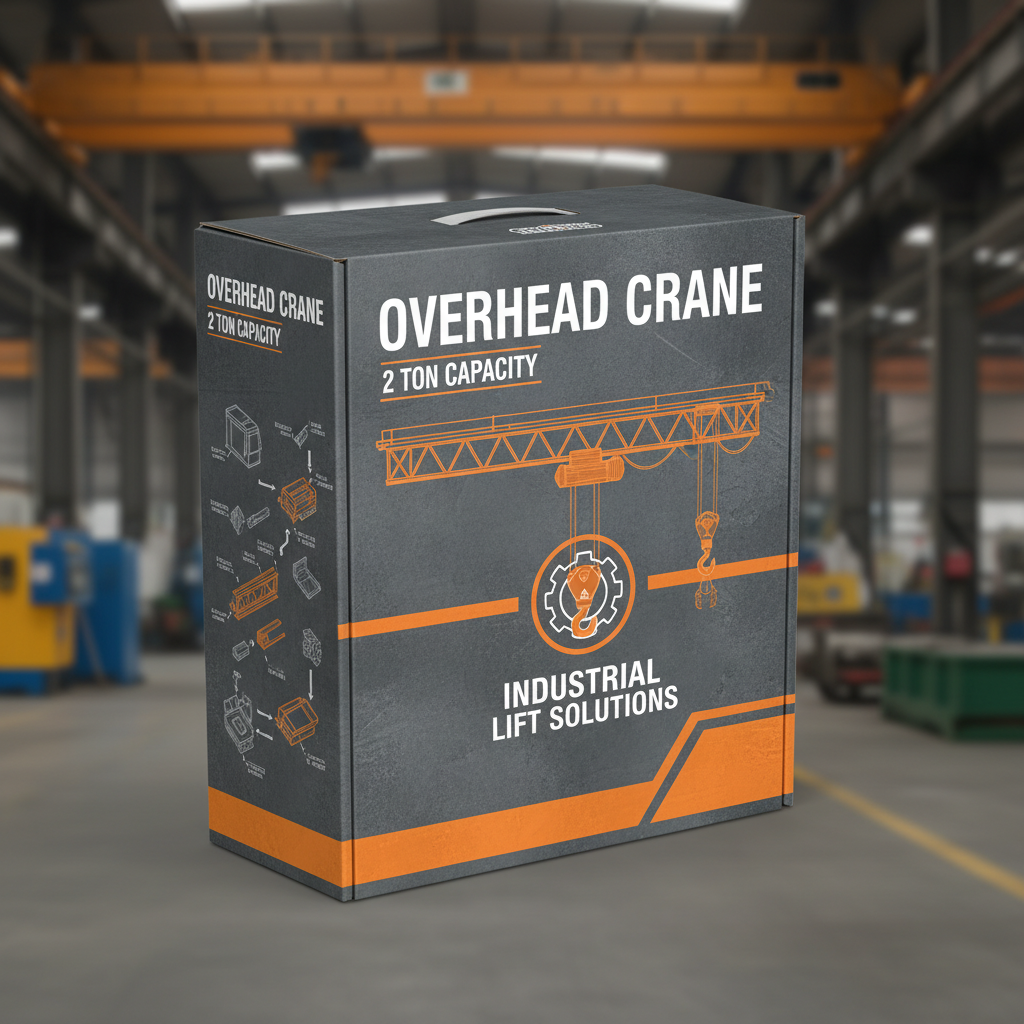
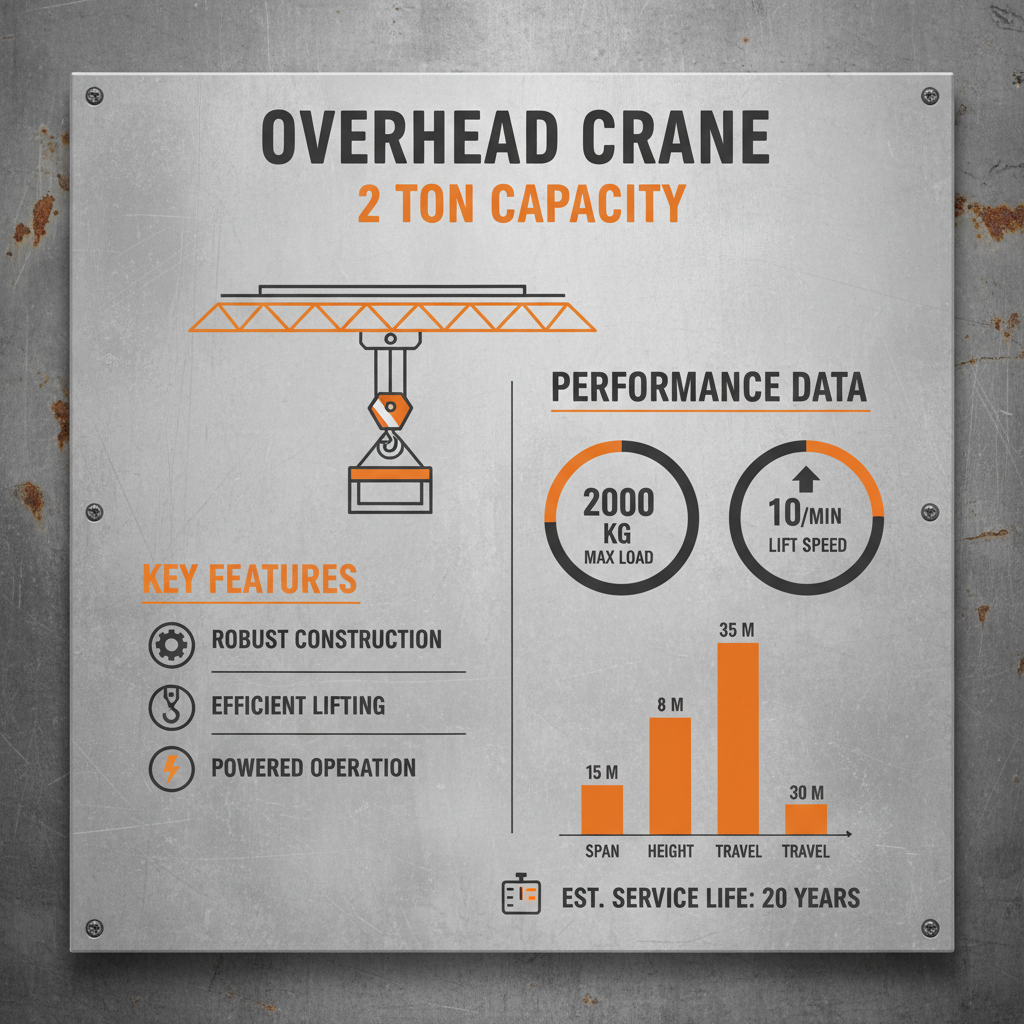
A 2 ton overhead crane consists of several key components that work together to lift and move loads safely and efficiently. The main components include the crane bridge, end trucks, hoist, trolley, and control system. The bridge is the horizontal beam that travels along the runways. End trucks house the wheels that support the bridge and allow it to move. The hoist is the lifting mechanism, typically an electric wire rope hoist, capable of lifting 2 tons (2000 kg or approximately 4400 lbs). The trolley moves along the bridge, carrying the hoist. Finally, the control system allows operators to control the crane's movements. Understanding these components is essential for proper operation and maintenance. You can explore a comprehensive range of overhead crane solutions at Dawei Hoisting.
Key Highlights: The hoist is the lifting mechanism, typically an electric wire rope hoist, capable of lifting 2 tons (2000 kg). Proper maintenance of these components ensures the crane's longevity and safe operation.
Applications of a 2 Ton Overhead Crane
2 ton overhead cranes are versatile and can be found in various industries. They are commonly used in manufacturing facilities for moving materials, machine parts, and finished products. Construction sites utilize them for lifting heavy materials like steel beams and concrete components. Warehouses employ them for loading and unloading trucks and organizing inventory. Automotive repair shops use them to lift engines and other heavy components. Machine shops leverage them to maneuver heavy machinery. Because of their lifting capacity and flexibility, they are crucial for efficient operations in these industries. Dawei Hoisting offers specialized crane solutions tailored to specific industry needs.
Application Benefits:
• Increased efficiency in material handling
• Improved workplace safety
• Reduced manual labor
• Enhanced production capacity
2 Ton Overhead Crane: Types and Considerations
There are several types of 2 ton overhead cranes available, each suited for different applications. Single-girder cranes are commonly used for lighter loads and smaller spans. Double-girder cranes are preferred for heavier loads and larger spans, offering greater stability and lifting capacity. Another consideration is the control method: pendant control, remote control, or cabin control. Pendant control is the most basic, while remote control offers greater flexibility, and cabin control provides the most precise operation. Choosing the right type of crane depends on factors such as lifting height, span length, work environment, and budget.
Safety Considerations When Operating a 2 Ton Overhead Crane
Safety is paramount when operating an overhead crane. Regular inspections are crucial to identify any potential issues, such as worn ropes, damaged hooks, or malfunctioning brakes. Operators should be properly trained and certified to operate the crane safely. Strict adherence to load limits is essential; never exceed the crane's 2-ton capacity. Clear communication between the operator and ground personnel is vital to prevent accidents. Implement safety protocols like designated lifting zones and proper rigging techniques. Always follow the manufacturer's safety guidelines. Dawei Hoisting provides comprehensive safety training and support for our customers.
Choosing the Right 2 Ton Overhead Crane Supplier
Selecting a reputable supplier is crucial for ensuring the quality and reliability of your 2 ton overhead crane. Look for a supplier with a proven track record, offering certified cranes that meet industry standards. Consider the supplier’s ability to provide customization options to meet your specific needs. Evaluate their after-sales support, including maintenance services and spare parts availability. A strong warranty and responsive customer service are also essential. Dawei Hoisting is a leading manufacturer and supplier of overhead cranes, offering high-quality products and exceptional customer support.
Conclusion: Investing in the Right Overhead Crane
Investing in a 2 ton overhead crane from a trusted supplier like Dawei Hoisting is a strategic decision that can significantly enhance your operational efficiency and safety. By carefully considering your application, choosing the right type of crane, and prioritizing safety, you can maximize the return on your investment. Contact us today to discuss your lifting needs and find the perfect solution for your business.
Frequently Asked Questions (FAQs)
What is the typical lead time for a 2 ton overhead crane?
The lead time for a 2 ton overhead crane varies depending on the complexity of the crane, customization requirements, and current production schedule. Typically, standard cranes have a lead time of 4-6 weeks, while customized cranes may take 8-12 weeks. Dawei Hoisting strives to provide timely delivery while maintaining the highest quality standards. We will provide you with a precise lead time estimate during the quotation process.
What maintenance is required for a 2 ton overhead crane?
Regular maintenance is essential for ensuring the safe and reliable operation of a 2 ton overhead crane. This includes daily visual inspections of ropes, hooks, and brakes, as well as periodic lubrication of moving parts. Annual inspections by a qualified technician are recommended to identify and address any potential issues. We offer comprehensive maintenance plans to help you keep your crane in optimal condition.
What are the power requirements for a 2 ton overhead crane?
The power requirements for a 2 ton overhead crane depend on the hoist motor and other electrical components. Typically, a 2 ton crane requires a 3-phase power supply with a voltage of 220V/380V/415V, depending on the region. The specific amperage requirements will be indicated on the crane's nameplate. It’s crucial to ensure that your electrical system meets the crane's power requirements for safe and efficient operation.
Does Dawei Hoisting offer installation services?
Yes, Dawei Hoisting provides professional installation services for all of our 2 ton overhead cranes. Our experienced technicians ensure that the crane is installed correctly and safely, in accordance with industry standards. We also offer training for your operators to ensure they are proficient in the crane's operation and safety procedures.
-
Maximize Efficiency with a Portable Mini Gantry Crane GuideNewsApr.16,2026
-
Industrial Fixed Gantry Crane Guide for Heavy Duty LiftingNewsApr.09,2026
-
Comprehensive Guide to 1 Ton Overhead Crane Capabilities and ApplicationsNewsApr.07,2026
-
Maximize Lifting Efficiency with a Robust 1 Ton Gantry Crane SystemNewsApr.04,2026
-
Comprehensive Guide to 3 Ton Overhead Crane Systems and ApplicationsNewsMar.31,2026
-
Comprehensive Guide to Portal Crane Systems and Industrial ApplicationsNewsMar.28,2026
-
Gantry Crane Price Guide 2024 Understanding Costs and OptionsNewsMar.26,2026