
Comprehensive Guide to Overhead Travelling Cranes for Industrial Applications
Understanding Overhead Travelling Cranes: A Comprehensive Guide
An overhead travelling crane is a vital piece of equipment in many industrial settings, enabling the efficient and safe lifting and movement of heavy loads. Choosing the right crane for your operation is crucial, and this guide provides a comprehensive overview of these systems, their applications, benefits, and key considerations when selecting one. We'll cover everything from basic components to advanced features, helping you make an informed decision. Reliable material handling is fundamental to productivity, and a properly selected overhead travelling crane can significantly contribute to your operational success.
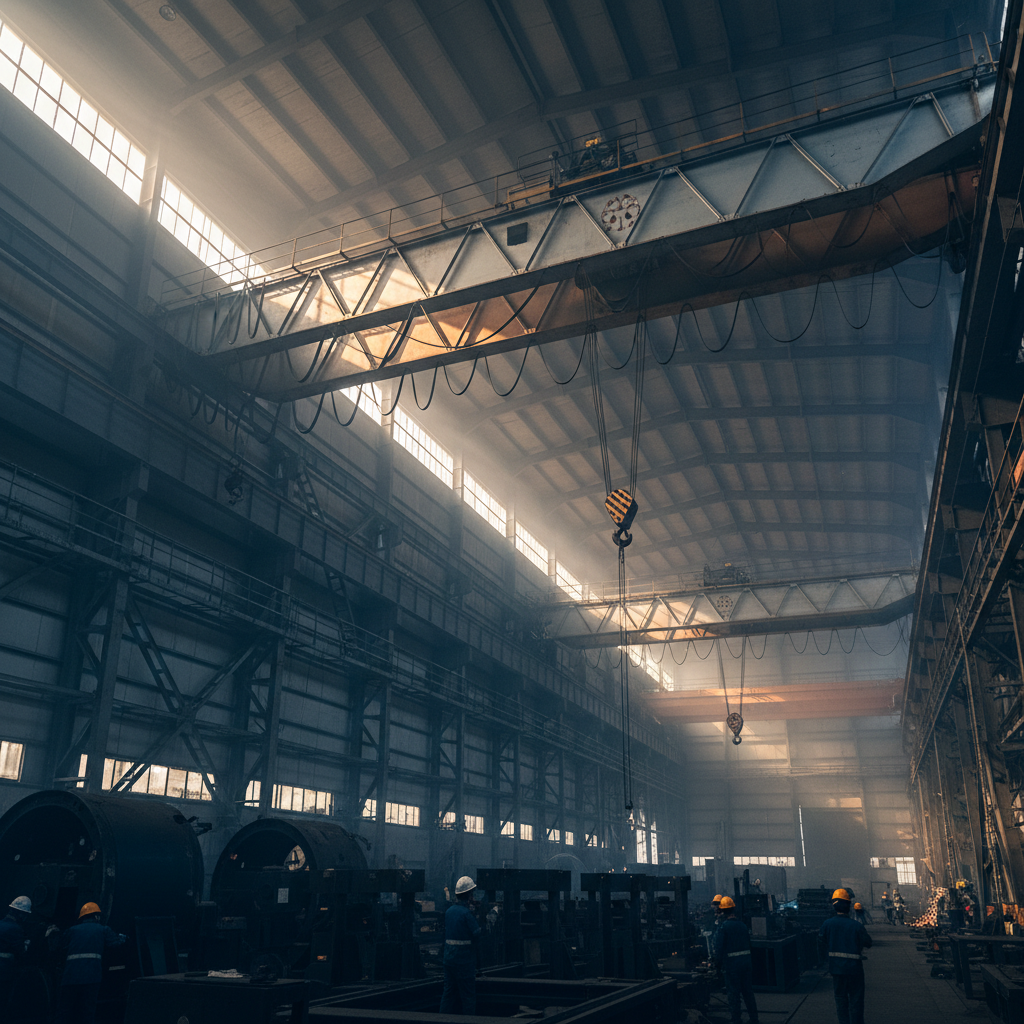
What is an Overhead Travelling Crane?
Simply put, an overhead travelling crane is a type of crane that moves along a horizontal beam – the bridge – which itself travels along rails installed on the walls or supporting structures of a facility. This allows the crane to cover a large rectangular area. They are typically used for lifting and moving materials within a defined space and are a mainstay in manufacturing plants, warehouses, steel mills, and other industrial environments. These cranes are known for their robustness, high lifting capacity, and ability to handle a variety of load configurations. The core components include the bridge, hoist, trolley, and end trucks, all working in concert to ensure efficient and safe lifting.
Key Features: Robust construction, high lifting capacity, versatile load handling, large coverage area, and customizable configurations.
Types of Overhead Travelling Cranes
Overhead travelling cranes come in various types, each suited for specific applications and load requirements. The most common types include:
- Single Girder Cranes: Suitable for lighter loads and smaller spans. They feature a single bridge beam.
- Double Girder Cranes: Designed for heavier loads and larger spans. They utilize two bridge beams for increased stability and capacity.
- Top Running Cranes: The bridge travels on rails mounted on the top of the runway beams.
- Under Running Cranes: The bridge travels on rails mounted on the bottom of the runway beams, often used in facilities with limited headroom.
The selection depends on factors such as lifting capacity, span length, facility height, and the nature of the materials being handled. Dawei Hoisting offers a wide range of crane types to meet diverse industrial needs.
Key Components of an Overhead Travelling Crane
Understanding the core components of an overhead travelling crane is essential for informed decision-making. These include:
- Bridge: The main horizontal beam spanning the work area.
- Trolley: The moving unit that travels along the bridge, carrying the hoist.
- Hoist: The lifting mechanism responsible for raising and lowering the load.
- End Trucks: Located at each end of the bridge, they house the wheels that travel along the runway rails.
- Runway: The rails upon which the end trucks travel.
- Control System: The system used to operate the crane, ranging from simple pendants to sophisticated remote controls.
Each component plays a critical role in the crane’s overall performance and safety. Dawei Hoisting uses high-quality components in all its crane systems.
Overhead Travelling Crane Specifications & Options
Cranes come with a wide range of specifications to cater to specific requirements. Here's a table showcasing some common specifications:
Benefits of Implementing an Overhead Travelling Crane
Implementing an overhead travelling crane offers numerous benefits, including increased efficiency, improved safety, and reduced operational costs. They allow for precise positioning of loads, minimizing damage and waste. They also free up floor space compared to other lifting solutions, and streamline material flow within a facility. A well-maintained crane significantly improves productivity and ensures a safer working environment. Investing in a quality crane system is an investment in your business’s future.
Conclusion: Enhancing Productivity with Reliable Overhead Solutions
Selecting the right overhead travelling crane is a critical decision for any industrial operation. By carefully considering your specific needs, load requirements, and facility limitations, you can choose a crane that enhances productivity, improves safety, and contributes to long-term success. Dawei Hoisting provides expert guidance and a comprehensive range of cranes to meet your unique challenges.
Frequently Asked Questions (FAQs)
What is the typical lifespan of an overhead travelling crane?
With proper maintenance and regular inspections, an overhead travelling crane can last for 20-30 years or even longer. However, the lifespan is dependent on factors such as the frequency of use, the weight of loads lifted, environmental conditions, and the quality of the original components. Regular maintenance, including lubrication, wire rope inspections, and structural checks, is crucial for extending the crane's operational life. Dawei Hoisting offers comprehensive maintenance programs to ensure the longevity of your crane.
What safety features are essential for an overhead travelling crane?
Essential safety features include overload protection, emergency stop buttons, limit switches to prevent over-travel, audible and visual warning systems, and proper guarding of moving parts. Regular inspections and operator training are also crucial safety measures. Modern cranes often include advanced features such as anti-collision systems and remote diagnostics. Dawei Hoisting prioritizes safety and incorporates these features into all its crane designs.
How much maintenance does an overhead travelling crane require?
Maintenance requirements vary depending on usage and environmental conditions. However, regular inspections (monthly, quarterly, and annual) are essential. Daily checks by the operator should include visual inspections of the hoist rope, trolley, and bridge. Routine maintenance tasks include lubrication, wire rope inspections, brake adjustments, and structural checks. A preventative maintenance program can significantly reduce downtime and extend the crane's lifespan. Dawei Hoisting offers customized maintenance plans to suit your specific needs.
What factors should I consider when choosing between a single and double girder crane?
The primary factor is lifting capacity and span length. Single girder cranes are suitable for lighter loads (typically under 10 tons) and shorter spans. Double girder cranes are designed for heavier loads and longer spans, providing greater stability and support. Consider the headroom requirements of your facility, as double girder cranes generally require more headroom. The type of loads being lifted (size and shape) should also be considered.
-
Maximize Efficiency with a Portable Mini Gantry Crane GuideNewsApr.16,2026
-
Industrial Fixed Gantry Crane Guide for Heavy Duty LiftingNewsApr.09,2026
-
Comprehensive Guide to 1 Ton Overhead Crane Capabilities and ApplicationsNewsApr.07,2026
-
Maximize Lifting Efficiency with a Robust 1 Ton Gantry Crane SystemNewsApr.04,2026
-
Comprehensive Guide to 3 Ton Overhead Crane Systems and ApplicationsNewsMar.31,2026
-
Comprehensive Guide to Portal Crane Systems and Industrial ApplicationsNewsMar.28,2026
-
Gantry Crane Price Guide 2024 Understanding Costs and OptionsNewsMar.26,2026