
Comprehensive Guide to Roller Machinery Applications and Key Components
Understanding Roller Machinery: A Comprehensive Guide
Roller machinery plays a vital role across numerous industries, from manufacturing and logistics to printing and textiles. These machines are essential for processes like flattening, shaping, compressing, and coating materials. Selecting the right roller machinery is crucial for optimizing production efficiency, ensuring product quality, and minimizing operational costs. This article provides an in-depth overview of roller machinery, its applications, key components, and factors to consider when making a purchase. Discover how to choose the best roller solution for your specific needs, and learn about the latest advancements in this technology. Explore more about specialized hoisting solutions which complement roller machinery effectively at Dawei Hoisting.
Types of Roller Machinery
The world of roller machinery is diverse, encompassing a wide range of machines designed for specific applications. Common types include:
- Calendar Rollers: Used in paper, film, and textile industries for smoothing and coating.
- Conveyor Rollers: Facilitate the movement of materials in logistics and manufacturing.
- Pressure Rollers: Employed in printing, laminating, and pressing applications.
- Rubber Rollers: Versatile rollers used in various industries due to their flexibility and grip.
- Steel Rollers: Known for their durability and used in demanding applications like metal processing.
- Coating Rollers: Precisely apply coatings to various surfaces.
Understanding the specific requirements of your application is the first step in selecting the appropriate type of roller machinery.
Key Consideration: The material being processed, the desired finish, and the production volume are critical factors influencing the choice of roller machinery.
Key Components of Roller Machinery
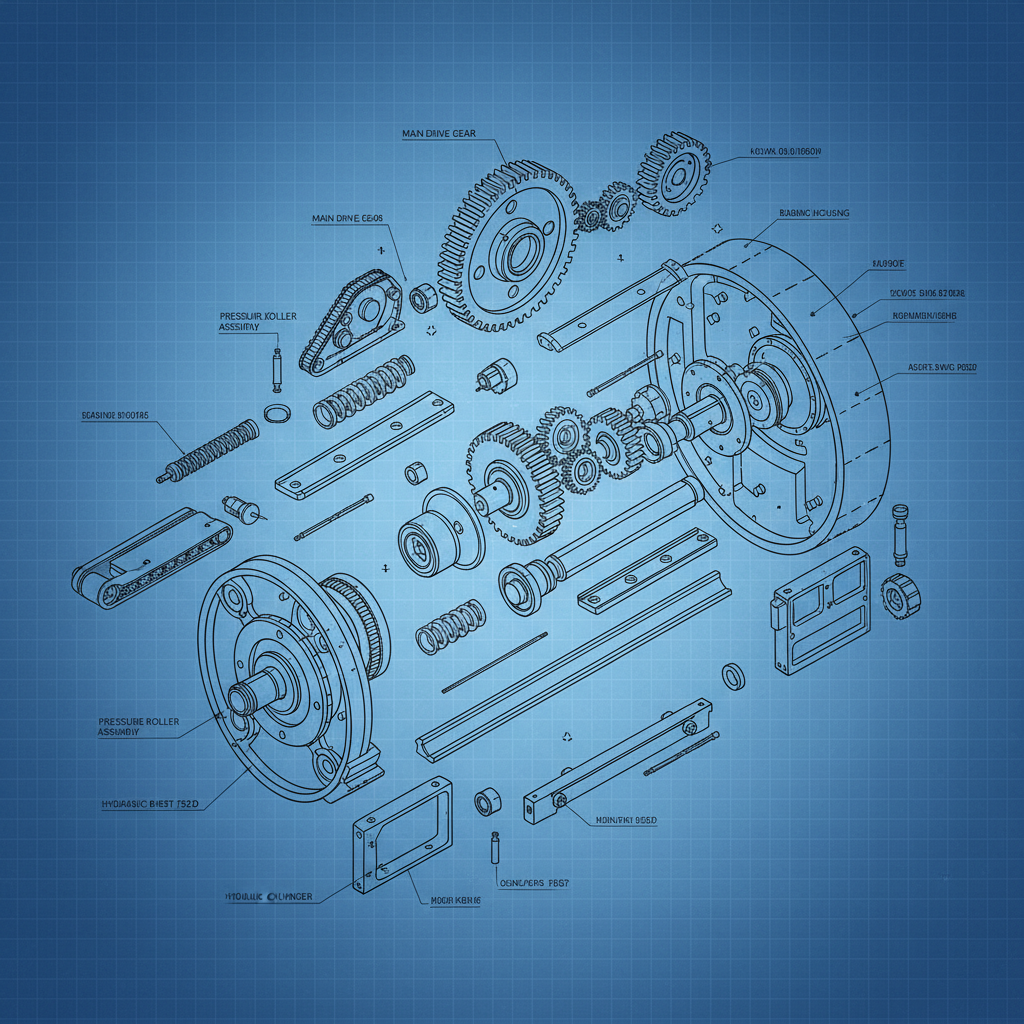
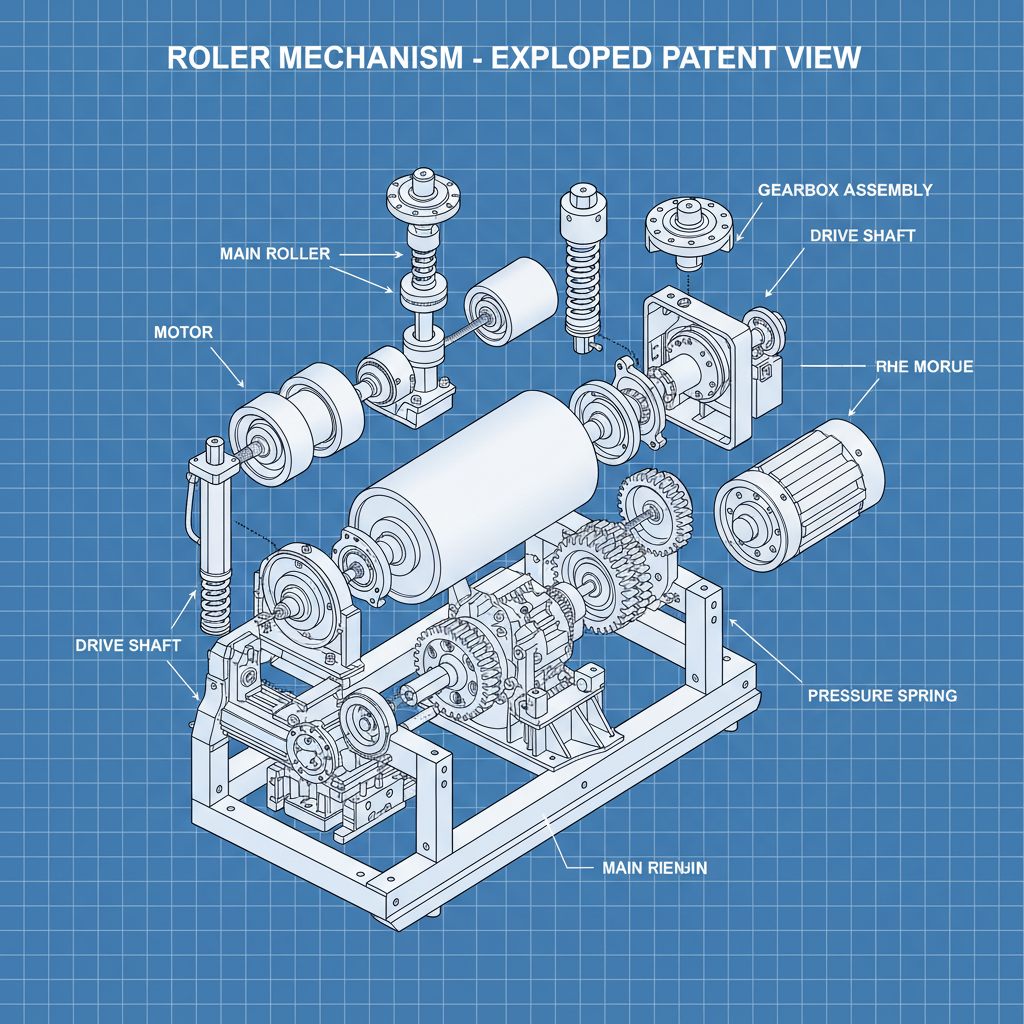
Roller machinery isn’t just about the rollers themselves. Several crucial components work together to ensure efficient and reliable operation. These include:
- Rollers: The core component, made from materials like steel, rubber, or ceramics.
- Bearings: Support the rollers and allow for smooth rotation.
- Drive System: Provides the power to rotate the rollers (e.g., motors, gears, belts).
- Frame: The structural support for the entire machine.
- Control System: Manages the operation of the machine, including speed, pressure, and temperature.
- Safety Guards: Protect operators from moving parts.
Regular maintenance of these components is vital for maximizing the lifespan and performance of the machinery.
Essential Maintenance Tips:
• Regularly lubricate bearings.
• Inspect rollers for wear and tear.
• Check drive system components for proper alignment.
• Ensure safety guards are functioning correctly.
Choosing the Right Roller Machinery for Your Application
Selecting the correct roller machinery involves careful consideration of several factors. These include the material being processed, the desired outcome, the production volume, and the budget. Here's a comparison of different roller materials:
Advancements in Roller Machinery
The field of roller machinery is constantly evolving. Recent advancements include:
- Automated Control Systems: Increased precision and efficiency through programmable logic controllers (PLCs).
- Smart Rollers: Equipped with sensors to monitor temperature, pressure, and speed in real-time.
- Energy-Efficient Designs: Reduced energy consumption through optimized motor systems and drive technology.
- Advanced Coating Technologies: Improved coating quality and consistency through innovative roller designs.
These advancements are driving increased productivity and improved product quality across various industries.
Safety Considerations when Operating Roller Machinery
Safety is paramount when operating roller machinery. Always adhere to the following guidelines:
- Proper Training: Ensure all operators are thoroughly trained on the machine’s operation and safety procedures.
- Use of Personal Protective Equipment (PPE): Wear appropriate PPE, including safety glasses, gloves, and hearing protection.
- Emergency Stop Mechanisms: Familiarize yourself with the location and operation of emergency stop buttons.
- Regular Inspections: Conduct routine inspections to identify and address potential hazards.
- Lockout/Tagout Procedures: Implement lockout/tagout procedures during maintenance and repair.
Conclusion: Investing in the Right Roller Solution
Choosing the right roller machinery is a critical investment that can significantly impact your production efficiency and product quality. By carefully considering your application requirements, understanding the different types of machinery available, and prioritizing safety, you can select a solution that meets your needs and contributes to your long-term success. For comprehensive hoisting solutions to complement your roller machinery, explore the options at Dawei Hoisting.
Frequently Asked Questions (FAQs)
What is the typical lifespan of a roller in roller machinery?
The lifespan of a roller varies greatly depending on the material, application, maintenance, and operating conditions. Steel rollers, properly maintained, can last for many years, even decades. Rubber rollers typically have a shorter lifespan, ranging from a few months to a few years, due to wear and tear. Ceramic rollers offer exceptional durability but can be susceptible to cracking. Regular inspections and preventative maintenance are crucial for maximizing the lifespan of any roller. Factors like excessive load, improper lubrication, and exposure to harsh chemicals can significantly shorten a roller’s operational life.
How often should roller bearings be lubricated?
The frequency of bearing lubrication depends on the operating conditions and the type of bearing. As a general guideline, bearings should be lubricated every 3-6 months, or more frequently in demanding applications. High temperatures, heavy loads, and continuous operation require more frequent lubrication. Always refer to the manufacturer’s recommendations for specific lubrication schedules and types of lubricants. Proper lubrication reduces friction, minimizes wear, and extends the lifespan of the bearings.
What safety features should I look for in roller machinery?
Essential safety features include emergency stop buttons within easy reach, safety guards to prevent contact with moving parts, and lockout/tagout mechanisms for maintenance. The machinery should also be equipped with clear warning labels and a robust frame to minimize vibration and instability. Consider features like light curtains or laser scanners to detect intrusions into hazardous areas. A comprehensive risk assessment should be conducted to identify and mitigate potential safety hazards.
-
Maximize Efficiency with a Portable Mini Gantry Crane GuideNewsApr.16,2026
-
Industrial Fixed Gantry Crane Guide for Heavy Duty LiftingNewsApr.09,2026
-
Comprehensive Guide to 1 Ton Overhead Crane Capabilities and ApplicationsNewsApr.07,2026
-
Maximize Lifting Efficiency with a Robust 1 Ton Gantry Crane SystemNewsApr.04,2026
-
Comprehensive Guide to 3 Ton Overhead Crane Systems and ApplicationsNewsMar.31,2026
-
Comprehensive Guide to Portal Crane Systems and Industrial ApplicationsNewsMar.28,2026
-
Gantry Crane Price Guide 2024 Understanding Costs and OptionsNewsMar.26,2026