
Comprehensive Guide to Rolling Gantry Systems and Industrial Applications
Understanding Rolling Gantry Systems: A Comprehensive Guide
A rolling gantry is a versatile material handling solution offering flexibility and efficiency in various industrial settings. Unlike fixed gantries, these systems are mobile, allowing for easy relocation within a workspace. This guide will explore the features, benefits, applications, and key considerations when choosing a rolling gantry system. Effective material handling is crucial for optimizing productivity and ensuring worker safety, and a rolling gantry can be a significant asset in achieving these goals. Dawei Hoisting specializes in delivering high-quality, custom-engineered rolling gantry solutions tailored to meet diverse operational needs.
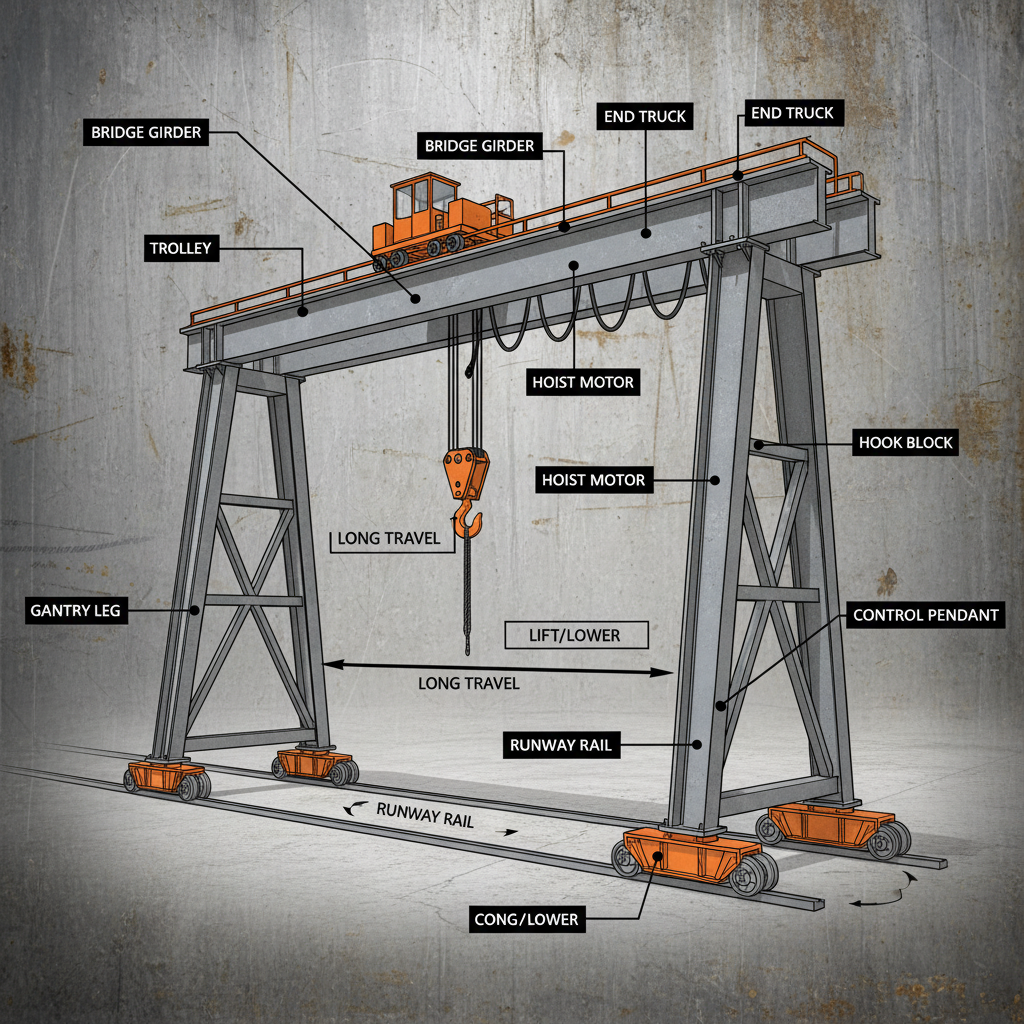
What is a Rolling Gantry and How Does it Work?
A rolling gantry is essentially a crane supported by a mobile framework. The framework consists of A-frame supports or a rectangular structure, which rolls on a rail system embedded in the floor. This rail system allows the entire gantry to move laterally along a predefined path. The lifting mechanism, typically a hoist, is suspended from the gantry’s beam. This design provides significant lifting capacity and coverage area without the permanent infrastructure requirements of a fixed gantry. The mobility of a rolling gantry system makes it ideal for handling large or awkwardly shaped materials.
Key Benefits of Using a Rolling Gantry
Implementing a rolling gantry system offers numerous advantages. Firstly, flexibility – the ability to move the gantry to where it’s needed, eliminating the need for multiple fixed lifting points. Secondly, space optimization – rolling gantries can operate in confined spaces, maximizing workspace utilization. Thirdly, cost-effectiveness - lower installation costs compared to fixed gantries, and reduced material handling expenses. Finally, increased safety - improved control over lifting operations, minimizing the risk of accidents. These benefits contribute to a more efficient, productive, and safe work environment.
Key Benefits Highlighted: Flexibility, Space Optimization, Cost-Effectiveness, Increased Safety.
Rolling Gantry Applications Across Industries
Rolling gantries find applications across a wide range of industries. In manufacturing, they are used for moving heavy components and assemblies. Construction sites utilize them for lifting materials and prefabricated structures. Shipyards rely on rolling gantries for handling large ship sections. Warehousing and logistics benefit from their ability to efficiently load and unload trucks and containers. The versatility of a rolling gantry system allows it to be adapted to diverse lifting challenges in various sectors.
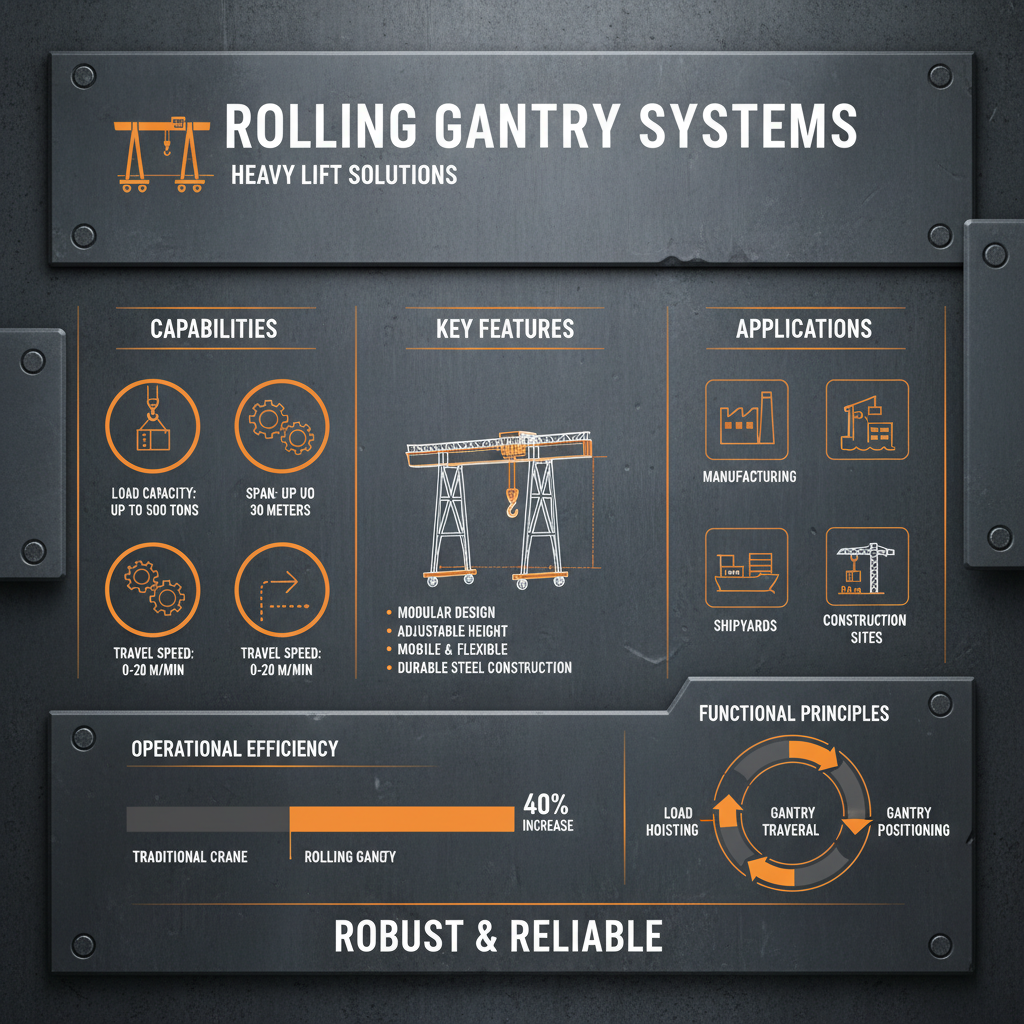
Comparing Rolling Gantries to Other Lifting Solutions
When considering a lifting solution, it's important to compare rolling gantries with alternatives like overhead cranes and forklifts. Overhead cranes offer high lifting capacity but are fixed in position. Forklifts provide maneuverability but are limited in lifting height and capacity. Rolling gantries strike a balance between these two, offering both mobility and substantial lifting capabilities. Below is a comparison table:
Choosing the Right Rolling Gantry: Key Considerations
Selecting the appropriate rolling gantry requires careful consideration of several factors. Lifting capacity – determine the maximum weight that needs to be lifted. Span and height – ensure the gantry can cover the required area and provide adequate headroom. Duty cycle – consider the frequency and duration of lifting operations. Workspace constraints – account for any limitations in space. Safety features - look for features like overload protection and emergency stop mechanisms. Dawei Hoisting provides expert guidance to help you select the optimal rolling gantry for your specific needs.
Conclusion: Enhance Your Operations with a Rolling Gantry
A rolling gantry is a powerful material handling solution that can significantly improve efficiency, safety, and productivity. By carefully evaluating your needs and choosing a reliable supplier like Dawei Hoisting, you can invest in a system that delivers long-term value. Don't hesitate to contact us to discuss your specific requirements and explore the possibilities.
Frequently Asked Questions (FAQs)
What is the typical lead time for a custom rolling gantry?
The lead time for a custom rolling gantry varies depending on the complexity of the design, component availability, and current production schedule. Generally, a standard custom rolling gantry can take between 6-12 weeks from order confirmation to delivery. More complex designs or those requiring specialized components may have a longer lead time. We at Dawei Hoisting strive to provide accurate lead time estimates during the quoting process and keep clients informed of any potential delays.
What maintenance is required for a rolling gantry system?
Regular maintenance is crucial for ensuring the safe and reliable operation of a rolling gantry. This includes periodic inspection of the rails for debris and wear, lubrication of moving parts, and checking the hoist mechanism for proper functioning. The hoist wire rope should be inspected for fraying and replaced as needed. Regularly inspect the wheels and bearings. Following a scheduled maintenance plan, as outlined in the manufacturer's manual, will maximize the lifespan and safety of your rolling gantry.
Can rolling gantries be used outdoors?
Yes, rolling gantries can be used outdoors, but require specific considerations. The gantry must be constructed from materials resistant to corrosion and weathering. Appropriate coatings and seals should be applied to protect against the elements. The rail system must be properly maintained to prevent debris buildup and ensure smooth operation. Additionally, wind loading must be factored into the design to ensure stability. Dawei Hoisting offers outdoor-rated rolling gantry systems designed to withstand harsh environmental conditions.
What safety features are typically included with rolling gantries?
Safety is paramount. Typical safety features include overload protection, which prevents lifting loads exceeding the gantry's capacity. Emergency stop buttons provide immediate shutdown in critical situations. Limit switches prevent travel beyond the designated rail boundaries. Audible and visual warning devices alert personnel to lifting operations. Properly designed and maintained safety guards protect moving parts. Dawei Hoisting prioritizes safety in all of our rolling gantry designs.
-
Maximize Efficiency with a Portable Mini Gantry Crane GuideNewsApr.16,2026
-
Industrial Fixed Gantry Crane Guide for Heavy Duty LiftingNewsApr.09,2026
-
Comprehensive Guide to 1 Ton Overhead Crane Capabilities and ApplicationsNewsApr.07,2026
-
Maximize Lifting Efficiency with a Robust 1 Ton Gantry Crane SystemNewsApr.04,2026
-
Comprehensive Guide to 3 Ton Overhead Crane Systems and ApplicationsNewsMar.31,2026
-
Comprehensive Guide to Portal Crane Systems and Industrial ApplicationsNewsMar.28,2026
-
Gantry Crane Price Guide 2024 Understanding Costs and OptionsNewsMar.26,2026