
Comprehensive Guide to Small Gantry Cranes for Efficient Lifting Solutions
Understanding Small Gantry Cranes: Your Comprehensive Guide
Small gantry cranes are versatile lifting solutions ideal for a wide range of applications, from workshops to outdoor storage yards. They offer a cost-effective and efficient alternative to larger overhead cranes, providing precise lifting capabilities in areas with limited headroom. Whether you’re managing inventory, moving materials, or assisting with assembly, a small gantry crane can significantly improve productivity and safety. This article will delve into the features, types, applications, and key considerations when selecting the right gantry crane for your needs.
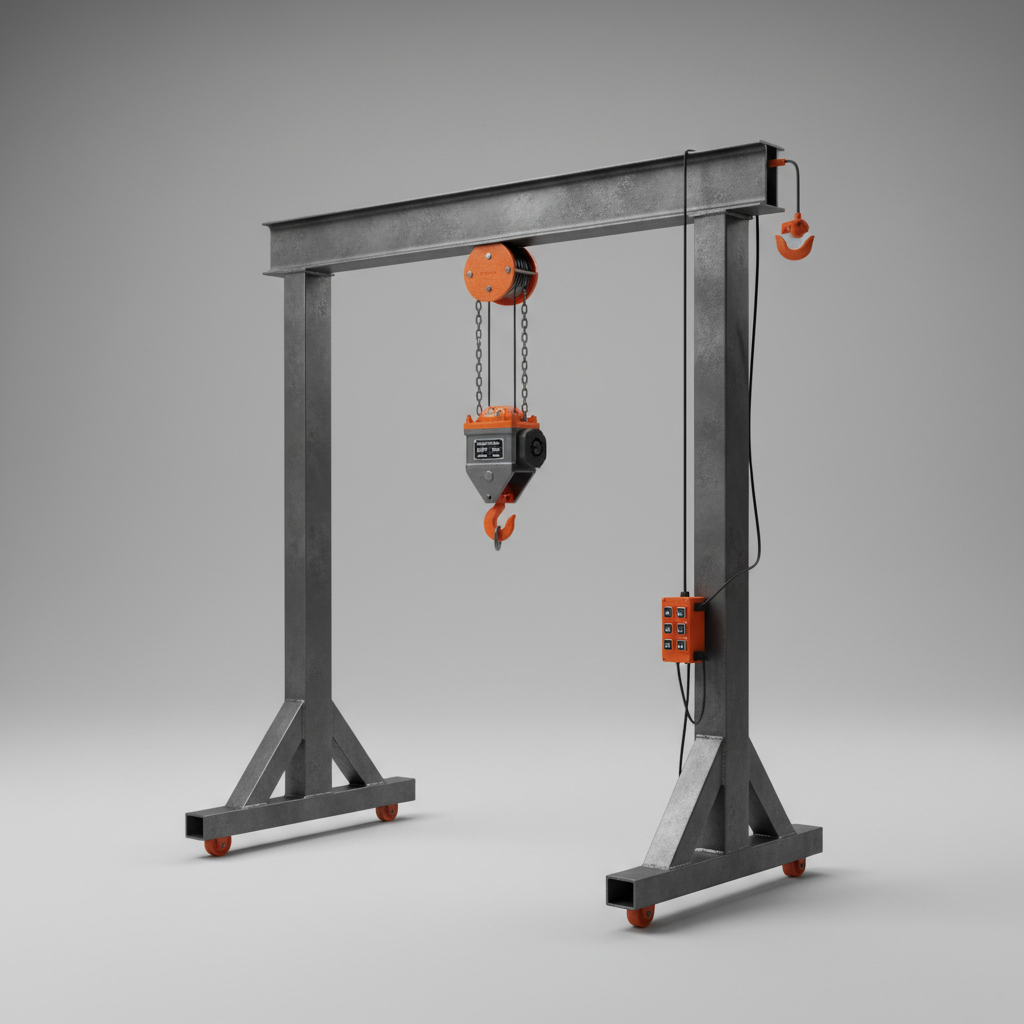
What is a Small Gantry Crane?
A small gantry crane is essentially a mobile bridge crane, typically supported by legs that travel on rails or wheels. Unlike traditional overhead cranes that require a fixed overhead structure, gantry cranes are self-supporting, making them perfect for both indoor and outdoor environments where modifying existing infrastructure is impractical or costly. They are commonly used for lifting and moving materials in manufacturing plants, warehouses, workshops, shipyards, and construction sites. The key components include the gantry structure, hoist unit, trolley, and supporting legs. Choosing the right gantry crane depends heavily on your specific lifting requirements.
Key Benefits: Portability, Cost-Effectiveness, Versatility, Enhanced Safety, and Increased Productivity.
Types of Small Gantry Cranes
Small gantry cranes come in various configurations to suit diverse needs. The most common types include:
- Fixed Gantry Cranes: These have permanently fixed legs and are suitable for repetitive lifting tasks in a defined area.
- Mobile Gantry Cranes: Equipped with wheels or casters, these cranes offer greater flexibility and can be easily moved to different locations.
- Adjustable Gantry Cranes: Allow for adjustments in height and span, providing adaptability for varying load sizes and work areas.
- I-Beam Gantry Cranes: Use a single or double I-beam as the main structural component, typically suitable for lighter loads.
- A-Frame Gantry Cranes: Feature an A-shaped frame for stability, often used in workshops and smaller facilities.
The best choice for your application depends on factors such as load weight, lifting height, workspace limitations, and frequency of use.
Gantry Crane Type Comparison:
• Fixed: Ideal for consistent, stationary lifts.
• Mobile: Best for adaptability and changing work locations.
• Adjustable: Suited for varying load sizes and lifting heights.
Key Considerations When Selecting a Small Gantry Crane
Choosing the right small gantry crane requires careful consideration of several factors. Firstly, determine the maximum load weight you’ll need to lift. This is crucial for selecting a crane with sufficient lifting capacity. Secondly, assess the required lifting height and span (the distance between the legs). Ensure the crane can reach the necessary height and cover the desired area. Consider the workspace limitations – available headroom and floor space – to determine the appropriate crane size and type. Finally, factor in the frequency of use and the environmental conditions (indoor vs. outdoor) to choose a durable and reliable crane.
Applications of Small Gantry Cranes
Small gantry cranes are incredibly versatile and find applications in a vast number of industries. They are frequently used in machine shops for loading and unloading materials, in fabrication facilities for moving steel components, and in warehouses for handling palletized goods. They are also valuable in maintenance and repair operations, allowing technicians to lift heavy equipment safely. Outdoor applications include construction sites, landscaping projects, and loading docks. A reliable Dawei Hoisting gantry crane is an investment in efficiency and safety.
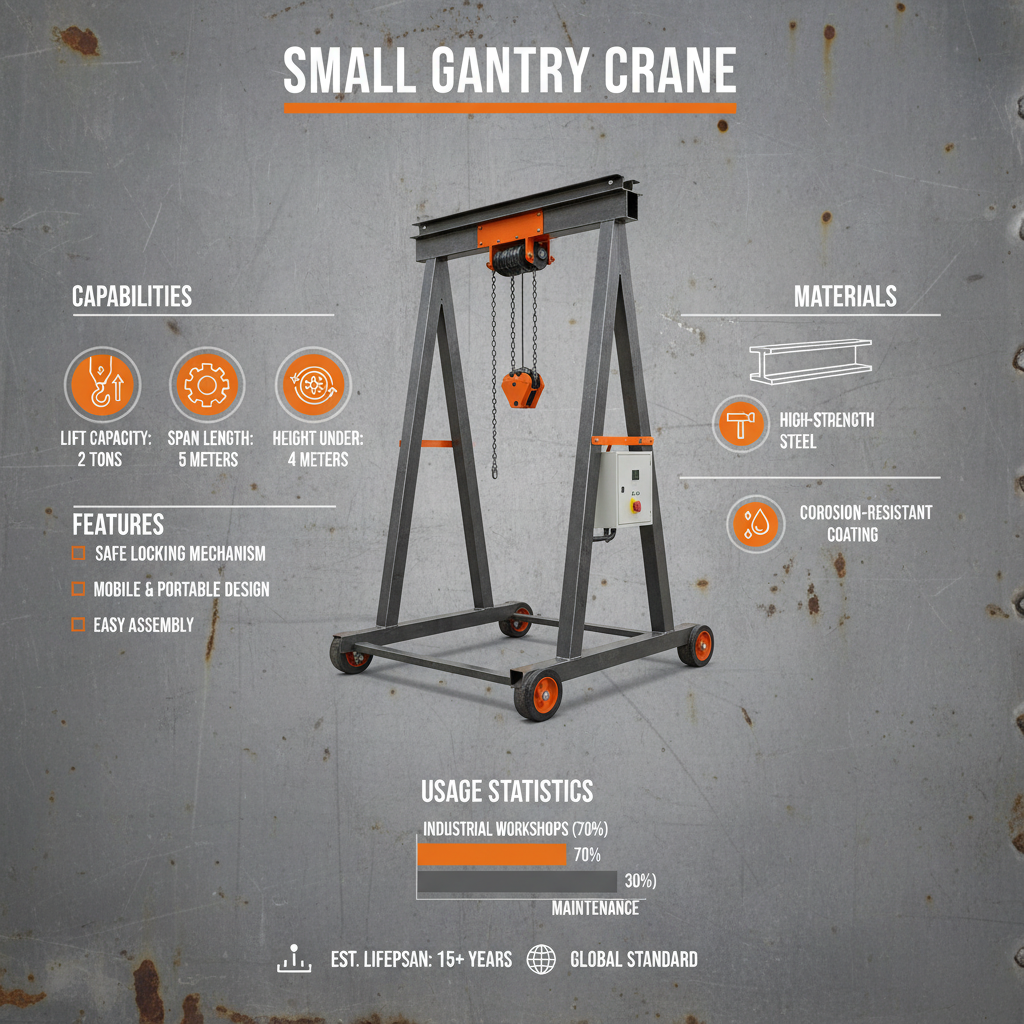
Safety Considerations and Maintenance
Safety is paramount when operating any lifting equipment. Always ensure that the crane is installed and operated by qualified personnel. Regular inspections are crucial to identify any signs of wear and tear. This includes checking the hoist, trolley, legs, and all structural components. Adhere to the manufacturer's guidelines for load limits and operating procedures. Implement a preventative maintenance schedule to lubricate moving parts, tighten bolts, and replace worn components. Proper maintenance extends the lifespan of the crane and ensures its continued safe operation. Investing in safety training for operators is essential.
Conclusion: Choosing the Right Small Gantry Crane
Selecting the right small gantry crane is a critical decision that impacts productivity and safety. By carefully considering your lifting requirements, workspace limitations, and budget, you can choose a crane that effectively addresses your needs. Dawei Hoisting offers a wide range of high-quality, reliable gantry cranes to suit various applications. Don't compromise on safety and efficiency – invest in a gantry crane that will serve your business for years to come.
Frequently Asked Questions (FAQs)
What is the typical lead time for a small gantry crane?
Lead times can vary depending on the crane's complexity, customization requirements, and current production schedules. Generally, standard models are available within 4-6 weeks, while customized cranes may take 8-12 weeks or longer. It’s best to contact Dawei Hoisting directly for a precise quote and estimated delivery time based on your specific needs. Factors like hoist type, span, and height can influence the overall lead time.
What kind of maintenance is required for a small gantry crane?
Regular maintenance is crucial for ensuring the longevity and safe operation of your gantry crane. This includes daily visual inspections for damage, monthly lubrication of moving parts (chain, wheels, bearings), and annual thorough inspections by a qualified technician. The technician should check the hoist mechanism, trolley travel, leg stability, and overall structural integrity. Maintaining proper tension in the chain and ensuring correct wiring are also vital components of preventative maintenance.
Can gantry cranes be used outdoors?
Yes, gantry cranes can be used outdoors, but it's crucial to select a model specifically designed for outdoor use. These cranes typically feature corrosion-resistant coatings and weatherproof components to withstand the elements. It's also important to consider factors like wind load and ensure the crane is properly anchored or secured to prevent tipping. Dawei Hoisting offers outdoor-rated gantry cranes built to withstand harsh weather conditions.
What is the weight capacity of your smallest gantry cranes?
Our smallest gantry cranes typically have a weight capacity ranging from 500kg (1100lbs) to 2 tons (4400lbs). However, we offer a wide range of models with varying capacities to suit diverse needs. We can also customize cranes to meet specific load requirements. It's always best to consult with our engineers to determine the appropriate crane size and capacity for your application. Remember to account for the weight of the load plus any lifting accessories, such as slings or shackles.
-
Maximize Efficiency with a Portable Mini Gantry Crane GuideNewsApr.16,2026
-
Industrial Fixed Gantry Crane Guide for Heavy Duty LiftingNewsApr.09,2026
-
Comprehensive Guide to 1 Ton Overhead Crane Capabilities and ApplicationsNewsApr.07,2026
-
Maximize Lifting Efficiency with a Robust 1 Ton Gantry Crane SystemNewsApr.04,2026
-
Comprehensive Guide to 3 Ton Overhead Crane Systems and ApplicationsNewsMar.31,2026
-
Comprehensive Guide to Portal Crane Systems and Industrial ApplicationsNewsMar.28,2026
-
Gantry Crane Price Guide 2024 Understanding Costs and OptionsNewsMar.26,2026