
Understanding the Benefits and Applications of a Single Girder Overhead Crane
Understanding the Power of a Single Girder Overhead Crane
In the world of material handling, efficiency and reliability are paramount. A single girder overhead crane represents a cost-effective and versatile solution for a wide range of lifting applications. From manufacturing facilities to construction sites, these cranes streamline operations, improve safety, and boost productivity. This article will explore the benefits, applications, specifications, and safety considerations of single girder overhead cranes, providing a comprehensive guide for businesses seeking to optimize their lifting processes. Choosing the right crane is a crucial investment for long-term success.
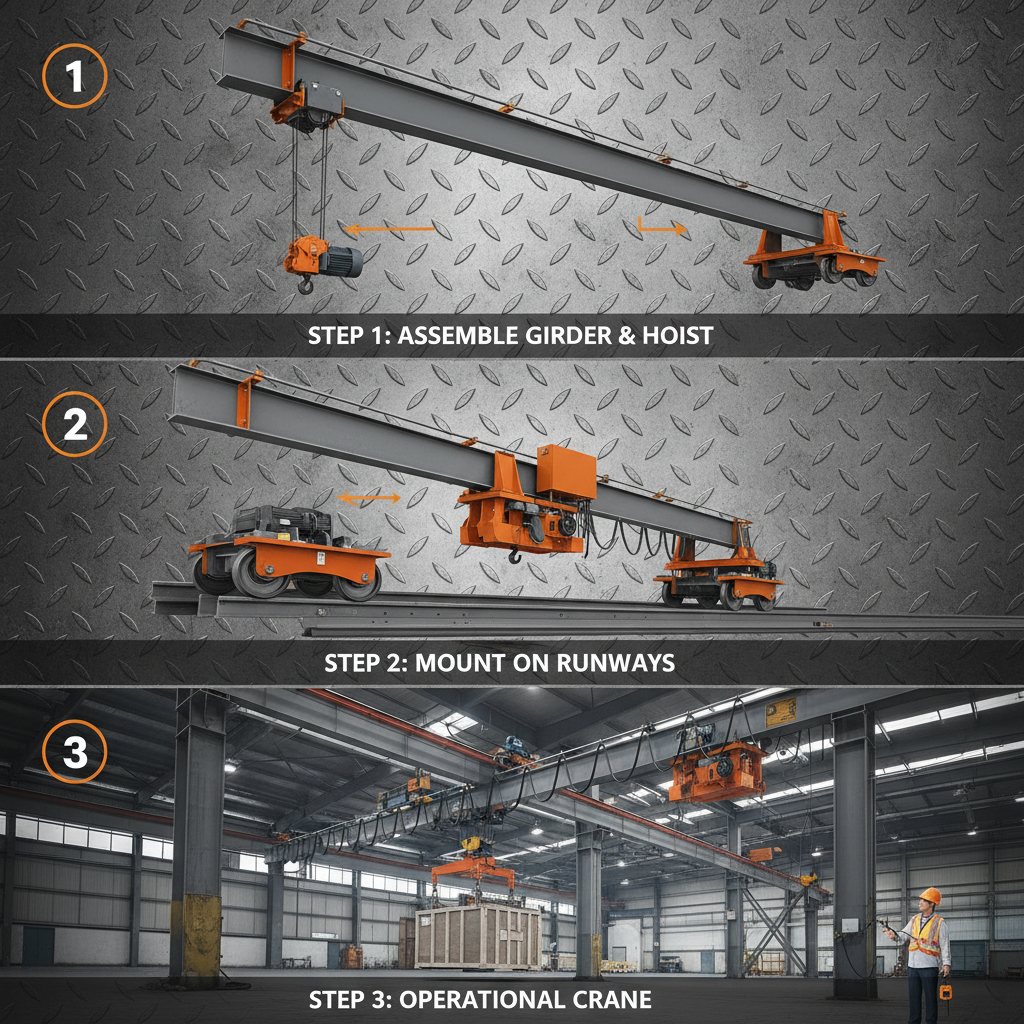
What is a Single Girder Overhead Crane?
A single girder overhead crane is a type of crane characterized by a single horizontal beam (the girder) supported by two end trucks. This girder travels along rails, allowing the crane to move materials across a specific area. It’s typically used for lighter to medium-duty lifting tasks. The hoist, which does the actual lifting, is mounted on a trolley that moves along the girder. This simple yet effective design offers a balance of affordability, performance, and ease of use. Compared to more complex crane systems, a single girder crane is often the ideal choice for facilities with limited headroom or budget constraints.
Key Benefits: Cost-effective, easy to install and maintain, suitable for a variety of applications, provides good maneuverability, and enhances workplace safety.
Common Applications of Single Girder Cranes
Single girder overhead cranes are exceptionally versatile and find applications across numerous industries. Some of the most common include:
- Manufacturing: Moving materials, components, and finished goods within a factory setting.
- Warehousing: Loading and unloading trucks, stacking pallets, and managing inventory.
- Construction: Lifting and positioning building materials on construction sites.
- Automotive Repair: Lifting engines and other heavy components in automotive workshops.
- Machine Shops: Handling heavy machinery and workpieces.
The adaptability of these cranes makes them a valuable asset for any business requiring efficient material handling.
Single Girder vs. Double Girder Overhead Cranes: Which is Right for You?
Choosing between a single girder and a double girder overhead crane depends on your specific lifting requirements. Here's a comparative overview:
Key Specifications to Consider When Choosing a Single Girder Crane
When selecting a single girder overhead crane, carefully consider these specifications:
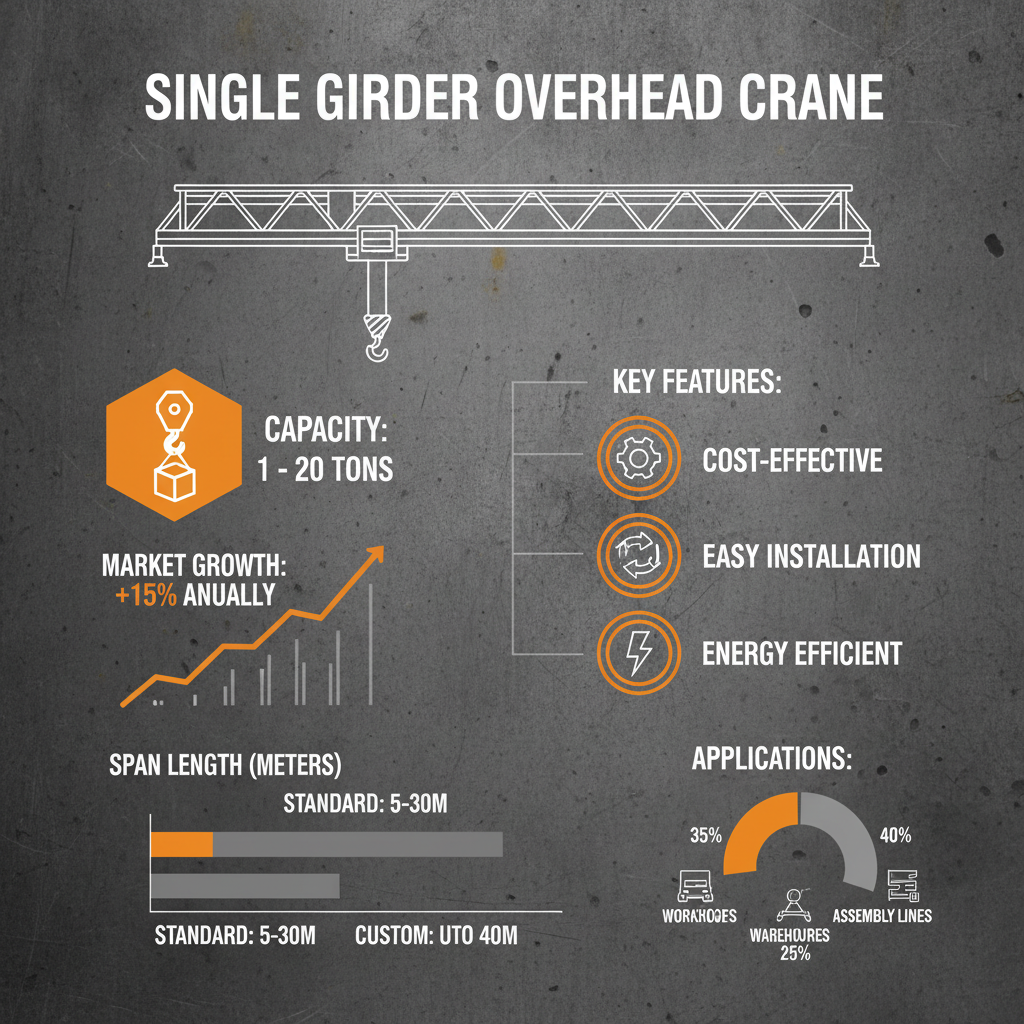
- Capacity: The maximum weight the crane can lift.
- Span: The distance between the crane's rails.
- Lift Height: The maximum vertical distance the hoist can travel.
- Travel Speed: The speed at which the crane moves along the rails.
- Hoist Type: Wire rope hoist, chain hoist, or geared hoist.
- Control System: Pendant control, remote control, or automated control.
Partnering with a reputable supplier like Dawei Hoisting ensures you receive a crane tailored to your exact needs.
Safety Considerations for Single Girder Overhead Crane Operation
Safety is paramount when operating any overhead crane. Follow these essential safety guidelines:
- Regular Inspections: Conduct routine inspections of the crane, hoist, and all components.
- Proper Training: Ensure all operators are properly trained and certified.
- Load Limits: Never exceed the crane’s rated capacity.
- Clearance: Maintain adequate clearance around the crane's path.
- Emergency Stop: Ensure the emergency stop button is easily accessible and functioning correctly.
Adhering to these safety protocols minimizes the risk of accidents and ensures a safe working environment.
Conclusion: Optimizing Your Operations with a Single Girder Crane
Investing in a single girder overhead crane from a trusted manufacturer like Dawei Hoisting can significantly enhance your material handling efficiency and productivity. By understanding the applications, specifications, and safety considerations outlined in this guide, you can make an informed decision and choose the right crane for your business needs. A well-chosen crane is an investment that delivers long-term benefits.
Frequently Asked Questions (FAQs)
What maintenance is required for a single girder overhead crane?
Regular maintenance is crucial for ensuring the longevity and safe operation of your crane. This includes lubricating moving parts, inspecting wire ropes and chains for wear and tear, checking brakes, and examining the electrical components. A qualified technician should perform more in-depth inspections annually. Proper maintenance prevents costly breakdowns and extends the lifespan of your investment. Dawei Hoisting offers comprehensive maintenance services to keep your crane running smoothly.
What factors affect the price of a single girder crane?
Several factors influence the price of a single girder crane, including its lifting capacity, span length, lift height, hoist type, control system, and any additional features or customization. The complexity of the installation and the supplier's reputation also play a role. Obtaining quotes from multiple suppliers is recommended to compare prices and features. Dawei Hoisting provides competitive pricing and tailored solutions to fit your budget.
How long does it take to install a single girder overhead crane?
The installation time for a single girder overhead crane varies depending on the complexity of the installation, the building's structure, and the accessibility of the installation area. A typical installation can take anywhere from a few days to a week or more. Proper planning and a skilled installation team are essential for a timely and safe installation. Dawei Hoisting offers professional installation services to ensure your crane is installed correctly and efficiently.
What safety features are typically included on a single girder overhead crane?
Modern single girder overhead cranes come equipped with various safety features, including overload protection, emergency stop buttons, limit switches to prevent over-travel, warning alarms, and protective guards. These features are designed to minimize the risk of accidents and ensure a safe working environment. Always ensure your crane meets relevant safety standards and is properly maintained.
-
Maximize Efficiency with a Portable Mini Gantry Crane GuideNewsApr.16,2026
-
Industrial Fixed Gantry Crane Guide for Heavy Duty LiftingNewsApr.09,2026
-
Comprehensive Guide to 1 Ton Overhead Crane Capabilities and ApplicationsNewsApr.07,2026
-
Maximize Lifting Efficiency with a Robust 1 Ton Gantry Crane SystemNewsApr.04,2026
-
Comprehensive Guide to 3 Ton Overhead Crane Systems and ApplicationsNewsMar.31,2026
-
Comprehensive Guide to Portal Crane Systems and Industrial ApplicationsNewsMar.28,2026
-
Gantry Crane Price Guide 2024 Understanding Costs and OptionsNewsMar.26,2026