
Comprehensive Guide to Permanent Lifting Magnets for Industrial Applications
Understanding Permanent Lifting Magnets: A Comprehensive Guide
Permanent lifting magnets are invaluable tools for handling ferrous materials in various industrial settings. Unlike electromagnets, they don't require a power source, offering consistent lifting power and ease of use. This article will delve into the principles, applications, benefits, and safety considerations of permanent lifting magnets, providing a thorough understanding for those seeking efficient and reliable material handling solutions. Choosing the right lifting magnet significantly impacts productivity and safety in operations involving steel and iron.
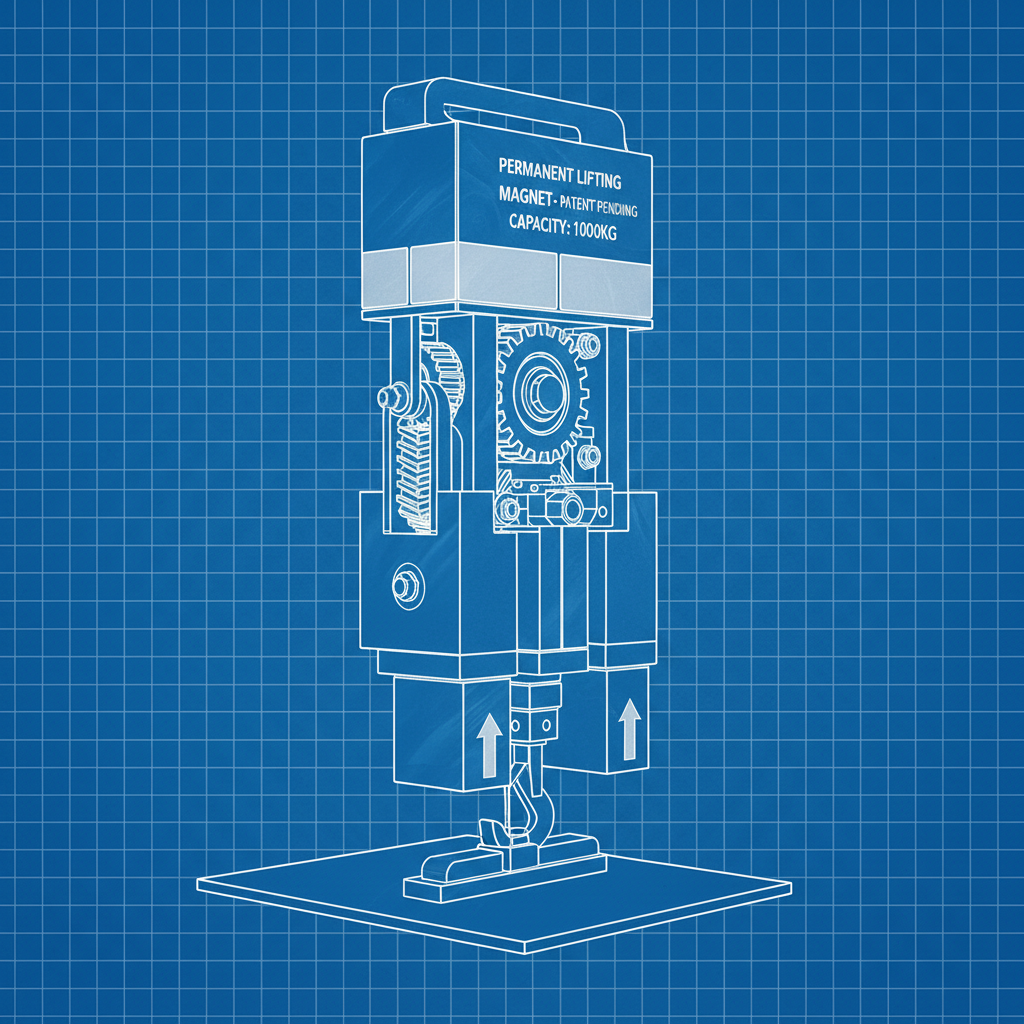
How Do Permanent Lifting Magnets Work?
Permanent lifting magnets utilize powerful rare-earth magnets, typically neodymium iron boron (NdFeB), to generate a strong magnetic field. This field penetrates the ferrous material, creating an attractive force that allows for lifting and transport. The magnetic force is consistent and doesn't diminish unless exposed to extremely high temperatures or opposing magnetic fields. The strength of a permanent lifting magnet is often measured in its 'lifting capacity', which indicates the maximum weight it can safely lift under ideal conditions – a flat, clean, and thick steel surface. Dawei Hoisting offers a diverse range of permanent lifting magnets designed to meet specific lifting requirements.
Key Considerations: The lifting capacity is influenced by the material's composition, surface condition (e.g., rust, paint), and thickness. Proper de-rating factors must be applied for real-world applications to ensure safe operation.
Permanent Lifting Magnet vs. Electromagnet: A Comparison
Choosing between a permanent lifting magnet and an electromagnet depends on the specific application. Electromagnets require a constant power supply, offering on-demand lifting and releasing capabilities. However, they can be unreliable in case of power outages and generate heat during operation. Permanent lifting magnets offer simplicity, consistent lifting force, and eliminate the need for electricity. They are ideal for situations where continuous lifting is required or where a power source isn't readily available.
Key Differences:
• Power Source: Permanent magnets – None; Electromagnets – Required
• Control: Permanent magnets – Fixed; Electromagnets – On-demand
• Reliability: Permanent magnets – High; Electromagnets – Dependent on power supply
• Heat Generation: Permanent magnets – None; Electromagnets – Potential for heat build-up
Applications of Permanent Lifting Magnets
Permanent lifting magnets are used extensively across various industries. Common applications include scrap metal recycling, steel mill operations, handling steel plates and coils, pipe handling in oil and gas, and lifting heavy machinery. Their ability to provide a secure and reliable hold makes them essential for improving efficiency and safety in material handling processes. Dawei Hoisting provides customized lifting magnet solutions to meet the unique needs of different industries.
Selecting the Right Permanent Lifting Magnet
Choosing the correct permanent lifting magnet requires careful consideration of several factors. First, determine the maximum weight you need to lift, and then apply a safety factor. The material’s composition, surface condition (smooth, rough, painted), and thickness also affect the lifting capacity. Consider the lifting height and environment (indoor, outdoor, temperature). It's crucial to choose a magnet with a lifting capacity that exceeds the weight being lifted, accounting for these de-rating factors. Dawei Hoisting's expert team can assist you in selecting the optimal magnet for your specific application.
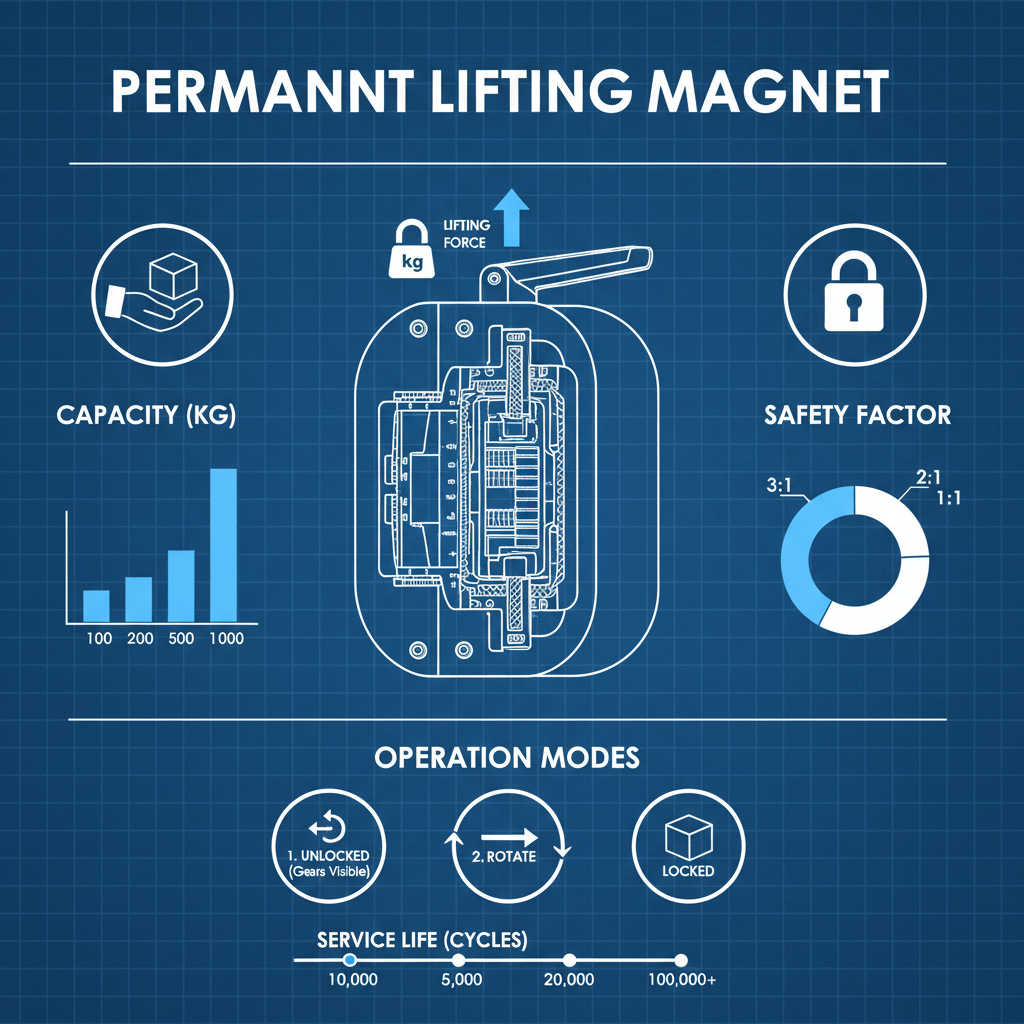
Safety Considerations When Using Permanent Lifting Magnets
Safety is paramount when using permanent lifting magnets. Always inspect the magnet for any signs of damage before use. Ensure the lifting surface is clean and free of debris. Never exceed the magnet's rated lifting capacity. Avoid using magnets near sensitive electronic equipment. Implement proper training for personnel operating the magnets, emphasizing safe lifting practices and potential hazards. Regular maintenance and inspection are crucial for ensuring the continued safe operation of the equipment.
Conclusion: Maximizing Efficiency and Safety with Permanent Lifting Magnets
Permanent lifting magnets offer a reliable, efficient, and cost-effective solution for handling ferrous materials in a wide range of industries. By understanding their principles, applications, and safety considerations, you can maximize their benefits and ensure safe operation. Dawei Hoisting is your trusted partner for high-quality permanent lifting magnets and expert support.
Frequently Asked Questions (FAQs)
What is the de-rating factor for painted surfaces?
The presence of paint or coatings significantly reduces the effective lifting capacity of a permanent lifting magnet. A common de-rating factor for painted surfaces is 50%, meaning you should only consider lifting 50% of the magnet’s rated capacity when lifting through paint. The thickness and type of paint greatly influence this factor. For heavily coated or irregular surfaces, it's recommended to test the lifting capacity in a controlled environment before full-scale operation. Always err on the side of caution and prioritize safety.
How do I demagnetize a permanent lifting magnet?
Demagnetizing a permanent lifting magnet is a specialized process and should not be attempted without proper knowledge and equipment. Exposing the magnet to an alternating magnetic field of sufficient strength can reduce its magnetization. This typically involves using a dedicated demagnetizing coil. However, completely demagnetizing a strong neodymium magnet is challenging. It's generally not recommended to attempt demagnetization unless absolutely necessary, and it's best to consult with a magnet specialist.
What maintenance is required for permanent lifting magnets?
Permanent lifting magnets require minimal maintenance, but regular inspection is crucial. Check for any signs of corrosion, cracks, or damage to the magnet body and lifting eye. Ensure the lifting surface is clean and free of debris before each use. Periodically clean the magnet with a dry cloth to remove any dirt or contaminants. Avoid dropping or subjecting the magnet to strong impacts.
Are permanent lifting magnets affected by temperature?
Yes, temperature can affect the performance of permanent lifting magnets. Extreme temperatures, particularly high temperatures, can cause a slight decrease in magnetic strength. Neodymium magnets have a Curie temperature (around 310-400°C or 590-752°F), above which they lose their magnetism. While this is typically not a concern in most industrial applications, it's essential to consider the operating temperature when selecting a magnet for a specific environment.
-
Maximize Efficiency with a Portable Mini Gantry Crane GuideNewsApr.16,2026
-
Industrial Fixed Gantry Crane Guide for Heavy Duty LiftingNewsApr.09,2026
-
Comprehensive Guide to 1 Ton Overhead Crane Capabilities and ApplicationsNewsApr.07,2026
-
Maximize Lifting Efficiency with a Robust 1 Ton Gantry Crane SystemNewsApr.04,2026
-
Comprehensive Guide to 3 Ton Overhead Crane Systems and ApplicationsNewsMar.31,2026
-
Comprehensive Guide to Portal Crane Systems and Industrial ApplicationsNewsMar.28,2026
-
Gantry Crane Price Guide 2024 Understanding Costs and OptionsNewsMar.26,2026