Gantry systems, often essential for heavy lifting and material handling, are increasingly available for purchase across diverse industries. The demand for gantry for sale is driven by the need for efficient and safe load movement in manufacturing, construction, shipping yards, and more. Understanding the nuances of these systems – from their different types to their capacity and safety features – is crucial for businesses looking to optimize operations and minimize costs. The global market reflects this growing need, with a continuous stream of manufacturers and suppliers offering tailored solutions.
The relevance of gantry for sale extends beyond simple material movement. These systems are pivotal in supporting supply chains, streamlining logistics, and even facilitating complex assembly processes. According to the World Bank, efficient logistics infrastructure is a key determinant of economic growth, and gantries play a vital role within this infrastructure. Standards organizations like ISO continually refine safety and operational guidelines, impacting the design and sale of these systems worldwide.
However, sourcing the right gantry can be challenging. Businesses face decisions about capacity, span, lift height, and mobility, all while navigating budgetary constraints and safety regulations. The availability of a wide range of gantry for sale solutions means careful evaluation is essential to ensure optimal performance and long-term value.
Defining Gantry Systems and Their Importance
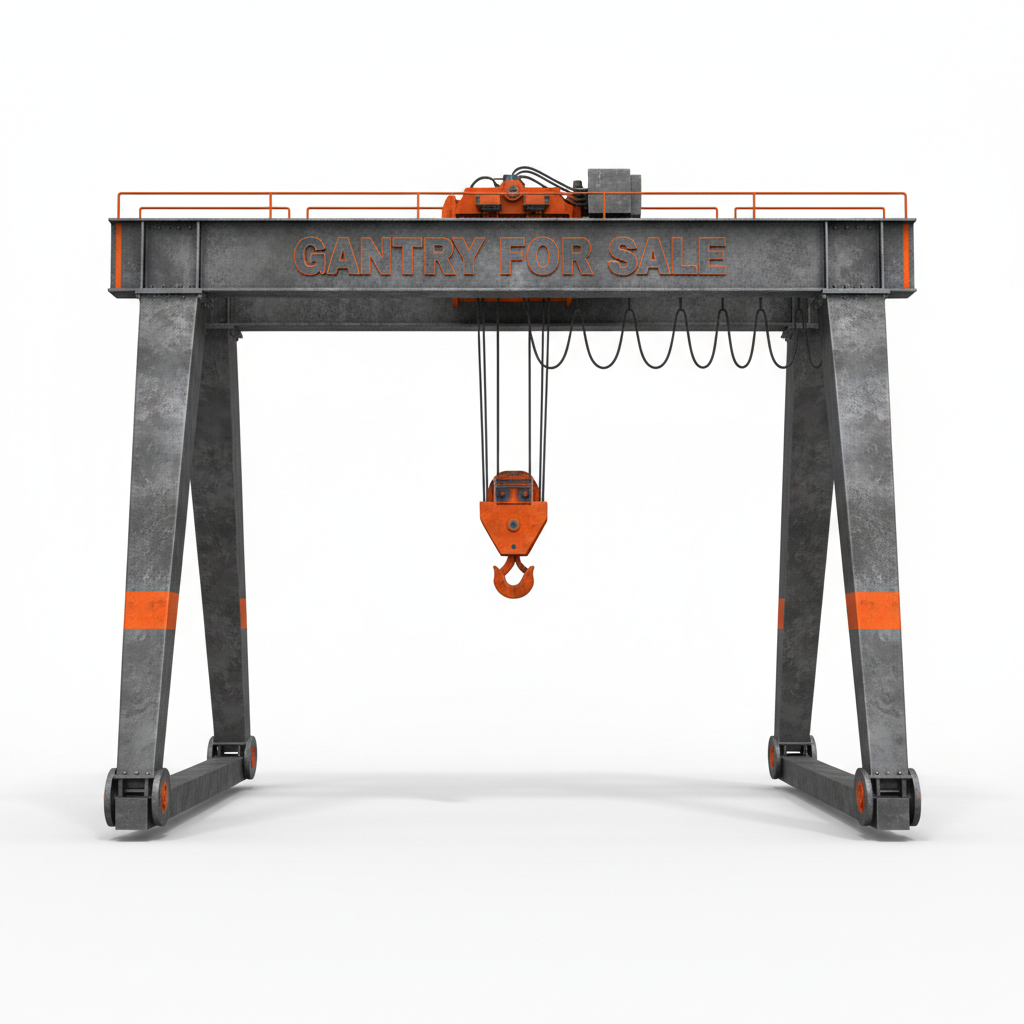
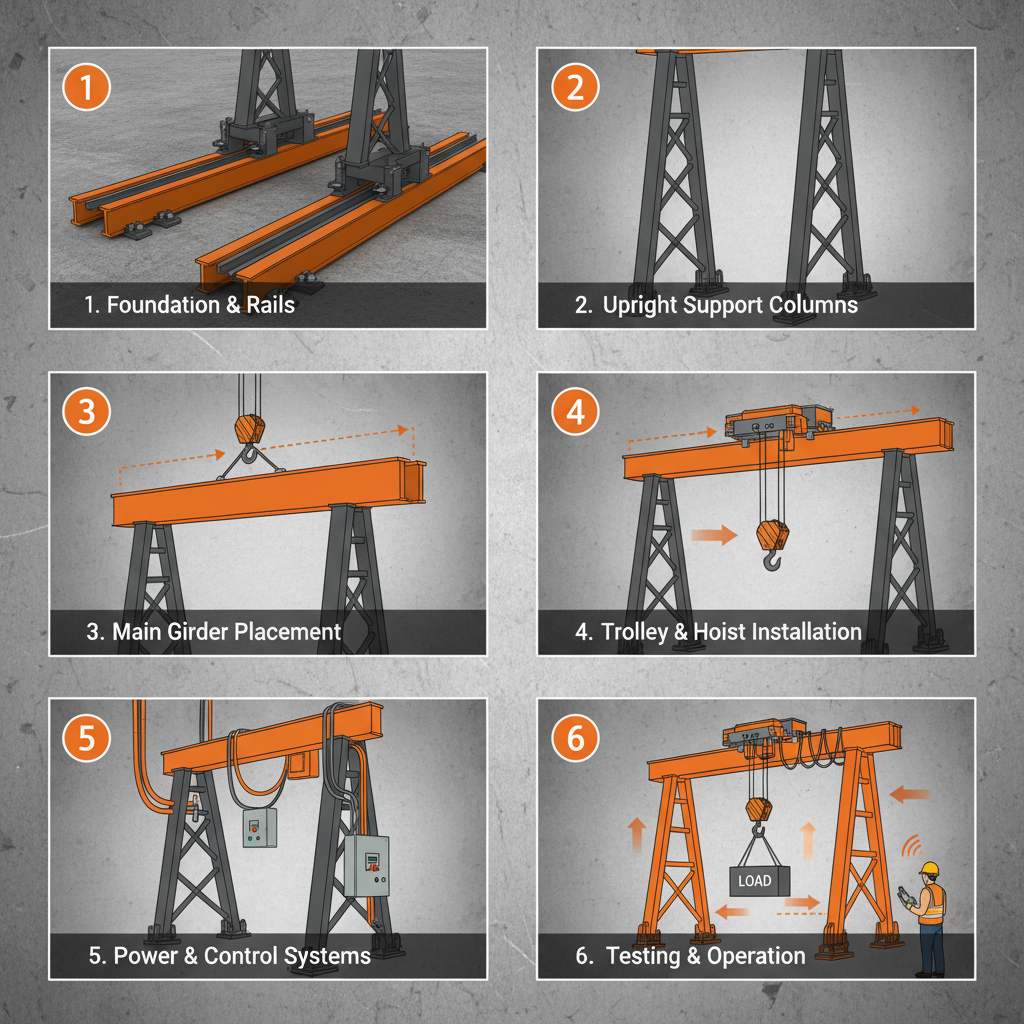
A gantry system, essentially, is a portal structure used to lift and move heavy objects. The term 'gantry for sale' refers to the availability of these structures for purchase, ranging from standardized models to fully customized solutions. They are composed of two vertical supports (legs) connected by a horizontal beam, with a hoist traveling along the beam.
These systems are critically important in a range of industrial settings. They allow for efficient material handling in spaces where overhead cranes are impractical or impossible to install. Their versatility makes them a cornerstone of modern logistics and manufacturing processes, contributing significantly to productivity and overall operational efficiency.
The Global Market for Gantry Systems
The global market for gantries is experiencing steady growth, driven by increasing industrial activity in emerging economies and the need for modernized material handling solutions. Regions like Asia-Pacific, particularly China and India, represent significant demand centers due to their rapid infrastructure development and manufacturing expansion.
North America and Europe also remain substantial markets, with a focus on upgrading existing infrastructure and adopting automation technologies. Factors like stricter safety regulations and a demand for higher efficiency are influencing purchasing decisions. The availability of gantry for sale is becoming increasingly competitive, with manufacturers focusing on offering tailored solutions to meet specific customer needs.
Recent market analysis indicates a projected annual growth rate of around 4-6% in the coming years, fueled by increased investment in ports, shipbuilding, and heavy industries. This consistent growth underscores the importance of understanding the options available when considering a gantry for sale.
Core Components and Features of a Gantry System
Understanding the components of a gantry system is essential when evaluating gantry for sale options. Key elements include the supporting legs, which determine the overall stability and load capacity; the bridge beam, which houses the hoist and trolley; and the hoist itself, responsible for the lifting and lowering action.
Furthermore, features like adjustable height, span, and mobility are critical considerations. Some gantries are fixed in place, while others are equipped with wheels or tracks for easy relocation. The type of hoist used (wire rope, chain, or pneumatic) also influences performance and suitability for different applications. Advanced systems incorporate variable frequency drives (VFDs) for precise speed control and automated safety features.
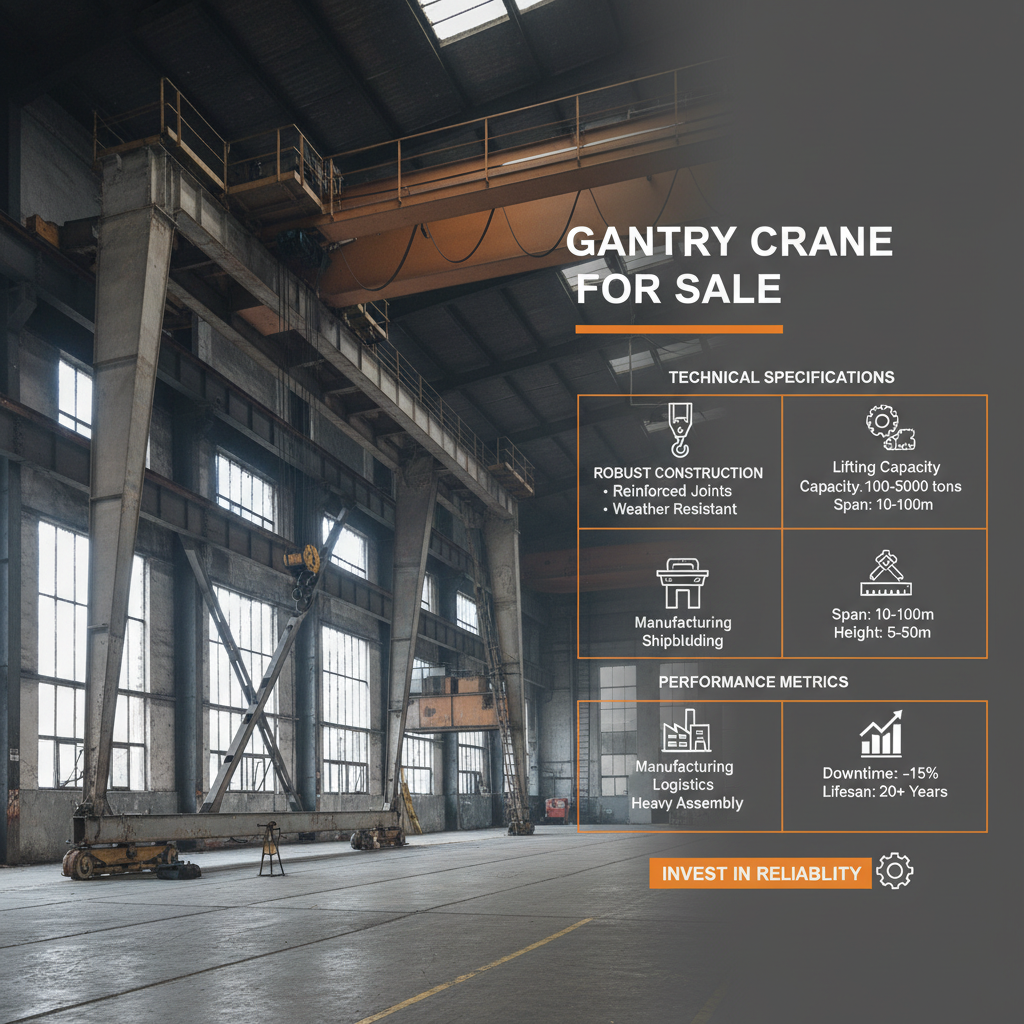
Modern gantries are also increasingly incorporating smart technologies, such as remote monitoring and predictive maintenance systems. These features enhance operational efficiency, minimize downtime, and improve overall safety. When assessing gantry for sale, it’s important to consider not just the immediate needs, but also the potential for future integration with these advanced technologies.
Key Factors Influencing Gantry Selection
Selecting the right gantry involves careful consideration of several key factors. Load capacity is paramount – the gantry must be able to safely lift and move the heaviest objects in your operation. Span and lift height are also critical, determined by the dimensions of the work area and the height of the materials being handled.
Beyond these physical requirements, factors like duty cycle (how frequently the gantry will be used) and environmental conditions (indoor vs. outdoor, temperature, humidity) play a significant role. The type of load being handled (e.g., containers, steel coils, machinery) also influences the choice of hoist and lifting attachments. When evaluating gantry for sale, these factors must be carefully analyzed to ensure optimal performance and safety.
Gantry Selection Factor Ratings
Real-World Applications of Gantries
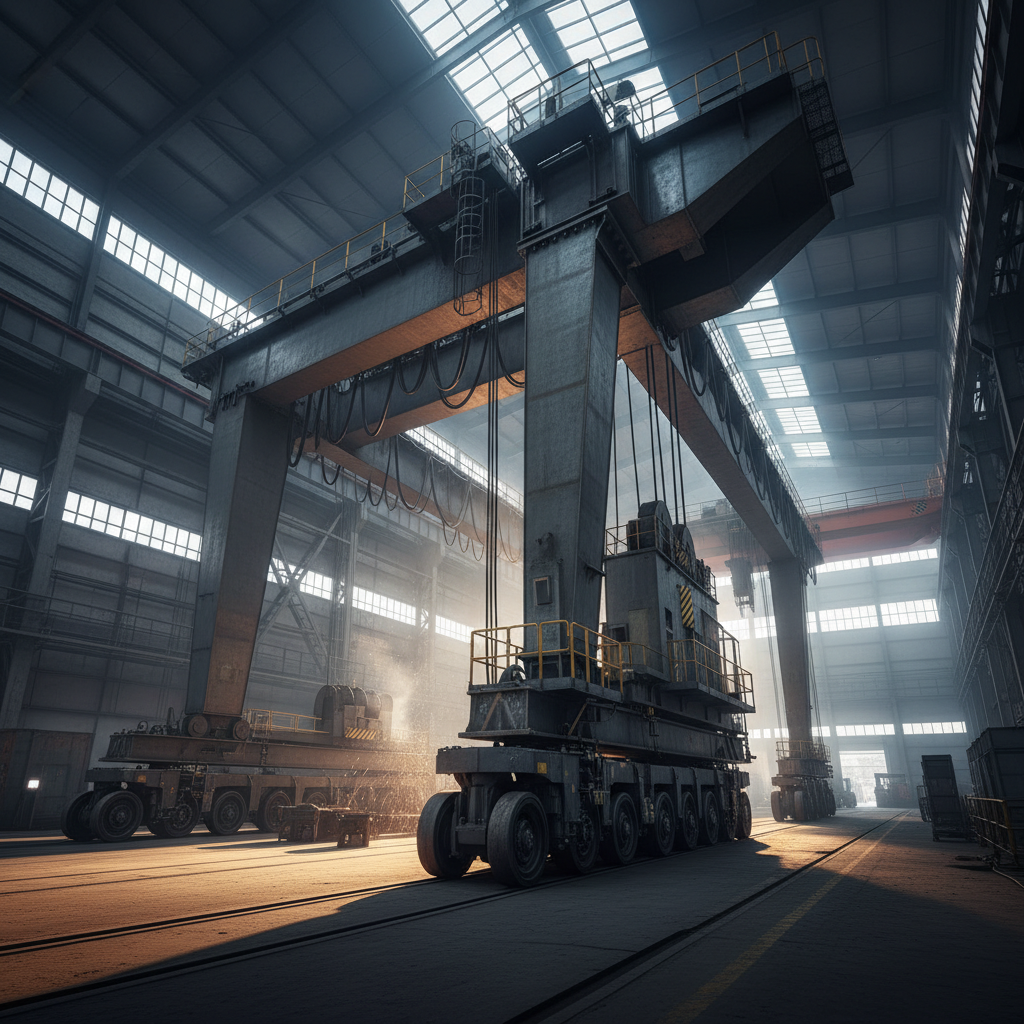
Gantry systems are employed across a remarkably diverse range of industries. In shipping ports and rail yards, they are essential for loading and unloading containers from vessels and railcars. Manufacturing facilities utilize gantries for moving heavy machinery, components, and finished products.
Construction sites frequently deploy mobile gantries for lifting materials to elevated work areas. Even in specialized applications like aerospace and wind energy, gantries are used for assembling large structures. In remote industrial zones where access to overhead cranes is limited, a gantry for sale can be a lifeline for operations.
Advantages and Long-Term Value Proposition
The advantages of investing in a gantry system extend far beyond simply lifting heavy loads. Cost-effectiveness is a key benefit, as gantries often provide a more affordable alternative to overhead cranes, particularly in situations where building modifications are required. They also offer greater flexibility in terms of placement and mobility.
Moreover, gantries enhance safety by reducing the risk of manual handling injuries. Their reliability and durability contribute to long-term operational efficiency, minimizing downtime and maintenance costs. Choosing a quality gantry for sale represents a significant investment in the future of your business, fostering innovation and building trust with clients.
Future Trends and Innovations in Gantry Technology
The gantry industry is undergoing a period of rapid innovation. Automation is a key trend, with manufacturers developing self-propelled and remotely operated gantries. The integration of Internet of Things (IoT) sensors enables real-time monitoring of gantry performance, allowing for predictive maintenance and optimized operation.
Sustainable design is also gaining prominence, with a focus on using lighter materials, reducing energy consumption, and incorporating renewable power sources. The development of modular gantry systems allows for greater customization and scalability. These advancements promise to further enhance the efficiency, safety, and environmental performance of gantry for sale solutions.
Furthermore, advancements in artificial intelligence (AI) are enabling the development of ‘smart’ gantries that can adapt to changing workloads and optimize lifting routes, further enhancing productivity and reducing operational costs.
Summary of Key Challenges and Potential Solutions for Gantry Systems
| Challenge |
Impact on Operations |
Potential Solution |
Implementation Cost (1-10) |
| High Initial Investment |
Budget Constraints, Delayed Adoption |
Leasing Options, Phased Implementation |
4 |
| Maintenance Requirements |
Downtime, Increased Operational Costs |
Preventive Maintenance Programs, Remote Monitoring |
6 |
| Safety Concerns |
Accident Risk, Regulatory Compliance |
Automated Safety Systems, Operator Training |
7 |
| Limited Space |
Restricted Operations, Reduced Efficiency |
Compact Gantry Designs, Mobile Gantries |
5 |
| Integration Challenges |
System Compatibility Issues, Data Silos |
Standardized Communication Protocols, API Integration |
8 |
| Operator Skill Gap |
Inefficient Operation, Increased Error Rate |
Comprehensive Training Programs, User-Friendly Interfaces |
3 |
FAQS
Several key elements contribute to the cost of a gantry system. Load capacity is a major factor, as higher capacity requires stronger materials and more robust construction. Span and lift height also influence the price, as does the type of hoist and the degree of customization required. Furthermore, features like automation, remote control, and specialized safety systems will increase the overall cost.
The duty cycle refers to how frequently the gantry will be used over a specific period. A higher duty cycle demands a more durable and reliable system, capable of withstanding continuous operation. Selecting a gantry with an insufficient duty cycle rating can lead to premature wear and tear, increased maintenance costs, and potential downtime. Properly assessing the anticipated workload is crucial.
Safety is paramount when operating a gantry system. Essential features include overload protection, emergency stop buttons, limit switches to prevent overtravel, and audible warning devices. Consider features like anti-collision systems and load sway control for enhanced safety in complex environments. Compliance with relevant safety standards (e.g., OSHA, ISO) is also crucial.
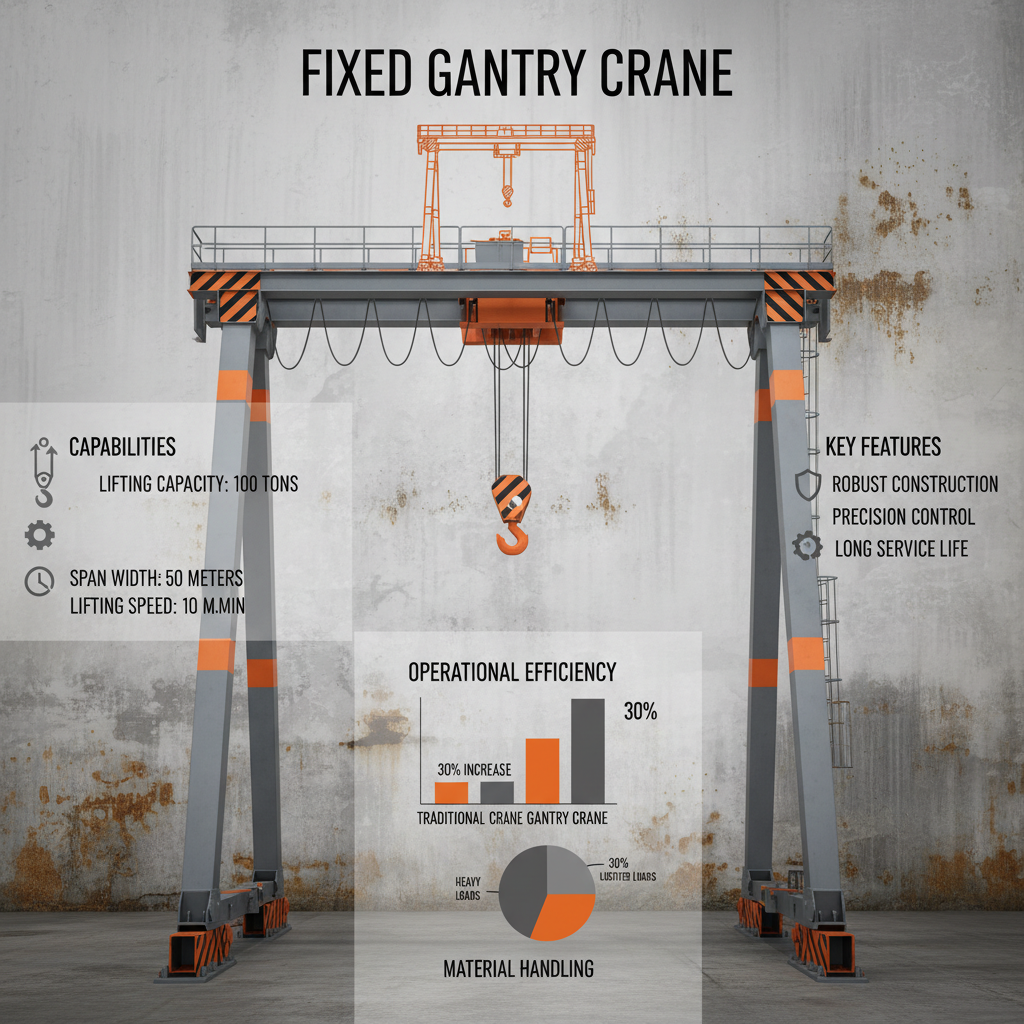
A fixed gantry is permanently installed in a specific location, offering maximum stability and load capacity. A mobile gantry, on the other hand, is equipped with wheels or tracks allowing for easy relocation within a facility. Mobile gantries offer greater flexibility but typically have a lower load capacity than fixed models. The choice depends on the specific needs of the application.
Regular maintenance is essential to ensure the long-term reliability and safety of a gantry system. This includes lubricating moving parts, inspecting the hoist and chain or wire rope, checking the brake system, and examining the structural integrity of the gantry itself. Implementing a preventive maintenance schedule can help minimize downtime and extend the lifespan of the equipment.
Yes, many manufacturers offer customized gantry systems to meet unique requirements. This can include adjustments to span, lift height, load capacity, and the integration of specialized attachments or features. Working with a reputable supplier who can provide engineering expertise and tailored solutions is highly recommended. gantry for sale options are available in many variations.
Conclusion
In conclusion, selecting the right gantry for sale is a crucial decision for businesses seeking to optimize material handling operations. Understanding the core components, key factors influencing selection, and emerging trends in gantry technology is paramount to making an informed investment. From enhancing safety and efficiency to reducing operational costs, the benefits of a well-chosen gantry system are substantial.
Looking ahead, the gantry industry will continue to evolve, driven by advancements in automation, IoT, and sustainable design. Investing in a modern, well-maintained gantry system represents a commitment to innovation, productivity, and long-term success. For a comprehensive selection of quality gantries and expert advice, visit our website: www.daweihoisting.com.