
Industrial Fixed Gantry Crane Guide for Heavy Duty Lifting
The Ultimate Guide to Choosing a Fixed Gantry Crane for Industrial Lifting
In the demanding world of heavy-duty material handling, stability and precision are non-negotiable. A fixed gantry crane serves as the backbone for many manufacturing and warehousing operations, providing a reliable overhead lifting solution that maximizes floor space. Unlike mobile units, a fixed system offers unmatched structural rigidity, making it the ideal choice for repetitive, high-capacity lifting tasks. In this comprehensive guide, we will explore the technical nuances, operational benefits, and key selection criteria to help you optimize your facility's productivity through professional hoisting solutions.
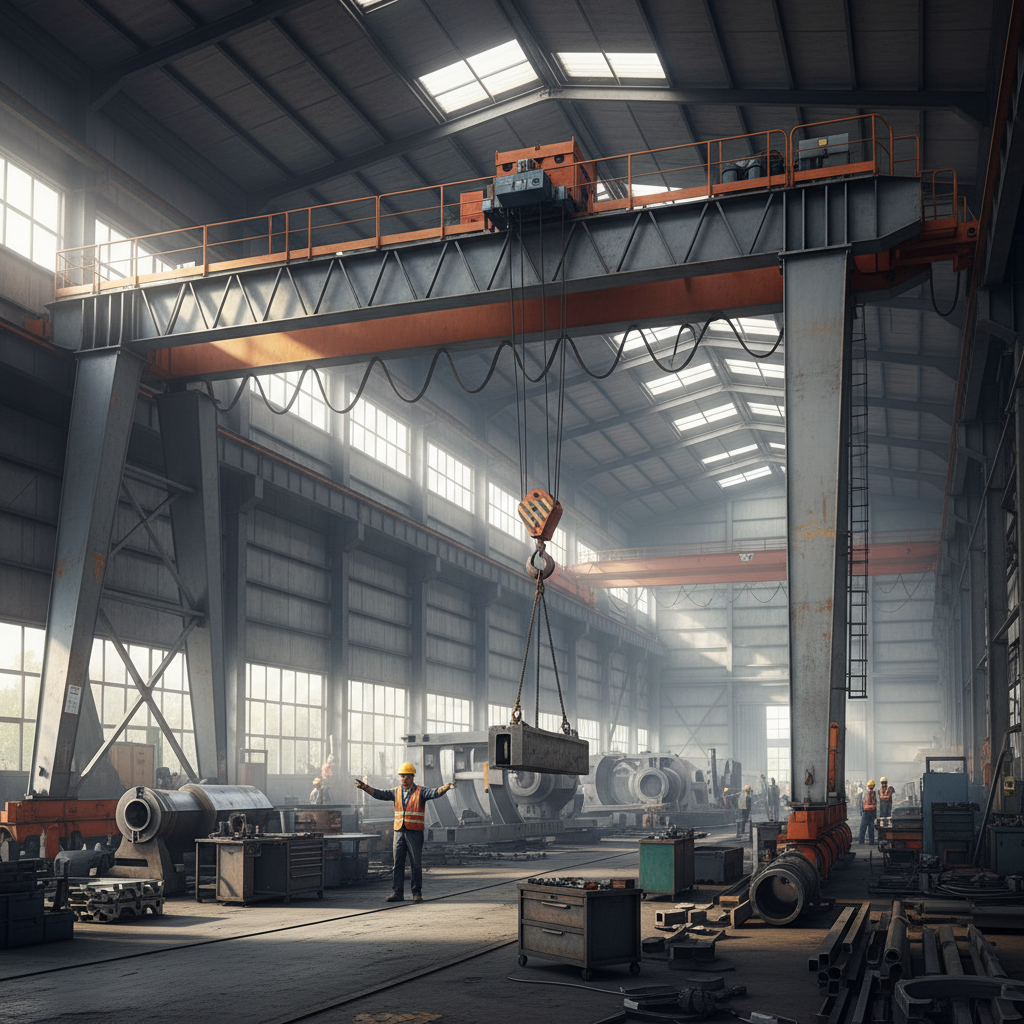
Core Structural Advantages of a Fixed Gantry Crane
The primary appeal of a fixed gantry crane lies in its unwavering stability. Because the legs are anchored to a permanent foundation or dedicated rails, the system eliminates the swaying and instability often associated with portable gantry cranes. This allows for the safe handling of ultra-heavy loads with millimeter precision. Furthermore, the fixed design reduces the need for constant repositioning, streamlining the workflow in assembly lines or loading docks where the lifting point remains constant.
Engineering Insight: The rigid frame of a fixed system distributes the load more evenly across the foundation, significantly increasing the safe working load (SWL) compared to free-standing alternatives.
Comparative Analysis: Fixed vs. Portable Gantry Systems
Deciding between a stationary and a mobile system depends entirely on your operational needs. While portable cranes offer flexibility, the fixed gantry crane is designed for longevity and high-intensity use. For facilities requiring 24/7 operation and heavy lifting capacities, the fixed model minimizes maintenance downtime and enhances operator safety. Below is a detailed comparison to help you visualize the differences.
Key Applications for the Fixed Gantry Crane
Because of its immense strength and reliability, the fixed gantry crane is indispensable across several sectors. In steel mills, these cranes handle massive slabs of metal that would be too dangerous for mobile systems. In shipyards, they are used for the precise placement of heavy engine components. Additionally, the automotive industry utilizes fixed gantries for installing chassis and heavy transmissions during the assembly process. Its ability to operate in harsh environments makes it a versatile tool for any heavy-industry plant.
Essential Components and Product Specifications
A high-performance fixed gantry crane consists of several critical parts: the main bridge, the support legs, the hoist unit, and the electrical control system. The quality of the steel used in the girders determines the crane's deflection limit and overall safety. To ensure you choose the right model, it is essential to look at the technical specifications, including the span, lifting height, and duty cycle.
Maintenance Tips for Maximum Crane Lifespan
To keep your fixed gantry crane running at peak efficiency, a proactive maintenance schedule is vital. Regularly inspect the wire ropes for fraying and ensure that all lubrication points are serviced monthly. Checking the anchor bolts for tightness is especially critical for fixed systems, as any looseness can compromise the structural integrity. Implementing a daily pre-shift checklist ensures that operators identify potential issues before they lead to costly downtime.
Maintenance Checklist Highlights:
• Weekly lubrication of the hoist gears and trolley wheels
• Monthly inspection of the electrical contactors and wiring
• Quarterly structural audit for weld cracks or corrosion
• Annual load testing to certify safety compliance
Safety Standards and Compliance in Hoisting
Safety is the most critical aspect of any lifting operation. A professional fixed gantry crane must adhere to international standards such as FEM, ISO, or ASME. These standards dictate the safety factors for steel strength and the mandatory inclusion of overload protection devices. Operators should always be trained and certified, ensuring they understand the load charts and the limits of the equipment to prevent catastrophic failure.
Conclusion: Elevating Your Productivity with Dawei Hoisting
Investing in a fixed gantry crane is more than just a purchase; it is a strategic upgrade to your industrial capability. By combining extreme stability, high load capacities, and long-term durability, these cranes provide the reliability needed to scale production and ensure worker safety. Whether you are managing a shipyard or a manufacturing plant, choosing a high-quality hoisting system is the key to operational excellence. Trust professional engineering to lift your business to new heights.
Frequently Asked Questions (FAQs)
How do I determine the correct capacity for my fixed gantry crane?
To determine the capacity, you must identify the heaviest single load you intend to lift and then add a safety margin (typically 10-20%). You also need to consider the "duty cycle," which refers to how often the crane will be lifting its maximum load per hour. For high-frequency operations, a higher-rated crane is recommended to prevent premature wear. Consult with the experts at Dawei Hoisting to perform a detailed load analysis for your specific site.
What is the difference between a fixed gantry crane and an overhead bridge crane?
The primary difference is the support structure. An overhead bridge crane relies on existing building columns or separate runways built into the facility's architecture. In contrast, a fixed gantry crane has its own legs that support the bridge and transfer the load directly to the floor or a dedicated rail. This makes the gantry crane an excellent choice for outdoor areas or facilities where the existing building structure cannot support the weight of an overhead crane.
Can a fixed gantry crane be relocated in the future?
While they are called "fixed," most fixed gantry cranes can be disassembled and relocated, although the process is significantly more labor-intensive than moving a portable crane. It involves uninstalling the anchor bolts, dismantling the main girders, and preparing a new foundation at the destination. Because of this, we recommend careful planning of the crane's position during the initial installation phase to maximize its utility over the long term.
What safety features should I look for in a high-quality crane?
Essential safety features include an automatic overload limiter, which prevents the crane from lifting loads beyond its rated capacity, and emergency stop buttons located on both the pendant and the main panel. Additionally, look for high-quality limit switches that prevent the hoist from over-traveling. For environments with high wind or outdoor exposure, ensuring the crane has a robust braking system and weather-resistant electrical components is paramount for long-term safety and compliance.
-
Maximize Efficiency with a Portable Mini Gantry Crane GuideNewsApr.16,2026
-
Comprehensive Guide to 1 Ton Overhead Crane Capabilities and ApplicationsNewsApr.07,2026
-
Maximize Lifting Efficiency with a Robust 1 Ton Gantry Crane SystemNewsApr.04,2026
-
Comprehensive Guide to 3 Ton Overhead Crane Systems and ApplicationsNewsMar.31,2026
-
Comprehensive Guide to Portal Crane Systems and Industrial ApplicationsNewsMar.28,2026
-
Gantry Crane Price Guide 2024 Understanding Costs and OptionsNewsMar.26,2026
-
The Power and Versatility of a Mobile Gantry Hoist for Efficient LiftingNewsMar.24,2026