
Maximize Efficiency with a Portable Mini Gantry Crane Guide
Maximizing Efficiency with a Mini Gantry Crane: The Ultimate Guide
In modern industrial environments, the need for precise and flexible material handling is more critical than ever. The mini gantry crane offers an ideal solution for businesses looking to optimize their workspace without investing in massive, permanent infrastructure. Whether you are managing a small workshop or a large-scale warehouse, these compact lifting systems provide the agility required to move heavy loads safely and efficiently. In this guide, we will explore how the right hoisting equipment can transform your operational productivity and safety standards.
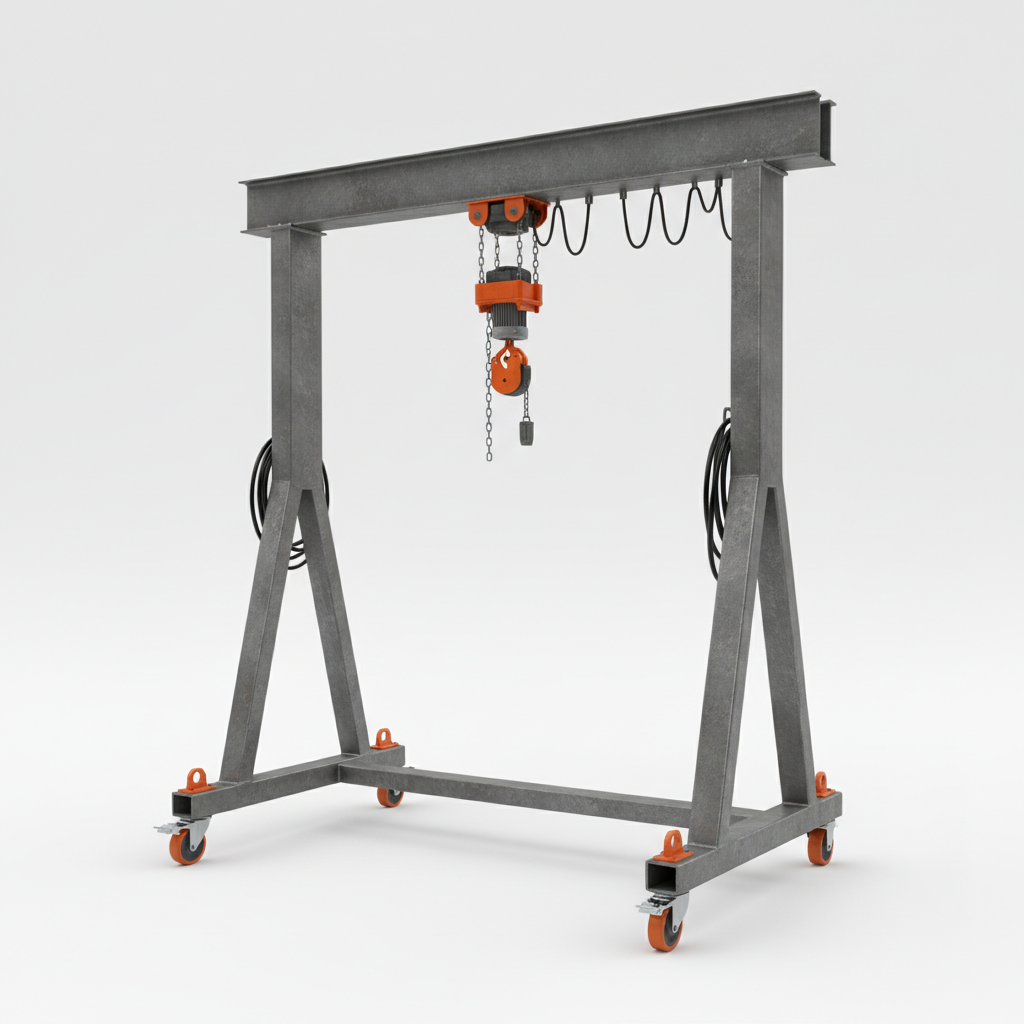
Core Advantages of Using a Mini Gantry Crane
The primary appeal of a mini gantry crane lies in its versatility and ease of installation. Unlike overhead bridge cranes that require extensive building modifications, mini gantry systems are often portable or easy to relocate. This allows facility managers to move the lifting point exactly where the work is happening, reducing the time spent transporting materials across the floor. Furthermore, their intuitive design ensures that operators can handle loads with high precision, significantly lowering the risk of workplace accidents and material damage.
Efficiency Boost: By reducing manual lifting and optimizing the travel path of loads, companies often report a 20-30% increase in assembly line speed and a drastic reduction in employee fatigue.
Key Applications for Mini Gantry Crane Systems
From automotive repair shops to precision electronics assembly, the applications for these cranes are vast. In the automotive sector, they are frequently used for engine removals and transmission swaps. In manufacturing, they serve as the perfect tool for loading raw materials into CNC machines or moving finished parts to the packaging area. The ability to customize the hoist capacity and span makes the mini gantry crane a universal tool for any business dealing with medium-weight components in confined spaces.
Common Use Cases:
• Warehousing: Sorting and stacking heavy crates.
• Workshops: Precision positioning of heavy machinery parts.
• Maintenance: Safe lifting during equipment overhaul.
• Laboratories: Moving heavy scientific instruments.
Mini Gantry Crane vs. Traditional Hoists: Comparison
When deciding between a fixed hoist and a mini gantry crane, the decision usually comes down to mobility. Fixed hoists are powerful but limit the movement of the load to a single point. In contrast, gantry cranes provide a defined rectangular work area, allowing the load to be moved both vertically and horizontally. This flexibility is essential for complex assembly tasks where a part must be aligned perfectly with another component.
Selecting the Right Mini Gantry Crane Specifications
Choosing the wrong specifications can lead to either inefficient operations or safety hazards. When selecting a mini gantry crane, you must consider the maximum load capacity (SWL), the span (width between legs), and the lifting height. It is always recommended to choose a crane with a capacity slightly higher than your heaviest load to ensure a safety margin. Quality materials, such as high-grade reinforced steel, ensure that the structure remains stable even at full extension.
Technical Product Specifications
To give you a better idea of what to expect, here is a typical specification table for a professional-grade mini gantry crane. These values can be customized based on specific industrial requirements to ensure the equipment fits the unique dimensions of your facility.
Maintenance and Safety Guidelines
Longevity and safety are the two most important factors when operating a mini gantry crane. Regular inspections of the lifting cables, hooks, and wheels are essential to prevent mechanical failure. Operators should always ensure the load is centered to avoid tilting the crane. Additionally, checking the structural bolts and applying lubrication to the trolley movement can prevent wear and tear, ensuring a smooth operation for years to come. Following these simple steps guarantees that your investment remains a safe asset to your company.
Conclusion: Elevating Your Business with Smart Lifting
Investing in a mini gantry crane is more than just buying a piece of equipment; it is about optimizing your entire workflow. By combining portability, strength, and precision, these cranes allow businesses to scale their operations without the need for costly facility renovations. Whether you are focusing on increasing safety or boosting productivity, the right gantry system provides the support your team needs to excel. Choose quality, prioritize safety, and let your business reach new heights of efficiency.
Frequently Asked Questions (FAQs)
Can a mini gantry crane be used outdoors?
Yes, many mini gantry cranes can be used outdoors, provided they are treated with weather-resistant coatings or paint to prevent corrosion. However, it is crucial to ensure the ground surface is level and firm enough to support the combined weight of the crane and the load. In windy conditions, extra caution should be taken to ensure the load remains stable and does not swing, which could compromise the balance of the crane.
What is the difference between a portable gantry and a fixed one?
A portable gantry crane is equipped with casters or wheels, allowing it to be rolled from one area to another. This is ideal for facilities where different tasks require lifting at different times. A fixed gantry, on the other hand, is bolted to the floor or integrated into the building structure, designed for high-volume, repetitive lifting in a single location. For most small-to-medium enterprises, the flexibility of the portable version makes it the superior choice.
How do I determine the required load capacity for my crane?
To determine the required capacity, identify the heaviest single object you plan to lift. You must also include the weight of any rigging gear, such as slings, shackles, or lifting beams. A professional rule of thumb is to add a 20% safety margin to your maximum expected load. For example, if your heaviest load is 1,000kg, a crane with a capacity of 1,200kg would be the safest and most efficient choice. You can find customized options on the Dawei Hoisting website.
Are mini gantry cranes difficult to assemble?
Most modern mini gantry cranes are designed for rapid assembly. They typically use a bolt-together system that requires only basic industrial tools. Many manufacturers provide detailed manuals and diagrams to ensure the process is straightforward. Once assembled, the main focus should be on a "test lift" with a small weight to ensure all connections are secure and the hoist is operating correctly before moving to full-capacity loads.
-
Industrial Fixed Gantry Crane Guide for Heavy Duty LiftingNewsApr.09,2026
-
Comprehensive Guide to 1 Ton Overhead Crane Capabilities and ApplicationsNewsApr.07,2026
-
Maximize Lifting Efficiency with a Robust 1 Ton Gantry Crane SystemNewsApr.04,2026
-
Comprehensive Guide to 3 Ton Overhead Crane Systems and ApplicationsNewsMar.31,2026
-
Comprehensive Guide to Portal Crane Systems and Industrial ApplicationsNewsMar.28,2026
-
Gantry Crane Price Guide 2024 Understanding Costs and OptionsNewsMar.26,2026
-
The Power and Versatility of a Mobile Gantry Hoist for Efficient LiftingNewsMar.24,2026