
Comprehensive Guide to Portal Crane Systems and Industrial Applications
Portal Crane: A Comprehensive Guide
A portal crane is a powerful and versatile lifting solution widely used in various industries including shipping yards, railway facilities, and construction sites. Known for their robust construction and ability to handle heavy loads efficiently, they are a vital asset for businesses needing reliable material handling. This article delves into the world of portal cranes, exploring their types, applications, benefits, and key considerations for choosing the right one for your needs. Understanding the intricacies of portal cranes can significantly improve operational efficiency and safety.
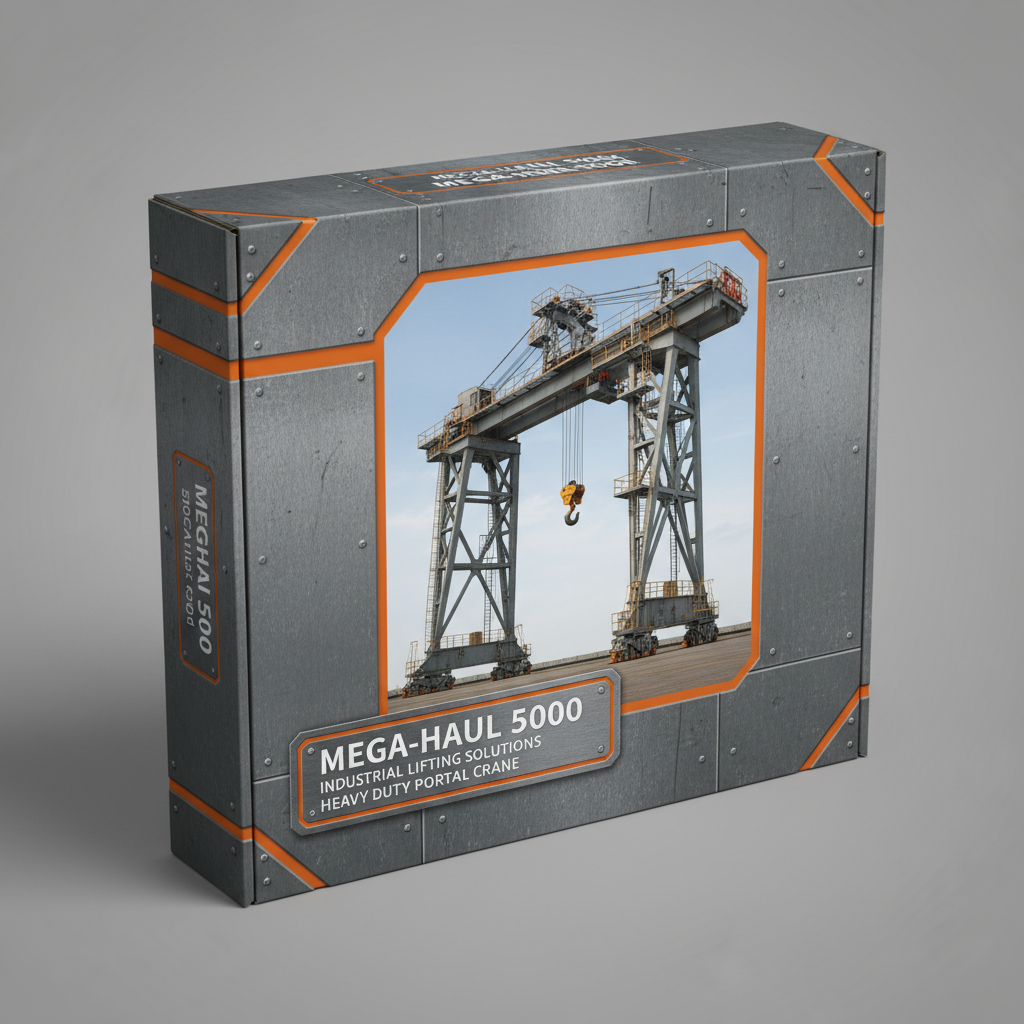
Understanding the Different Types of Portal Cranes
Portal cranes come in various configurations, each designed for specific applications and load requirements. Full portal cranes offer complete mobility, while semi-portal cranes rely on building or ground support on one side. Single-girder portal cranes are suited for lighter loads and smaller spans, whereas double-girder portal cranes can handle heavier loads and wider spans. Additionally, cantilever portal cranes feature an overhanging boom for accessing areas not directly aligned with the crane's base. Choosing the right type is crucial for optimizing performance and safety.
Key Types: Full Portal, Semi-Portal, Single-Girder, Double-Girder, Cantilever Portal. Each type offers different capabilities in terms of lifting capacity, span, and operational flexibility.
Key Applications of Portal Cranes Across Industries
Portal cranes find widespread use in various sectors. In shipping yards, they efficiently load and unload containers from vessels. Railway facilities utilize them for handling rail cars and components. Construction sites benefit from their ability to lift heavy materials and prefabricated structures. Manufacturing plants employ them for moving large machinery and raw materials. Their adaptability makes them a valuable asset across diverse operational landscapes. Dawei Hoisting provides customized portal crane solutions to meet these specific needs.
Application Benefits:
• Increased efficiency in material handling
• Improved safety due to precise lifting control
• Reduced labor costs through automation
• Enhanced operational flexibility for diverse tasks
Portal Crane vs. Overhead Crane: A Comparative Analysis
While both portal cranes and overhead cranes serve lifting purposes, they differ in their structure and applications. Overhead cranes operate within a fixed space beneath a runway, while portal cranes move along rails at ground level. Portal cranes offer greater outdoor usability and don't require a supporting building structure. Overhead cranes are ideal for indoor environments with limited headroom. The choice depends on the specific operational requirements and facility layout.
Choosing the Right Portal Crane: Key Considerations
Selecting the optimal portal crane involves carefully assessing several factors. Load capacity is paramount, determining the maximum weight the crane must lift. Span requirements dictate the width of the area the crane needs to cover. Lifting height influences the crane's reach and ability to access elevated locations. Environmental conditions, such as exposure to wind or corrosive substances, should also be considered. Consulting with a reputable supplier like Dawei Hoisting can ensure you choose a crane that perfectly aligns with your operational needs.
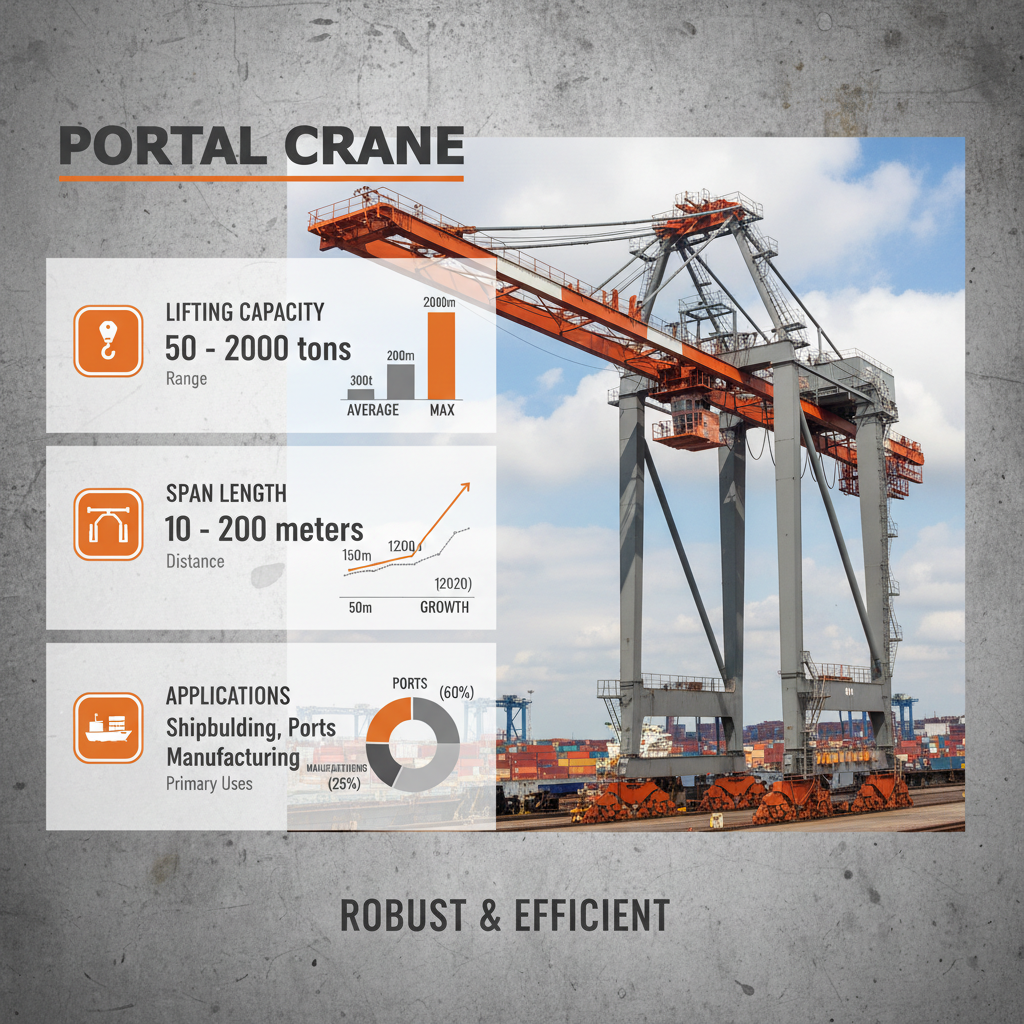
Portal Crane Specifications and Safety Standards
Portal cranes adhere to stringent safety standards, including ISO and FEM guidelines, ensuring reliable performance and operator safety. Key specifications include lifting capacity, span, lifting height, and duty cycle. Regular inspections and maintenance are crucial for preventing failures and ensuring continued compliance. Dawei Hoisting provides comprehensive maintenance services and ensures all our cranes meet international safety benchmarks.
Conclusion: Optimizing Your Operations with the Right Portal Crane
Investing in a portal crane is a significant step towards enhancing your operational efficiency and safety. By carefully considering your specific needs and partnering with a trusted supplier like Dawei Hoisting, you can select a crane that delivers long-term value and reliability. Don't hesitate to explore the possibilities and unlock the full potential of your material handling processes.
Frequently Asked Questions (FAQs)
What is the typical lead time for a custom portal crane?
The lead time for a custom portal crane typically ranges from 8 to 16 weeks, depending on the complexity of the design, the availability of materials, and our current production schedule. We strive to provide accurate timelines during the initial consultation phase and maintain transparent communication throughout the manufacturing process. Factors that can influence lead time include specific requirements such as lifting capacity, span, height, and any customized features. Contacting Dawei Hoisting directly will provide the most accurate estimate for your specific needs.
What maintenance is required for a portal crane?
Regular maintenance is crucial for ensuring the safe and reliable operation of your portal crane. Key maintenance tasks include inspecting and lubricating moving parts, checking wire ropes and chain hoists for wear and tear, examining brakes and control systems, and ensuring proper functionality of safety devices. We recommend conducting thorough inspections at least every six months, and more frequently for high-usage applications. Dawei Hoisting offers comprehensive maintenance programs tailored to your specific needs.
Do you offer installation and training services?
Yes, Dawei Hoisting provides comprehensive installation and training services. Our experienced technicians ensure the proper assembly and commissioning of your portal crane, adhering to all safety standards. We also offer thorough training programs for your operators and maintenance personnel, covering safe operating procedures, maintenance best practices, and troubleshooting techniques. Proper installation and training are essential for maximizing the lifespan and safety of your investment.
What safety features are included in your portal cranes?
Our portal cranes are equipped with a range of safety features, including overload protection, emergency stop buttons, limit switches, and audible warning alarms. We also offer optional features such as anti-collision systems and remote control operation for enhanced safety and control. All our cranes are designed and manufactured to meet or exceed relevant safety standards, ensuring a secure working environment for your personnel.
-
Maximize Efficiency with a Portable Mini Gantry Crane GuideNewsApr.16,2026
-
Industrial Fixed Gantry Crane Guide for Heavy Duty LiftingNewsApr.09,2026
-
Comprehensive Guide to 1 Ton Overhead Crane Capabilities and ApplicationsNewsApr.07,2026
-
Maximize Lifting Efficiency with a Robust 1 Ton Gantry Crane SystemNewsApr.04,2026
-
Comprehensive Guide to 3 Ton Overhead Crane Systems and ApplicationsNewsMar.31,2026
-
Gantry Crane Price Guide 2024 Understanding Costs and OptionsNewsMar.26,2026
-
The Power and Versatility of a Mobile Gantry Hoist for Efficient LiftingNewsMar.24,2026