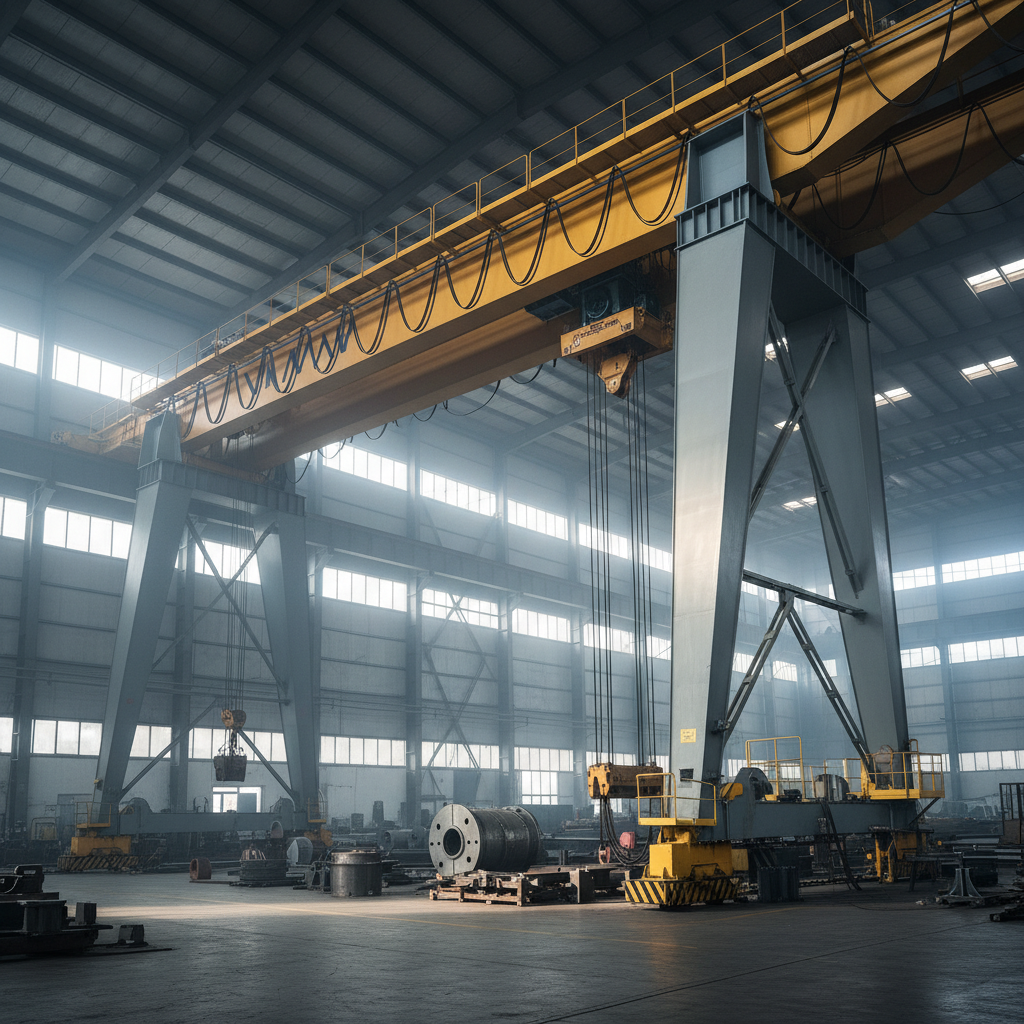
Look, I’ve spent the last fifteen years on construction sites, getting my hands dirty with steel, concrete, and everything in between. And let me tell you, moving heavy loads efficiently is the backbone of any successful project. That’s where a robust gantry crane system comes in. It’s not just about lifting things; it’s about boosting productivity, reducing risks, and keeping projects on schedule. We’re talking about serious cost savings and a smoother workflow when you get it right. I've seen too many projects bogged down by inefficient lifting solutions, and a well-implemented system addresses that head-on.
The global construction industry is a behemoth – valued at over $12 trillion, and growing. According to the UN, global infrastructure investment needs will exceed $93 trillion by 2050. That’s a huge demand for efficient material handling. Beyond construction, ports, rail yards, and manufacturing facilities all rely on lifting solutions. But it's not just about big numbers. The real challenge is the increasing complexity of projects, the need for tighter tolerances, and the pressure to minimize downtime. A gantry crane system offers a flexible, adaptable solution to tackle these hurdles.
The trouble is, a lot of folks see cranes as just…cranes. They underestimate the planning and customization needed to get the right system for the job. I’ve seen too many projects overspend because they went with a generic solution that didn't fit the specifics of their site. We need to move beyond ‘one size fits all’ and focus on tailored solutions that integrate seamlessly into existing workflows. This is where the right understanding of the capabilities and nuances of a gantry crane system becomes absolutely crucial.
Defining the gantry crane system
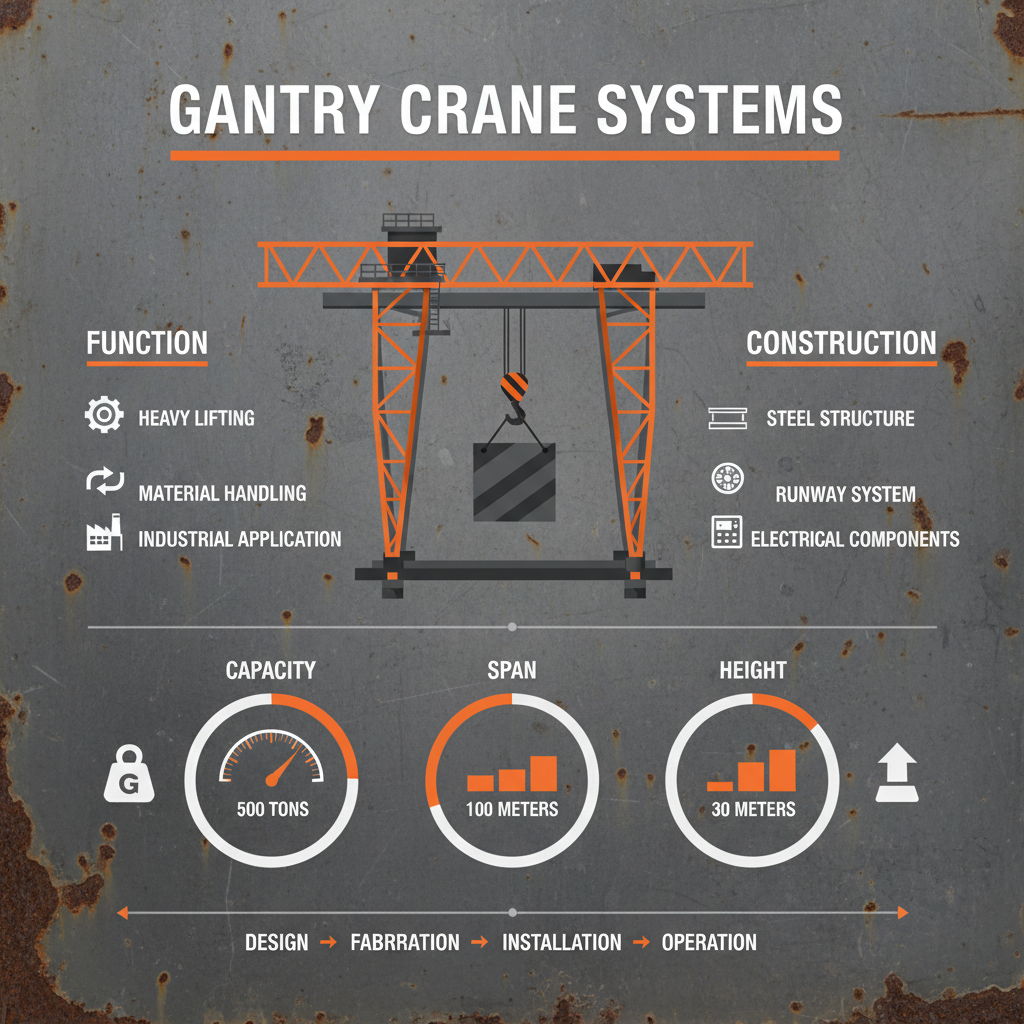
Simply put, a gantry crane system is a framework supporting a hoist, allowing for the lifting and movement of materials. But it’s far more than just metal beams. It's a structured solution designed for specific load capacities, spans, and operational environments. Unlike traditional overhead cranes, gantries don’t require a supporting building structure, making them ideal for outdoor applications or areas where modifying existing infrastructure is costly or impossible.
What’s key here is understanding that a gantry isn't just a piece of equipment; it’s an enabler. It allows us to tackle projects that would be incredibly difficult, if not impossible, with manual labor or less sophisticated lifting solutions. From precast concrete segments for bridge construction to massive wind turbine components, a properly designed gantry crane system is a game-changer.
Core Components and Functionality
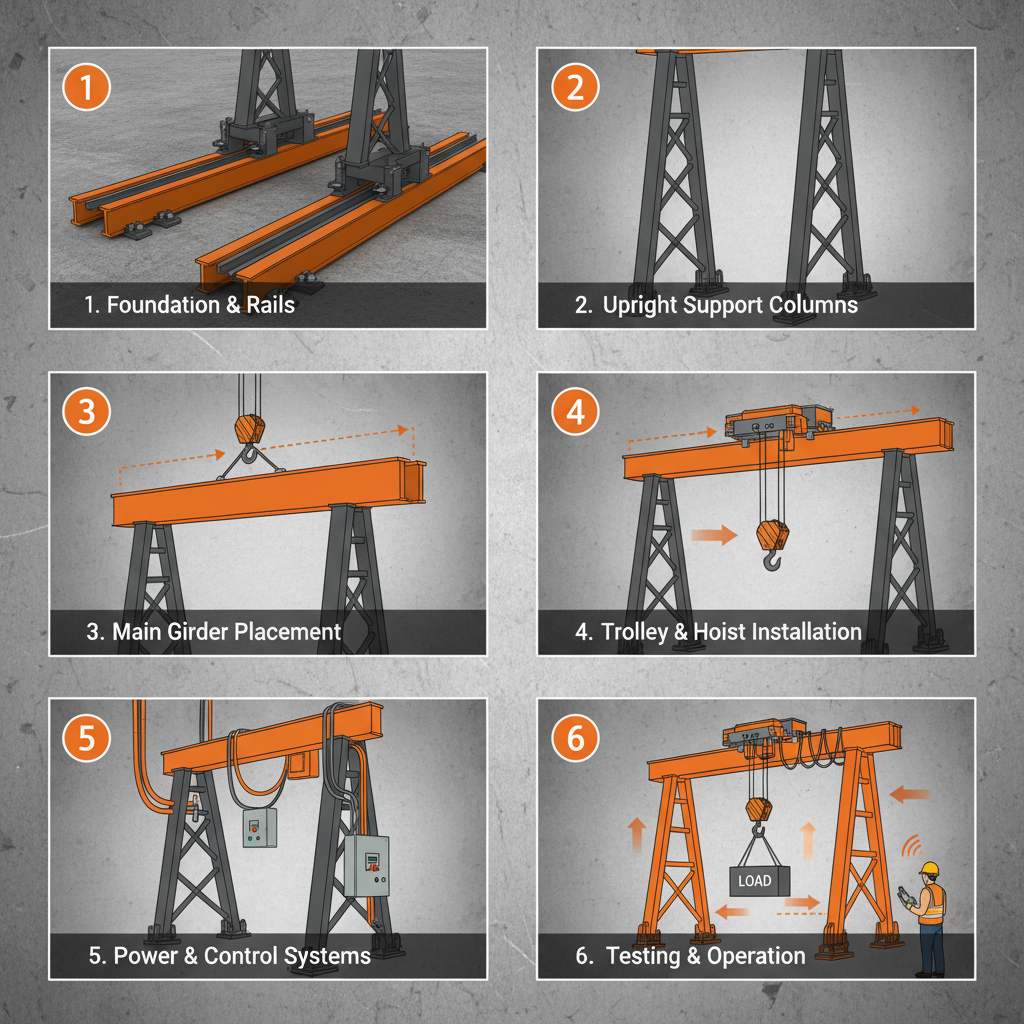
At its heart, a gantry system is built around a few key components. You've got the gantry itself – usually constructed from steel – defining the span and height. Then there’s the hoist unit, which does the actual lifting, and the trolley that moves the hoist along the gantry beam. Crucially, you also have the support columns, which need to be properly anchored to the ground or a stable foundation. Beyond that, you’ll find controls – ranging from simple pendants to sophisticated remote-control systems – and safety features like limit switches and overload protection.
The real power comes from how these components work together. A well-engineered system allows for precise positioning, smooth operation, and consistent performance, even under heavy loads. Things like variable speed controls and anti-sway systems are vital for handling delicate or awkwardly shaped materials safely. It’s a delicate balance of mechanical and electrical engineering, and cutting corners will always come back to bite you.
And don’t overlook the importance of regular maintenance. These are complex machines, and they require consistent inspection and upkeep to ensure they remain reliable and safe. A preventive maintenance schedule is just as important as selecting the right system in the first place.
Durability and Material Selection
I've seen plenty of cranes fail because of poor material choices. The environment matters immensely. Coastal locations require corrosion-resistant materials, while extreme temperatures demand alloys that can withstand the stress. High-strength steel is the standard, but the specific grade needs to be selected based on the anticipated load and duty cycle. That's why you need to work with a supplier who understands the unique demands of your project.
Don't just look at the initial cost. Consider the long-term total cost of ownership. A cheaper system built with inferior materials will likely require more frequent repairs and replacements, ultimately costing you more in the long run. A robust, well-built gantry crane system is an investment, not an expense.
Coatings and protective treatments are also critical. Properly applied paint, galvanizing, or other protective layers can significantly extend the lifespan of the system, particularly in harsh environments. Neglecting this step is a recipe for corrosion and premature failure.
Scalability and Adaptability of gantry crane system
One of the things I appreciate most about a good gantry system is its scalability. You’re not locked into a fixed solution. As your needs evolve, you can often modify or expand the system to accommodate larger loads, wider spans, or new operational requirements. This is especially important for long-term projects or facilities that anticipate future growth.
Adaptability is equally important. Can the system be easily relocated? Can it be configured to handle different types of materials? Can it be integrated with other automation systems? These are the questions you need to ask. A flexible gantry crane system can be a valuable asset, allowing you to respond quickly to changing market conditions and project demands.
gantry crane system Adaptability Ratings
Global Applications Across Industries
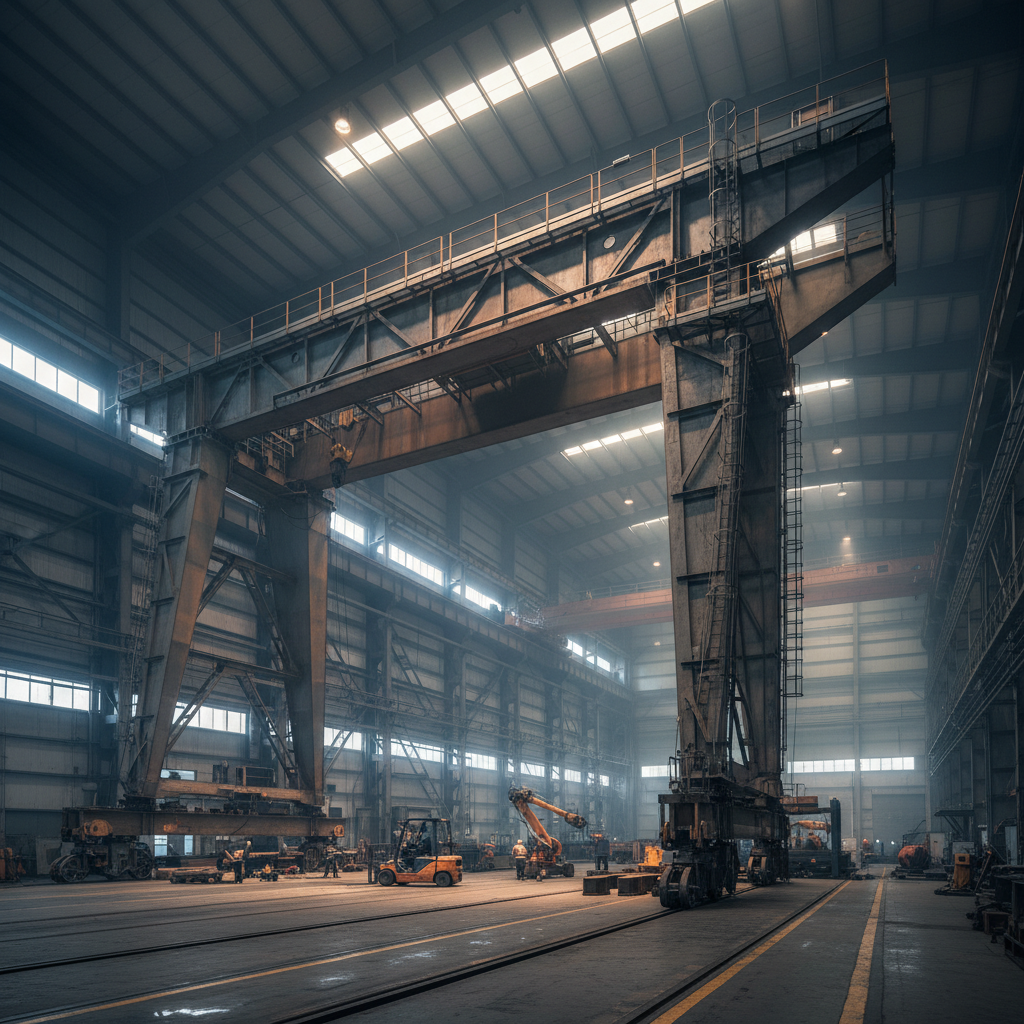
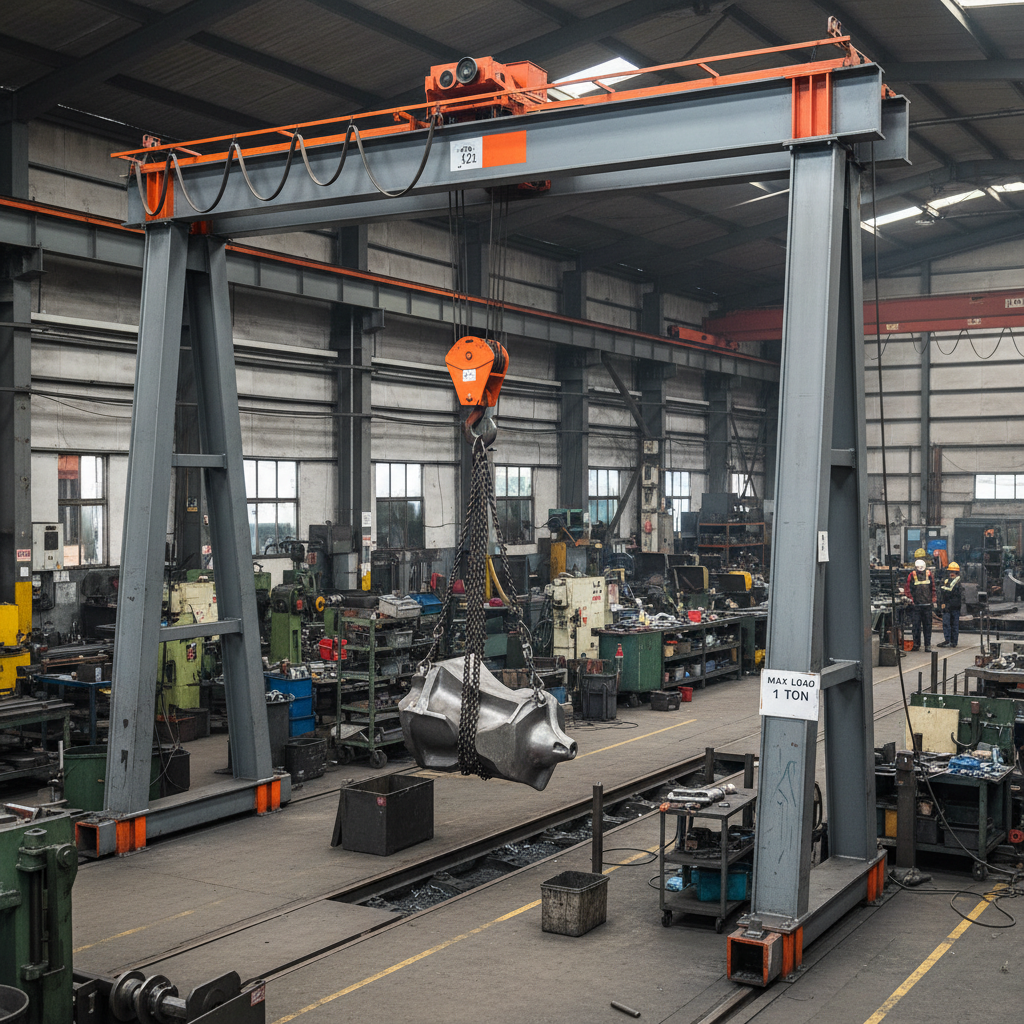
You see gantry crane systems everywhere. Construction sites, obviously, for lifting steel beams and precast concrete. Ports and rail yards use them for container handling. Manufacturing plants rely on them for moving heavy machinery and components. Even shipyards use them for assembling large vessel sections. It’s a truly versatile solution.
In remote industrial zones, like those I’ve worked in across Southeast Asia, they’re often the only viable lifting solution due to limited infrastructure. And in post-disaster relief operations, they’re invaluable for clearing debris and distributing aid. The ability to quickly deploy and operate a gantry in challenging conditions makes them a lifesaver.
Advantages and Long-Term Value Proposition
Let’s talk about the bottom line. A well-implemented gantry system translates directly into cost savings. Reduced labor costs, faster project completion times, and minimized downtime all contribute to a significant return on investment. But it’s not just about money. It’s about safety. A properly designed system reduces the risk of accidents and injuries, protecting your workforce.
It's also about building trust with your clients. Delivering projects on time and within budget demonstrates professionalism and reliability. That's something you can’t put a price on. And increasingly, sustainability is a key factor. Choosing durable, long-lasting equipment minimizes waste and reduces your environmental impact.
Future Trends and Innovations in gantry crane system
We’re seeing some exciting developments in the field of gantry crane system technology. Automation is a big one, with more and more systems incorporating remote control, automated positioning, and even artificial intelligence. This allows for greater precision, efficiency, and safety.
Another trend is the use of lighter, stronger materials, like advanced alloys and composite materials. This reduces the overall weight of the system, making it easier to transport and install. And there’s a growing focus on energy efficiency, with the development of electric-powered gantries and regenerative braking systems.
I’m also keeping a close eye on the integration of IoT (Internet of Things) sensors for real-time monitoring and predictive maintenance. This will allow us to identify potential problems before they occur, minimizing downtime and maximizing the lifespan of the system.
Core Considerations for gantry crane system Implementation
| Load Capacity (Tons) |
Span Requirement (Meters) |
Environmental Conditions |
Control System Complexity |
| 5 |
10 |
Moderate (Outdoor, Sheltered) |
Basic Pendant Control |
| 10 |
20 |
Harsh (Coastal, Corrosive) |
Remote Control with Variable Speed |
| 20 |
30 |
Extreme (High/Low Temperatures) |
Automated Positioning with PLC |
| 5 |
5 |
Indoor, Controlled Environment |
Simple Push-Button Control |
| 15 |
15 |
Moderate, Occasional Rain |
Remote Control with Anti-Sway Function |
| 30 |
40 |
Outdoor, High Wind Exposure |
Fully Automated with Safety Interlocks |
FAQS
Lead times vary depending on the complexity of the system and current manufacturing demand, but generally, you can expect a lead time of 8-12 weeks for a fully customized solution. This includes design, fabrication, and quality control. Larger, more complex systems with advanced features will naturally take longer. We always strive to provide accurate timelines upfront and keep you informed throughout the process.
Foundation requirements are critical for safe and reliable operation. We provide detailed foundation drawings based on the system’s load capacity and site conditions. It’s crucial to have a qualified civil engineer review these drawings and ensure the foundation meets all applicable codes and standards. Improper foundation work can lead to instability and potentially catastrophic failure.
Regular maintenance is essential for prolonging the lifespan of your gantry crane. This includes routine inspections of the hoist, trolley, and gantry structure, lubrication of moving parts, and checking for wear and tear. We offer comprehensive maintenance packages and can provide training for your personnel to perform basic maintenance tasks.
While our systems are designed for outdoor use, the level of protection required depends on the specific climate. We offer options like weatherproofing, corrosion-resistant coatings, and enclosures to protect the system from rain, snow, and extreme temperatures. It’s important to specify your operating environment during the design phase to ensure the system is adequately protected.
Safety is our top priority. Standard features include overload protection, limit switches to prevent overtravel, emergency stop buttons, and audible alarms. We can also incorporate additional safety features like anti-collision systems and personnel platforms, depending on your specific needs. All systems are designed to meet or exceed relevant safety standards.
The cost comparison depends on several factors, including span, capacity, and installation requirements. Generally, a gantry crane system can be more cost-effective than a traditional overhead crane, especially if you don't have existing overhead structure. You avoid the expense of building a supporting building, and installation is often faster and simpler. We can provide a detailed cost analysis to help you determine the best solution for your specific application.
Conclusion
Ultimately, a gantry crane system is a powerful tool for improving efficiency, safety, and productivity across a wide range of industries. It’s not just about lifting heavy loads; it’s about enabling projects that would otherwise be impossible. Choosing the right system requires careful planning, a deep understanding of your specific needs, and a trusted partner who can provide expert guidance.
Don’t underestimate the value of investing in a high-quality, well-engineered system. It’s an investment that will pay dividends for years to come. If you’re facing challenges with material handling, or are looking for ways to optimize your operations, I encourage you to explore the possibilities of a custom gantry crane system. Visit our website at www.daweihoisting.com to learn more and request a quote.