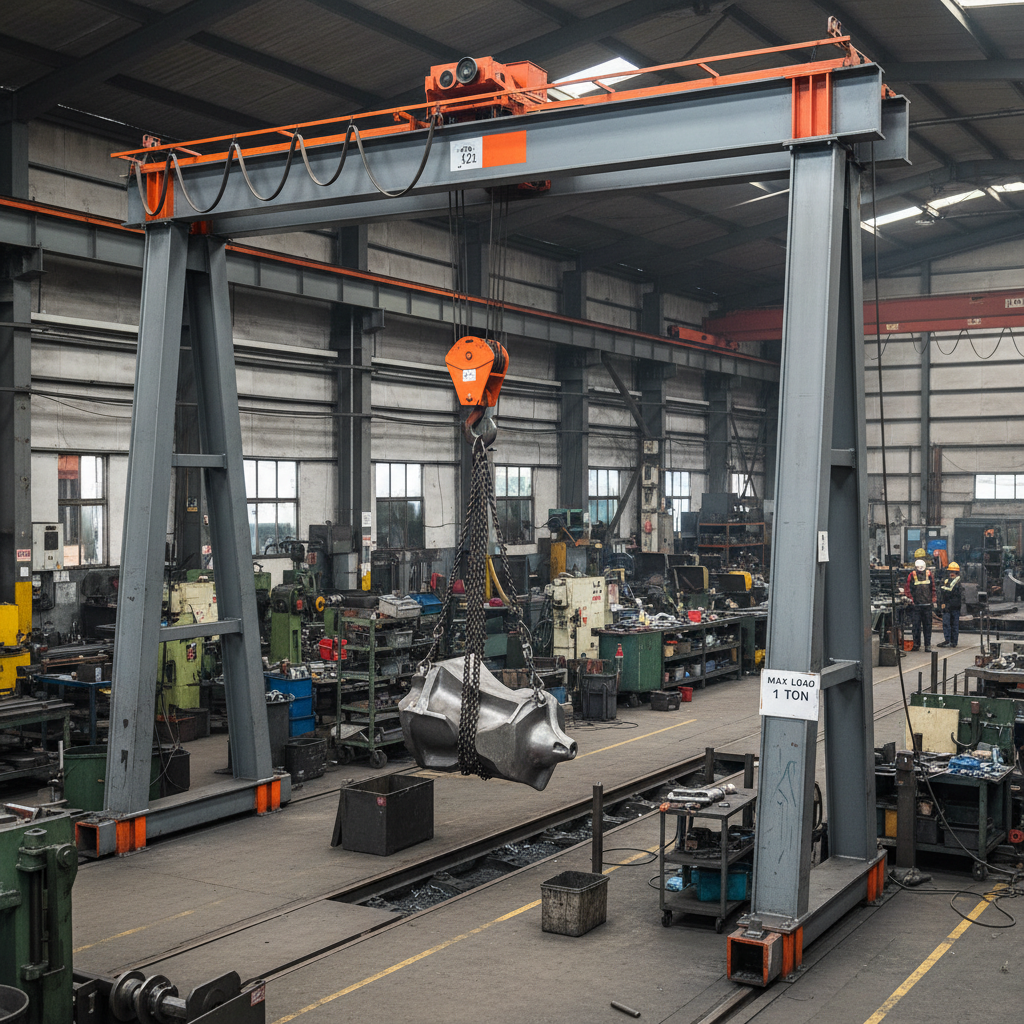
In the demanding landscape of modern material handling, the one ton gantry crane stands as a cornerstone of operational efficiency for small to medium-sized workshops. By providing a stable, overhead lifting solution that doesn't require permanent building modifications, these cranes allow businesses to optimize their floor space while ensuring that heavy components are moved with surgical precision.
Globally, the shift toward modular manufacturing and "just-in-time" logistics has amplified the need for flexible lifting equipment. Whether it is in a boutique automotive garage or a high-tech electronics assembly line, the ability to lift and transport loads up to 1,000kg without the overhead cost of a full bridge crane is a game-changer for productivity and worker safety.
Understanding the nuances of selecting the right one ton gantry crane—from span width to hoist compatibility—is essential for any facility manager looking to reduce downtime. This guide explores the technical architecture, global applications, and future innovations that make this specific capacity crane an indispensable tool in the global industrial toolkit.
Global Relevance of the One Ton Gantry Crane
Across the globe, the industrial sector is witnessing a surge in decentralized manufacturing. The one ton gantry crane has become a vital instrument in this transition, particularly in emerging markets where infrastructure may not support heavy, permanent crane installations. By offering a portable yet robust lifting capacity, these cranes enable small-scale enterprises to compete with larger factories by enhancing their internal logistics.
From an ISO standards perspective, the integration of standardized lifting equipment like the one ton gantry crane reduces workplace accidents by eliminating manual lifting of oversized loads. This global shift toward mechanized handling is not just about speed; it is about adhering to international safety protocols that protect the workforce while maximizing the throughput of the production line.
Defining the One Ton Gantry Crane Architecture
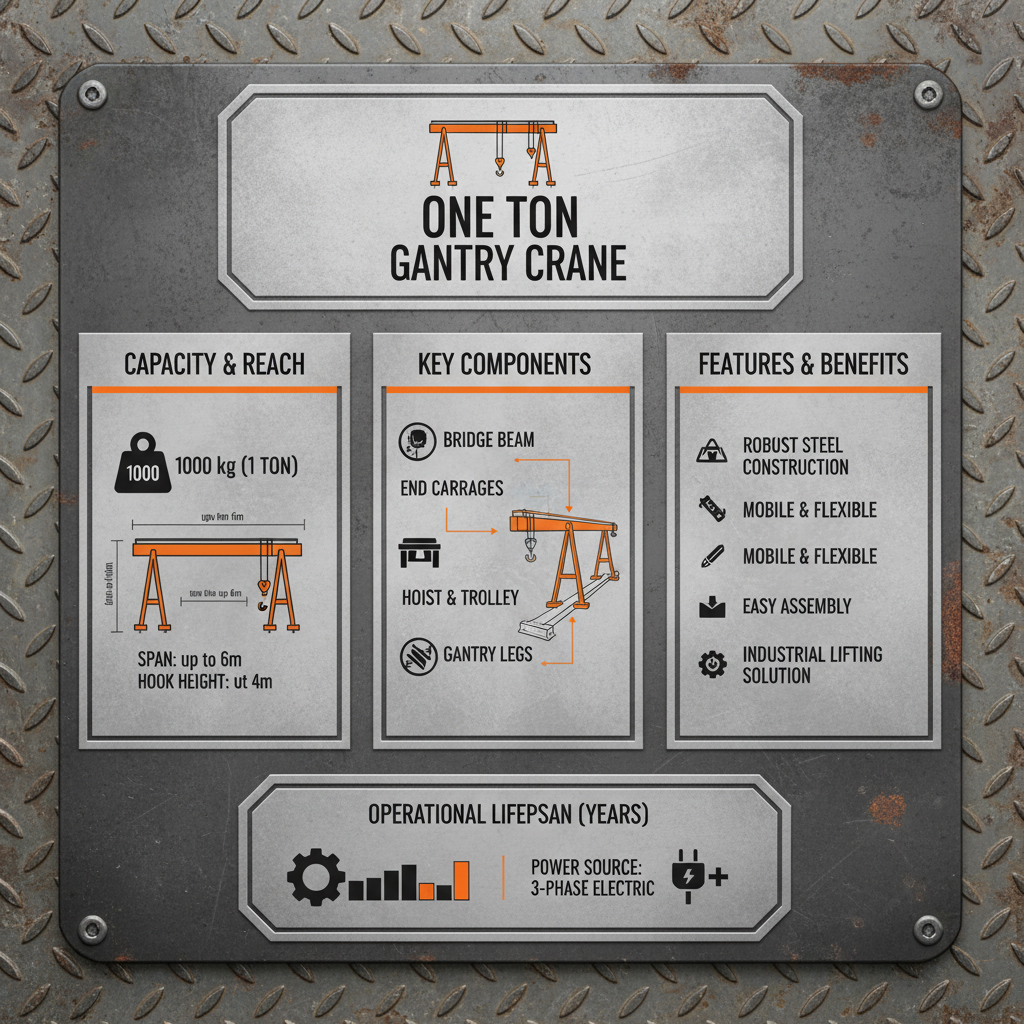
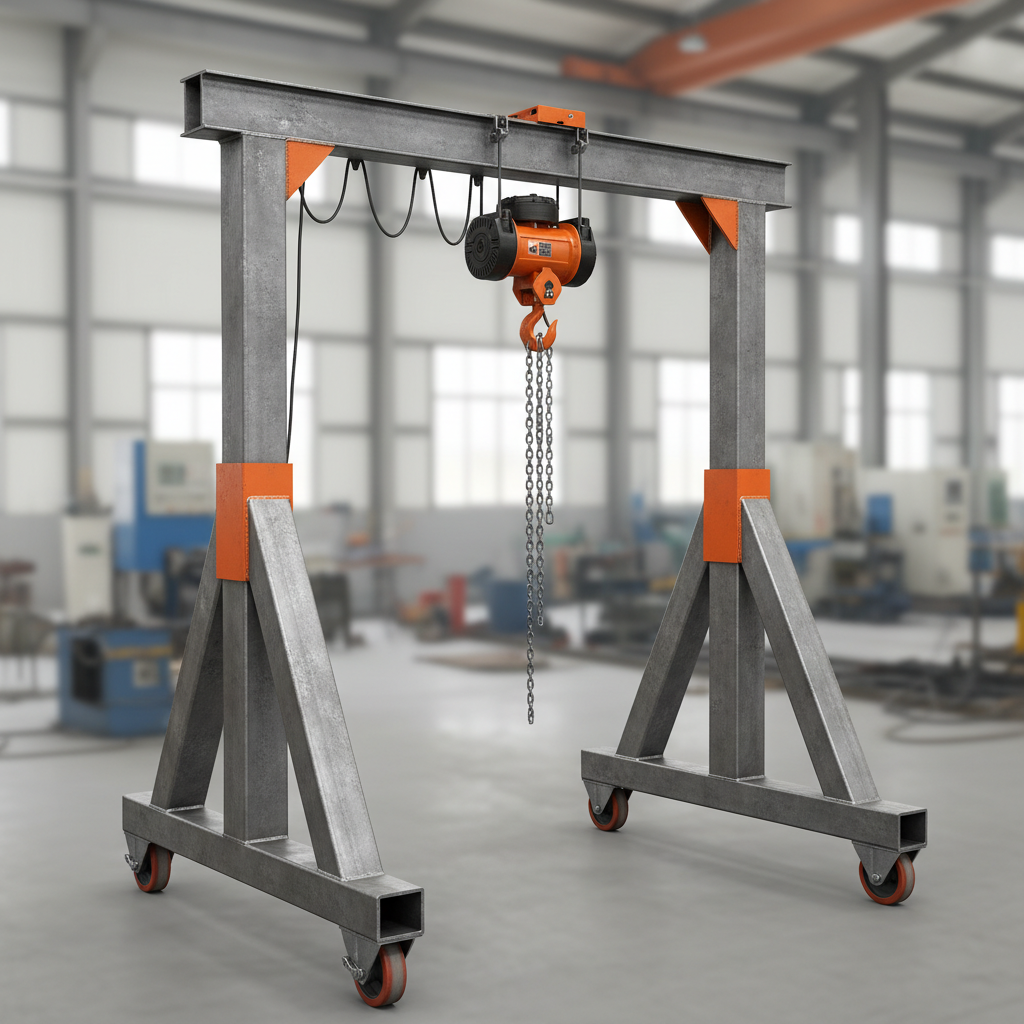
At its most basic level, a one ton gantry crane is a freestanding hoist system consisting of a horizontal beam supported by two vertical legs. Unlike bridge cranes that require a runway system attached to the building's structure, the gantry design allows the entire unit to move across the floor, usually on casters or wheels, providing unparalleled flexibility in workshop layout.
The "one ton" designation refers to the Safe Working Load (SWL), meaning the system is engineered to lift 1,000kg safely. This specific capacity is widely considered the "sweet spot" for light industrial use, as it covers the majority of engine blocks, small machinery parts, and palletized goods without requiring the massive structural reinforcements needed for 5-ton or 10-ton systems.
In the context of modern industry, this equipment bridges the gap between manual pallet jacks and heavy-duty overhead cranes. It allows for precise vertical lifting and horizontal traversing, which is essential for tasks such as assembling complex machinery or performing maintenance on heavy equipment where a fixed crane cannot reach.
Core Components for Maximum Stability
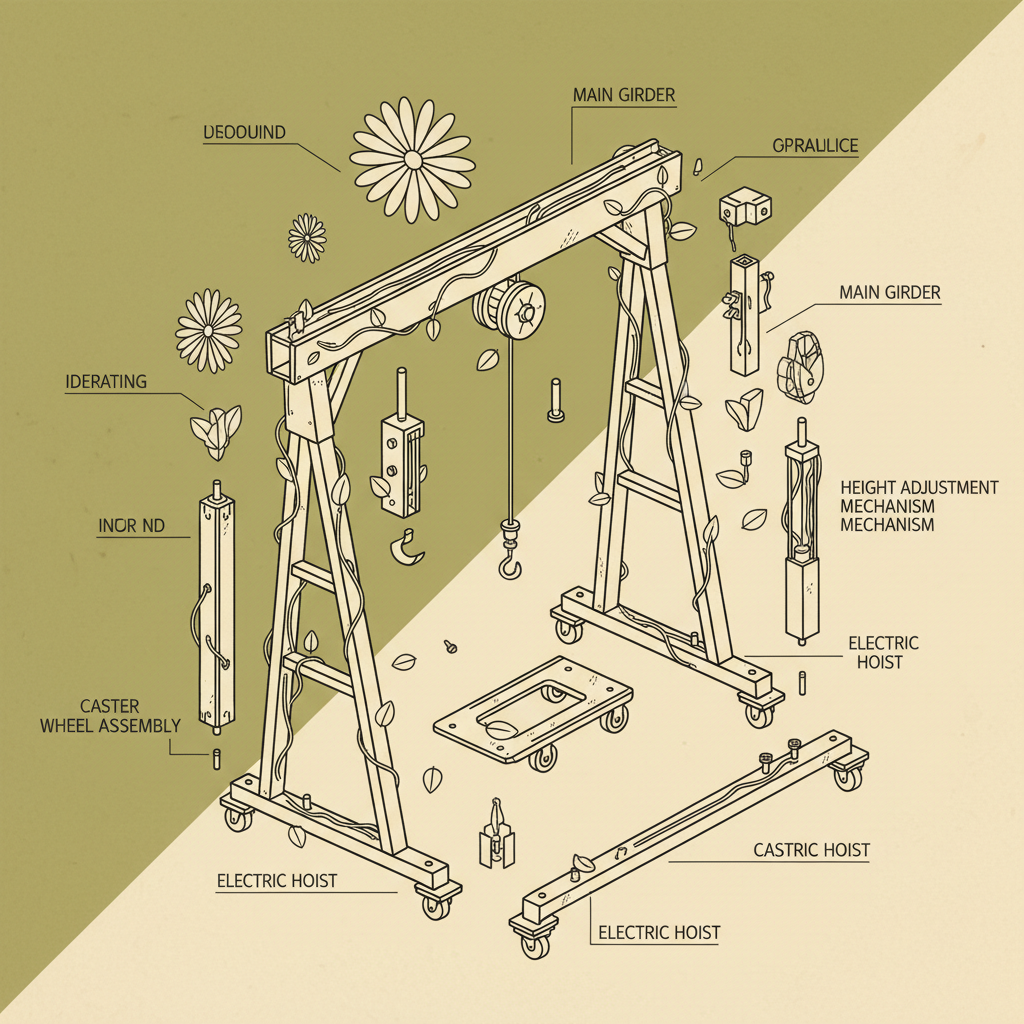
The durability of a one ton gantry crane begins with its structural steel. High-grade Q235 or Q345 steel is typically used to ensure that the I-beam can withstand the stresses of a 1,000kg load without significant deflection, maintaining the center of gravity and preventing tipping during transit.
Crucial to the operational safety of the one ton gantry crane is the hoisting mechanism. Whether utilizing a manual chain hoist for simple tasks or an electric hoist for high-frequency cycles, the synergy between the hoist and the trolley ensures smooth lateral movement along the beam, reducing the physical strain on the operator.
Finally, the mobility system—comprising heavy-duty polyurethane or cast iron wheels—determines the crane's versatility. Locking mechanisms are integrated into the casters of a quality one ton gantry crane to ensure the structure remains stationary during the actual lift, providing a secure environment for the technician working beneath the load.
Performance Metrics and Cost Efficiency
When analyzing the ROI of a one ton gantry crane, the primary metric is the reduction in "man-hours per lift." By automating the lifting process, a task that previously required four workers to manually maneuver a heavy component can now be performed safely by a single operator, drastically lowering labor costs and reducing the risk of workplace injury.
Furthermore, the cost of installation for a gantry system is negligible compared to fixed cranes. There is no need for expensive foundation work or structural reinforcement of the ceiling, making it a low-CAPEX solution for growing businesses that need scalable lifting power.
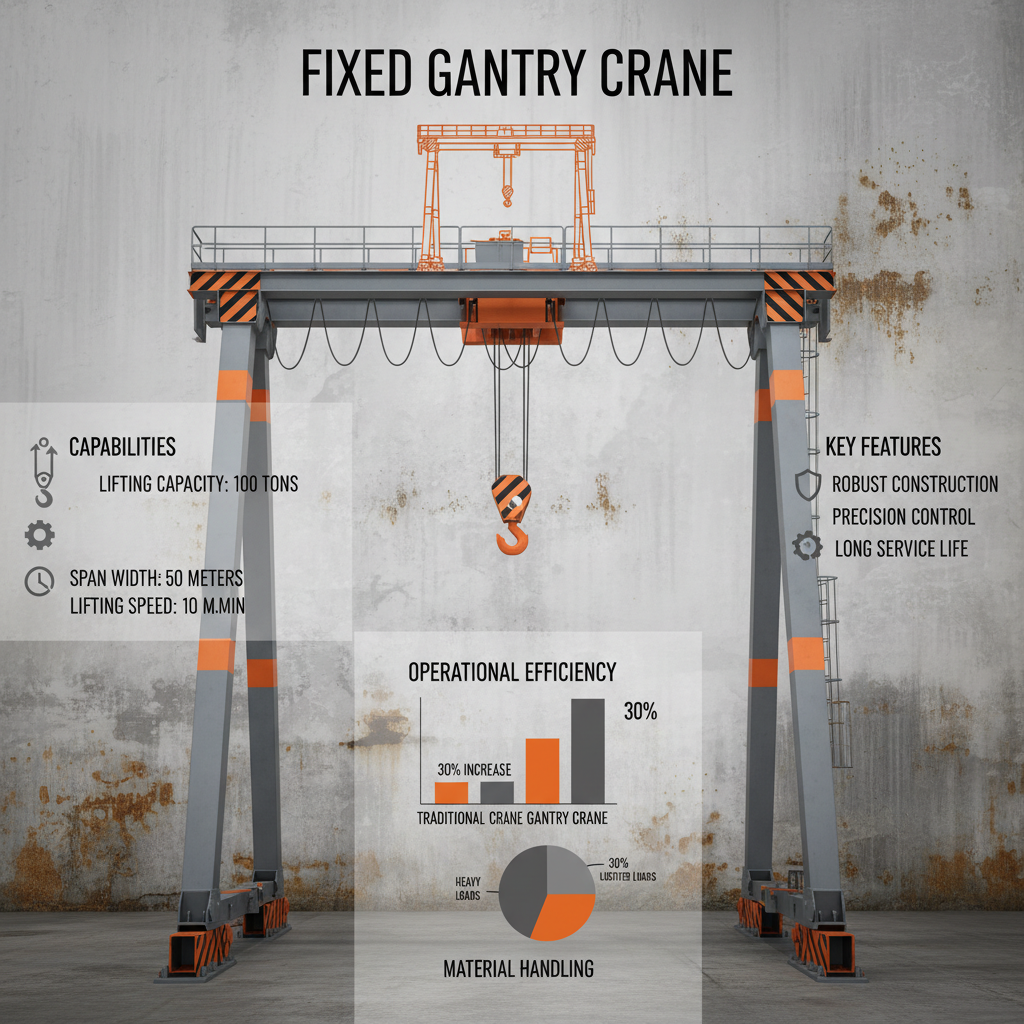
Operational Efficiency of One Ton Gantry Crane Variants
Global Industrial Applications and Use Cases
The versatility of the one ton gantry crane makes it a staple in diverse sectors. In the automotive aftermarket industry, for instance, these cranes are used extensively for removing and installing transmissions and engines in specialized repair shops. The ability to position the crane precisely over the vehicle ensures that components are lifted without damaging the surrounding bodywork.
Beyond automotive, the agricultural machinery sector utilizes the one ton gantry crane for the assembly of small tractors and irrigation pumps. In remote industrial zones, where permanent infrastructure is non-existent, these portable cranes provide a critical lifeline for maintaining equipment, allowing technicians to perform heavy lifts in the field with confidence and safety.
Long-term Value and Safety Advantages
Investing in a high-quality one ton gantry crane offers long-term value through its inherent sustainability. Unlike complex automated systems that require constant software updates and expensive specialized technicians, a well-built gantry crane is a mechanical workhorse with minimal maintenance requirements, ensuring a lifespan that often exceeds a decade.
From a safety perspective, the psychological impact on the workforce is profound. When employees know they have a reliable one ton gantry crane to handle the "heavy lifting," the incidence of musculoskeletal injuries drops significantly. This creates a culture of safety and trust, where innovation is prioritized over brute force.
Furthermore, the adaptability of these systems allows a business to evolve. As production needs change, a gantry crane can be moved to a different part of the facility or combined with other tools like hydraulic lift tables or machinery movers to create a comprehensive, flexible material handling ecosystem.
Future Trends in Lifting Technology
The future of the one ton gantry crane is being shaped by the integration of smart materials and IoT (Internet of Things). We are seeing the emergence of load-sensing beams that can provide real-time feedback to the operator, alerting them via a digital display if the load is approaching the 1,000kg limit, thereby eliminating human error in weight estimation.
Sustainability is also driving a shift toward lightweight, high-strength alloys. While steel remains the standard, the introduction of reinforced aluminum alloys in some one ton gantry crane designs allows for easier assembly and transport without sacrificing the rated lifting capacity, reducing the carbon footprint associated with shipping and installation.
Automation is the final frontier. We anticipate the rise of semi-autonomous gantry systems that can be programmed to move loads between specific workstations, integrating seamlessly with AGVs (Automated Guided Vehicles) to create a fully synchronized, low-labor warehouse environment.
Technical Analysis of One Ton Gantry Crane Configurations
| Configuration Type |
Material Composition |
Mobility Level |
Safety Rating (1-10) |
| Standard Steel Gantry |
Q235 Carbon Steel |
High (Casters) |
9 |
| Adjustable Height Gantry |
Reinforced Steel |
Medium (Fixed/Move) |
8 |
| Aluminum Lightweight |
T6 Aluminum Alloy |
Very High |
7 |
| Electric-Driven Gantry |
Heavy-Duty Steel |
Automatic |
10 |
| Custom Span Gantry |
Mixed Alloys |
Medium |
9 |
| Compact Workshop Gantry |
Cold-Rolled Steel |
High |
8 |
FAQS
The primary difference is the support structure. A one ton gantry crane is freestanding and moves on wheels or rails on the floor, requiring no building attachments. A bridge crane is permanently mounted to the building's columns or ceiling. This makes the gantry crane far more portable and easier to install in existing warehouses without structural modifications.
Yes, most one ton gantry cranes are designed to be compatible with both manual chain hoists and electric chain hoists. However, you must ensure that the total weight of the hoist plus the load does not exceed the crane's safe working load (SWL) of 1,000kg to maintain structural integrity and safety.
For safety compliance, we recommend a visual inspection before every use and a comprehensive professional inspection every 6 to 12 months. Key focus areas should include the integrity of the welds, the wear and tear of the casters, and the functionality of the hoist's braking system to prevent accidental load drops.
Depending on the finish, yes. Most are powder-coated to resist corrosion. However, for prolonged outdoor use, we recommend choosing a model with galvanized steel or specialized weather-resistant coatings. Additionally, ensure that the ground surface is level and firm (preferably concrete) to prevent the crane from sinking or tipping.
Standard fixed-beam cranes cannot be adjusted. However, if you purchase an "Adjustable Gantry Crane" model, the beam can be extended or retracted to fit different load widths. If you have a fixed model, you would need to replace the main I-beam to change the span.
A smooth, level concrete floor is ideal. Because the one ton gantry crane concentrates a significant amount of weight on four small contact points (the wheels), uneven surfaces can cause instability or make it difficult to move the load horizontally.
Conclusion
The one ton gantry crane represents the perfect intersection of power, portability, and pragmatism. By analyzing its structural components, operational efficiency, and diverse global applications, it is clear that this tool is more than just a lifting device—it is an investment in workplace safety and operational scalability. From reducing labor costs to enabling precise machinery maintenance, the value it brings to the workshop floor is immediate and enduring.
As we look toward a future of smarter, lighter, and more autonomous lifting solutions, the core principles of the gantry design will continue to evolve. For businesses seeking to optimize their material handling without the burden of massive infrastructure costs, the one ton gantry crane remains the gold standard. We encourage facility managers to evaluate their current lifting bottlenecks and embrace the flexibility of gantry systems to drive their next phase of growth. Visit our website: www.daweihoisting.com