The modern warehouse landscape demands efficient material handling solutions, and the warehouse gantry crane stands as a pivotal technology in meeting this need. From streamlining operations in vast distribution centers to facilitating precise loading and unloading in manufacturing plants, these cranes are integral to maintaining productivity and minimizing downtime. Understanding the nuances of warehouse gantry cranes – their capabilities, applications, and future trends – is crucial for businesses aiming to optimize their logistics and remain competitive in a rapidly evolving global market.
Globally, the demand for efficient logistics and material handling is soaring, driven by the expansion of e-commerce, increased manufacturing output, and the need for faster supply chains. The United Nations estimates that global trade volume will continue to rise, placing further strain on warehousing infrastructure. This escalating demand directly fuels the need for robust and adaptable lifting solutions like the warehouse gantry crane. Efficient material movement is no longer just a cost-saving measure; it’s a critical factor in meeting customer expectations and maintaining a resilient supply chain.
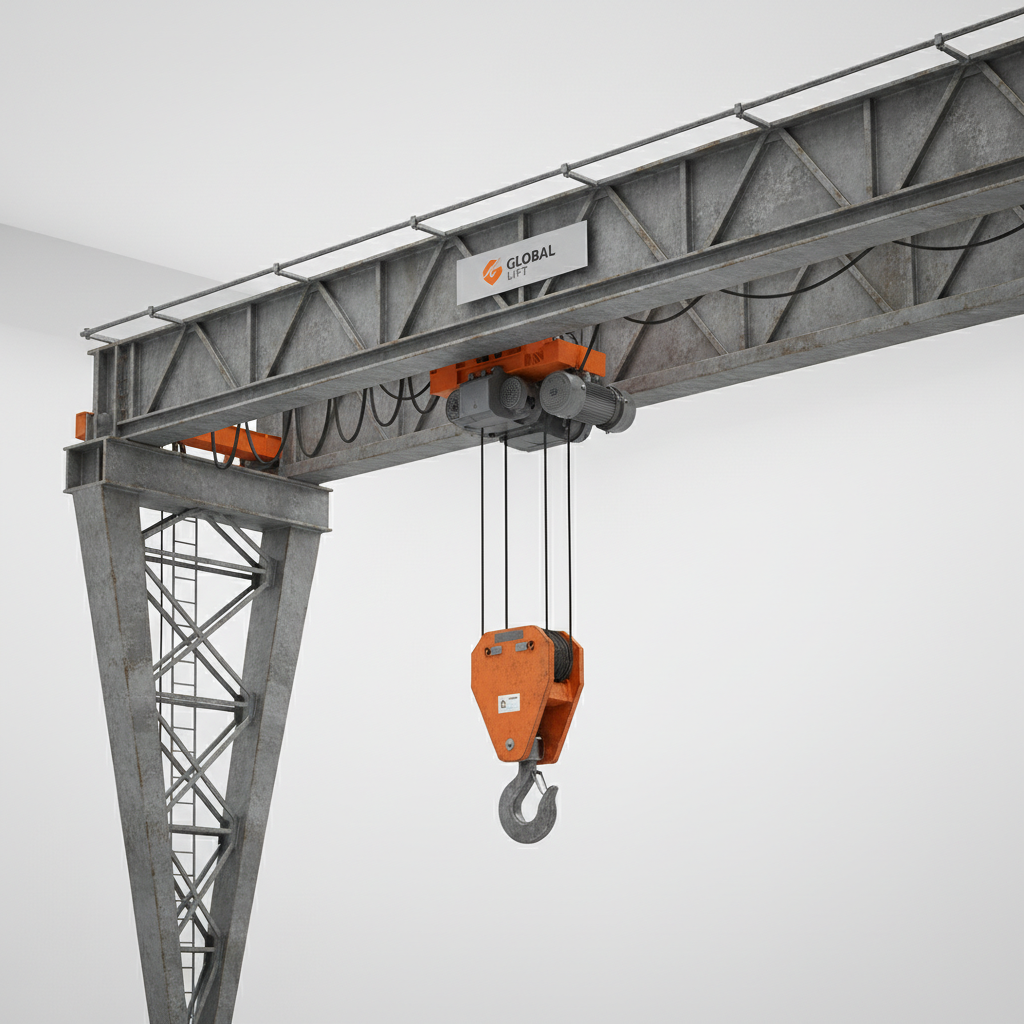
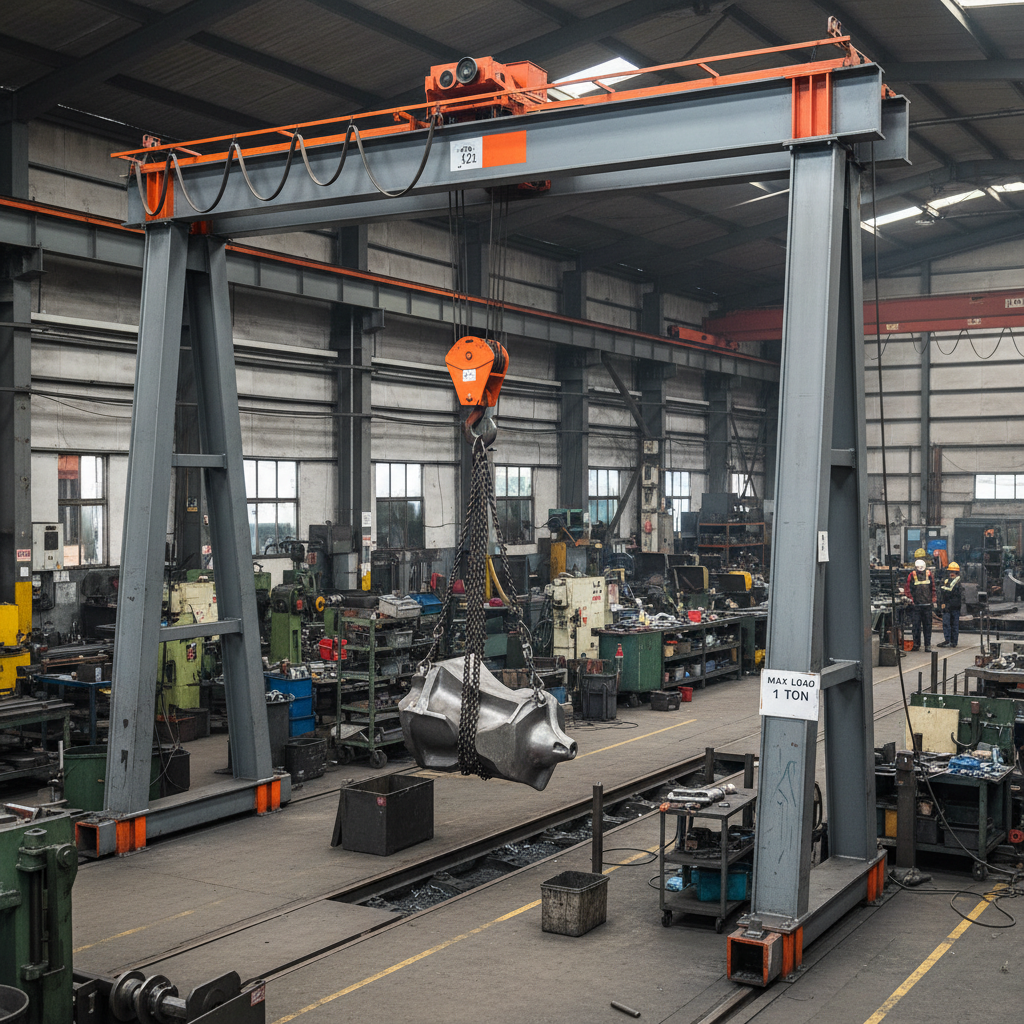
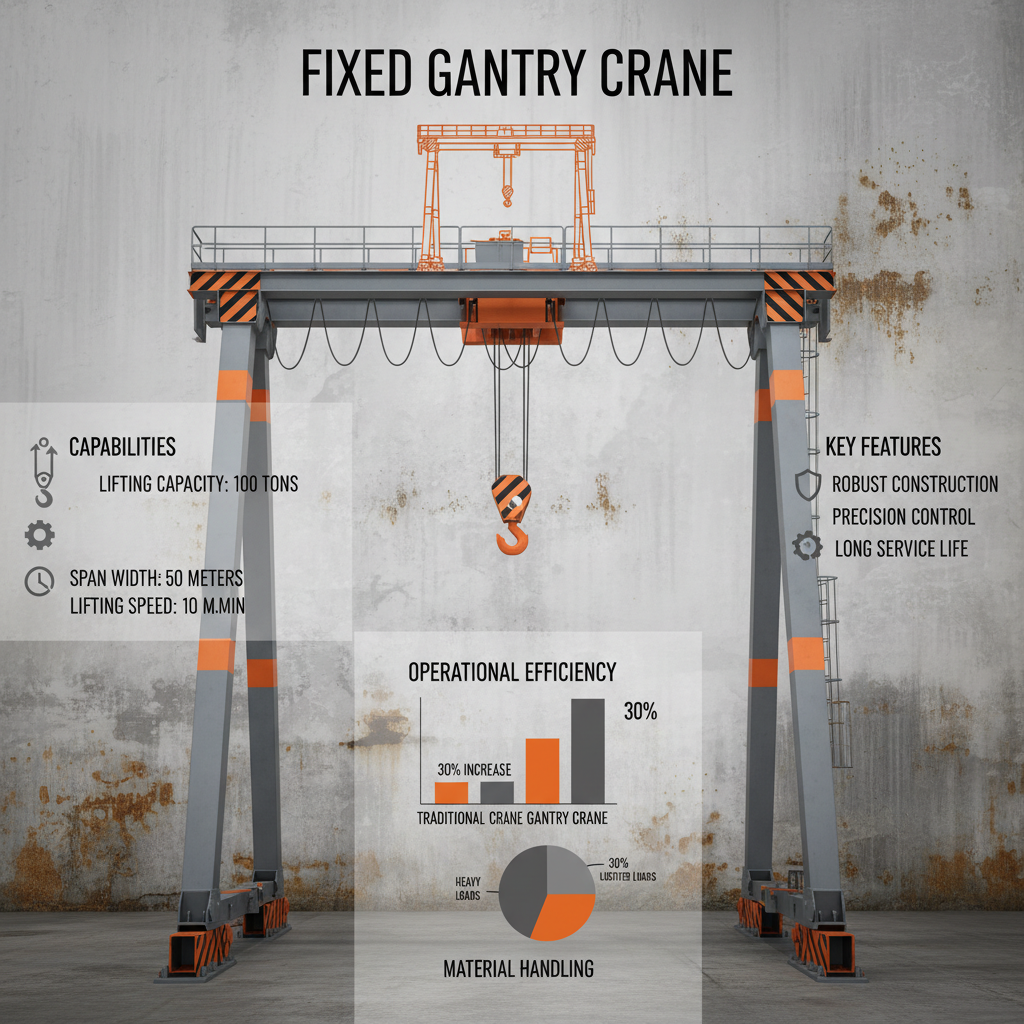
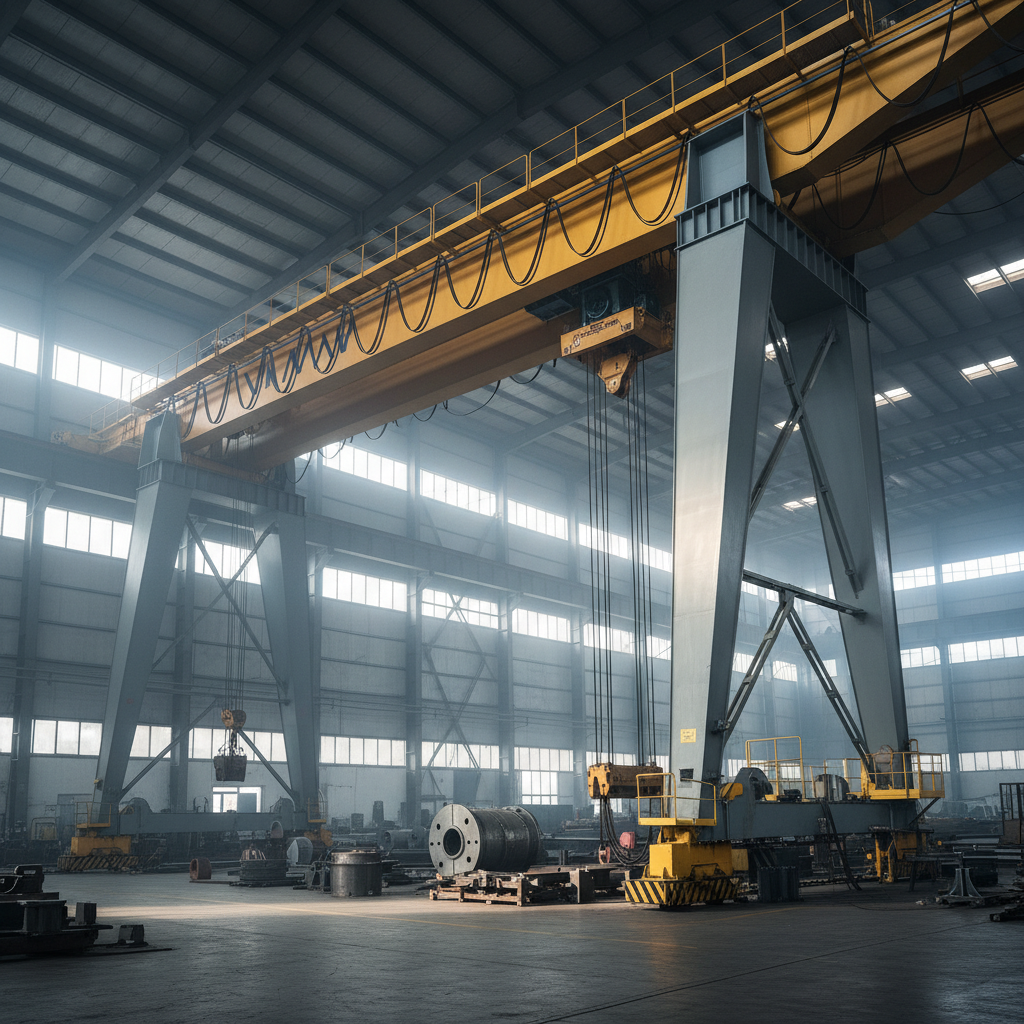
The warehouse gantry crane is a type of crane composed of portal frames traveling on fixed rails. Unlike overhead bridge cranes, gantry cranes operate outdoors or in areas where supporting structure isn't practical. They are designed to lift and move materials within a defined area, offering a versatile solution for diverse warehousing and industrial applications. These cranes play a vital role in industries ranging from shipping and logistics to construction and manufacturing, facilitating the movement of goods and materials with precision and efficiency.
The demand for effective material handling solutions is a global phenomenon. As economies grow and supply chains become increasingly complex, the need for efficient lifting and moving equipment intensifies. Warehouse gantry cranes are central to this demand, playing a vital role in optimizing warehouse operations and reducing logistical bottlenecks across the globe. From supporting the massive logistical hubs in Asia to streamlining distribution in North America, these cranes are essential for modern commerce.
The World Bank reports consistent growth in global trade, creating a greater demand for port infrastructure and warehousing capacity. Gantry cranes are pivotal in handling the increasing volume of goods, minimizing turnaround times, and enhancing the overall efficiency of logistical operations. They are no longer simply a tool for heavy lifting, but a strategic asset that directly impacts a company’s ability to compete in today’s dynamic market.
The lead time for a custom warehouse gantry crane can vary depending on the complexity of the design, material availability, and current production schedules. Generally, expect a lead time of 8-16 weeks from order confirmation to delivery. We strive to provide accurate lead time estimates during the quotation process, keeping you informed every step of the way. Factors like specific load requirements, span length, and any specialized features can influence the overall timeline.
Regular maintenance is crucial for ensuring the longevity and safe operation of your warehouse gantry crane. A comprehensive inspection should be performed at least annually, or more frequently for cranes operating under heavy loads or in demanding environments. Routine tasks include lubrication of moving parts, inspection of cables and chains, and checking the functionality of safety devices. Following a preventative maintenance schedule can significantly reduce the risk of unexpected downtime and costly repairs.
Safety is our top priority. Our warehouse gantry cranes come equipped with a range of standard safety features, including overload protection, emergency stop buttons, limit switches to prevent over-travel, and audible warning devices. We also offer optional safety features such as anti-collision systems and remote monitoring capabilities. All cranes are designed and manufactured in accordance with relevant industry standards and regulations.
Yes, many of our warehouse gantry cranes are specifically designed for outdoor use. These cranes are built with corrosion-resistant materials and weatherproof components to withstand harsh environmental conditions. We offer options such as protective coatings, enclosed operator cabs, and wind-resistant designs to ensure reliable performance in all weather conditions. We can advise on the best configuration for your specific outdoor application.
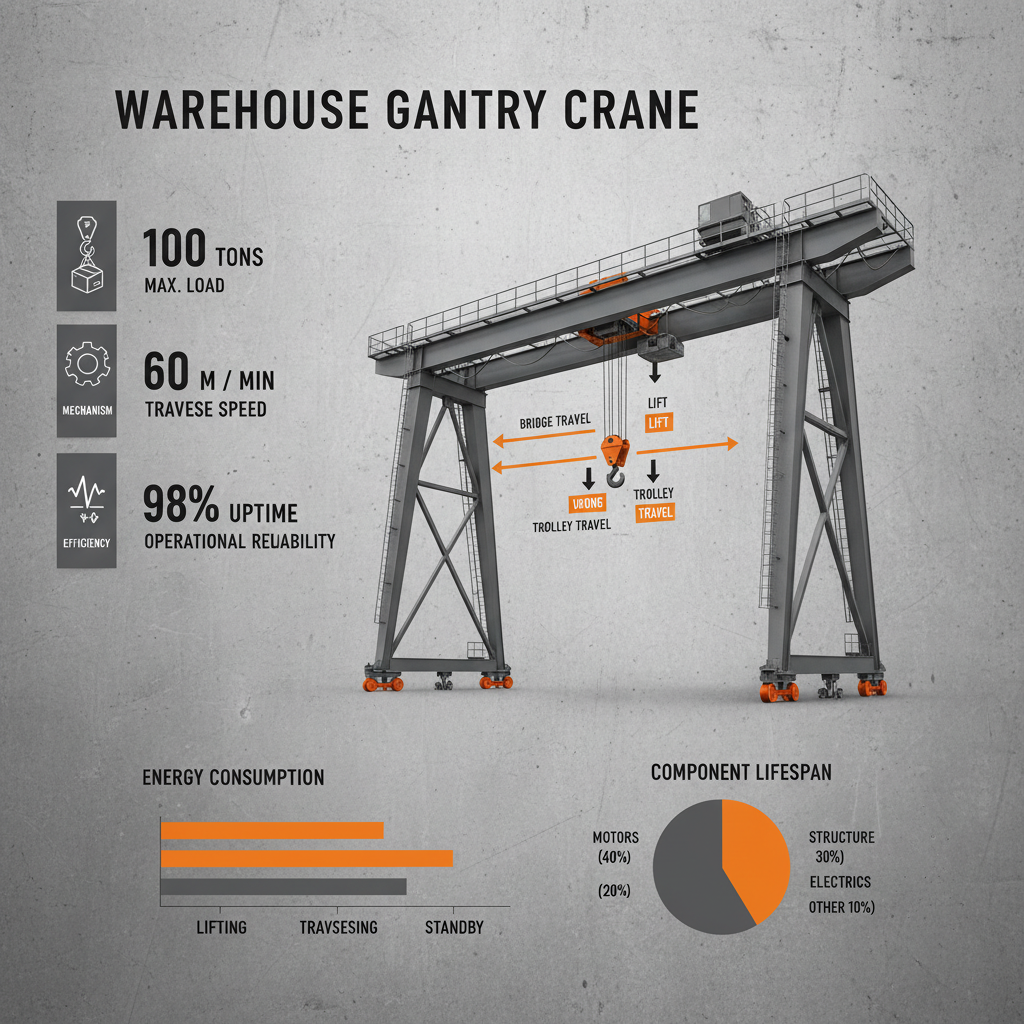
We offer a wide range of warehouse gantry cranes with lifting capacities ranging from 5 tons to 100 tons or more. The maximum lifting capacity will depend on factors such as the crane’s span length, duty cycle, and the specific application requirements. We can customize a crane to meet your exact needs, ensuring it can safely and efficiently handle your heaviest loads. Our team of engineers can assist you in determining the appropriate lifting capacity for your operation.
Yes, we offer comprehensive installation and training services to ensure your warehouse gantry crane is set up correctly and operated safely. Our experienced technicians will handle the entire installation process, from site preparation to final commissioning. We also provide thorough training for your operators and maintenance personnel, covering safe operating procedures, routine maintenance tasks, and troubleshooting techniques.
In conclusion, the warehouse gantry crane represents a pivotal advancement in material handling technology, offering a versatile, adaptable, and cost-effective solution for businesses across a multitude of industries. From enhancing operational efficiency and improving workplace safety to facilitating global trade and supporting sustainable practices, the benefits are far-reaching and impactful. Understanding the nuances of these cranes – their capabilities, applications, and future trends – is crucial for organizations seeking to optimize their logistics and maintain a competitive edge.
Looking ahead, the continued integration of automation, digitalization, and sustainable technologies will further enhance the performance and value of warehouse gantry cranes. By embracing these innovations, businesses can unlock new levels of efficiency, reduce costs, and minimize their environmental impact. We encourage you to explore the possibilities and consider how a warehouse gantry crane can transform your operations. Visit our website at www.daweihoisting.com to learn more and discuss your specific needs with our team of experts.