0%

Table of Contents

The modern world relies heavily on efficient material handling and lifting solutions, and the gantry lift system stands as a cornerstone of this infrastructure. From sprawling industrial complexes to bustling ports and even disaster relief operations, these systems play a critical role in optimizing workflows, enhancing safety, and driving economic growth. Understanding the nuances of gantry lift systems – their design, applications, and future trends – is increasingly vital for professionals across a diverse range of industries.

Globally, the demand for robust and adaptable lifting solutions continues to rise, spurred by factors like increasing urbanization, the expansion of global trade, and a growing emphasis on logistical efficiency. According to the UN, global trade volumes are projected to continue increasing, demanding greater capacity in ports and distribution centers. The World Bank highlights the importance of efficient infrastructure for sustainable development, and gantry lift systems are integral to that infrastructure. ISO standards for lifting equipment further emphasize the need for safety and reliability, driving innovation in gantry lift system design.

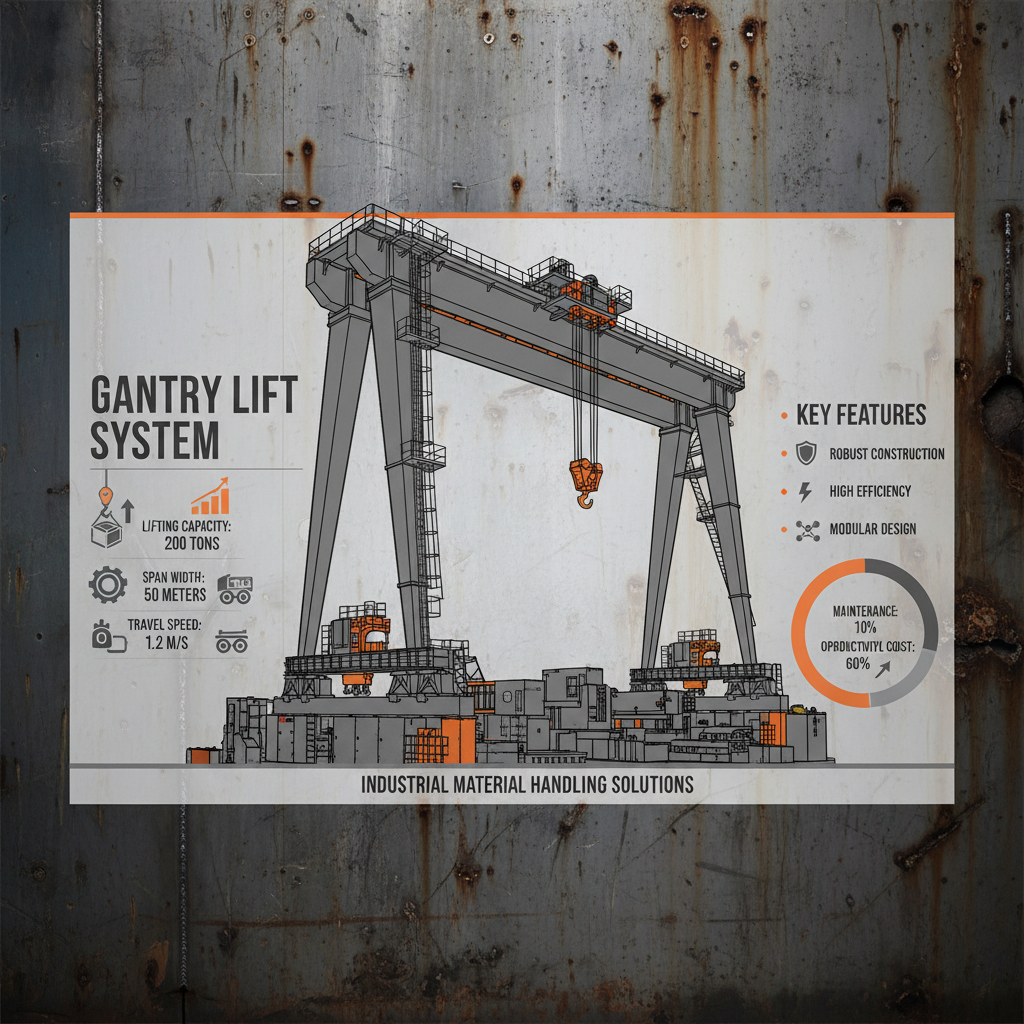
The gantry lift system, at its core, is a framework supporting a hoist and trolley, allowing for the lifting and movement of heavy loads. Unlike traditional overhead cranes which require significant building support, gantries are self-supporting, making them ideal for outdoor applications or areas where modifying existing structures is impractical. This inherent flexibility, coupled with their ability to handle substantial weight, makes them an indispensable tool in modern industry and a crucial asset in responding to global humanitarian needs.
Optimizing Material Handling with Advanced Gantry Lift System Solutions

Introduction to gantry lift system

Optimizing Material Handling with Advanced Gantry Lift System Solutions

The versatility of the gantry lift system is truly remarkable. It's not just about lifting heavy objects; it's about streamlining processes, maximizing space utilization, and ensuring worker safety. These systems are customizable to suit specific operational needs, from the lift capacity and span to the overall height and mobility of the structure.

Modern gantry cranes are increasingly incorporating advanced technologies like variable frequency drives (VFDs) for precise speed control and programmable logic controllers (PLCs) for automated operation. This integration boosts productivity and minimizes the risk of human error, further solidifying the gantry lift system's position as an essential tool in the 21st-century workplace.

Defining the gantry lift system

A gantry lift system is essentially a portal crane – a crane structure supported by legs that travel on rails or wheels. This structure supports a hoist, which is the lifting mechanism, and a trolley, which moves the hoist along the beam. Unlike fixed overhead cranes that rely on a building’s structure, gantries are freestanding, offering significant advantages in environments where permanent overhead support isn’t available or practical.

The simplicity of the design belies its powerful capabilities. Gantry systems can range from small, portable units used in workshops to massive, heavy-duty cranes employed in shipbuilding and container terminals. Their modularity allows for easy assembly, disassembly, and relocation, making them exceptionally adaptable to changing operational demands.

The connection between gantry lift systems and modern industry, or even humanitarian needs, stems from the need for flexible, efficient, and reliable lifting solutions. Whether it's moving prefabricated housing components to disaster-stricken areas or handling enormous cargo containers in a port, the gantry crane is often the most practical and cost-effective choice.

Key Components and Characteristics

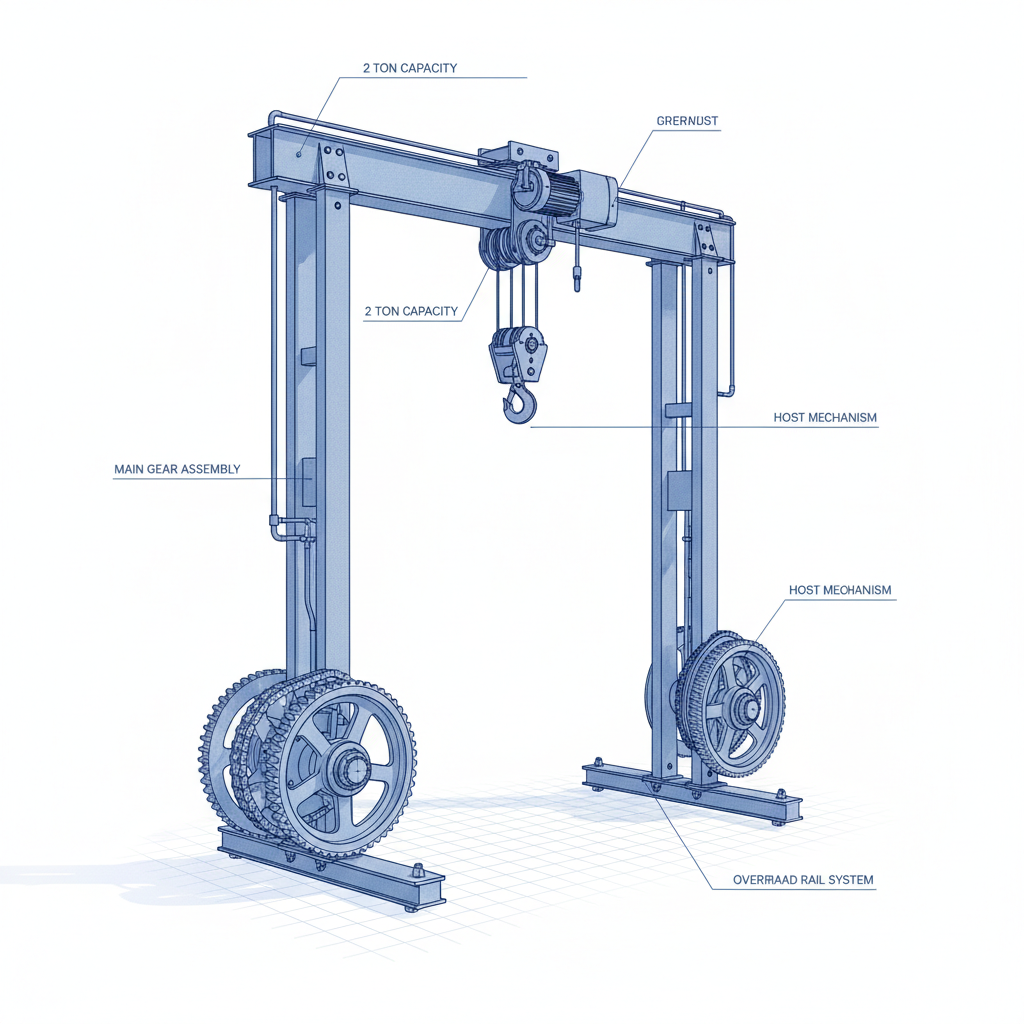
The effectiveness of a gantry lift system is determined by the interplay of several crucial components. These include the gantry structure itself – typically constructed from steel – the hoist unit (chain, wire rope, or hydraulic), the trolley, and the end carriages that provide the traveling motion. Safety features, such as limit switches and overload protection, are also integral to the system’s design.

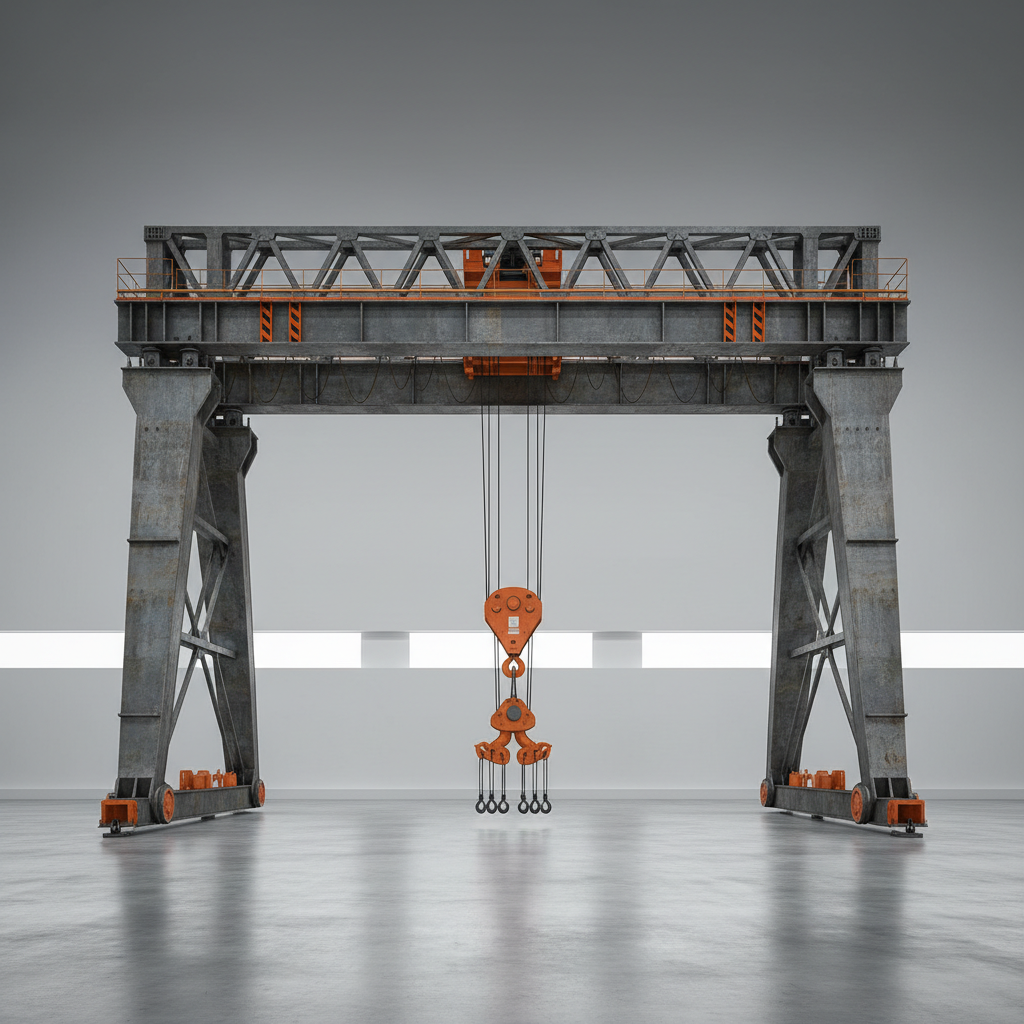
Furthermore, gantry cranes are categorized based on their structure: full gantry, semi-gantry, and mobile gantry. Full gantries have supporting legs at both ends, semi-gantries have legs on only one side, and mobile gantries are mounted on rubber tires for portability. Each type suits different applications and site conditions.

Understanding these components and their interactions is essential for selecting the right gantry system for a specific task. Considerations like lift capacity, span, height of lift, and the frequency of use all influence the optimal configuration and choice of materials.

Core Factors of gantry lift system Performance

Several factors critically influence the performance and longevity of a gantry lift system. These aren't merely technical specifications; they directly impact operational efficiency, safety, and total cost of ownership. Understanding these is essential for making informed decisions.

Performance Metrics of Common gantry lift system Configurations


Global Applications of gantry lift system

The applications of gantry lift systems are remarkably diverse. In ports and shipyards, they are indispensable for loading and unloading cargo containers and large vessel components. Construction sites utilize them for lifting steel beams, precast concrete elements, and other heavy materials.

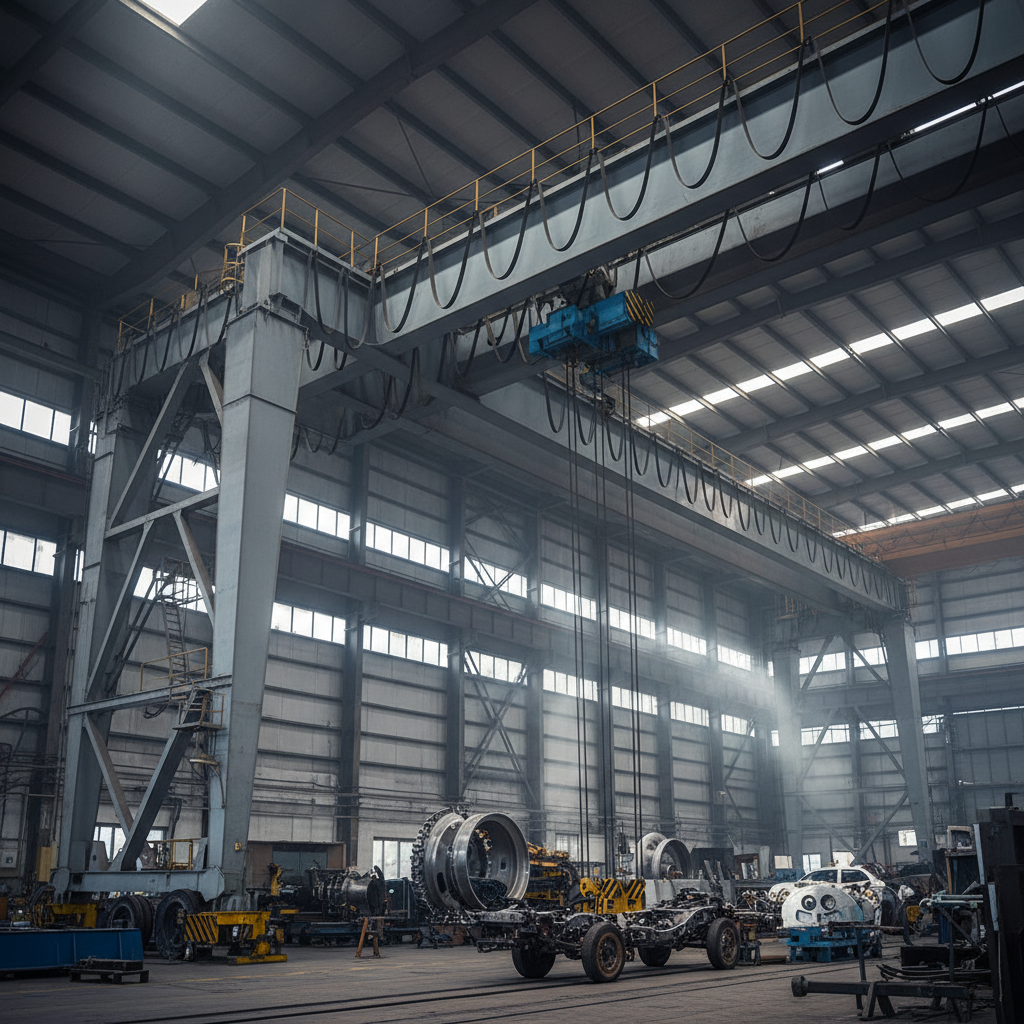
Manufacturing facilities rely on gantries for moving machinery, raw materials, and finished products. Even in more specialized industries like aerospace, gantry cranes are used for assembling and maintaining aircraft. In post-disaster relief operations, mobile gantry systems are crucial for distributing aid and clearing debris.

Advantages and Long-Term Value

The benefits of investing in a gantry lift system extend far beyond simply lifting heavy loads. The inherent flexibility and adaptability of these systems translate into increased operational efficiency, reduced labor costs, and improved workplace safety. This enhanced productivity directly impacts the bottom line.

Furthermore, a well-maintained gantry crane represents a long-term investment. With proper care and regular inspections, these systems can provide decades of reliable service, minimizing the need for costly replacements. The enhanced safety features also contribute to a more positive work environment and reduce the risk of accidents and associated liabilities.

Future Trends in gantry lift system Technology

The future of gantry lift system technology is being shaped by several key trends. Automation and remote control are becoming increasingly prevalent, allowing for more precise and efficient operation, particularly in hazardous environments. The integration of artificial intelligence (AI) and machine learning (ML) is enabling predictive maintenance, minimizing downtime and extending the lifespan of the equipment.

Sustainability is also driving innovation, with manufacturers exploring the use of lighter, more durable materials and energy-efficient drive systems. The development of smart gantries, equipped with sensors and data analytics capabilities, will provide real-time insights into performance, allowing for optimized operation and proactive maintenance.

FAQS

What are the key differences between a gantry crane and an overhead crane?

The primary difference lies in their support structure. Overhead cranes require building support, while gantry cranes are self-supporting with legs that run on rails or wheels. This makes gantries ideal for outdoor use or areas lacking overhead infrastructure. Gantry cranes offer greater flexibility in placement and are often more cost-effective to install where building modifications are needed for an overhead crane.

What factors should I consider when choosing a gantry crane?

Several factors are crucial: lift capacity (the maximum weight the crane can lift), span (the distance between the legs), height of lift, duty cycle (how frequently it will be used), and the environment (indoor or outdoor). Also consider the type of load being lifted, the available space, and any specific safety requirements.

How often does a gantry crane require maintenance?

Regular maintenance is essential for safety and longevity. Inspections should be conducted monthly, with a more thorough annual inspection by a qualified technician. Key maintenance tasks include lubricating moving parts, checking wire ropes and chains for wear, inspecting brakes, and verifying the functionality of safety devices.

Are there safety features I should look for in a gantry crane?

Absolutely. Essential safety features include overload protection (which prevents lifting loads exceeding the crane’s capacity), limit switches (which prevent the hoist from traveling beyond its safe range), emergency stop buttons, and audible warning devices. Regular safety training for operators is also paramount.

What are the benefits of a mobile gantry crane?

Mobile gantry cranes offer unparalleled flexibility. Their rubber-tired mobility allows for easy relocation within a facility or even between job sites. This makes them ideal for projects requiring frequent material handling in different locations or for temporary lifting solutions where a fixed crane isn't feasible.

Can gantry cranes be customized to fit specific needs?

Yes, gantry cranes are highly customizable. Manufacturers can tailor the crane’s span, lift capacity, height, and features to match specific application requirements. Options include different hoist types, specialized lifting attachments, and automated control systems.

Conclusion

The gantry lift system stands as a cornerstone of modern material handling, providing versatility, efficiency, and safety across a wide spectrum of industries. From streamlining port operations to aiding in disaster relief, these systems contribute significantly to global productivity and economic growth. Understanding their capabilities and ongoing advancements is crucial for professionals seeking to optimize their operations and improve workplace safety.

Looking ahead, continued innovation in automation, sustainability, and data analytics will further enhance the performance and value of gantry lift systems. Investing in these technologies will not only drive efficiency but also contribute to a more sustainable and responsible future for the lifting industry. Visit our website at www.daweihoisting.com to explore our range of gantry lift systems and discover how we can help you meet your lifting needs.

Robert Miller

Robert Miller

Robert Miller is a seasoned Mechanical Engineer with Dawei Hoisting, specializing in the design and testing of our permanent magnet lifters. He joined the company in 2018, bringing with him over 15 years of experience in materials science and lifting solutions. Robert is instrumental in ensuring our products meet stringent
Previous Lifting Solutions for Modern Industry
Next Maximize Lifting Efficiency with a Robust 3 ton Gantry Crane for Sale