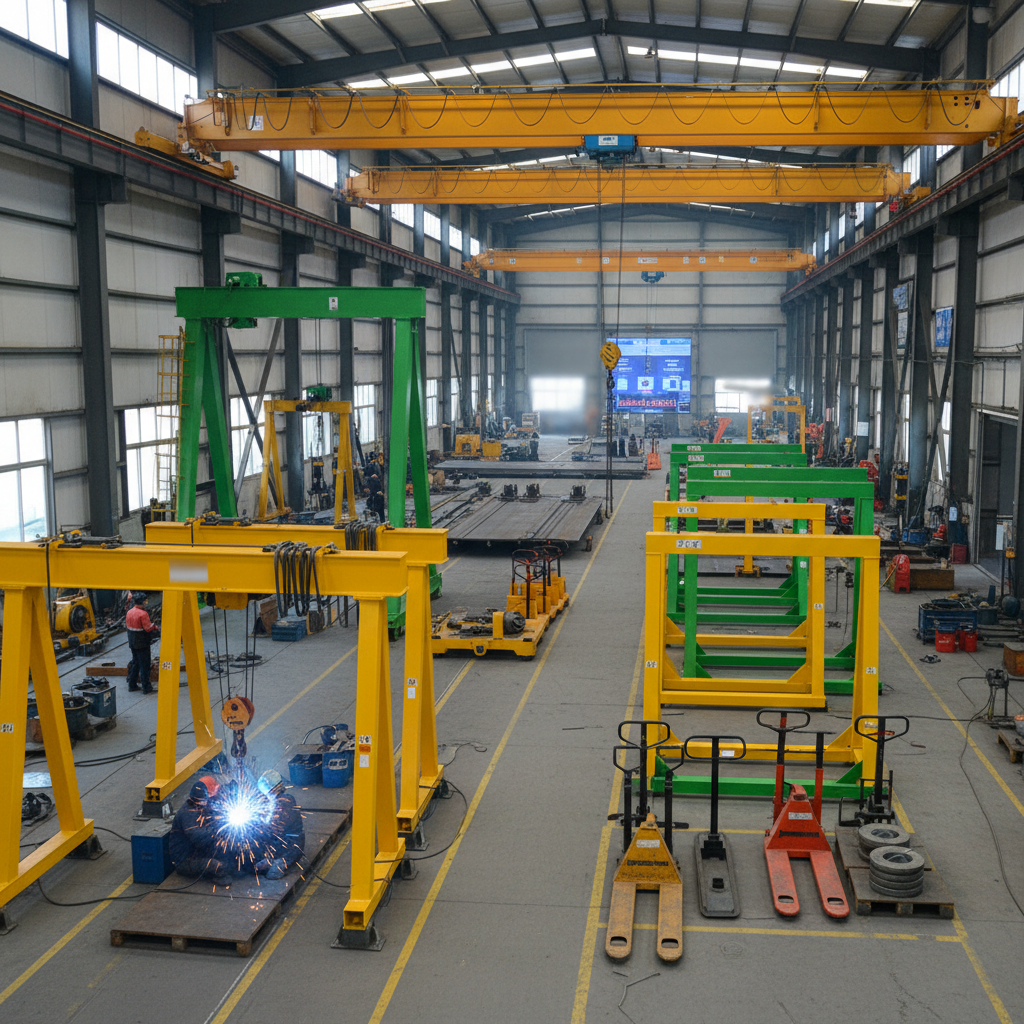
In the demanding world of modern industrial logistics, the efficient movement of heavy loads is not just a matter of convenience but a critical driver of operational productivity. overhead and gantry cranes serve as the backbone of this movement, providing the necessary lifting power and precision to handle everything from raw steel beams to delicate machinery components. By integrating these systems, enterprises can significantly reduce manual labor risks while optimizing their floor space and workflow.
Globally, the adoption of advanced lifting solutions has evolved from simple pulleys to complex, automated systems. The versatility of overhead and gantry cranes allows them to be tailored to specific factory layouts, whether it's a permanent installation in a heavy-duty fabrication shop or a portable gantry for a flexible assembly line. This adaptability ensures that businesses can scale their operations without being hindered by the physical limitations of their equipment.
Understanding the technical nuances and strategic implementation of these cranes is essential for any facility manager aiming for ISO-standard safety and efficiency. Whether you are utilizing a manual pallet stacker for small loads or a massive gantry system for shipping containers, the goal remains the same: maximizing throughput while ensuring the highest levels of worker safety. This guide explores the comprehensive landscape of hoisting technology to help you make an informed investment.
Global Relevance of Overhead and Gantry Cranes
The global manufacturing sector is currently undergoing a massive transformation, with an increasing emphasis on "lean" production and rapid turnaround. In this context, overhead and gantry cranes are no longer viewed as simple tools but as strategic assets. According to industrial productivity benchmarks, facilities that optimize their material handling systems see a measurable decrease in cycle times and a significant reduction in workplace injuries related to manual lifting.
From the massive ports of Singapore to the automotive plants in Germany, the reliance on high-capacity hoisting equipment is universal. The challenge many companies face is the "bottleneck effect," where production is halted because the movement of heavy components cannot keep pace with the fabrication speed. By deploying the right configuration of cranes, businesses can eliminate these stalls and create a seamless flow of materials from the warehouse to the shipping dock.
Defining Modern Hoisting Systems
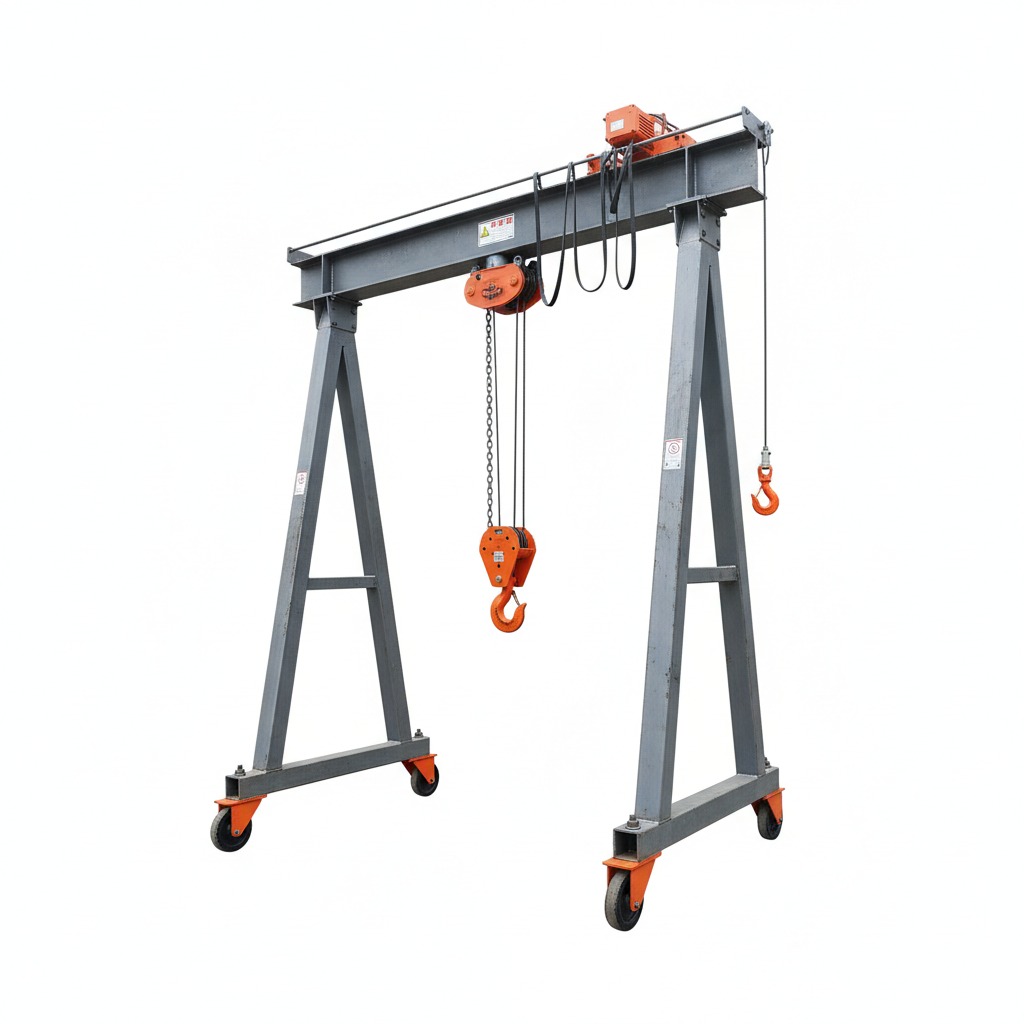
At its simplest, an overhead crane is a hoist system where the hoist travels along a bridge beam supported by runways. This allows for 3D movement across a designated rectangular area of a factory floor. Gantry cranes, conversely, are supported by legs that move on wheels or rails, making them ideal for outdoor use or areas where installing permanent overhead runways is structurally impossible.
The connection between these systems and modern industry is rooted in the need for scalability. As a business grows, its need to lift heavier loads—such as large hydraulic lift tables or massive engine blocks—increases. overhead and gantry cranes provide a modular solution that can be upgraded in capacity or span to match the growth of the enterprise.
Beyond industrial use, these systems are vital for humanitarian and infrastructure needs. In post-disaster reconstruction, portable gantry cranes are used to move heavy debris and install temporary power grids, proving that the utility of these machines extends far beyond the walls of a traditional factory.
Core Components for Maximum Durability
The longevity of overhead and gantry cranes depends heavily on the quality of the bridge and hoist. High-grade alloy steel is typically used to prevent deformation under peak loads, ensuring that the structure remains rigid even when operating at maximum rated capacity.
Precision motors and Variable Frequency Drives (VFDs) are the "brains" of the operation. These components allow for smooth acceleration and deceleration, which prevents the load from swinging violently—a critical safety factor when transporting expensive machinery or fragile materials.
Finally, the safety braking systems and load-limiting sensors are non-negotiable. Modern systems incorporate automatic shut-offs that engage the moment a load exceeds the safe working limit (SWL), protecting both the operator and the structural integrity of the overhead and gantry cranes.
Strategic Applications Across Industries
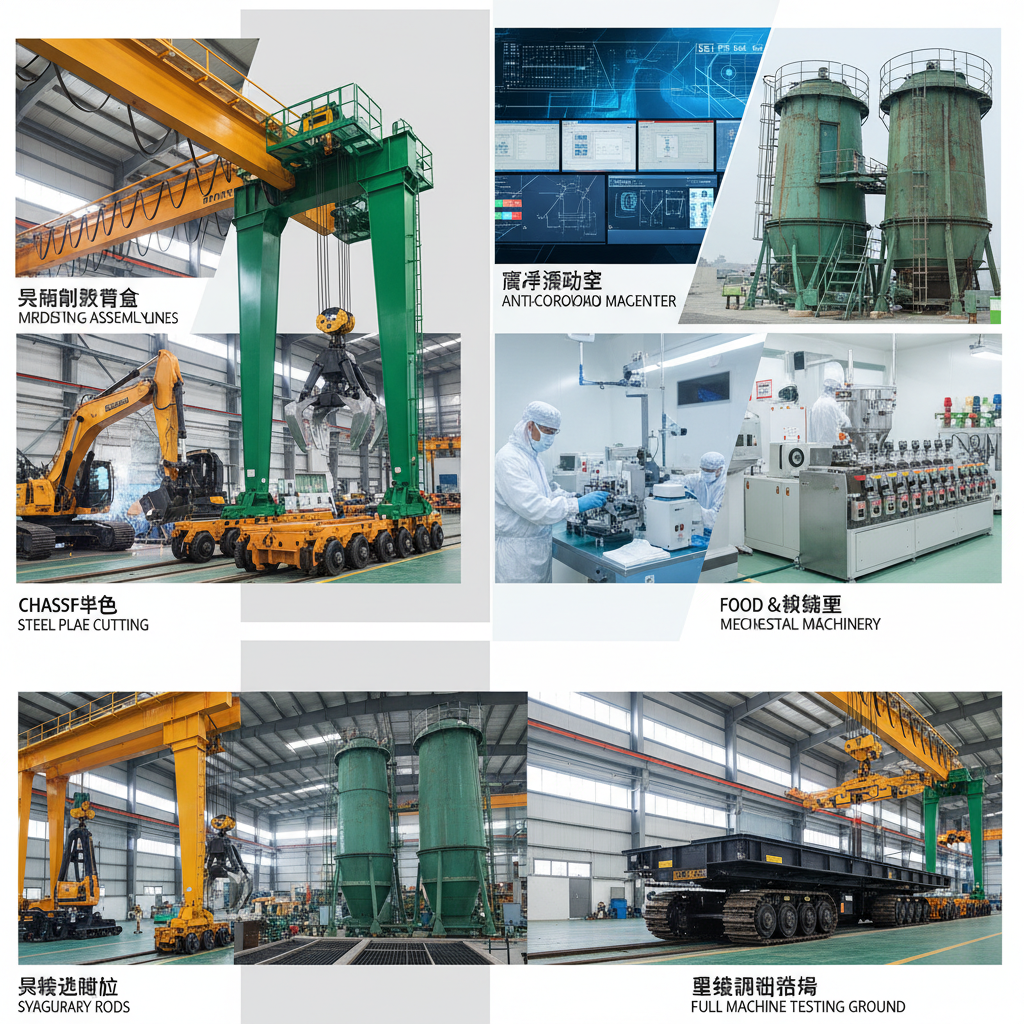
In the aerospace and automotive sectors, precision is everything. Here, overhead and gantry cranes are used to position fuselage sections or chassis with millimeter accuracy. By utilizing combined systems—such as using a crane to move a component and a hydraulic lift table for final assembly—engineers can maintain ergonomic working heights for technicians.
In remote industrial zones, such as mining or offshore oil rigs, the durability of the crane is tested by extreme environments. In these cases, corrosion-resistant coatings and weather-sealed electrical components are integrated into the gantry design to ensure 24/7 operational reliability despite salt spray or heavy dust.
Efficiency Rating of Different Lifting Systems
Long-Term Value and Safety Advantages
Investing in high-quality overhead and gantry cranes offers more than just mechanical advantage; it provides peace of mind. The logical benefit is an immediate reduction in labor costs and an increase in tons-per-hour throughput. However, the emotional benefit—the knowledge that workers are safe from the risk of crushing injuries or musculoskeletal strain—creates a culture of trust and dignity within the workplace.
From a sustainability perspective, modern electric cranes are far more energy-efficient than older hydraulic or diesel-powered counterparts. By reducing the carbon footprint of material handling, companies not only adhere to green energy policies but also lower their long-term utility expenses, proving that safety and profitability go hand-in-hand.
Future Trends in Automated Lifting
The next frontier for overhead and gantry cranes is the integration of Artificial Intelligence and IoT (Internet of Things). We are seeing the rise of "smart cranes" that can predict their own maintenance needs based on vibration sensors and load cycles, effectively eliminating unplanned downtime.
Automation is also transforming how loads are handled. Semi-autonomous gantry cranes can now be programmed to move materials between predefined workstations without a manual operator, integrating perfectly with Automated Guided Vehicles (AGVs) and machinery movers for a fully synchronized warehouse.
Furthermore, the shift toward lightweight, high-strength composites is allowing for cranes that are easier to install and transport without sacrificing lifting capacity. These innovations are paving the way for a more flexible, responsive, and sustainable industrial landscape.
Overcoming Implementation Challenges
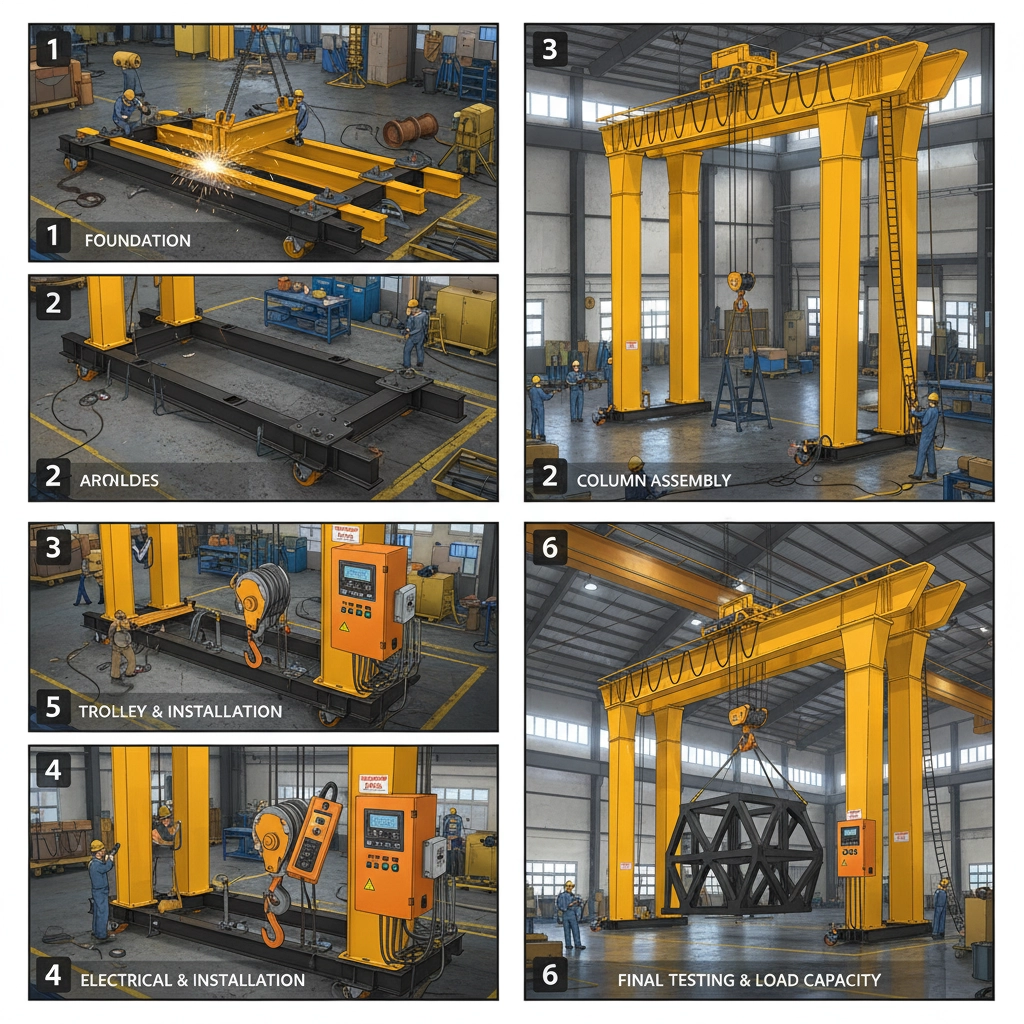
One of the primary challenges in deploying overhead and gantry cranes is the initial structural assessment. Many older facilities were not designed to support the immense point loads that overhead runways create. The solution lies in customized reinforcement strategies, such as installing independent support columns that transfer the weight directly to the foundation.
Another common hurdle is operator training. A powerful crane in the hands of an untrained worker is a liability. Expert insights suggest implementing a mandatory certification program combined with the use of remote-control pendants, which allow operators to maintain a safe distance from the load while maintaining full visibility.
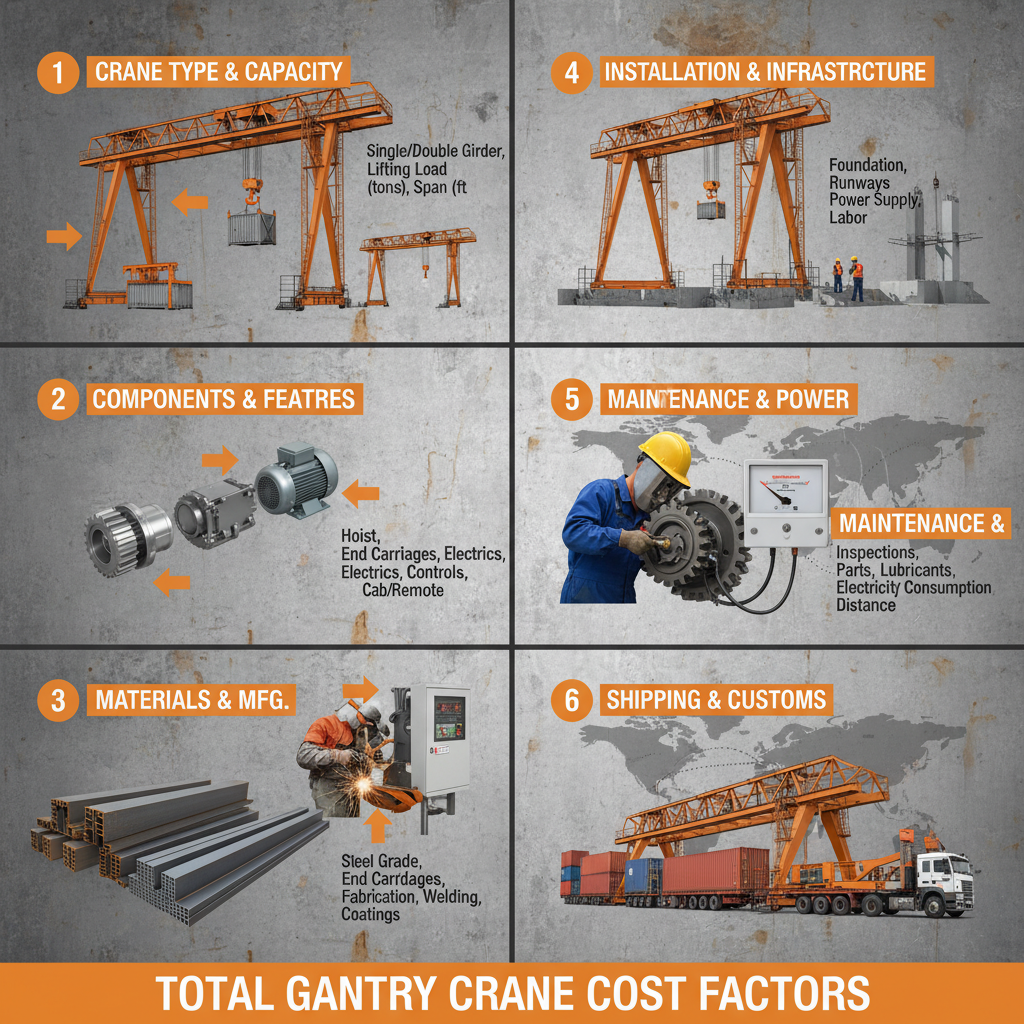
Finally, balancing cost and capacity is a frequent struggle. Many firms over-spec their equipment, paying for capacity they will never use. A detailed audit of maximum load requirements and frequency of use allows for a "right-sized" solution that optimizes capital expenditure without compromising future scalability.
Comparative Analysis of Hoisting System Specifications
| System Type |
Installation Complexity |
Flexibility Score (1-10) |
Maintenance Need |
| Double Girder Overhead |
High |
6 |
Moderate |
| Single Girder Overhead |
Medium |
7 |
Low |
| Portable Gantry Crane |
Low |
10 |
Low |
| Fixed Gantry Crane |
High |
4 |
High |
| Jib Crane System |
Medium |
8 |
Low |
| Monorail Hoist |
Low |
5 |
Very Low |
FAQS
The primary difference is the support structure. An overhead crane's bridge is supported by runways attached to the building's walls or columns, leaving the floor entirely clear. A gantry crane is supported by legs that move on wheels or rails, meaning it can be used outdoors or in facilities where the walls cannot support the load. Gantry cranes offer more portability, while overhead cranes maximize indoor floor space.
Start by identifying the heaviest single item you need to move and add a safety margin of at least 15-20%. You should also consider the frequency of lifts; if you are lifting maximum capacity 24/7, you may need a "heavy-duty" class crane. We recommend a professional site audit to analyze both the load requirements and the structural capacity of your building before purchasing.
Yes, provided they are used within their rated Safe Working Load (SWL). Portable gantry cranes are engineered for versatility and are excellent for maintenance bays or temporary assembly areas. However, they require a level surface to prevent tipping. For permanent, high-tonnage operations, a fixed overhead system is generally preferred for superior stability.
Regular lubrication of the wire ropes and gears is essential to prevent friction wear. Monthly inspections of the braking system and limit switches are critical for safety. Additionally, we recommend annual structural certifications by a qualified engineer to check for weld fatigue or bolt loosening, ensuring the system remains compliant with international safety standards.
Absolutely. Many facilities use overhead and gantry cranes in tandem with hydraulic lift tables for precision work or machinery movers for horizontal transport. This "hybrid" approach allows you to move a load vertically with the crane and then precisely position it on a lift table for ergonomic assembly, significantly increasing overall workflow efficiency.
Electric hoists are superior for high-frequency use, heavier loads, and environments where speed and precision are key. They reduce operator fatigue and increase safety. Manual hoists are better suited for very light loads, occasional use, or environments where electricity is unavailable. For most professional manufacturing settings, electric systems offer a much higher return on investment.
Conclusion
The strategic implementation of overhead and gantry cranes is a cornerstone of industrial efficiency. By understanding the interplay between structural durability, precision control, and safety protocols, businesses can transform their material handling from a logistical bottleneck into a competitive advantage. From reducing workplace injuries to accelerating production cycles, the value of a well-chosen hoisting system is evident in both the balance sheet and the daily experience of the workforce.
As we move toward an era of Industry 4.0, the integration of automation and smart sensing will further refine how we move the world's heaviest objects. We encourage facility managers to look beyond the initial cost and consider the long-term scalability and safety benefits of premium lifting solutions. For high-performance equipment tailored to your specific needs, visit our website: www.daweihoisting.com.