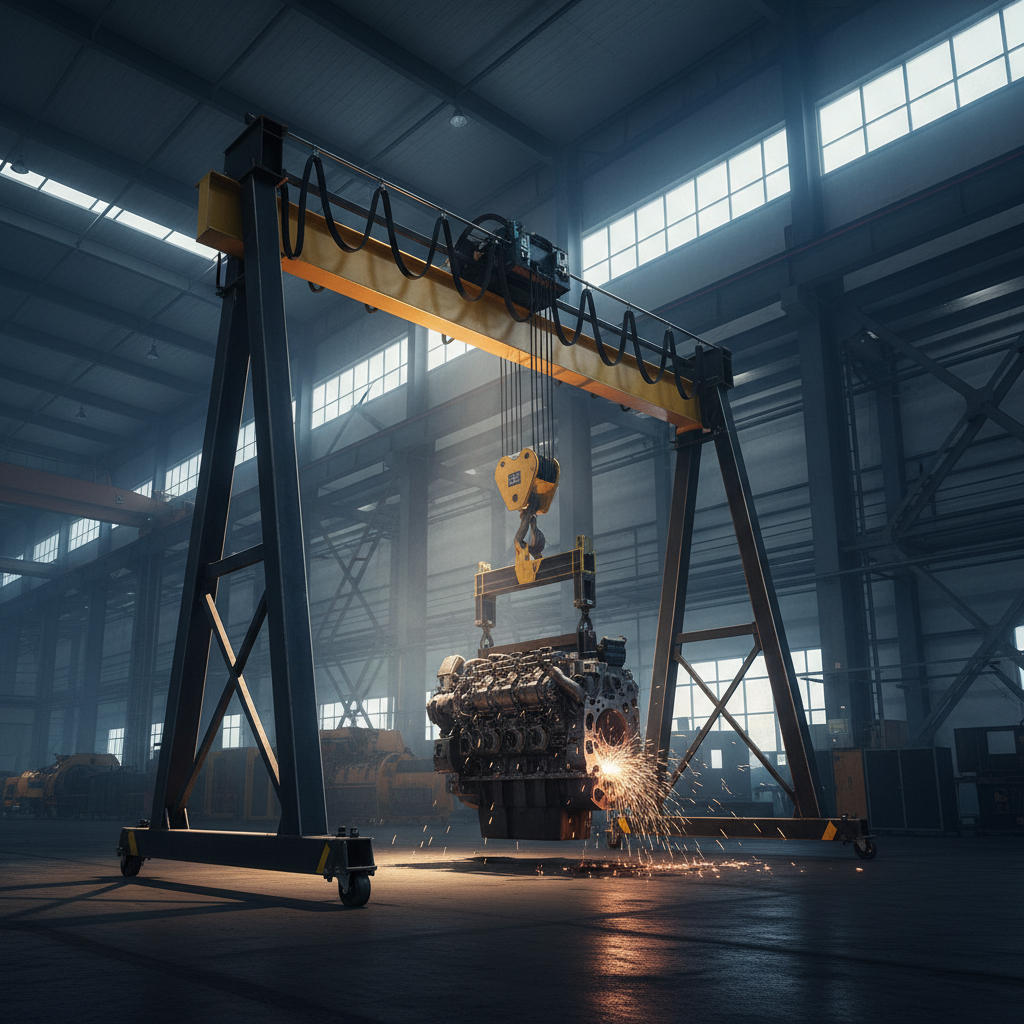
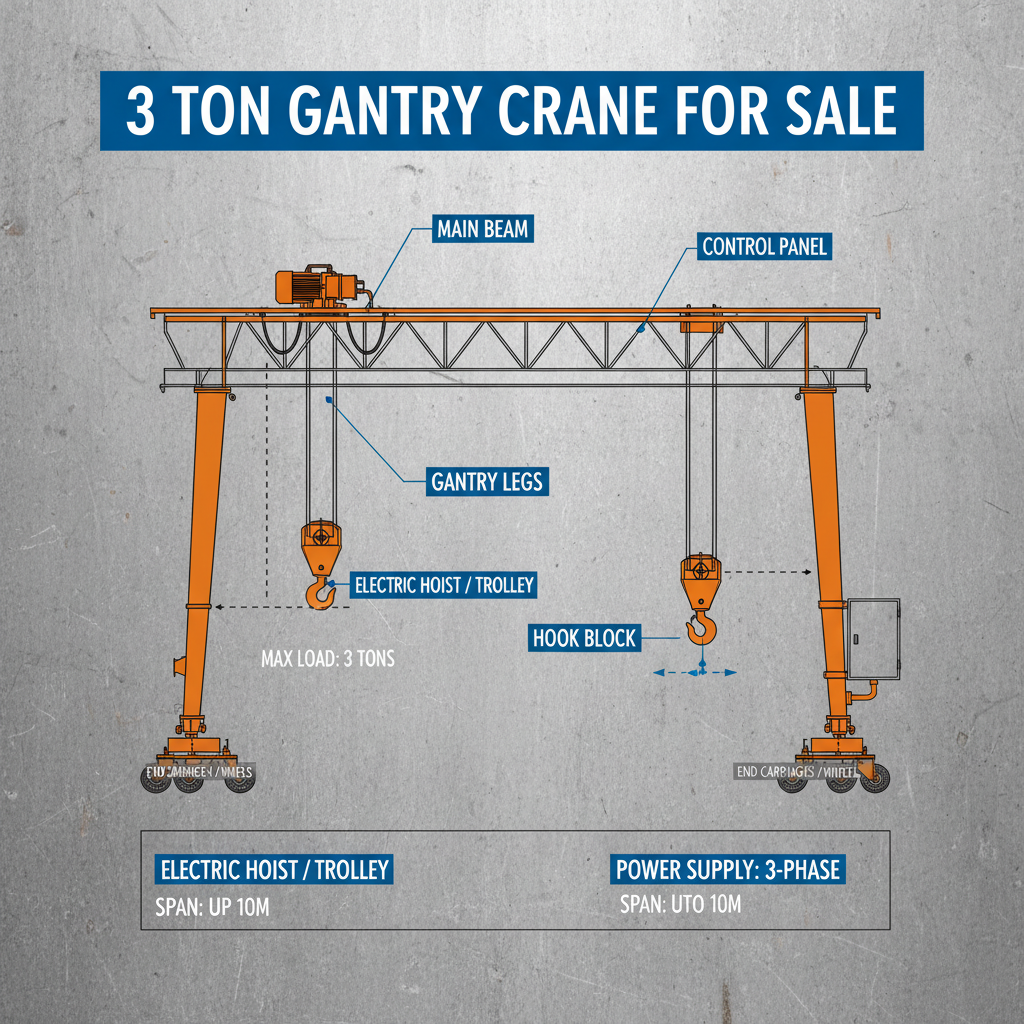
Gantry crane cost is a critical consideration for businesses across a multitude of industries, from shipping and manufacturing to construction and infrastructure. Understanding the factors that contribute to these costs – and how to optimize them – isn’t just about budgeting; it’s about maintaining operational efficiency, ensuring project timelines, and ultimately, maximizing profitability. In today’s globalized economy, efficient materials handling is paramount, and a well-chosen gantry crane can be the backbone of that efficiency, but only if the initial investment and long-term running costs are thoroughly assessed.
The complexity of gantry crane cost extends beyond the initial purchase price. Factors like capacity, span, lift height, duty cycle, and the specific environment in which the crane will operate all play significant roles. A seemingly cheaper crane upfront can quickly become a costly liability if it isn’t suited to the demands of the job. We’ve seen projects delayed – and budgets blown – because the crane wasn’t properly specced from the outset. It’s a lesson learned the hard way, and one that highlights the importance of a holistic cost analysis.
Globally, the demand for efficient lifting solutions is surging, driven by infrastructure development in emerging economies and the increasing need for streamlined logistics in established markets. According to the World Bank, infrastructure investment in developing countries is projected to reach trillions of dollars in the coming decade, creating a substantial demand for cranes of all types, including gantry cranes. ISO standards for crane safety and performance are also becoming increasingly stringent, adding another layer of complexity – and potentially cost – to the equation. The pressure is on to deliver more, with less, and gantry crane cost is at the center of that challenge.
Understanding Gantry Crane Cost
Gantry crane cost isn't a single number; it's a complex equation that considers initial investment, operational expenses, and long-term maintenance. As someone who spends days on construction sites, I’ve learned that ignoring any of these components can lead to significant financial headaches down the line. A cheap crane might seem attractive initially, but if it requires frequent repairs or can’t handle the workload, the total cost of ownership will quickly surpass that of a more robust, albeit pricier, option.
We always stress a lifecycle cost analysis with our clients. This involves projecting not only the purchase price but also the anticipated expenses for energy consumption, routine maintenance, potential repairs, and eventual replacement. It's a proactive approach, sure, but it prevents nasty surprises and ensures a predictable return on investment. Frankly, you wouldn't build a skyscraper on a shaky foundation, and you shouldn’t buy a crane without a solid understanding of its total cost.
Defining Gantry Crane Cost
Simply put, gantry crane cost encompasses all expenses associated with acquiring, operating, and maintaining a gantry crane throughout its entire lifespan. This includes the initial purchase price, shipping and installation costs, operator training, regular inspections, preventative maintenance, repair costs, energy consumption, and ultimately, the cost of decommissioning and disposal. It’s a broad definition, and one that often requires detailed breakdown to reveal hidden expenses.
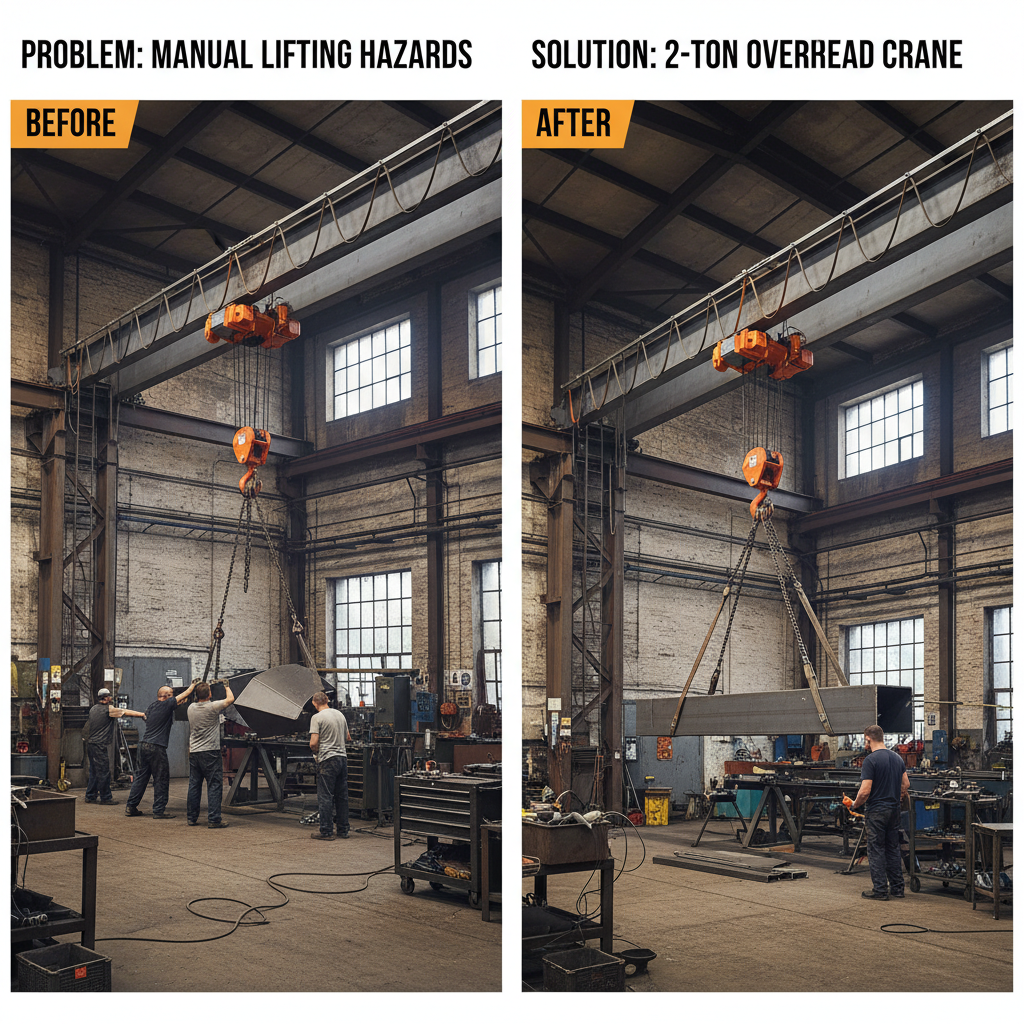
In modern industry, gantry cranes are vital for moving heavy materials efficiently and safely, reducing manual labor and increasing productivity. From ports handling shipping containers to manufacturing plants assembling large components, these cranes are the workhorses of countless operations. In humanitarian contexts, they are essential for disaster relief efforts, enabling the rapid deployment of critical supplies and infrastructure.
Understanding gantry crane cost isn’t just about saving money; it’s about ensuring the reliability and safety of operations. A poorly maintained or inadequately sized crane can lead to accidents, delays, and significant financial losses. It's a cornerstone of responsible project management and a commitment to worker safety.
Key Factors Influencing Gantry Crane Cost
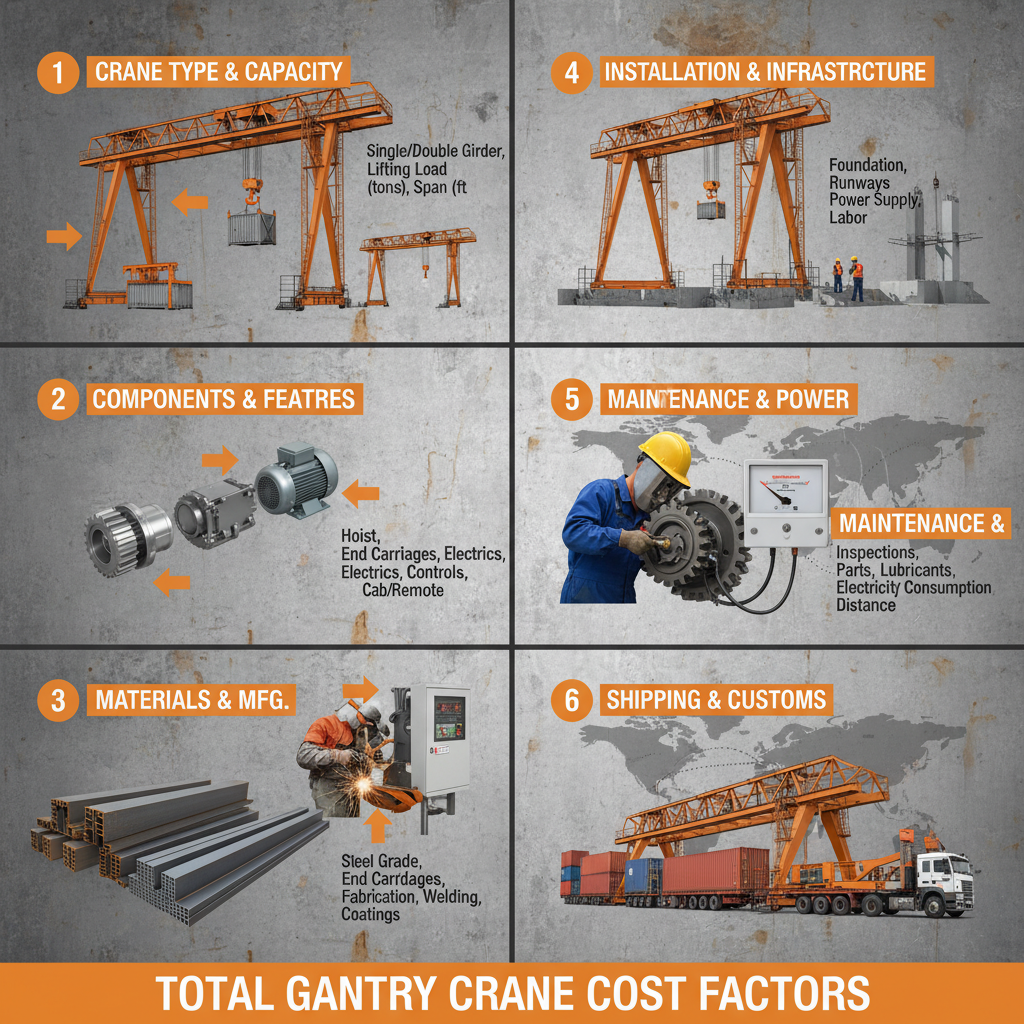
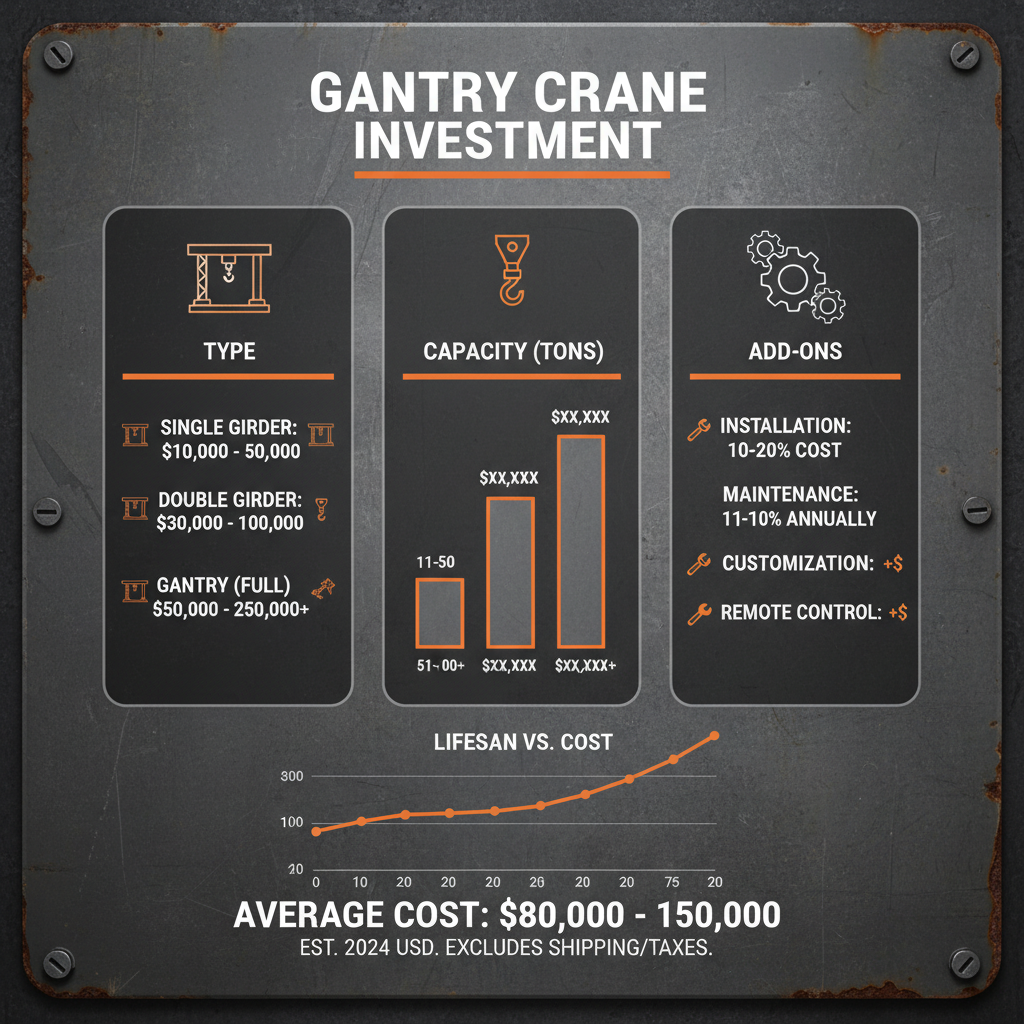
Several key factors significantly impact gantry crane cost. Capacity, referring to the maximum weight the crane can lift, is a primary driver – higher capacity cranes naturally command a higher price. Span, the width between the crane’s supporting legs, also influences cost, as does lift height, which determines the vertical reach of the crane. These three factors are usually the starting point in any cost estimation.
Duty cycle, or the frequency and duration of crane usage, is another critical consideration. A crane used constantly throughout the day will require a more robust design and higher-quality components than one used intermittently. The environment in which the crane operates also plays a role. Cranes used in harsh conditions – such as extreme temperatures, corrosive environments, or dusty atmospheres – will require specialized coatings and protective measures, adding to the overall cost.
Finally, customization options, such as specialized lifting attachments, remote controls, or advanced safety features, will also affect the final price. It's essential to carefully assess your specific needs and prioritize features that will deliver the greatest value and contribute to long-term operational efficiency. Cutting corners here can be a false economy.
Global Applications and Cost Considerations
Gantry cranes are used extensively in ports and shipping yards worldwide, facilitating the efficient loading and unloading of cargo vessels. In manufacturing facilities, they’re essential for moving large components and assemblies, streamlining production processes. Construction sites rely on them for lifting heavy materials, speeding up project timelines. And, as mentioned before, in disaster relief, they are invaluable for delivering aid and rebuilding infrastructure.
In regions with rapidly developing infrastructure, such as Southeast Asia and Africa, the demand for affordable and reliable gantry cranes is particularly high. However, cost considerations are often balanced against the need for quality and safety. In more developed economies, the focus is often on optimizing performance and minimizing downtime, leading to investments in more advanced and automated cranes.
We’ve recently completed projects in remote industrial zones in Australia where logistical challenges significantly impacted the overall gantry crane cost. Shipping, installation, and ongoing maintenance required specialized planning and execution, adding substantial expenses. Similarly, in post-disaster relief operations in the Caribbean, the need for rapid deployment and portability drove demand for smaller, mobile gantry cranes, even if they came at a higher per-ton capacity cost.
Comparison of Gantry Crane Cost Methods
Advantages and Long-Term Value of Optimized Gantry Crane Cost
Optimizing gantry crane cost delivers tangible benefits, including reduced capital expenditure, lower operational expenses, and increased productivity. A well-chosen crane can streamline workflows, minimize material handling time, and improve overall efficiency, leading to significant cost savings over its lifespan. We've seen clients achieve a 15-20% reduction in material handling costs simply by investing in the right crane for their needs.
Beyond the financial gains, there's a significant impact on safety and reliability. A robust and properly maintained crane minimizes the risk of accidents, protecting workers and preventing costly downtime. The peace of mind that comes with knowing your equipment is reliable and safe is invaluable. It fosters a positive work environment and builds trust with clients.
Future Trends in Gantry Crane Cost
Several emerging trends are poised to reshape gantry crane cost in the coming years. Automation and robotics are becoming increasingly prevalent, reducing the need for manual operation and improving efficiency. Expect to see more cranes equipped with advanced sensors, remote control systems, and even artificial intelligence-powered features.
Sustainability is another key driver of innovation. Manufacturers are exploring the use of lighter, more durable materials and developing energy-efficient designs to reduce the environmental impact of cranes. We’re also seeing a growing demand for cranes powered by renewable energy sources, such as solar or wind power.
Challenges and Solutions Regarding Gantry Crane Cost
One of the biggest challenges in managing gantry crane cost is accurately predicting long-term maintenance expenses. Unexpected repairs can quickly derail a budget. Proactive maintenance programs, utilizing condition monitoring and predictive analytics, are crucial for mitigating this risk. Regular inspections, lubrication, and component replacement can prevent major breakdowns and extend the lifespan of the crane.
Another challenge is navigating the complex supply chain and fluctuating material costs. Working with reputable suppliers and negotiating long-term contracts can help stabilize prices. Exploring alternative materials and design options can also reduce costs without compromising quality.
Finally, ensuring operator competence is essential. Proper training and certification can minimize the risk of accidents and maximize the efficiency of crane operations. Investing in operator training is an investment in safety, reliability, and ultimately, cost savings.
Summary of Gantry Crane Cost Analysis
| Cost Component |
Initial Investment |
Operational Costs |
Long-Term Considerations |
| Purchase Price |
$50,000 - $500,000+ (depending on capacity & features) |
N/A |
Depreciation, Resale Value |
| Installation |
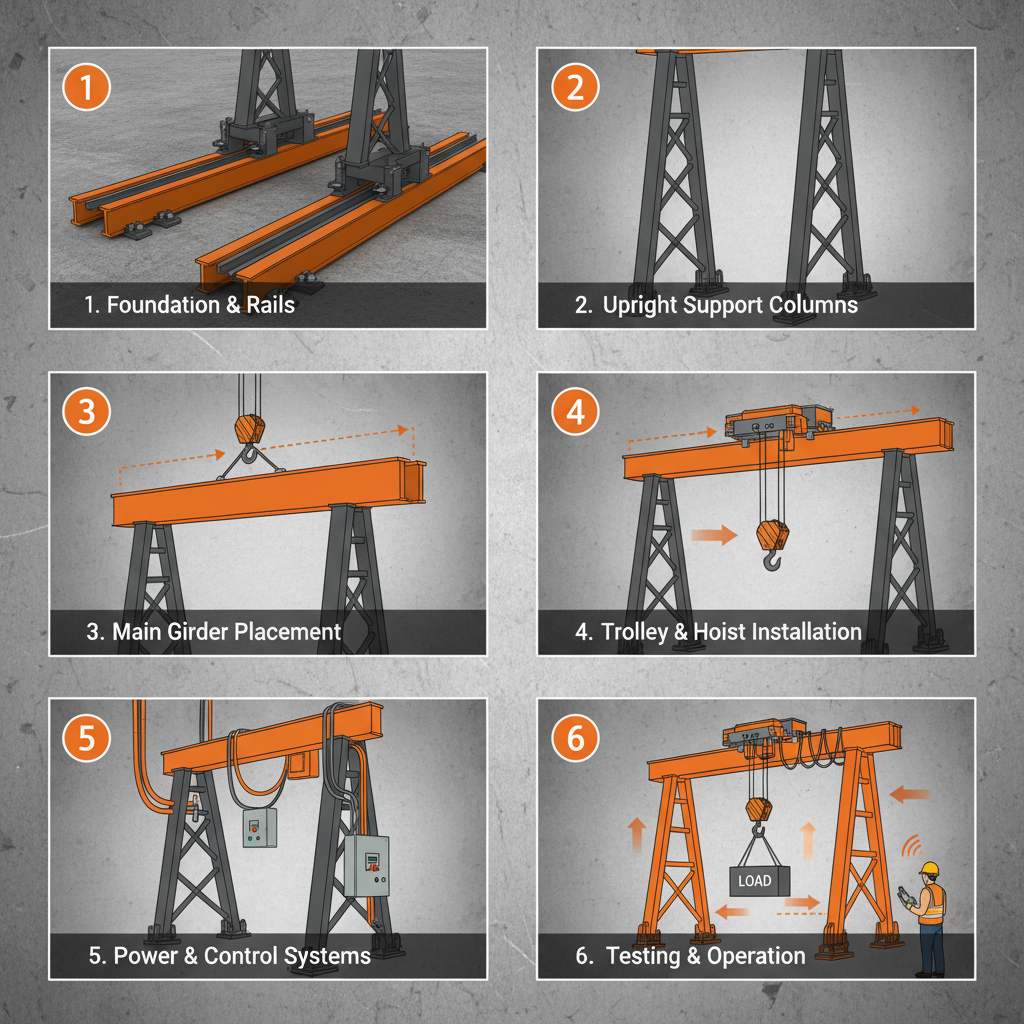
$5,000 - $20,000+ (site prep, assembly) |
N/A |
Permitting costs |
| Energy Consumption |
N/A |
$1,000 - $10,000+ per year |
Impact of energy efficiency upgrades |
| Maintenance & Repair |
N/A |
$2,000 - $15,000+ per year |
Preventative maintenance schedule |
| Operator Training |
$500 - $2,000 per operator |
N/A |
Recertification requirements |
| Decommissioning |
N/A |
N/A |
Disposal fees, environmental impact |
FAQS
A well-maintained gantry crane typically has a lifespan of 20-30 years. However, factors like usage intensity, environmental conditions, and the quality of components greatly influence longevity. Accounting for the crane’s eventual replacement cost in your initial budgeting is essential for accurate lifecycle cost analysis. Ignoring this can lead to unexpected expenses down the line, particularly if you haven’t allocated funds for a replacement.
Electric gantry cranes generally have lower running costs due to cheaper electricity compared to diesel fuel. However, they require a reliable power supply and may involve higher installation costs if power infrastructure isn't readily available. Diesel cranes offer greater mobility and independence from a power grid, making them suitable for outdoor applications, but fuel consumption and maintenance costs tend to be higher. The optimal choice depends on your specific operational needs.
Used gantry cranes offer lower upfront costs but may require more frequent maintenance and repairs. A thorough inspection is crucial to identify potential issues before purchasing. New cranes come with warranties and the latest technology, reducing the risk of unexpected downtime. The total cost of ownership over the crane's lifespan should be considered, including repair costs, parts availability, and potential inefficiencies of older models.
Preventative maintenance programs are vital for minimizing unexpected repairs and extending the crane's lifespan. Regular inspections, lubrication, and component replacement can identify and address minor issues before they escalate into major, costly problems. A well-structured maintenance program reduces downtime, improves safety, and ultimately lowers the total cost of ownership. Investing in preventative maintenance is always cheaper than reactive repairs.
Increasing crane capacity and span significantly increases cost due to the need for heavier-duty components, a more robust structure, and often, a larger footprint. These factors drive up material costs, manufacturing expenses, and installation requirements. Carefully assess your lifting needs and avoid oversizing the crane, as unnecessary capacity translates to wasted investment.
In some regions, governments offer incentives and tax breaks for purchasing energy-efficient equipment, including cranes. These incentives can significantly reduce the upfront cost and make a more sustainable option financially viable. Researching available programs in your region and consulting with a tax professional is recommended. These are often dependent on specific regulations and local policies.
Conclusion
Optimizing gantry crane cost is far more than just finding the lowest price tag. It’s a holistic process encompassing initial investment, operational efficiency, long-term maintenance, and future-proofing against evolving technologies and sustainability demands. A thorough lifecycle cost analysis, coupled with careful consideration of specific operational needs, is essential for making informed decisions and maximizing return on investment.
Looking ahead, the integration of automation, sustainable materials, and predictive maintenance technologies will continue to reshape the landscape of gantry crane cost. Businesses that embrace these innovations will be best positioned to thrive in an increasingly competitive global market. For further insights and to explore how we can help you optimize your gantry crane investment, visit our website: gantry crane cost.