The demand for efficient material handling on construction sites, in manufacturing plants, and even for specialized tasks like bridge inspection is driving growth in the gantry crane market. A 1000 lb gantry crane, in particular, represents a sweet spot – enough lifting capacity for a wide range of applications without the hefty price tag or space requirements of larger models. I've spent years watching crews struggle with makeshift lifting solutions or overpaying for cranes that are overkill, and the need for reliable, portable, and affordable lifting power is clear.
What I’ve found is that folks aren’t just looking for a machine; they need a solution that integrates seamlessly into their workflow. This means ease of assembly and disassembly, maneuverability in tight spaces, and the ability to adapt to different lift heights. We're seeing increasing demand for gantry cranes, like the 1000 lb gantry crane, to address labor shortages and improve on-site safety, as manual lifting is a major cause of injuries.
It’s not just about moving materials from A to B; it's about streamlining processes and reducing downtime. A well-chosen gantry crane, particularly a 1000 lb gantry crane, can significantly impact project timelines and bottom lines. I’ve witnessed firsthand how a simple upgrade in lifting equipment can improve productivity by 20-30%.
The Rising Importance of 1000 lb Gantry Cranes
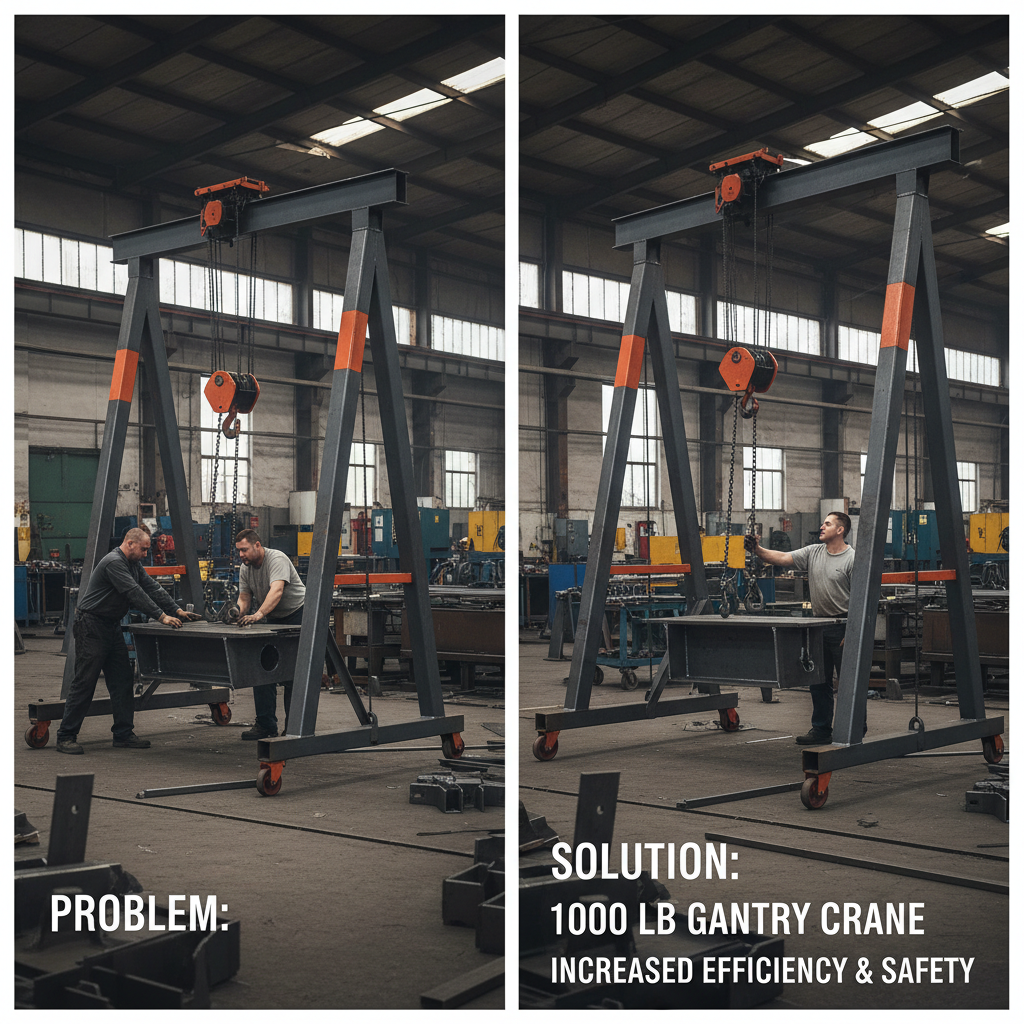
Honestly, from what I see on job sites, the need for versatile lifting solutions is skyrocketing. The 1000 lb capacity hits a sweet spot. It’s enough for a lot of the work we do – moving equipment, lifting materials for prefabrication, even assisting with some structural component placements – without needing a massive, expensive, and difficult-to-maneuver crane. I've personally seen sites where a 1000 lb gantry crane replaced a team of guys struggling with chains and come-alongs, dramatically improving both safety and efficiency.
The global construction industry is booming, particularly in developing economies, and with that comes a massive demand for material handling equipment. According to a recent report from the Associated General Contractors of America, 80% of construction firms report difficulty finding skilled labor. Tools like the 1000 lb gantry crane can help mitigate those labor shortages by allowing smaller teams to handle heavier loads.
Defining a 1000 lb Gantry Crane
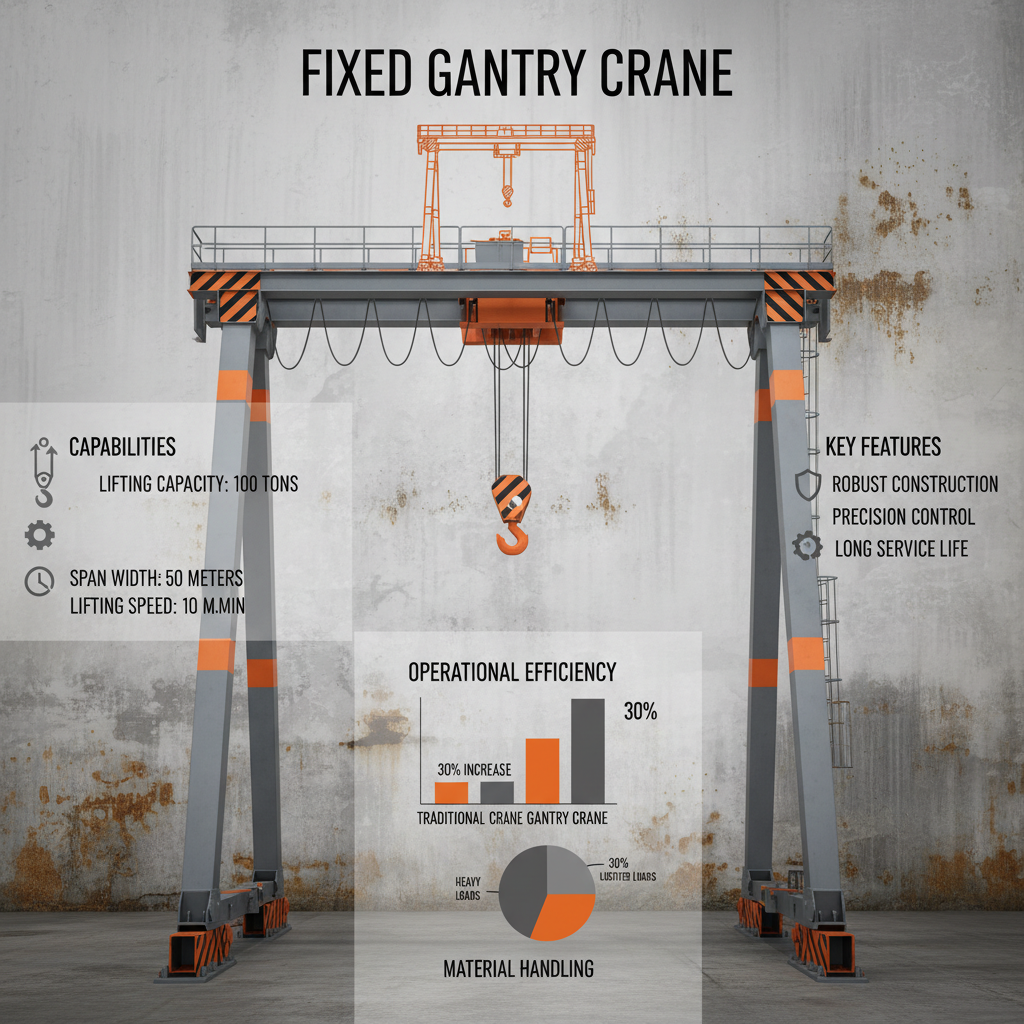
Simply put, a 1000 lb gantry crane is a portable lifting device that uses a wheeled framework to move a hoist along a horizontal beam. That beam, or bridge, is supported by two vertical columns, or legs. A 1000 lb gantry crane specifically means it’s designed to safely lift up to 1000 pounds. It's not about brute force; it's about applying the right amount of lifting power efficiently.
These aren’t your grandfather’s cranes. Modern gantry cranes, including those with a 1000 lb capacity, are often modular, meaning they can be easily assembled and disassembled for transport and storage. This is huge for contractors working on multiple job sites. They connect directly to modern industrial practices, acting as a crucial component of lean construction and prefabrication methods.
The beauty of the gantry crane design lies in its adaptability. It can be used indoors or outdoors, on level or uneven surfaces, making it a versatile tool for a wide range of applications. Compared to traditional overhead cranes, they require minimal installation and don’t need permanent structural modifications, which saves time and money.
Core Components and Key Features
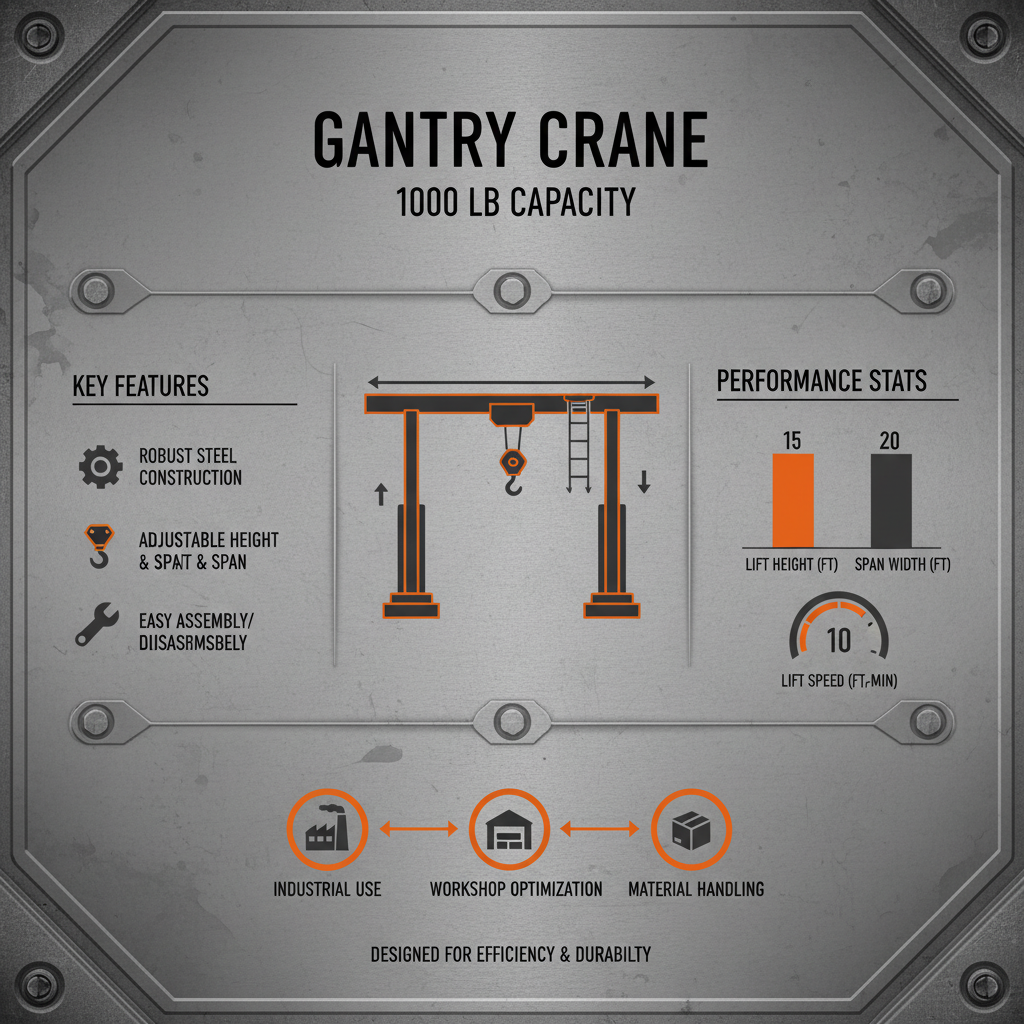
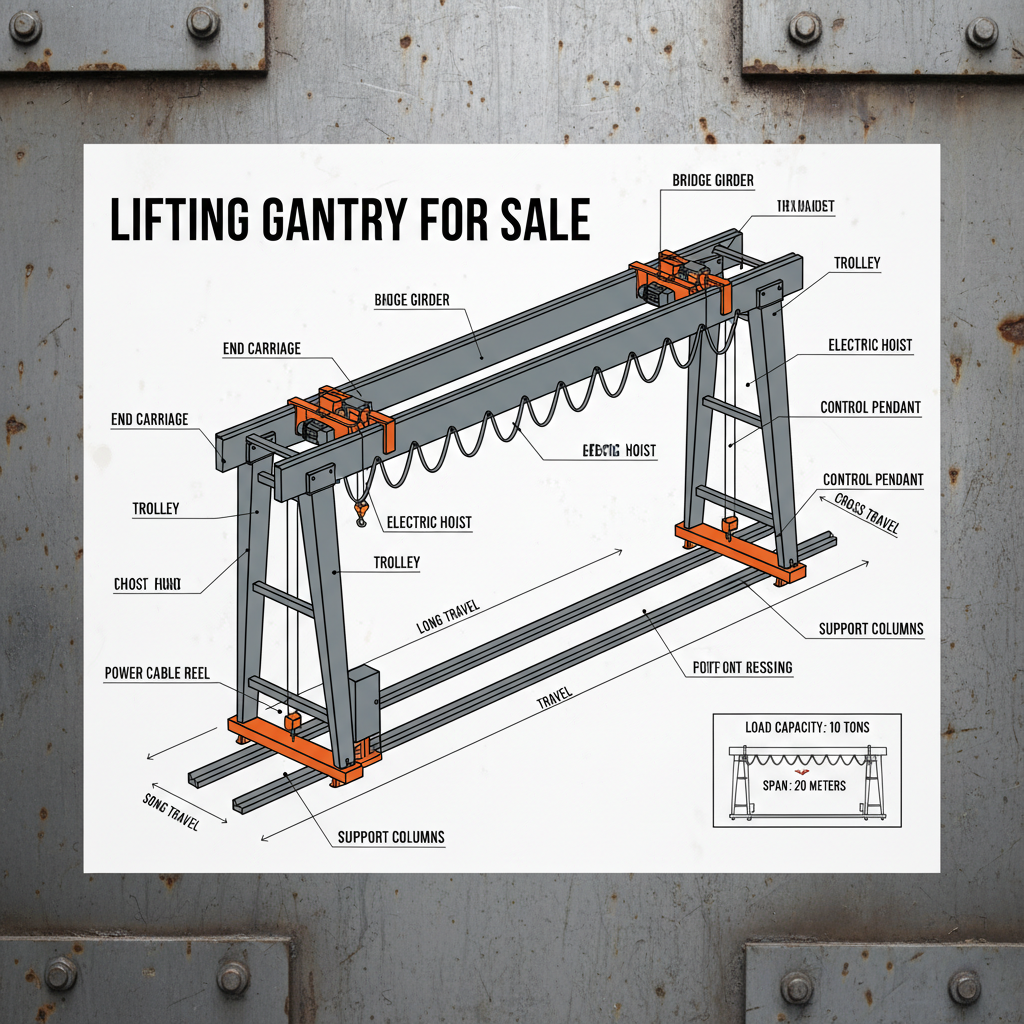
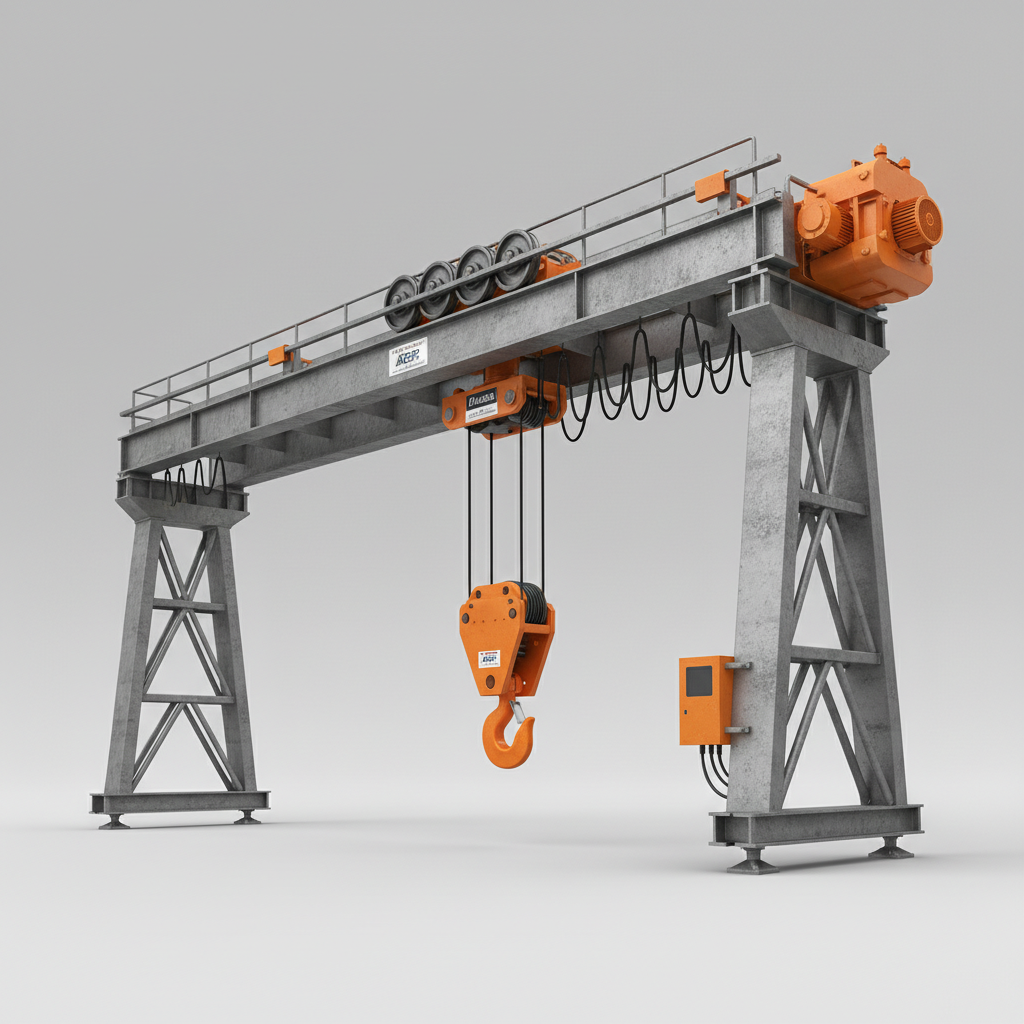
The real strength of a 1000 lb gantry crane isn't just the 1000 lb lifting capacity; it's in the details of its construction. The main components include the frame (legs and header), the hoist (electric, manual, or pneumatic), the trolley (which moves the hoist along the header), and the wheels. I always check the quality of the steel used in the frame – you want something robust that can handle the load and the rigors of a construction site.
Key features I look for include adjustable height, allowing you to customize the crane to the specific task at hand. Portability is also crucial; the ability to easily move the crane around the job site or transport it between locations. Safety features, like overload protection and emergency stop buttons, are non-negotiable. A smooth and reliable trolley system is also key, minimizing friction and ensuring accurate load positioning.
The type of hoist you choose also impacts performance. Electric hoists offer speed and convenience, but require a power source. Manual hoists are more affordable and portable, but require more physical effort. Pneumatic hoists are ideal for hazardous environments, but need a compressed air supply. The best choice depends on the specific application.
Practical Applications Across Industries
I’ve seen 1000 lb gantry cranes in action across a surprisingly diverse range of industries. In construction, they’re used for lifting materials like lumber, steel beams, and concrete forms. In manufacturing, they handle machine parts, tools, and finished products.
They’re also invaluable in maintenance and repair operations, like lifting engines from vehicles or replacing HVAC equipment. I even saw one being used recently to assist with bridge inspections, lifting technicians and equipment under the bridge deck. In remote industrial zones, where access for larger cranes is limited, they're a lifesaver.
And post-disaster relief operations? Absolutely essential. Quickly moving debris and delivering essential supplies often relies on the portability and lifting power of these smaller gantry cranes.
Comparison of 1000 lb Gantry Crane Methods
Advantages and Long-Term Value Proposition
The immediate benefit of a 1000 lb gantry crane is increased efficiency. You're reducing the need for manual lifting, speeding up material handling, and freeing up your crew to focus on more skilled tasks. But the long-term value goes way beyond that.
From a cost perspective, these cranes offer a high return on investment. They’re relatively inexpensive to purchase and maintain, and they can significantly reduce labor costs. They also contribute to a safer work environment, minimizing the risk of worker injuries and associated expenses. And let’s be honest, a team that feels safe and supported is a more productive team.
Future Trends and Innovations in Gantry Crane Technology
We’re starting to see some exciting developments in gantry crane technology. The integration of smart sensors and IoT (Internet of Things) devices is allowing for real-time monitoring of load weight, crane position, and operational status. This data can be used to optimize performance, prevent accidents, and schedule maintenance proactively.
I also anticipate a growing demand for more sustainable gantry crane solutions, with a focus on energy efficiency and the use of recycled materials. Remote control technology and automation are also gaining traction, allowing operators to control the crane from a safe distance or even program it to perform automated tasks.
Common Challenges and Effective Solutions
One of the biggest challenges I see is ensuring proper training and certification for crane operators. A 1000 lb gantry crane is powerful equipment, and improper operation can be dangerous. Investing in thorough training is essential.
Another challenge is maintaining the crane in good working order. Regular inspections and preventative maintenance are crucial to identify and address potential problems before they become major issues. Proper storage is also important to protect the crane from the elements and prevent corrosion.
Finally, selecting the right crane for the specific application is key. Consider the load weight, lift height, work environment, and frequency of use when choosing a gantry crane. Don't just go for the cheapest option; invest in a quality crane that will provide years of reliable service.
Key Considerations for Gantry Crane Selection
| Load Capacity (lbs) |
Portability/Mobility |
Safety Features |
Maintenance Requirements |
| 1000 |
High - Easily disassembled and moved |
Overload protection, emergency stop, secure hoist |
Low - Minimal lubrication and inspection |
| 500 |
Very High - Lightweight and highly maneuverable |
Basic overload protection |
Very Low - Minimal maintenance required |
| 1500 |
Medium - Requires more effort for disassembly |
Enhanced overload and stability controls |
Medium - Regular inspection of welds and components |
| 2000 |
Low - Often requires specialized transport |
Advanced safety systems, including limit switches |
High - Requires professional maintenance and inspection |
| 750 |
High - Easy to move and assemble |
Simple overload indicators |
Low - Occasional lubrication |
| 1250 |
Medium - Requires some effort for movement |
Standard overload protection and emergency stop |
Medium - Periodic inspection of critical components |
FAQS
The maximum lift height depends on the specific model and the height of the supporting legs. Many 1000 lb gantry cranes offer adjustable legs, allowing you to customize the lift height to suit your needs. Typically, you can expect a lift height ranging from 6 feet to 20 feet, but it's crucial to check the manufacturer's specifications for the exact range. Proper leg extension and locking mechanisms are vital for safety.
Most 1000 lb gantry cranes can be used outdoors, but it's essential to choose a model designed for outdoor conditions. Look for features like corrosion-resistant coatings and robust construction. It's also important to secure the crane properly to prevent it from tipping over in windy conditions. Anchoring the base is often recommended, especially on uneven terrain.
The foundation requirements depend on the load and the ground conditions. For light-duty applications on a level concrete surface, a solid, flat surface may be sufficient. However, for heavier loads or uneven terrain, a reinforced concrete pad may be necessary to provide adequate support and stability. Always consult with a structural engineer to determine the appropriate foundation for your specific application.
Regular inspections are crucial for maintaining the safety and reliability of your 1000 lb gantry crane. You should perform visual inspections before each use, checking for any signs of damage or wear. More thorough inspections, including checking the hoist, trolley, and frame, should be conducted at least annually, or more frequently if the crane is used heavily. Keep a detailed inspection log.
Always wear appropriate personal protective equipment (PPE), including a hard hat, safety glasses, and gloves. Ensure the load is properly secured before lifting, and never exceed the crane's rated capacity. Keep bystanders clear of the lifting area, and never operate the crane under the influence of drugs or alcohol. Thorough training is essential before operating any gantry crane.
Yes, there are several regulations and standards that apply to the use of gantry cranes, including OSHA regulations and ANSI standards. These standards cover topics like crane inspection, operator training, and load capacity. It's your responsibility to ensure that your crane is compliant with all applicable regulations and that your operators are properly trained.
Conclusion
In essence, the 1000 lb gantry crane represents a smart, versatile, and cost-effective lifting solution for a wide array of industries. Its portability, adaptability, and safety features make it an invaluable tool for improving efficiency, reducing labor costs, and enhancing workplace safety. We’ve seen firsthand how these cranes can transform workflows and contribute to project success.
Looking ahead, the integration of smart technologies and a growing focus on sustainability will continue to drive innovation in gantry crane design. Investing in a high-quality 1000 lb gantry crane is not just a purchase; it’s an investment in the future of your operations. To learn more about our range of gantry cranes and find the perfect solution for your needs, visit our website: www.daweihoisting.com