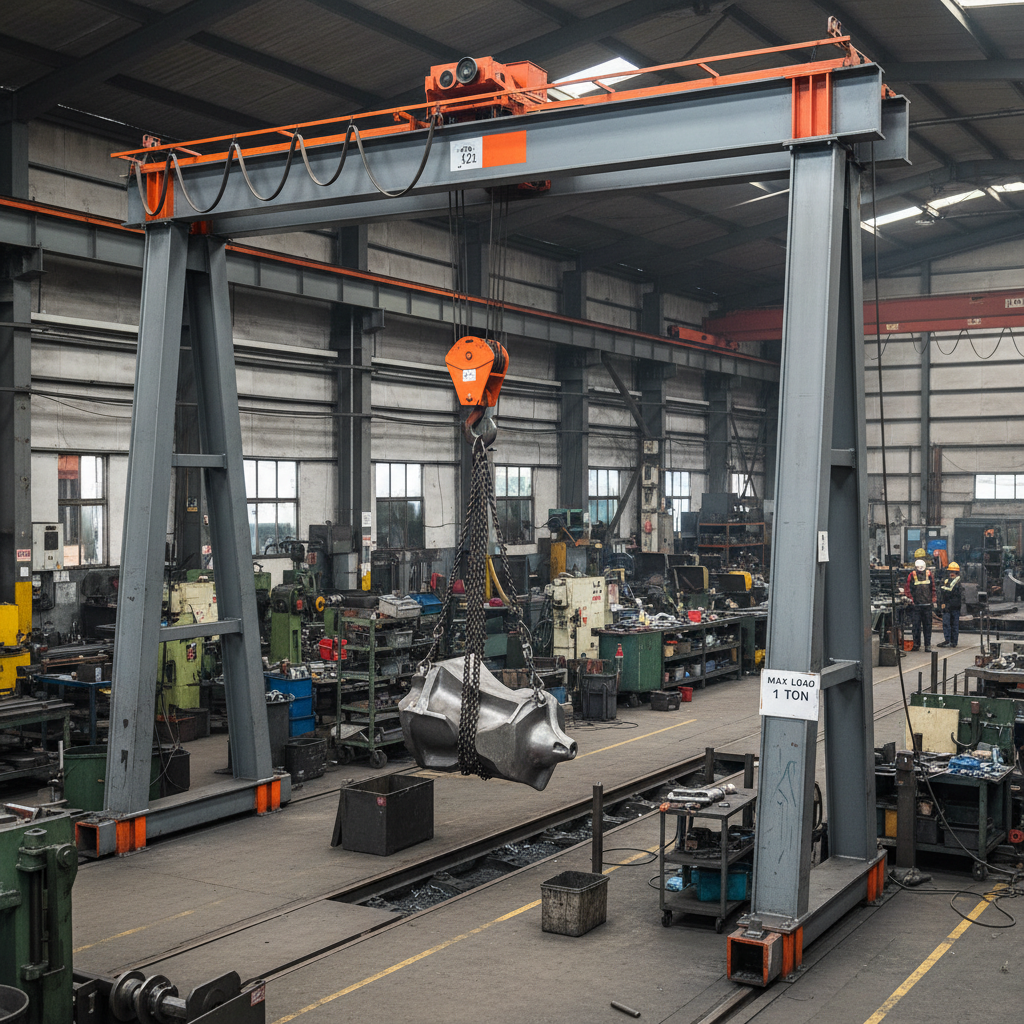
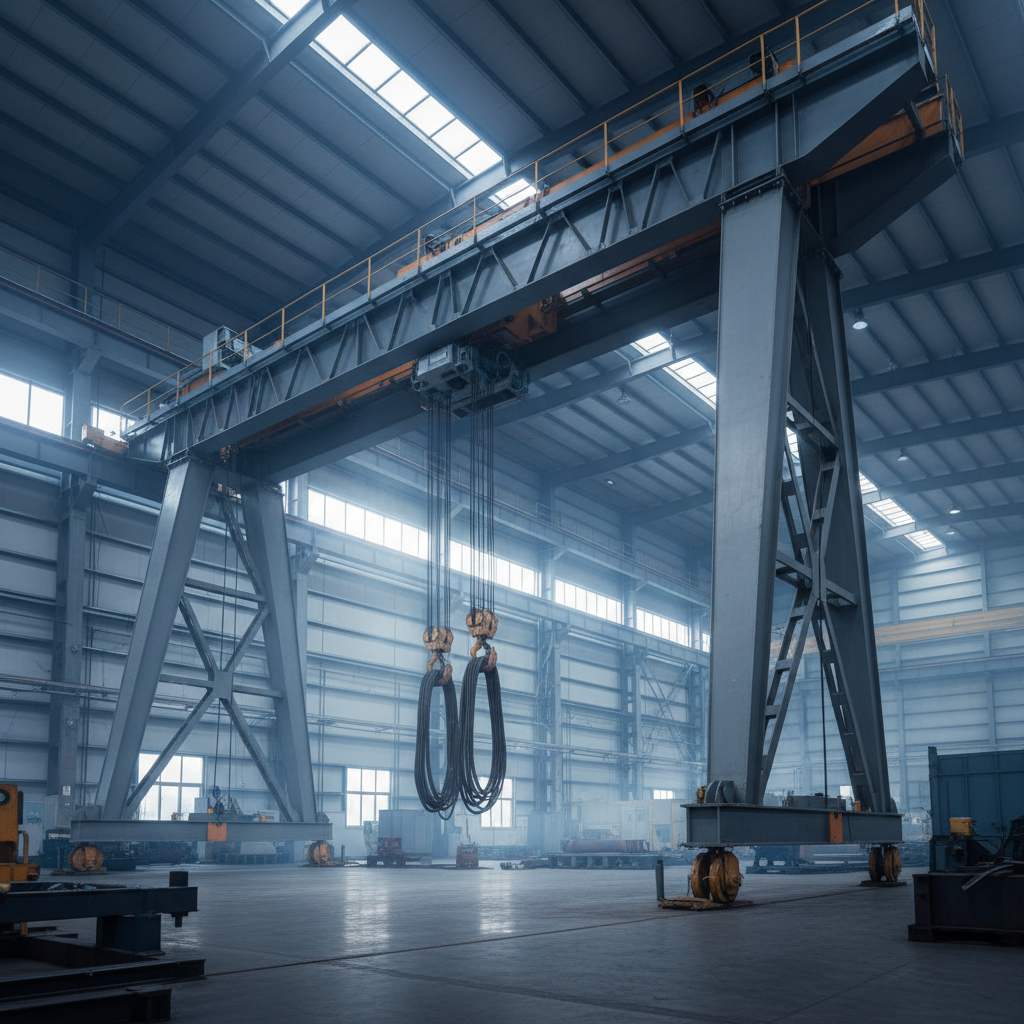
The modern industrial landscape demands precision, safety, and efficiency in material handling, where the trolly crane stands as a cornerstone of operational productivity. By allowing the hoist to move horizontally along a beam, these systems transform a static lifting point into a dynamic workspace, enabling the seamless movement of heavy machinery and raw materials across factory floors. Understanding the nuances of these systems is critical for any facility looking to optimize its throughput and reduce manual labor risks.
Globally, the adoption of advanced lifting solutions has seen a significant uptick as industries shift toward lean manufacturing and just-in-time delivery. The integration of a high-quality trolly crane not only enhances the speed of assembly lines but also ensures that heavy loads are transported with millimeter precision, reducing the likelihood of product damage and workplace accidents.
Whether utilized in a small workshop with a manual setup or a massive automotive plant with motorized synchronization, the versatility of the trolly crane is unmatched. From enhancing ergonomic safety to maximizing vertical and horizontal space utilization, these tools are essential for maintaining a competitive edge in the global manufacturing sector.
Global Industrial Relevance of Trolly Cranes
On a global scale, the demand for efficient material handling equipment is closely tied to the growth of the industrial sector. According to standards set by ISO and various international safety boards, the implementation of a trolly crane is often the first step in mitigating occupational hazards related to heavy lifting. In rapidly industrializing regions, these systems allow small-to-medium enterprises to scale their production capacity without needing massive structural overhauls.
The challenge most facilities face is the "bottleneck" effect, where the movement of heavy components slows down the entire assembly process. By deploying a synchronized trolly crane system, companies can eliminate these delays, ensuring that parts move fluidly from the warehouse to the production line, thereby increasing overall equipment effectiveness (OEE) and reducing lead times.
Defining the Trolly Crane in Modern Engineering
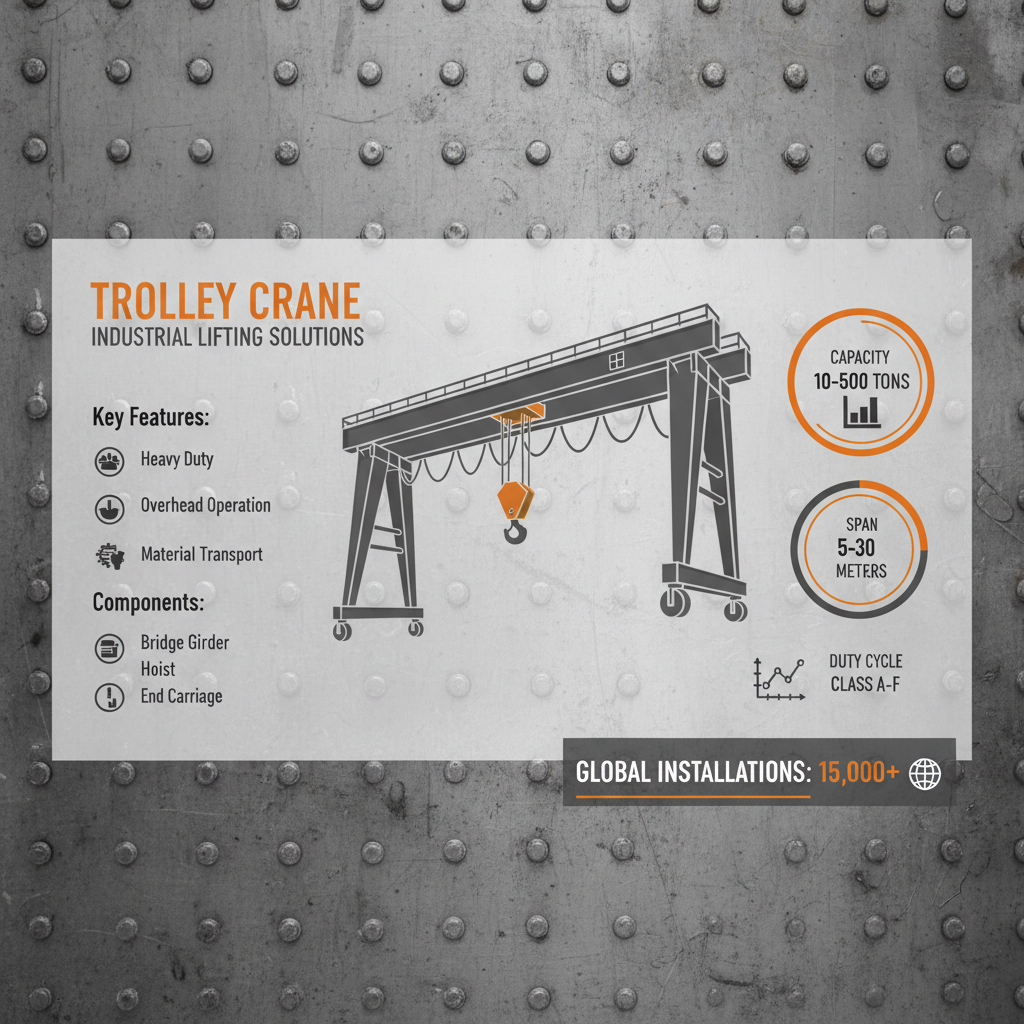
In simple engineering terms, a trolly crane is a mechanism designed to carry a hoist along a beam or rail, providing the horizontal movement necessary to position loads precisely. Unlike a fixed hoist, which only moves vertically, the trolley adds a second dimension of motion, effectively creating a bridge for materials to travel across a designated work zone.
This equipment is integral to modern "lean" industrial environments. It bridges the gap between raw material storage and final assembly, serving as the "circulatory system" of the factory. Whether it is a manual push-trolley for a small workshop or a fully motorized unit for a heavy-duty plant, the fundamental goal is the same: to minimize physical strain on workers and maximize the safety of the load.
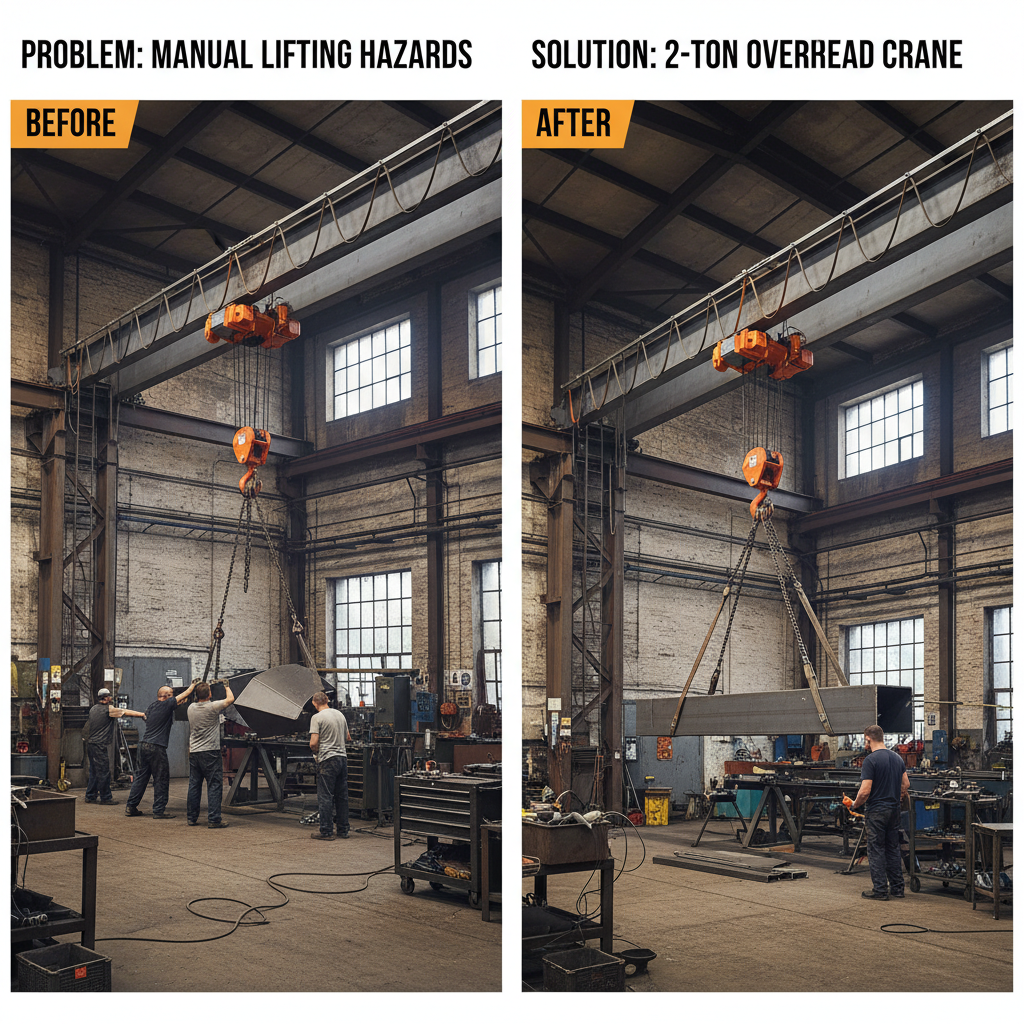
Beyond the technical definition, these cranes represent a commitment to humanitarian safety standards in the workplace. By replacing manual hauling with a mechanical trolly crane, companies directly reduce the incidence of musculoskeletal disorders among their workforce, aligning industrial growth with worker well-being.
Core Components for Maximum Durability
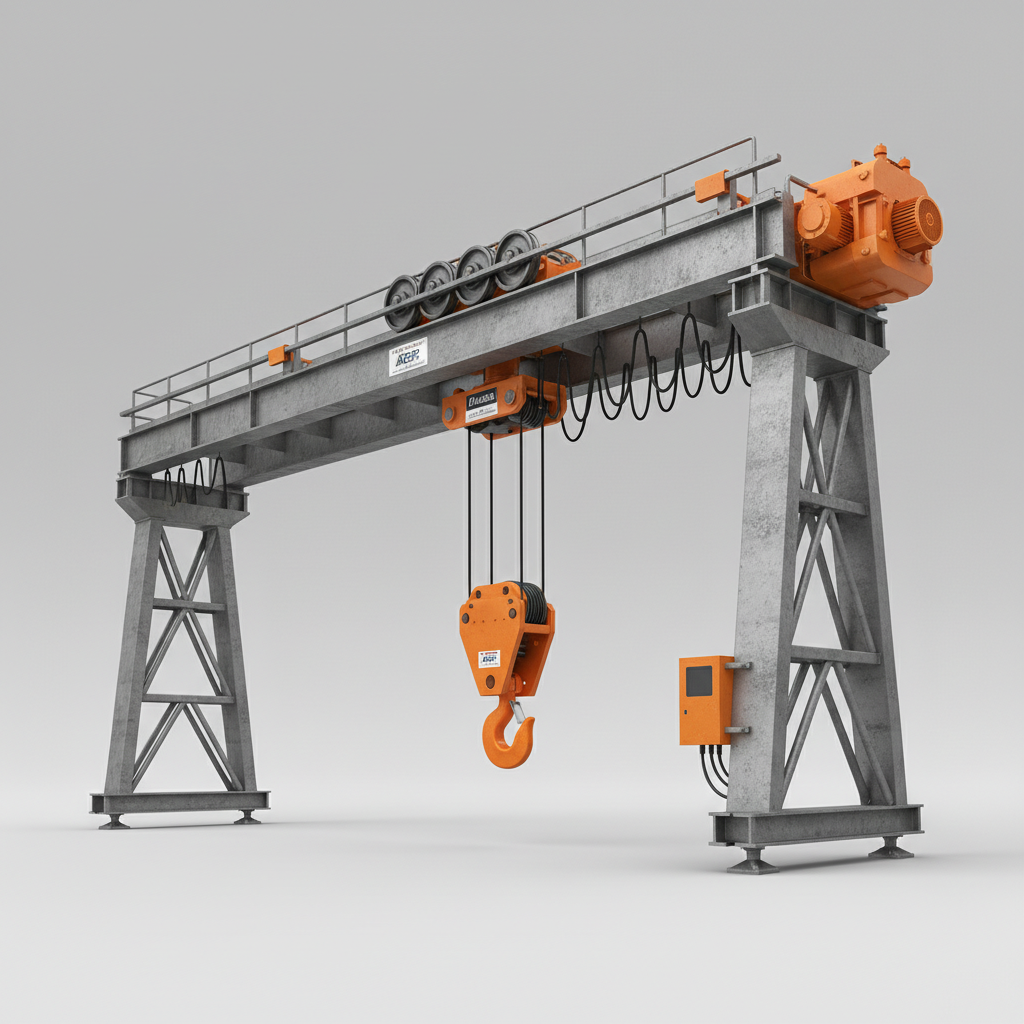
The reliability of a trolly crane depends heavily on the quality of its load-bearing components. High-grade alloy steel wheels and reinforced chassis frames are essential to prevent deformation under maximum rated capacity. When these components are engineered for durability, the crane can operate in high-cycle environments without significant wear and tear on the supporting rails.
Another critical factor is the drive mechanism. A professional-grade trolly crane typically employs precision gearing or high-torque electric motors that ensure smooth acceleration and deceleration. This prevents the "load swing" effect, which is one of the primary causes of industrial accidents during horizontal transport.
Lastly, the integration of safety brakes and limit switches ensures that the trolly crane does not overshoot its designated travel path. These fail-safes are not just additive features but are core to the structural integrity and operational safety of the entire lifting system, providing peace of mind for operators and managers alike.
Strategic Applications Across Global Industries
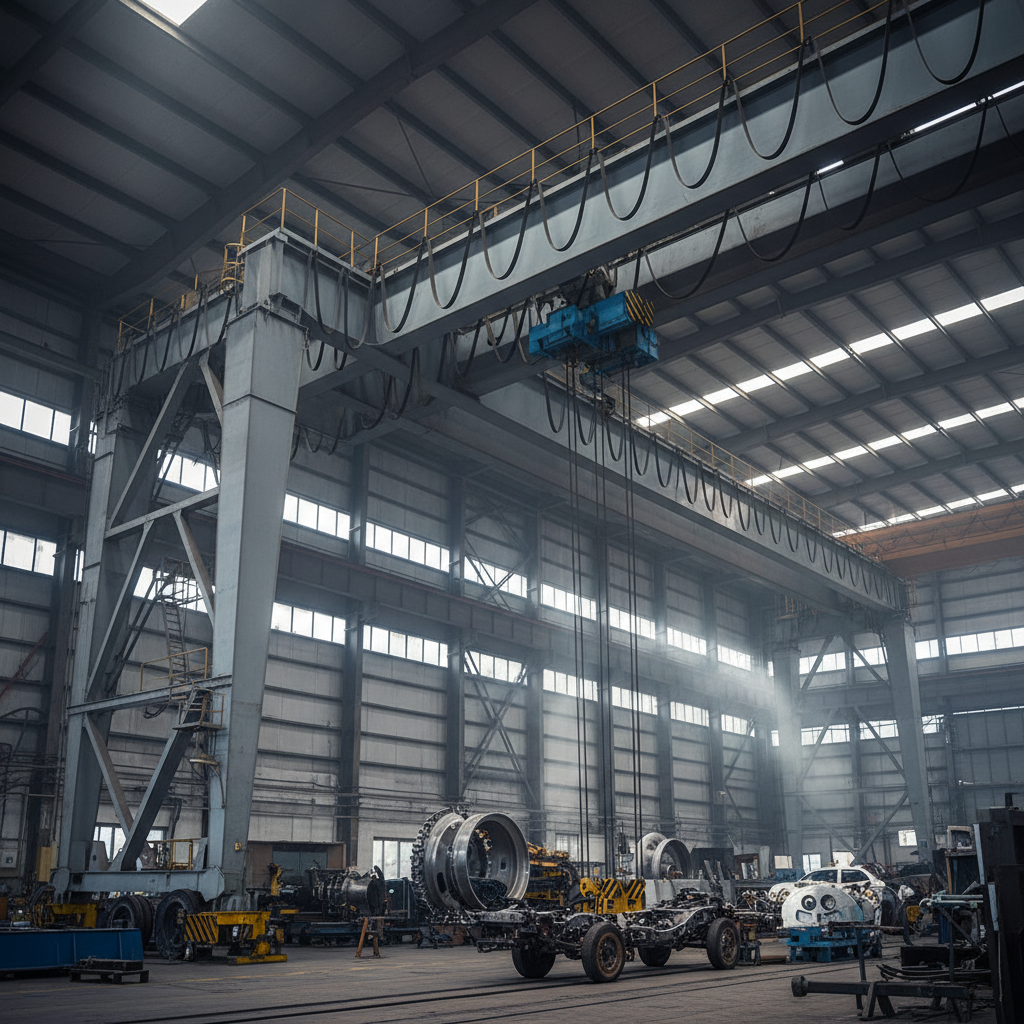
The application of a trolly crane spans a diverse array of sectors. In the automotive industry, these cranes are used to move engine blocks and chassis components with extreme precision. Similarly, in heavy machinery manufacturing, they are indispensable for assembling large-scale gearboxes and turbines where a slight misalignment could lead to catastrophic failure.
Beyond the factory floor, these systems are vital in specialized zones such as aerospace hangars or shipyards. In remote industrial zones or post-disaster relief operations, modular trolly crane setups are often deployed to move heavy generators or water purification units into place, proving that their utility extends far beyond traditional manufacturing.
Operational Efficiency Comparison of Trolly Crane Types
Tangible Advantages and Long-Term Value
Investing in a high-quality trolly crane provides immediate logical benefits, primarily in the form of reduced operational costs. By decreasing the number of personnel required to move a heavy load, companies can reallocate their human capital to more complex, value-added tasks. This efficiency leads to a faster return on investment (ROI) and a more streamlined production cycle.
From an emotional and cultural perspective, providing workers with the right tools—like a reliable trolly crane—builds trust and dignity. It signals that the organization values safety over haste and innovation over outdated, grueling methods. This shift in workplace culture often results in higher employee retention and a stronger commitment to quality control.
Future Trends in Automated Lifting Technology
The future of the trolly crane is inextricably linked to the Fourth Industrial Revolution (Industry 4.0). We are seeing a transition toward "Smart Cranes" equipped with IoT sensors that can predict wear and tear before a failure occurs. Predictive maintenance allows factories to schedule repairs during planned downtimes, eliminating the risk of unexpected production halts.
Automation is also playing a pivotal role. Modern systems are integrating with Warehouse Management Systems (WMS) to automatically transport loads between stations without human intervention. These automated trolly crane units can optimize their paths to avoid congestion, significantly increasing the speed of logistics within a closed environment.
Sustainability is the final frontier. The industry is moving toward energy-regenerative braking systems, where the energy captured during the lowering of a load is fed back into the electrical grid. This "green" approach to the trolly crane ensures that industrial scaling does not come at the expense of the environment.
Overcoming Implementation Challenges
Despite their benefits, implementing a trolly crane is not without challenges. One common limitation is the structural requirement of the supporting beam; if the beam is not perfectly leveled or lacks the required load-bearing capacity, the trolley may experience "drift" or, in worst-case scenarios, structural failure. Expert site surveys are essential to ensure the infrastructure matches the equipment.
Another hurdle is operator training. A trolly crane is only as safe as the person operating it. Many facilities overlook the importance of rigorous certification, leading to inefficient use of the equipment or safety breaches. The solution lies in implementing a comprehensive training program that covers load balancing and emergency stop procedures.
Finally, maintenance neglect often leads to premature system degradation. To solve this, industry experts recommend a tiered maintenance schedule—daily visual checks, monthly lubrication, and annual structural audits. By treating the trolly crane as a critical asset rather than a simple tool, companies can extend the lifespan of their equipment by decades.
Comparison Analysis of Trolly Crane Implementation Strategies
| Implementation Model |
Initial Cost |
Setup Complexity |
Long-term Efficiency |
| Manual Push Trolly |
Low |
Simple |
Moderate |
| Electric Motorized |
Medium |
Moderate |
High |
| Pneumatic System |
Medium |
Moderate |
High (Hazardous Zones) |
| Fully Automated IoT |
High |
Complex |
Ultra-High |
| Hybrid Manual-Electric |
Medium |
Simple |
Moderate |
| Custom Heavy-Duty |
Very High |
Complex |
High (Specialized) |
FAQS
A hoist is the component that performs the actual vertical lifting and lowering of a load. A trolly crane is the system that allows that hoist to move horizontally along a beam. Essentially, the hoist provides the "up and down" motion, while the trolley provides the "left and right" motion, together creating a flexible material handling solution.
To choose the correct capacity, you must calculate the maximum weight of your heaviest load plus the weight of the lifting attachment (slings, hooks, etc.). It is highly recommended to select a trolly crane with a rated capacity 20-25% higher than your maximum load to ensure a safety buffer and reduce mechanical stress on the system.
Motorized systems are superior for high-frequency use, heavier loads, and environments where precision is critical. While manual trolly crane units are cost-effective for occasional light lifting, motorized versions reduce operator fatigue and significantly increase the speed of production, making them a better long-term investment for growing businesses.
Basic visual inspections should be performed daily by the operator. However, a comprehensive structural and mechanical audit should be conducted every 6 to 12 months by a certified technician. Regular checks on the trolly crane's wheel wear, brake responsiveness, and bolt tightness are essential to prevent catastrophic failure and comply with ISO safety standards.
Not necessarily. The I-beam must be specifically rated for the combined weight of the trolly crane and the load it will carry. Additionally, the beam's flange width must match the trolley's wheel span. We always recommend a professional engineering review of your existing structure before installation to avoid beam deflection or collapse.
With proper maintenance, a high-quality trolly crane can last 15 to 25 years. The lifespan depends on the duty cycle (how often it is used) and the environment. Cranes in corrosive environments (like chemical plants) may require stainless steel components to reach this lifespan, whereas standard warehouse units mainly require regular lubrication and wheel replacements.
Conclusion
In summary, the trolly crane is much more than a simple lifting accessory; it is a strategic asset that enhances safety, increases operational throughput, and reduces the physical burden on the industrial workforce. By integrating high-quality components, adhering to strict maintenance schedules, and embracing upcoming automation trends, businesses can transform their material handling from a logistical challenge into a competitive advantage.
Looking forward, the transition toward smart, energy-efficient lifting systems will define the next era of manufacturing. We encourage facility managers to evaluate their current lifting bottlenecks and consider upgrading to a modern trolly crane system to ensure long-term sustainability and safety. For professional guidance and high-performance equipment, visit our website: www.daweihoisting.com