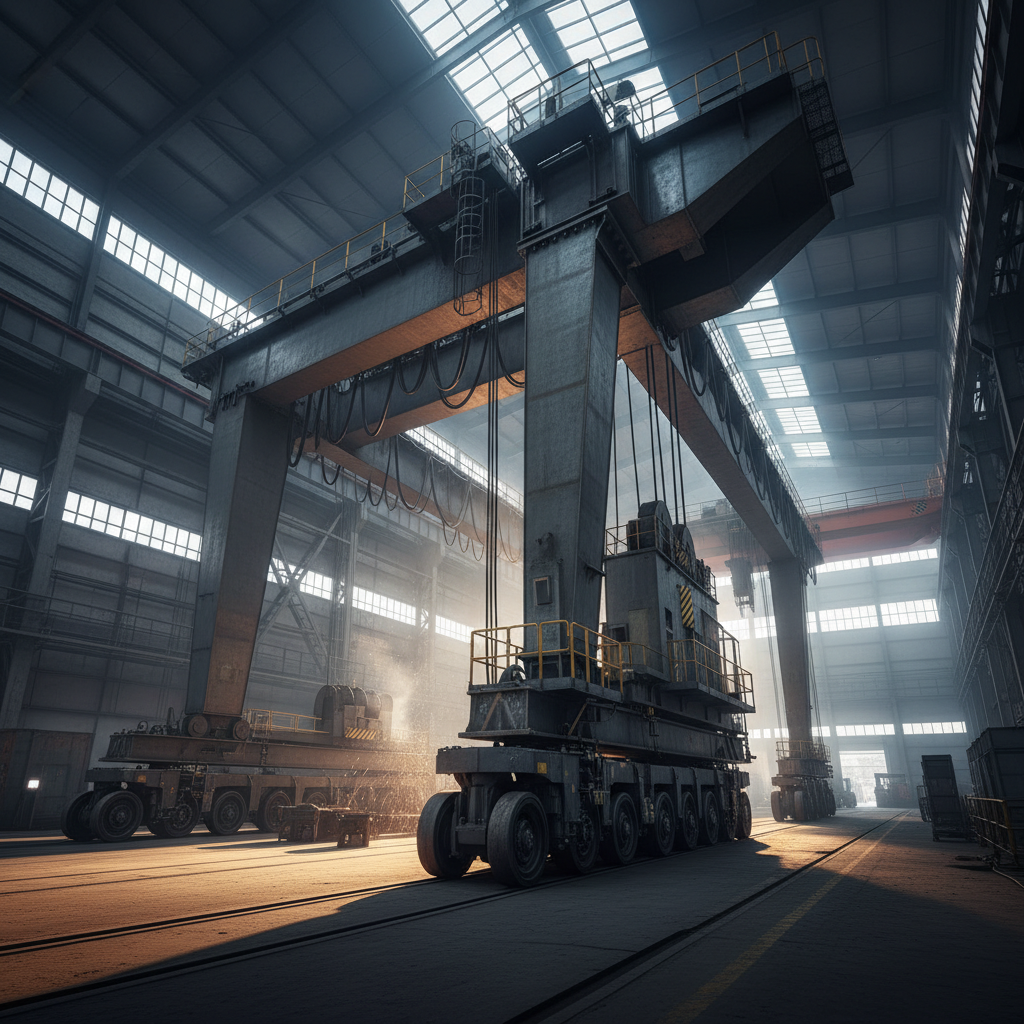
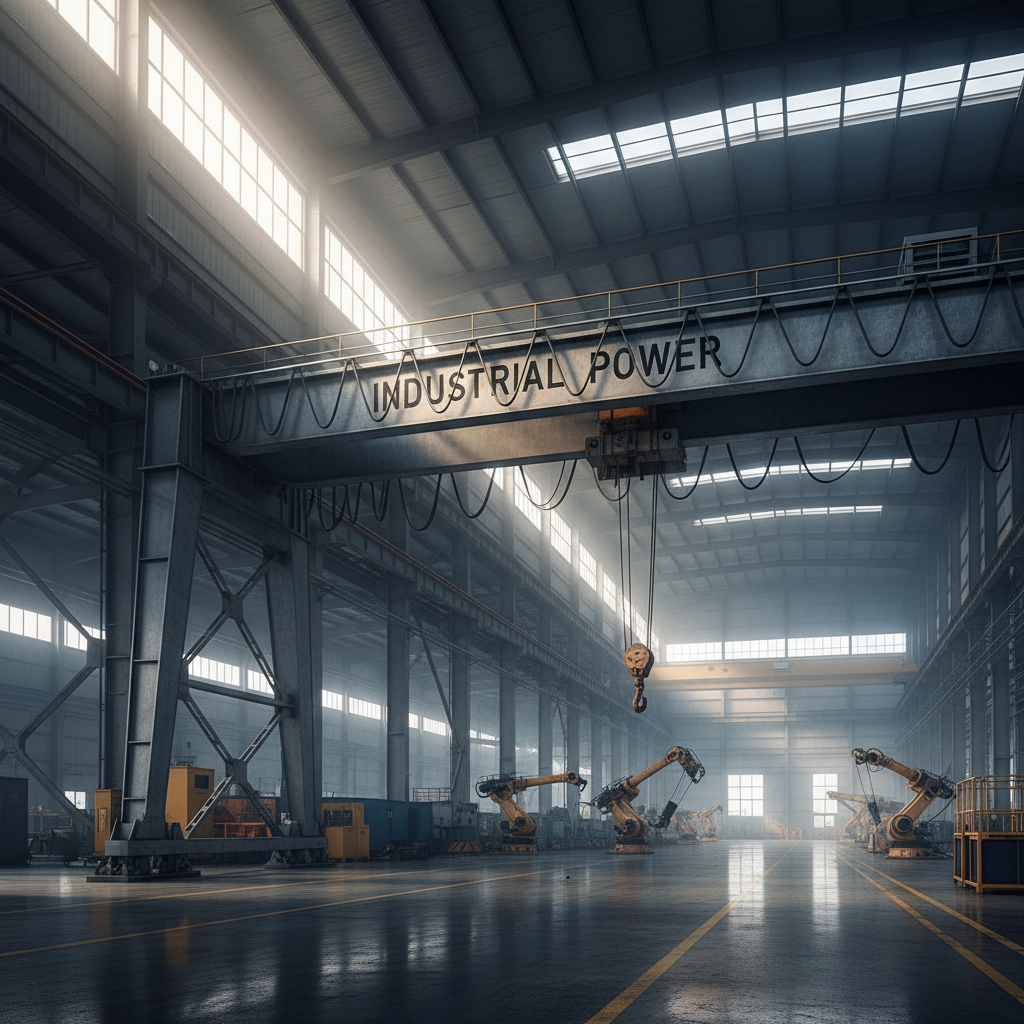
Look, I’ve spent the last fifteen years walking steel, dodging forklifts, and talking shop with the folks who actually build things. And let me tell you, when it comes to moving heavy loads efficiently and safely, the floor mounted gantry crane is a game-changer. It’s not some fancy, over-engineered solution; it’s practical, robust, and gets the job done. We’re seeing a huge increase in demand, not just in massive ports, but even in smaller fabrication shops and precast concrete yards. The biggest reason? Flexibility. You’re not locked into a fixed overhead system, and that’s huge for adapting to changing project needs.
What really strikes me is how versatile these cranes are becoming. They’re no longer just for lifting massive components. We’re seeing more customization - with adjustable spans and heights - to fit very specific workflows. And the safety features… well, they've come a long way. It’s a far cry from the days of relying on a single operator’s judgment. Modern systems have load indicators, anti-collision technology, and precise controls. It all adds up to a more controlled, predictable, and importantly, safer work environment.
And honestly, in today's construction climate, where timelines are tight and budgets are scrutinized, anything that streamlines operations and reduces downtime is worth its weight in gold. A well-placed floor mounted gantry crane can shave days, even weeks, off a project schedule, and that translates to real savings.
The Essential Role of floor mounted gantry crane
Honestly, you see these things popping up everywhere. From bustling port facilities needing to quickly unload cargo to smaller precast yards assembling bridge sections, a floor mounted gantry crane just makes sense. They offer the lifting capacity needed for heavy materials while maintaining the flexibility to move around a workspace. It’s about boosting efficiency and getting things done faster, and that’s crucial in today’s competitive landscape.
What's surprising is how much they're being retrofitted into existing facilities. Companies are realizing they can significantly improve their material handling without the massive expense and disruption of installing a full overhead crane system. They can be quickly assembled and disassembled, making them ideal for projects with changing requirements.
Understanding floor mounted gantry crane: A Global Perspective
Globally, the demand for efficient material handling solutions is skyrocketing, driven by infrastructure development in emerging economies and the need for optimized logistics worldwide. The UN estimates that global trade volume will continue to rise, putting immense pressure on ports and transportation networks. That translates directly into a need for more lifting capacity and faster turnaround times, and that's where floor mounted gantry cranes really shine.
We’re seeing particularly strong demand in Southeast Asia, where rapid industrialization is fueling a construction boom. But it's not just developing nations. Even in established economies like Germany and the US, companies are investing in these cranes to improve productivity and reduce labor costs. The ISO standards for lifting equipment are also constantly evolving, pushing manufacturers to develop safer and more reliable systems.
The challenge is keeping up with that demand while maintaining quality and safety standards. There's a lot of competition, and not all manufacturers are created equal. That’s why it’s crucial to work with a reputable supplier who understands the specific needs of your application and can provide ongoing support.
Defining floor mounted gantry crane for Modern Industry
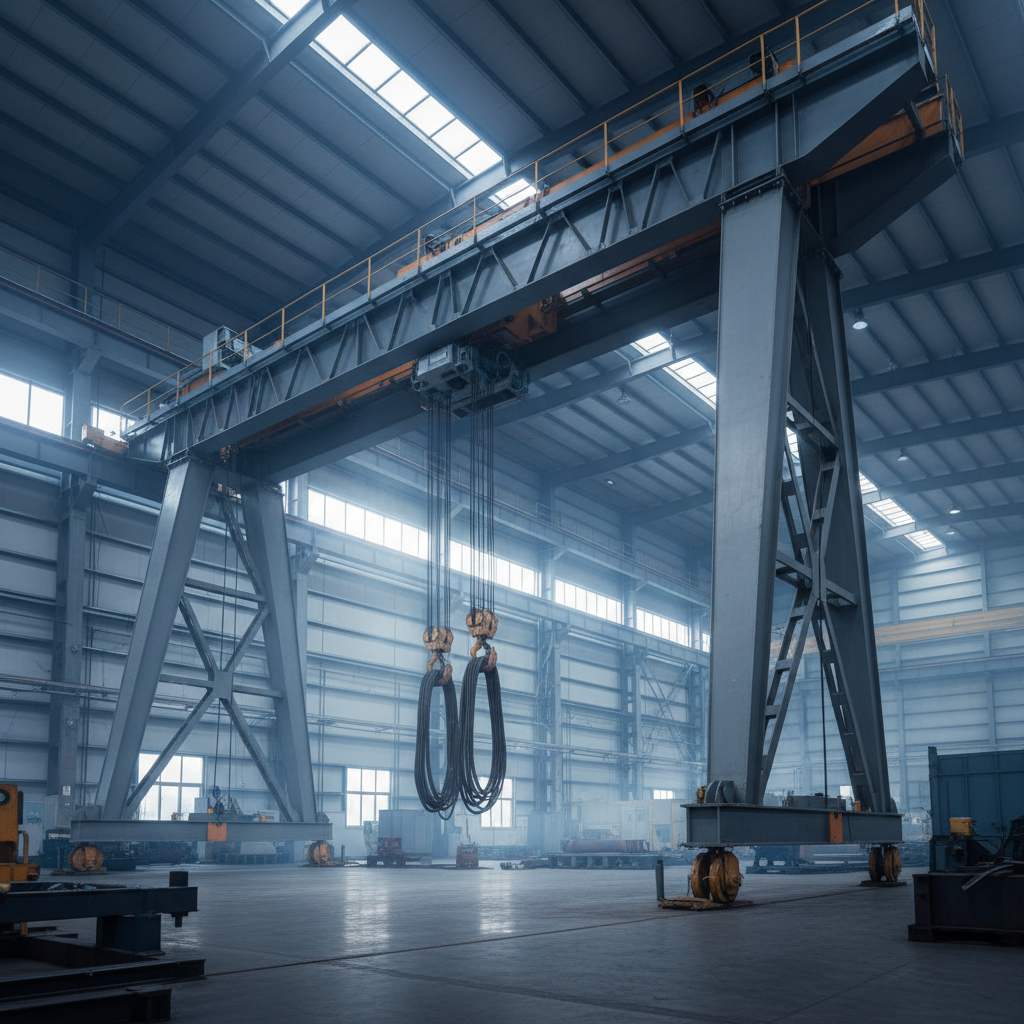
Simply put, a floor mounted gantry crane is a lifting device that uses a frame supported by legs that travel on rails at floor level. Unlike overhead cranes that require a building structure for support, these cranes are self-supporting. That’s the key difference. It means you don't need to modify your facility to install one.
This makes them incredibly versatile for both indoor and outdoor applications. They’re used in everything from shipbuilding and container terminals to manufacturing plants and railway yards. They’re particularly useful when you need to lift and move heavy objects over a limited area, but need the flexibility to reposition the crane as needed.
In the modern industrial context, they’re becoming increasingly integrated with automated systems. We're starting to see more gantry cranes equipped with sensors and controls that allow them to be operated remotely or even autonomously, increasing efficiency and reducing the risk of human error.
Key Factors Driving floor mounted gantry crane Performance
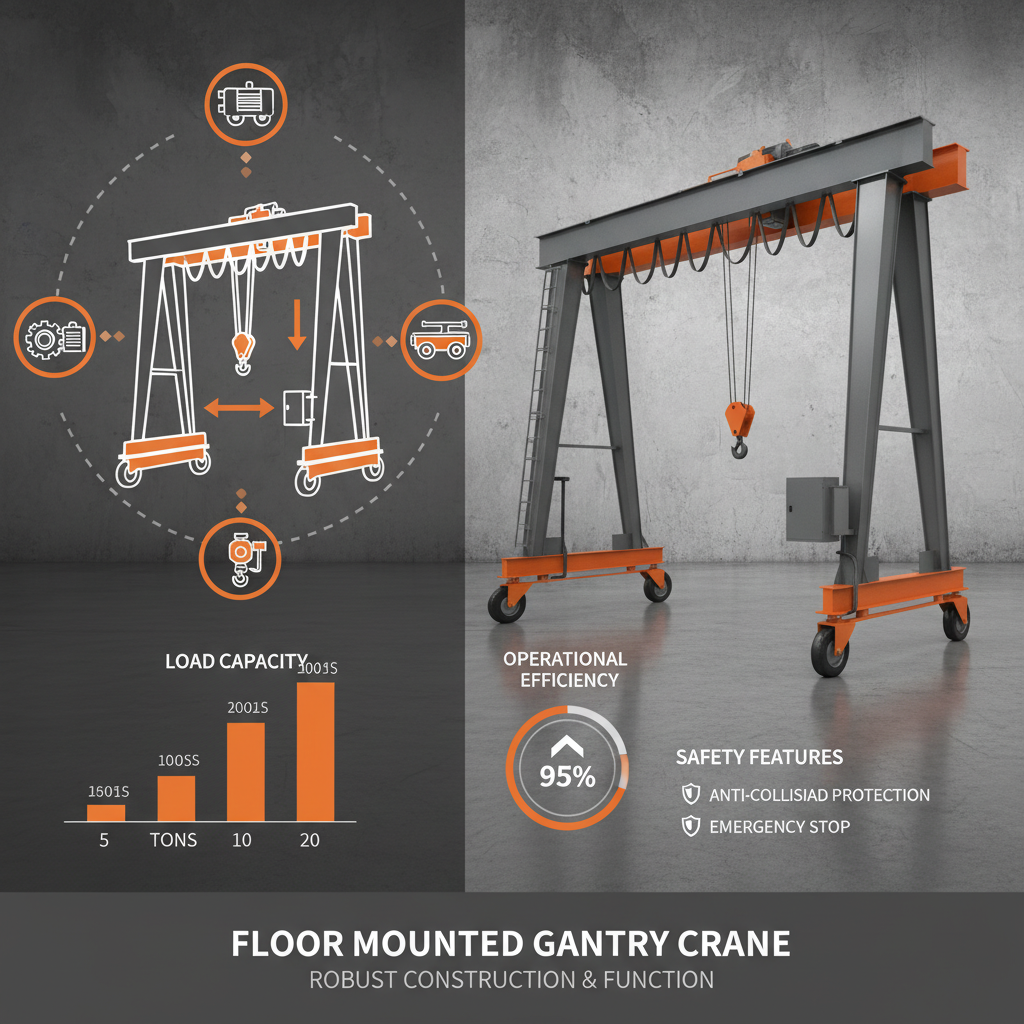
Look, there are a few things that really make or break a floor mounted gantry crane. First, durability. These things take a beating. You need a robust frame and high-quality components that can withstand heavy loads and constant use. Second, load capacity. It seems obvious, but you need to get the right crane for the job. Underestimating the weight of your loads can be a disaster.
Then there’s span and height. The crane needs to be able to reach the entire area where you need to lift and move materials. Mobility is crucial too; the ability to easily move the crane along the rails is essential for flexibility. Finally, safety features – things like overload protection, emergency stop buttons, and limit switches – are non-negotiable.
floor mounted gantry crane Performance Metrics
Global Applications and Real-World Use Cases
You’ll find these cranes in ports all over the world, lifting shipping containers onto trucks and trains. They're indispensable for efficiently moving goods. But it’s not just ports. In precast concrete plants, they’re used to assemble and load large concrete sections for bridges and buildings.
In remote industrial zones, where building a permanent overhead crane system isn’t feasible, a floor mounted gantry crane offers a cost-effective and flexible solution. And in post-disaster relief operations, they can be quickly deployed to lift and move debris, helping to restore infrastructure and provide aid to affected communities.
The Long-Term Value and Advantages of floor mounted gantry crane
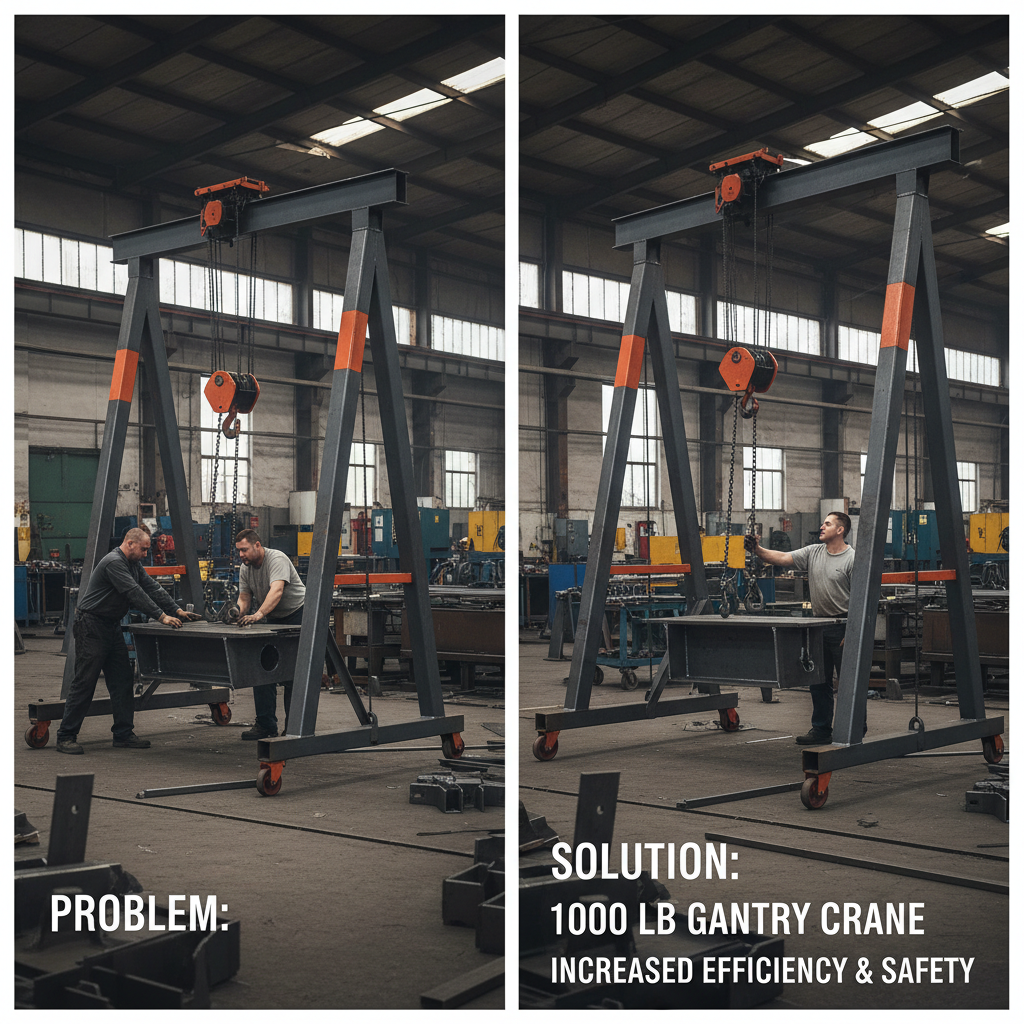
The biggest benefit, hands down, is the cost savings. You're not paying for a permanent structure; you're investing in a versatile lifting solution that can be moved and reused. That's a huge win, especially for smaller companies. They also offer a level of safety that older lifting methods simply can’t match. With modern controls and safety features, the risk of accidents is significantly reduced.
And let's not forget the sustainability aspect. By streamlining operations and reducing labor requirements, you're minimizing your environmental footprint. Plus, many manufacturers are now using more sustainable materials in their construction, further reducing the impact. It's a win-win for your bottom line and the planet.
Future Trends and Innovations in floor mounted gantry crane Technology
We’re seeing a lot of innovation happening right now. One major trend is the integration of IoT sensors and data analytics. This allows for predictive maintenance, identifying potential issues before they cause downtime. We’re also seeing more remote-controlled and autonomous systems, which can further improve efficiency and safety.
Another area of development is the use of lighter, stronger materials – like high-strength steel and carbon fiber composites – to reduce the weight of the crane and increase its lifting capacity. And with the growing focus on sustainability, expect to see more energy-efficient designs and the use of renewable energy sources to power these cranes.
The future of floor mounted gantry crane technology is about smarter, safer, and more sustainable lifting solutions.
Summary of Key Considerations for floor mounted gantry crane Selection
| Application Scope |
Environmental Factors |
Operational Requirements |
Maintenance & Support |
| Port operations, precast concrete, fabrication yards, rail yards. |
Indoor/outdoor use, temperature extremes, corrosive environments. |
Lift capacity, span requirements, mobility needs, automation level. |
Regular inspections, lubrication, component replacement, availability of spare parts. |
| Heavy lift capabilities, adaptable to various load types. |
Wind resistance, seismic considerations, protection from rain and snow. |
Frequency of use, operator skill level, integration with existing systems. |
Warranty coverage, technical support, training programs for operators. |
| Increased efficiency, reduced labor costs, improved safety. |
Compliance with relevant safety standards and regulations. |
Remote control options, data logging and analytics, automated features. |
Long-term reliability, minimal downtime, cost-effective maintenance solutions. |
| Quick installation and disassembly, minimal site disruption. |
Consideration of environmental impact and sustainability practices. |
Integration with warehouse management systems or production planning tools. |
Preventive maintenance schedules, condition monitoring, remote diagnostics. |
| Versatile for diverse applications and adaptable to changing needs. |
Protection against corrosion, abrasion, and other environmental factors. |
Ergonomic design for operator comfort and efficiency. |
Availability of replacement parts and components for extended service life. |
| Cost-effective alternative to permanent overhead crane systems. |
Adherence to local building codes and safety regulations. |
Compatibility with existing infrastructure and equipment. |
Expert installation and commissioning services. |
FAQS
Safety is paramount. Always ensure operators are properly trained and certified. Regular inspections of the crane's components – including the rails, wheels, and lifting mechanisms – are crucial. Implement a clear load limit system and never exceed the crane’s capacity. Utilize safety features like emergency stop buttons and overload protection. And, crucially, maintain a safe working zone around the crane, clearly marked and free from obstructions.
Generally, a floor mounted gantry crane is less expensive than installing a comparable overhead crane. Overhead cranes often require significant structural modifications to the building, adding substantial costs. Gantry cranes are self-supporting, minimizing those expenses. However, the final cost depends on factors like span, lift capacity, and customization options. It's a solid investment with quicker ROI in many situations.
Regular maintenance is key to longevity. This includes lubricating moving parts, inspecting rails for damage, checking the lifting mechanisms, and verifying the functionality of safety devices. Annual professional inspections are highly recommended. Maintaining clean rails is also vital for smooth operation. Following the manufacturer’s guidelines is always best.
Yes, absolutely. But you need to specify an outdoor-rated crane. These models are designed to withstand weather conditions, including rain, wind, and temperature fluctuations. Corrosion-resistant coatings are essential. Consider wind load calculations to ensure stability, and proper grounding for lightning protection if applicable. It is important to ensure the rail system is level and stable, even in varying ground conditions.
Lead times vary depending on the complexity of the crane and the manufacturer's current workload. Typically, you can expect a lead time of 8-12 weeks for a standard crane, and 12-16 weeks or more for a fully customized model. It’s always best to discuss your specific requirements with a supplier early in the project planning process to get an accurate timeline.
While incredibly versatile, gantry cranes have limitations. They require a relatively level floor surface to operate safely and efficiently. They also take up more floor space than overhead cranes. And, for very high lifts, an overhead crane might be more suitable. It’s all about matching the right lifting solution to the specific needs of the application.
Conclusion
In essence, the floor mounted gantry crane is a cornerstone of modern material handling. Its flexibility, cost-effectiveness, and increasing sophistication make it an invaluable asset for a wide range of industries. It’s not just about lifting heavy objects; it’s about optimizing workflows, improving safety, and boosting productivity.
Looking ahead, we’ll see even more innovation in this space – with a greater focus on automation, sustainability, and data-driven insights. If you're looking to streamline your operations and enhance your lifting capabilities, I highly recommend exploring the benefits of a floor mounted gantry crane. Visit our website at www.daweihoisting.com to learn more and discuss your specific needs.