In the fast-paced world of modern material handling, the folding gantry crane has emerged as a pivotal solution for businesses seeking a balance between high lifting capacity and spatial efficiency. Unlike permanent installations, these versatile structures allow operators to deploy heavy-lifting capabilities exactly where they are needed and fold them away when the workspace must be cleared. This flexibility is not just a convenience but a strategic advantage in lean manufacturing environments where every square foot of floor space translates to operational cost.
Globally, the demand for portable hoisting solutions is surging as workshops transition toward modular layouts. The ability to quickly pivot a folding gantry crane from one production line to another reduces downtime and eliminates the need for multiple expensive fixed cranes. By integrating ergonomic design with robust structural engineering, these cranes empower smaller enterprises to handle heavy machinery and components with the same precision as large-scale industrial plants.
Understanding the nuances of folding gantry systems—from load distribution to rapid deployment mechanisms—is essential for any facility manager aiming to optimize safety and throughput. Whether used in a busy automotive garage or a precision electronics assembly plant, the right lifting equipment minimizes the risk of manual handling injuries and accelerates the pace of production. This guide explores the technical depth and practical utility of the folding gantry crane in today's industrial landscape.
Global Relevance of Folding Gantry Cranes
The global industrial sector is currently witnessing a paradigm shift toward "flexible manufacturing," where the ability to reconfigure a shop floor in hours rather than weeks is a competitive necessity. In this context, the folding gantry crane serves as a cornerstone for agility. With ISO standards emphasizing safer workplace ergonomics and the World Bank noting the rise of small-to-medium enterprises (SMEs) in emerging markets, the need for affordable, portable, and high-capacity lifting tools has never been higher.
Many facilities struggle with the "fixed-asset trap," where permanent cranes create dead zones in the factory and hinder the movement of other equipment. By adopting a folding design, companies can eliminate these bottlenecks, allowing for a dynamic workflow that adapts to varying project scales. This versatility not only optimizes existing real estate but also reduces the capital expenditure typically associated with installing multiple fixed hoist systems across a large facility.
Defining the Folding Gantry Crane Mechanism
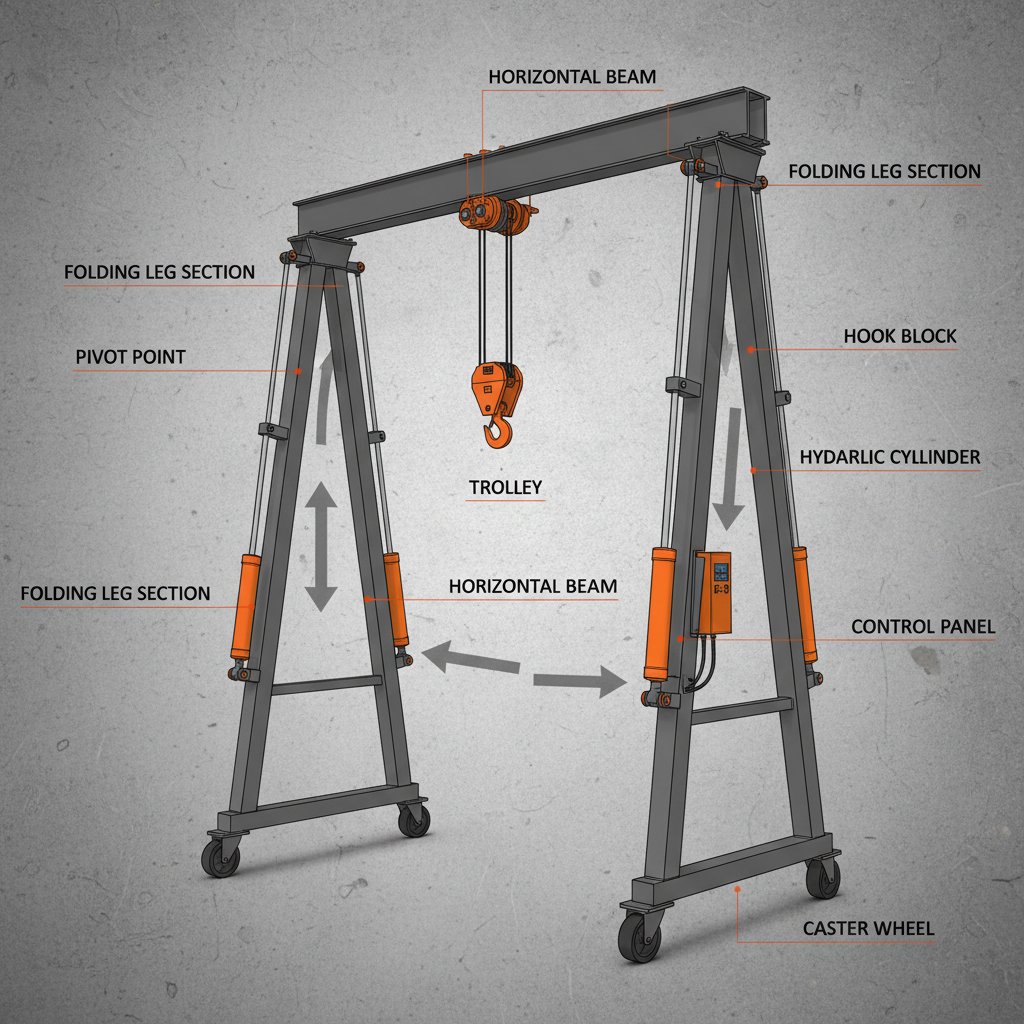
At its core, a folding gantry crane is a portable lifting frame designed with hinged joints that allow the upright supports to fold inward toward the main beam. This clever engineering transforms a wide, load-bearing structure into a compact unit that can be stored against a wall or transported in a standard vehicle. Unlike traditional gantry cranes that require complete disassembly for relocation, the folding variant relies on secure locking pins and reinforced pivots to ensure stability during operation.
This mechanism is deeply connected to the modern need for "rapid deployment." In industries where equipment must be moved between different sites—such as construction, temporary maintenance hubs, or emergency repair zones—the folding feature removes the labor-intensive process of bolting and unbolting heavy steel beams. It bridges the gap between a simple engine hoist and a full-scale industrial bridge crane, providing professional-grade lifting in a consumer-friendly, adaptable package.
From a humanitarian and emergency response perspective, these cranes are invaluable. In post-disaster recovery, where infrastructure is decimated, a portable folding gantry crane can be flown into a remote zone to lift heavy debris or move critical generators, proving that the design's value extends far beyond the walls of a traditional factory.
Core Components for Operational Durability
The structural integrity of a folding gantry crane depends primarily on the quality of its high-tensile steel frame. To prevent deflection under heavy loads, the main I-beam must be precision-engineered to balance weight and rigidity, ensuring that the center of gravity remains stable even when lifting asymmetric loads.
A critical failure point in many portable systems is the pivot joint. A professional-grade folding gantry crane utilizes reinforced steel pins and heavy-duty locking collars that eliminate "play" or wobbling during the lift, which is essential for maintaining the safety of the operators working beneath the load.
Finally, the mobility system—typically comprising heavy-duty polyurethane or steel casters—determines the crane's versatility. High-quality swivel locks and precision bearings allow the folding gantry crane to glide smoothly across concrete floors while remaining rock-solid once the brakes are engaged for a lift.
Efficiency Benchmarks in Material Handling
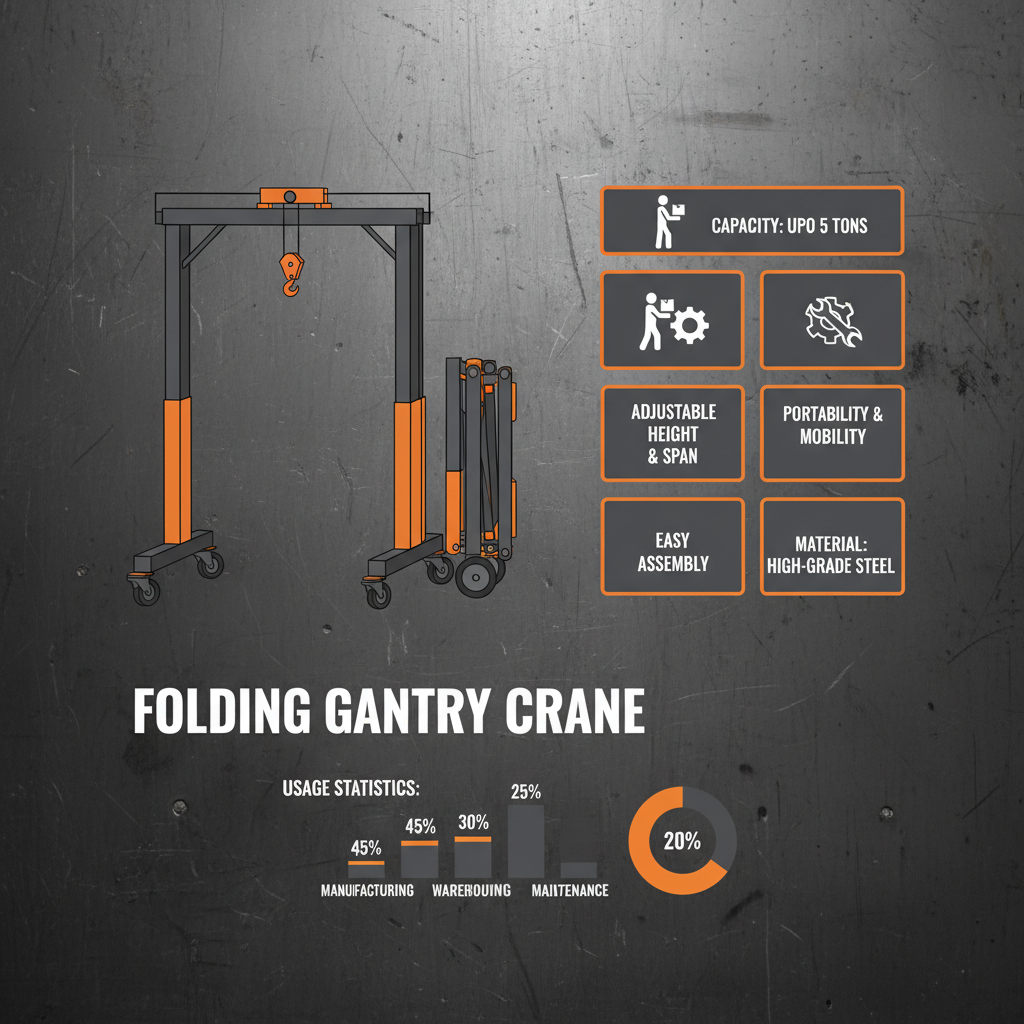
When comparing different hoisting strategies, the operational efficiency of a folding gantry crane is measured by its "deployment-to-lift" ratio. While fixed cranes offer maximum capacity, they offer zero flexibility. The folding gantry provides a middle ground, offering significant weight capacities (often ranging from 1 to 5 tons) while requiring only minutes for setup.
This efficiency is particularly evident when integrated with other tools like the Hydraulic Lift Table or Manual Pallet Stacker. By using a folding gantry crane to handle the vertical lift and a cargo trolley for horizontal transport, a facility can create a fully mobile logistics chain without investing in permanent rail infrastructure.
Folding Gantry Crane Performance Comparison
Global Industrial Applications and Use Cases
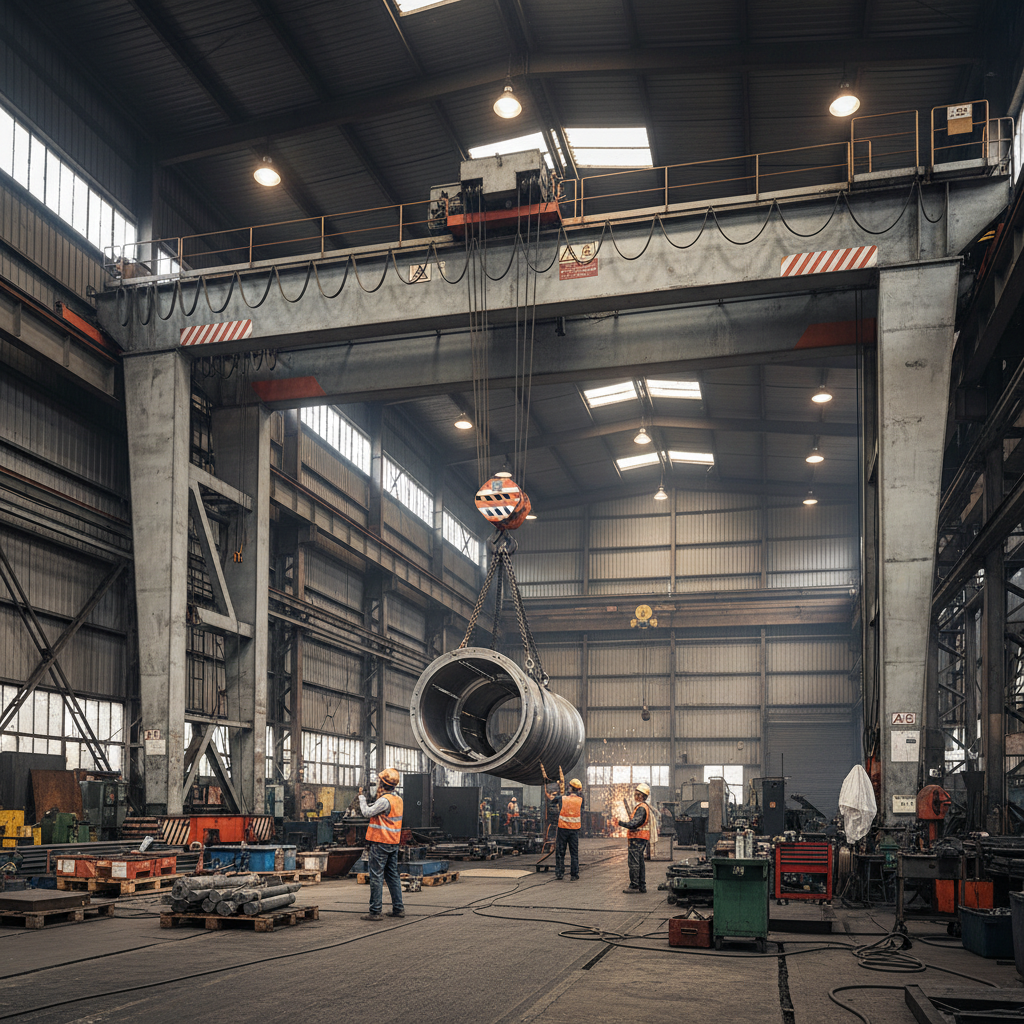
In the automotive and aerospace sectors, the folding gantry crane is widely used for engine swaps and fuselage component positioning. These industries require extreme precision and the ability to move the lifting point as the assembly progresses. By using a folding unit, technicians can move the crane around the vehicle, ensuring that the load is always perfectly centered, which reduces the risk of swinging and potential damage to expensive components.
Beyond high-tech manufacturing, these cranes are essential in remote industrial zones, such as mining camps or offshore oil rig maintenance. In these environments, space is at a premium and the environment is often corrosive. A folding gantry crane finished with an industrial-grade powder coating can withstand harsh conditions while remaining easy to stow away during storm seasons or when transport ships arrive, ensuring that lifting capabilities are available exactly when needed without occupying permanent deck space.
Long-Term Value and Safety Advantages
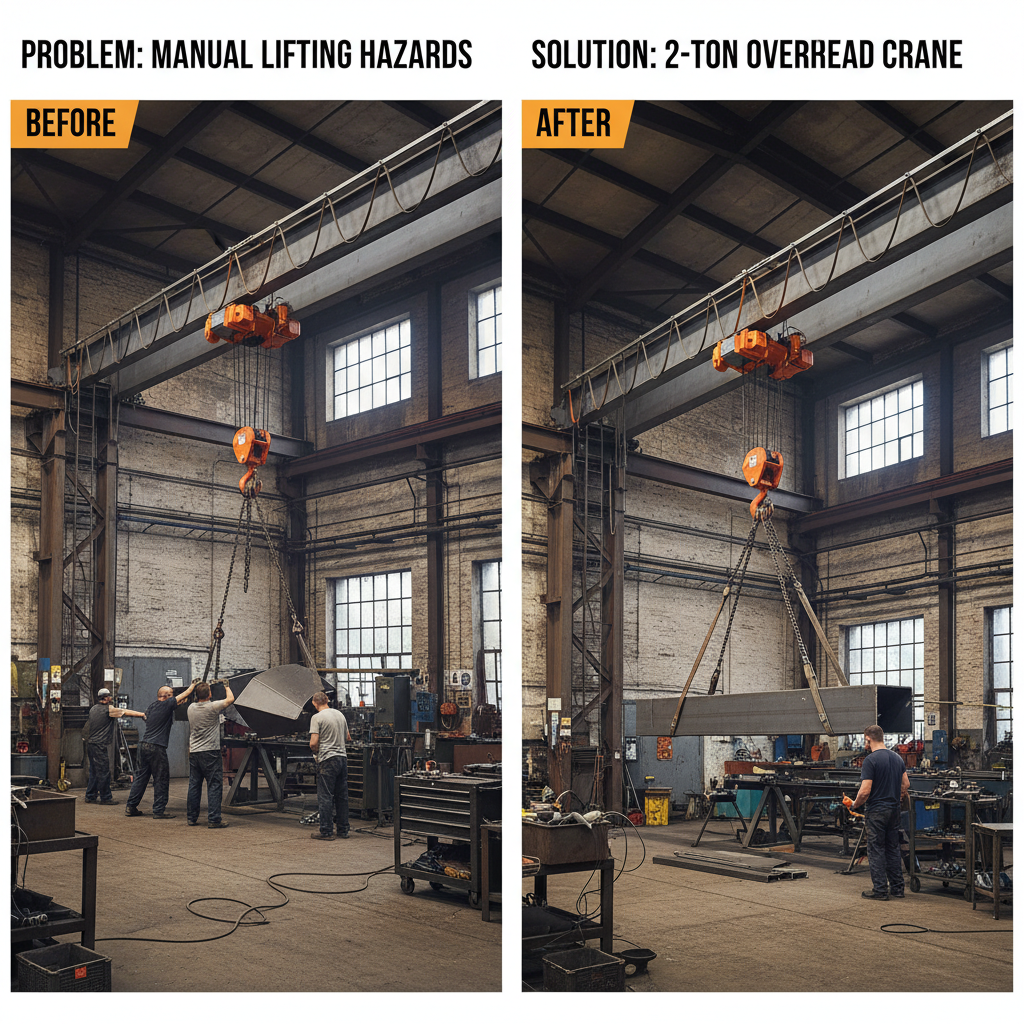
The long-term value of investing in a folding gantry crane extends beyond mere utility—it is an investment in workplace safety and employee dignity. By removing the need for manual lifting of heavy loads, companies drastically reduce the incidence of musculoskeletal disorders (MSDs), which are among the most common and costly workplace injuries. The psychological peace of mind that comes from knowing a load is securely held by a certified steel frame allows workers to focus on precision and quality rather than struggling with the physical weight of the material.
From a sustainability perspective, the durability of these cranes means they have a life cycle spanning decades. Unlike cheap, disposable lifting jacks, a high-quality folding gantry crane is built for longevity. Its modular nature allows for the replacement of individual parts—such as the hoist or the casters—rather than requiring the replacement of the entire system, aligning with global trends toward a circular economy and waste reduction.
Furthermore, the ability to fold and store the equipment minimizes the risk of accidental collisions with other machinery. In a crowded warehouse, a permanent crane pillar can be a hazard for forklifts; a folded crane, tucked neatly in a designated storage bay, eliminates this risk entirely, creating a safer, more streamlined traffic flow throughout the facility.
Future Innovations in Portable Hoisting
The future of the folding gantry crane lies in the integration of smart technology and advanced materials. We are seeing a trend toward the use of carbon-fiber reinforced polymers and high-strength aluminum alloys, which could potentially halve the weight of the frame without sacrificing load capacity. This would make the "folding" aspect even more effortless, allowing a single operator to deploy the system in seconds.
Digital transformation is also reaching the material handling sector. Future iterations of the folding gantry crane may feature integrated load sensors and IoT connectivity, providing real-time alerts to a smartphone if the crane is approaching its maximum weight limit or if the structure is not perfectly level. This "smart lifting" approach will further enhance safety and provide managers with data on equipment utilization rates.
Moreover, the shift toward green energy is introducing electric-assist folding mechanisms and battery-powered hoists that eliminate the need for external power cables. This transition ensures that the folding gantry crane remains a sustainable tool, capable of operating in zero-emission zones and reducing the overall carbon footprint of the manufacturing process.
Comparative Analysis of Folding Gantry Crane Specifications
| Model Grade |
Max Load Capacity |
Deployment Time |
Durability Score (1-10) |
| Light Duty (Alloy) |
500kg - 1 Ton |
< 2 Minutes |
7 |
| Standard Industrial |
2 Tons |
3-5 Minutes |
8 |
| Heavy Duty Steel |
3 - 5 Tons |
5-8 Minutes |
10 |
| Custom Modular |
Variable (Up to 5T) |
10 Minutes |
9 |
| Compact Workshop |
1 Ton |
2 Minutes |
7 |
| Reinforced Field-Use |
2.5 Tons |
4 Minutes |
9 |
FAQS
When manufactured to ISO and ASME standards, a folding gantry crane is exceptionally safe. The key is the locking mechanism; as long as the safety pins are fully engaged and the load is within the rated capacity, it provides the same structural stability as a fixed unit. Regular inspections of the pivot joints and welds are recommended to maintain this safety level.
Yes, most folding gantry cranes are equipped with swivel casters that allow for movement. However, for safety, it is highly recommended to move the load slowly and ensure the floor is level and free of debris. For extremely heavy lifts, some operators prefer to lock the casters in place to prevent any unexpected shifting during the hoist.
With proper maintenance, a professional folding gantry crane can last 15-20 years. The primary wear-and-tear components are the casters and the hoist chain/cable. Replacing these consumables every few years and keeping the pivot points lubricated ensures the frame remains structurally sound for decades.
While the assembly is intuitive, basic training in rigging and load balancing is essential. Operators should understand how to center the load to prevent the crane from tipping and how to properly secure the locking pins. We always recommend a brief safety induction to ensure all team members are familiar with the specific model's weight limits.
That is the primary advantage! Once folded, the crane's profile is significantly reduced, allowing it to fit into most standard utility trailers or large vans. This makes it an ideal choice for contractors who need a reliable lifting solution at various client sites without the logistical nightmare of transporting a fully assembled structure.
Yes, many manufacturers offer adjustable height options or custom beam lengths. Whether you need to lift a vehicle into a high-clearance rack or work in a low-ceiling basement, a folding gantry crane can be tailored to your specific spatial constraints while maintaining its folding capability.
Conclusion
The folding gantry crane represents a perfect synergy of strength and adaptability, solving the age-old industrial conflict between the need for heavy-lifting power and the demand for open, flexible floor space. By combining high-tensile materials with an intuitive folding mechanism, it empowers businesses to optimize their workflows, enhance worker safety, and reduce capital expenditure on permanent installations. From the precision of aerospace assembly to the grit of remote field repairs, this tool has proven itself as an indispensable asset in the global material handling toolkit.
Looking ahead, as the industry embraces smarter materials and IoT-driven safety monitoring, the role of portable hoisting will only expand. We encourage facility managers and business owners to evaluate their current lifting bottlenecks and consider how a modular, folding approach could unlock new levels of productivity. Investing in the right lifting equipment today is not just about moving weight—it is about building a more agile, safe, and sustainable operational future. Visit our website for more professional hoisting solutions: www.daweihoisting.com