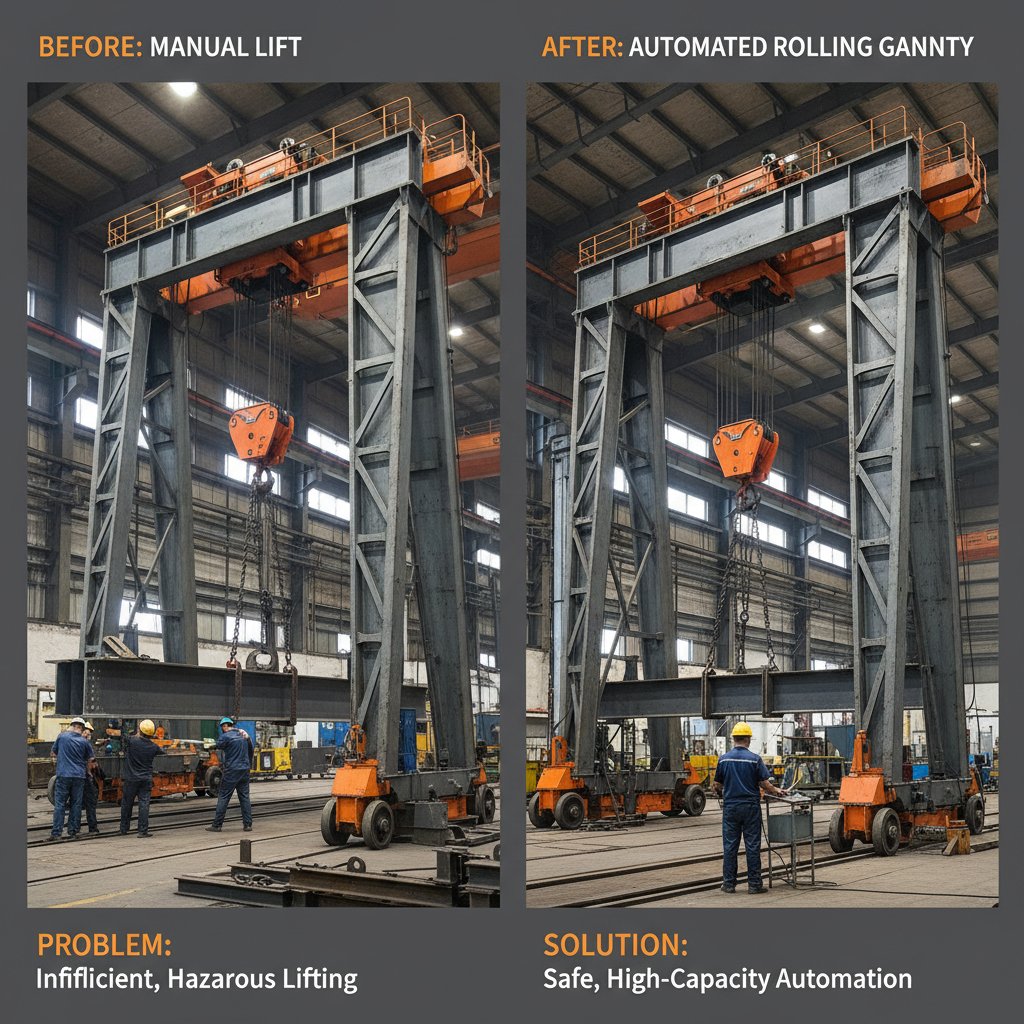
The 2 ton overhead crane is a critical piece of equipment in modern industry, enabling efficient and safe lifting of materials in a wide range of applications. Its versatility and relatively compact size make it ideal for workshops, warehouses, and manufacturing facilities where space is at a premium. Understanding the capabilities and applications of a 2 ton overhead crane is paramount for businesses looking to optimize their material handling processes and improve overall productivity.
Globally, the demand for overhead cranes, including the 2 ton variety, is consistently driven by growth in manufacturing, construction, and logistics sectors. According to a report by Market Research Future, the global overhead crane market is projected to reach USD 6.88 billion by 2030, exhibiting a CAGR of 4.2% during the forecast period. This growth is particularly prominent in emerging economies experiencing rapid industrialization. The efficient and cost-effective lifting solutions offered by a 2 ton overhead crane contribute significantly to infrastructure development and manufacturing output.
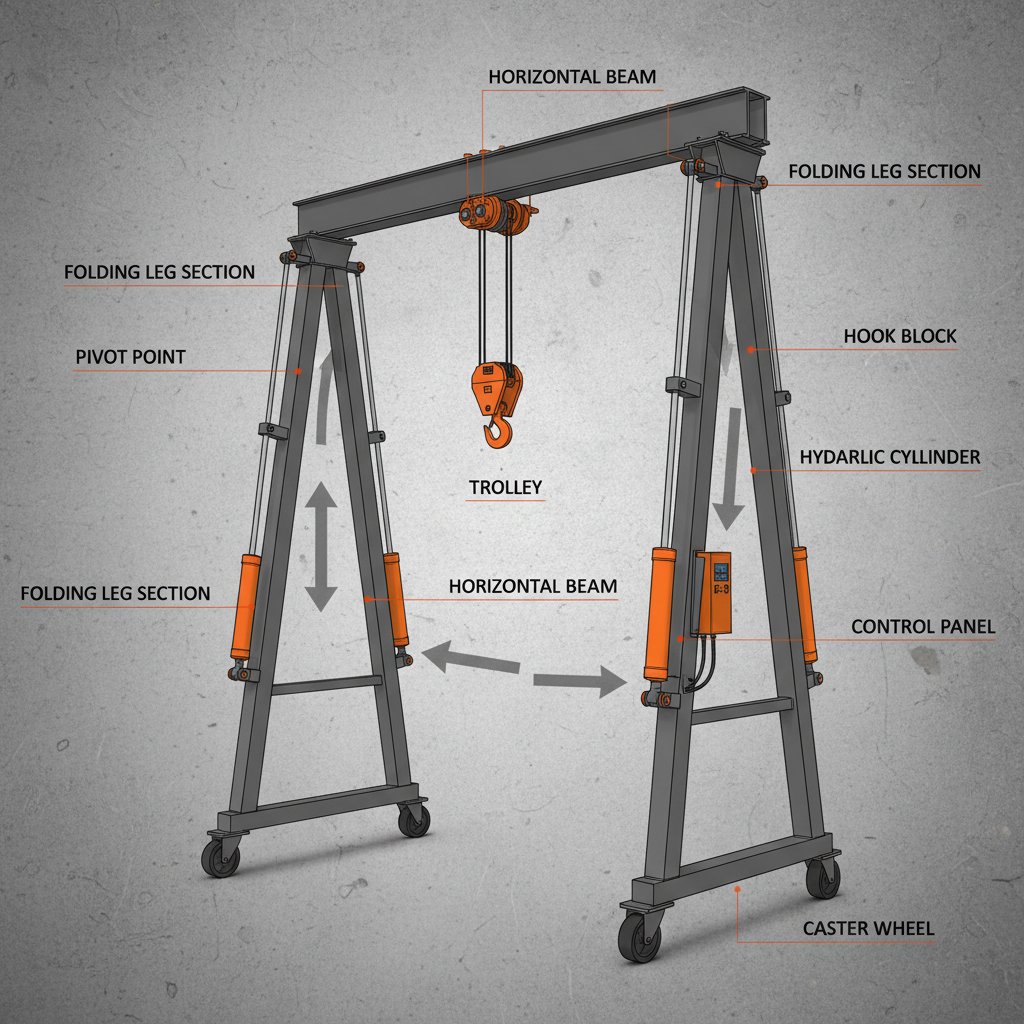
A 2 ton overhead crane is a type of material handling equipment designed to lift and move loads weighing up to two metric tons (approximately 4,400 pounds) horizontally across a defined area. It typically consists of one or more trolley(s) moving along bridge beams, which in turn travel along runways. This configuration allows for precise positioning of loads, making it a vital tool for assembly, maintenance, and material transfer processes. Its role in supporting manufacturing processes and logistical efficiencies directly impacts global supply chains and industrial output.
Introduction to 2 Ton Overhead Cranes
The 2 ton overhead crane stands as a cornerstone of material handling in countless industrial settings. Its ability to efficiently and safely lift and maneuver loads within a defined workspace is crucial for maximizing productivity and minimizing operational costs. From small workshops to large-scale manufacturing plants, this crane offers a reliable solution for a variety of lifting needs.
Choosing the right 2 ton overhead crane involves considering factors like span, lift height, duty cycle, and the specific application. Properly configured, it can significantly reduce manual handling, improve worker safety, and streamline production processes. Understanding these key aspects is vital for making an informed investment that delivers long-term value.
Defining a 2 Ton Overhead Crane
Simply put, a 2 ton overhead crane is a machine configured to lift and move objects weighing up to 2,000 kilograms (approximately 4,400 pounds). It operates by utilizing a hoist system suspended from a traveling bridge, allowing movement across a fixed area. These cranes are often found in factories, warehouses, and construction sites due to their versatility and ability to handle a significant load capacity within a relatively compact footprint.
Modern 2 ton overhead cranes are designed with safety and efficiency in mind. They frequently incorporate features such as overload protection, emergency stop buttons, and variable speed controls. These features ensure safe operation and allow for precise load positioning. The design adheres to stringent international standards, such as those set by ISO, to guarantee reliability and structural integrity.
The connection to modern industry is undeniable. Efficient material handling is the backbone of just-in-time manufacturing, lean production, and responsive supply chains. A 2 ton overhead crane directly supports these principles by enabling quick and accurate movement of materials, reducing bottlenecks, and improving overall workflow efficiency.
Core Components and Factors
Several key factors contribute to the performance and reliability of a 2 ton overhead crane. Durability is paramount, with cranes typically constructed from high-strength steel to withstand continuous use and heavy loads. The quality of the hoist, bridge, and runway components directly impacts the crane's lifespan and safety.
Load Capacity is, of course, central. A 2 ton crane is specifically rated for loads up to that weight, and exceeding this limit can compromise safety and damage the equipment. Properly calculating the load weight and ensuring it doesn't exceed the crane's capacity is crucial. Span and Lift Height are also important. The span dictates the width of the area the crane can cover, while lift height determines the maximum vertical reach.
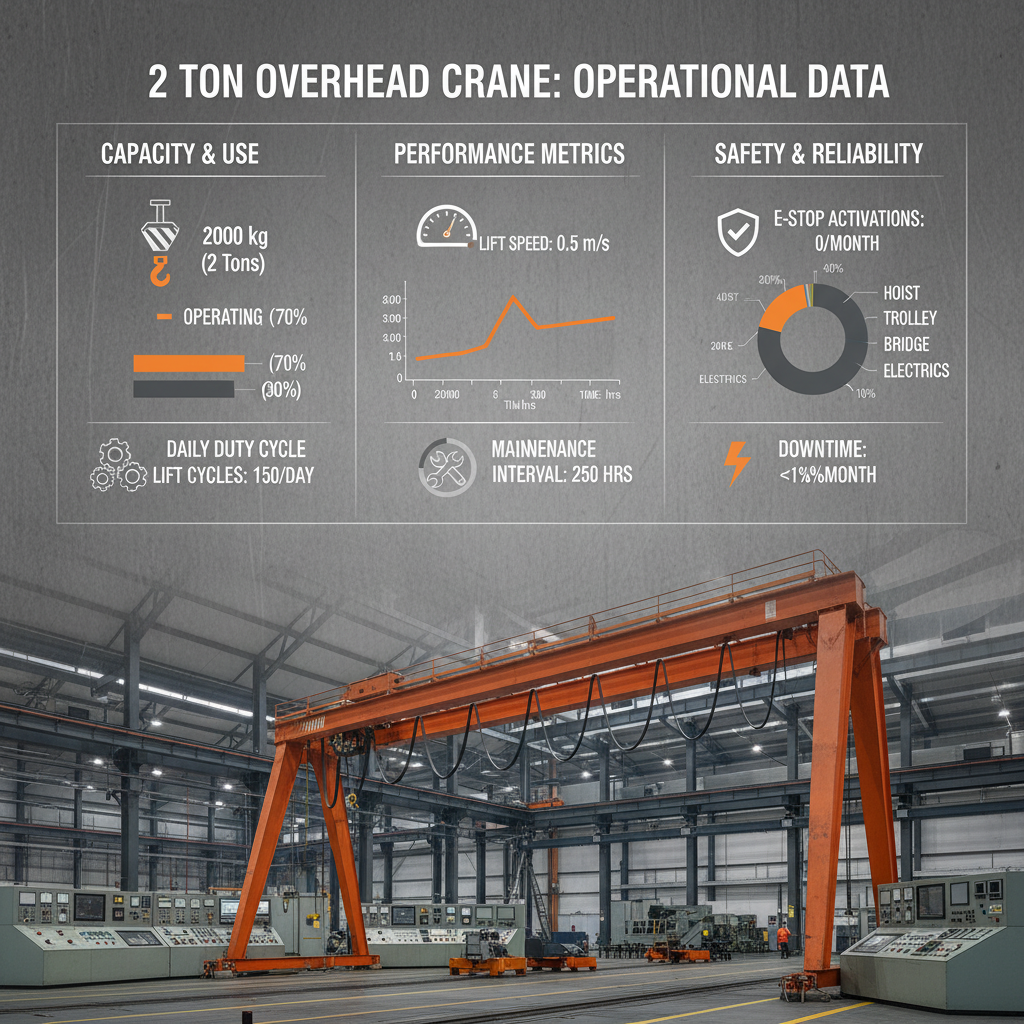
Duty Cycle refers to the frequency and duration of crane use. Heavy-duty applications require more robust components and a higher-quality motor to withstand continuous operation. Safety Features, such as overload protection, emergency stops, and limit switches, are essential for preventing accidents and ensuring worker safety. Finally, Maintenance is critical for longevity; regular inspections and preventative maintenance can significantly extend the crane's service life.
Global Applications of 2 Ton Overhead Cranes
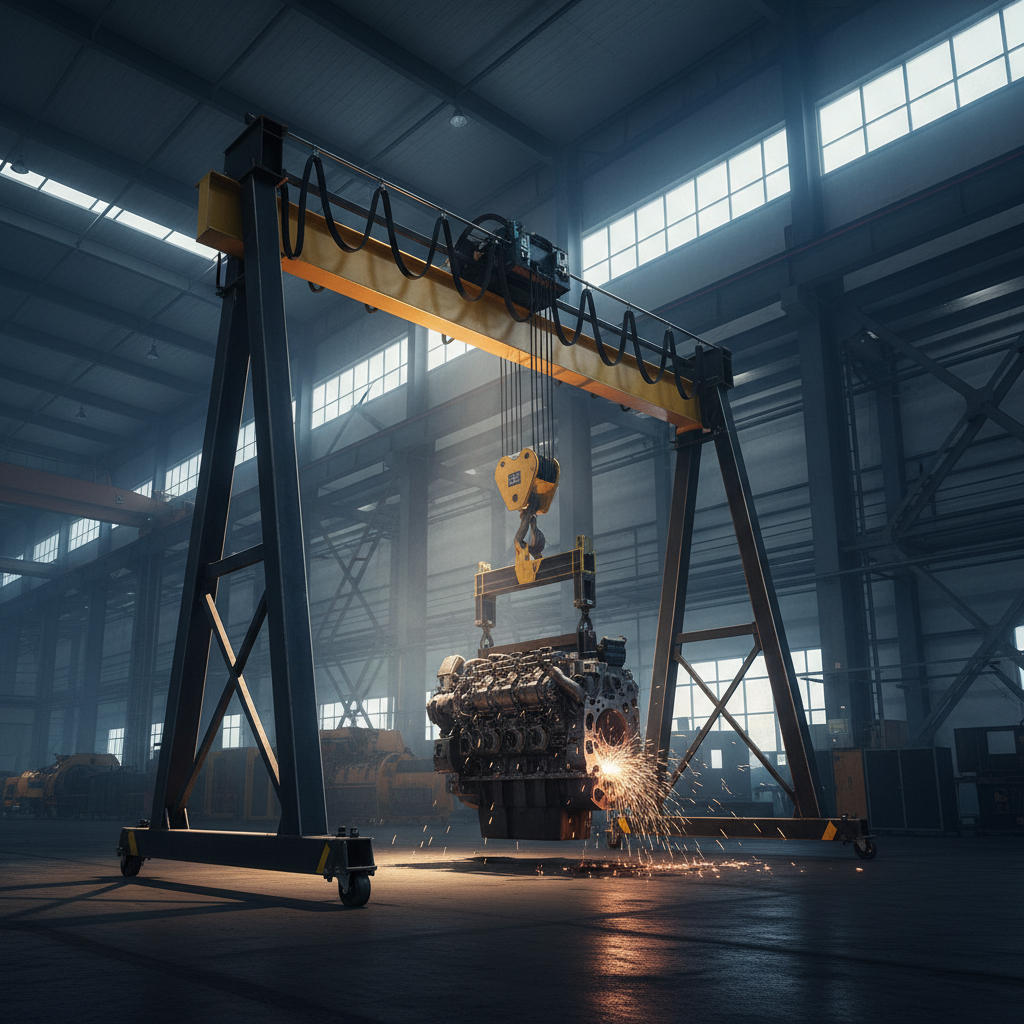
2 ton overhead cranes find widespread application across numerous industries globally. In manufacturing, they are used for assembling heavy machinery, moving raw materials, and handling finished goods. The automotive, aerospace, and metal fabrication industries are particularly reliant on these cranes for efficient production processes.
Construction sites utilize 2 ton overhead cranes for lifting building materials, precast concrete elements, and heavy equipment. In warehousing and logistics, these cranes facilitate efficient loading and unloading of trucks, as well as storage and retrieval of materials. In remote industrial zones, where access may be limited, these cranes provide a versatile lifting solution.
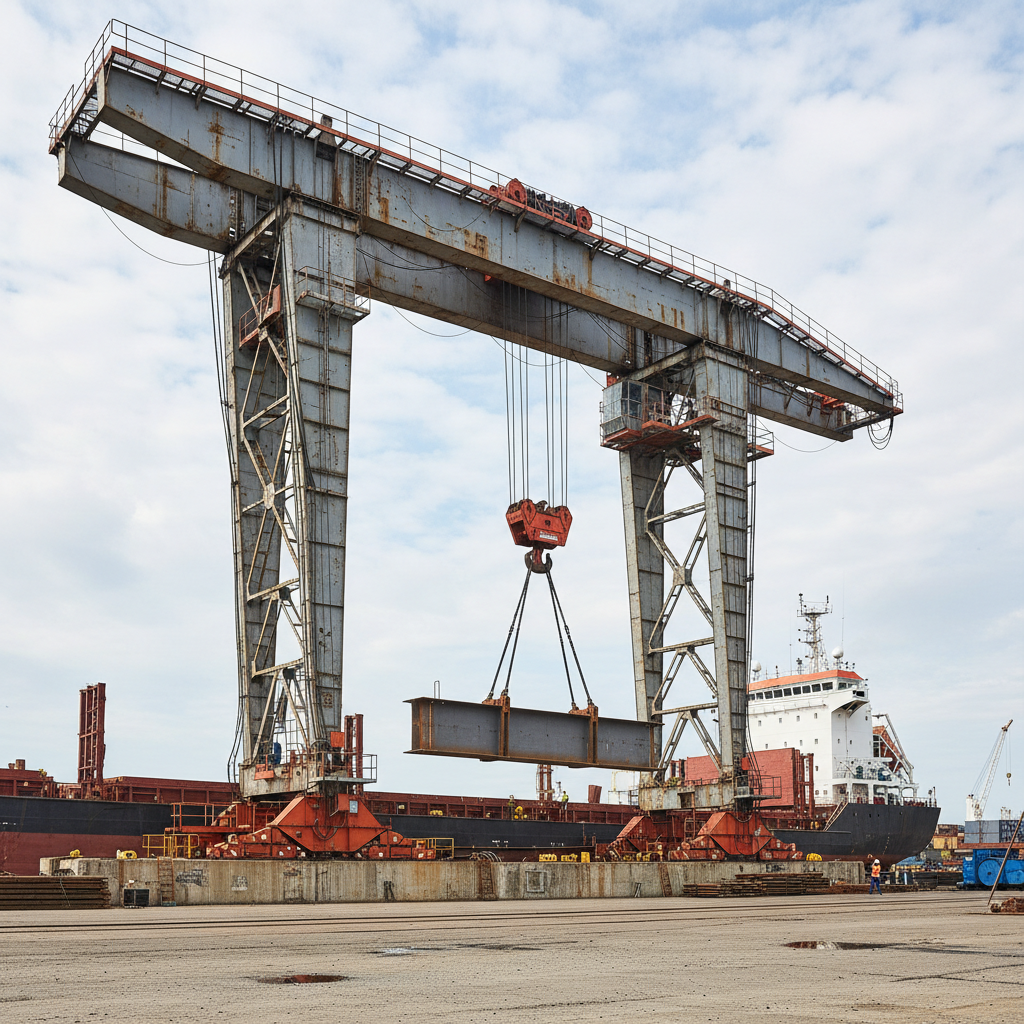
In post-disaster relief operations, portable 2 ton overhead cranes can be deployed to clear debris and assist in reconstruction efforts. They are also vital in shipyards for handling components and aiding in vessel repair. The flexibility and capacity of a 2 ton overhead crane make it an indispensable tool across diverse geographic locations and industrial sectors.
2 Ton Overhead Crane Application Breakdown
Advantages and Long-Term Value
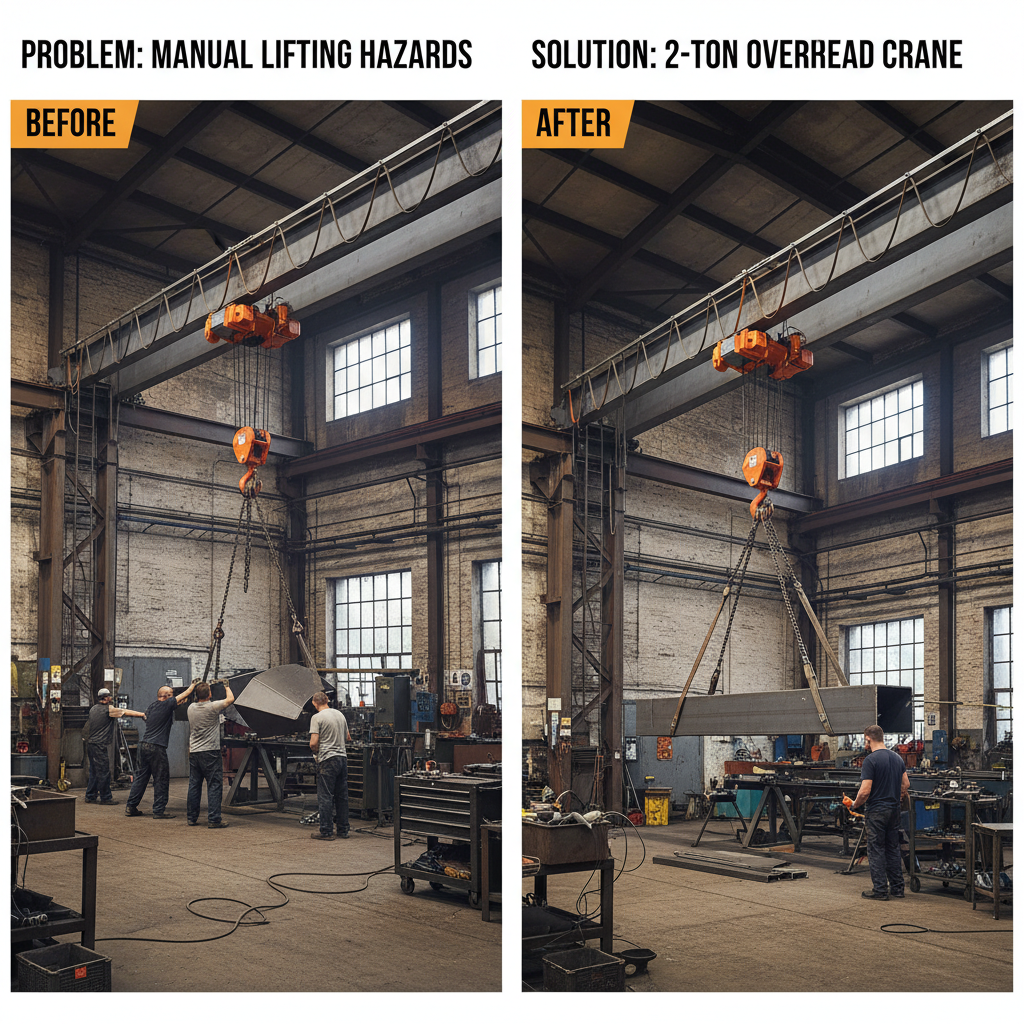
The advantages of investing in a 2 ton overhead crane are numerous. Cost efficiency is a key benefit, as these cranes reduce labor costs, improve material handling speed, and minimize the risk of damage to materials. A reduction in manual handling translates directly into lower workers' compensation claims and improved employee well-being.
Safety is significantly enhanced by replacing manual lifting with a controlled, mechanical system. Modern cranes are equipped with safety features that protect both workers and materials. Reliability is another major advantage; well-maintained 2 ton overhead cranes provide years of dependable service, contributing to consistent operational performance. These factors create substantial long-term value for businesses.
Future Trends and Innovations
The future of 2 ton overhead crane technology is marked by several exciting trends. Automation and remote control systems are becoming increasingly prevalent, allowing for greater precision and efficiency in material handling. Integration with digital transformation initiatives, like warehouse management systems (WMS), provides real-time tracking and control of crane operations.
The development of sustainable materials and energy-efficient motors is also gaining traction, reflecting a growing commitment to environmental responsibility. Furthermore, advancements in sensor technology and predictive maintenance are enabling proactive identification of potential issues, minimizing downtime and extending the crane's lifespan.
Challenges and Solutions
Despite the many benefits, challenges associated with 2 ton overhead cranes exist. Space limitations can pose a problem in some facilities, requiring careful planning and consideration of crane dimensions. Initial investment costs can be significant, but these are often offset by long-term cost savings.
Maintenance requirements are essential, and neglecting regular inspections can lead to costly repairs and safety hazards. Solutions include utilizing compact crane designs, exploring leasing options to reduce upfront costs, and implementing comprehensive maintenance programs. Investing in operator training ensures safe and efficient operation, further mitigating risks.
Addressing these challenges proactively ensures the long-term effectiveness and safety of 2 ton overhead crane systems.
Summary of 2 Ton Overhead Crane Maintenance Considerations
| Maintenance Area |
Frequency |
Key Checks |
Potential Issues |
| Hoist System |
Monthly |
Wire rope condition, brake function, hook inspection |
Worn wire rope, brake failure, damaged hook |
| Bridge & Trolley |
Quarterly |
Wheel condition, bearing lubrication, drive motor |
Worn wheels, bearing failure, motor overheating |
| Runway System |
Semi-Annually |
Rail alignment, structural integrity, support bearings |
Misaligned rails, cracked supports, bearing failure |
| Electrical Components |
Annually |
Wiring connections, control panel, safety devices |
Loose connections, faulty controls, disabled safety features |
| Safety Devices |
With each use |
Limit switches, emergency stops, overload protection |
Malfunctioning switches, unresponsive stops, inaccurate overload settings |
| Overall Structural Inspection |
Bi-Annually |
All structural components for cracks, corrosion, and wear |
Structural fatigue, corrosion damage, component failure |
FAQS
The lifespan of a 2 ton overhead crane varies depending on usage, maintenance, and environmental conditions. However, with regular maintenance and proper operation, a well-built crane can typically last 20-30 years or even longer. Key factors affecting lifespan include the quality of components, the frequency of use, and the severity of the loads handled. Proactive maintenance and timely repairs are crucial for maximizing the crane’s service life.
Essential safety features include overload protection, which prevents lifting loads exceeding the crane’s capacity. Emergency stop buttons provide immediate shutdown in critical situations. Limit switches prevent the hoist from traveling beyond its designated range. Audible and visual warning systems alert personnel to crane operation. Regular inspection of these features is vital to ensure their proper functionality and maintain a safe working environment.
A 2 ton overhead crane requires routine maintenance to ensure safe and reliable operation. This includes monthly inspections of the hoist rope and hook, quarterly checks of the bridge and trolley, and annual inspections of the electrical components. Lubrication of moving parts is also essential. Regular maintenance prevents small issues from escalating into major problems, reducing downtime and extending the crane's lifespan.
The cost of a 2 ton overhead crane depends on several factors, including span length, lift height, duty cycle, and features. Customizations, such as variable speed controls or remote operation, will also increase the price. Installation costs, which include site preparation and crane assembly, should also be considered. Comparing quotes from reputable suppliers and considering long-term maintenance costs are essential for making an informed investment.
While some 2 ton overhead cranes can be used outdoors, specific modifications are typically required. These include weather-resistant coatings, corrosion-resistant components, and enclosures for electrical systems. Outdoor cranes may also require additional safety features to protect against wind and other environmental factors. It’s crucial to select a crane specifically designed for outdoor use and follow manufacturer recommendations for operation and maintenance.
Proper training is essential for safe operation of a 2 ton overhead crane. Operators should receive comprehensive instruction on crane controls, safety procedures, load handling techniques, and pre-operation inspections. Training programs should comply with relevant safety standards, such as those set by OSHA. Regular refresher courses are recommended to reinforce safe operating practices.
Conclusion
In conclusion, the 2 ton overhead crane remains a vital asset for businesses seeking efficient and safe material handling solutions. Its versatility, durability, and long-term value make it a worthwhile investment across a wide range of industries. By understanding its core components, applications, and future trends, organizations can optimize their operations and achieve significant productivity gains.
Looking ahead, continued innovation in automation, sustainability, and digital integration will further enhance the capabilities of 2 ton overhead cranes. Prioritizing operator training, proactive maintenance, and adherence to safety standards will be critical for maximizing the benefits of this essential equipment. To learn more about our range of 2 ton overhead cranes and find the perfect solution for your needs, visit our website: https://www.daweihoisting.com