Rolling gantries are becoming increasingly vital components in modern industrial infrastructure and logistical operations globally. Their adaptable nature and ability to efficiently handle heavy lifting and movement make them indispensable for diverse applications ranging from shipbuilding and construction to port operations and prefabrication facilities. The demand for optimized material handling solutions, coupled with the need for increased productivity and safety, is driving the growth of the rolling gantry market worldwide.
The global relevance of rolling gantries extends beyond economic benefits. They play a crucial role in supporting infrastructure development in emerging economies and enabling efficient disaster relief efforts. According to the United Nations, efficient logistics and infrastructure are key to achieving Sustainable Development Goal 9 (Industry, Innovation, and Infrastructure). Furthermore, the International Organization for Standardization (ISO) standards relating to lifting equipment directly impact the safe and reliable operation of these systems.
A primary challenge across many industries is the need for flexible, heavy-lifting solutions that can adapt to changing project requirements and site constraints. Traditional fixed gantries often lack this versatility, leading to inefficiencies and increased costs. The ability of a rolling gantry to move along a track provides a solution to this problem, offering both the lifting capacity of a traditional gantry and the flexibility to cover a larger working area.
Introduction to Rolling Gantries
A rolling gantry is a type of overhead lifting system that combines the strength of a gantry crane with the mobility of a wheeled base. This allows the entire structure to move along a track or rail system, providing a large coverage area without the need for fixed supports across the entire workspace. This mobility is particularly valuable in environments where flexibility and adaptability are paramount.
Their applications are incredibly diverse, ranging from precast concrete yards and steel fabrication facilities to shipyards and even outdoor storage areas. The capacity to easily reposition and reconfigure makes them a preferred choice when dealing with varying load configurations and workflow requirements. Choosing a suitable rolling gantry system is therefore paramount.
Defining Rolling Gantries
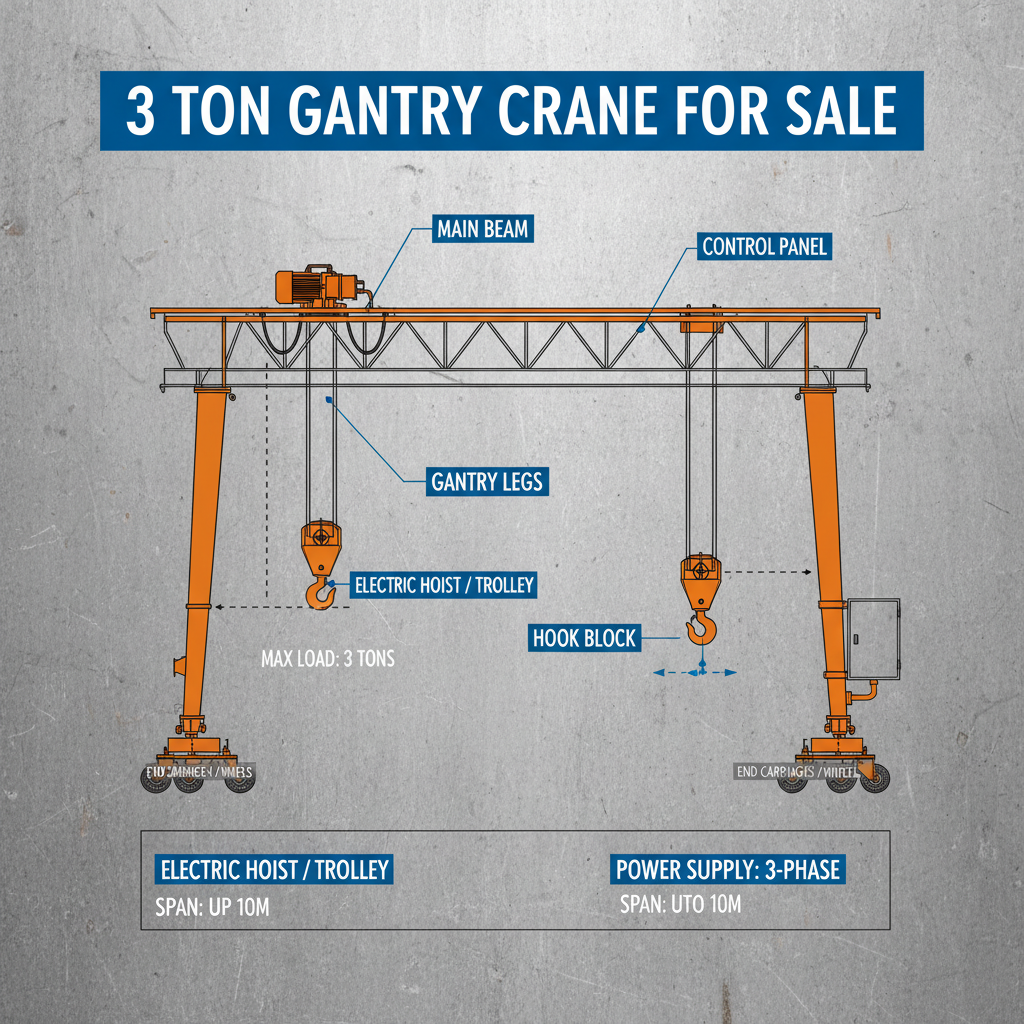
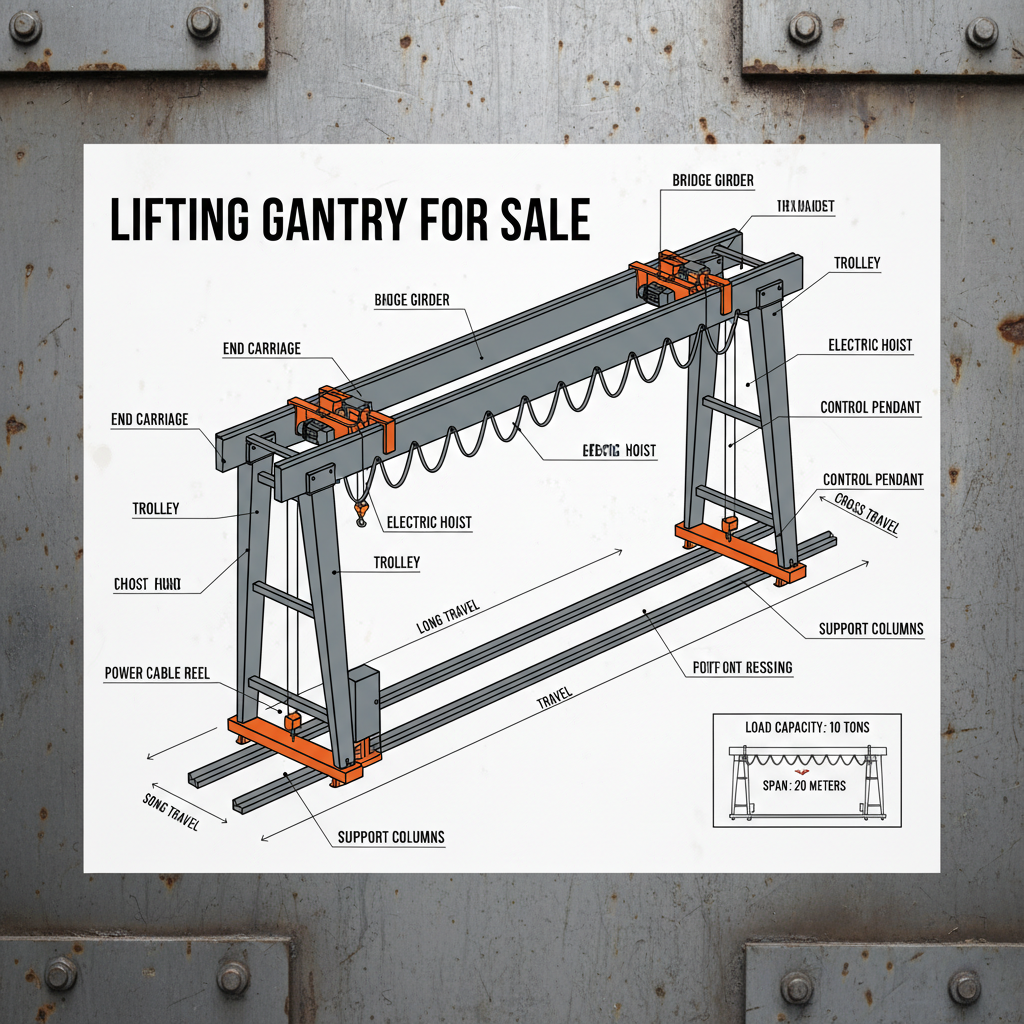
In its simplest form, a rolling gantry consists of a supporting frame (the gantry) mounted on a wheeled carriage. This carriage travels along a track, typically steel rails, allowing the gantry to move horizontally. The gantry itself usually incorporates a hoist, such as a chain hoist or wire rope hoist, to lift and lower loads. Modern designs incorporate sophisticated control systems, variable frequency drives, and safety features.
The connection between the rolling gantry and modern industry is inextricably linked to the principles of lean manufacturing and efficient material handling. By optimizing material flow and reducing cycle times, rolling gantries contribute directly to improved productivity and cost savings. This is particularly relevant in industries striving for just-in-time (JIT) inventory management and streamlined production processes.
In humanitarian contexts, rolling gantries can be crucial for rapidly deploying essential infrastructure and equipment. Their ability to handle heavy loads and operate in challenging environments makes them suitable for disaster relief, construction of temporary shelters, and establishing logistical hubs in affected areas.
Core Components and Features
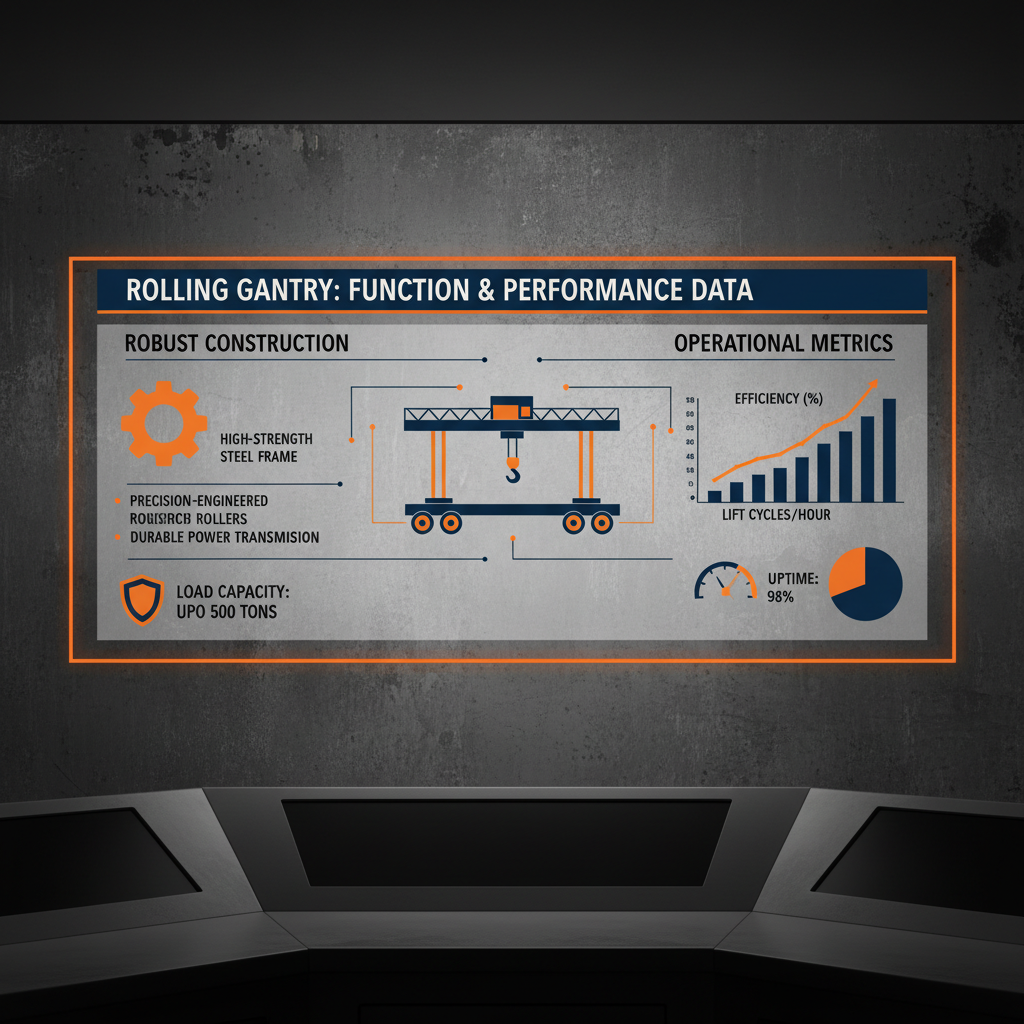
Several key factors define the performance and suitability of a rolling gantry system. These include its load capacity, span (the distance between the supporting legs), lift height, and travel speed. The specific requirements will depend on the intended application and the characteristics of the loads being handled. Proper selection of components is crucial to ensuring long-term reliability and safety.
Durability is a cornerstone of rolling gantry design. High-quality steel construction, robust wheel assemblies, and corrosion-resistant coatings are essential for withstanding harsh operating conditions and ensuring a long service life. Furthermore, the design should account for dynamic loads and potential stresses, incorporating appropriate safety factors. Scalability, meaning the potential to increase capacity or span, is also vital as operational needs evolve.
Cost efficiency is another critical factor. While the initial investment in a rolling gantry can be significant, the long-term benefits often outweigh the costs. Reduced labor requirements, increased productivity, and minimized downtime contribute to a faster return on investment. Proper maintenance and regular inspections are essential for maximizing the lifespan of the equipment and minimizing repair costs.
Key Performance Indicators of Rolling Gantries
Evaluating the performance of a rolling gantry involves considering several key indicators. These metrics allow for a comprehensive assessment of its efficiency, reliability, and overall value. Understanding these indicators is crucial for optimizing the system's operation and ensuring it meets the specific needs of the application.
These KPIs are vital for maintaining operational efficiency and identifying areas for improvement. Consistent monitoring and analysis of these metrics can lead to optimized performance, reduced costs, and extended equipment lifespan.
Rolling Gantry Performance Comparison
Global Applications and Use Cases
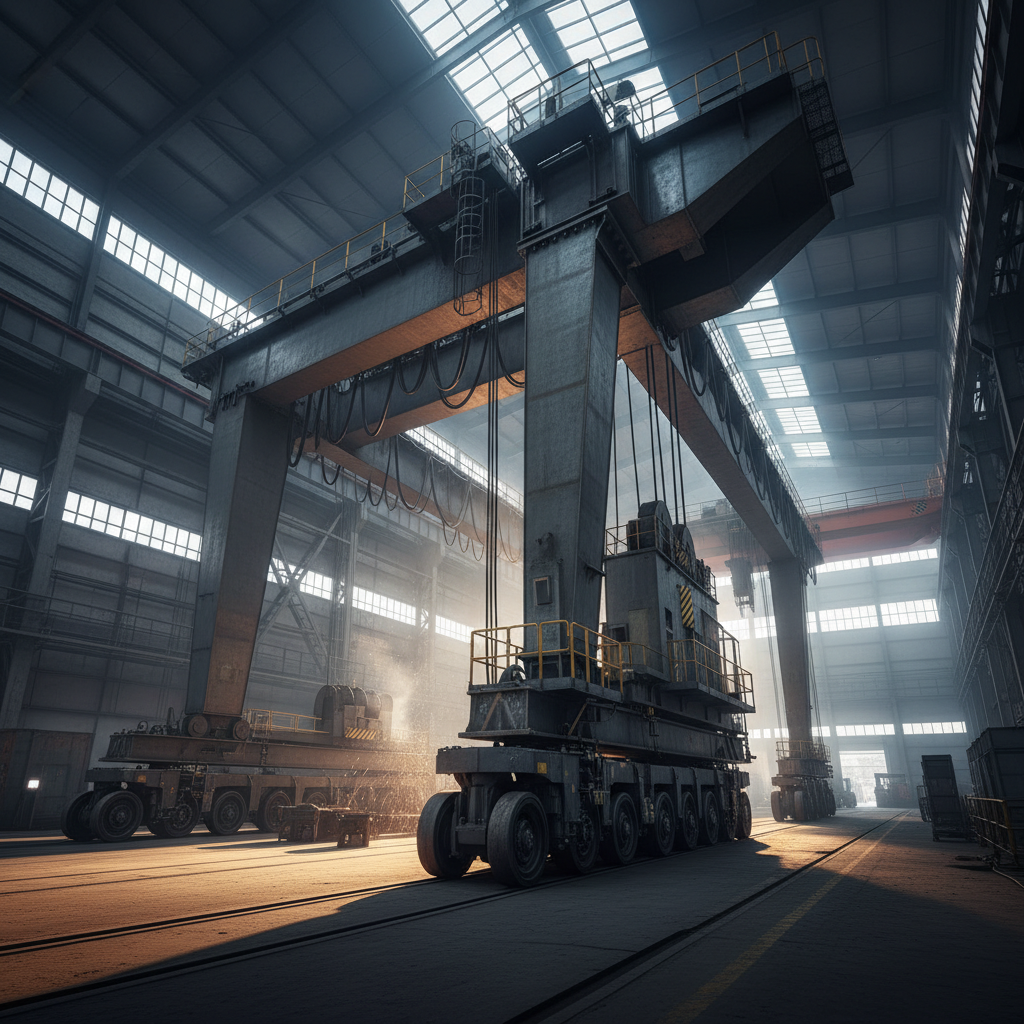
The versatility of rolling gantries makes them applicable to a wide range of industries and locations. In port operations, they are used for container handling and ship loading/unloading. Shipbuilding relies on them for assembling large hull sections and lifting heavy components. Construction projects utilize them for managing materials and lifting prefabricated elements.
In post-disaster relief operations, mobile rolling gantries can be rapidly deployed to clear debris, lift damaged structures, and facilitate the delivery of essential supplies. In remote industrial zones, where fixed infrastructure may be limited, they provide a flexible and cost-effective lifting solution. They are particularly prevalent in regions with significant manufacturing activity, such as China, Germany, and the United States.
Advantages and Long-Term Value
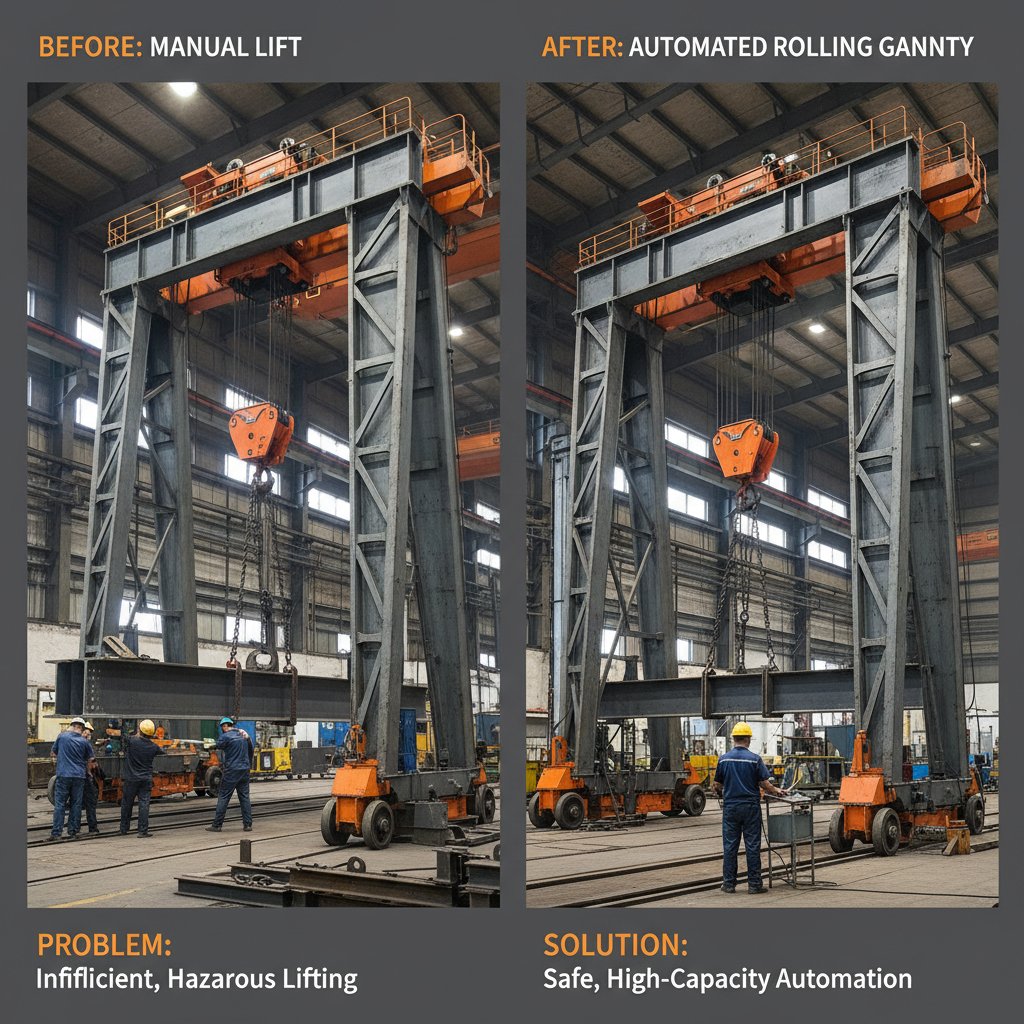
The advantages of employing a rolling gantry system are substantial. Reduced labor costs through automation, increased operational efficiency, improved safety, and enhanced flexibility are all significant benefits. The adaptability of these systems allows businesses to respond quickly to changing demands and optimize their material handling processes.
Beyond the purely economic benefits, rolling gantries contribute to a more sustainable and responsible industrial environment. By minimizing material waste, reducing energy consumption, and improving workplace safety, they align with the principles of corporate social responsibility. This fosters trust and strengthens relationships with stakeholders.
The long-term value is derived not only from the immediate operational improvements but also from the durability and reliability of well-maintained systems. Investing in high-quality components and implementing a comprehensive maintenance program ensures a long service life and minimizes the risk of costly downtime.
Future Trends and Innovations
The future of rolling gantry technology is focused on increased automation, integration with digital systems, and the adoption of sustainable materials and practices. Smart gantries equipped with sensors, data analytics, and remote control capabilities will become increasingly common, enabling predictive maintenance and optimized performance.
The incorporation of green energy solutions, such as solar power and energy-efficient motors, will reduce the environmental impact of these systems. Furthermore, advancements in materials science will lead to the development of lighter, stronger, and more durable gantry components. The integration of augmented reality (AR) for maintenance and operation is also a growing trend.
Digital twins – virtual replicas of the physical rolling gantry – will enable simulations and optimizations, allowing operators to test different scenarios and improve efficiency without disrupting actual operations. These innovations are poised to transform the role of rolling gantries in modern industry.
FAQS
Modern rolling gantries are equipped with numerous safety features, including overload protection, emergency stop buttons, limit switches, and audible/visual warning systems. Regular inspections and adherence to safety protocols are critical to ensuring safe operation. Compliance with ISO standards and relevant safety regulations is paramount. Proper training for operators and maintenance personnel is also essential.
The condition of the track is crucial for smooth and reliable rolling gantry operation. Misalignment, corrosion, or debris on the track can cause vibrations, increased wear, and potential safety hazards. Regular inspection and maintenance of the track, including cleaning, alignment checks, and repair of any damage, are essential. Utilizing high-quality track components is also critical.
Regular maintenance includes lubricating moving parts, inspecting wheels and bearings, checking the hoist mechanism, and verifying the functionality of safety features. Periodic inspections by qualified technicians are recommended to identify and address potential problems before they escalate. Maintaining detailed maintenance records is essential for tracking performance and scheduling preventative maintenance.
Yes, rolling gantries are highly customizable. Load capacity, span, lift height, and control systems can all be tailored to meet specific application requirements. Manufacturers can also incorporate specialized features such as anti-collision systems, remote monitoring capabilities, and customized lifting attachments. Properly assessing the application needs is crucial for effective customization.
With proper maintenance and operation, a rolling gantry can have a lifespan of 20-30 years or even longer. The lifespan is influenced by factors such as the quality of construction, the operating environment, the frequency of use, and the effectiveness of the maintenance program. Replacing worn components and addressing any damage promptly can significantly extend the lifespan.
While the initial cost of a rolling gantry can sometimes be higher than a comparable fixed gantry, the long-term cost benefits often outweigh the initial investment. The flexibility of a rolling gantry can eliminate the need for multiple fixed gantries, reducing overall infrastructure costs. Furthermore, the ability to optimize material flow and increase productivity can lead to significant cost savings over time.
Conclusion
Rolling gantries represent a significant advancement in material handling technology, offering a unique combination of strength, flexibility, and efficiency. Their ability to adapt to changing requirements, optimize material flow, and improve workplace safety makes them invaluable assets for a wide range of industries. As technology continues to evolve, rolling gantries will play an increasingly important role in driving productivity and sustainability.
Investing in a well-designed and properly maintained rolling gantry system can provide long-term benefits, including reduced operating costs, improved safety, and enhanced competitiveness. To explore the possibilities and find the perfect solution for your specific needs, visit our website today: www.daweihoisting.com.