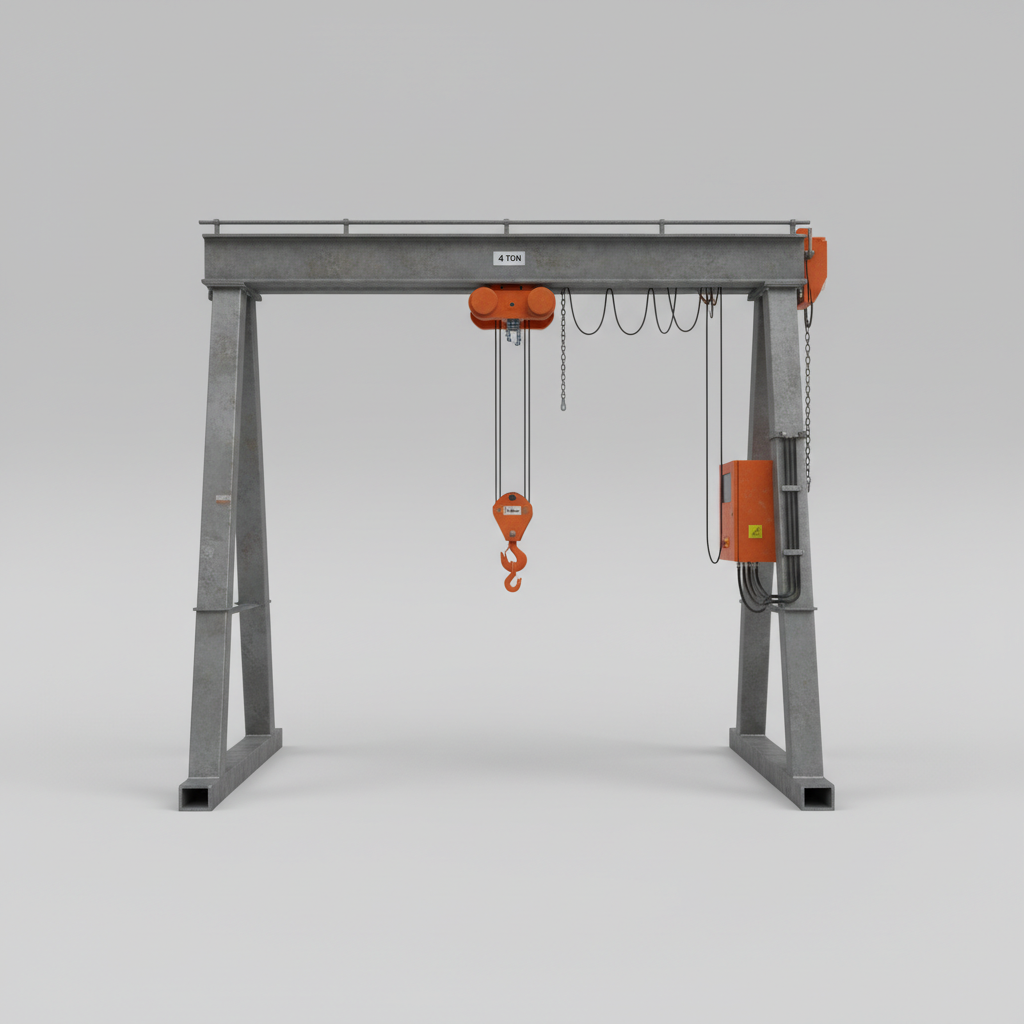
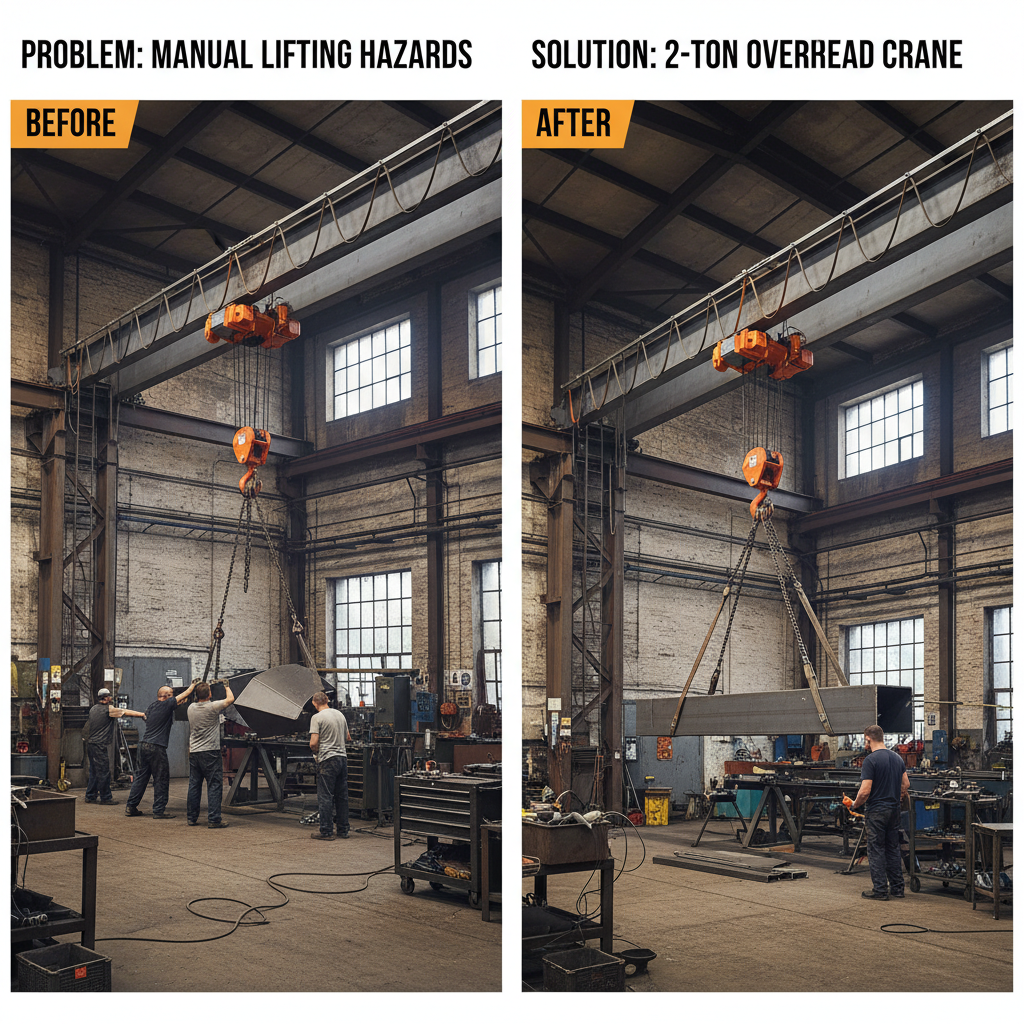
The modern industrial landscape relies heavily on efficient material handling, and at the heart of many operations lies the overhead travelling crane. These robust machines are pivotal in lifting and moving heavy loads across expansive areas, fundamentally altering how industries operate and contributing significantly to global productivity. Understanding their principles, applications, and evolving technologies is crucial for professionals in manufacturing, construction, logistics, and beyond. The benefits extend beyond mere efficiency, encompassing safety improvements, reduced labor costs, and enhanced operational flexibility.
Globally, the demand for overhead travelling cranes is intrinsically linked to infrastructure development and industrial growth. As nations invest in manufacturing and transportation networks, the need for reliable lifting solutions intensifies. According to the World Bank, global trade volume continues to rise, driving demand for port modernization and increased manufacturing output, both directly benefiting the overhead travelling crane market. The ISO standards governing crane safety and performance further underscore their importance in maintaining international trade and industrial integrity.
The increasing complexity of modern supply chains and the demand for faster turnaround times necessitate the use of advanced material handling equipment like the overhead travelling crane. Addressing the challenges of heavy lifting and precise positioning in diverse industrial environments is paramount, making the ongoing development and adoption of these cranes a critical aspect of global economic progress.
Introduction to overhead travelling crane
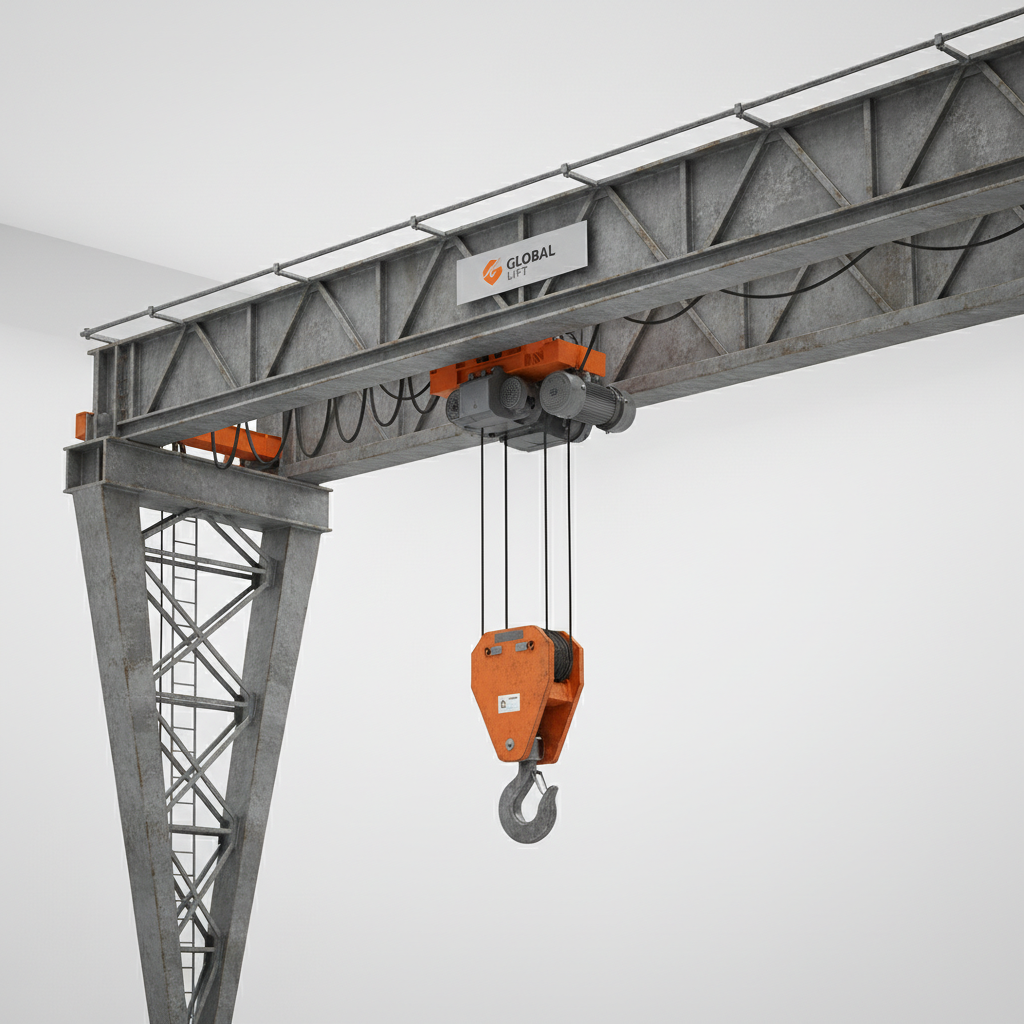
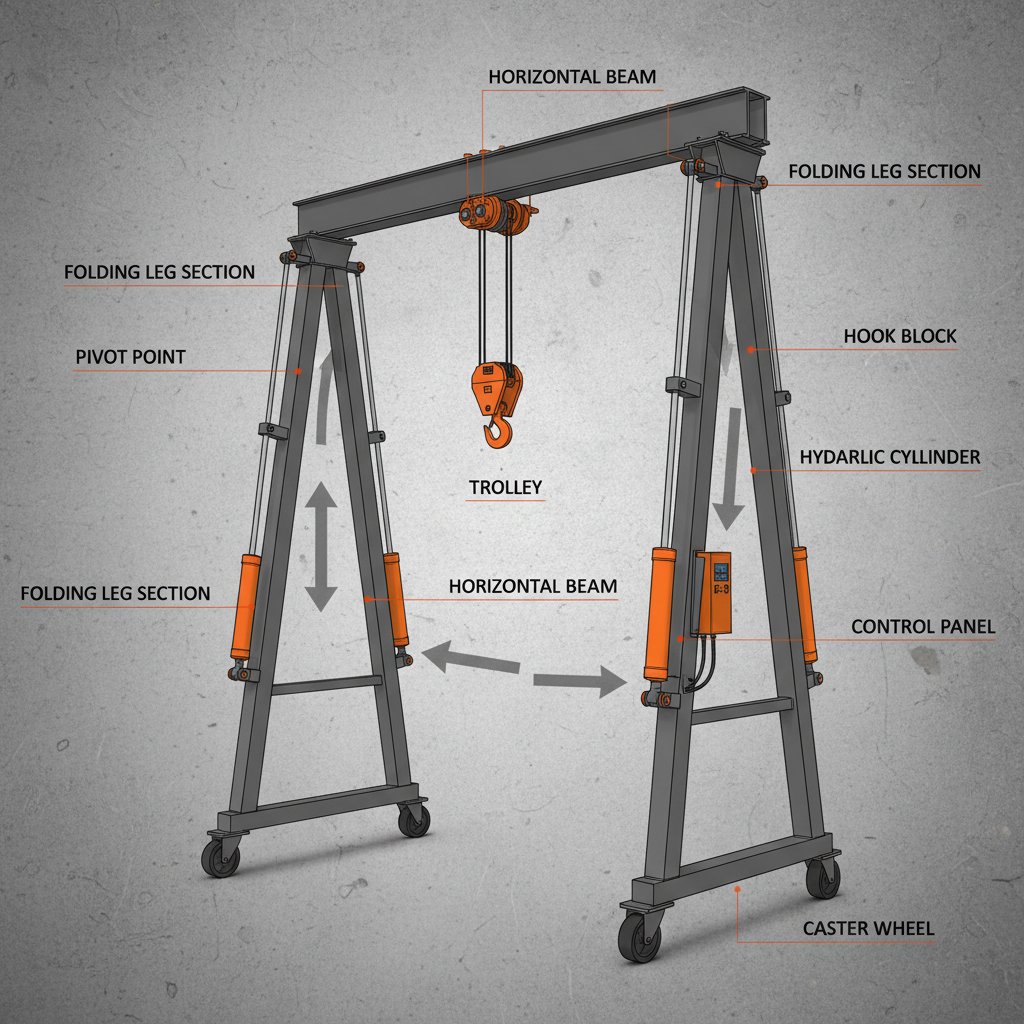
An overhead travelling crane is a type of crane commonly used in industrial settings for lifting and moving heavy materials. These cranes consist of parallel runways with a travelling bridge that supports a hoist, which is the lifting mechanism. They provide significant advantages in terms of coverage and load capacity compared to other lifting solutions, making them indispensable in various industries. Their ability to navigate over obstacles and maximize floor space utilization further enhances their value.
The prevalence of overhead travelling crane is tied to the need for efficient and safe material handling in modern production processes. From manufacturing plants and warehouses to construction sites and shipyards, these cranes play a critical role in streamlining operations and minimizing risks. Their robust construction and adaptable designs allow them to handle a wide range of loads and environmental conditions, making them a versatile asset for any organization.
Defining the overhead travelling crane
An overhead travelling crane is fundamentally a machine designed for lifting and moving heavy objects horizontally within a defined area. Unlike mobile cranes, which move around on wheels or tracks, overhead travelling cranes operate along fixed runways installed within a building or outdoor space. This configuration allows for precise control and high lifting capacities, making them ideal for repetitive lifting tasks in manufacturing, assembly, and logistics.
The connection to modern industry is undeniable. Overhead travelling cranes are integral to the production processes of countless industries, including steel manufacturing, automotive assembly, and power generation. They’re not just about lifting weight; they’re about precision, safety, and maximizing efficiency. The humanitarian applications, while less direct, are also significant, as these cranes are used in the construction of emergency shelters and the delivery of aid in disaster-stricken areas.
Essentially, the overhead travelling crane is a cornerstone of material handling infrastructure, enabling the movement of goods and materials that underpin global commerce and infrastructure development. Their reliability and capacity make them a critical component of modern supply chains and industrial operations.
Core Components & Key Features
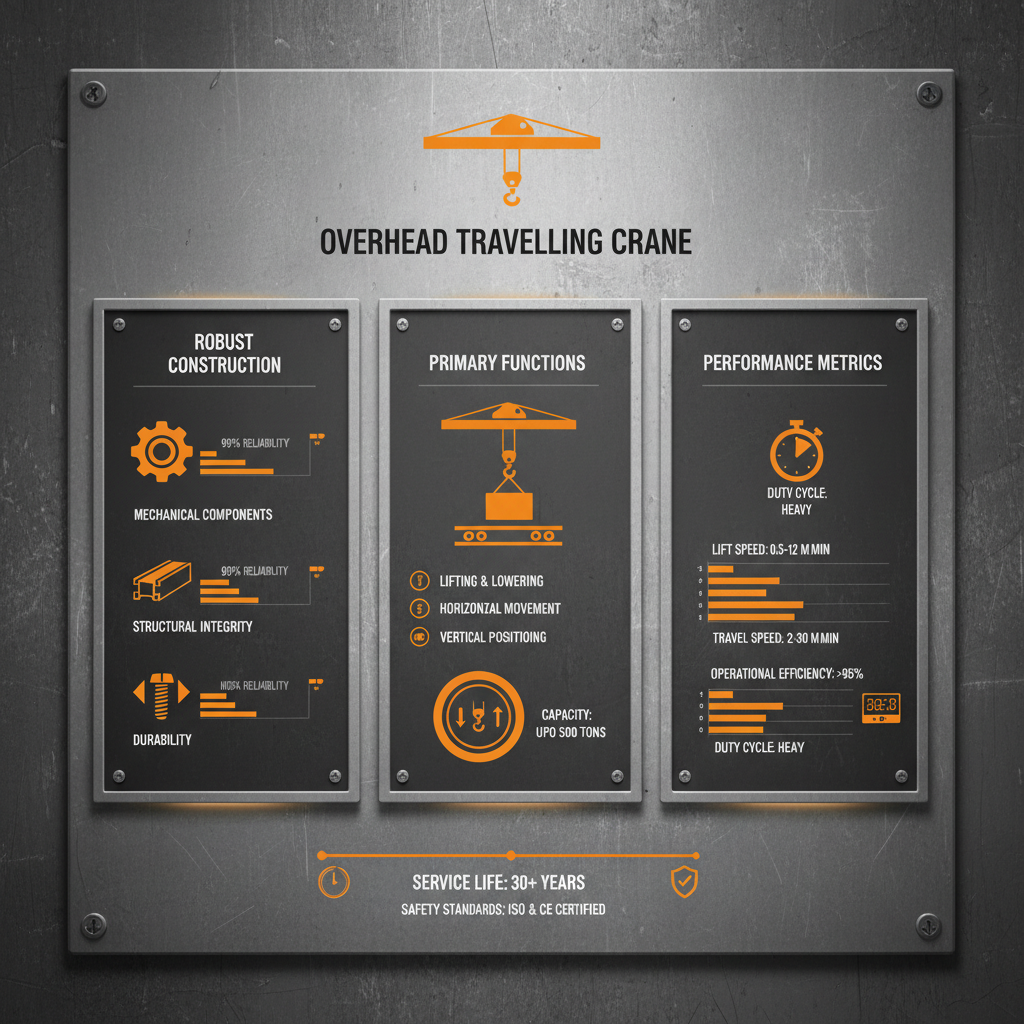
Several key factors contribute to the effectiveness and reliability of an overhead travelling crane. Durability is paramount, as these machines are often subjected to demanding workloads and harsh environmental conditions. High-quality steel construction, robust motors, and reliable braking systems are essential for long-term performance. The ability to withstand continuous use without significant maintenance is a key characteristic.
Load Capacity directly determines the range of materials a crane can handle. Overhead travelling cranes are available in a vast range of capacities, from a few tons to hundreds of tons, tailored to specific application requirements. Correctly specifying the load capacity is crucial for both safety and operational efficiency. Span and Height are also crucial, defining the coverage area and vertical reach of the crane, respectively.
Precision Control is vital for accurate positioning of loads. Modern cranes incorporate advanced control systems, including variable frequency drives (VFDs) and programmable logic controllers (PLCs), enabling smooth and precise movements. Safety Features are non-negotiable, encompassing overload protection, emergency stop buttons, and limit switches to prevent collisions and ensure operator safety. Maintenance Accessibility is important for minimizing downtime. Well-designed cranes provide easy access to key components for inspection and maintenance.
Global Applications of overhead travelling crane
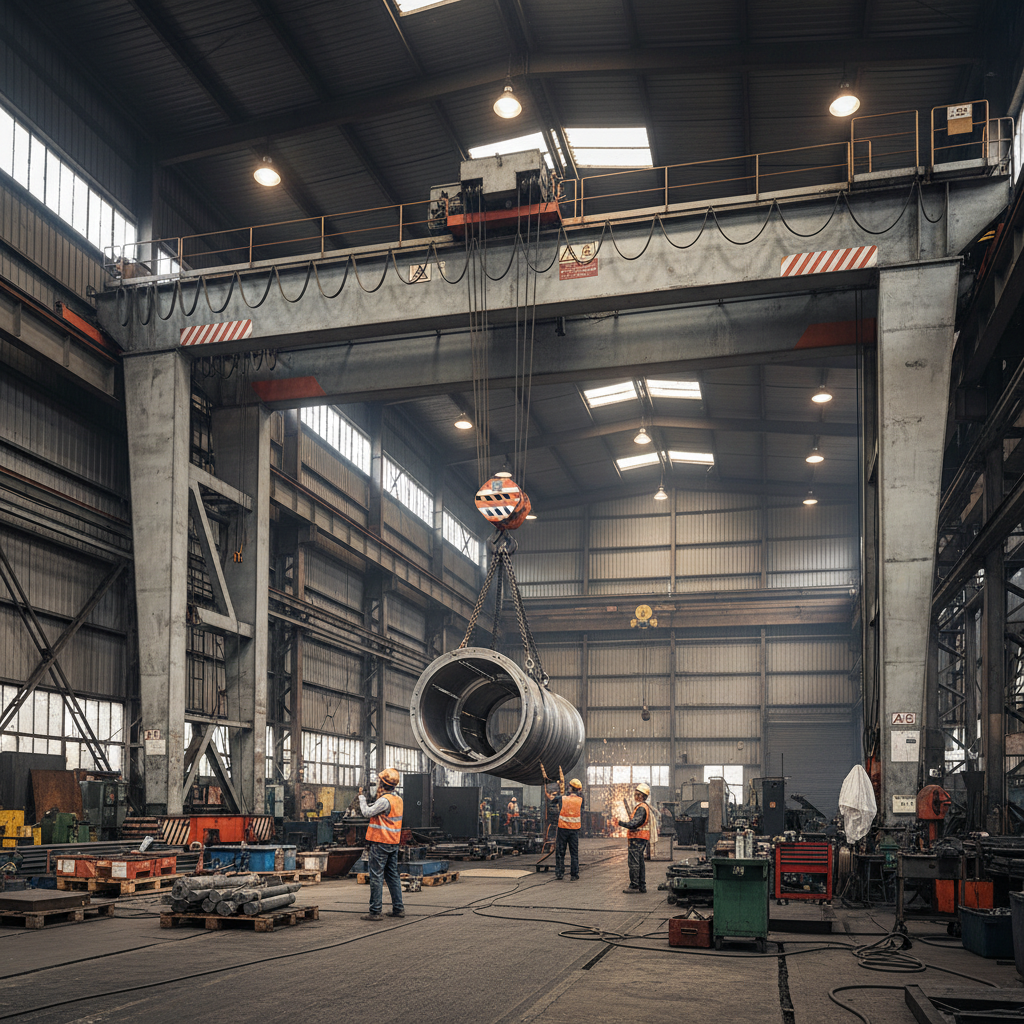
The applications of overhead travelling crane are remarkably diverse. In manufacturing plants, they lift raw materials, move work-in-progress, and load finished goods onto trucks or trains. Within steel mills, they handle heavy steel slabs and coils with ease. Shipyards utilize large-capacity cranes to assemble and launch vessels, a testament to their immense lifting capabilities.
The construction industry relies heavily on these cranes for erecting structural steel, precast concrete, and other building materials. In warehousing and logistics, they facilitate efficient storage and retrieval of goods, optimizing space utilization and streamlining inventory management. In remote industrial zones, where space is limited and heavy lifting is essential, overhead travelling crane offer a practical and cost-effective solution.
In post-disaster relief operations, smaller overhead travelling crane can be rapidly deployed to clear debris and assist in the reconstruction process. Throughout Europe and Asia, modernized ports leverage these cranes to handle massive container volumes, ensuring efficient global trade. In North America, automotive assembly plants utilize precise overhead lifting systems for assembling vehicle components.
overhead travelling crane Efficiency Comparison
Advantages & Long-Term Value
The advantages of implementing overhead travelling crane are multifaceted. Cost Efficiency stems from reduced labor requirements, faster material handling, and optimized space utilization. The ability to move large loads quickly and safely translates directly into increased productivity and lower operational costs. Sustainability is increasingly relevant, as efficient lifting reduces energy consumption compared to alternative methods.
Safety is paramount; overhead travelling crane, when properly maintained and operated, significantly reduce the risk of worker injuries associated with manual lifting. Reliability ensures minimal downtime and consistent performance, contributing to uninterrupted production schedules. Increased floor space is a major benefit, allowing for more efficient layout and workflow.
Future Trends & Innovations
The future of overhead travelling crane is focused on integration with Industry 4.0 technologies. Automation through the use of sensors, AI, and robotic controls will enhance precision, safety, and efficiency. The development of smart cranes capable of self-diagnosis and predictive maintenance will minimize downtime and reduce maintenance costs.
The adoption of green technologies, such as energy-efficient motors and regenerative braking systems, is gaining momentum, contributing to a smaller environmental footprint. The rise of digital twin technology enables virtual modeling and optimization of crane operations, improving performance and reducing risks.
Challenges & Solutions
Despite their numerous advantages, overhead travelling crane also present certain challenges. Initial Investment Costs can be substantial, particularly for large-capacity cranes and complex installations. Maintenance Requirements are ongoing, demanding regular inspections, lubrication, and component replacements. Ensuring Operator Training and adherence to safety protocols is crucial to prevent accidents.
Solutions include exploring leasing options to reduce upfront costs, implementing preventive maintenance programs to extend crane lifespan, and investing in advanced training simulators to enhance operator skills. Utilizing remote monitoring systems can proactively identify potential issues before they escalate into major breakdowns.
The development of modular crane designs that are easier to install and maintain presents a promising avenue for addressing some of these challenges. Focusing on standardization of components and interfaces can also lower costs and improve interoperability.
Summary of Overhead Travelling Crane Challenges and Solutions
| Challenge |
Impact on overhead travelling crane Operations |
Proposed Solution |
Implementation Cost (Scale 1-10) |
| High Initial Investment |
Limits access for smaller businesses |
Leasing programs, phased implementation |
4 |
| Regular Maintenance |
Downtime, increased operational costs |
Preventive maintenance schedules, remote monitoring |
6 |
| Operator Training |
Safety risks, potential equipment damage |
Comprehensive training programs, simulator use |
5 |
| Space Constraints |
Limited application in certain facilities |
Compact crane designs, optimized layout planning |
7 |
| Integration Complexity |
Challenges with automation & data systems |
Standardized interfaces, expert system integration |
8 |
| Environmental Impact |
Energy consumption, noise pollution |
Energy-efficient components, noise reduction technologies |
3 |
FAQS
The lifespan of an overhead travelling crane can vary significantly based on usage, maintenance, and environmental conditions. However, with regular inspections and preventive maintenance, a well-built crane can reliably operate for 20-30 years, or even longer. Factors like load frequency, load weight, and exposure to corrosive environments will impact its longevity. Implementing a robust maintenance schedule is key to maximizing its lifespan and ensuring continued safe operation.
Essential safety features include overload protection, emergency stop buttons readily accessible to the operator, limit switches to prevent overtravel, visual and audible warning systems, and properly maintained braking systems. Regular inspections of all safety components are crucial, along with operator training on safe lifting practices and emergency procedures. Compliance with relevant safety standards, such as those set by OSHA or ISO, is also paramount.
Regular maintenance includes inspecting the hoist ropes, chains, and sheaves for wear and tear; lubricating moving parts; checking the brakes; verifying the operation of limit switches and emergency stop buttons; and inspecting the structural components for signs of fatigue or corrosion. A detailed maintenance schedule should be developed and followed, with regular inspections performed by qualified personnel.
The cost of an overhead travelling crane varies widely depending on its capacity, span, height, features, and manufacturer. Smaller, lighter-duty cranes can cost a few thousand dollars, while large-capacity, custom-engineered cranes can easily exceed hundreds of thousands of dollars. Installation costs, site preparation, and ongoing maintenance expenses should also be factored into the total cost of ownership.
Yes, overhead travelling crane can be automated to a significant degree. Automation can involve integrating the crane with sensors, PLCs, and robotic controls to enable automatic lifting, positioning, and material handling. Automated cranes offer increased precision, efficiency, and safety, and can operate with minimal human intervention, particularly in repetitive tasks.
Key factors include the required lifting capacity, the span and height needed for the application, the frequency of use, the type of materials being lifted, the environmental conditions, and the available space. It’s also important to consider the power supply requirements, safety features, and the availability of qualified maintenance personnel. Consulting with a crane specialist is highly recommended to ensure the selection of the appropriate crane for your specific needs.
Conclusion
The overhead travelling crane remains a cornerstone of modern material handling, enabling efficient and safe lifting operations across a vast range of industries. Its durability, adaptability, and increasing integration with advanced technologies solidify its position as a critical component of global infrastructure and industrial productivity. Understanding its core principles, applications, and future trends is essential for professionals seeking to optimize their operations and enhance their competitive edge.
Looking ahead, the continued development of automated, energy-efficient, and digitally-connected overhead travelling crane will drive further improvements in safety, efficiency, and sustainability. Investing in these technologies and prioritizing operator training will be crucial for unlocking their full potential and ensuring their long-term value. Visit our website at overhead travelling crane to learn more.