The 4 ton gantry crane is an essential piece of lifting equipment used across a multitude of industries globally. Its versatility and relative affordability make it a crucial tool for material handling, construction, and manufacturing. From bustling ports to sprawling fabrication yards, the 4 ton gantry crane enhances operational efficiency and safety, streamlining workflows and reducing manual labor. Understanding its capabilities and applications is paramount for businesses seeking optimized lifting solutions.
The demand for reliable lifting solutions, particularly in emerging economies, is driving increased adoption of 4 ton gantry cranes. This trend is coupled with a growing need for customizable lifting equipment to address specific operational challenges. The global market for gantry cranes is experiencing consistent growth, projected to continue as infrastructure development and industrial output increase worldwide. Statistics from the UN Industrial Development Organization (UNIDO) highlight the rising demand for such equipment in developing nations.
The rise in e-commerce and subsequent warehousing needs have further amplified the importance of efficient material handling, and the 4 ton gantry crane provides a cost-effective solution for managing inventory and logistics. Addressing the challenges of modern supply chains, the 4 ton gantry crane provides a strong link in logistical efficiency and operational prowess.
Introduction to the 4 Ton Gantry Crane
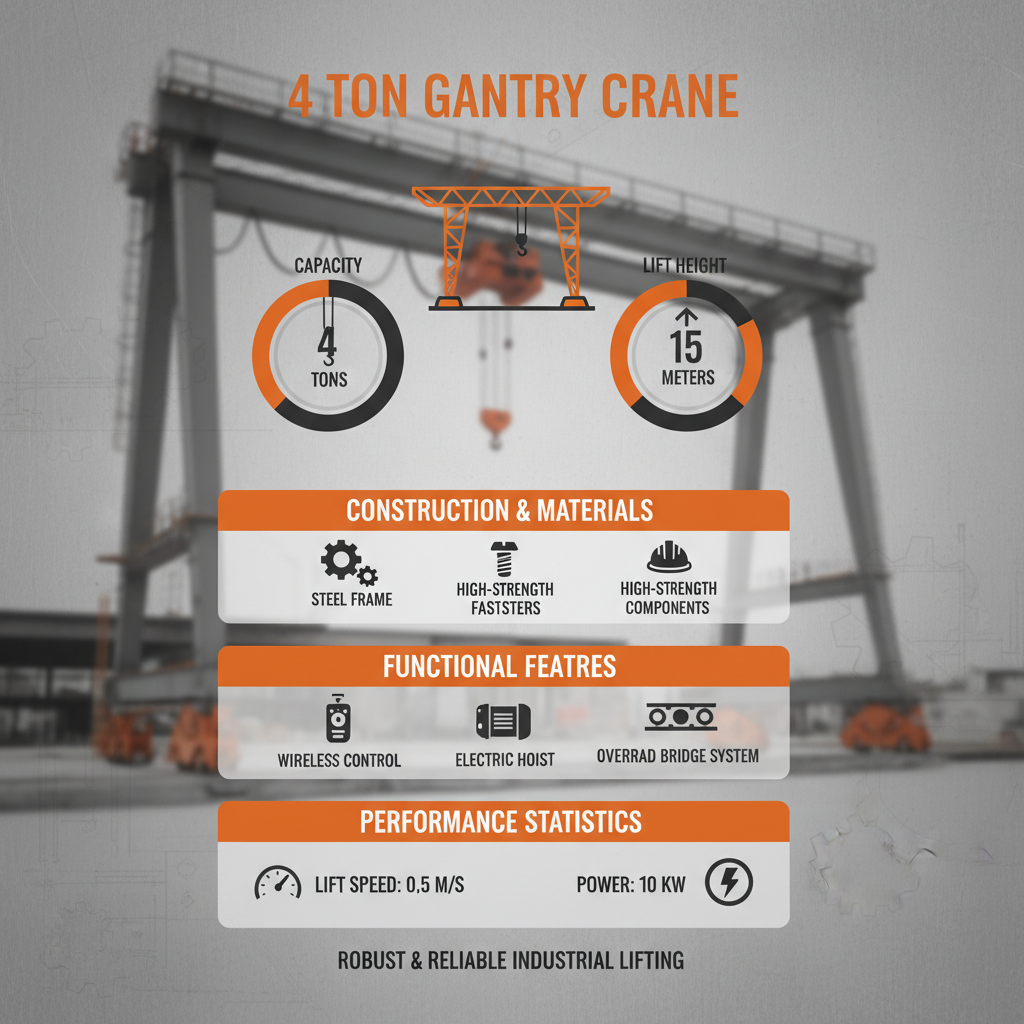
The 4 ton gantry crane represents a fundamental component in many logistical and construction environments. It's designed to lift and move materials weighing up to four metric tons, offering a balance between lifting capacity and portability. This makes it ideal for sites where overhead cranes are impractical or unavailable. The 4 ton capacity provides versatility for handling a range of materials, from prefabricated structures to machinery components.
The crane's design often includes adjustable height and span, allowing it to be customized to specific site conditions. These features, combined with its relatively simple setup, contribute to its widespread use in both indoor and outdoor settings. The increasing demand for these cranes underscores their importance in modern material handling systems. You can find a variety of models, including 4 ton gantry crane options, tailored to specific needs.
Defining the 4 Ton Gantry Crane
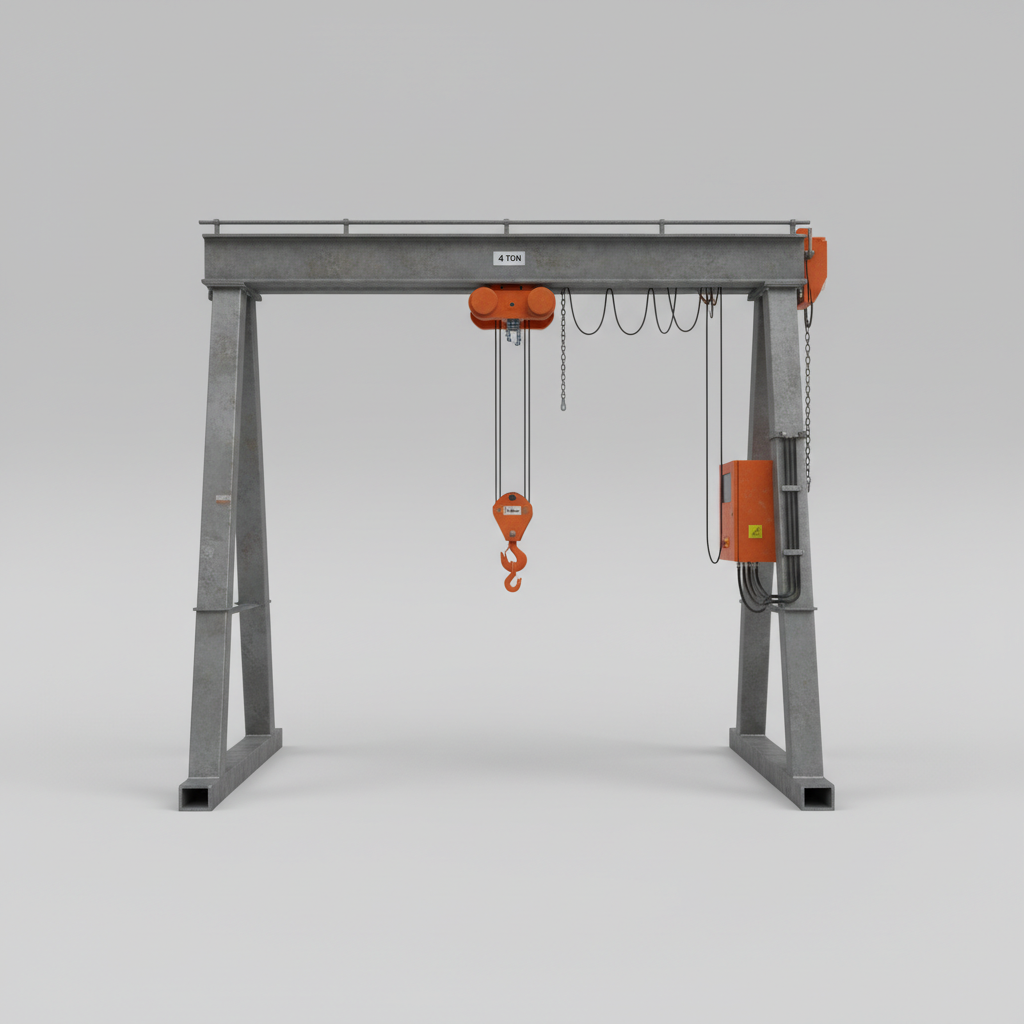
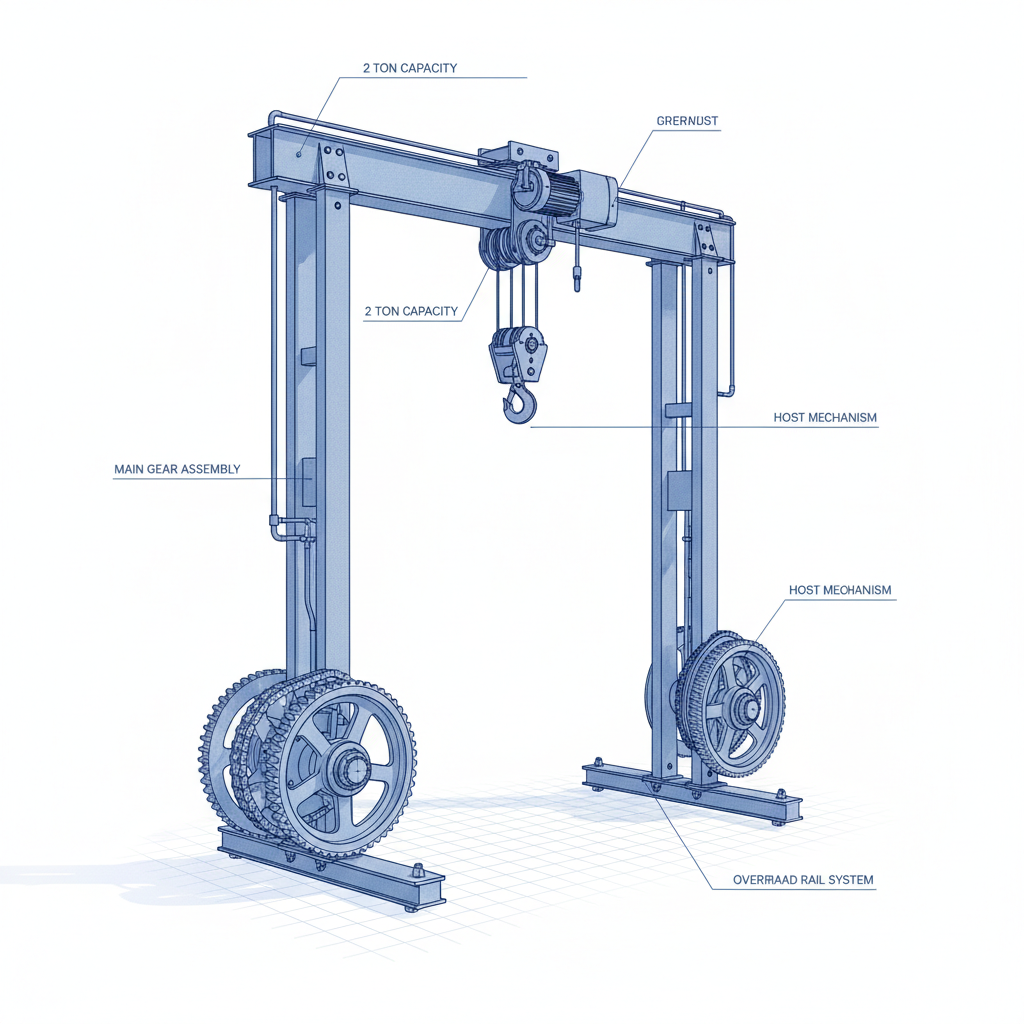
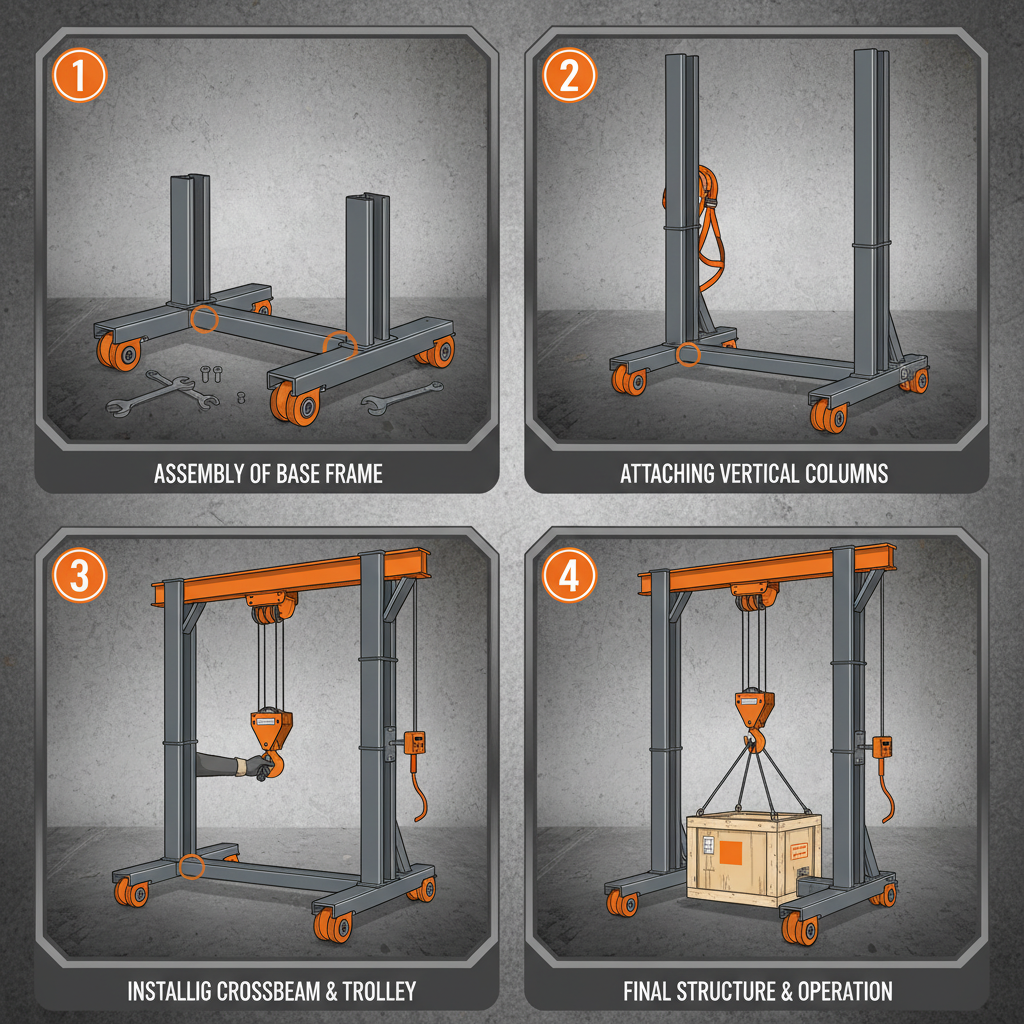
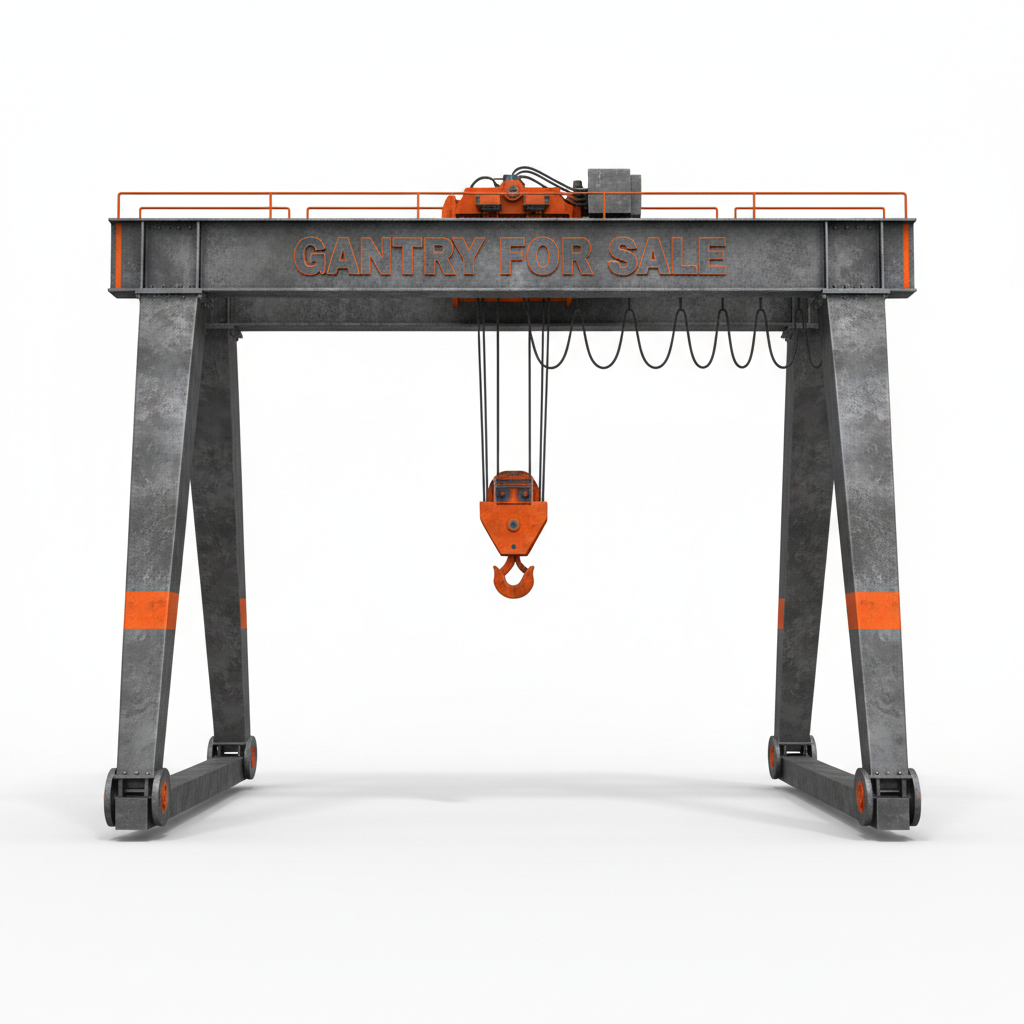
A 4 ton gantry crane is essentially a crane mounted on a wheeled frame, allowing it to move along the ground. Unlike overhead cranes which require a fixed overhead support structure, gantry cranes are self-supporting. The ‘4 ton’ designation refers to the maximum weight the crane can safely lift. They typically consist of two A-shaped supports (legs) that travel on rails, with a beam across the top from which a hoist is suspended.
This configuration allows for efficient lifting and movement of materials across a defined area. The simplicity of the design contributes to its relatively low cost and easy maintenance. The 4 ton gantry crane is a cornerstone of modern industry, playing a crucial role in everything from manufacturing and construction to shipping and logistics.
Its contribution extends to humanitarian efforts, providing a robust solution for disaster relief by facilitating the rapid movement of essential supplies and equipment to affected areas.
Core Characteristics of 4 Ton Gantry Cranes
One key characteristic of a 4 ton gantry crane is its portability. The wheeled design allows for easy relocation within a facility or between job sites, offering flexibility unmatched by fixed cranes. This portability reduces downtime and improves overall efficiency.
Durability is another crucial factor. 4 ton gantry cranes are typically constructed from heavy-duty steel, making them capable of withstanding harsh environments and heavy loads. Proper maintenance ensures a long service life, minimizing replacement costs. The robust construction of these cranes guarantees operational reliability, essential for critical lifting tasks.
Adjustability is a significant benefit, with many models offering adjustable height and span. This flexibility allows the crane to be tailored to specific lifting requirements and workspace limitations. Finally, ease of operation is paramount; most 4 ton gantry cranes are relatively simple to operate, requiring minimal training for personnel.
Global Applications of 4 Ton Gantry Cranes
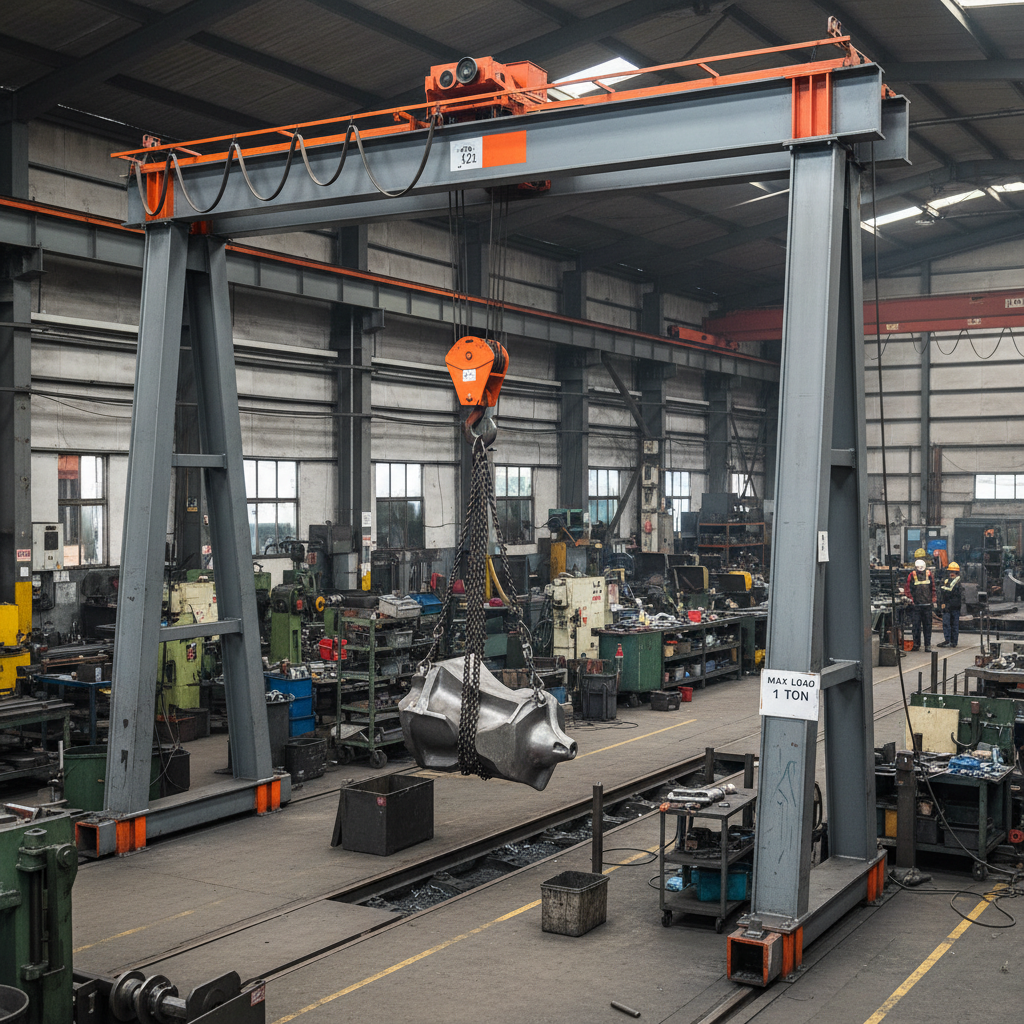
4 ton gantry cranes find widespread use across numerous industries worldwide. In the construction sector, they are essential for lifting and positioning building materials, prefabricated components, and heavy machinery. In manufacturing facilities, they streamline the movement of raw materials, work-in-progress goods, and finished products.
Shipyards utilize 4 ton gantry cranes for handling cargo, equipment, and ship components. The logistics and warehousing industries rely on them for efficient loading, unloading, and storage of goods. In remote industrial zones where infrastructure is limited, 4 ton gantry cranes offer a cost-effective lifting solution.
Specifically, in post-disaster relief operations, these cranes can quickly move debris and deliver essential supplies. In regions like Southeast Asia, where infrastructure projects are rapidly expanding, the demand for 4 ton gantry cranes continues to grow. Furthermore, organizations involved in infrastructure development in Africa increasingly employ these cranes to support construction and logistical needs.
4 Ton Gantry Crane Application Distribution
Advantages and Value Proposition
The primary advantage of a 4 ton gantry crane is its cost-effectiveness. Compared to installing a permanent overhead crane, a gantry crane requires significantly lower initial investment. It also reduces the need for extensive site modifications. Furthermore, the operational efficiency gains translate to tangible cost savings over the crane's lifespan.
Safety is another crucial benefit. By providing a controlled lifting mechanism, gantry cranes reduce the risk of manual handling injuries and improve workplace safety. Their robust construction ensures reliable operation, minimizing the potential for accidents. Investing in a reliable 4 ton gantry crane like those offered by 4 ton gantry crane suppliers builds trust and ensures efficient operations.
Future Trends in Gantry Crane Technology
The future of 4 ton gantry crane technology is leaning towards increased automation and integration with digital systems. Expect to see more cranes equipped with remote control systems and sensor technology for precise load monitoring and collision avoidance. Furthermore, advancements in materials science will lead to lighter, stronger, and more durable crane components.
The integration of Internet of Things (IoT) devices will enable predictive maintenance, reducing downtime and extending the crane's service life. Sustainable designs, incorporating energy-efficient motors and eco-friendly materials, will also become increasingly prevalent, addressing growing environmental concerns.
Challenges and Mitigation Strategies
One common challenge associated with 4 ton gantry cranes is ensuring stability, particularly when handling heavy loads or operating on uneven surfaces. Proper foundation preparation and load distribution are crucial for mitigating this risk. Regular inspections and maintenance are also essential for identifying and addressing potential issues.
Another challenge is the need for skilled operators. Adequate training is vital to ensure safe and efficient crane operation. Investing in operator training programs and adhering to strict safety protocols can significantly reduce the risk of accidents. Space limitations can also pose a challenge; carefully assessing the workspace and selecting a crane with the appropriate span and height are essential considerations.
Finally, environmental conditions, such as strong winds, can impact crane stability. Implementing wind speed monitoring systems and establishing clear operating procedures for adverse weather conditions can help minimize risk.
Summary of Challenges & Mitigation Strategies for 4 Ton Gantry Cranes
| Challenge |
Severity (1-10) |
Mitigation Strategy |
Cost of Implementation |
| Instability on Uneven Surfaces |
7 |
Proper Foundation, Load Distribution |
Low |
| Operator Error |
8 |
Comprehensive Training, Safety Protocols |
Medium |
| Space Constraints |
6 |
Careful Crane Selection, Workspace Assessment |
Low |
| Adverse Weather Conditions |
5 |
Wind Monitoring, Operating Procedures |
Medium |
| Mechanical Failure |
4 |
Regular Inspections, Preventative Maintenance |
Low to Medium |
| Corrosion & Environmental Damage |
3 |
Protective Coatings, Regular Cleaning |
Low |
FAQS
Lead times for a 4 ton gantry crane can vary depending on customization requirements and current manufacturing demand. Generally, standard models are available within 4-6 weeks, while customized solutions may take 8-12 weeks. Factors influencing delivery include component sourcing, fabrication time, and shipping logistics. Contacting a supplier like 4 ton gantry crane specialists will provide the most accurate estimate for your specific needs.
Regular maintenance is crucial for ensuring the longevity and safe operation of a 4 ton gantry crane. Key maintenance tasks include inspecting and lubricating moving parts, checking the hoist mechanism, examining the wheels and rails for wear, and verifying the integrity of all safety devices. It’s recommended to follow a scheduled maintenance plan developed by the manufacturer and to have a qualified technician perform annual inspections.
Most 4 ton gantry cranes come equipped with several essential safety features. These typically include overload protection, emergency stop buttons, limit switches to prevent over-travel, and audible warning signals. Some models may also include anti-collision systems and remote monitoring capabilities. Always ensure the crane meets relevant safety standards and regulations.
The primary difference lies in the beam structure. Single girder cranes use a single beam, suited for lighter loads and shorter spans. Double girder cranes utilize two beams, offering greater stability and lifting capacity, making them ideal for heavier loads and longer spans. The choice depends on the specific application and lifting requirements.
Yes, 4 ton gantry cranes can be used outdoors, but it’s crucial to select a model designed for outdoor use. This typically includes corrosion-resistant coatings, weatherproof electrical components, and features to withstand wind and other environmental factors. Regular maintenance is particularly important for outdoor cranes to prevent rust and ensure reliable operation.
When selecting a supplier, consider their experience, reputation, product quality, and after-sales service. Look for a supplier who offers customization options, competitive pricing, and comprehensive support, including installation, training, and maintenance. A supplier like 4 ton gantry crane should also provide clear documentation and adhere to industry safety standards.
Conclusion
In conclusion, the 4 ton gantry crane remains a vital tool for a diverse range of industries, offering a cost-effective, versatile, and safe solution for material handling. Its adaptability to various environments, coupled with its increasing integration with advanced technologies, ensures its continued relevance in modern operations. Understanding the core characteristics, applications, and future trends surrounding this equipment is paramount for businesses seeking to optimize their lifting processes.
Investing in a quality 4 ton gantry crane and prioritizing proper maintenance and operator training will yield significant long-term benefits, enhancing productivity, reducing operational costs, and ensuring workplace safety. As technology continues to evolve, the 4 ton gantry crane will undoubtedly play an increasingly important role in driving efficiency and innovation across various sectors. Visit our website at www.daweihoisting.com to explore our range of gantry crane solutions.