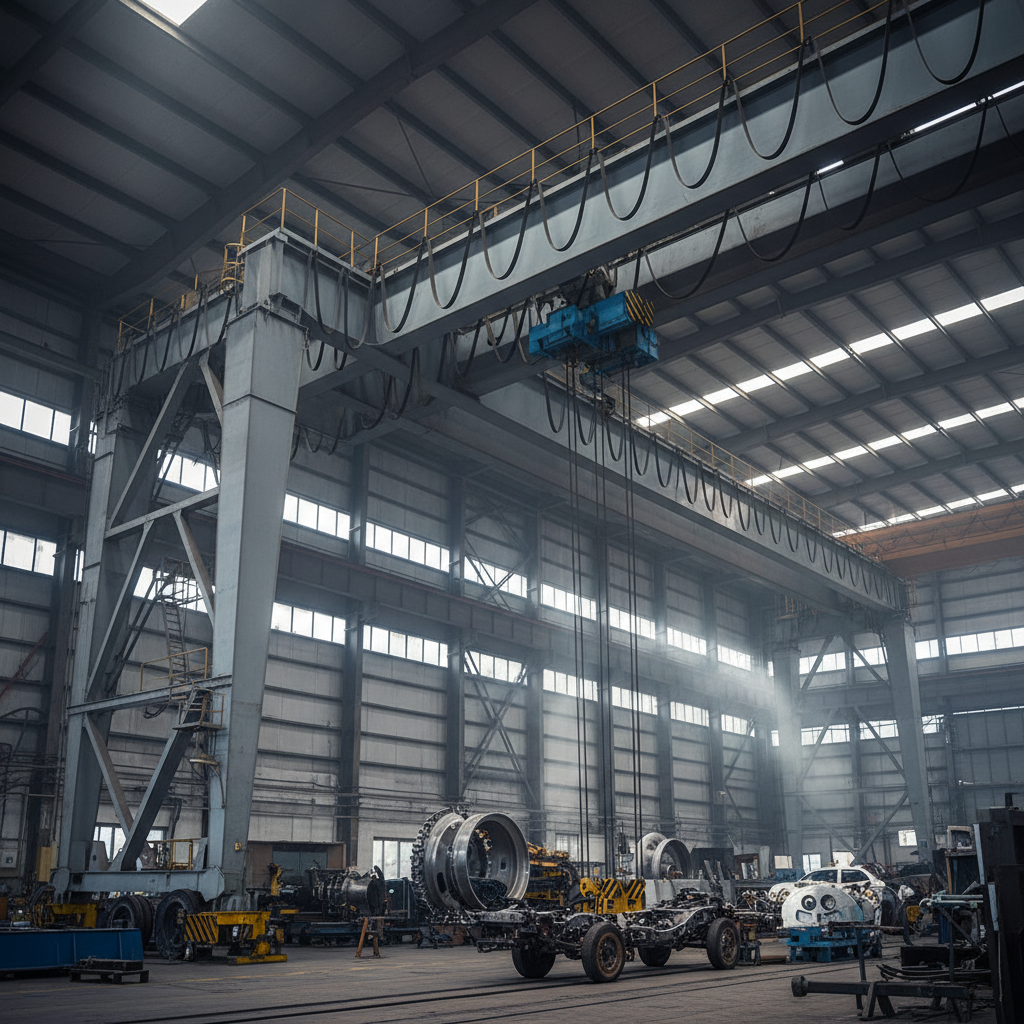
The 2 ton gantry crane represents a crucial component in modern lifting and material handling solutions, playing an increasingly vital role across diverse industries. Its versatility, coupled with a manageable load capacity, makes it ideal for both indoor and outdoor applications, significantly enhancing operational efficiency and safety. Understanding the nuances of a 2 ton gantry, from its construction to its practical implementations, is paramount for businesses aiming to optimize their logistical processes and reduce costs.
Globally, the demand for efficient material handling equipment is driven by the growth of manufacturing, construction, and infrastructure projects. The United Nations Industrial Development Organization (UNIDO) emphasizes the importance of robust logistical infrastructure for sustainable industrial development. A 2 ton gantry provides a cost-effective solution for businesses in developing nations seeking to improve their capabilities, while also offering a reliable option for established companies in mature economies.
However, challenges remain regarding safe operation and maintenance, particularly in regions with limited training resources. Addressing these concerns requires a commitment to standardized safety protocols and accessible technical support, ensuring the long-term reliability and effectiveness of these essential machines.
Introduction to 2 ton gantry
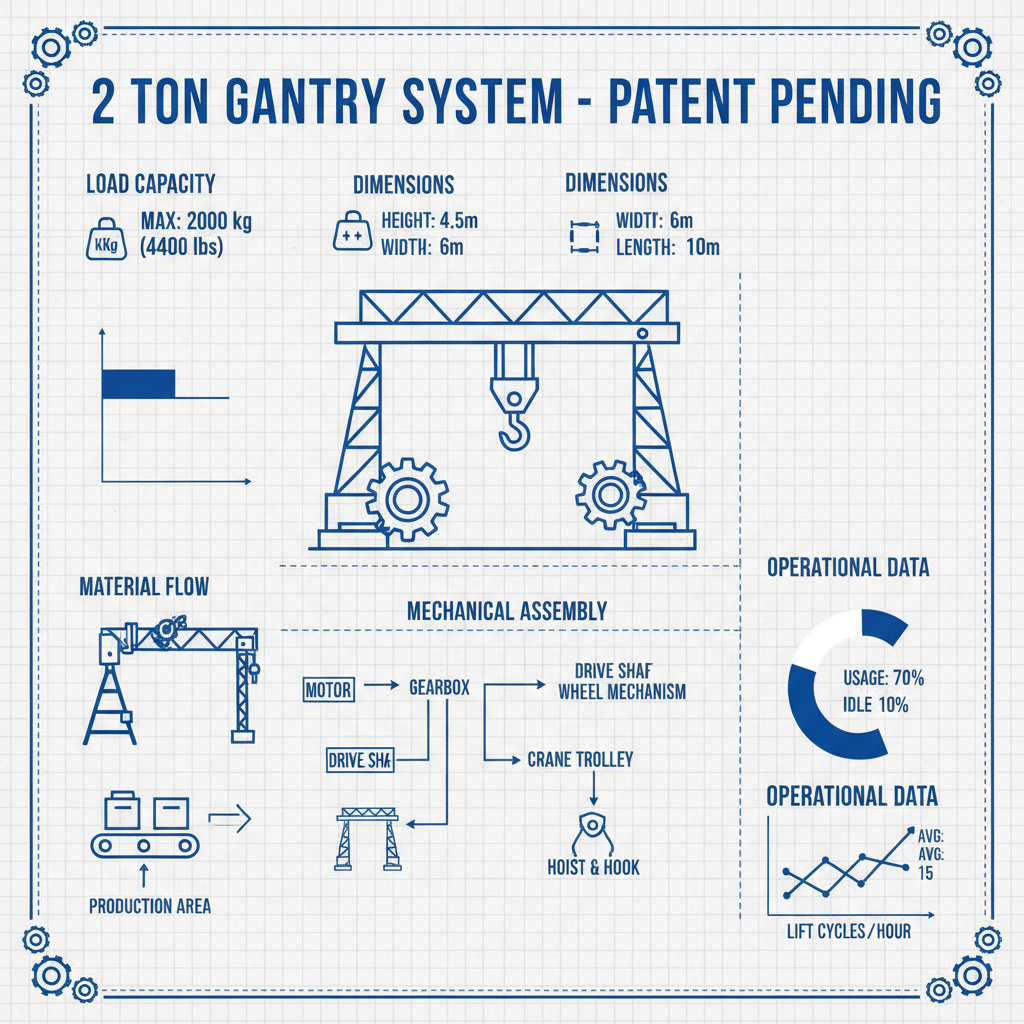
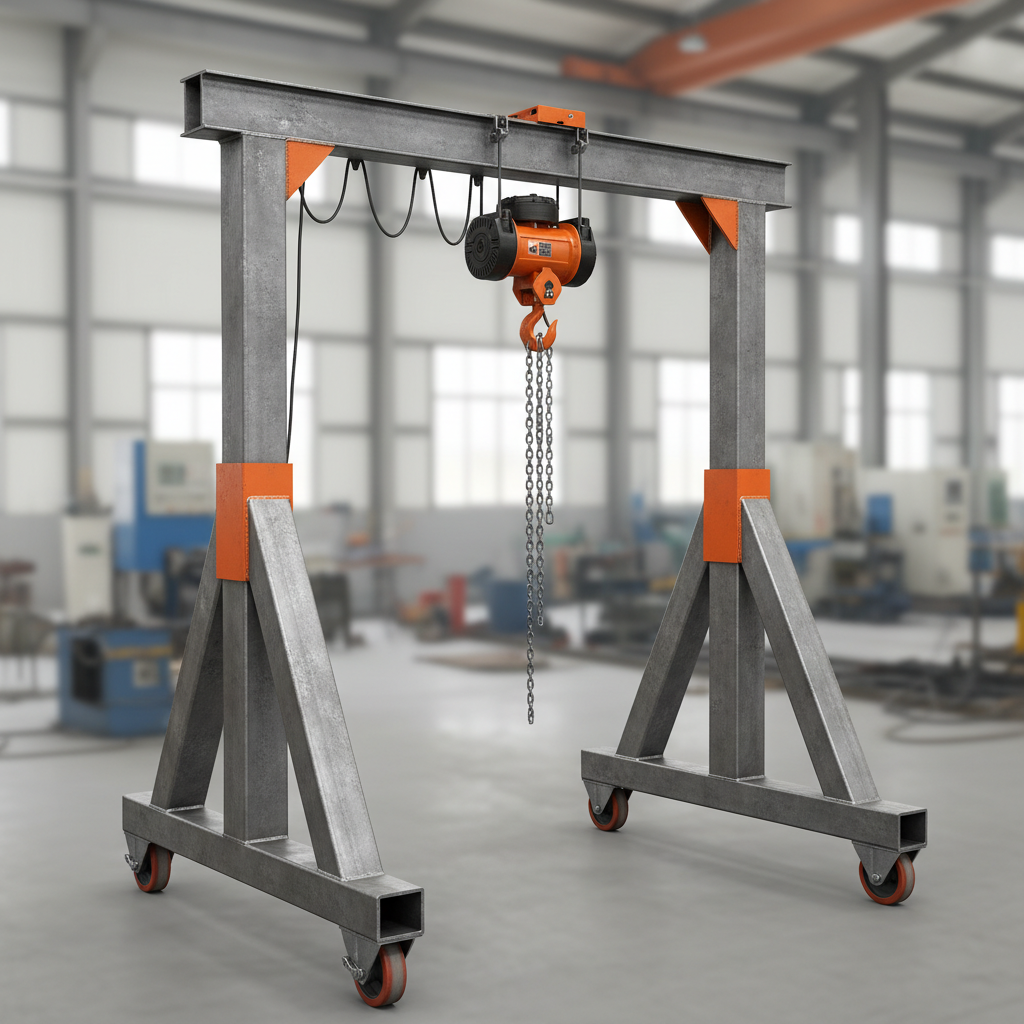
A 2 ton gantry crane is a versatile lifting solution designed to handle loads up to two metric tons (2000 kg or approximately 4400 lbs). It's characterized by its portal-like structure, comprised of two legs supporting a horizontal beam. This beam, in turn, supports a hoist which is the actual lifting mechanism. Its mobility and relative ease of installation make it a popular choice for a wide range of applications. 2 ton gantry systems provide a significant advantage where overhead lifting is needed but building structures don’t support a traditional overhead crane.
These cranes are frequently utilized in environments such as fabrication shops, warehouses, construction sites, and outdoor storage yards. They offer a flexible alternative to fixed crane systems, allowing for efficient movement of materials without the need for permanent structural modifications. The portability of a 2 ton gantry often translates to reduced installation costs and increased adaptability to changing operational requirements.
Defining the 2 ton gantry
At its core, a 2 ton gantry crane is a material handling machine that utilizes a wheeled structure to lift and move heavy objects. The “2 ton” designation indicates its maximum safe working load (SWL), meaning it's designed to lift up to two metric tons without compromising structural integrity. The gantry design allows it to traverse a defined area, providing lateral movement alongside the lifting capability.
Unlike overhead cranes that require substantial building support, gantries are self-supporting. They are particularly useful in situations where overhead space is limited or where the lifting operation needs to be performed outdoors. This makes them a cornerstone of many modern logistical operations, ensuring efficient movement of goods and materials.
The connection to modern industry is undeniable. As businesses strive for greater efficiency and streamlined processes, the 2 ton gantry plays an essential role in minimizing downtime and maximizing throughput. In humanitarian contexts, such cranes are invaluable for disaster relief, enabling the swift movement of supplies and equipment to affected areas.
Core Components & Characteristics
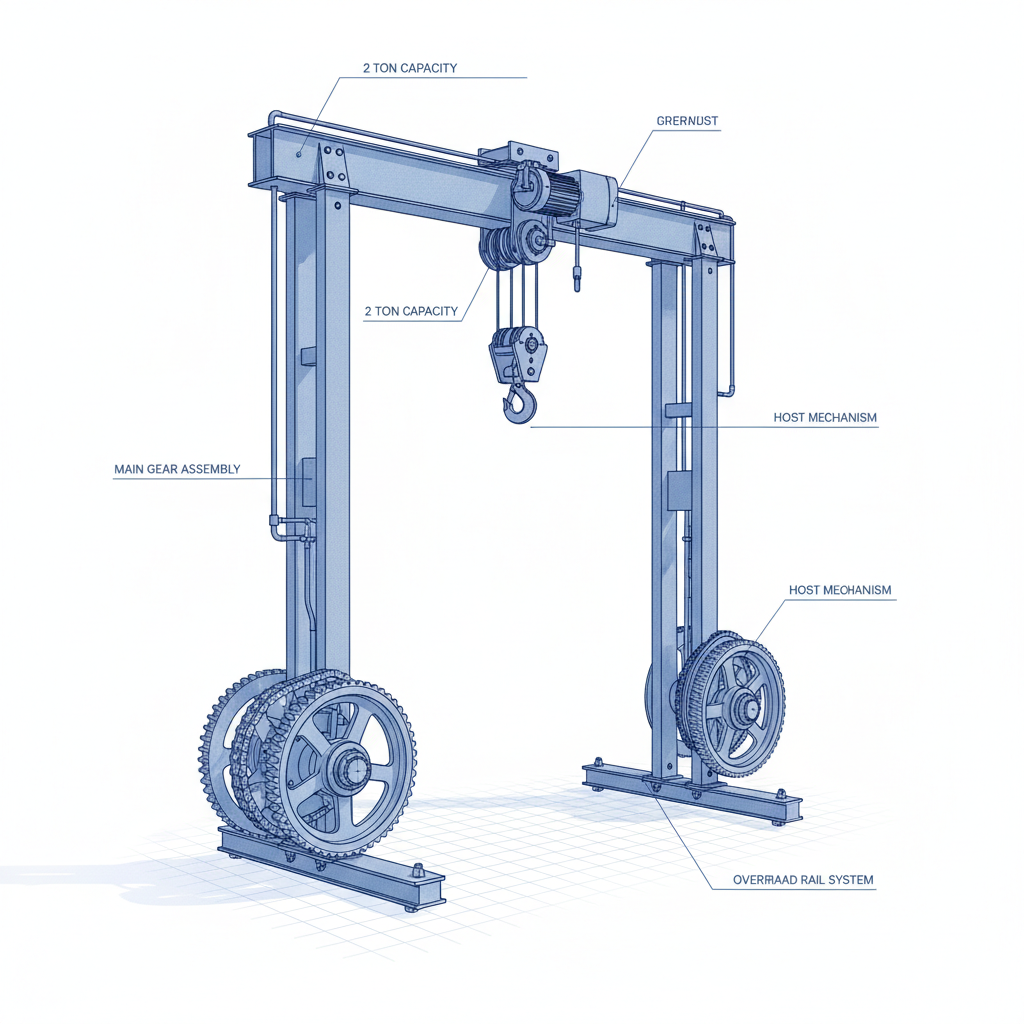
The functionality of a 2 ton gantry crane is rooted in its key components. These include the supporting legs, which provide stability and allow for movement; the horizontal beam (also known as the bridge), which houses the hoist; and the hoist itself, which is responsible for the actual lifting action. Common hoist types include chain hoists, wire rope hoists, and electric hoists, each offering different speed and control characteristics. 2 ton gantry construction often uses steel, ensuring durability and load-bearing capacity.
Crucially, safety features are integral to gantry design. These include overload protection systems, limit switches to prevent over-travel, and emergency stop mechanisms. Regularly inspecting and maintaining these features is essential for ensuring the safe and reliable operation of the crane. Gantries can be customized with various accessories like anti-collision devices and variable speed controls to enhance precision and control during lifting operations.
Furthermore, the design of the gantry can vary. Single leg gantries are suitable for lighter loads and limited spans, while double leg gantries offer increased stability and lifting capacity. Adjustable height gantries provide flexibility for different lifting requirements, making them adaptable to various work environments. The choice of gantry configuration depends on specific operational needs and load characteristics.
Key Factors Influencing 2 ton gantry Performance
Several factors contribute to the overall performance and effectiveness of a 2 ton gantry. Durability is paramount, with the crane's construction materials and welding quality directly impacting its lifespan and load-bearing capacity. Regular maintenance and inspection are essential to identify and address potential wear and tear, preventing costly breakdowns and ensuring continued safe operation.
Scalability also plays a crucial role. The ability to adapt the gantry to changing operational needs—through adjustable height or span—offers significant long-term value. A 2 ton gantry should be selected with future expansion in mind, allowing for seamless integration of new capabilities as business requirements evolve.
Performance Metrics of Different 2 ton gantry Configurations
Global Applications of 2 ton gantry
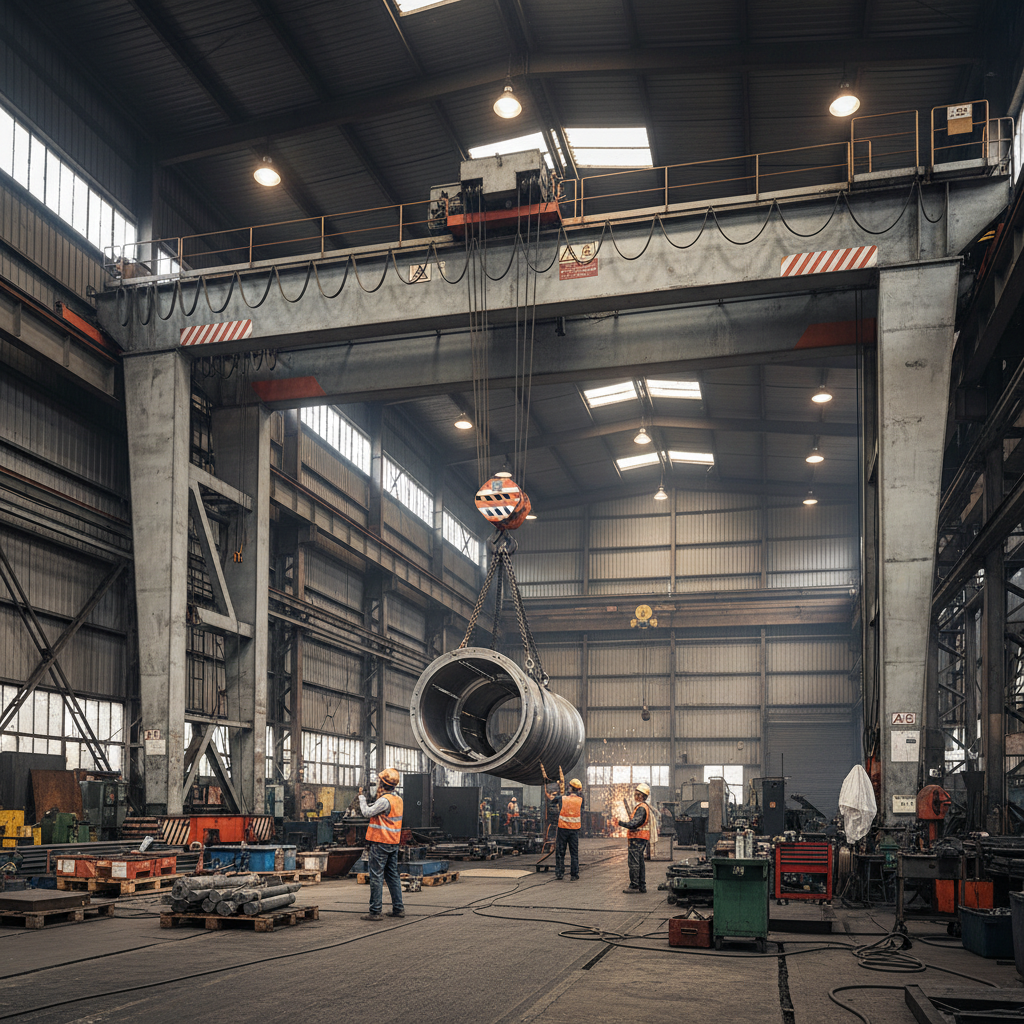
The applications of a 2 ton gantry are remarkably diverse, spanning a multitude of industries and geographic locations. In manufacturing facilities, they facilitate the movement of raw materials, work-in-progress goods, and finished products. Construction sites utilize them for lifting building materials and prefabricated components. 2 ton gantry systems are also commonly found in shipyards for handling smaller vessel components and equipment.
In remote industrial zones, where access to traditional overhead cranes may be limited, the portability and ease of installation of a 2 ton gantry provide a significant advantage. Similarly, in post-disaster relief operations, these cranes can be quickly deployed to lift debris, deliver aid supplies, and assist in reconstruction efforts.
Geographically, demand is high in rapidly developing economies, particularly in Asia and South America, where infrastructure projects are booming. Western economies continue to rely on 2 ton gantries for specialized lifting tasks in sectors like aerospace, automotive, and energy.
Advantages and Long-Term Value
The tangible benefits of utilizing a 2 ton gantry are substantial. Cost efficiency is a primary driver, as they generally require lower installation and maintenance costs compared to more complex crane systems. The enhanced operational efficiency translates into increased productivity and reduced downtime, ultimately contributing to improved profitability. Furthermore, a well-maintained 2 ton gantry offers exceptional reliability, ensuring consistent performance over its lifespan.
Beyond the economic advantages, a 2 ton gantry promotes a safer work environment by reducing the risk of manual handling injuries. The ability to precisely control lifting operations fosters a sense of security and trust among workers. Investing in a high-quality 2 ton gantry demonstrates a commitment to innovation and employee well-being.
Future Trends in 2 ton gantry Technology
The future of 2 ton gantry cranes is intrinsically linked to advancements in technology and sustainability. The integration of smart sensors and IoT (Internet of Things) devices is enabling real-time monitoring of crane performance, predictive maintenance, and remote diagnostics. This data-driven approach enhances efficiency and minimizes the risk of unexpected failures.
Automation is another key trend, with self-propelled gantries and robotic hoist systems gaining traction. These technologies reduce labor costs and improve precision in lifting operations. Furthermore, there's a growing focus on developing more sustainable materials and energy-efficient designs, aligning with global efforts to reduce carbon emissions.
Digital twin technology, creating virtual replicas of physical gantries, will also become more prevalent, allowing for simulations and optimization of lifting operations before they occur in the real world. These advancements promise to further enhance the safety, efficiency, and sustainability of 2 ton gantry cranes in the years to come.
FAQS
With regular maintenance and proper usage, a 2 ton gantry crane can typically last between 10 and 20 years. Factors affecting lifespan include the quality of materials, the frequency of use, and the environmental conditions it operates in. Routine inspections, lubrication, and replacement of worn parts are crucial for maximizing longevity.
Essential safety features include overload protection, limit switches to prevent over-travel, emergency stop buttons, and a robust braking system. Ensure the gantry meets relevant safety standards (e.g., ANSI, ISO). Regular safety training for operators is also paramount to prevent accidents.
Maintenance typically involves regular inspections, lubrication of moving parts, checking the hoist mechanism, and testing safety features. A detailed maintenance schedule should be followed, and any identified issues should be addressed promptly. Annual professional inspections are recommended.
Chain hoists are generally more compact and require less maintenance, making them suitable for frequent lifting in confined spaces. Wire rope hoists can lift heavier loads and offer higher lifting speeds but require more thorough inspection and lubrication. The best choice depends on the specific application.
Yes, many 2 ton gantries are designed for outdoor use. However, it’s crucial to select a model with weather-resistant coatings and components. Consider factors like wind load and ground stability when using a gantry outdoors. Proper anchoring is also essential.
The span, or width, of a 2 ton gantry directly impacts its stability. Longer spans require wider leg bases and potentially additional bracing to prevent tipping. A shorter span generally provides greater stability for a given load. Consult with a qualified engineer to determine the appropriate span for your application.
Conclusion
The 2 ton gantry crane stands as a testament to efficient and adaptable material handling. From its core components and diverse applications to its future technological advancements, it continues to evolve as a critical asset across industries. Understanding its benefits – from cost-effectiveness and increased productivity to enhanced safety – is crucial for businesses striving for operational excellence. 2 ton gantry systems offer a robust and versatile solution to a wide range of lifting challenges.
Looking ahead, the integration of smart technologies, automation, and sustainable practices will further solidify the 2 ton gantry’s position as a cornerstone of modern logistics. By embracing these innovations and prioritizing safety, businesses can unlock the full potential of this valuable equipment, driving efficiency, reducing costs, and fostering a safer work environment. Visit our website at www.daweihoisting.com to learn more.