Honestly, the construction site is changing fast these days. Everyone’s talking about prefabrication, modular builds… it's all about speed, you know? But speed without quality? Forget about it. I’ve seen too many projects rush things and end up with a mess. We're seeing a huge push for adjustable gantry systems, not just for big industrial stuff, but even for smaller projects where flexibility is key. It’s a bit of a response to everything becoming so…custom. People don't want cookie-cutter solutions anymore.
Have you noticed how often designs look great on paper, but are a nightmare to actually build? I encountered this at a factory in Ningbo last time, beautiful 3D renderings, all sleek lines. But the connections? Trying to weld those things together on-site? A disaster. That's where adjustable gantries really shine, they bridge gaps, literally. They adjust to the real world, not just the digital one.
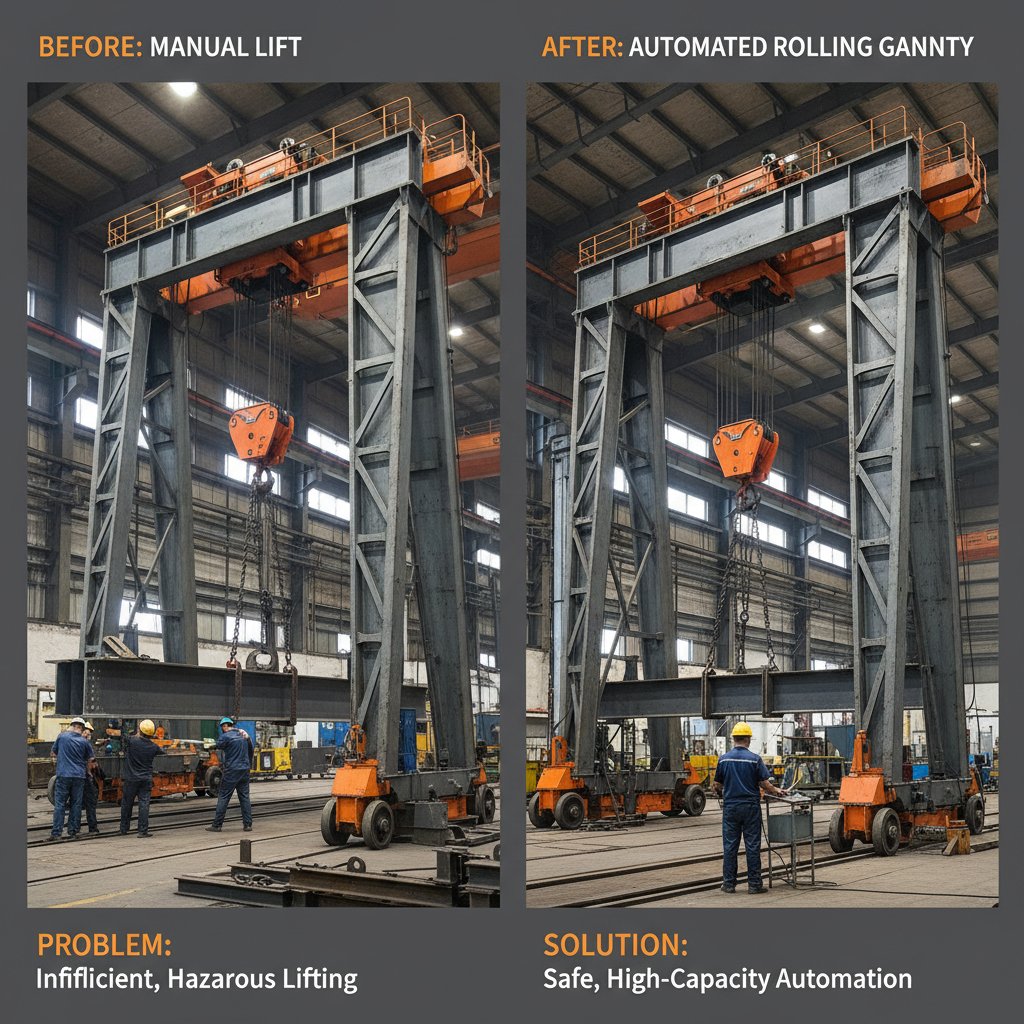
And it’s not just about avoiding welding mishaps. It's about adapting to unexpected site conditions. That uneven ground, that slightly misaligned foundation…you name it. An adjustable gantry can compensate. That’s the real value.
The Rise of Prefabrication and Adjustable Gantries
Strangely, a lot of folks forget that even with all this pre-fab stuff, you still need to connect things. And sites are rarely perfect. An adjustable gantry lets you deal with that imperfection. It’s not glamorous, but it’s essential. It’s the difference between a project running smoothly and a complete standstill.
We're seeing these systems used more and more in things like bridge construction, even building facades. Anything where you need to lift and position something accurately, but where the environment isn’t perfectly controlled.
Design Pitfalls and the Practicality of Adjustment
I tell you, I’ve seen designs that looked fantastic, all angles and curves. But then you get on site and realize the tolerances are impossible. A slight bend in the steel, a tiny variation in the concrete pour…and the whole thing falls apart. An adjustable gantry gives you that wiggle room. It’s a safety net.
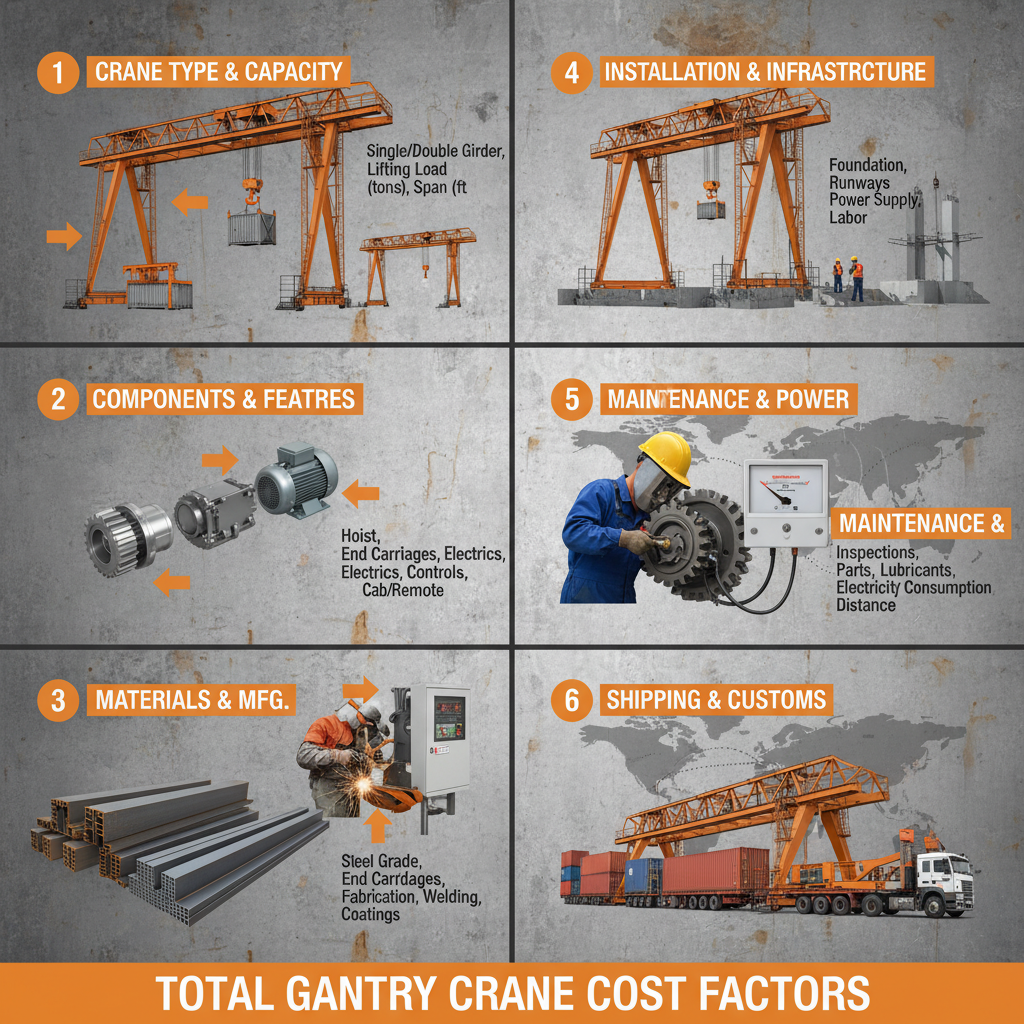
One common mistake is undersizing the components. They think they can save money on materials, but then everything becomes unstable. You need robust steel, properly welded, and the ability to adjust for unforeseen loads.
It's easy to get lost in the aesthetics and forget the fundamentals of structural engineering. Honestly, sometimes a simpler design with an adjustable gantry is far more reliable.
Materials Matter: A Hands-On Perspective
The steel itself… you can tell a good piece of steel just by the weight, the feel. It’s got a certain…resonance. We’re using a lot of Q345B these days, good strength-to-weight ratio. You can smell the oil they use to protect it during transport, that's a good sign. Cheap steel smells…different. It feels brittle.
The rollers are critical too. High-quality polyurethane is a must. Anything less and they'll wear down quickly, especially with the amount of weight we’re putting on them. And don’t even get me started on cheap bearings… they’ll seize up in no time, leaving you with a stuck gantry and a very unhappy crew.
Anyway, I think paying a little more for quality materials upfront saves a lot of headaches down the line. It’s like anything else, you get what you pay for.
Real-World Testing: Beyond the Lab
Lab tests are okay, but they don’t replicate the chaos of a real construction site. We test these gantries by loading them up beyond their rated capacity, then shaking them. Not gently, either. We want to see what breaks, where the weak points are.
I remember one test we did in Tianjin last year. We were simulating high winds. The gantry held, but the tie-down straps snapped. That taught us a valuable lesson about reinforcing those connections. You need to think about all the potential failure points.
Adjustable Gantry Performance Metrics
How Users Actually Employ Adjustable Gantries
You'd think people would follow the manuals, right? Not always. I've seen guys rigging up extra supports, modifying the configurations...they're always trying to adapt it to their specific needs. It's resourceful, but sometimes a little scary.
One thing I’ve noticed is they use them for things we never intended. Like temporary walkways, or as a base for scaffolding. It's not what they're designed for, but it works. That's when you realize how versatile these systems actually are.
Advantages, Disadvantages, and Customization Options
The biggest advantage? Flexibility. No question. They save time, reduce labor costs, and minimize the need for custom fabrication. The downside? They can be a bit pricey upfront. And, if you don’t maintain them properly, they can become a safety hazard. Corrosion is a real issue.
Customization is possible. Last month, that small boss in Shenzhen who makes smart home devices insisted on changing the interface to for all the power connections. Said it was "more modern." It was a nightmare to implement, adding extra weight and complexity, and honestly, didn't make a huge difference, but he was adamant. You gotta give people what they want sometimes.
A Customer Story: The Interface Debacle
So, this guy, Mr. Lin, runs a factory that makes smart thermostats. He's a sharp businessman, always looking for an edge. He called us up wanting to adapt an adjustable gantry to lift and position these thermostats during assembly. Sounds straightforward, right?
Wrong. He insisted on replacing all the standard power connectors with . His reasoning? “It’s the future! It looks better on our marketing materials!" We tried to explain that it would require custom wiring, adding weight, and potentially compromising safety… he wouldn't listen.
Long story short, it took us three times as long to build the gantry, it cost him a fortune, and in the end, the connectors barely made a difference. Later… Forget it, I won’t mention it. But the gantry did work, despite the unnecessary complication. That's what matters.
Key Attributes of Adjustable Gantry System Performance
| System Component |
Load Capacity (tons) |
Adjustment Range (meters) |
Maintenance Frequency (months) |
| Main Support Beam |
5 |
2 |
6 |
| Lateral Support Braces |
2 |
1 |
3 |
| Roller Assemblies |
1 |
0.5 |
12 |
| Locking Mechanisms |
N/A |
N/A |
6 |
| Control Panel (if applicable) |
N/A |
N/A |
24 |
| Overall System Weight (kg) |
Variable |
Variable |
N/A |
FAQS
That depends heavily on the design, the materials used, and how it’s anchored. But generally, a well-engineered adjustable gantry can handle winds up to 80-100 km/h. We always recommend a site-specific wind load analysis, though. Don't just guess! Remember the Tianjin test? Tie-downs are crucial.
At least every six months. Pay close attention to the rollers, the locking mechanisms, and any welded connections. Look for signs of corrosion, cracks, or deformation. A little preventative maintenance goes a long way, trust me. You don't want a failure during a critical lift.
Yes, but you need to take extra precautions. We recommend using galvanized steel or applying a protective coating. And you’ll need to increase the frequency of inspections. Saltwater is brutal on steel. We’ve had clients use epoxy coatings with great success, but it’s an added expense.
It really depends on the complexity of the design and our current workload. But generally, you’re looking at 6-8 weeks. The biggest bottleneck is usually the engineering and fabrication of custom components. The Shenzhen guy with the connectors added weeks to his project!
Absolutely. Look for compliance with ISO standards, particularly those related to lifting equipment. Make sure the gantry has been properly tested and certified by a qualified third party. Don't skimp on safety. A cheap gantry isn’t worth the risk.
Overloading them! They have a rated capacity for a reason. People think they can get away with a little extra weight, but it’s not worth it. And not securing the base properly. If the gantry isn't stable, it's a disaster waiting to happen. Always double-check everything.
Conclusion
So, ultimately, adjustable gantries aren’t about fancy features or cutting-edge technology. They’re about solving practical problems. They’re about making construction sites safer, more efficient, and more adaptable. They’re about bridging the gap between design and reality.
Whether this thing works or not, the worker will know the moment he tightens the screw. It's a simple test, but it's the most important one. If it feels solid, if it feels right, then you’re on the right track. And if not? Well, that's when you call us. You can find more information and browse our product range at adjustable gantry.