Overhead gantry systems are essential components of modern industrial infrastructure, playing a pivotal role in material handling, manufacturing, and logistics globally. Their ability to lift and move heavy loads efficiently and safely makes them indispensable in a wide range of applications. From bustling ports to sprawling warehouses, and even in specialized industries like shipbuilding and aerospace, overhead gantries are the workhorses that keep operations running smoothly. Understanding their design, capabilities, and applications is crucial for anyone involved in these industries.
The global demand for overhead gantry solutions is driven by factors like increasing industrialization, growth in e-commerce, and the need for enhanced productivity. According to reports from the World Bank, global trade continues to expand, requiring efficient port and logistics infrastructure. ISO standards for lifting equipment emphasize safety and performance, further influencing the design and manufacturing of these systems. The challenges of handling increasingly large and heavy components in modern manufacturing necessitate robust and reliable overhead gantry solutions.
The rising complexities of supply chains and the demand for faster turnaround times are also key drivers. Investing in efficient material handling solutions like overhead gantries is vital for businesses to remain competitive in today's dynamic global market. This need is particularly acute in emerging economies where infrastructure development is rapidly accelerating.
The Importance of Overhead Gantry Systems
Overhead gantry systems have become indispensable in numerous industries due to their ability to dramatically improve efficiency and safety in material handling. Their robust construction and high lifting capacity enable the movement of extremely heavy or awkwardly shaped objects that would be impractical or impossible to move with other methods. The implementation of these systems translates directly to increased throughput and reduced operational costs.
Beyond pure efficiency, a well-designed overhead gantry prioritizes worker safety. By minimizing manual lifting and reducing the risk of dropped loads, these systems create a safer working environment and contribute to a more positive work culture. This is particularly critical in industries with strict safety regulations and a commitment to employee well-being.
Defining Overhead Gantry Technology
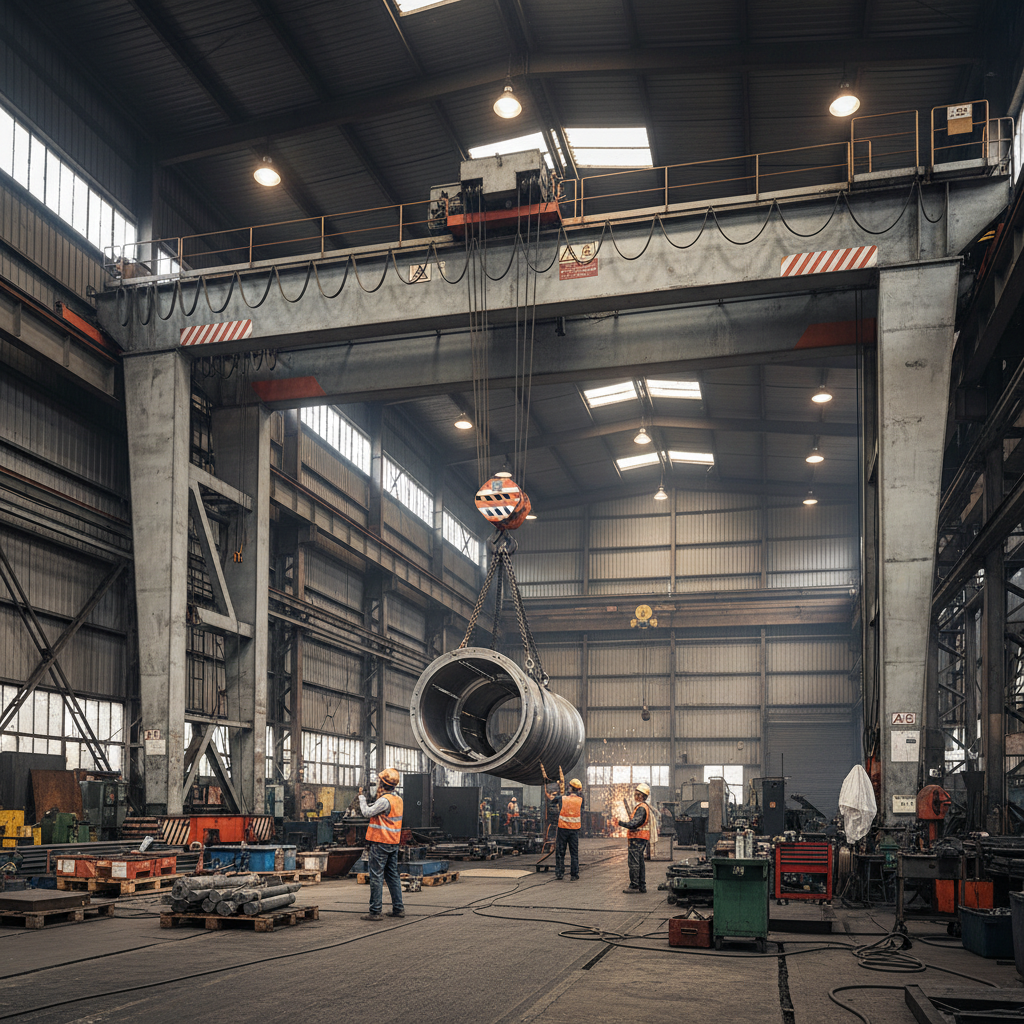
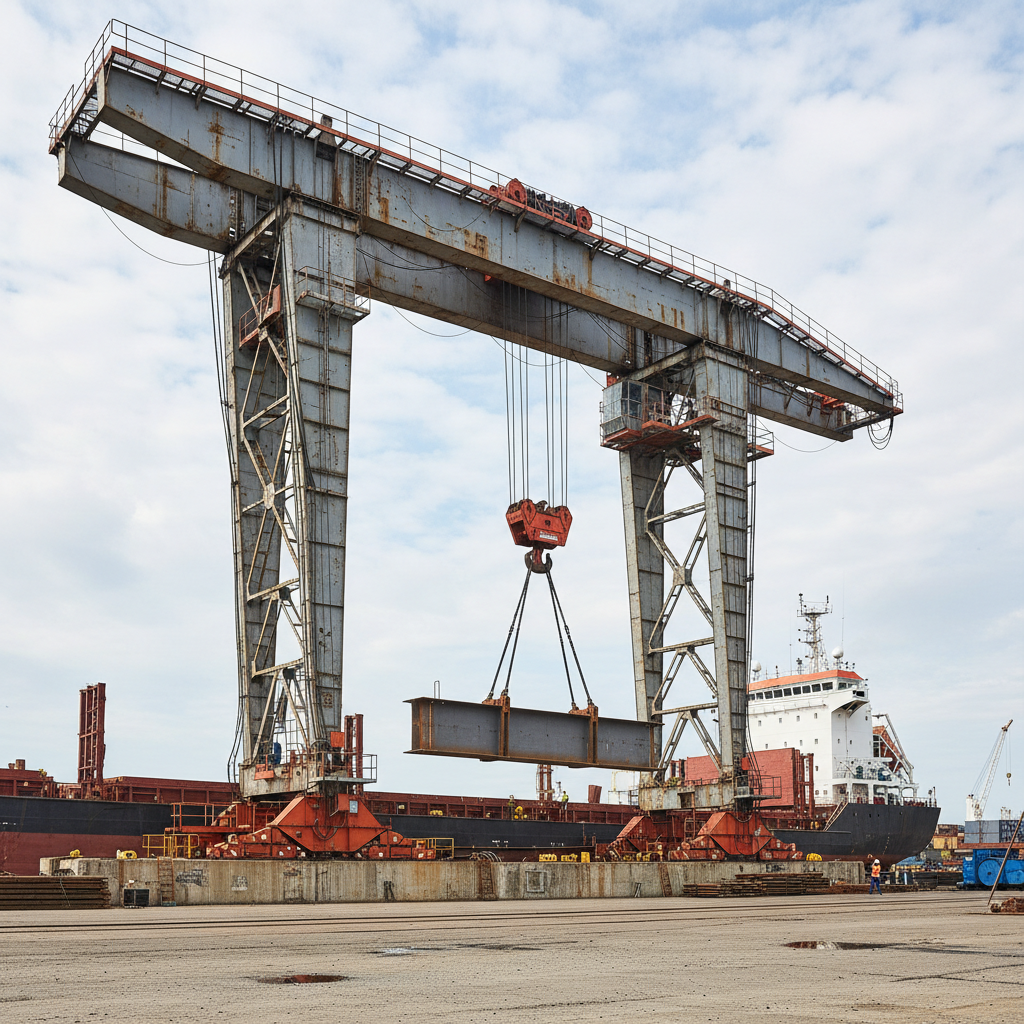
An overhead gantry is a specialized type of crane consisting of a horizontal beam (the gantry) supported by vertical legs. These legs travel on a fixed rail or runway system, allowing the gantry to move materials across a defined area. Unlike traditional overhead cranes, gantries don't require overhead support structures, making them ideal for outdoor use or areas where existing building structures aren't capable of supporting the load.
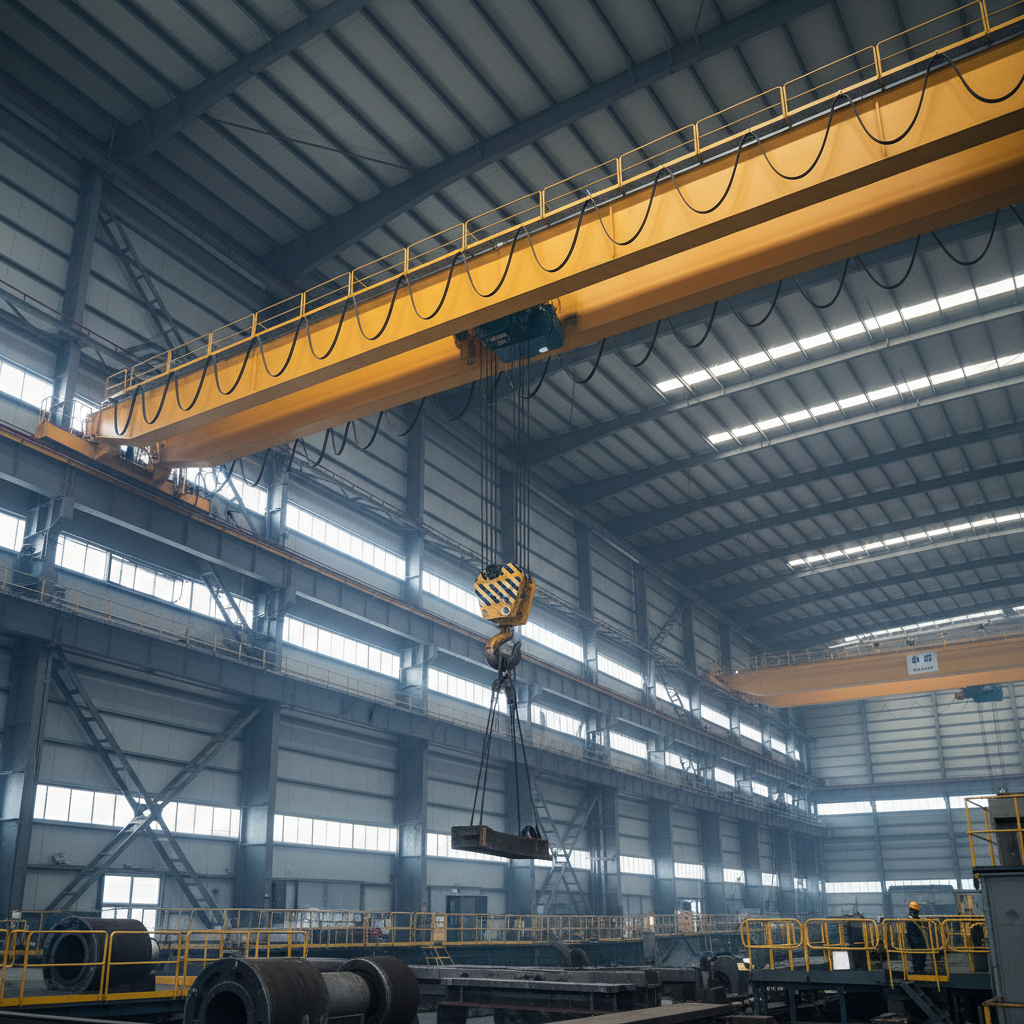
The core function of an overhead gantry is to lift, move, and position heavy loads with precision and safety. This is achieved through a hoist mechanism that is typically attached to a trolley, which moves along the gantry beam. The system is controlled by an operator, either from a cabin, using a remote control, or through automated controls.
Overhead gantries play a vital role in modern industry and even humanitarian efforts. In manufacturing, they facilitate the assembly of large components. In ports, they efficiently unload cargo from ships. And in disaster relief, portable gantries can quickly lift and move debris, assisting in rescue and recovery operations.
Key Components and Design Considerations
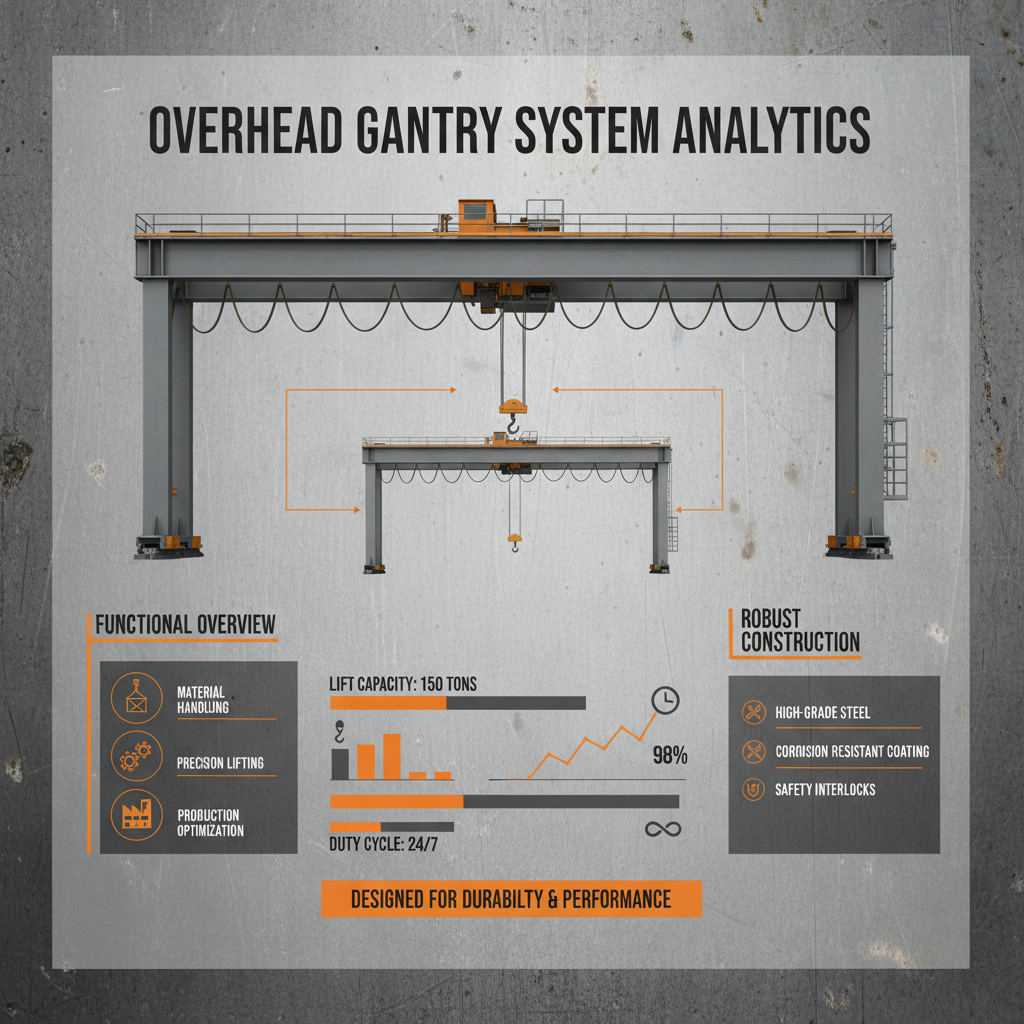
The design of an overhead gantry is a complex process, requiring careful consideration of load capacity, span length, duty cycle, and environmental factors. Key components include the gantry structure itself, the end carriages (which house the wheels and drive mechanisms), the hoist unit, the trolley, and the control system. The material used for the gantry structure is usually steel, chosen for its strength and durability.
Safety is paramount in gantry design. Features like overload protection, emergency stop buttons, and limit switches are essential to prevent accidents. Regular inspection and maintenance are also crucial to ensure the continued safe operation of the system. The selection of appropriate safety factors is determined by industry standards and the specific application.
Beyond structural integrity and safety, other design considerations include power supply requirements, mobility needs (fixed vs. mobile gantry), and the level of automation desired. Choosing the right components and configuration is critical to achieving optimal performance and minimizing downtime.
Durability and Load Capacity of overhead gantry
The durability of an overhead gantry directly correlates with the quality of materials used, the precision of manufacturing, and the rigor of maintenance procedures. High-grade steel, properly welded and treated to resist corrosion, is fundamental to a long-lasting system. Regular inspection for wear and tear, and prompt replacement of damaged components, are crucial preventative measures.
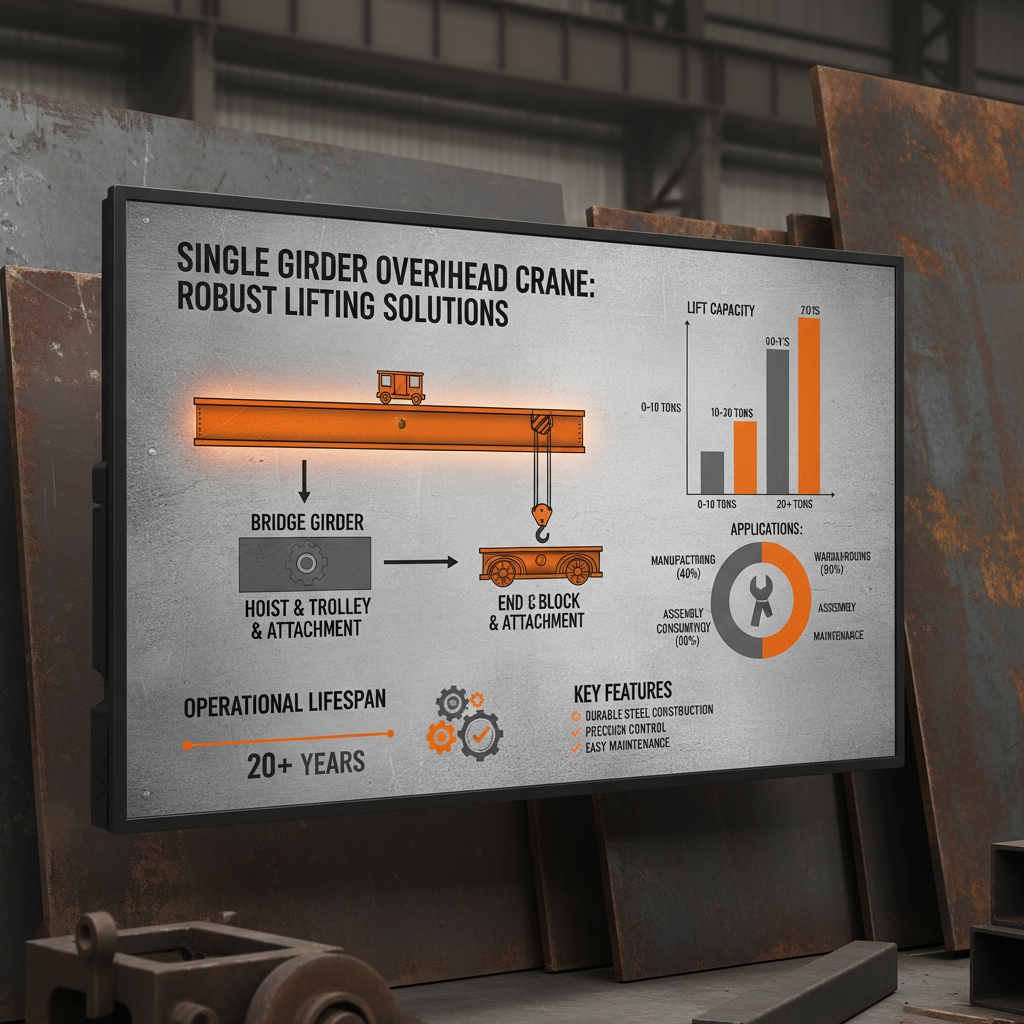
Load capacity is a defining characteristic of any overhead gantry. It is determined by a complex calculation that considers the weight of the load, the span length, the duty cycle, and safety factors. Different gantry designs cater to varying load requirements, ranging from light-duty systems for handling relatively small loads to heavy-duty systems capable of lifting hundreds of tons.
Load Capacity Comparison by overhead gantry Type
Global Applications of overhead gantry
The versatility of overhead gantry systems means they are utilized in a vast array of industries across the globe. In ports and shipping yards, they efficiently load and unload containers from vessels, facilitating international trade. Construction sites rely on gantries to lift and position heavy building materials. Manufacturing facilities employ them for assembly line operations and moving large components.
In remote industrial zones, where access may be limited, mobile overhead gantries provide a flexible lifting solution. In post-disaster relief operations, portable gantries can be rapidly deployed to clear debris and assist in rescue efforts. The aerospace industry utilizes specialized gantries for handling aircraft components.
Advantages and Long-Term Value of overhead gantry
The advantages of investing in overhead gantry systems are multifaceted. Cost efficiency is a major benefit, as they reduce labor costs and streamline material handling processes. Improved safety is another key advantage, minimizing the risk of workplace injuries. Reliability ensures consistent operation and minimizes downtime.
From a sustainability perspective, overhead gantries can reduce energy consumption compared to other lifting methods. Their long lifespan and durability contribute to a lower total cost of ownership. Furthermore, the implementation of these systems can enhance a company's reputation for innovation and commitment to safety and efficiency.
Future Trends and Innovation in overhead gantry
The future of overhead gantry technology is being shaped by several key trends. Automation, driven by advances in robotics and artificial intelligence, is leading to the development of self-operating gantries that can optimize material flow and reduce human intervention. The integration of IoT sensors allows for real-time monitoring of system performance and predictive maintenance.
Sustainable design is also gaining prominence, with manufacturers exploring the use of lightweight materials and energy-efficient drive systems. Digital twin technology enables virtual modeling and simulation of gantry systems, optimizing design and performance. These innovations promise to further enhance the efficiency, safety, and sustainability of overhead gantry systems.
Summary of Key Future Trends in Overhead Gantry Technology
| Trend Category |
Description |
Impact on Overhead Gantry |
Adoption Rate (1-10) |
| Automation |
Integration of robotics and AI for autonomous operation. |
Reduced labor costs, increased efficiency, optimized material flow. |
7 |
| IoT Integration |
Real-time monitoring of performance and predictive maintenance. |
Reduced downtime, improved safety, extended equipment lifespan. |
8 |
| Sustainable Materials |
Use of lightweight and eco-friendly materials in construction. |
Reduced environmental impact, lower energy consumption. |
6 |
| Digital Twin Technology |
Virtual modeling and simulation for optimized design. |
Improved performance, reduced risk, faster time to market. |
5 |
| Energy Efficiency |
Development of energy-efficient drive systems and components. |
Reduced operating costs, lower carbon footprint. |
7 |
| Modular Design |
Gantry systems designed with interchangeable modules for easy customization. |
Increased flexibility, reduced lead times, simplified maintenance. |
6 |
FAQS
A properly maintained overhead gantry can have a lifespan of 20-30 years or even longer. Regular inspections, lubrication, and timely replacement of worn components are crucial. The lifespan is also influenced by the duty cycle, load capacity, and environmental conditions. Investing in high-quality materials and adhering to recommended maintenance schedules will maximize the longevity of the system.
Essential safety features include overload protection, emergency stop buttons, limit switches, and audible warning signals. Regular inspections of these systems are vital. Proper training for operators is also crucial to ensure safe operation. Additionally, adherence to relevant safety standards (like those established by OSHA or ISO) is paramount.
A professional inspection should be conducted at least annually, and more frequently if the gantry is subject to heavy use or harsh environmental conditions. These inspections should be performed by qualified technicians who can identify potential problems before they lead to failures. Record-keeping of inspection results is essential for tracking maintenance and ensuring ongoing safety.
The cost is influenced by several factors, including load capacity, span length, height of lift, duty cycle, and degree of automation. The type of hoist, the control system, and any specialized features (like anti-collision systems) also contribute to the overall cost. Installation costs and ongoing maintenance expenses should also be considered.
Yes, overhead gantries are highly customizable. Manufacturers can tailor the system to meet specific load requirements, span lengths, and height of lift needs. They can also incorporate specialized features like remote controls, variable speed drives, and customized lifting attachments. This flexibility ensures that the gantry is optimized for the particular application.
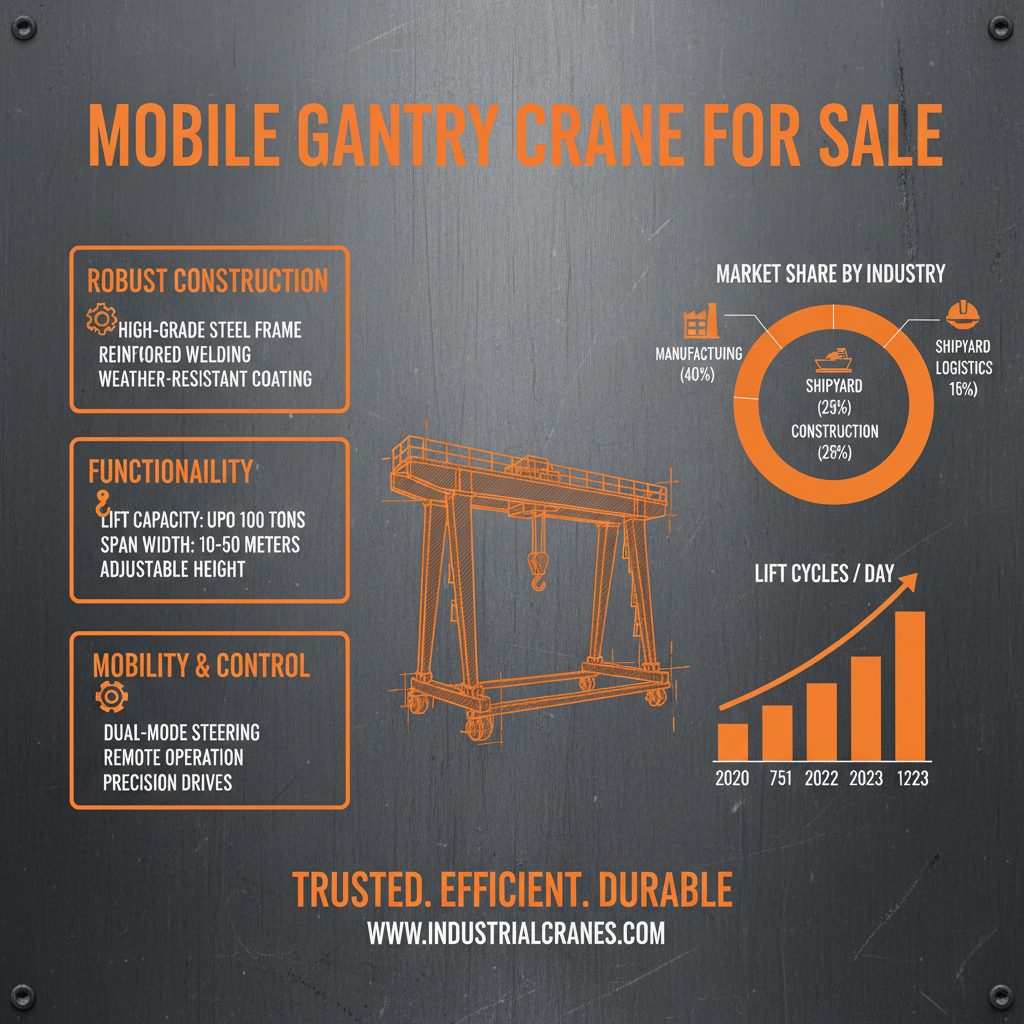
Mobile overhead gantries offer greater flexibility as they can be easily moved to different locations within a facility. This is beneficial for applications where loads need to be lifted in various areas. Fixed gantries are generally more stable and suitable for repetitive lifting tasks in a defined space. The choice between mobile and fixed depends on the specific application requirements.
Conclusion
Overhead gantry systems are critical components of modern industrial infrastructure, offering substantial benefits in terms of efficiency, safety, and cost-effectiveness. Their versatility and adaptability make them suitable for a wide range of applications across diverse industries globally. Investing in a properly designed and maintained overhead gantry is a strategic decision that can significantly improve operational performance and reduce long-term costs.
As technology continues to evolve, we can expect to see further innovations in overhead gantry design, including increased automation, enhanced safety features, and greater sustainability. Embracing these advancements will be essential for businesses looking to remain competitive and maximize the value of their material handling systems. Visit our website at www.daweihoisting.com to learn more about our overhead gantry solutions.