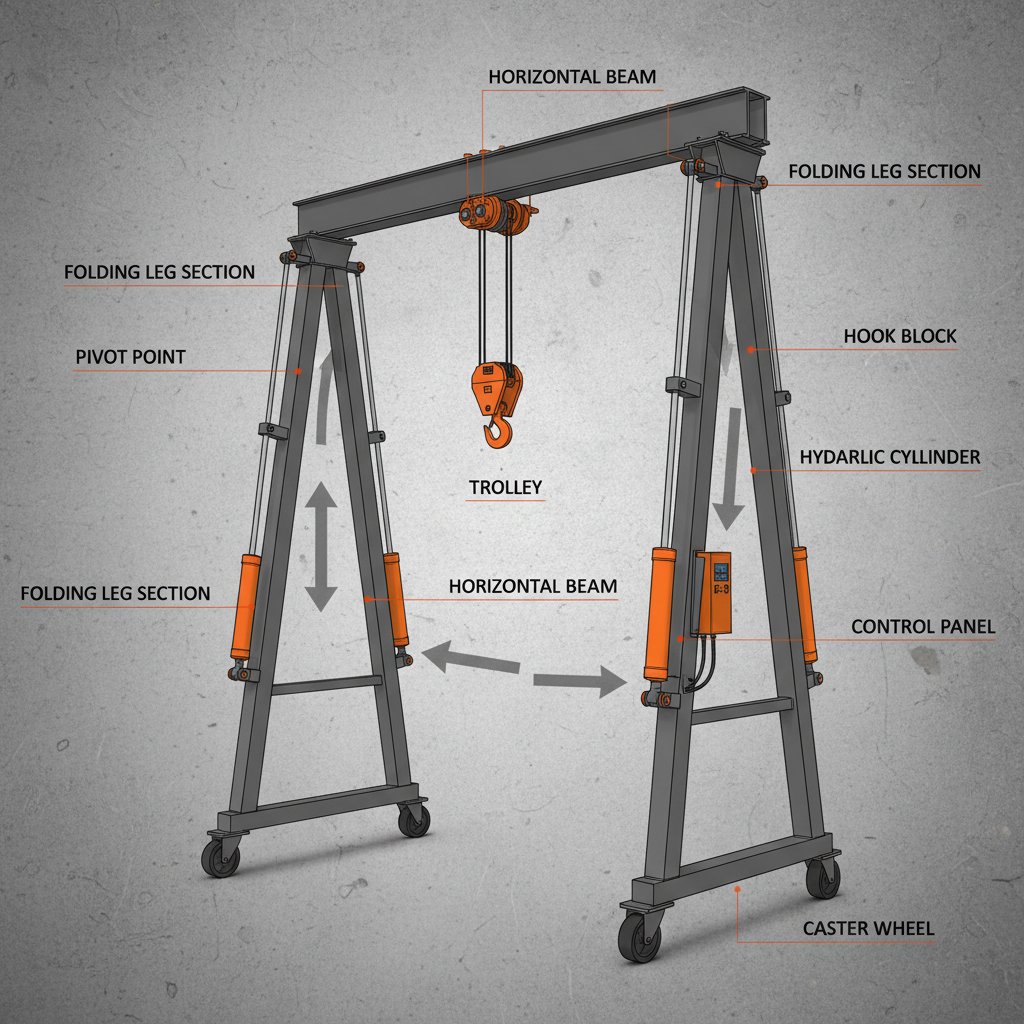
The single girder overhead crane is a cornerstone of modern material handling, essential for efficiency and safety across diverse industries. These cranes, characterized by their single beam construction, offer a cost-effective lifting solution for a wide range of applications. Understanding their principles, capabilities, and future developments is crucial for optimizing operations and ensuring a competitive edge in today’s global market.
Globally, the demand for efficient lifting solutions continues to grow, driven by increased industrialization, infrastructure development, and the need for optimized logistics. Single girder overhead cranes play a pivotal role in meeting this demand, particularly in facilities where space is limited or where precise material movement is required. According to industry reports, the global overhead crane market is projected to reach significant growth in the coming years, emphasizing the continued importance of this technology.
The single girder overhead crane addresses challenges related to manual lifting, material damage, and workplace safety. By automating and streamlining the lifting process, these cranes reduce the risk of worker injury, improve productivity, and enhance overall operational efficiency, making them an indispensable asset for businesses of all sizes.
Introduction to Single Girder Overhead Cranes
Single girder overhead cranes represent a foundational technology in the realm of industrial lifting. They are designed to move materials efficiently within a defined area, commonly found in manufacturing plants, warehouses, and construction sites. Their relatively simple design and robust performance make them a versatile and reliable choice for various lifting applications.
The widespread adoption of the single girder overhead crane is directly tied to its ability to enhance productivity and improve worker safety. By minimizing manual lifting and providing precise control over load movement, these cranes contribute to a more streamlined and secure working environment. single girder overhead crane solutions have evolved to incorporate advanced features like variable speed controls and remote operation, further increasing their functionality.
Defining Single Girder Overhead Cranes
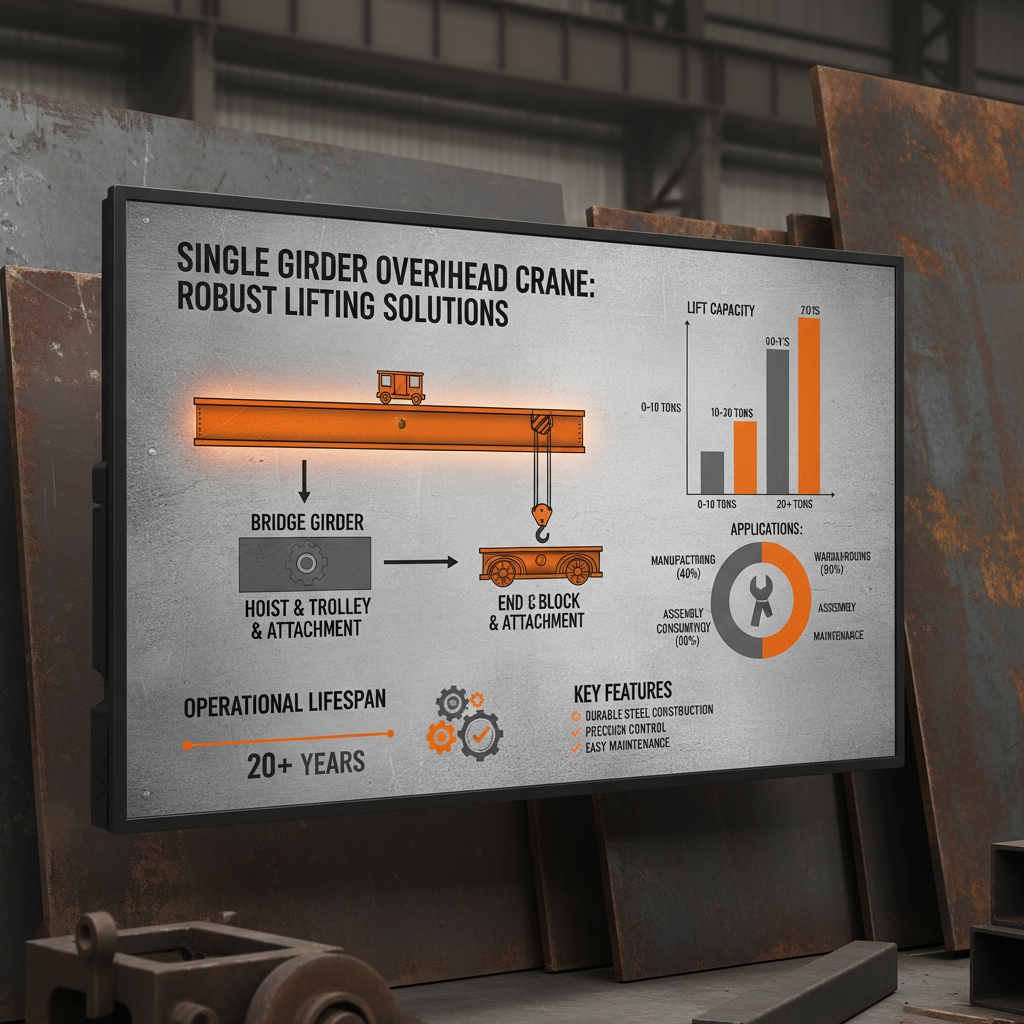
A single girder overhead crane is a type of crane characterized by a single horizontal beam (the girder) supported by end trucks, which move along rails installed on the sides of a bay or structure. This girder carries a hoist, which is the mechanism responsible for lifting and lowering the load. The crane travels along the rails, allowing for movement across the length of the bay.
Unlike double girder cranes, which utilize two girders for heavier lifting capacities, single girder cranes are ideally suited for loads up to a certain weight limit – typically ranging from 1 to 20 tons. This makes them a practical solution for a broad spectrum of industrial tasks, where heavier lifts are not regularly required.
Their connection to modern industry is undeniable. From assembly lines in automotive factories to storage facilities managing goods distribution, single girder overhead cranes are fundamental to efficient material flow. They are crucial for optimizing workflows, reducing bottlenecks, and ensuring the smooth operation of modern supply chains.
Core Components and Characteristics
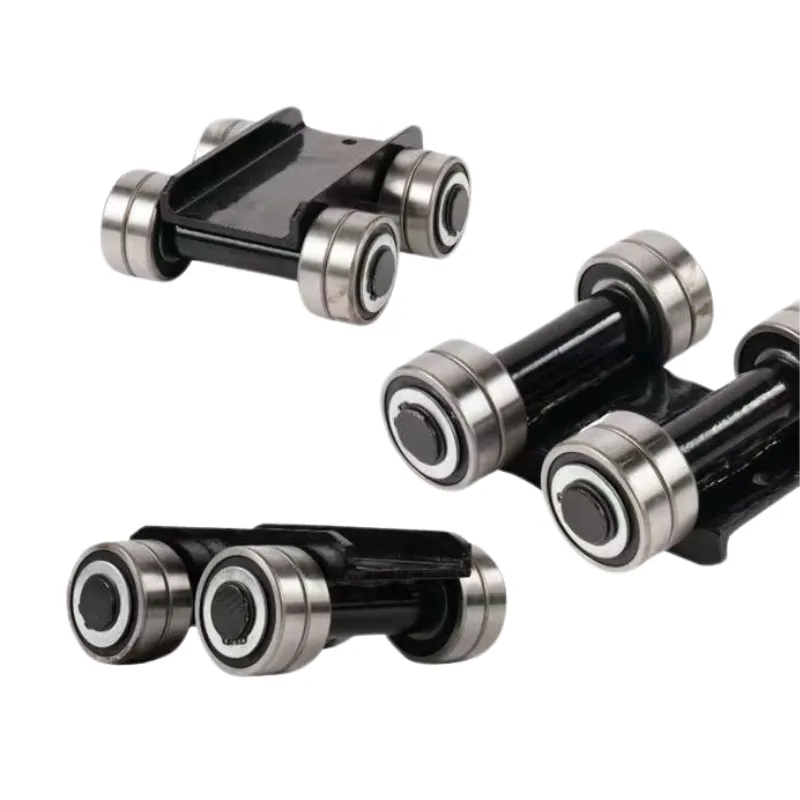
Several core components define the functionality and reliability of a single girder overhead crane. These include the girder itself, typically constructed from rolled steel or fabricated box sections, providing the necessary strength and rigidity. The end trucks, housing the wheels and bearings, allow for smooth and controlled movement along the rails. The hoist, powered electrically or pneumatically, is responsible for the actual lifting operation.
Beyond these primary components, safety features are paramount. Limit switches prevent over-travel of the hoist and crane, while overload protection systems safeguard against exceeding the crane’s rated capacity. Control pendants or remote controls enable operators to manage the crane’s movement with precision and ease. Regular inspection and maintenance of these components are vital for ensuring long-term performance and minimizing downtime.
Durability is a key characteristic of well-engineered single girder overhead cranes. Robust construction, coupled with high-quality materials, ensures a long operational lifespan, even in demanding industrial environments. The ability to withstand heavy use and maintain structural integrity makes them a sound long-term investment.
Key Performance Indicators of Single Girder Overhead Cranes
Evaluating the performance of a single girder overhead crane requires considering several key indicators. One crucial metric is lifting capacity, specifying the maximum weight the crane can safely handle. Span length, the distance between the rails, determines the area the crane can cover.
Another important factor is lifting speed, impacting the efficiency of material handling. Duty cycle, defined by the frequency and duration of lifts, influences the selection of appropriate hoist and motor specifications. Understanding these KPIs is essential for selecting a crane that precisely meets operational requirements.
Single Girder Overhead Crane Performance Metrics
Global Applications and Industry Use
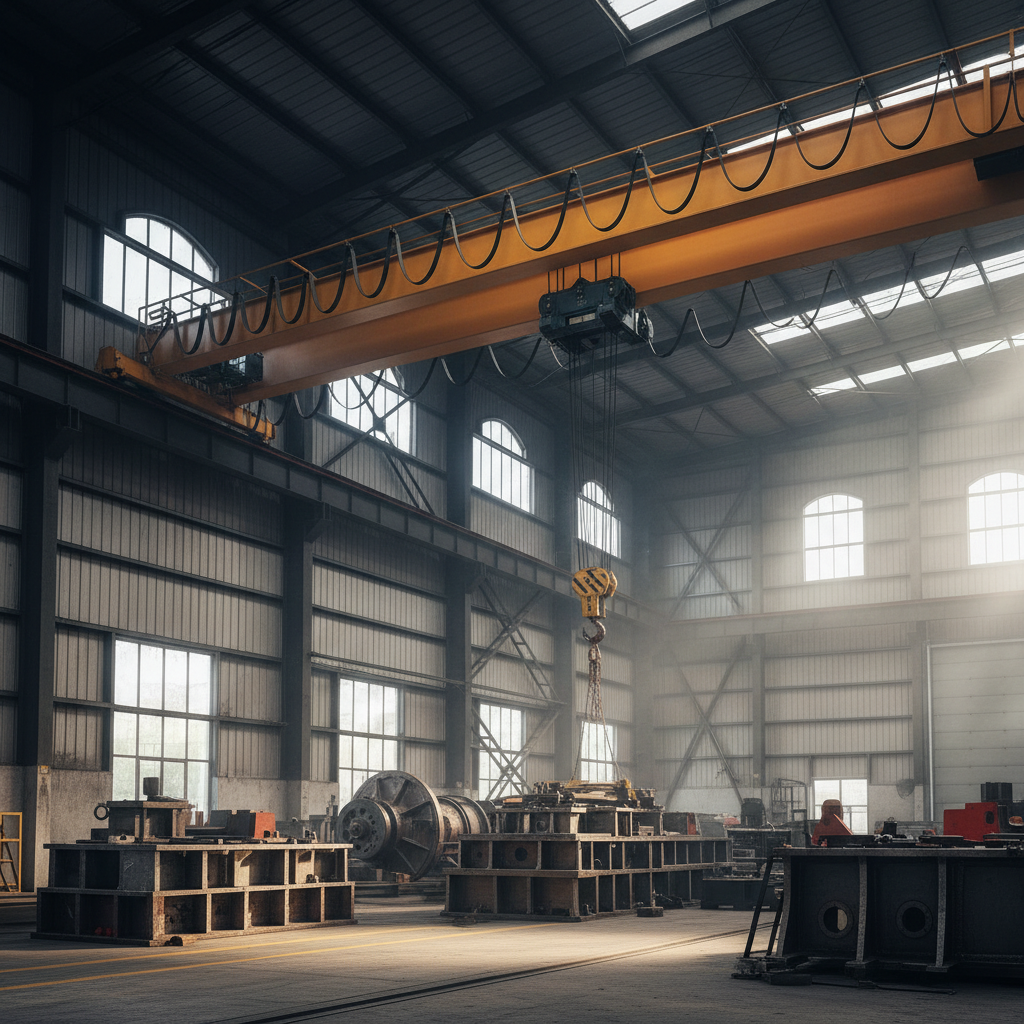
Single girder overhead cranes find widespread application across diverse industries globally. In manufacturing, they are used for moving materials, components, and finished goods throughout the production process. Warehouses rely on them for efficient storage and retrieval of pallets and inventory. Construction sites utilize them for lifting building materials and equipment.
Across regions, their deployment varies based on industrial needs. In Asia, with its booming manufacturing sector, the demand for single girder overhead cranes is particularly high. In Europe and North America, they are commonly found in established industrial facilities and logistics centers. Even in remote industrial zones, their ability to provide reliable lifting solutions makes them an essential asset.
In post-disaster relief operations, portable single girder overhead cranes can be rapidly deployed to assist in debris removal and the lifting of critical supplies. single girder overhead crane's adaptability makes it a crucial tool in responding to emergency situations.
Advantages and Long-Term Value
The advantages of implementing a single girder overhead crane are multifaceted. Cost-effectiveness is a primary benefit, as they typically require a lower initial investment compared to double girder cranes or other lifting solutions. They also offer space-saving benefits, allowing for efficient utilization of overhead space in facilities with limited floor area.
From a long-term perspective, the value extends beyond immediate operational gains. Reduced labor costs, improved safety, and increased productivity all contribute to a higher return on investment. The reliability and durability of modern single girder overhead cranes ensure a long service life, minimizing maintenance expenses and maximizing uptime.
Future Trends and Innovations
The future of single girder overhead cranes is poised for significant advancements. Smart crane technologies, incorporating sensors, data analytics, and remote monitoring capabilities, are gaining traction. These innovations enable predictive maintenance, optimized performance, and improved safety.
Automation and robotics are also playing a role, with the development of automated crane systems that can operate independently or in conjunction with human operators. Sustainable designs, utilizing energy-efficient motors and lightweight materials, are becoming increasingly important as businesses prioritize environmental responsibility.
Future Trends and Innovations
The future of single girder overhead cranes is poised for significant advancements. Smart crane technologies, incorporating sensors, data analytics, and remote monitoring capabilities, are gaining traction. These innovations enable predictive maintenance, optimized performance, and improved safety.
Automation and robotics are also playing a role, with the development of automated crane systems that can operate independently or in conjunction with human operators. Sustainable designs, utilizing energy-efficient motors and lightweight materials, are becoming increasingly important as businesses prioritize environmental responsibility.
FAQS
With regular maintenance and proper operation, a well-constructed single girder overhead crane can typically last 20-30 years or even longer. Factors influencing lifespan include the duty cycle, load capacity, and environmental conditions. Implementing a preventative maintenance program, including regular inspections and lubrication, is crucial for maximizing the crane’s service life.
Essential safety features include limit switches to prevent over-travel, overload protection to prevent exceeding the rated capacity, emergency stop buttons for immediate shutdown, and properly maintained brakes. Regular inspections of these features are vital, as is ensuring operators are properly trained in safe operating procedures. Compliance with relevant safety standards (e.g., OSHA, CMA) is also crucial.
Regular maintenance includes inspecting the hoist rope or chain for wear, lubricating moving parts, checking the brakes, examining the end trucks and rails for damage, and testing the limit switches and overload protection. Periodic inspections by qualified personnel are recommended to identify and address potential issues before they escalate into major repairs.
The cost is influenced by several factors, including the lifting capacity, span length, lifting height, duty cycle, and any specialized features required. The type of hoist (electric, pneumatic, or manual), the control system (pendant, remote, or automated), and the materials used in construction also contribute to the overall cost. Installation costs can also vary depending on the complexity of the project.
Determining the correct size requires assessing the maximum weight of the loads to be lifted, the dimensions of the area to be covered, and the frequency of use. Consulting with a crane specialist is recommended to ensure the crane is properly sized and configured to meet your specific requirements. It's crucial to consider future growth and potential changes in lifting needs.
Yes, single girder overhead cranes can be designed and equipped for use in hazardous environments, such as those with explosive atmospheres or corrosive materials. This typically involves using explosion-proof motors, special coatings, and other safety features. Compliance with relevant safety standards and regulations is essential in these applications.
Conclusion
Single girder overhead cranes are indispensable tools in modern industry, providing a cost-effective, reliable, and safe solution for material handling. From their core components and fundamental characteristics to their diverse global applications and emerging innovations, they play a vital role in optimizing workflows and driving productivity. Understanding the principles of these cranes and their long-term value is crucial for businesses seeking to enhance their operational efficiency.
Looking ahead, the integration of smart technologies, automation, and sustainable designs will further elevate the capabilities of single girder overhead cranes. Investing in these technologies and embracing best practices in maintenance and safety will ensure continued benefits for years to come. Visit our website at www.daweihoisting.com to learn more about our range of single girder overhead crane solutions and how we can help optimize your material handling operations.