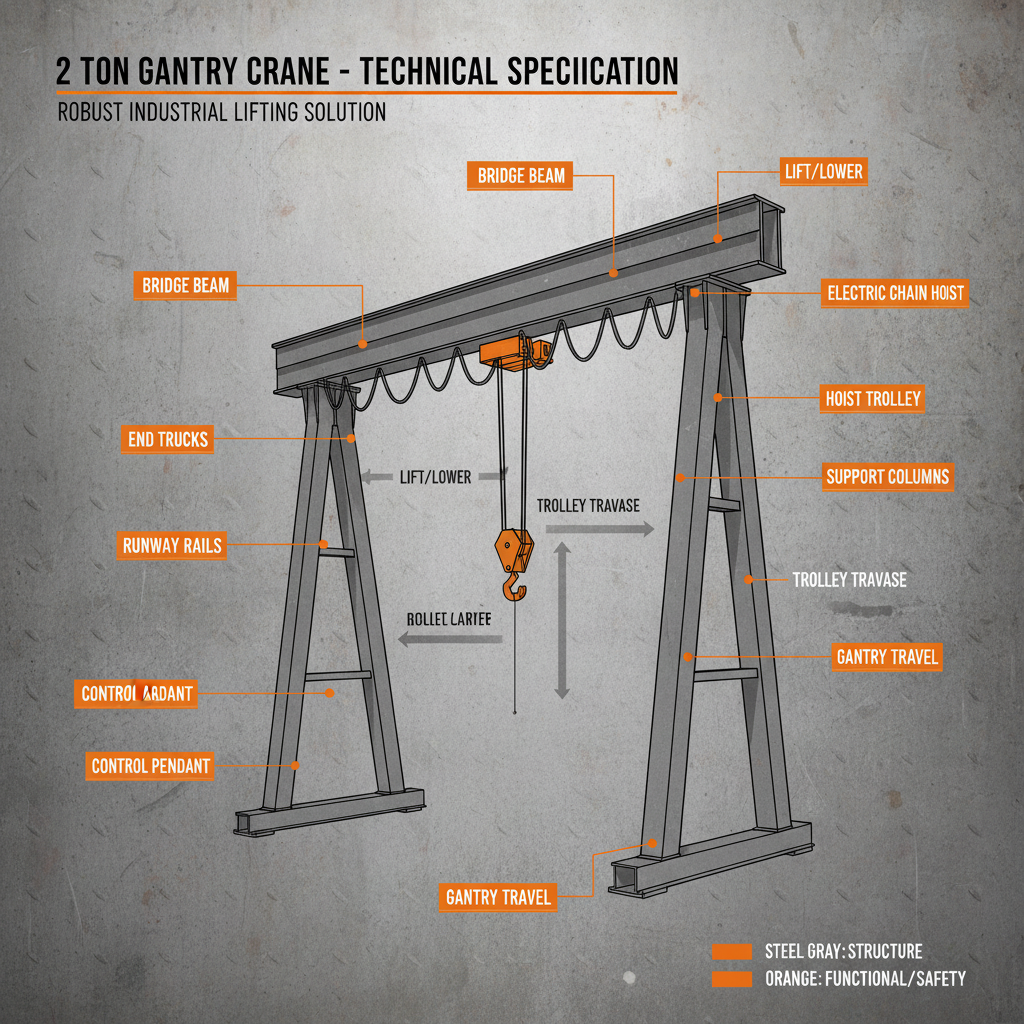
The world’s infrastructure is constantly evolving, demanding efficient and adaptable lifting solutions. The rolling gantry crane has emerged as a pivotal technology in modern materials handling, offering a flexible and cost-effective alternative to traditional fixed gantry cranes and other lifting equipment. Its ability to be easily moved and reconfigured makes it ideal for diverse applications, from shipbuilding and manufacturing to logistics and construction.
Globally, the demand for efficient port operations, increased manufacturing output, and streamlined construction projects fuels the need for adaptable lifting solutions. According to the UN Comtrade database, global trade volume continues to rise, putting pressure on port infrastructure. Furthermore, the ISO standards for quality management and safety necessitate robust and reliable lifting equipment. The rolling gantry crane effectively addresses these challenges by providing a safe, versatile, and readily deployable lifting capacity.
However, current lifting solutions often struggle with adaptability and cost-effectiveness, particularly in dynamic environments. Traditional cranes are immobile, requiring extensive and expensive site preparation. The rolling gantry crane fills this gap by providing a mobile solution that minimizes downtime and maximizes operational efficiency, proving essential for evolving industrial landscapes.
Introduction to rolling gantry crane
A rolling gantry crane represents a significant advancement in lifting technology, offering a compelling combination of mobility, strength, and cost-effectiveness. Unlike traditional gantry cranes fixed to a foundation, rolling gantry cranes are mounted on wheels, allowing for easy relocation within a workspace. This inherent mobility makes them incredibly valuable in environments where flexibility and adaptability are paramount.
The versatility of these cranes extends beyond simple movement. Many models can be customized with a variety of lifting mechanisms, including hoists, winches, and specialized attachments, catering to a diverse range of load types and handling requirements. This customization is key to their widespread application across many industries.
Defining rolling gantry crane
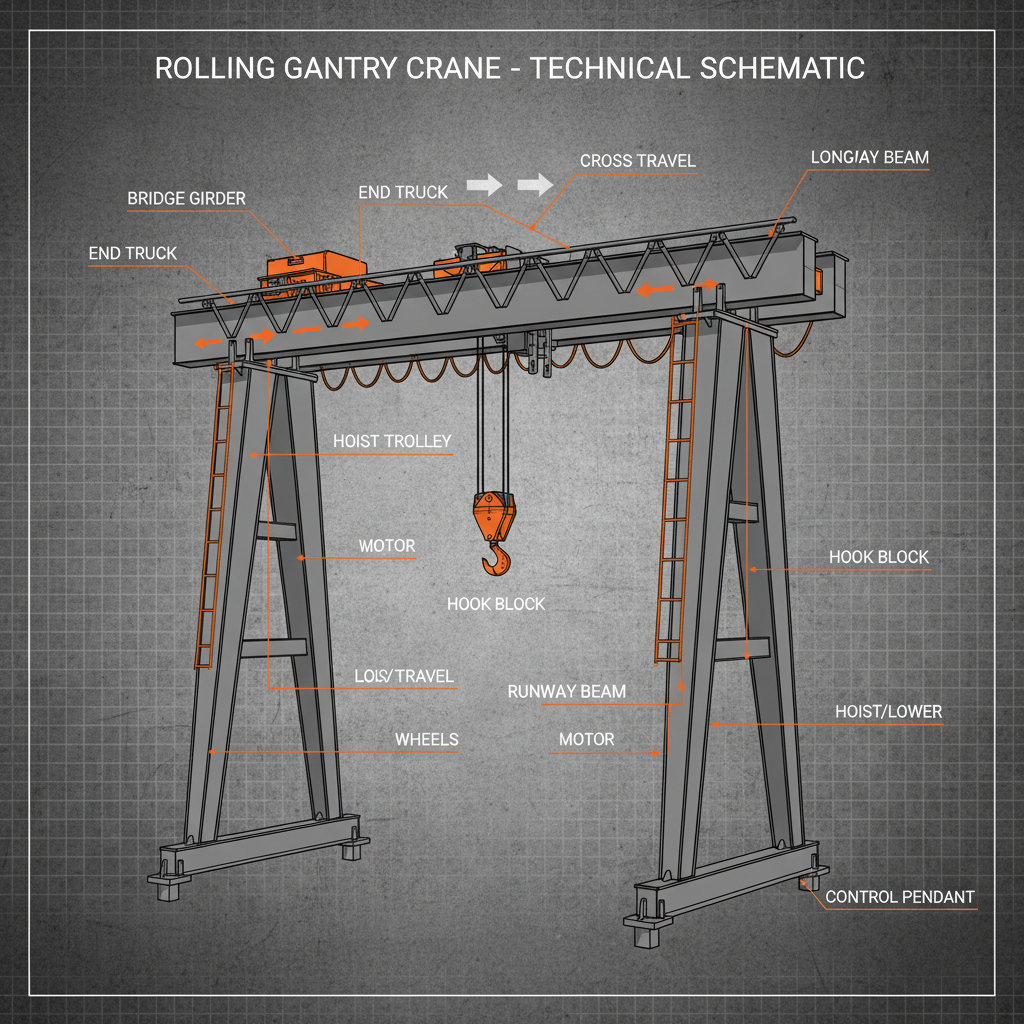
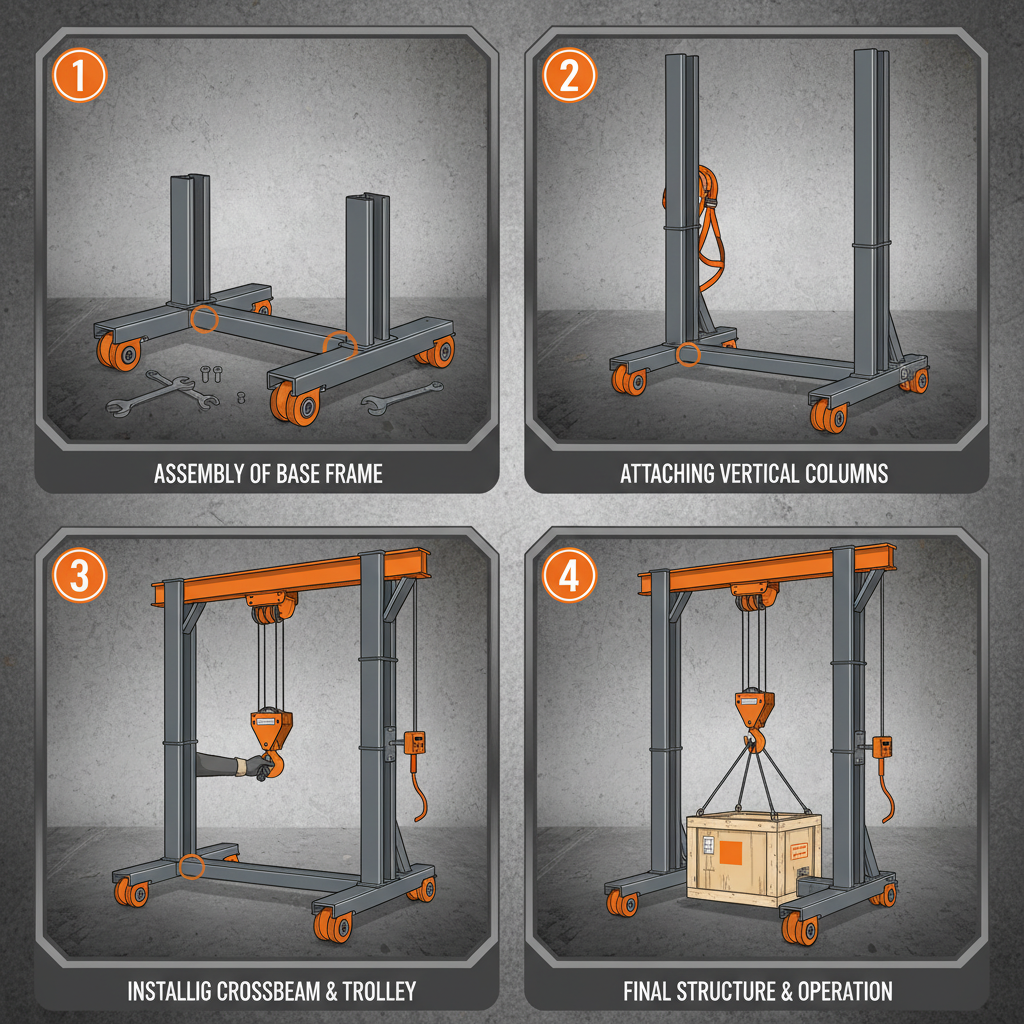
At its core, a rolling gantry crane is a type of crane that uses a horizontal beam (the gantry) supported by legs that move on wheels. This wheeled structure allows the entire crane to be relocated along a predetermined path, usually rails or a prepared surface. This distinguishes it from stationary gantry cranes, which are permanently installed in a fixed location.
The connection to modern industry is undeniable. As businesses strive for lean manufacturing, flexible production lines, and streamlined logistics, the need for adaptable lifting equipment grows. Rolling gantry cranes directly support these goals by enabling efficient material flow and optimizing workspace utilization. They minimize downtime and maximize productivity in increasingly dynamic industrial settings.
Furthermore, their applications are expanding into critical areas like disaster relief and humanitarian aid, where rapid deployment and adaptability are essential. These cranes can quickly lift and move heavy debris, providing access to affected areas and supporting emergency response efforts.
Core Components & Characteristics
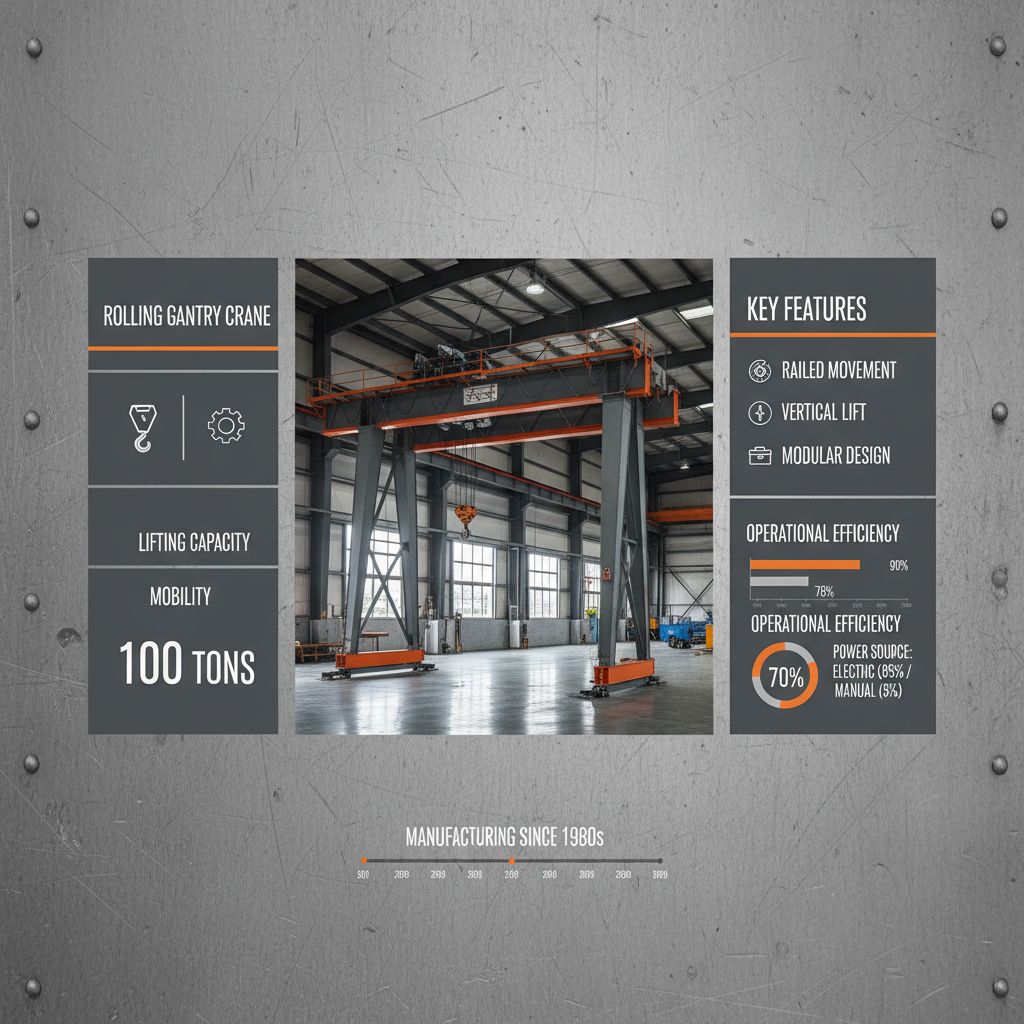
Several key characteristics define a high-quality rolling gantry crane. First, durability is paramount, with robust steel construction ensuring long-term reliability even under demanding workloads. The choice of steel grade and welding techniques directly impacts the crane’s load capacity and lifespan.
Scalability is another critical aspect. A well-designed rolling gantry crane can be easily adapted to changing needs. This might involve adjusting the span (the width of the gantry beam), increasing the lifting capacity, or adding specialized attachments. Modular designs facilitate easy upgrades and modifications.
Cost-efficiency is a major driver of adoption. Compared to installing a permanent gantry crane or purchasing multiple smaller lifting devices, a rolling gantry crane often represents a more economical solution, particularly for businesses with fluctuating material handling requirements. Reduced site preparation costs contribute to overall savings.
Key Factors Driving Adoption
The increasing demand for rolling gantry crane solutions is linked to several key factors. The push for greater efficiency in manufacturing and logistics demands adaptable equipment. The need for optimized space utilization in crowded facilities also drives adoption, as these cranes can operate in areas where fixed cranes are impractical.
Safety considerations are paramount. Modern rolling gantry cranes incorporate advanced safety features, such as overload protection, emergency stop buttons, and audible warning systems, minimizing the risk of accidents and ensuring operator well-being.
Rolling Gantry Crane Adoption Drivers
Global Applications and Industries
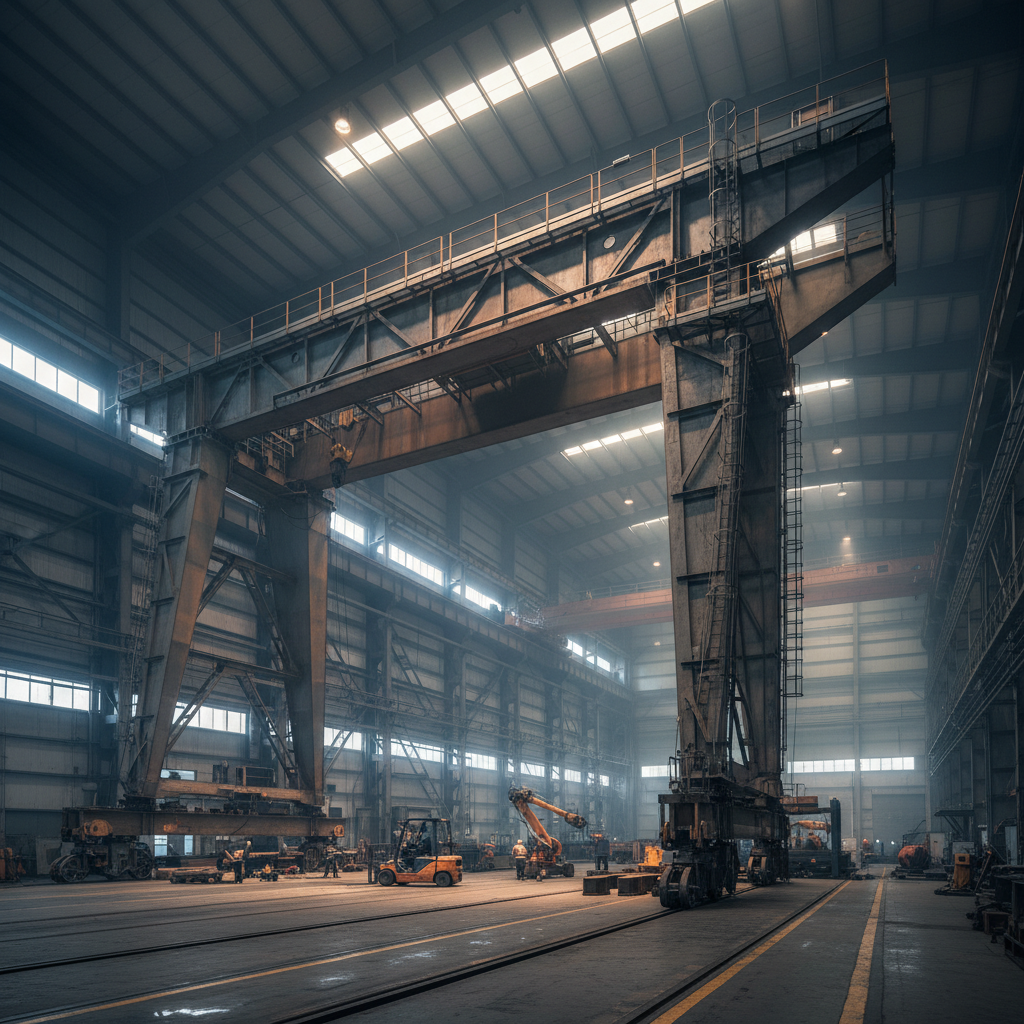
The applications of a rolling gantry crane are remarkably diverse. In the shipbuilding industry, they are used to lift and position large hull sections during assembly. In manufacturing, they handle heavy machinery, raw materials, and finished products. Construction sites utilize them for lifting prefabricated components and managing large-scale projects.
These cranes are particularly valuable in remote industrial zones where fixed infrastructure is limited. Their portability allows for quick setup and efficient operation in challenging environments. In post-disaster relief operations, they can rapidly clear debris and facilitate the delivery of essential supplies.
Advantages & Long-Term Value
The tangible benefits of investing in a rolling gantry crane are substantial. Cost savings stem from reduced site preparation, lower maintenance requirements, and increased operational efficiency. Sustainability is enhanced through optimized material handling and reduced energy consumption compared to other lifting methods.
Beyond the financial and environmental advantages, these cranes promote safety and dignity in the workplace. They enable precise and controlled lifting operations, minimizing the risk of accidents and injuries. Furthermore, the reliability and durability of modern rolling gantry cranes build trust and confidence among operators and stakeholders.
Future Trends & Innovations
The future of rolling gantry crane technology is poised for exciting advancements. Integration with automation and robotics will enable fully automated lifting and material handling processes, further increasing efficiency and reducing labor costs. The development of lighter, stronger materials, such as advanced alloys and composites, will lead to more agile and versatile cranes.
Sustainability will continue to be a driving force, with a focus on developing cranes powered by renewable energy sources. Digitalization, including the use of IoT sensors and data analytics, will provide real-time monitoring of crane performance, predictive maintenance capabilities, and enhanced safety features.
These innovations will solidify the rolling gantry crane's position as a vital component of modern industrial infrastructure, empowering businesses to operate more efficiently, sustainably, and safely.
Summary of Key Rolling Gantry Crane Considerations
| Load Capacity |
Span Length |
Mobility Requirements |
Environmental Conditions |
| Maximum weight the crane can safely lift (tons) |
Distance between crane legs (meters) |
Frequency and distance of crane relocation |
Temperature, humidity, and potential exposure to corrosive substances |
| 5-10 tons |
10-20 meters |
Daily relocation across a large facility |
Outdoor operation in moderate climates |
| 10-20 tons |
20-30 meters |
Infrequent relocation for specific projects |
Indoor operation in a controlled environment |
| 20-50 tons |
30-40 meters |
Minimal relocation required |
Harsh environments with high humidity and salt spray |
| 50-100 tons |
40-50 meters |
Stationary operation with occasional adjustments |
Extreme temperatures and corrosive atmospheres |
| 100+ tons |
50+ meters |
Permanent installation with no relocation |
Specialized applications requiring precise control |
FAQS
Rolling gantry cranes offer significant advantages in flexibility and cost-effectiveness. Unlike fixed cranes requiring substantial foundation work, rolling cranes are mobile and can be easily repositioned, reducing installation costs and downtime. They are ideal for applications where lifting points change frequently or where temporary lifting solutions are needed. Furthermore, rolling gantries can often be a more affordable option for lower lifting capacities compared to the investment of a permanently installed structure.
Regular maintenance is crucial for the longevity and safety of a rolling gantry crane. This typically includes visual inspections for wear and tear, lubrication of moving parts, checking and tightening bolts, and inspecting the wheels and rail system for damage. Frequency depends on usage intensity, but a quarterly or semi-annual preventative maintenance schedule is generally recommended. Proper maintenance minimizes downtime and extends the crane's lifespan.
Essential safety features include overload protection devices, emergency stop buttons strategically located around the crane, audible warning systems, and limit switches to prevent over-travel. A well-designed crane will also feature robust structural integrity, a reliable braking system, and clear operator controls. Regular operator training and adherence to safety protocols are equally important.
Yes, many rolling gantry cranes are designed for outdoor use. However, it’s crucial to select a model specifically engineered for the intended environmental conditions. This includes corrosion-resistant coatings, weather-proof electrical components, and a robust structure capable of withstanding wind loads. Consideration should also be given to ground conditions and the suitability of the rail system for outdoor environments.
Lead times for custom rolling gantry cranes vary depending on the complexity of the design, material availability, and the manufacturer's current workload. Generally, lead times range from 8 to 16 weeks. Providing detailed specifications and clear communication with the manufacturer can help expedite the process. Discussing project timelines upfront is essential.
Determining the correct load capacity requires careful assessment of the heaviest load that will be lifted, plus a safety margin. Factors to consider include the weight of the load itself, any lifting attachments, and the potential for dynamic loads generated during lifting or movement. Always adhere to the crane's rated capacity and never exceed it. Consulting with a lifting specialist is recommended.
Conclusion
The rolling gantry crane represents a powerful and versatile solution for a wide range of material handling challenges. Its adaptability, cost-effectiveness, and safety features make it an increasingly popular choice across diverse industries. By offering a flexible alternative to traditional lifting equipment, it empowers businesses to optimize their operations and improve overall productivity.
Looking ahead, the integration of advanced technologies will further enhance the capabilities of rolling gantry cranes. Investing in this technology not only addresses current needs but also positions businesses for future success in a rapidly evolving industrial landscape. To explore the possibilities and discover how a rolling gantry crane can benefit your operations, visit our website: www.daweihoisting.com.