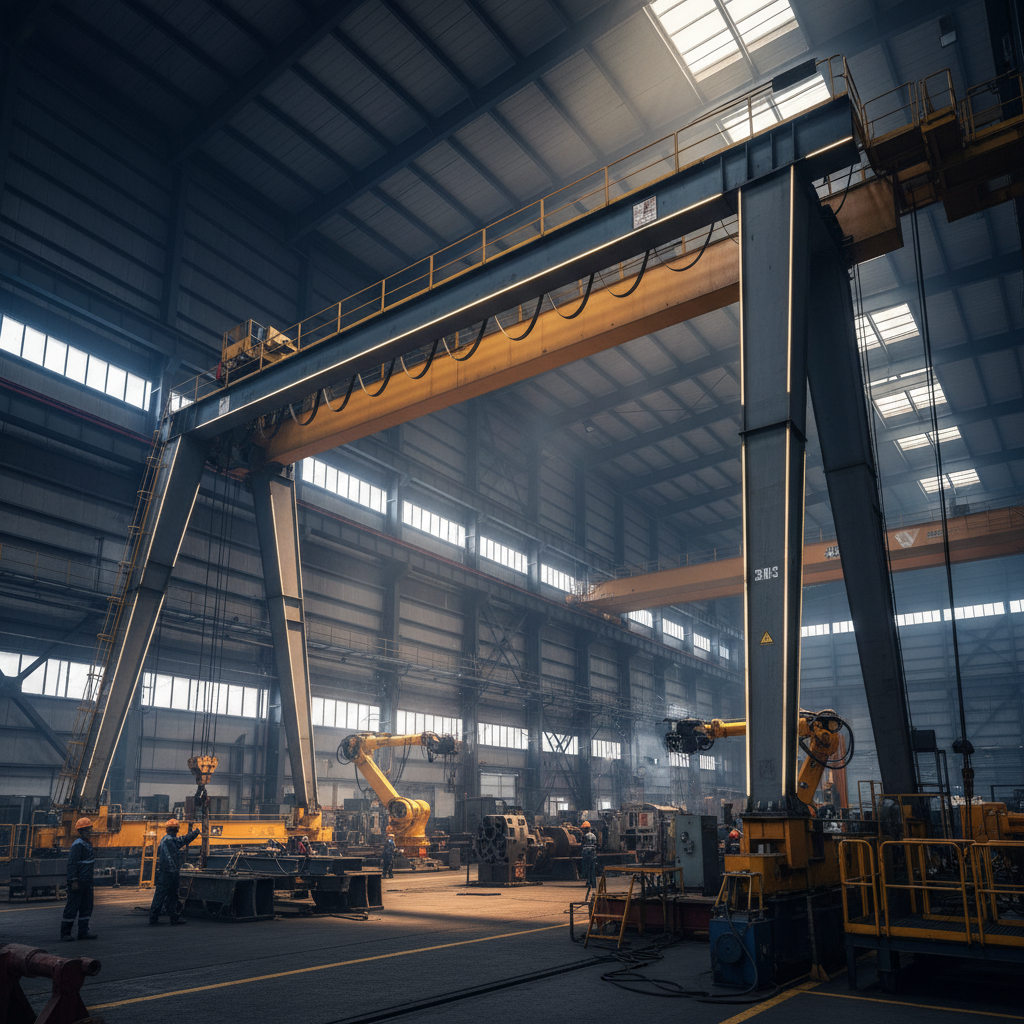
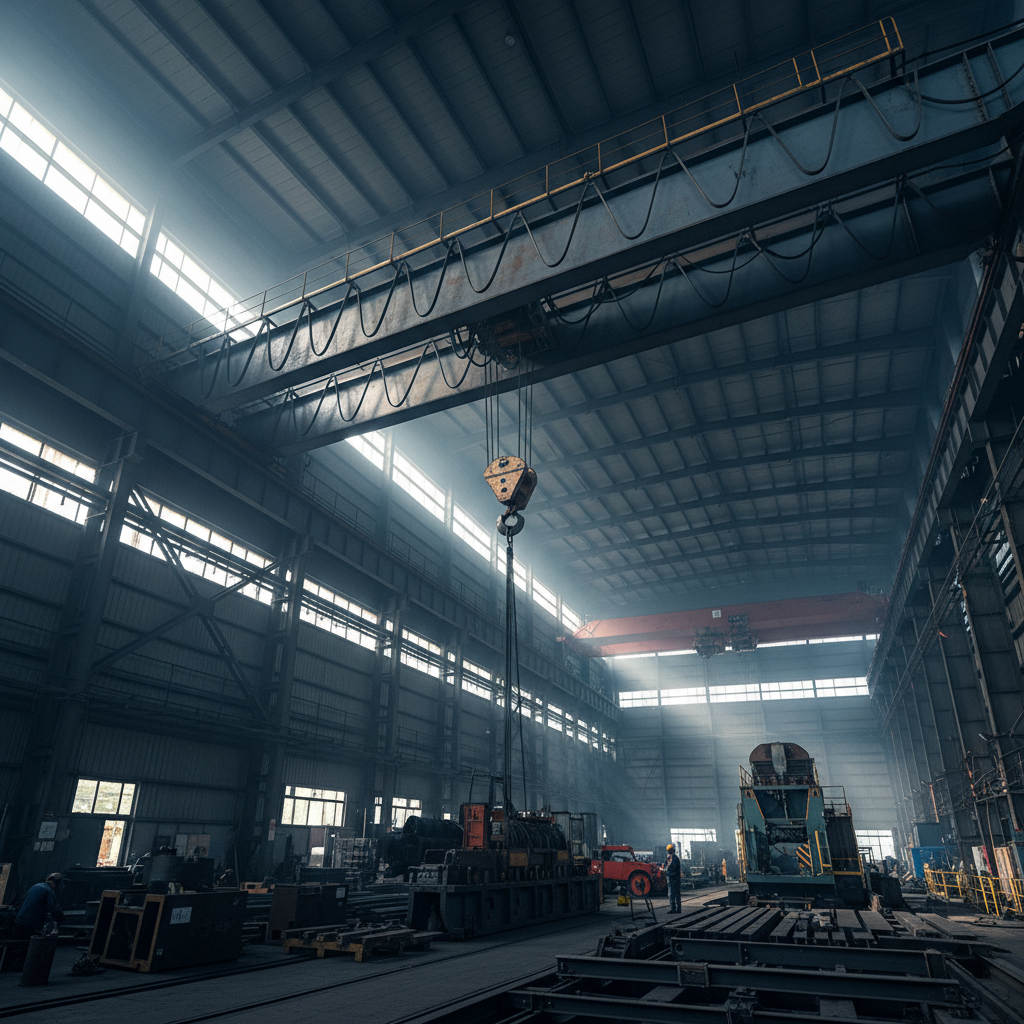
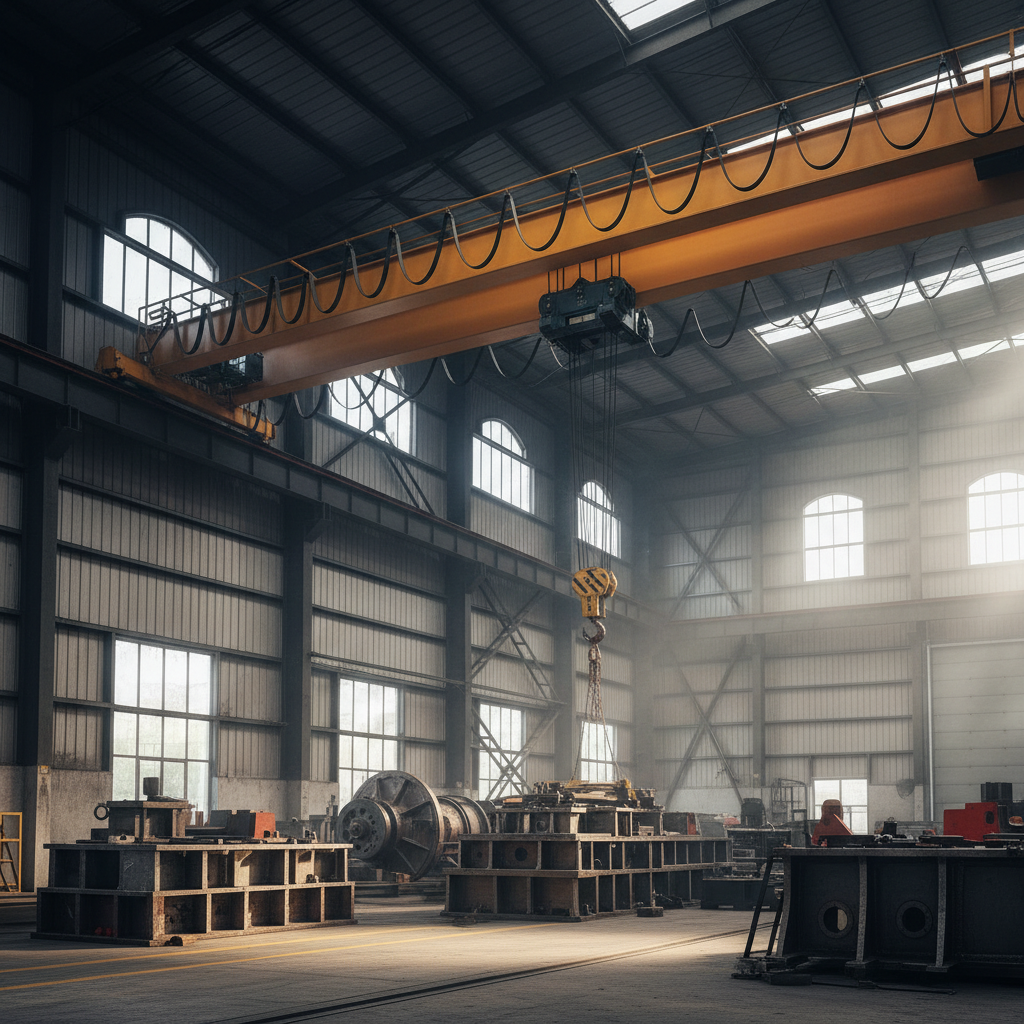
The 3 ton gantry crane is a vital piece of equipment in modern industry, offering a versatile lifting solution for a wide range of applications. Its ability to handle significant loads while providing mobility and adaptability makes it indispensable in construction, manufacturing, shipping yards, and more. Understanding the capabilities and advantages of a 3 ton gantry crane is crucial for businesses aiming to optimize their material handling processes and enhance operational efficiency.
Globally, the demand for efficient material handling solutions is steadily increasing, driven by factors such as expanding infrastructure projects, growing manufacturing sectors in emerging economies, and the need for streamlined logistics. A 3 ton gantry crane addresses this demand directly by providing a cost-effective and adaptable lifting solution that can be deployed in diverse environments. The United Nations' Sustainable Development Goals, particularly those related to infrastructure development and industrialization, are intrinsically linked to the efficient use of equipment like the 3 ton gantry crane.
Challenges in material handling, such as limited space, the need for outdoor lifting capabilities, and the requirement for precise load positioning, are effectively addressed by the 3 ton gantry crane. This crane’s portability and adjustable span allow for customized solutions tailored to specific operational needs, ultimately boosting productivity and reducing downtime. Investing in a well-maintained 3 ton gantry crane is a strategic step toward improving overall business performance.
Introduction to the 3 Ton Gantry Crane
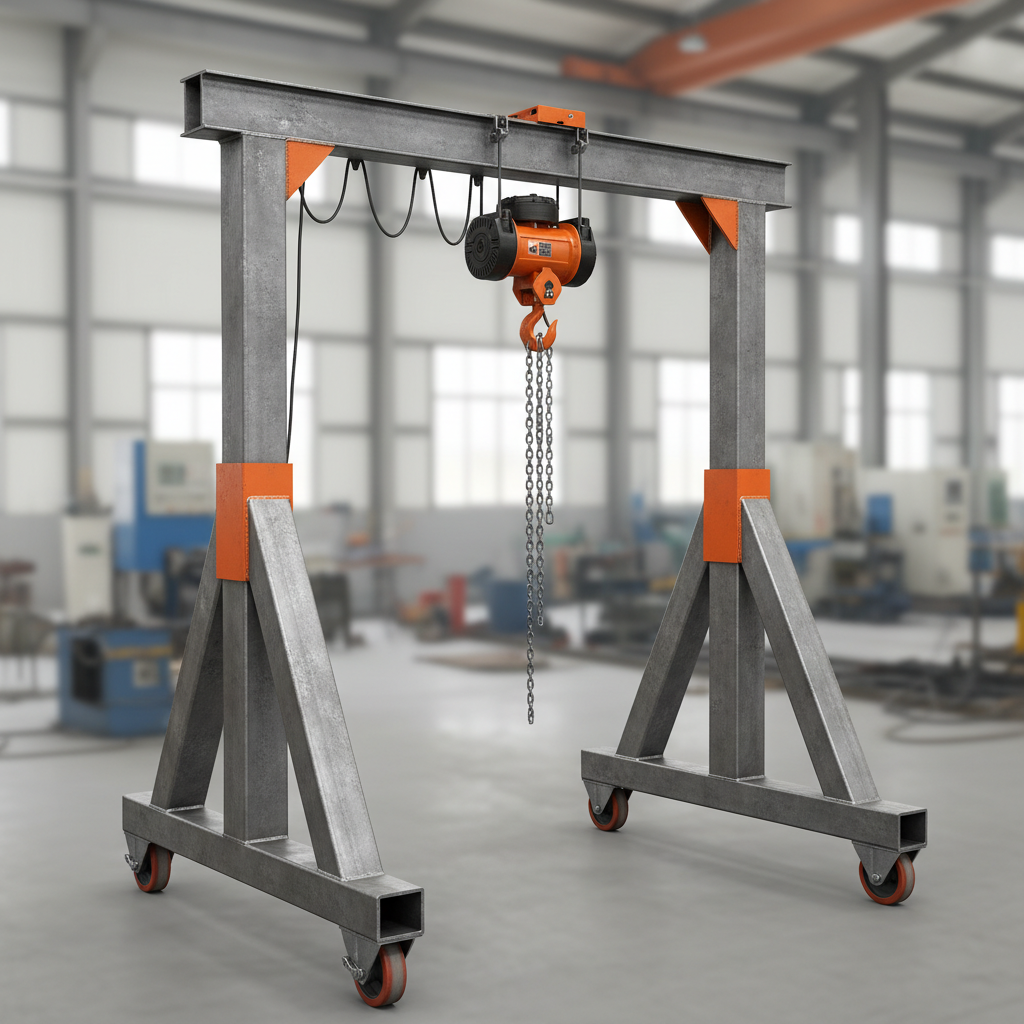
The 3 ton gantry crane stands as a powerful and flexible lifting solution, offering a substantial capacity for diverse industrial and commercial needs. This crane type is characterized by its ability to lift loads of up to 3,000 kilograms (approximately 6,600 pounds), making it ideal for handling heavy materials, machinery, and equipment. Its gantry structure, consisting of supporting legs and a horizontal beam, provides stability and allows for movement across a defined area.
The applications of a 3 ton gantry crane are extensive, ranging from construction sites and manufacturing plants to shipping yards and warehouses. Its versatility stems from its adjustable span, height, and mobility, allowing it to adapt to various operational requirements. Choosing the right 3 ton gantry crane requires careful consideration of load specifications, environmental conditions, and specific application needs to ensure optimal performance and safety.
Defining a 3 Ton Gantry Crane
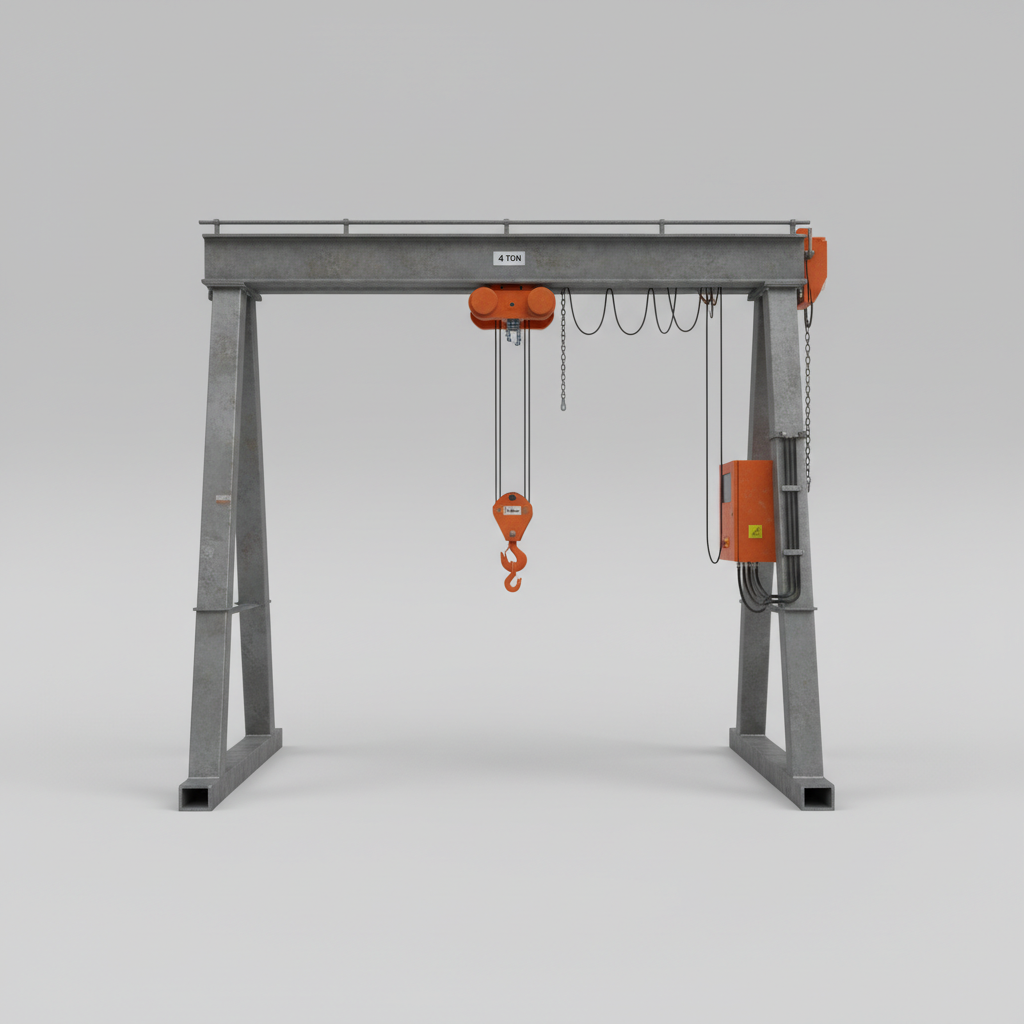
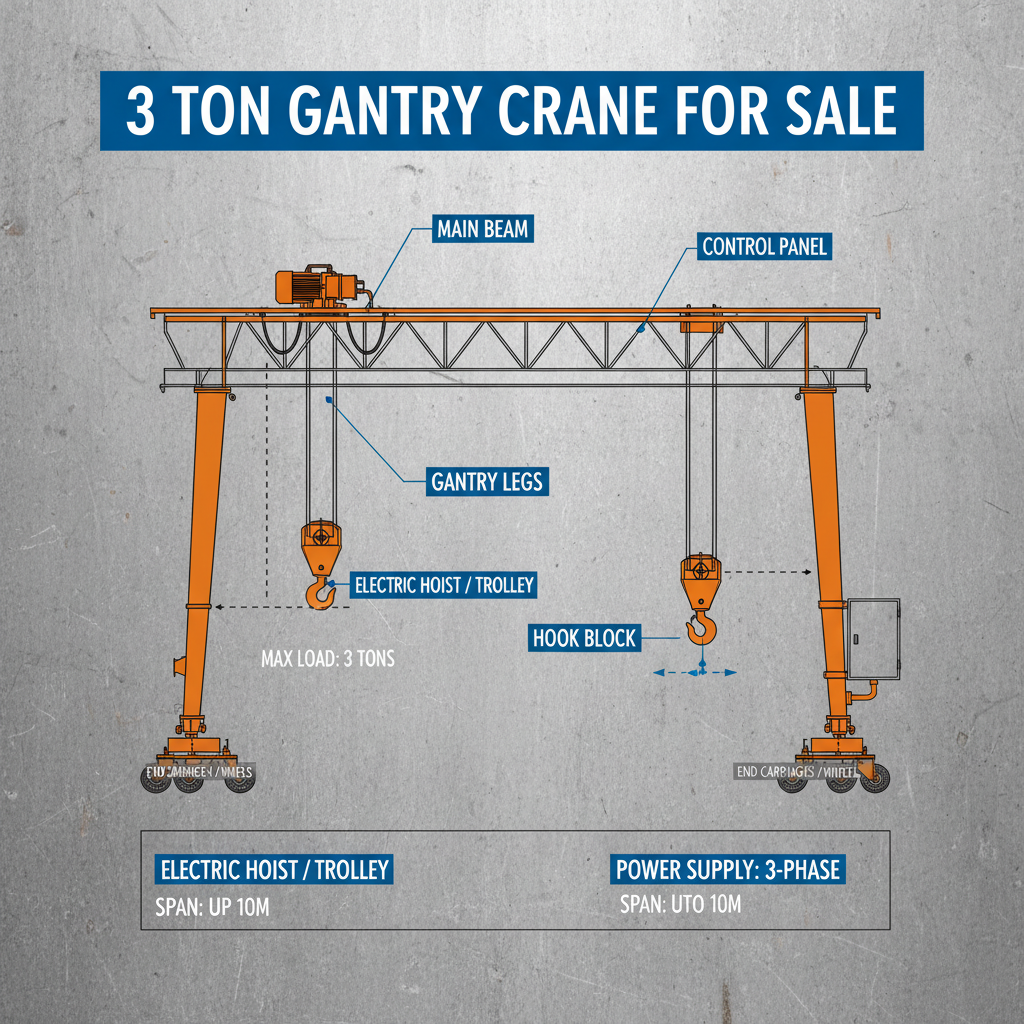
A 3 ton gantry crane is essentially a type of overhead crane characterized by its gantry structure. This structure includes two A-shaped legs supported by horizontal beams, creating a stable framework for lifting and moving heavy loads. The lifting mechanism, typically a hoist, is mounted on a trolley that travels along the horizontal beam, allowing for precise positioning of the load. The “3 ton” designation refers to the crane’s maximum lifting capacity – it can safely handle objects weighing up to three metric tons.
In modern industry, the 3 ton gantry crane plays a critical role in streamlining material handling processes. Unlike fixed overhead cranes, gantry cranes offer greater flexibility and can be easily adapted to different work environments. This is particularly beneficial in outdoor applications or in facilities where a permanent overhead structure is impractical. They’re designed to reduce manual labor, enhance safety, and improve overall productivity.
The connection to humanitarian needs may seem less direct, but these cranes are invaluable in disaster relief efforts. They can quickly and efficiently move debris, deliver essential supplies, and assist in the construction of temporary shelters. Their portability and relatively easy assembly make them ideal for rapid deployment in challenging situations.
Core Components and Features of a 3 Ton Gantry Crane
Several key components contribute to the functionality and reliability of a 3 ton gantry crane. The primary elements include the gantry structure (legs and beam), the hoist (chain or wire rope), the trolley, the end carriages (which facilitate movement along the rails), and the control system (either manual or electric). The quality and specifications of each component directly impact the crane’s performance, safety, and longevity.
The design of a 3 ton gantry crane allows for significant customization. Features such as adjustable height, span, and travel speed can be tailored to specific operational needs. Additional options like anti-collision systems, variable frequency drives (VFDs) for precise speed control, and remote control capabilities further enhance functionality and safety. The selection of appropriate features is crucial for maximizing the crane’s effectiveness.
Moreover, the materials used in construction significantly affect durability. High-strength steel is commonly employed for the gantry structure and critical components, providing robust support and resistance to wear and tear. Regular maintenance, including lubrication, inspection, and component replacement, is essential to ensure the long-term reliability of the crane.
Key Advantages of Utilizing a 3 Ton Gantry Crane
The advantages of employing a 3 ton gantry crane are numerous. Primarily, it offers exceptional lifting capacity for its size and cost, making it a practical solution for businesses handling substantial loads. Its mobility allows for deployment in diverse locations, eliminating the constraints of fixed overhead cranes. This flexibility significantly enhances operational efficiency.
Furthermore, a 3 ton gantry crane contributes to improved safety by reducing the need for manual lifting, minimizing the risk of worker injury. Its precision control enables accurate load positioning, which is vital in many industrial processes. This precision, coupled with the increased lifting capacity, translates to faster project completion times and reduced operational costs.
Comparison of 3 Ton Gantry Crane Features
Global Applications of the 3 Ton Gantry Crane
The versatility of the 3 ton gantry crane translates into a broad spectrum of global applications. In construction, they are used for lifting and positioning steel beams, precast concrete elements, and heavy machinery. Manufacturing facilities utilize them for handling raw materials, components, and finished products. Shipping yards rely on them for loading and unloading cargo from trucks and containers.
These cranes are particularly prevalent in regions with substantial infrastructure development projects, such as China, India, and Southeast Asian countries. In Europe and North America, they are commonly found in industrial parks, warehouses, and ports. In remote industrial zones, where access to fixed overhead cranes is limited, the 3 ton gantry crane provides a crucial lifting solution.
Long-Term Value and Benefits of 3 Ton Gantry Cranes
Investing in a 3 ton gantry crane offers significant long-term value. Beyond the immediate benefits of increased lifting capacity and improved efficiency, these cranes contribute to reduced labor costs, minimized downtime, and enhanced workplace safety. A well-maintained crane can provide reliable service for many years, generating a substantial return on investment.
The positive impact on sustainability should not be overlooked. By streamlining material handling processes, 3 ton gantry cranes can help reduce waste, optimize resource utilization, and minimize environmental impact. They enhance operational efficiency, reducing fuel consumption and emissions. From a social impact perspective, a safer working environment fosters increased employee morale and productivity.
Future Trends and Innovations in 3 Ton Gantry Crane Technology
The future of 3 ton gantry crane technology is geared toward increased automation, digitalization, and sustainability. Expect to see the integration of advanced sensors, real-time monitoring systems, and predictive maintenance capabilities. These technologies will enhance operational efficiency, reduce downtime, and optimize performance.
The incorporation of variable frequency drives (VFDs) and energy-efficient motors will further reduce energy consumption, contributing to a greener operational footprint. Remote control systems and automated guided vehicles (AGVs) will enhance safety and streamline material handling processes. The development of lighter, stronger materials will also lead to more portable and efficient crane designs.
Furthermore, the utilization of digital twins – virtual representations of the physical crane – will enable predictive analysis, allowing for proactive maintenance and optimization. These innovations will position the 3 ton gantry crane as an even more essential component of modern industrial operations.
Summary of 3 Ton Gantry Crane Operational Considerations
| Environmental Conditions |
Maintenance Schedule |
Safety Protocols |
Operational Efficiency |
| Temperature Extremes: Performance impacts. |
Monthly Inspection: Essential for all components. |
Load Limits: Strictly enforced to prevent overloading. |
Load Distribution: Optimize to minimize stress. |
| Humidity Levels: Corrosion risk assessment. |
Annual Servicing: Professional check-up required. |
Operator Training: Certified personnel mandatory. |
Travel Speed: Adjust based on load and environment. |
| Wind Resistance: Secure loads during high winds. |
Lubrication: Regular lubrication of moving parts. |
Emergency Stop: Functionality tested regularly. |
Route Planning: Optimize travel paths for efficiency. |
| Dust and Debris: Filter maintenance crucial. |
Wire Rope/Chain Inspection: Check for wear and tear. |
Clearance Zone: Maintain a safe work zone. |
Trolley Speed: Fine-tune for precise positioning. |
| Corrosive Environments: Protective coatings required. |
Bolt Tightness: Regularly check and tighten bolts. |
Signal Communication: Clear communication between operators. |
Lift Height: Optimize for material handling needs. |
| Seismic Activity: Anchoring requirements. |
Control System Checks: Ensure functionality. |
Personal Protective Equipment: Mandatory for all personnel. |
Load Weight Verification: Accurate weight assessment. |
FAQS
The lifespan of a 3 ton gantry crane can vary considerably based on usage frequency, environmental conditions, and the quality of maintenance. With regular inspections, lubrication, and prompt repair of any issues, a well-maintained crane can reliably operate for 10-20 years or even longer. Corrosive environments or heavy-duty use will naturally shorten the lifespan, while lighter workloads and proper preventative maintenance can extend it.
Standard safety features on a 3 ton gantry crane typically include overload protection, emergency stop buttons, limit switches to prevent overtravel, and audible warning devices. Many cranes also feature anti-collision systems and variable frequency drives for smoother operation. Regular inspection of these features is crucial to ensure their proper functionality and maintain a safe working environment. Proper operator training is equally important.
A 3 ton gantry crane requires regular maintenance to ensure safe and reliable operation. This includes monthly visual inspections for wear and tear, lubrication of moving parts, and annual servicing by a qualified technician. Wire ropes or chains should be inspected frequently for damage, and bolts should be tightened as needed. Keeping a detailed maintenance log is essential for tracking repairs and preventative measures.
Yes, a 3 ton gantry crane can be used outdoors, but it's important to choose a model specifically designed for outdoor use. These cranes typically feature corrosion-resistant coatings and weatherproof electrical components. Consideration should also be given to wind resistance and the need for proper anchoring, especially in areas prone to strong winds. Regular cleaning to remove dirt and debris is also important.
The cost of a 3 ton gantry crane varies depending on factors such as span, height, features, and manufacturer. Generally, you can expect to pay between $5,000 and $20,000 for a standard model. Customized cranes with advanced features will typically cost more. It’s vital to consider the total cost of ownership, including maintenance and potential repairs, when making a purchasing decision.
When selecting a 3 ton gantry crane, key considerations include the required lifting capacity, span, height, and operating environment. Assess your specific application needs, including the type of load being lifted, the frequency of use, and any space constraints. Prioritize safety features and ensure the crane meets all relevant industry standards and regulations. Choosing a reputable manufacturer and supplier is also essential.
Conclusion
In conclusion, the 3 ton gantry crane stands as a robust and versatile solution for a wide range of material handling challenges. Its combination of lifting capacity, mobility, and adaptability makes it an invaluable asset for industries ranging from construction and manufacturing to shipping and logistics. Understanding its core components, advantages, and future trends is crucial for optimizing operational efficiency and ensuring workplace safety.
Looking ahead, the integration of advanced technologies, such as automation and digitalization, will further enhance the capabilities of the 3 ton gantry crane. By embracing these innovations and prioritizing preventative maintenance, businesses can unlock the full potential of this essential equipment and achieve long-term success. For more information or to explore our range of 3 ton gantry cranes, visit our website: www.daweihoisting.com.