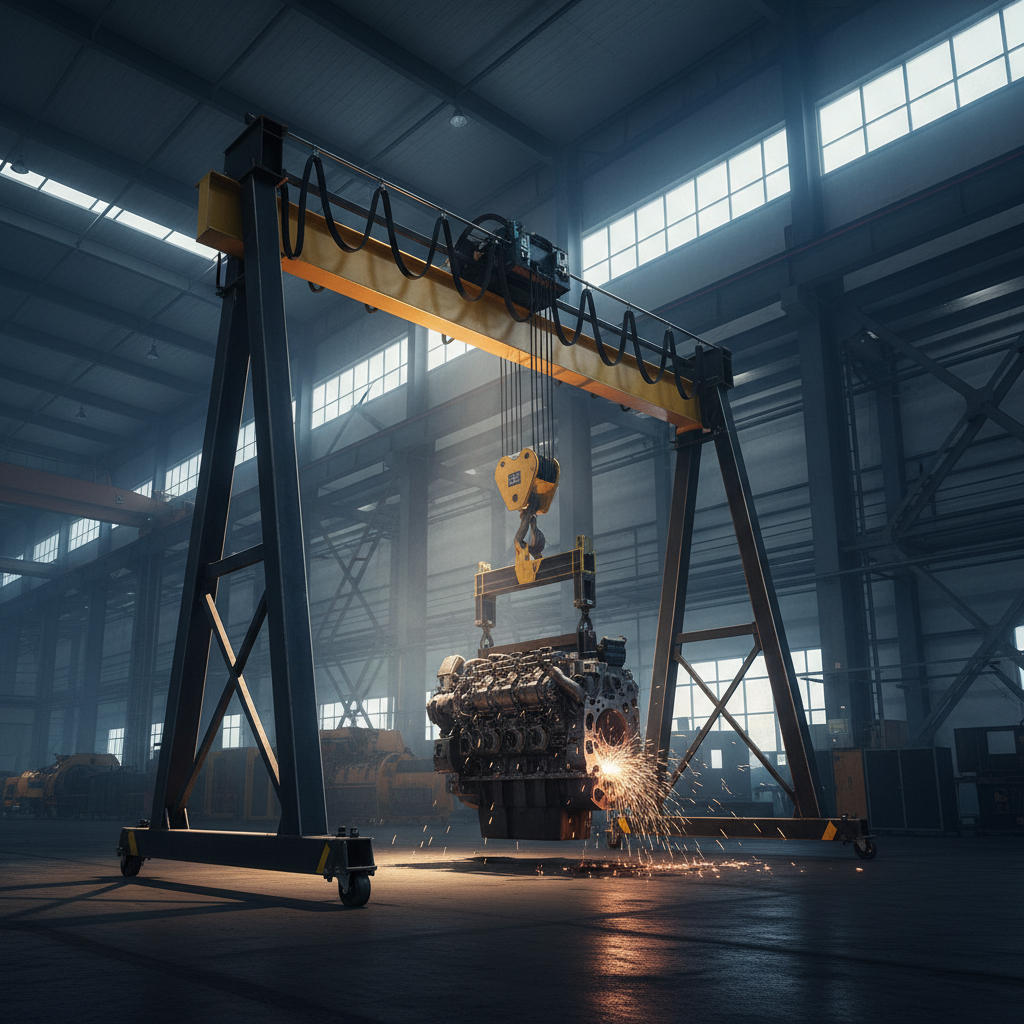
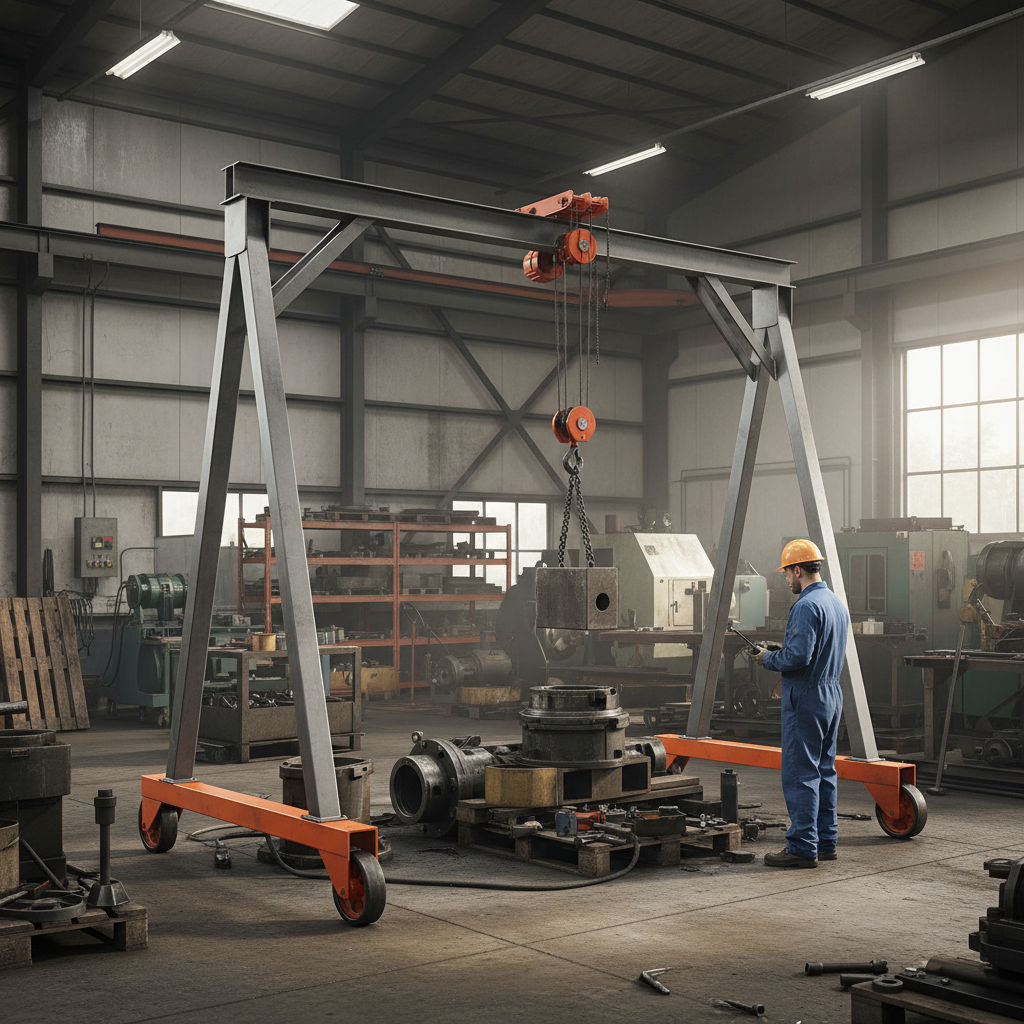
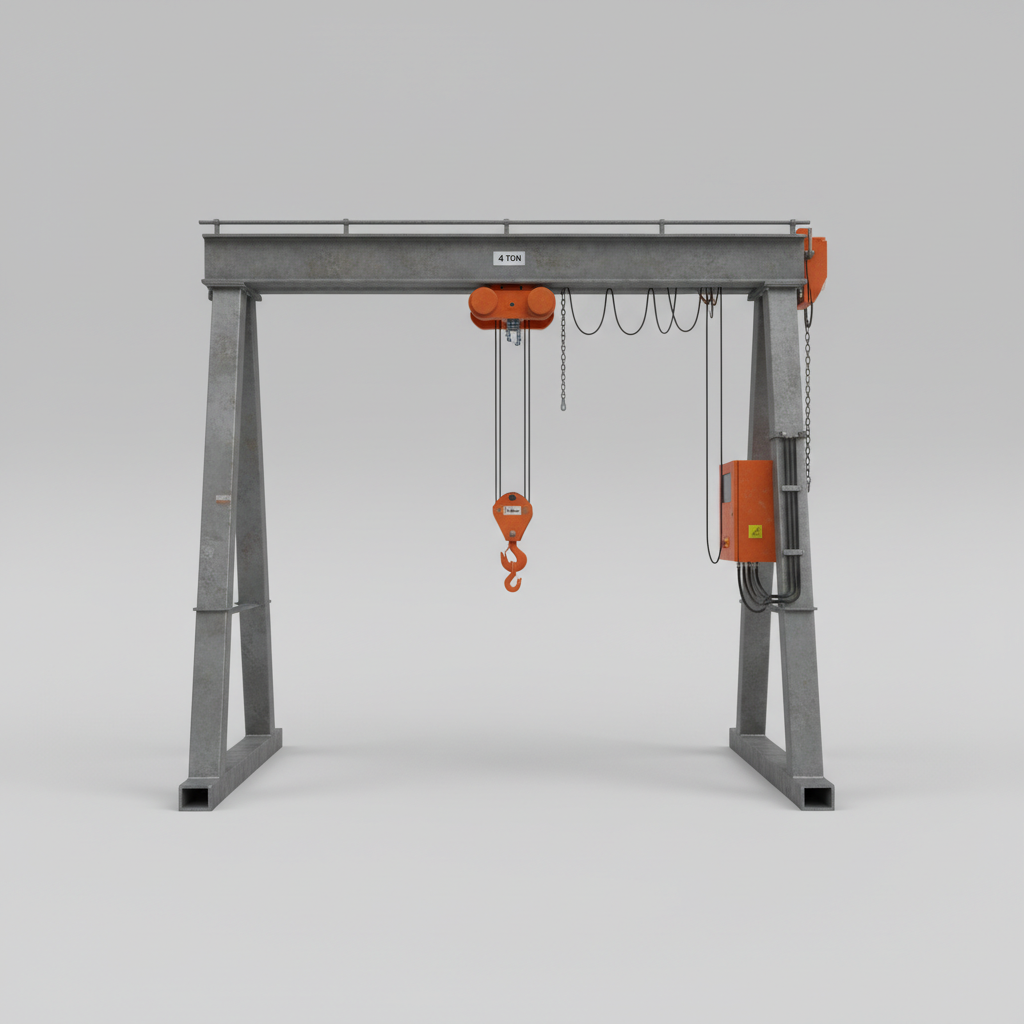
Look, been running around construction sites all year, you start to see things. Everyone's talking about prefabrication now, modular builds, right? Gotta speed things up, labor's expensive. And honestly, these 4000 lb gantry crane systems are a big part of it. They’re popping up everywhere. Used to be, you'd need a massive, dedicated crane for even medium-sized lifts. Now? You can get a portable gantry, set it up in a day, and be lifting pre-fab wall sections, HVAC units… you name it.
It's not all roses though. I've seen guys try to cheap out, get a gantry that looks good on paper, but the steel’s thin, the welds are sloppy…and then you’re looking at a disaster waiting to happen. Safety first, always. And to be honest, a lot of the documentation is…optimistic. They’ll show you a perfect lab test, but a real job site is a different beast.
You also see folks underestimate the ground prep. These things are heavy, even the lighter duty 4000 lb gantry crane models. If you're setting it up on anything less than solid concrete, you’re asking for trouble. Leveling is key too, I’ve seen so many crews struggle with that.
The Rise of Portable Lifting Solutions
Have you noticed how much pre-fab is going on? It’s not just high-rises anymore, it’s even smaller commercial builds. And that’s where the 4000 lb gantry crane really shines. It’s flexible. It’s relatively affordable. It's not a permanent installation, so it doesn't require the same permitting headaches as a full-sized crane. It lets smaller crews handle bigger lifts, which is a huge deal.
Strangely enough, I’ve also seen a rise in using them for maintenance. Replacing HVAC units on rooftops, lifting equipment onto mezzanines… stuff that used to require rigging and a lot of manpower. Makes things a lot safer, and frankly, faster.
Design Pitfalls: What to Watch Out For
To be honest, the biggest issue I see is guys focusing too much on capacity and not enough on stability. A 4000 lb gantry crane can lift 4000 pounds, but if it’s not properly designed, it can tip over with a lot less. Leg spacing is critical, and the base needs to be solid. I encountered this at a factory last time, they had a really narrow base for their gantry and almost lost a shipment of expensive equipment.
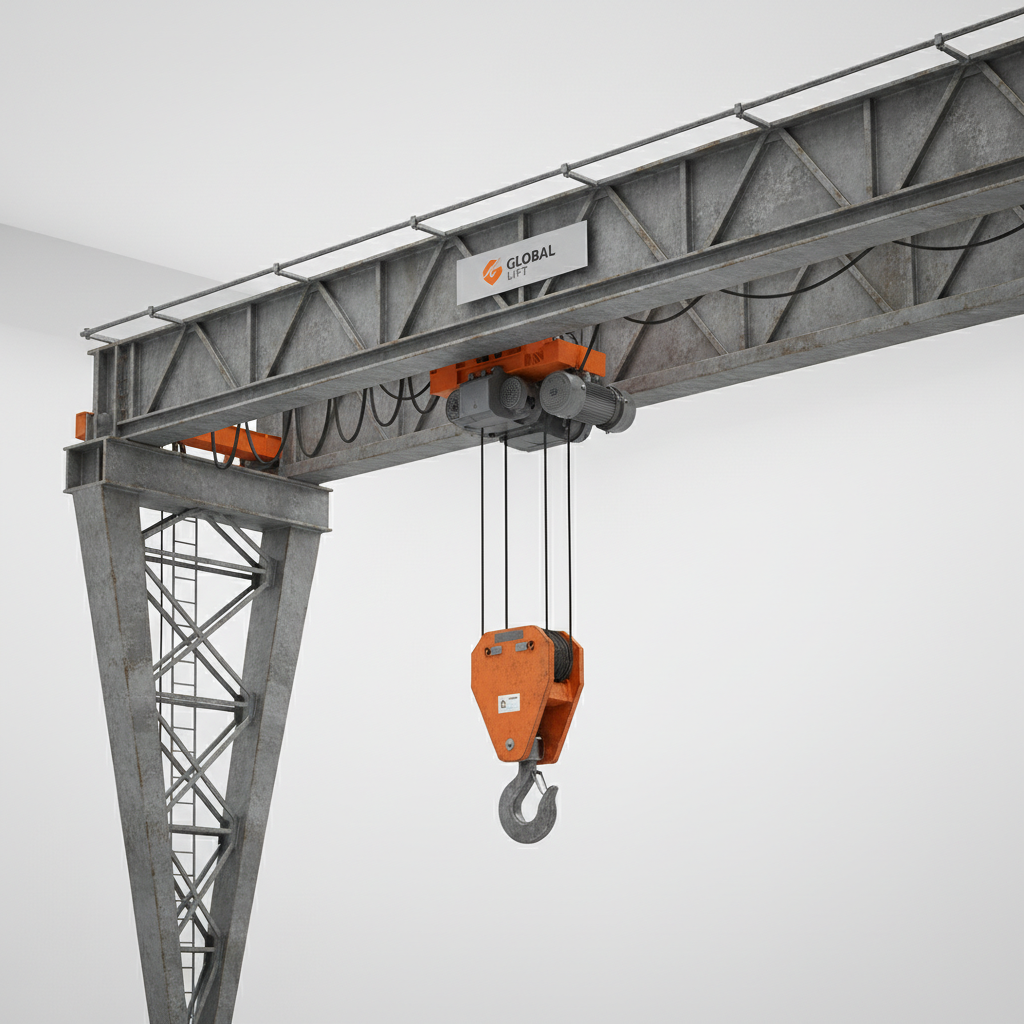
Another thing? The hoist itself. A cheap hoist will jerk and shudder, making precise lifting almost impossible. You want a smooth, reliable hoist, even if it costs a bit more. And make sure the trolley moves freely along the beam. Sticking is a nightmare.
Then there’s the whole issue of wind load. People forget that these things can act like sails. Always, always consider wind conditions, especially in exposed areas. You might need to tie it down or limit the load.
Material Matters: Steel, Wheels, and More
The steel, obviously, is the big one. You want something with a good yield strength. The stuff that smells…almost oily when you weld it, that’s usually a good sign. But it's not just the steel grade, it's the welding. You want smooth, consistent welds all around. Bad welds are a recipe for disaster. I've seen some Chinese imports that... well, let's just say I wouldn’t trust them with anything valuable.
The wheels are important too. They need to be robust enough to handle the load and roll smoothly. Polyurethane wheels are good for smooth surfaces, but if you're dealing with uneven ground, you'll want something more durable, like steel wheels with rubber tires. They clatter a bit more, but they’ll last longer. The smell of new polyurethane is pretty distinct too.
And don't forget the hardware – the bolts, nuts, and shackles. Grade 8 hardware is a must. Anything less is just asking for trouble. You want things that feel solid and substantial in your hand, not flimsy and lightweight. It sounds simple, but I've seen it overlooked more times than I can count.
Real-World Testing: Beyond the Lab
Lab tests are fine, but they don't tell the whole story. I’ve seen gantries that pass all the certifications, but fall apart under real-world conditions. We do our own testing, and it’s brutal. We overload them, we swing loads, we test them in windy conditions. We basically try to break them.
We also test them with the types of loads they’ll actually be lifting. It’s not the same thing lifting a steel cube as it is lifting a pre-fabricated wall section that’s awkwardly shaped and off-balance.
4000 lb Gantry Crane Testing Parameter Ratings
How Users Actually Use 4000 lb Gantry Crane
It’s not always what you expect. A lot of guys use them for lifting materials into tight spaces, places a forklift can’t reach. They’ll set up the gantry, lift the load, and then wheel it into position. It’s surprisingly versatile.
I’ve also seen them used for temporary support. Holding something in place while it’s being welded or bolted, for example. But that’s pushing it, and you have to be extremely careful. These aren't designed for long-term support.
The Good, the Bad, and the Customizable
The biggest advantage? Speed and flexibility. It's much faster to set up a 4000 lb gantry crane than a full-sized crane, and it can be moved around easily. Disadvantage? Capacity, obviously. It's not going to handle heavy equipment. And honestly, the quality control on some of the cheaper models is terrible.
Customization is definitely possible. We had a customer last year who needed a gantry with a longer span to lift machinery over an existing obstruction. We were able to modify a standard model to meet his requirements, but it added to the cost and lead time. We added a custom spreader bar and reinforced the beam.
A Shenzhen Story & Core Considerations
Last month, that small boss in Shenzhen who makes smart home devices insisted on changing the interface to on the hoist control. Said it was “more modern.” It looked nice, sure, but the connector was flimsy, and the wiring wasn’t shielded properly. Within a week, the signal was cutting out, and the hoist was jerking around. He ended up having to switch back to the original connector, costing him time and money. Lesson learned: don’t fix what isn’t broken.
Anyway, I think the core thing to remember is this: a 4000 lb gantry crane is a tool. A really useful tool, but still just a tool. It’s only as good as the person using it, and as solid as the foundation it’s sitting on.
Ultimately, whether this thing works or not, the worker will know the moment he tightens the screw.
Core Considerations for 4000 lb Gantry Crane Selection
| Application Type |
Load Characteristics |
Environmental Factors |
Safety Features |
| Prefabrication Lifting |
Uniformly Distributed Weight |
Outdoor, Moderate Wind |
Load Limit Switch |
| Maintenance & Repair |
Off-Center/Awkwardly Shaped |
Indoor, Limited Space |
Emergency Stop Button |
| Material Handling |
Frequent Lift/Lower Cycles |
Variable Temperature |
Overload Protection |
| Equipment Installation |
Concentrated Load |
Dusty Environment |
Anti-Slip Feet |
| Temporary Support |
Static, Long Duration |
Weather Protected |
Regular Inspection Points |
| HVAC Unit Replacement |
Bulky, Limited Access |
Rooftop, Wind Exposure |
Tie-Down Points |
FAQS
The maximum height depends on the specific model and leg height. Some offer adjustable legs, allowing you to increase the lifting height. However, keep in mind that increasing the height also reduces stability, so you need to ensure the base is still properly secured. You usually get up to about 15-20 feet with a standard model, but exceeding that requires careful consideration of wind load and base support. Don't go crazy, seriously.
They can be, but you need to take precautions. Most are painted with a weather-resistant coating, but prolonged exposure to rain and salt air will eventually cause corrosion. For coastal areas or harsh climates, look for models with galvanized steel. Always ensure the ground is not frozen and the gantry is securely anchored. And again, wind is your enemy.
Regular inspection is key. Check the welds for cracks, the bolts for tightness, and the wheels for wear and tear. Lubricate the moving parts – the trolley, the hoist – periodically. Also, inspect the lifting straps and shackles for any signs of damage. It’s a simple process, but it can prevent a lot of headaches down the road. Keep a logbook of all inspections and maintenance.
Most models are designed for relatively easy assembly, with clear instructions and all the necessary hardware included. However, it often requires at least two people, and a basic understanding of mechanical principles is helpful. Don’t skip steps, and double-check everything. If you’re not comfortable with it, hire a professional to do it for you. It's better to be safe than sorry.
Fixed gantries have a set height and are typically more stable. Adjustable gantries offer greater flexibility, allowing you to raise or lower the lifting height. However, they generally have a lower load capacity than fixed gantries at maximum extension. The choice depends on your specific needs. If you need a specific height and maximum stability, go fixed. If you need to vary the height, go adjustable.
Absolutely. Many manufacturers offer customization options, such as different leg heights, beam lengths, wheel types, and hoist configurations. You can also request custom paint colors or add additional features like lighting or warning signals. Just be prepared to pay a premium for it, and it'll likely increase the lead time. We do a lot of this, so don’t hesitate to ask about your specific needs.
Conclusion
So, where does that leave us? These 4000 lb gantry crane systems aren’t magic, but they're a game-changer for a lot of jobs. They offer a flexible, affordable, and relatively safe way to lift materials, and they’re becoming increasingly essential for prefabrication and modular construction. They aren’t a replacement for heavy-duty cranes, but they fill a crucial gap in the market.
Look, remember to focus on quality, stability, and proper maintenance. Don’t cut corners, and always prioritize safety. And honestly, if you're not sure about something, ask an expert. A little bit of upfront planning can save you a lot of headaches down the road. You can find out more at www.daweihoisting.com