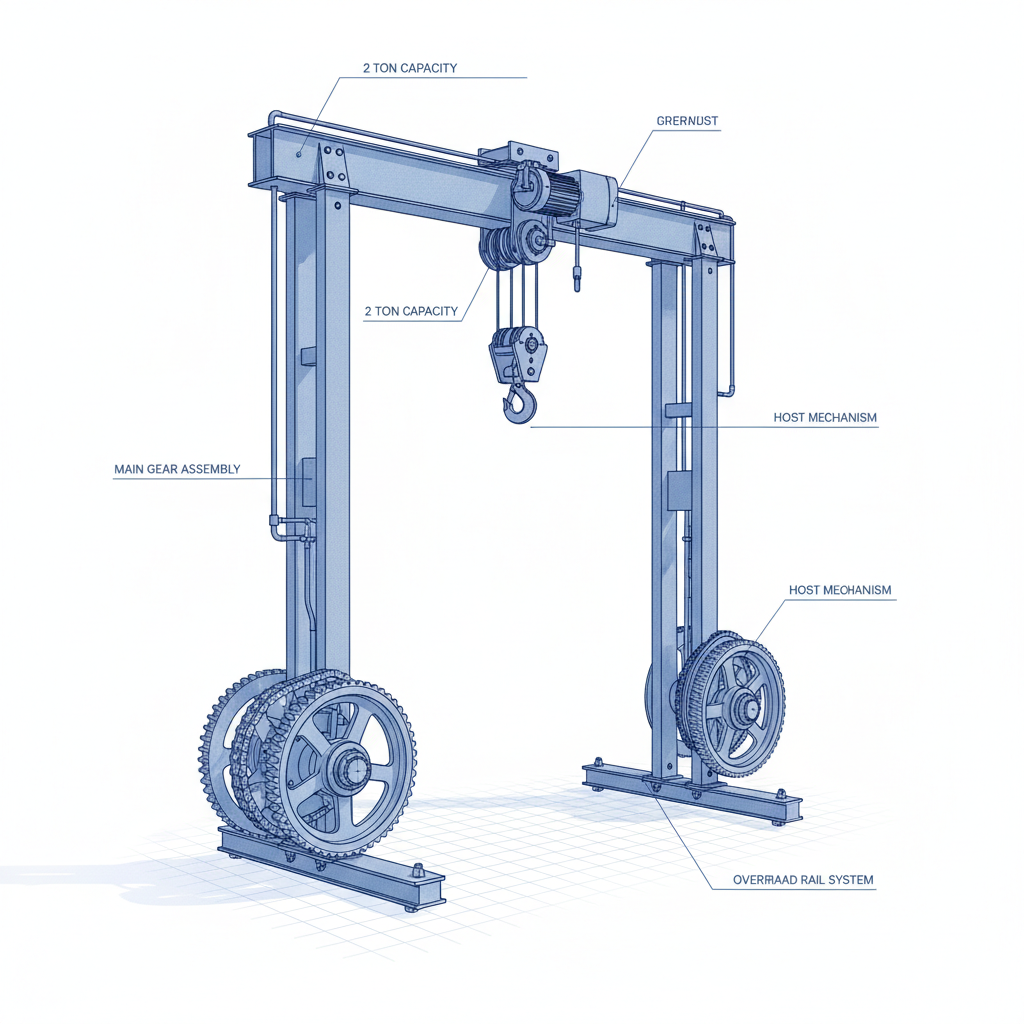
In the fast-paced world of industrial logistics and machinery maintenance, the mobile lifting gantry stands as a cornerstone of operational flexibility. Unlike fixed crane systems, these versatile structures allow operators to relocate heavy loads across a workshop floor with precision, reducing downtime and eliminating the need for permanent infrastructure. By bridging the gap between manual handling and heavy-duty overhead cranes, they provide a scalable solution for businesses of all sizes.
Globally, the demand for adaptable material handling equipment is surging as manufacturers shift toward lean production and modular factory layouts. The ability to deploy a mobile lifting gantry exactly where it is needed—whether in a repair shop, a warehouse, or an assembly line—optimizes workflow and minimizes the physical strain on workers. This shift not only enhances productivity but also aligns with international safety standards aimed at reducing workplace musculoskeletal injuries.
Understanding the nuances of these systems is crucial for procurement managers and site engineers who seek to balance cost, capacity, and mobility. From choosing the right caster type to ensuring structural integrity under peak loads, the right configuration can transform a bottlenecked operation into a streamlined process. This guide explores the technical depth and practical applications of the mobile lifting gantry in the modern industrial landscape.
Industry Context of Mobile Lifting Gantry
The global material handling market has seen a significant pivot toward agility, driven by the rise of Just-In-Time (JIT) manufacturing and the proliferation of small-to-medium enterprises (SMEs). According to ISO safety trends, there is an increasing emphasis on "ergonomic lifting," where equipment must adapt to the user rather than forcing the user to adapt to a fixed machine. The mobile lifting gantry addresses this by providing a portable lifting zone that can be shifted across different production stages.
One of the primary challenges in modern workshops is the "dead space" created by stationary cranes, which often obstruct other movements or leave certain areas without lifting capabilities. By integrating a mobile lifting gantry, companies can maximize their square footage, allowing for a dynamic reconfiguration of the shop floor without the exorbitant cost of installing multiple permanent hoist systems.
Defining the Mobile Lifting Gantry System
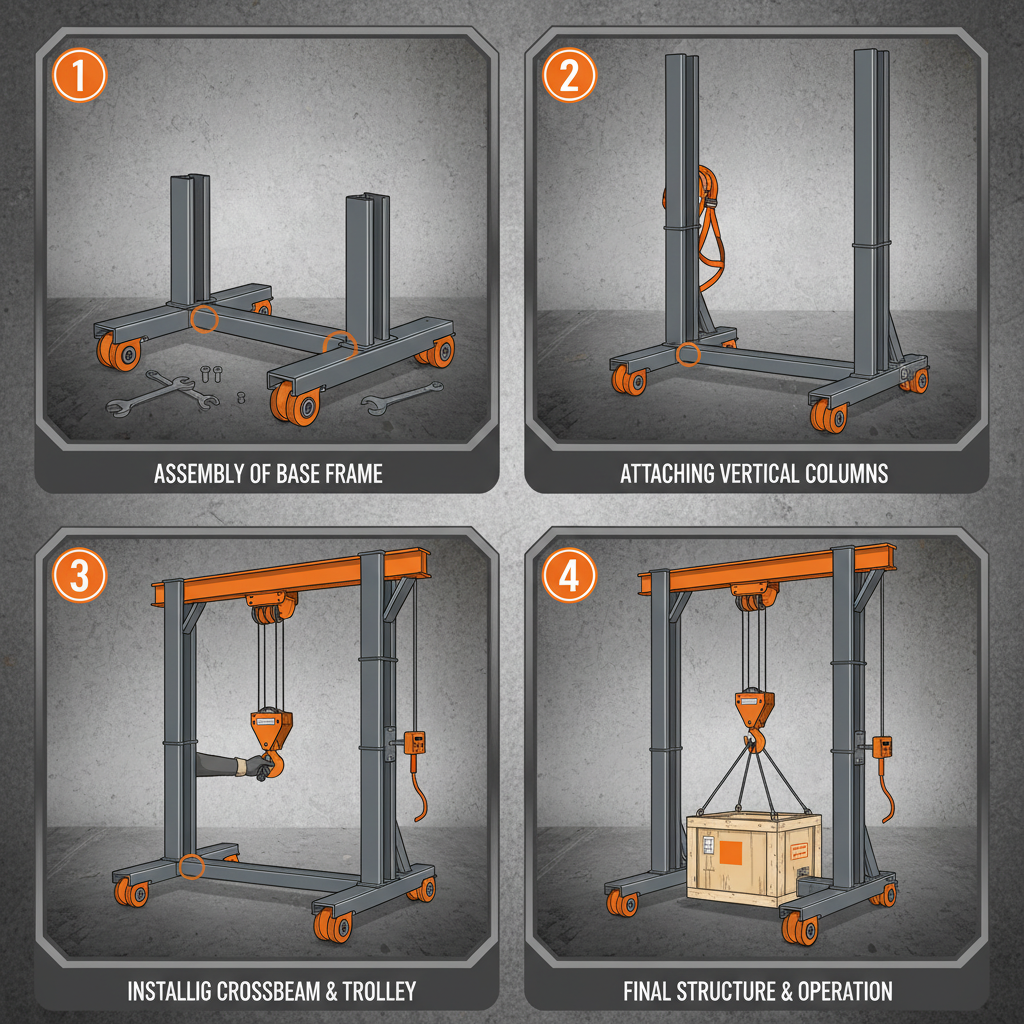
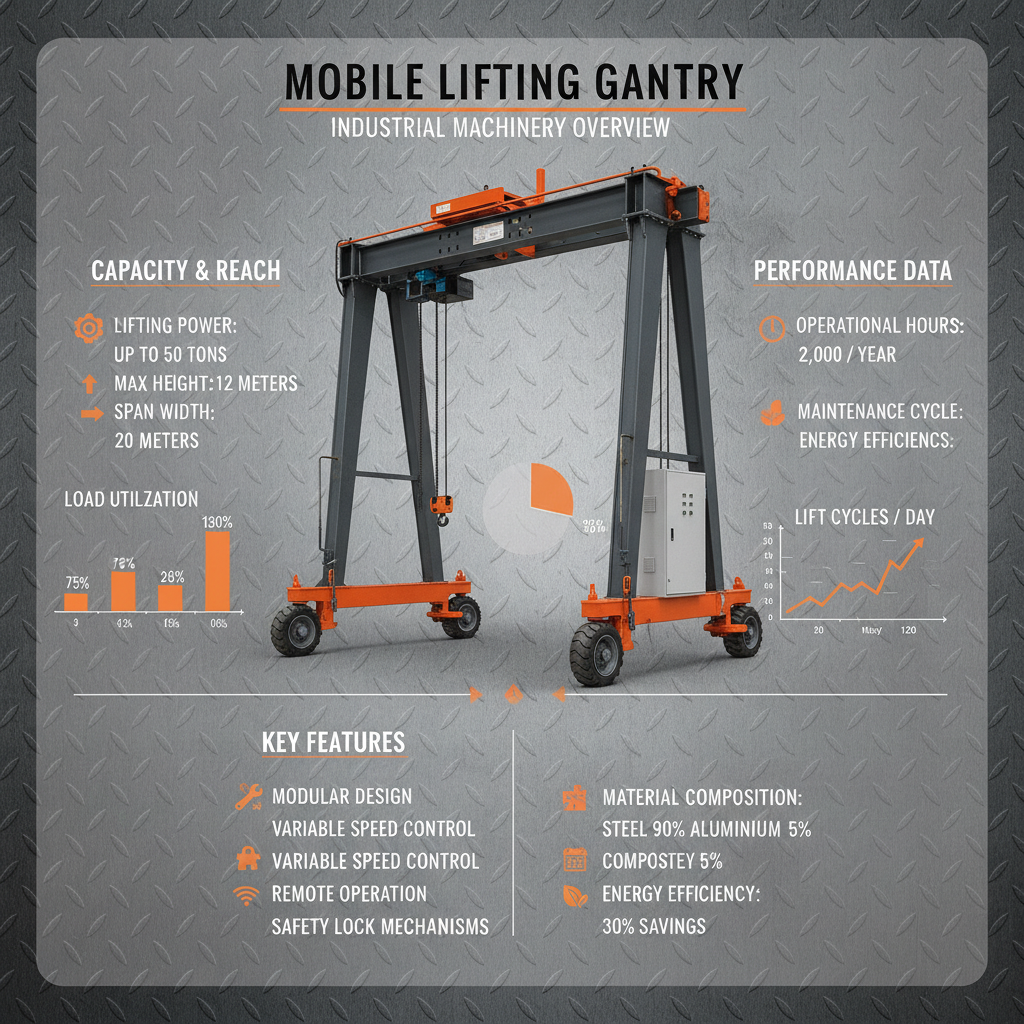
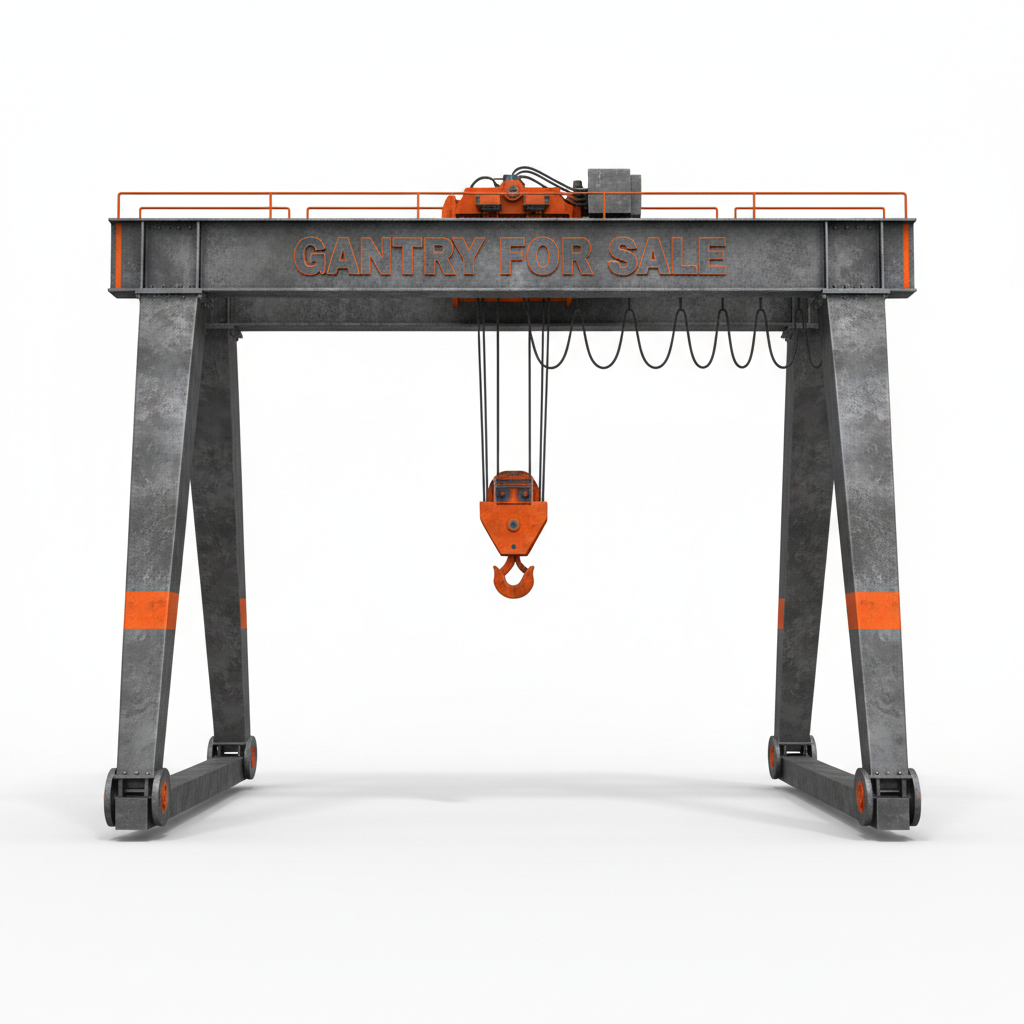
At its core, a mobile lifting gantry is a free-standing hoist system supported by two vertical masts and a horizontal cross-beam, all mounted on heavy-duty casters. Unlike a bridge crane that runs on elevated runways, this system is designed for ground-level mobility, making it an ideal choice for short-term projects or facilities with varying load requirements.
From a technical standpoint, these systems are engineered to distribute weight evenly across their base, ensuring stability even when the load is shifted. Whether constructed from aluminum for lightweight portability or reinforced steel for heavy industrial loads, the essence of the design is to provide a temporary, secure lifting point that can be moved by a small team or a tow vehicle.
In the context of modern industry, this equipment is often paired with other tools like Hydraulic Lift Tables or Manual Pallet Stackers to create a comprehensive material flow. The mobile lifting gantry acts as the "vertical anchor," allowing for the safe lifting of engines, molds, or heavy machinery components that are too cumbersome for standard forklifts.
Core Components and Design Factors
The structural integrity of a mobile lifting gantry depends on several key factors, starting with the material of the beam. High-grade steel is typically used for capacities exceeding 5 tons, while aircraft-grade aluminum is preferred for systems requiring frequent relocation. The choice of material directly impacts the "dead weight" of the unit and the ease with which it can be maneuvered.
Crucial to the mobility aspect are the casters and locking mechanisms. A professional-grade mobile lifting gantry utilizes polyurethane or nylon wheels that can withstand high point-loads while protecting the epoxy coating of industrial floors. The inclusion of 360-degree swivel locks ensures that once the gantry is positioned, it remains rock-solid during the actual lifting process.
Finally, the integration of the hoist—whether it be a manual chain block or an electric hoist—determines the operational speed and precision. For those using these gantries in precision engineering, the focus is on the "deflection rate" of the cross-beam; a lower deflection ensures that the load remains perfectly vertical, preventing dangerous swings that could compromise safety.
Performance Metrics and Efficiency
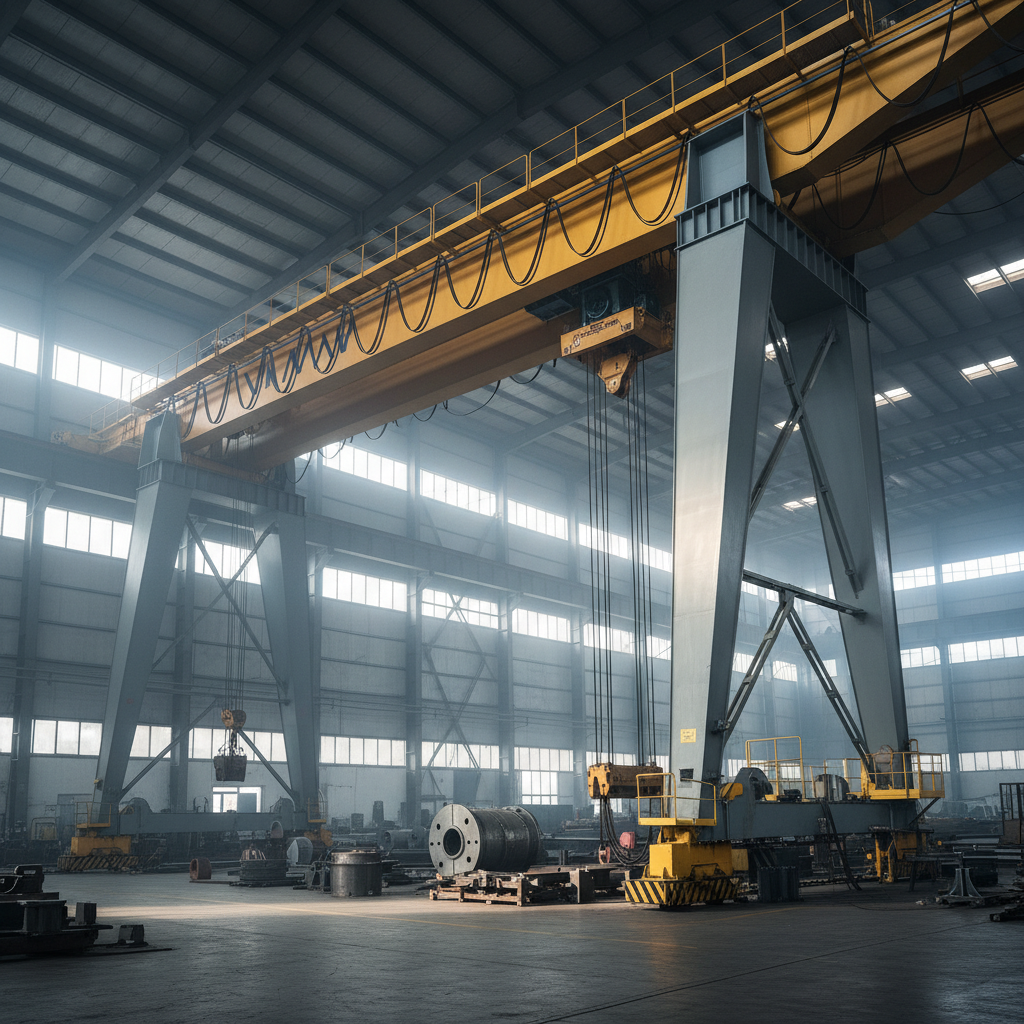
Measuring the efficiency of a mobile lifting gantry involves analyzing the ratio of setup time to operational uptime. In traditional setups, moving a heavy part from one end of a factory to another might require multiple forklifts and precarious maneuvers. With a mobile gantry, the "pick-and-move" cycle is streamlined, as the crane travels with the load.
Furthermore, the scalability of these units allows businesses to expand their lifting capacity without structural renovations. By selecting modular beams, a company can increase the span of their mobile lifting gantry as their machinery grows in size, ensuring a long-term return on investment.
Efficiency Comparison of Mobile Lifting Gantry Variants
Global Industrial Applications
The versatility of the mobile lifting gantry makes it indispensable across various sectors. In the automotive industry, they are frequently used for engine removals and chassis alignment, where the ability to move the lifting point precisely over the vehicle is critical. Similarly, in aerospace maintenance, lightweight aluminum gantries are used to install delicate avionics components without the risk of damaging the aircraft skin.
Beyond high-tech factories, these systems are vital in remote industrial zones and post-disaster relief operations. When infrastructure is destroyed, a mobile lifting gantry can be quickly assembled to lift debris or move heavy generators to power emergency hospitals. Its independence from a power grid (when used with manual hoists) makes it a reliable lifeline in unstable environments.
Long-Term Value and Safety Advantages
Investing in a mobile lifting gantry provides tangible long-term value by reducing the overhead costs associated with permanent installations. There is no need for expensive foundation work or ceiling reinforcement, and the equipment can be sold or repurposed as production needs evolve. This financial flexibility is particularly attractive for growing businesses that cannot commit to a fixed layout.
From a safety perspective, the emotional peace of mind for the operator cannot be overstated. The use of a certified mobile lifting gantry eliminates the "guesswork" and instability associated with improvised lifting methods. By providing a stable, rated capacity for lifting, these systems protect the most valuable asset of any company: its people.
Moreover, the integration of these systems fosters a culture of safety and professionalism. When a team uses a properly engineered gantry, they are less likely to take shortcuts. The logical advantage of a dedicated lifting tool is that it enforces a standardized process—setup, lock, lift, move, unlock—which minimizes the probability of human error.
Future Innovations in Lifting Technology
The future of the mobile lifting gantry is being shaped by the digital transformation of the factory floor. We are seeing the emergence of "Smart Gantries" equipped with load sensors and IoT connectivity. These sensors can alert operators in real-time if a load is approaching the maximum rated capacity or if the gantry is being moved on an uneven surface, further enhancing safety.
Sustainability is another driving force. New composite materials are being tested to replace traditional steel, offering the same strength-to-weight ratio but with a much lower carbon footprint during production. Additionally, the transition toward electric-powered, battery-operated casters is reducing the physical effort required to reposition a mobile lifting gantry, effectively turning it into a semi-automated transport system.
As automation increases, we expect to see these gantries integrated with AGVs (Automated Guided Vehicles). Imagine a mobile lifting gantry that can autonomously move to a designated workstation, lift a part, and transport it to the next stage of assembly. This convergence of mobility and automation will define the next era of material handling.
Analysis of Mobile Lifting Gantry Technical Specifications
| Material Type |
Load Capacity Range |
Portability Score (1-10) |
Primary Use Case |
| Light Aluminum |
500kg - 2 Tons |
10 |
Precision Electronics/Avionics |
| Reinforced Steel |
3 Tons - 10 Tons |
5 |
Engine & Mold Maintenance |
| Modular Hybrid |
1 Ton - 5 Tons |
8 |
General Warehouse Logistics |
| Heavy-Duty Alloy |
5 Tons - 20 Tons |
4 |
Heavy Machinery Assembly |
| Custom Telescopic |
2 Tons - 8 Tons |
7 |
Variable Height Workstations |
| Portable Folding |
200kg - 1 Ton |
9 |
Light-Duty Repair Shops |
FAQS
To choose the right capacity, identify the heaviest single object you will lift and add a 20% safety margin. For example, if your heaviest mold is 2 tons, a 2.5 or 3-ton mobile lifting gantry is recommended. Always consider the weight of the hoist itself, as it subtracts from the total rated capacity of the beam.
While many gantries are designed for mobility, moving a load requires extreme caution. Ensure the load is balanced and centered to avoid tipping. Use slow, steady movements and ensure the path is clear of debris. For very heavy loads, it is safer to lower the load slightly or use a dedicated towing system to prevent sudden jerks.
Regular maintenance involves inspecting the caster wheels for wear and lubrication, checking the bolts for tightness, and verifying the hoist's chain or cable for fraying. We recommend a quarterly safety audit to ensure the structural integrity of the mobile lifting gantry and testing the locking mechanisms to ensure they hold firmly under load.
Yes, most mobile gantries are compatible with both manual and electric hoists. However, you must ensure the beam is rated for the dynamic load an electric hoist may create. Additionally, ensure you have a safe power source (cable reel or battery) that does not create a tripping hazard while the gantry is being repositioned.
A traditional A-frame is often static or requires manual disassembly to move. A mobile lifting gantry incorporates high-capacity casters and a specialized base design that allows it to be rolled across a floor without tilting, making it significantly more efficient for dynamic workshop environments.
Level, hard surfaces such as reinforced concrete or epoxy-coated industrial floors are ideal. Avoid soft asphalt or uneven gravel, as these can cause the gantry to tilt or the casters to sink, which could lead to instability. If using on slightly uneven ground, ensure the use of wide-base heavy-duty casters for better distribution.
Conclusion
The mobile lifting gantry represents a perfect synergy of strength and flexibility, solving the age-old industrial conflict between the need for heavy lifting and the need for floor-space mobility. By reducing infrastructure costs, enhancing worker safety, and allowing for rapid operational pivots, these systems provide a competitive edge in an era of lean manufacturing. Whether through the lightweight agility of aluminum or the brute force of reinforced steel, the right gantry transforms a static workspace into a dynamic production hub.
Looking forward, the integration of smart sensors and sustainable materials will continue to push the boundaries of what these tools can achieve. For businesses seeking to optimize their material handling, the transition to mobile solutions is no longer optional—it is a strategic necessity. To explore our full range of lifting solutions and find the perfect fit for your facility, visit our website: www.daweihoisting.com