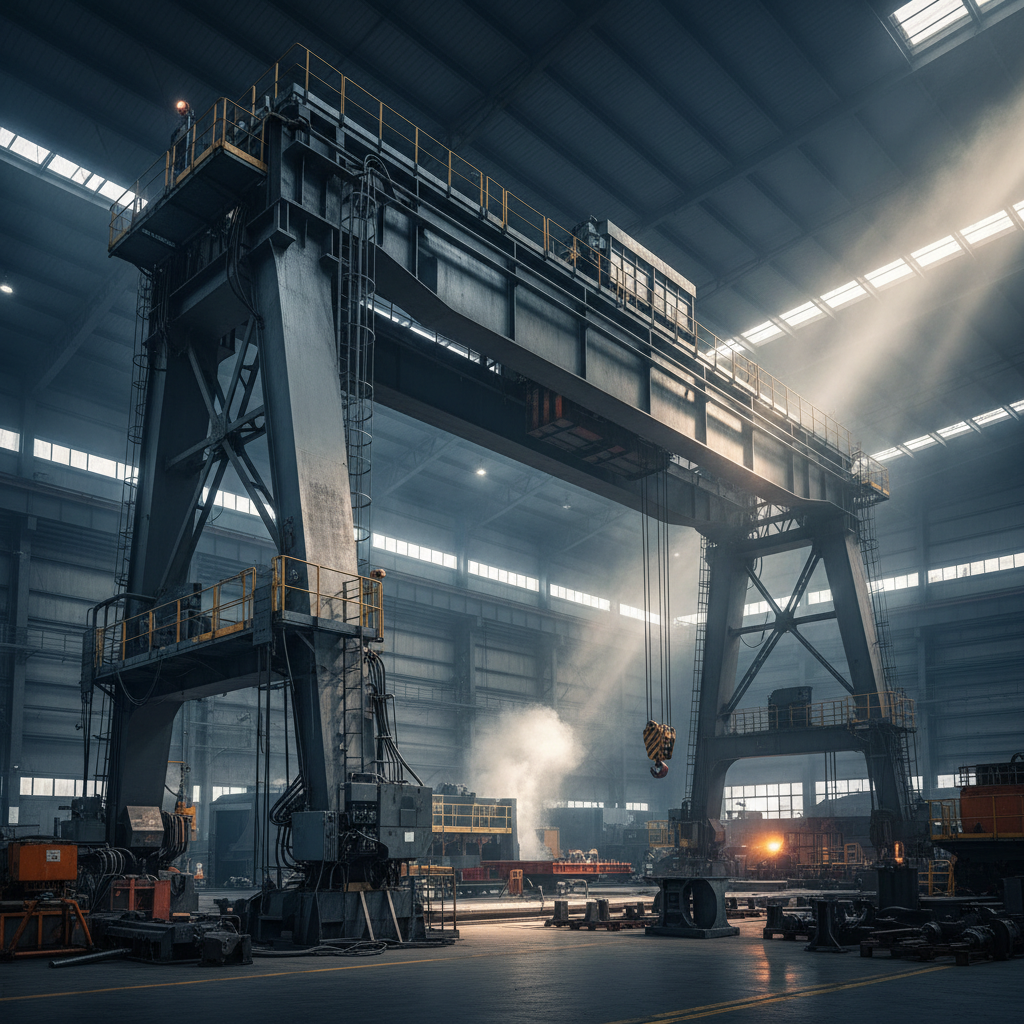
The versatility of the mobile gantry system has revolutionized industries from construction and logistics to disaster relief and event management. Its ability to provide a robust lifting solution where permanent infrastructure is absent or impractical makes it an indispensable tool in the modern world. Understanding the principles behind mobile gantries, their diverse applications, and ongoing innovations is crucial for professionals seeking efficient and adaptable lifting solutions.
Globally, the demand for flexible and rapid deployment lifting equipment is steadily increasing, driven by factors like urbanization, infrastructure development in remote locations, and the growing frequency of natural disasters. The United Nations estimates that billions of dollars are needed annually for humanitarian aid, often requiring quick access to heavy lifting capabilities. Mobile gantries address this need by offering a safe, efficient, and cost-effective alternative to traditional crane setups.
Furthermore, advancements in materials science and engineering are continually improving the performance and portability of these systems, solidifying their position as a cornerstone of modern logistical operations and emergency response protocols. The mobile gantry is no longer just a specialized tool; it’s a foundational component of resilient infrastructure.
Introduction to Mobile Gantries
A mobile gantry offers a compelling solution for lifting and moving heavy loads in environments where fixed overhead cranes are impractical or impossible to install. These systems provide the flexibility to operate both indoors and outdoors, adapting to varying site conditions and project requirements. Their relatively quick setup and dismantling times contribute significantly to project efficiency and reduced downtime.
The growing reliance on mobile gantries across diverse sectors reflects their inherent adaptability. From facilitating rapid port container handling to providing essential lifting support during emergency rescue operations, their broad utility is undeniable. Further advancements in automation and remote control technologies are poised to enhance their operational capabilities even further, streamlining workflows and increasing safety.
Defining the Mobile Gantry
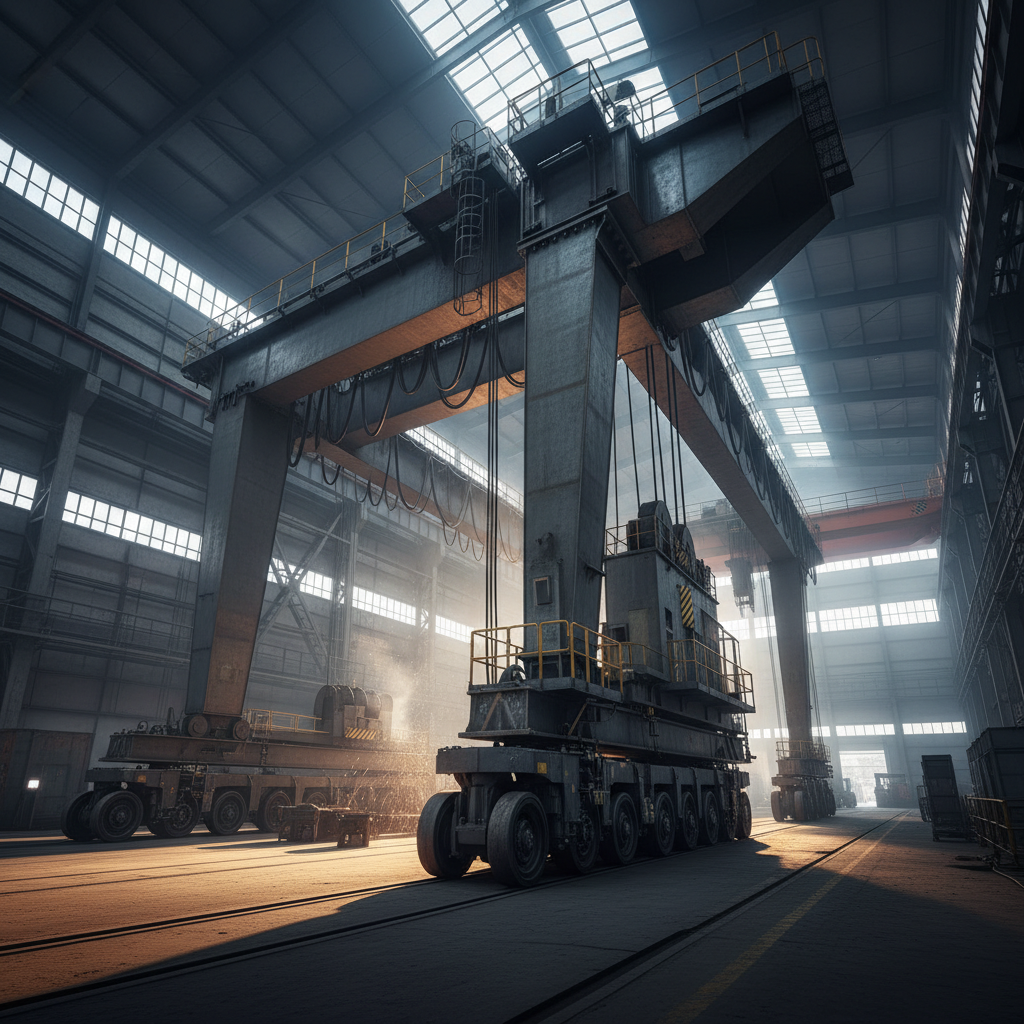
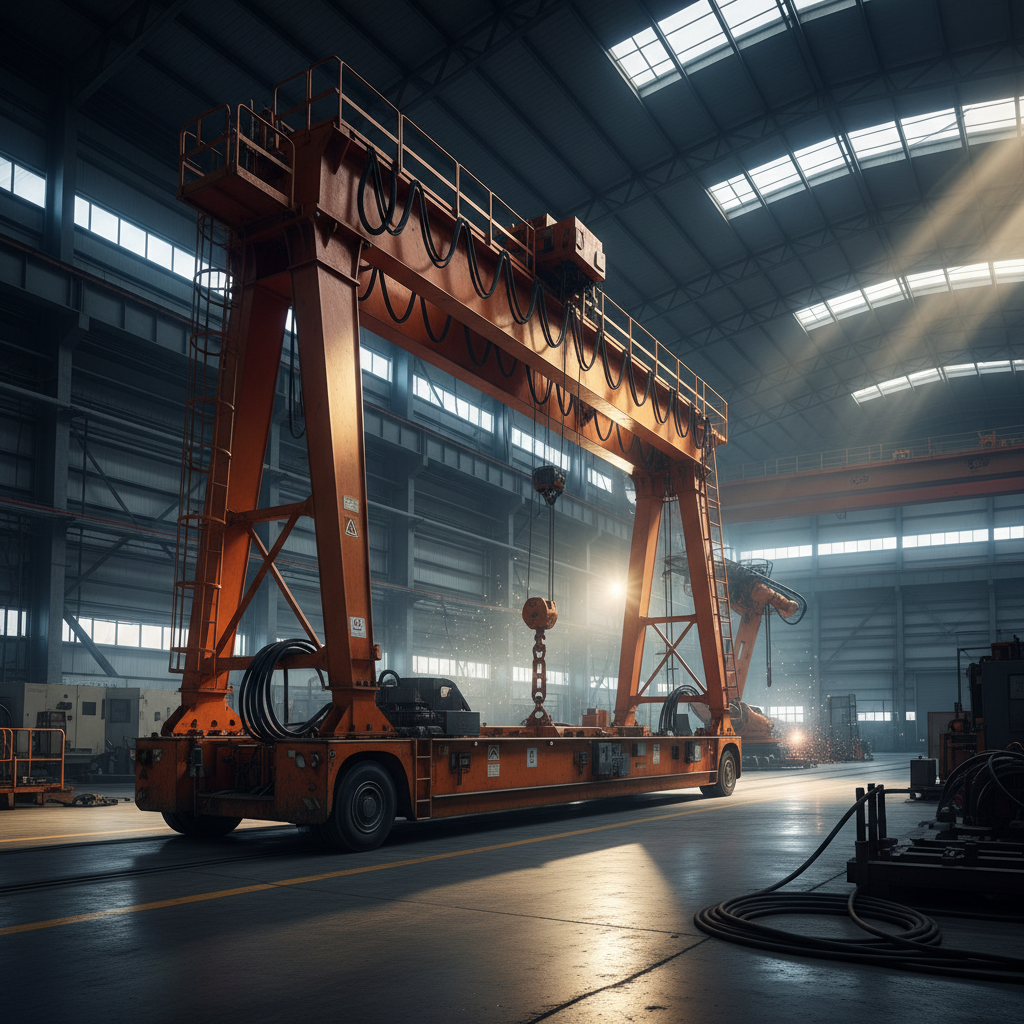
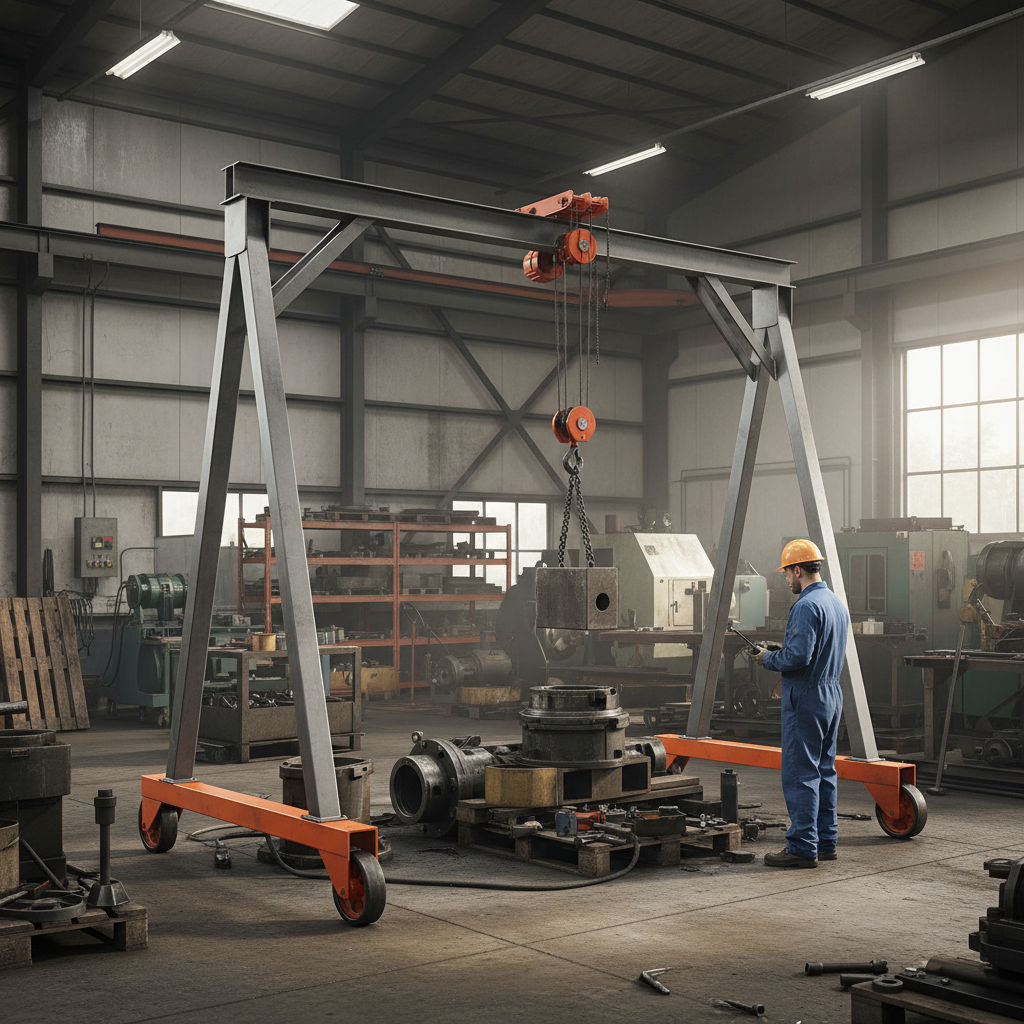
A mobile gantry is essentially a portable, self-supporting lifting frame equipped with a hoist or lifting mechanism. Unlike traditional overhead cranes requiring permanent structural support, a mobile gantry's stability is derived from its own weighted base and/or integrated outriggers. This feature enables swift deployment and relocation, making it ideal for temporary or dynamic work environments.
These systems are instrumental in bridging the gap between traditional crane solutions and manual lifting methods. They’re deployed in scenarios demanding precise load control and enhanced safety standards. They serve a diverse need, especially in operations demanding adaptable and portable solutions.
The application of mobile gantry systems is intimately connected to modern industrial and humanitarian needs. They provide a crucial capability in areas lacking established infrastructure, allowing for efficient construction, maintenance, and disaster response.
Key Components & Characteristics
Mobile gantries are comprised of several essential components working in unison to deliver reliable lifting performance. These include a robust frame—typically constructed from high-strength steel—a hoisting mechanism (chain hoist, wire rope hoist, or electric hoist), a trolley for lateral movement along the beam, and a stable base equipped with wheels or outriggers for maneuverability and stability.
A critical characteristic of a quality mobile gantry is its modularity. Many models are designed with interchangeable components, allowing for customization and adaptation to specific load requirements and site conditions. The ability to adjust span (width) and height is vital for handling diverse projects.
Furthermore, safety features are paramount. Modern mobile gantries incorporate emergency stop buttons, overload protection systems, and secure locking mechanisms to prevent accidental load drops or structural failures. Regular inspections and adherence to manufacturer’s guidelines are essential for ensuring safe operation.
Core Performance Factors
The effectiveness of a mobile gantry hinges on several key performance factors. Load capacity, naturally, is paramount—selected based on the maximum weight to be lifted. Span, or the width between the supporting legs, determines the area of operation. Lift height defines the vertical reach of the gantry, impacting its ability to navigate obstacles and access elevated areas.
Stability is equally critical. Factors like base width, outrigger extension, and the distribution of weight influence the gantry's resistance to tipping or overturning. Proper load centering and adherence to operating guidelines are crucial for maintaining stability during operation.
Mobile Gantry Performance Metrics
Real-World Applications
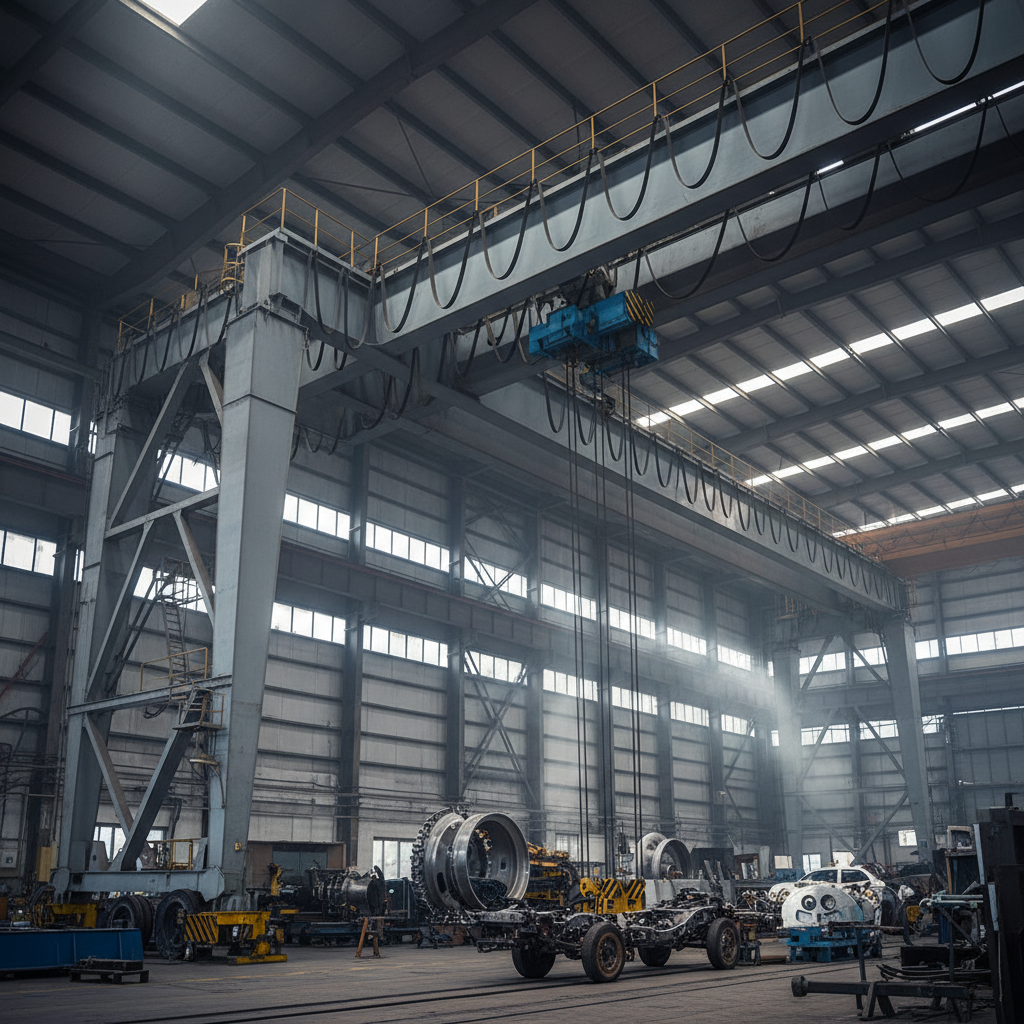
The versatility of mobile gantry systems translates into a wide array of applications. In construction, they facilitate the lifting and positioning of heavy materials such as precast concrete panels, steel beams, and HVAC equipment. Ports and shipping yards employ them for container handling and loading/unloading operations.
In post-disaster relief operations, mobile gantries are invaluable for clearing debris, lifting damaged structures, and delivering essential supplies to affected areas. Remote industrial zones, lacking permanent crane infrastructure, rely on these systems for ongoing maintenance and construction projects. Furthermore, they are frequently used in event management for rigging lighting, sound equipment, and staging elements.
Advantages and Long-Term Value
The advantages of deploying mobile gantries are numerous. Cost efficiency is a significant benefit, as they eliminate the need for expensive permanent crane installations. Sustainability is enhanced through their reusability and reduced material consumption compared to temporary structures.
From a social impact perspective, mobile gantries contribute to safer work environments and facilitate rapid response during emergencies, potentially saving lives and minimizing disruptions. Reliability is further boosted through proper maintenance and adherence to safety protocols, ensuring long-term operational performance and a strong return on investment.
Future Trends in Mobile Gantry Technology
The future of mobile gantry technology is centered on enhanced automation, integration with digital systems, and the development of more sustainable materials. Expect to see increased adoption of remote-controlled gantries and automated guided vehicles (AGVs) for precise load positioning and reduced operator fatigue.
The incorporation of sensors and data analytics will enable predictive maintenance, optimizing performance and minimizing downtime. Research into lightweight, high-strength composite materials will lead to even more portable and efficient gantry systems. Emphasis on green energy solutions, such as electric-powered gantries, will further reduce their environmental footprint.
Moreover, advancements in virtual and augmented reality (VR/AR) could revolutionize gantry operation, providing operators with enhanced situational awareness and remote assistance capabilities.
Summarizing Challenges and Solutions in Mobile Gantry Implementation
| Challenge |
Impact on Mobile Gantry Operations |
Potential Solution |
Implementation Cost (Scale 1-10) |
| Uneven Ground Conditions |
Compromised Stability, Increased Risk of Tipping |
Utilize Adjustable Outriggers and Ground Leveling Plates |
4 |
| Limited Space for Maneuvering |
Difficult Load Positioning, Increased Setup Time |
Employ Compact Mobile Gantry Designs with Enhanced Steering |
6 |
| Operator Skill and Training |
Increased Risk of Accidents, Reduced Efficiency |
Implement Comprehensive Operator Training Programs |
5 |
| Weather-Related Constraints |
Reduced Visibility, Slippery Surfaces, Wind Interference |
Utilize Weather-Resistant Materials and Implement Safety Protocols |
3 |
| Maintenance and Inspection Frequency |
Potential for Unexpected Failures, Reduced Lifespan |
Establish a Proactive Maintenance Schedule with Regular Inspections |
7 |
| Integration with Existing Systems |
Compatibility Issues with Site Infrastructure |
Employ Mobile Gantries with Standardized Interfaces and Data Protocols |
8 |
FAQS
Safety is paramount. Regularly inspect the gantry for any damage, ensure the ground is level and stable, and always adhere to the manufacturer’s load capacity limits. Utilize outriggers correctly, maintain a safe distance during lifting operations, and provide comprehensive operator training. Implement a thorough risk assessment before each lift and confirm all locking mechanisms are secure.
Mobile gantries are generally more cost-effective than installing a traditional overhead crane, especially for temporary or frequently relocated lifting needs. Overhead cranes require significant structural modifications, while mobile gantries offer a portable and versatile solution without these upfront costs. The total cost of ownership considers factors like purchase price, maintenance, and relocation expenses.
Regular maintenance is crucial. Inspect welds, bolts, and structural components for signs of wear or fatigue. Lubricate moving parts, check the hoisting mechanism and trolley for smooth operation, and ensure all safety devices are functioning correctly. Maintain detailed maintenance records and consult the manufacturer’s guidelines for specific recommendations.
Yes, many mobile gantries are designed for outdoor use, but precautions must be taken. Ensure the gantry is equipped with weather-resistant materials and features. Avoid operation during high winds or severe weather. Properly secure the gantry to prevent tipping and implement slip-resistant measures on the base to maintain stability.
Consider the load capacity, span, lift height, and the operating environment. Evaluate the ground conditions and available space for maneuvering. Assess the need for mobility and frequency of relocation. Factor in any specific safety requirements and compatibility with existing lifting systems. Choosing the correct gantry type is critical for safe and efficient operation.
Mobile gantries should comply with relevant industry standards such as those set by ASME (American Society of Mechanical Engineers) or ISO (International Organization for Standardization). Certifications from accredited testing laboratories confirm the gantry meets safety and performance requirements. Always verify the gantry’s compliance with local regulations before operation.
Conclusion
The mobile gantry has emerged as an indispensable asset across a multitude of industries, offering unparalleled flexibility, cost-effectiveness, and safety in lifting operations. Its adaptability to challenging environments and rapid deployment capabilities position it as a critical component in modern logistical networks, construction projects, and emergency response scenarios. As technology advances, the mobile gantry is set to become even more integrated with automation, sustainable practices, and digital solutions.
Investing in a robust and reliable mobile gantry system is not merely an equipment purchase; it’s an investment in operational efficiency, worker safety, and long-term resilience. We invite you to explore our comprehensive range of mobile gantry solutions at www.daweihoisting.com to discover how we can meet your specific lifting needs.