Steel gantry cranes are robust overhead structures utilized for lifting and moving heavy materials in a wide array of industrial and commercial settings. Their adaptability and load-bearing capacity make them indispensable for operations ranging from shipping yards and construction sites to manufacturing plants and rail facilities. Understanding the principles behind their design, operation, and maintenance is crucial for ensuring efficient workflows, maximizing productivity, and maintaining a safe working environment. steel gantry crane solutions are continually evolving to meet increasing demands.
The global demand for efficient material handling solutions is driving the growth of the steel gantry crane market. According to industry reports, the market is projected to reach significant values in the coming years, spurred by infrastructure development in emerging economies and the increasing need for automation in established industries. The United Nations estimates that global trade volumes will continue to rise, necessitating improvements in port infrastructure and logistics – areas where steel gantry cranes play a pivotal role. This presents both opportunities and challenges for manufacturers and end-users.
A steel gantry crane isn't simply a lifting device; it’s a foundational component of modern logistical networks. It streamlines operations, reduces manual labor, and enables the movement of large volumes of materials with precision and safety. Their versatility allows them to be customized for specific applications, making them a cost-effective and adaptable solution for various industrial needs.
Introduction to Steel Gantry Cranes
Steel gantry cranes represent a critical component in modern material handling, offering a powerful and versatile solution for lifting and transporting heavy loads. Their widespread adoption across industries like construction, manufacturing, and shipping is a testament to their efficiency and reliability. The inherent strength of steel, coupled with innovative design principles, allows these cranes to handle immense weight capacities with precision and safety.
The evolution of steel gantry crane technology is directly linked to the increasing demands of global commerce and infrastructure development. As businesses strive for greater efficiency and reduced operational costs, the need for robust and adaptable lifting solutions becomes paramount. Steel gantry cranes continue to be refined, incorporating features such as automated controls, variable speed drives, and advanced safety mechanisms to meet these evolving needs.
Defining Steel Gantry Cranes
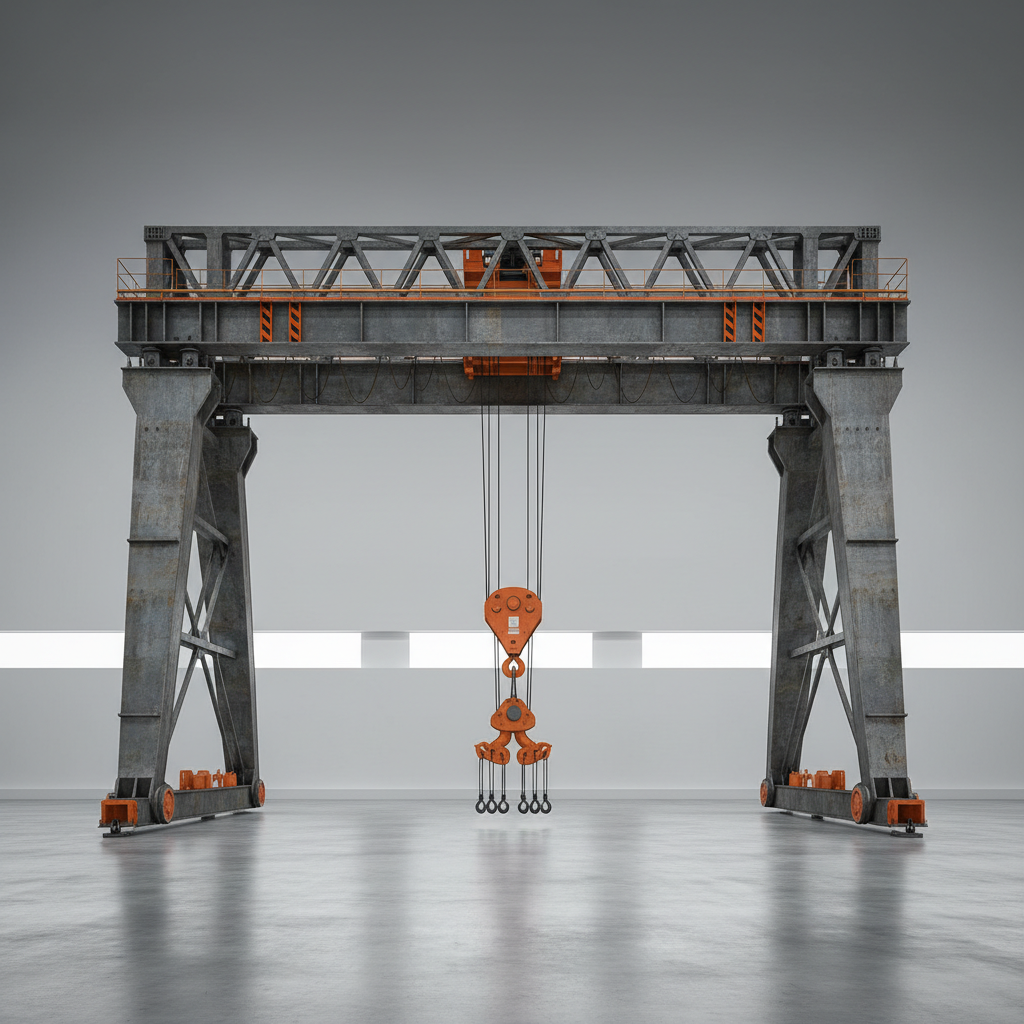
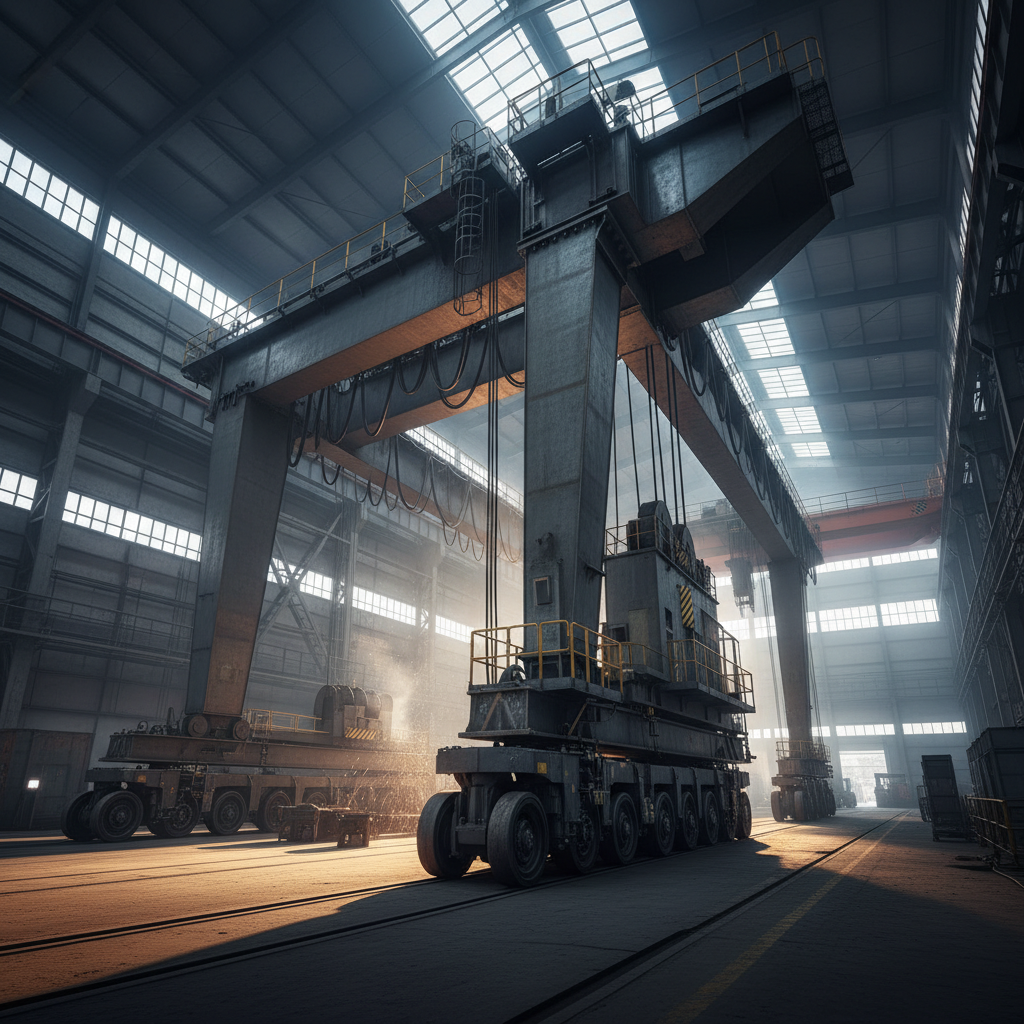
A steel gantry crane is essentially a framework supporting a hoist, allowing for the lifting of materials. Unlike overhead bridge cranes that require building support, gantry cranes are self-supported, typically running on rails fixed to the ground. The “gantry” refers to the overhead beam structure, usually steel, that supports the hoist and trolley. These cranes are exceptionally useful when a lifting solution is needed in areas where existing overhead support is unavailable or impractical.
Their connection to modern industry lies in their ability to facilitate the movement of goods and materials, forming an integral part of supply chains and manufacturing processes. From loading and unloading shipping containers at ports to assembling large machinery in factories, steel gantry cranes are vital for maintaining operational flow. Their adaptability extends to humanitarian efforts, such as disaster relief, where they can quickly move debris and deliver essential supplies.
The design of a steel gantry crane prioritizes both strength and portability. Modular construction allows for easy assembly and disassembly, enabling transportation to different job sites. Their ability to cover large areas efficiently makes them a preferred choice over other lifting methods in many scenarios.
Key Components of Steel Gantry Cranes
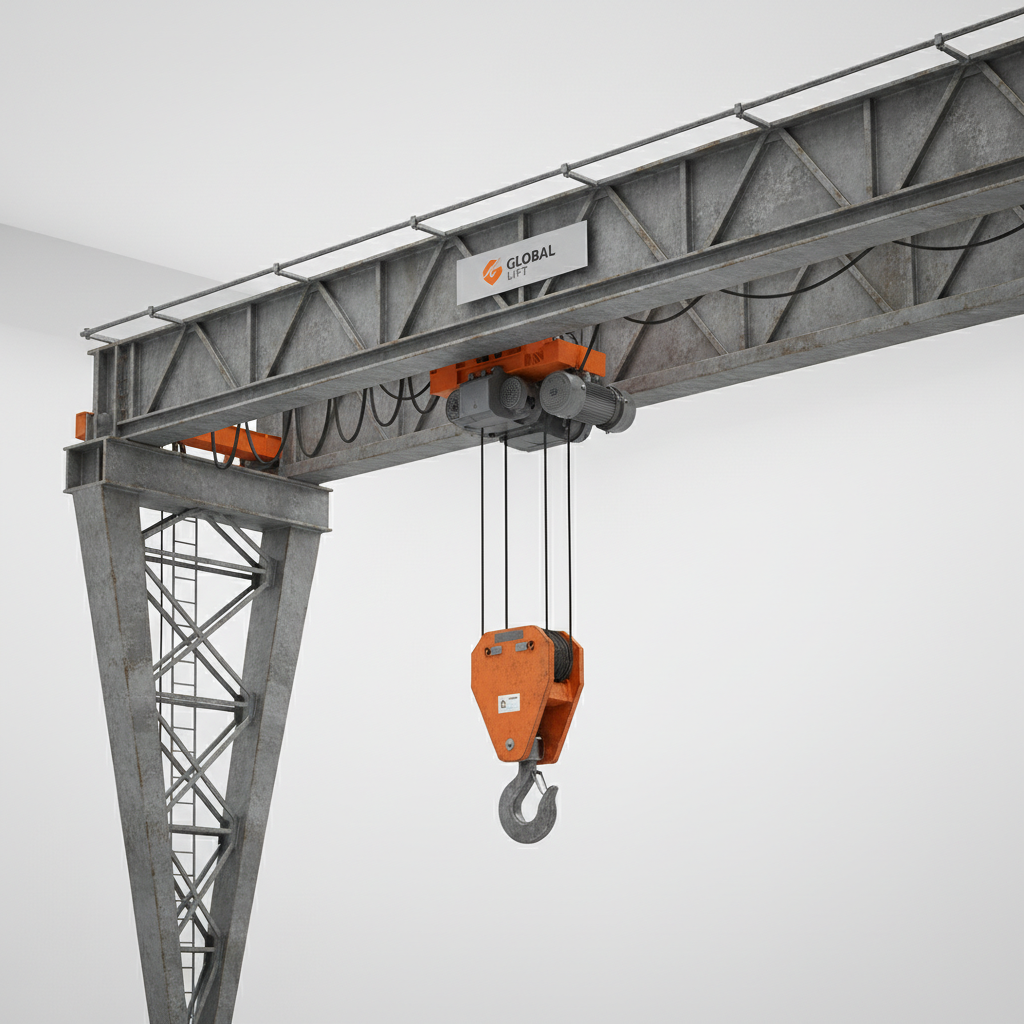
The core structure of a steel gantry crane comprises several key components working in unison. The main girder, typically constructed from heavy-duty steel, provides the primary load-bearing support. Supporting legs, also made of steel, provide stability and allow the crane to move along the rails. A trolley, positioned on the girder, travels horizontally to move the load along the span. The hoist, attached to the trolley, is responsible for the vertical lifting and lowering of the materials.
Beyond the core structure, vital components include the control system (ranging from simple manual controls to sophisticated automated systems), safety devices (such as limit switches, overload protection, and emergency stops), and the power source (typically electric). The quality and precision of these components directly impact the crane's performance, safety, and longevity. Regular inspection and maintenance of these parts are paramount to ensuring continued reliability.
The connection between these elements is meticulously engineered to distribute stress evenly and provide stable lifting operations. Considerations such as wind load, dynamic impact, and the weight of the load all factor into the design and selection of components. Customization options allow for tailoring the crane to specific application requirements, enhancing both efficiency and safety.
Applications of Steel Gantry Cranes
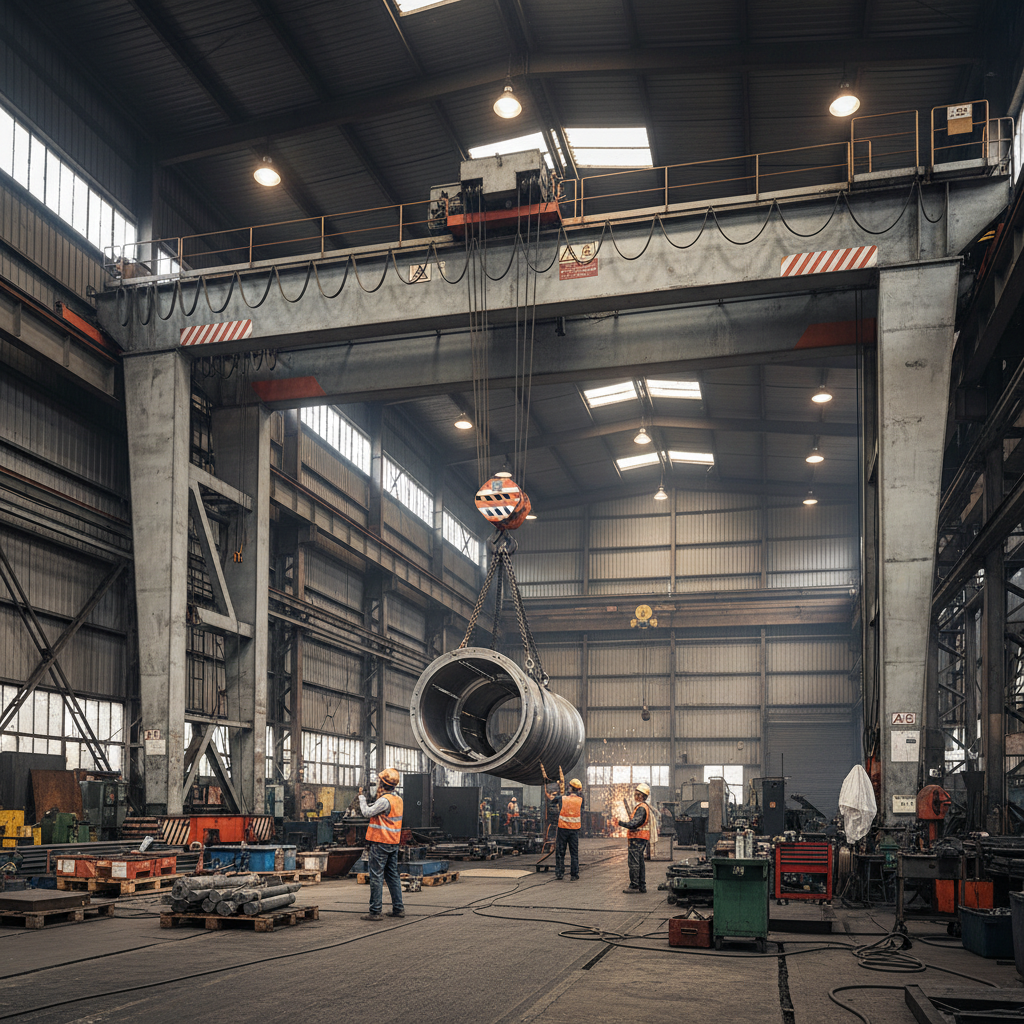
Steel gantry cranes find extensive application across a diverse range of industries. In shipping ports and container yards, they are crucial for efficiently loading and unloading cargo from ships and trucks. Construction sites utilize them for lifting and positioning heavy materials like steel beams, precast concrete sections, and construction equipment. Manufacturing plants employ them for moving raw materials, components, and finished products.
The versatility of these cranes extends to railway yards, where they are used for handling locomotives and railcars. Granite and stone quarries also rely on them for extracting and transporting large blocks of stone. Even in aerospace applications, specialized steel gantry crane systems are employed for assembling and maintaining aircraft components.
Geographically, regions with substantial industrial activity, such as China, the United States, and Europe, represent significant markets for steel gantry cranes. Emerging economies undergoing rapid infrastructure development, like India and Southeast Asia, are also witnessing increased demand. In post-disaster relief operations, portable gantry cranes can be quickly deployed to clear debris and facilitate the delivery of aid.
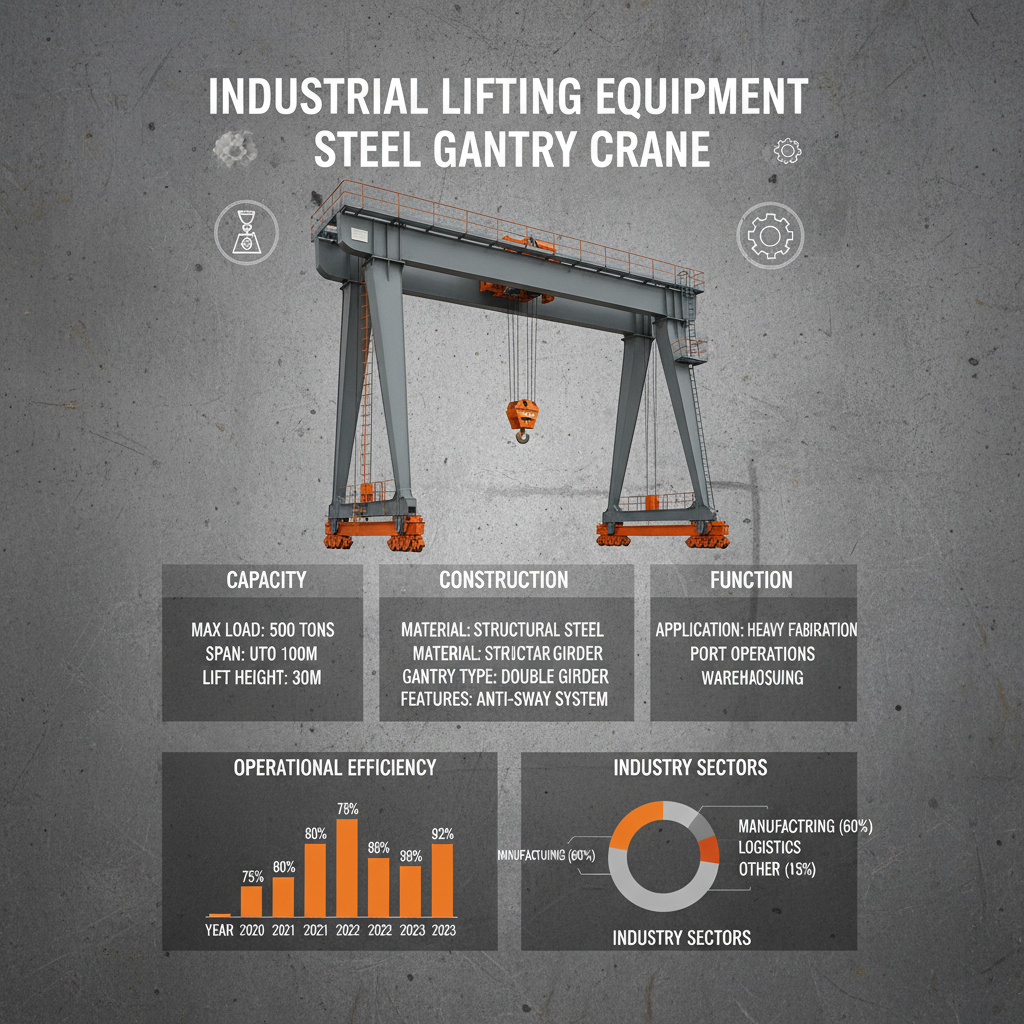
Steel Gantry Crane Application Breakdown
Advantages of Using Steel Gantry Cranes
The primary advantage of a steel gantry crane lies in its cost-effectiveness, particularly when compared to constructing permanent overhead structures. Their modular design and ease of installation significantly reduce setup costs and downtime. Furthermore, their adaptability allows them to be relocated as operational needs change, providing a long-term return on investment.
They also offer enhanced safety features, including overload protection, emergency stops, and clearly marked load limits. This, coupled with regular maintenance, minimizes the risk of accidents and ensures a safe working environment. A steel gantry crane increases operational efficiency by enabling faster and more precise material handling, reducing labor costs and improving overall productivity.
Global Impact and Future Trends
Steel gantry cranes are instrumental in facilitating global trade and supporting infrastructure development worldwide. Their presence in ports and logistics hubs streamlines the movement of goods, contributing to the efficiency of supply chains. The growth of e-commerce and the increasing demand for faster delivery times are further driving the need for advanced material handling solutions like these cranes.
Looking ahead, several trends are shaping the future of steel gantry crane technology. Automation, including the integration of robotic controls and sensors, is expected to become increasingly prevalent. Sustainability initiatives are driving the development of more energy-efficient designs and the use of eco-friendly materials. Digitalization, with the implementation of remote monitoring and predictive maintenance systems, will enhance operational efficiency and reduce downtime.
Challenges and Considerations
Despite their numerous advantages, steel gantry cranes present certain challenges. Initial investment costs can be significant, particularly for larger-capacity cranes with advanced features. Regular maintenance and inspection are essential to ensure safe operation and prevent costly breakdowns, requiring skilled technicians and adherence to safety protocols.
Environmental factors, such as wind load and corrosion, must be carefully considered during design and installation. Site preparation, including ensuring a level and stable foundation, is crucial for maintaining the crane's stability. Adhering to local regulations and safety standards is paramount to avoiding legal issues and ensuring worker safety.
Overcoming these challenges requires careful planning, proper maintenance, and a commitment to safety. Investing in high-quality cranes from reputable manufacturers, providing thorough training to operators, and implementing robust maintenance programs are key to maximizing the benefits of these valuable assets.
Key Considerations for Steel Gantry Crane Implementation
| Load Capacity |
Span & Height |
Environmental Factors |
Safety Features |
| Maximum weight the crane can safely lift. |
Determines reach and height capabilities. |
Wind resistance, corrosion protection, temperature range. |
Overload protection, emergency stops, limit switches. |
| 5-50 tons |
10-50 meters |
Moderate (typical industrial environment) |
Standard (as per industry regulations) |
| High (for heavy industrial applications) |
Extended (for large facilities) |
Severe (coastal areas, extreme temperatures) |
Advanced (redundant systems, automated alerts) |
| Low (for light-duty tasks) |
Short (confined spaces) |
Minimal (controlled indoor environment) |
Basic (essential safety mechanisms) |
| Medium (general purpose applications) |
Standard (most common size) |
Average (typical outdoor conditions) |
Enhanced (additional safety layers) |
| Variable (depending on specific needs) |
Customizable (tailored to site requirements) |
Site-Specific (assessed based on location) |
Fully Integrated (comprehensive safety system) |
FAQS
The lifespan of a steel gantry crane typically ranges from 20 to 30 years, but this can vary significantly based on factors such as usage frequency, maintenance practices, and environmental conditions. Regular inspections, lubrication, and prompt repairs are essential to maximizing the crane’s longevity. Selecting high-quality materials and components during initial purchase also contributes to a longer service life. Proper load management and avoiding overloading are key to preventing premature wear and tear.
Essential safety features include overload protection systems, emergency stop buttons, limit switches to prevent over-travel, and audible warning devices. A well-designed crane should also incorporate clear load charts, safety signage, and robust structural integrity. Regular safety inspections and operator training are equally important. Consider features like anti-collision systems and remote monitoring for enhanced safety in complex environments.
Steel gantry cranes require routine maintenance to ensure safe and reliable operation. This includes regular inspections of the structure, hoist, trolley, and controls. Lubrication of moving parts, such as bearings and gears, is crucial. Wire rope inspections and replacements are necessary based on wear and tear. Periodic load testing and calibration should also be performed by qualified technicians. A preventative maintenance schedule tailored to your specific crane and usage patterns is highly recommended.
The cost of a steel gantry crane is influenced by several factors, including its load capacity, span length, lifting height, and the level of automation. Custom features, such as specialized hoists or remote controls, will also increase the price. Shipping costs, installation charges, and any required site preparation work should also be considered. Choosing a reputable manufacturer and comparing quotes from multiple vendors can help ensure you get the best value for your investment.
Yes, steel gantry cranes can be used outdoors, but they require specific modifications to withstand environmental elements. These include corrosion-resistant coatings, weatherproof electrical components, and potentially wind-resistant design features. Proper anchoring to the foundation is also crucial to ensure stability in windy conditions. Regular inspection and maintenance are even more critical for outdoor cranes to address the effects of weather exposure.
Single-leg gantry cranes are generally more cost-effective and suitable for lighter loads and limited spans. They offer greater maneuverability in tight spaces. Double-leg gantry cranes provide increased stability and lifting capacity, making them ideal for heavier loads and wider spans. They are often preferred in applications where side loads or uneven lifting forces are expected. The choice depends on the specific requirements of the application and the expected operating conditions.
Conclusion
In summary, steel gantry cranes are indispensable tools in modern material handling, offering a versatile, cost-effective, and safe solution for lifting and transporting heavy loads across a wide spectrum of industries. Their adaptability, coupled with ongoing technological advancements, ensures their continued relevance in an evolving global landscape. Understanding their core components, applications, and maintenance requirements is crucial for maximizing their benefits.
As we look to the future, the integration of automation, digitalization, and sustainable practices will further enhance the performance and efficiency of steel gantry cranes. Investing in these technologies and prioritizing safety will not only optimize operations but also contribute to a more responsible and sustainable industrial environment. To explore how a steel gantry crane can benefit your operations, visit our website today.