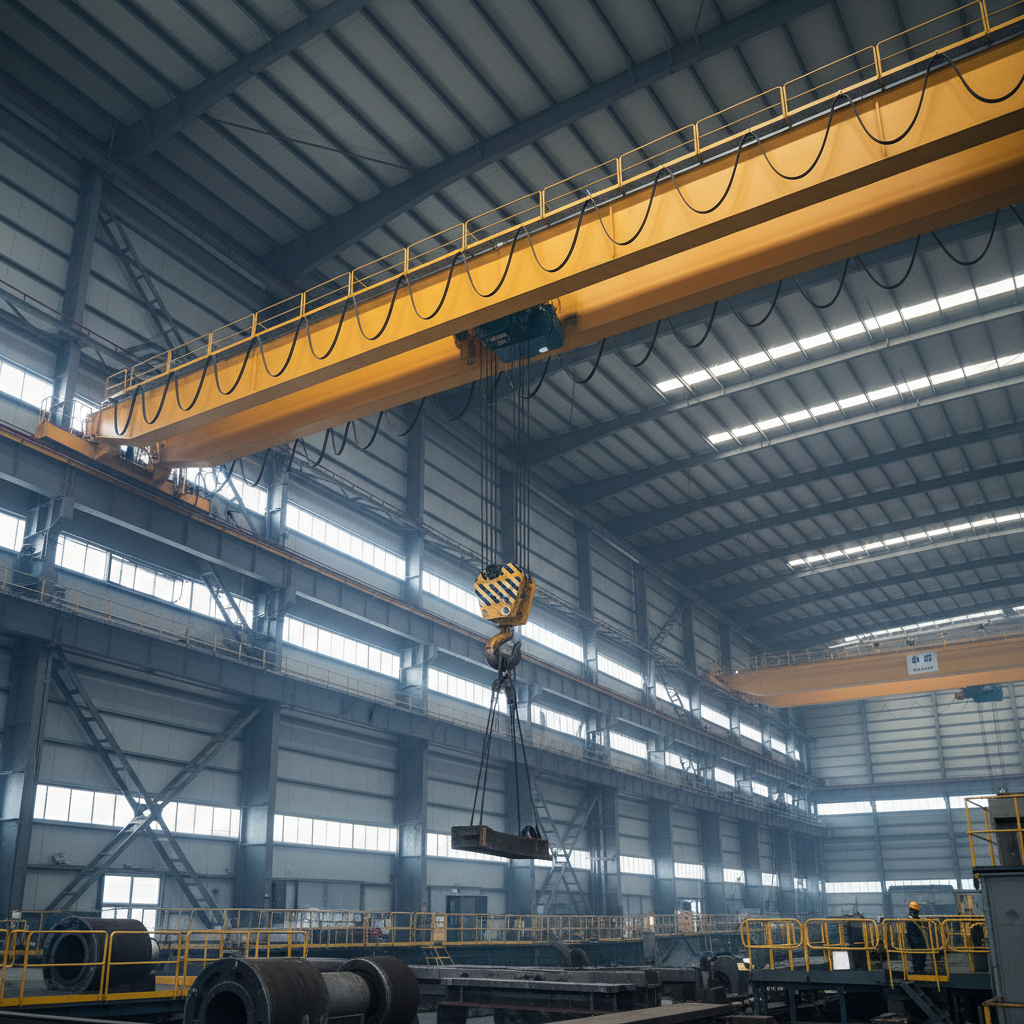
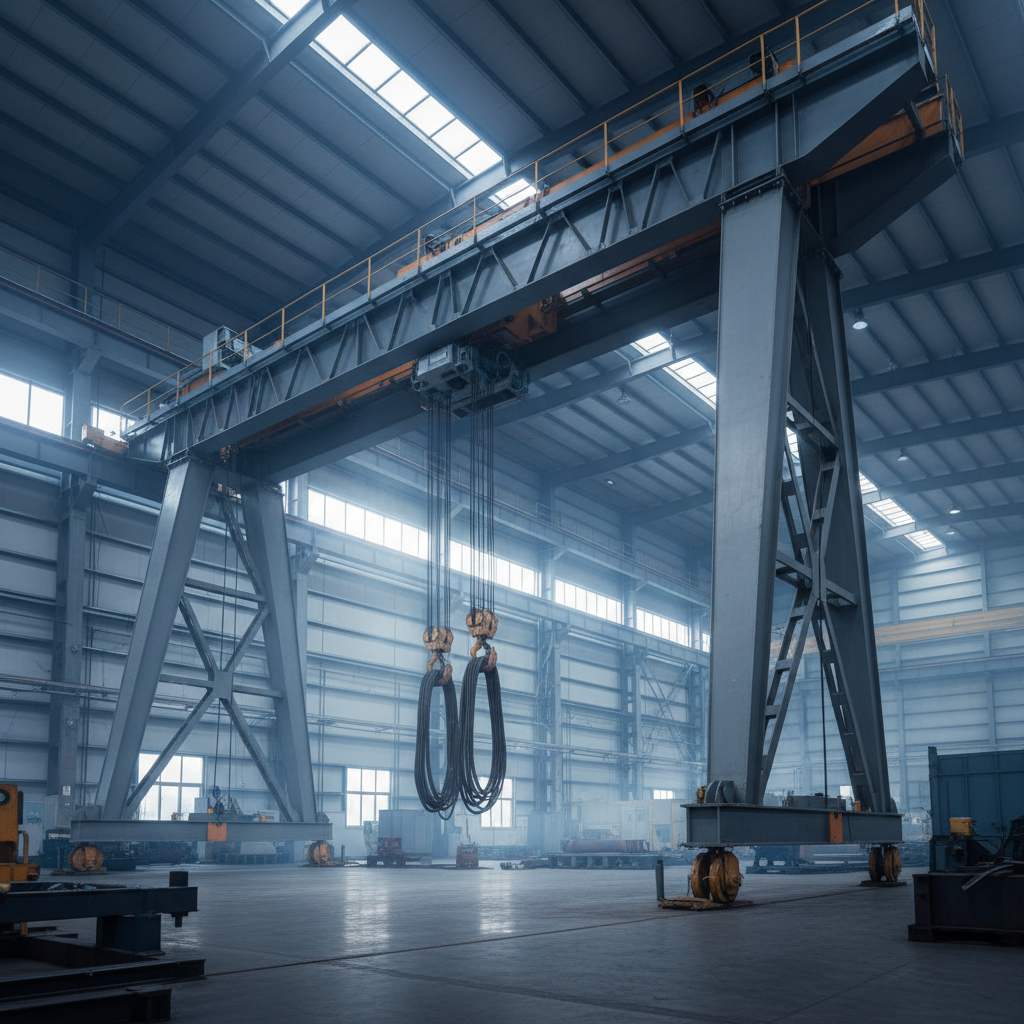
The double girder overhead crane stands as a cornerstone of modern material handling, facilitating efficient and safe lifting operations across a vast range of industries. Its robust design and capacity to handle substantial loads make it an indispensable asset in manufacturing, construction, logistics, and more. Understanding the intricacies of the double girder overhead crane, from its core components to its diverse applications, is crucial for optimizing operational efficiency and ensuring workplace safety. The global demand for these cranes is continuously growing, driven by infrastructure development and the increasing need for automated material transfer.
Globally, the market for overhead cranes, including the double girder variant, is projected to reach significant figures in the coming years. According to market research reports, factors like increasing industrialization in emerging economies, rising construction activities, and the adoption of automation technologies are driving this growth. The UN's Sustainable Development Goals, particularly those relating to infrastructure development (Goal 9) and responsible consumption and production (Goal 12), indirectly benefit the demand for efficient and reliable lifting solutions like the double girder overhead crane.
The core challenge addressed by the double girder overhead crane is the safe and efficient vertical movement of heavy loads. Traditional methods of manual lifting are often inefficient, dangerous, and limited in capacity. The double girder overhead crane provides a scalable, reliable, and cost-effective solution for handling materials that would otherwise be impractical or impossible to move manually.
Introduction to Double Girder Overhead Cranes
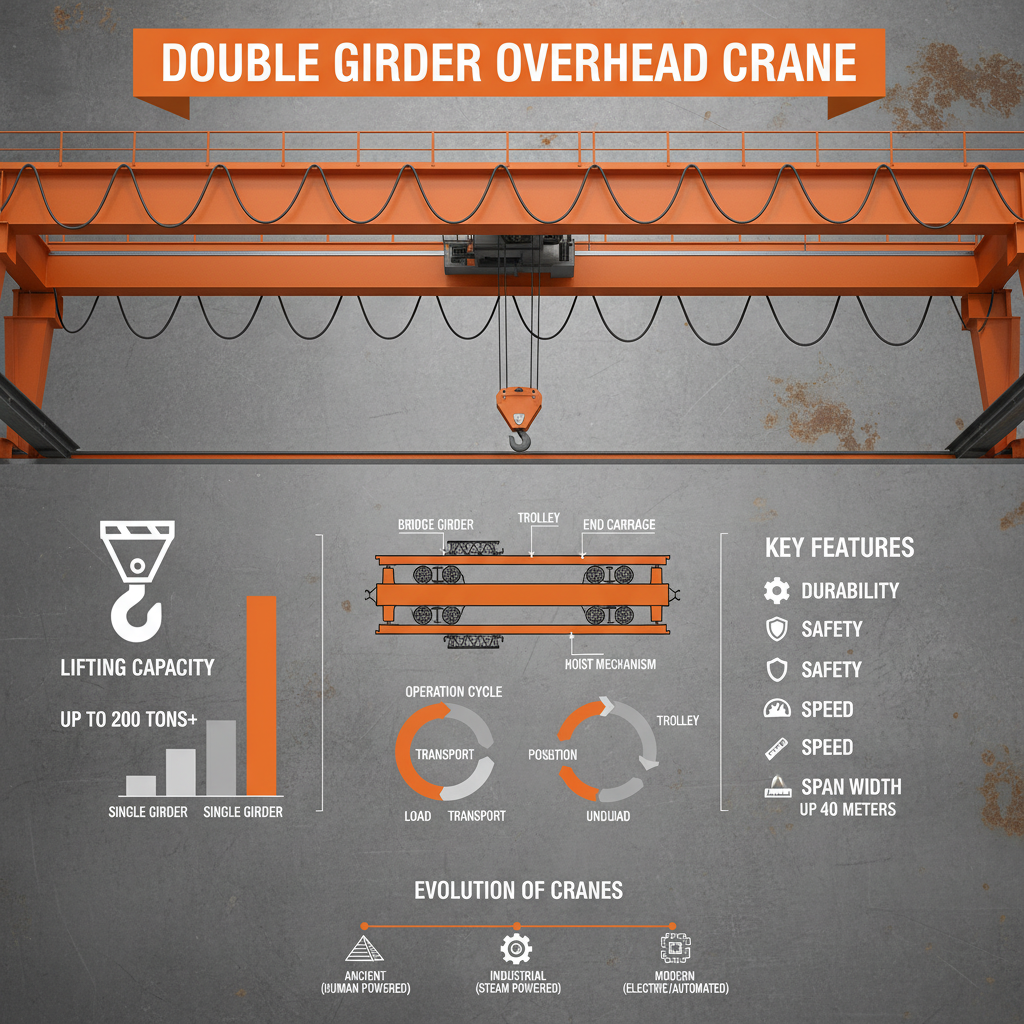
The double girder overhead crane is a critical component in modern industrial infrastructure, designed to lift and move exceptionally heavy loads within a defined workspace. Its inherent stability, coupled with its ability to cover large areas, makes it ideal for operations where precision and efficiency are paramount. This crane type employs two girders that support the hoisting mechanism, distributing the load more evenly and allowing for increased lifting capacity compared to single girder models.
These cranes are not merely lifting devices; they represent a commitment to workplace safety and productivity. By automating the movement of heavy materials, they reduce the risk of worker injury and streamline manufacturing processes. The integration of advanced control systems and safety features further enhances their operational reliability and minimizes downtime.
Defining the Double Girder Overhead Crane
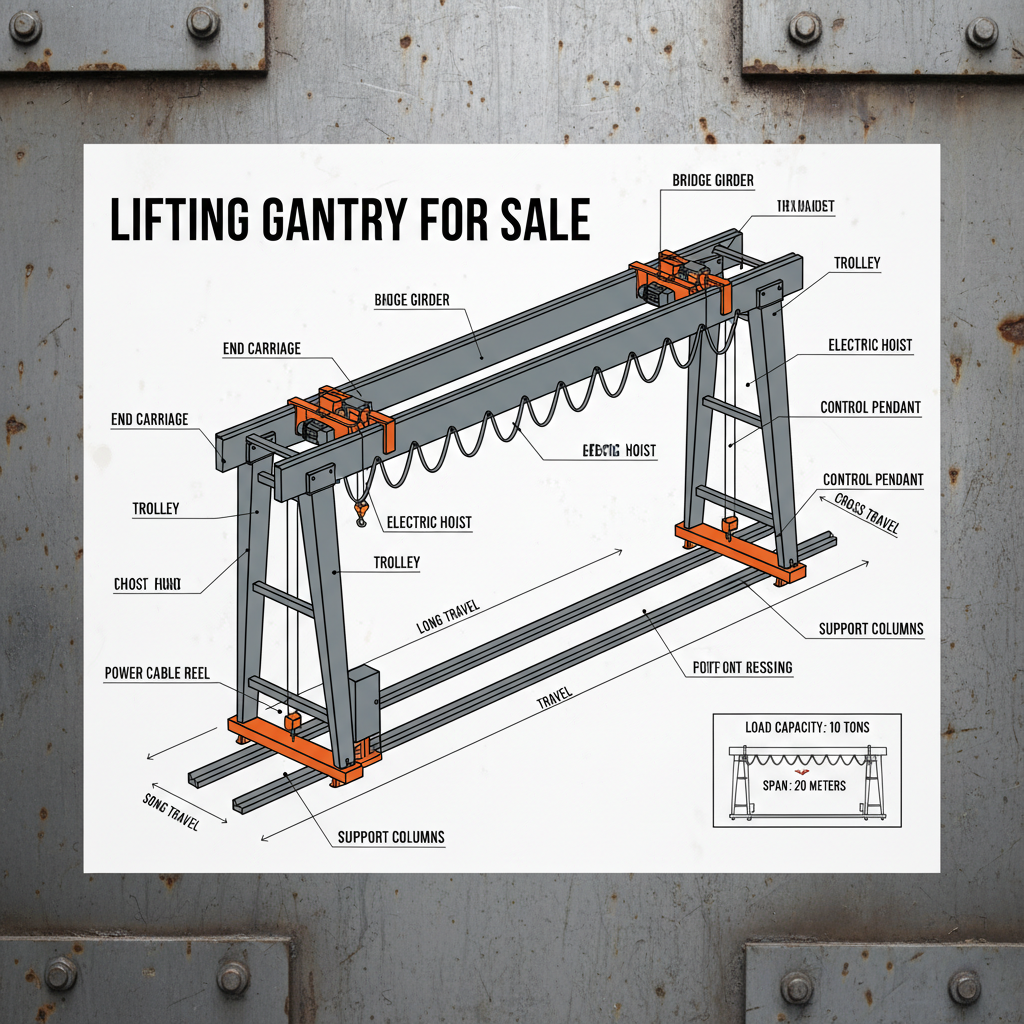
A double girder overhead crane is a type of overhead crane that utilizes two girders – horizontal beams – to support the hoisting mechanism and trolley. This configuration distinguishes it from single girder cranes, which employ a single girder for support. The double girder design allows for greater lifting capacity and a wider span, making it suitable for handling extremely heavy and bulky materials. These cranes typically travel along rails installed on the ceiling of a building or within a dedicated structure.
Its connection to modern industry is undeniable. From steel mills to power plants, and from shipyards to manufacturing facilities, the double girder overhead crane facilitates the efficient movement of materials essential to production. The ability to precisely position heavy components is crucial in assembly lines, material storage, and various fabrication processes.
In humanitarian contexts, while not a primary deployment, specialized versions can be adapted for disaster relief efforts – for example, assisting in the removal of debris or the placement of temporary structures. However, its primary role remains within industrial and commercial settings where heavy lifting is a continuous requirement.
Key Factors of Double Girder Overhead Cranes
Durability: Double girder overhead cranes are renowned for their robust construction and long service life. The use of high-grade steel and meticulous manufacturing processes ensures that these cranes can withstand demanding operating conditions and heavy loads consistently. The inherent design, distributing weight across two girders, reduces stress and fatigue on individual components.
Lifting Capacity: The defining characteristic of a double girder overhead crane is its significantly higher lifting capacity compared to single girder models. This capacity can range from several tons to hundreds of tons, making them suitable for handling the heaviest materials in industries like steel production, shipbuilding, and power generation.
Span Length: Double girder cranes can accommodate larger span lengths without compromising stability. This allows for flexible workshop layouts and facilitates the movement of materials across expansive areas. Longer spans are particularly beneficial in large manufacturing facilities and storage warehouses.
Global Applications of Double Girder Overhead Cranes
Double girder overhead cranes are integral to numerous industries worldwide. In the steel industry, they are used for handling steel billets, coils, and plates. Shipyards rely on them for lifting and assembling large hull sections. Power plants utilize them for maintaining and repairing heavy equipment, such as turbines and generators. Construction sites employ them for lifting prefabricated concrete elements and structural steel.
Regions with significant industrial activity, such as China, Germany, the United States, and Japan, exhibit a particularly high demand for double girder overhead cranes. Developing economies in Southeast Asia and Latin America are also experiencing rapid growth in demand as their industrial sectors expand.
In remote industrial zones, where access to specialized lifting equipment is limited, double girder overhead cranes provide a reliable and cost-effective solution for handling heavy materials. Similarly, in post-disaster relief operations (although specialized, adaptable versions are used), these cranes can assist in clearing debris and rebuilding infrastructure.
Double Girder Overhead Crane Performance Metrics
Advantages of Utilizing Double Girder Overhead Cranes
The advantages of employing a double girder overhead crane are substantial. First, the increased lifting capacity directly translates to reduced cycle times and increased productivity, particularly in industries handling exceptionally heavy materials. Secondly, their robust construction minimizes downtime and maintenance requirements, resulting in long-term cost savings.
Beyond the tangible benefits, the enhanced safety features of modern double girder cranes foster a more secure work environment. Advanced control systems, overload protection, and emergency stop mechanisms minimize the risk of accidents. Finally, the inherent scalability of these cranes allows businesses to adapt to changing operational needs and future growth.
Future Trends in Double Girder Overhead Crane Technology
The future of double girder overhead cranes is being shaped by advancements in automation, digitalization, and sustainable design. The integration of Artificial Intelligence (AI) and Machine Learning (ML) is enabling predictive maintenance, optimizing lifting routes, and enhancing overall operational efficiency. Remote monitoring and control systems are becoming increasingly prevalent, allowing operators to manage cranes from a safe distance.
Furthermore, the adoption of energy-efficient components and regenerative braking systems is contributing to a reduction in energy consumption and environmental impact. The development of lighter, stronger materials, such as advanced alloys and composite materials, promises to further enhance the lifting capacity and performance of these cranes.
Challenges and Solutions in Double Girder Overhead Crane Implementation
Despite their numerous advantages, implementing and maintaining double girder overhead cranes presents certain challenges. These include the initial investment cost, the need for qualified personnel to operate and maintain the cranes, and the potential for disruptions during installation and maintenance.
Solutions to these challenges include exploring financing options, investing in comprehensive training programs for operators and maintenance technicians, and implementing proactive maintenance schedules to minimize downtime. Modular crane designs and pre-fabricated components can also streamline the installation process. Leveraging cloud-based monitoring systems can improve predictive maintenance and reduce overall operating costs.
Addressing safety concerns requires meticulous planning and adherence to industry standards. Regular inspections, rigorous testing, and the implementation of robust safety protocols are essential to ensuring a safe and reliable operating environment.
Summary of Double Girder Overhead Crane Implementation Considerations
| Challenge |
Impact on Project |
Mitigation Strategy |
Priority (1-5) |
| High Initial Cost |
Budget Overruns |
Explore Leasing or Financing |
4 |
| Skilled Operator Requirement |
Reduced Efficiency |
Comprehensive Training Program |
5 |
| Installation Complexity |
Project Delays |
Pre-Fabricated Components |
3 |
| Maintenance Downtime |
Lost Production |
Preventive Maintenance Schedule |
4 |
| Safety Concerns |
Potential Accidents |
Strict Safety Protocols |
5 |
| Space Requirements |
Workshop Layout Constraints |
Optimized Crane Positioning |
2 |
FAQS
The primary difference lies in the lifting capacity and span. Double girder cranes utilize two girders for support, allowing for significantly higher load capacity and the ability to span greater distances. Single girder cranes, with only one girder, are suitable for lighter loads and shorter spans. Double girder cranes are generally more robust and offer greater stability for heavy-duty applications. This impacts their cost and the required infrastructure for installation.
Regular maintenance is crucial for ensuring the safe and reliable operation of a double girder overhead crane. A comprehensive inspection should be conducted at least annually, and more frequently for cranes in high-use environments. Routine maintenance tasks include lubrication of moving parts, inspection of wire ropes and hooks, testing of braking systems, and verification of safety devices. Following manufacturer recommendations and implementing a proactive maintenance schedule are essential.
Essential safety features include overload protection devices, emergency stop buttons, limit switches to prevent over-travel, audible and visual warning systems, and proper guarding of moving parts. Regular inspection and testing of these safety features are paramount. Operator training is also crucial to ensure that personnel understand safe operating procedures and emergency protocols.
With proper maintenance and operation, a double girder overhead crane can have a lifespan of 20-30 years or even longer. The lifespan depends on factors such as the frequency of use, the loads handled, the environmental conditions, and the quality of maintenance. Implementing a robust maintenance program and adhering to manufacturer recommendations are key to maximizing the crane's lifespan.
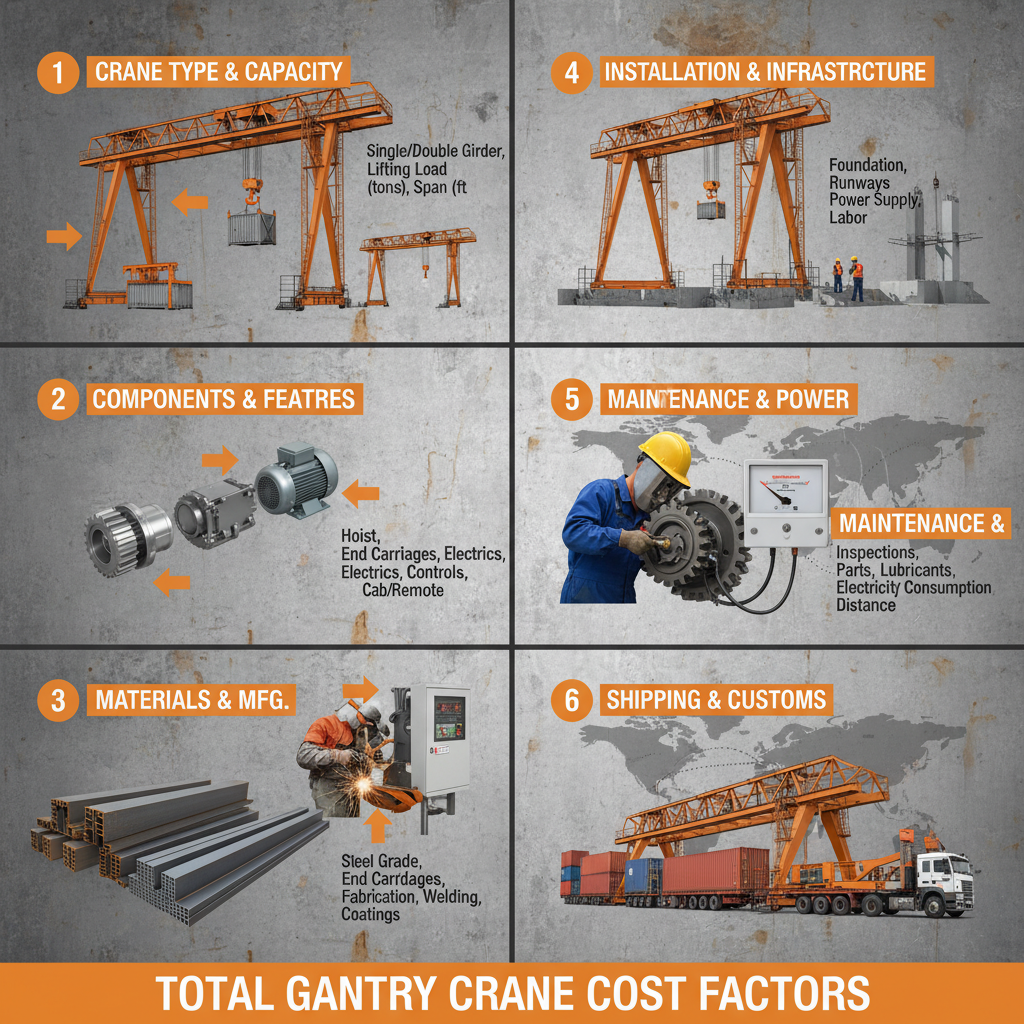
The cost of installing a double girder overhead crane varies significantly depending on factors such as the crane's capacity, span, height of lift, and the complexity of the installation. Costs include the crane itself, foundation preparation, installation labor, electrical work, and safety inspections. Obtaining quotes from multiple vendors and carefully evaluating all costs is essential.
Yes, double girder overhead cranes are highly customizable. Manufacturers can tailor the crane's capacity, span, height of lift, controls, and other features to meet specific application requirements. Customizations can include specialized hooks, lifting attachments, and remote control systems. Working closely with a crane manufacturer to define your specific needs is crucial.
Conclusion
In conclusion, the double girder overhead crane remains an indispensable asset for industries requiring heavy lifting solutions. Its durability, lifting capacity, and scalability provide significant advantages in terms of productivity, safety, and cost-effectiveness. As technology continues to advance, incorporating automation and digitalization, the double girder overhead crane will undoubtedly play an even more critical role in shaping the future of material handling.
Looking ahead, investing in comprehensive operator training, implementing proactive maintenance programs, and embracing innovative technologies will be key to maximizing the benefits of these cranes. By prioritizing safety, efficiency, and sustainability, businesses can leverage the power of the double girder overhead crane to achieve operational excellence and drive long-term success. Visit our website at double girder overhead crane to explore our range of cranes and solutions.