Mini gantry cranes are becoming increasingly vital in modern industrial and logistical operations. These compact lifting solutions offer a flexible and cost-effective alternative to traditional overhead cranes, particularly in environments with limited space or requiring frequent relocation. Their versatility has fueled growing demand across diverse sectors, from manufacturing and warehousing to construction and even event production. Understanding the nuances of mini gantry crane technology is crucial for businesses seeking to optimize efficiency and improve safety protocols.
Globally, the need for adaptable lifting solutions is driven by the expansion of e-commerce, the rise of just-in-time manufacturing, and increasing urbanization. The United Nations estimates that global trade volumes will continue to rise, placing further strain on existing logistics infrastructure. Mini gantry cranes address this challenge by offering a scalable and readily deployable solution for handling materials, reducing bottlenecks, and streamlining processes. The demand for these cranes is particularly strong in emerging economies experiencing rapid industrial growth.
The increasing emphasis on worker safety and ergonomic efficiency also contributes to the adoption of mini gantry cranes. By providing a controlled and precise lifting mechanism, these cranes minimize the risk of manual handling injuries and improve overall workplace well-being. This aligns with international standards set by organizations like the International Organization for Standardization (ISO) concerning workplace safety and equipment reliability.
Introduction to Mini Gantry Cranes
Mini gantry cranes represent a significant advancement in materials handling, offering a compact and versatile lifting solution for a wide range of applications. They are engineered to provide reliable performance in constrained spaces where traditional overhead cranes are impractical. mini gantry crane designs prioritize ease of assembly, portability, and adaptability, making them ideal for dynamic work environments.
These cranes are not merely scaled-down versions of larger systems; they often incorporate innovative features like adjustable height, mobility kits, and wireless controls, enhancing their functionality and user-friendliness. Their growing popularity stems from their ability to significantly improve operational efficiency, reduce labor costs, and enhance workplace safety across numerous industries.
Defining the Mini Gantry Crane
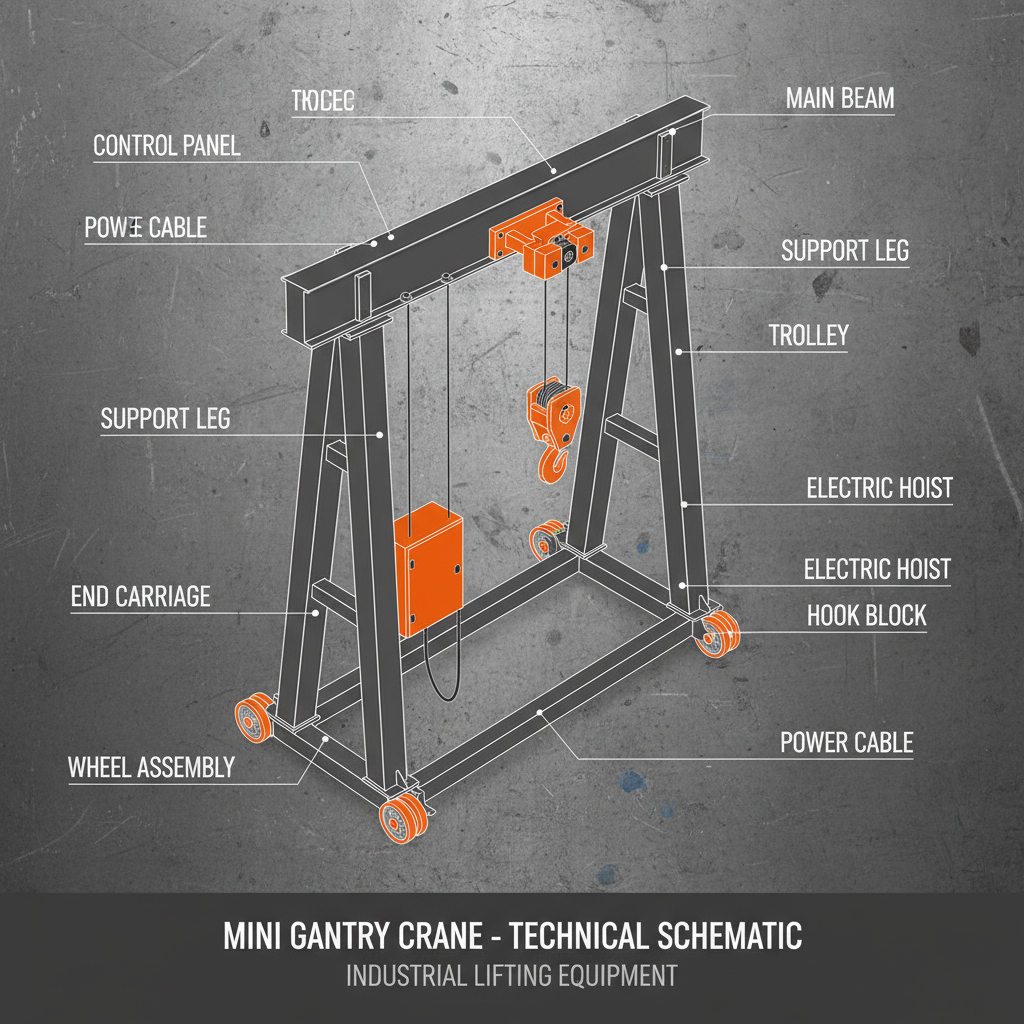
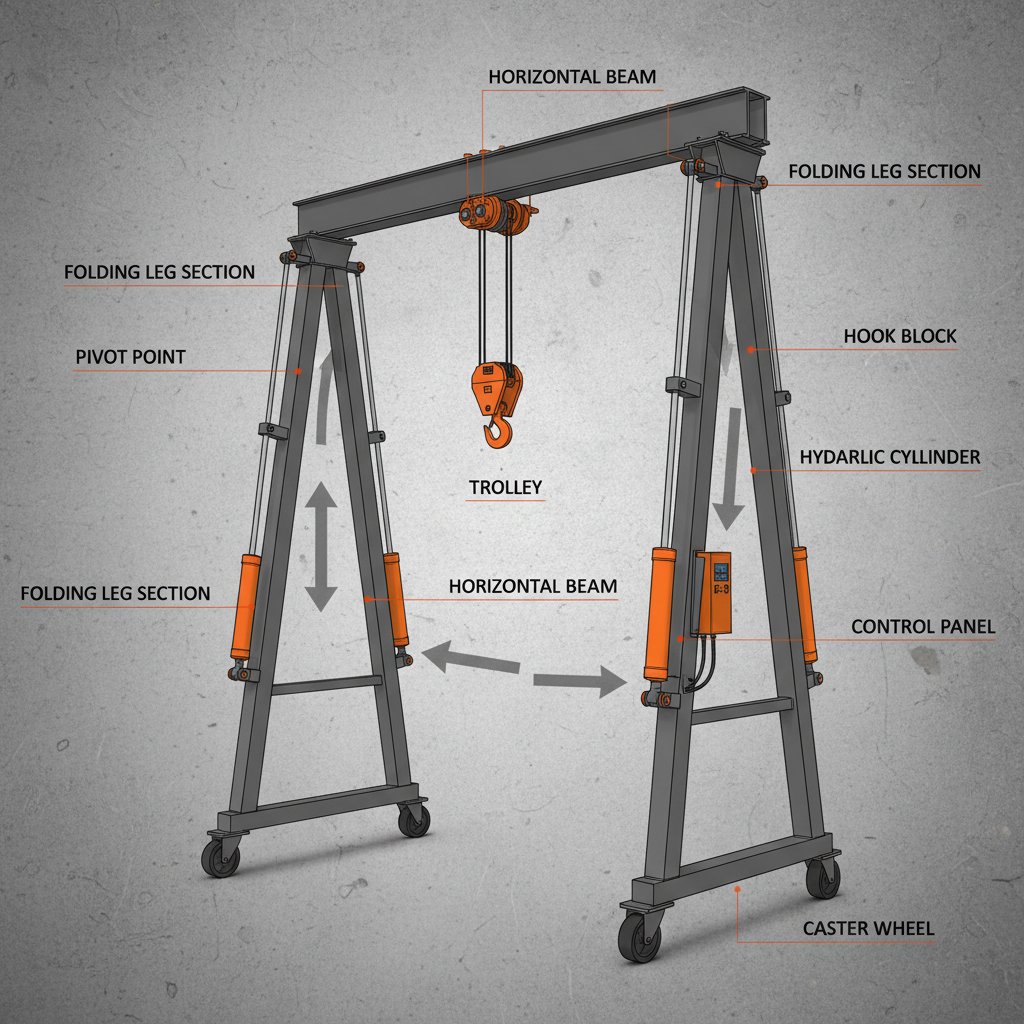
A mini gantry crane is a self-supporting crane system that utilizes a gantry structure – typically consisting of two vertical supports (legs) connected by a horizontal beam – to lift and move materials. Unlike overhead cranes which require a fixed supporting structure, mini gantry cranes are freestanding and can be easily positioned and relocated as needed. Their size and weight are considerably less than traditional cranes, allowing for flexibility in various environments.
These cranes are often used for lifting tasks within a limited area, such as loading and unloading materials, moving equipment, or assisting with assembly processes. They come in a variety of configurations, including fixed-height, adjustable-height, and mobile models, catering to specific operational requirements. The core components generally include the gantry frame, a hoist (chain, wire rope, or hydraulic), and control mechanisms.
Mini gantry cranes bridge a gap in the materials handling market, offering a solution between manual lifting and the expense and infrastructure requirements of larger, permanent crane systems. They’re a cornerstone of streamlined logistics in modern industrial settings and a vital tool for humanitarian aid where rapid deployment is critical.
Core Characteristics of Mini Gantry Cranes
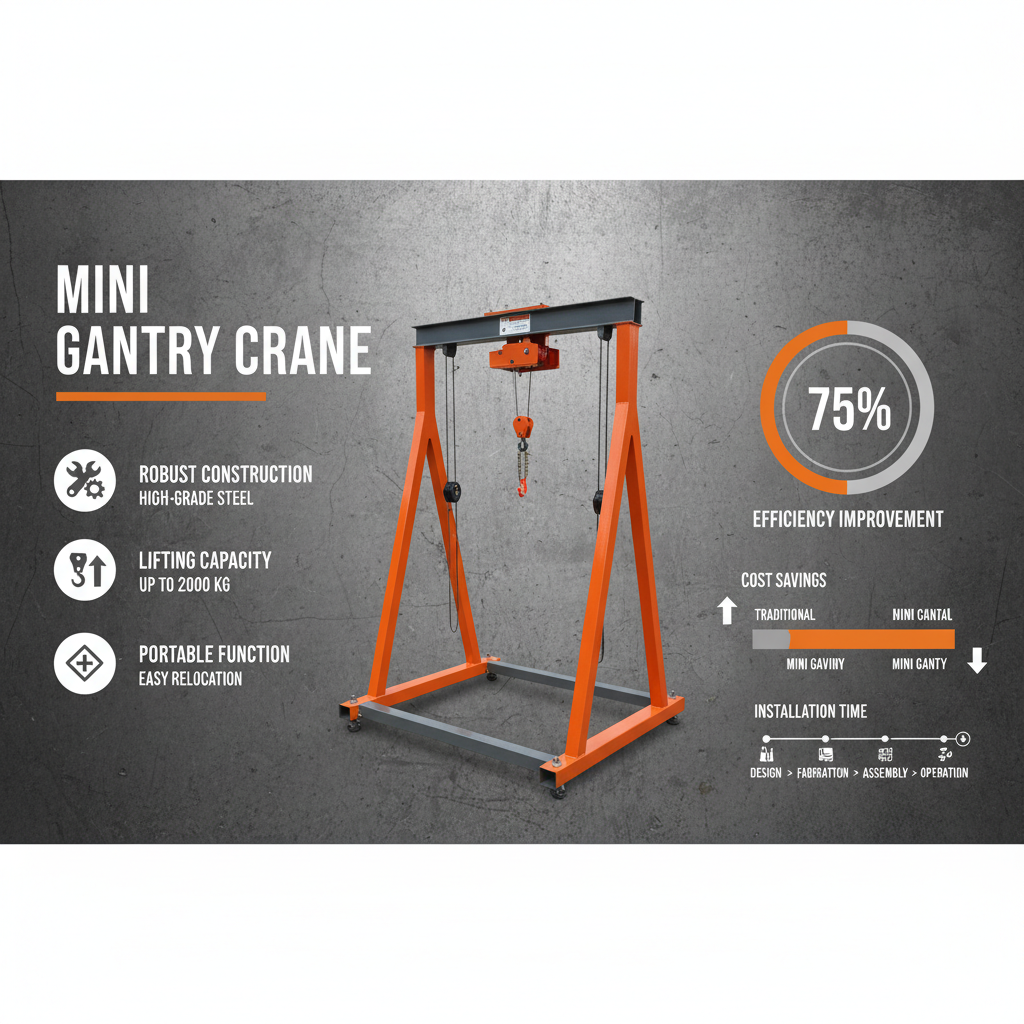
Durability is a key characteristic of mini gantry cranes. Constructed from robust materials like steel or aluminum, these cranes are designed to withstand heavy loads and demanding operating conditions. High-quality components and precise engineering ensure long-term reliability and minimal maintenance requirements.
Portability is another defining feature. Many mini gantry cranes are designed to be easily disassembled and transported, allowing for quick setup and relocation in different work areas. This is particularly beneficial for projects requiring frequent changes in layout or for operations conducted in temporary facilities.
Versatility is inherent in their design. Mini gantry cranes can be equipped with various hoist types, including chain hoists, wire rope hoists, and vacuum lifters, to handle a wide range of materials and applications. Adjustable height and span options further enhance their adaptability. Finally, cost-effectiveness makes them appealing; the initial investment and ongoing operational expenses are generally lower than those associated with larger crane systems.
Key Performance Indicators for Mini Gantry Cranes
Evaluating the performance of a mini gantry crane requires considering several key indicators. Lifting capacity, defined by the maximum weight the crane can safely lift, is paramount. Another crucial factor is the span, or the width between the crane’s legs, which determines the area it can cover.
Headroom – the vertical distance between the lifted load and the beam – impacts operational efficiency in confined spaces. Furthermore, the duty cycle, representing the frequency and duration of lifting operations, influences the crane’s longevity and suitability for specific applications.
Mini Gantry Crane Performance Comparison
Diverse Applications of Mini Gantry Cranes
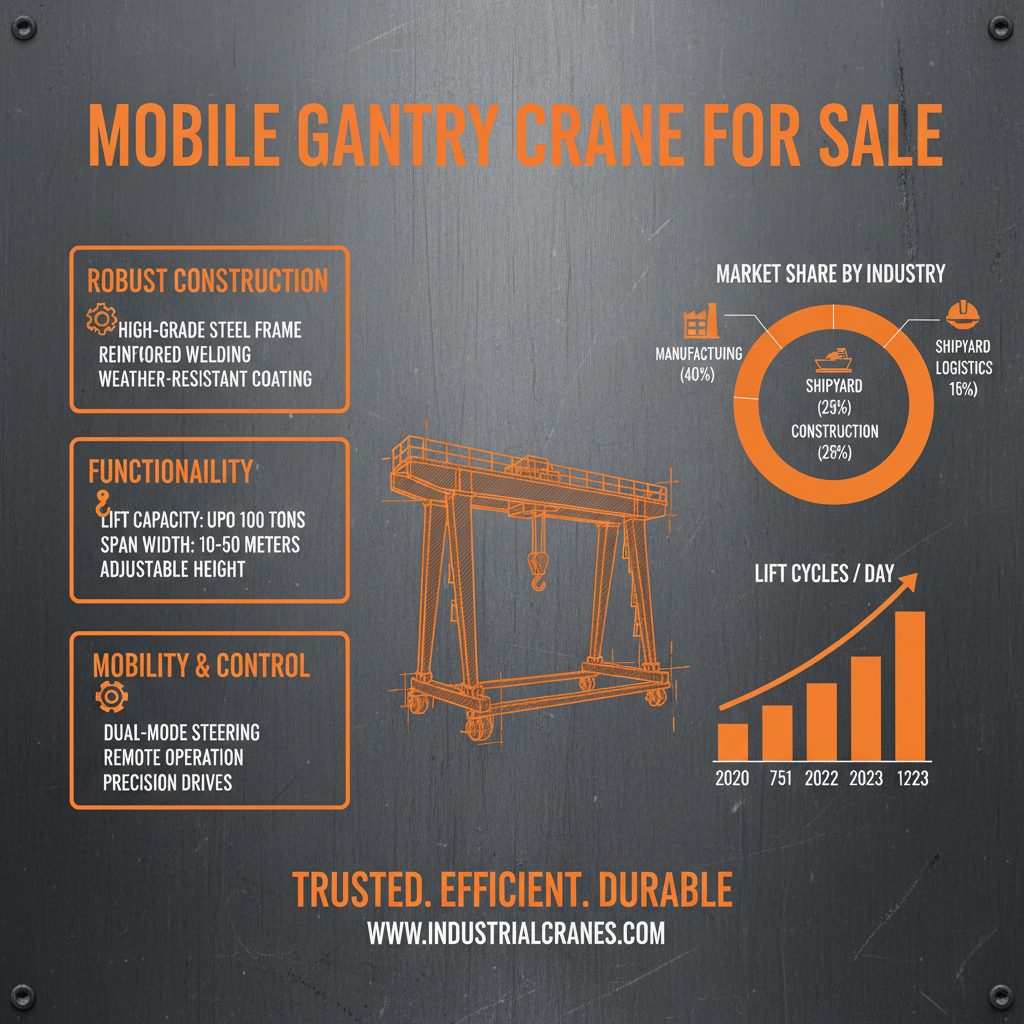
Mini gantry cranes find application in a multitude of industries. In manufacturing, they assist with machine loading, assembly processes, and material transfer between workstations. Warehousing operations leverage them for loading and unloading trucks, organizing inventory, and moving pallets.
Construction sites utilize mini gantry cranes for lifting building materials, tools, and equipment. They are also widely used in maintenance and repair shops for lifting engines, machinery components, and other heavy items. In post-disaster relief operations, their portability and rapid deployment capabilities make them invaluable for moving debris and delivering essential supplies.
The Advantages of Utilizing Mini Gantry Cranes
The most tangible benefit of using a mini gantry crane is cost savings. Compared to installing and maintaining a full-sized overhead crane, the initial investment and ongoing expenses are significantly lower. Furthermore, they enhance workplace safety by reducing the risk of manual handling injuries and providing a controlled lifting environment.
Their flexibility and portability contribute to improved operational efficiency, allowing for quick adjustments to workflow and reduced downtime. The enhanced ergonomics promote worker comfort and productivity. The reliability and durability of modern mini gantry cranes minimize maintenance needs and ensure long-term value.
Future Innovations in Mini Gantry Crane Technology
Several exciting innovations are on the horizon for mini gantry crane technology. The integration of automation and robotics is expected to enhance precision and efficiency, enabling fully automated lifting and material handling processes. Smart sensors and data analytics will provide real-time monitoring of crane performance, facilitating predictive maintenance and optimizing operational parameters.
The development of lightweight materials, such as carbon fiber composites, will further reduce crane weight and improve portability. Sustainable energy solutions, such as solar-powered hoists, will minimize environmental impact and reduce energy costs. Digital twins and virtual reality simulations will aid in crane design, operation, and maintenance.
Furthermore, advancements in wireless control systems will offer greater freedom of movement and enhanced operator safety. These innovations will solidify the position of the mini gantry crane as a crucial component of modern industrial logistics.
FAQS
Mini gantry cranes typically range in weight capacity from 250kg (550lbs) to 5 tons (11,000lbs). The exact capacity depends on the crane's design, materials, and hoist system. It’s crucial to select a crane with a capacity that safely exceeds the weight of the heaviest load it will be lifting. Proper load testing and adherence to safety guidelines are also essential.
Yes, many mini gantry cranes can be used outdoors, but it depends on the specific model and its construction. Outdoor models often feature corrosion-resistant coatings and weather-sealed components. It’s important to consider factors such as wind speed, rain, and temperature when using a crane outdoors and to secure the crane properly to prevent tipping.
Regular maintenance is essential for ensuring the safe and reliable operation of a mini gantry crane. This includes inspecting the hoist chain or wire rope for wear and tear, lubricating moving parts, checking bolts and fasteners for tightness, and inspecting the gantry frame for damage. Following the manufacturer’s recommended maintenance schedule is crucial.
The space requirement depends on the crane’s span and height. Generally, mini gantry cranes require less space than traditional overhead cranes. Ensure there is sufficient clearance around the crane for safe operation, including space for the load to be moved and for the operator to maneuver. Consider the headroom required for lifting.
Safety is paramount. Always inspect the crane before each use, ensure the load is properly secured, and never exceed the crane’s rated capacity. Operators should be properly trained and follow all safety guidelines. Implement a clear lifting plan and ensure a safe working zone around the crane. Regular safety audits are also recommended.
Yes, many manufacturers offer customization options for mini gantry cranes. These can include adjusting the height and span, adding specialized hoist attachments, incorporating wireless controls, and modifying the frame to fit specific spaces or applications. Customization ensures the crane is optimized for your unique needs.
Conclusion
In conclusion, the mini gantry crane has emerged as an indispensable tool across a broad spectrum of industries, offering a compelling combination of affordability, portability, and versatility. Its ability to address the evolving needs of modern logistics and materials handling, coupled with its commitment to safety and efficiency, positions it as a key enabler of operational excellence. Understanding the core characteristics, applications, and future trends of mini gantry crane technology is vital for organizations seeking to optimize their workflows and maintain a competitive edge.
Looking ahead, continued innovation in areas such as automation, sustainable energy, and smart sensing will further enhance the capabilities of mini gantry cranes. Investing in this technology not only improves operational performance but also demonstrates a commitment to worker safety, environmental responsibility, and long-term sustainability. To explore the full potential of mini gantry cranes for your business, visit our website: www.daweihoisting.com.