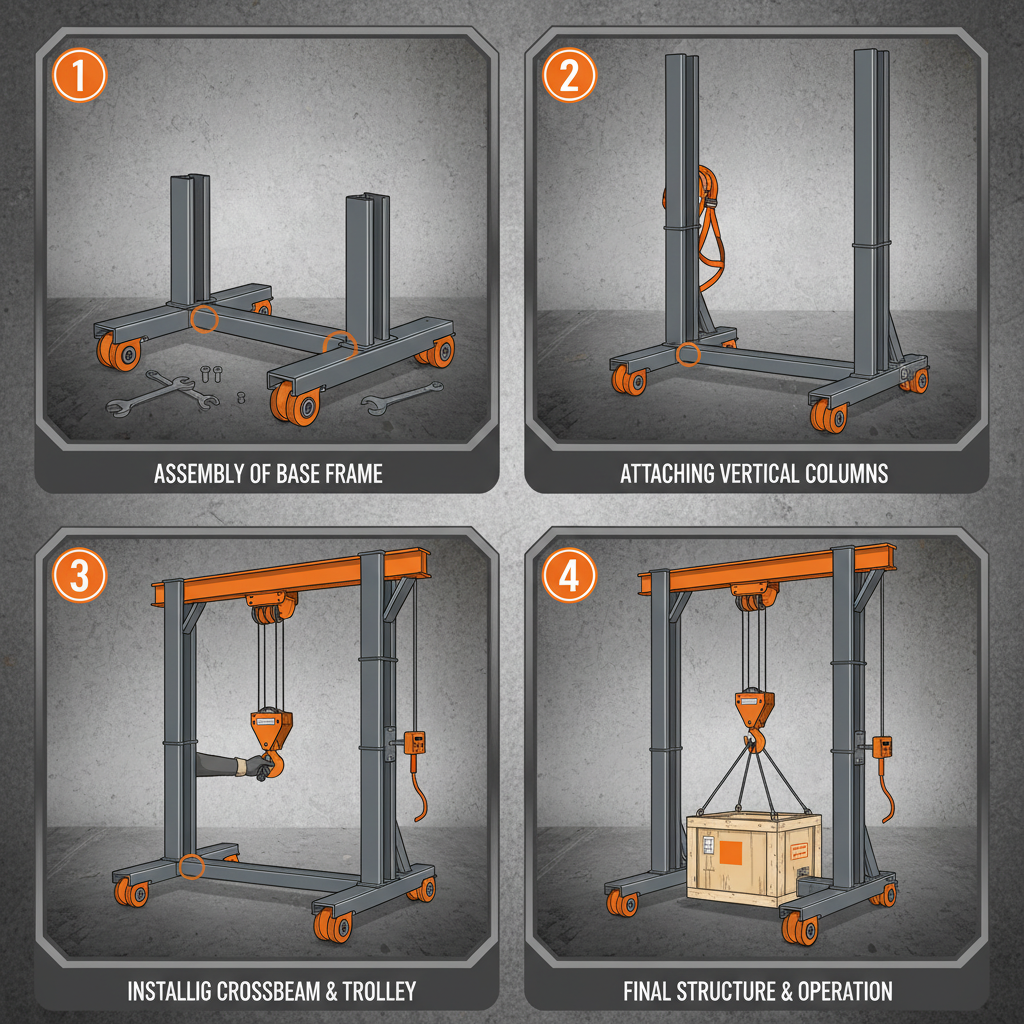
The global demand for efficient and reliable lifting solutions has propelled the fixed gantry crane to the forefront of modern industrial infrastructure. These robust structures are essential for optimizing workflows, improving safety, and enhancing productivity across a wide range of industries, from manufacturing and construction to shipping and logistics. Understanding the capabilities and applications of a fixed gantry crane is critical for businesses striving to remain competitive in today’s fast-paced global market.
The increasing complexity of supply chains and the growing need for heavy lifting capacity in diverse environments have further underscored the importance of fixed gantry cranes. With advancements in materials and engineering, these cranes are becoming more versatile and cost-effective, offering tailored solutions for specific operational needs. They represent a significant investment in long-term efficiency and reliability.
The prevalence of fixed gantry crane systems isn’t limited to developed nations; they are becoming increasingly vital in emerging economies experiencing rapid industrialization. Their ability to handle large volumes and heavy loads efficiently makes them an indispensable component of modern infrastructure projects.
Defining and Understanding Fixed Gantry Cranes
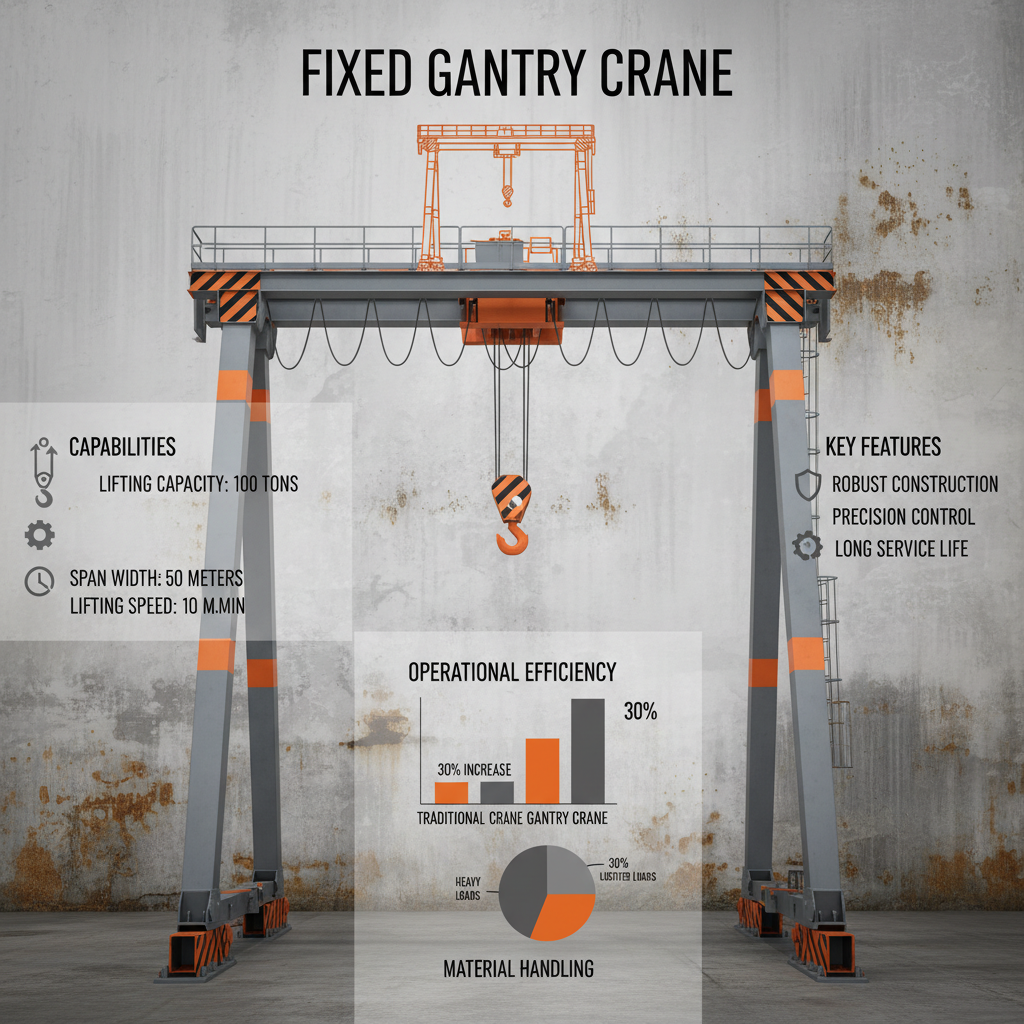
A fixed gantry crane is a type of crane characterized by its supporting structure, consisting of horizontal beams supported by vertical legs or columns. Unlike mobile gantry cranes, fixed gantries are permanently installed in a specific location, providing a stable and reliable lifting solution. They are commonly used to lift and move heavy objects within a defined workspace.
These cranes play a vital role in modern industry by facilitating efficient material handling, streamlining production processes, and improving workplace safety. They are integral to sectors such as manufacturing, warehousing, shipbuilding, and construction, where the precise and controlled movement of heavy loads is paramount.
The Global Relevance of Fixed Gantry Cranes
The demand for fixed gantry crane systems is globally significant, driven by the continuous expansion of industrial infrastructure and the need for efficient logistics solutions. According to a recent report by the World Bank, global trade volumes are projected to increase by 4.3% in 2024, necessitating greater capacity for handling and transporting goods. Fixed gantry cranes are crucial in meeting this demand, particularly in ports and large-scale distribution centers.
The ISO standards organization recognizes the importance of safe and reliable lifting equipment, and fixed gantry cranes must adhere to stringent safety regulations to ensure worker protection and operational integrity. This emphasis on safety and standardization has driven innovation in the design and manufacturing of these cranes, leading to more robust and dependable systems.
A key challenge that fixed gantry cranes address is the limitation of overhead crane coverage. In facilities where overhead cranes are impractical or insufficient, fixed gantries offer a versatile solution for lifting and moving materials in specific areas, effectively expanding operational capabilities.
Core Components and Features of Fixed Gantry Cranes
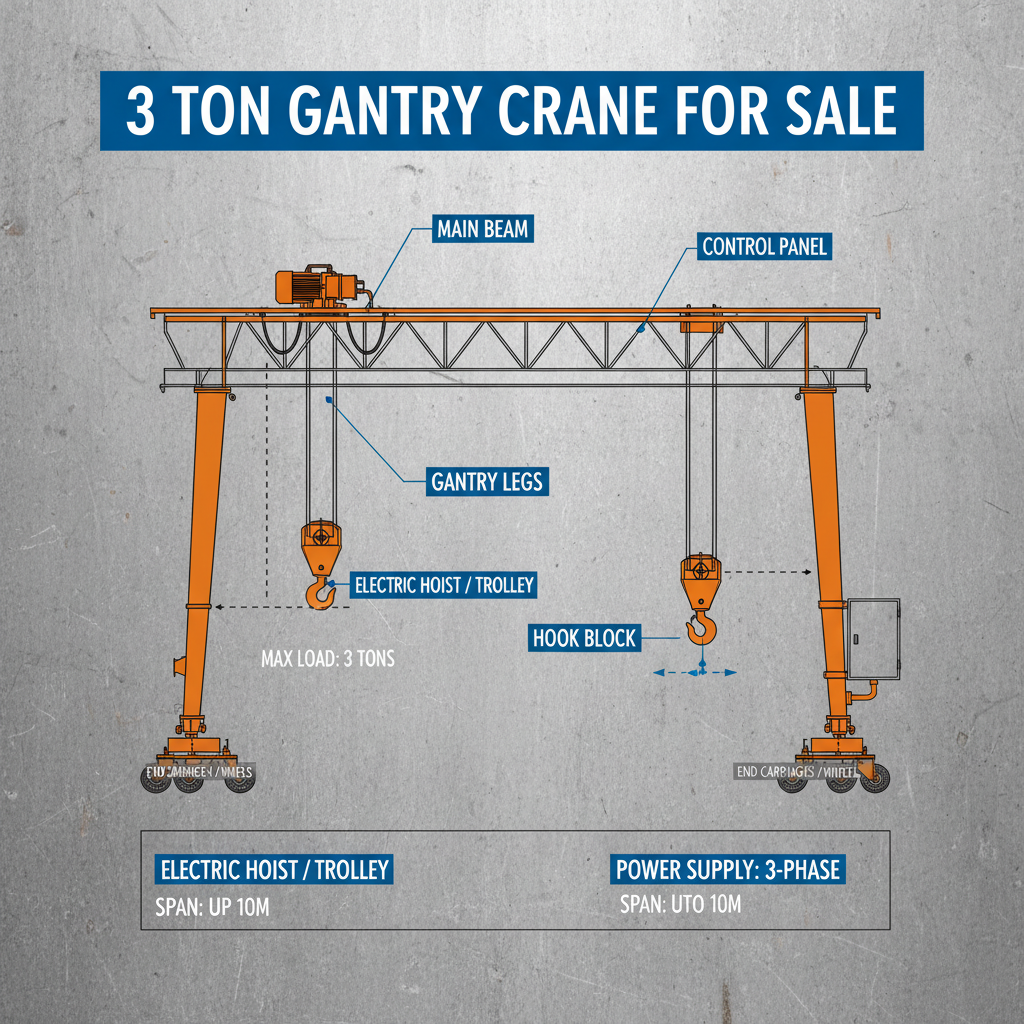
Fixed gantry cranes are comprised of several key components, working together to ensure safe and efficient operation. These include the gantry structure itself – the supporting frame, the hoist unit responsible for lifting the load, the trolley that moves the hoist along the beam, and the control system enabling precise control. The stability of the legs and the integrity of the beam are fundamental to the crane’s overall performance.
Durability is a hallmark of quality fixed gantry crane construction. High-strength steel, robust welding techniques, and corrosion-resistant coatings are employed to withstand harsh environmental conditions and continuous heavy use. Regular maintenance and inspection are critical to ensure longevity and prevent costly downtime.
Scalability is another significant feature. Many fixed gantry cranes can be customized with varying spans, lifting capacities, and heights to meet the unique requirements of a specific application. This modular design allows for flexibility and adaptation as operational needs evolve, making them a long-term investment.
Key Performance Indicators of Fixed Gantry Crane Systems
Evaluating the performance of a fixed gantry crane requires examining several key indicators. Load capacity, which defines the maximum weight the crane can safely lift, is a primary consideration. Span length, representing the distance between the crane’s legs, determines the coverage area. Lifting speed and travel speed impact overall cycle time and productivity.
Safety factors, measured by adherence to ISO standards and regular inspections, are crucial. Downtime, reflecting the frequency and duration of maintenance or repairs, indicates reliability. The overall cost of ownership, including initial investment, maintenance, and energy consumption, provides a holistic view of the crane’s economic value.
Fixed Gantry Crane Performance Metrics
Real-World Applications of Fixed Gantry Cranes
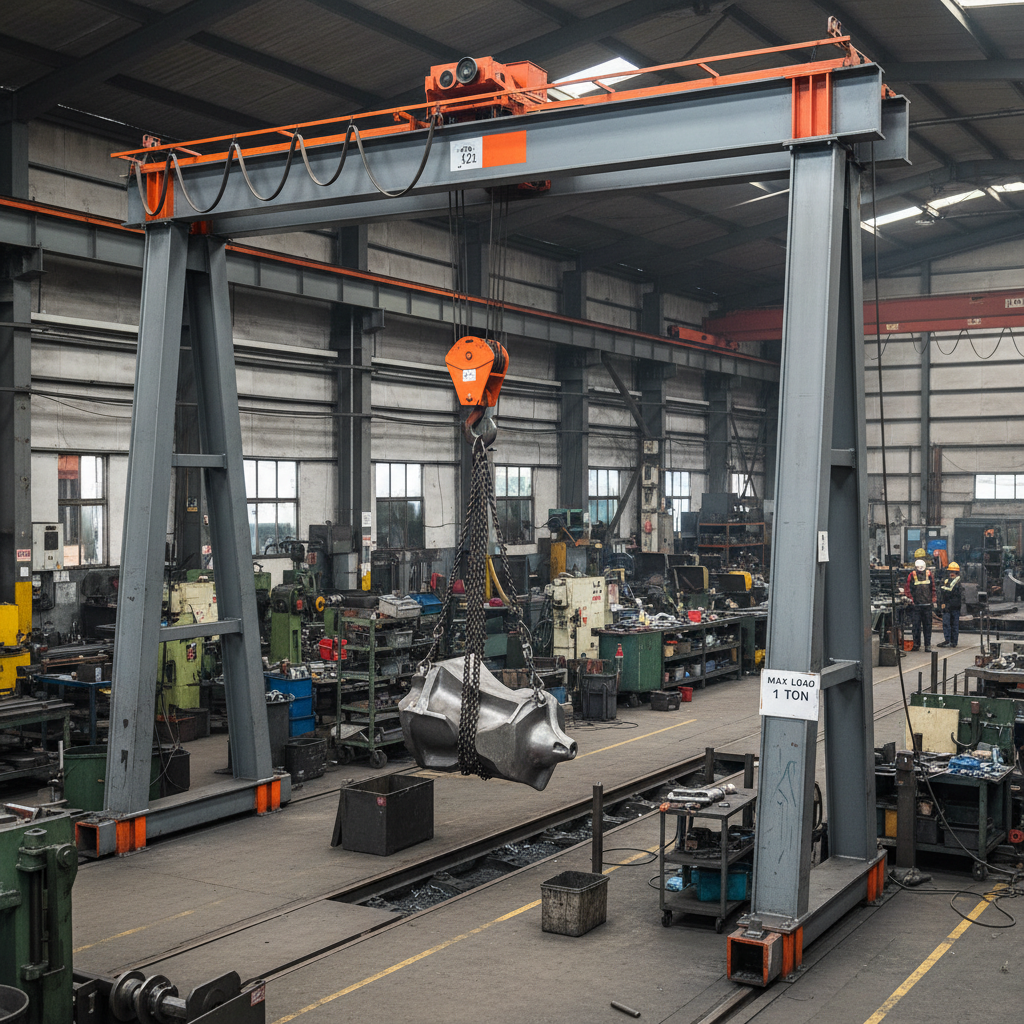
Fixed gantry crane systems find extensive use in manufacturing facilities for moving heavy components during assembly processes. In shipyards, they are indispensable for lifting and positioning large sections of hull during construction. Ports and intermodal terminals rely on them for efficient container handling.
In remote industrial zones, where access to power and infrastructure is limited, these cranes provide a robust and self-sufficient lifting solution. They are also increasingly deployed in precast concrete plants, where the precise lifting and positioning of concrete elements are critical.
Long-Term Benefits and Value Proposition
The long-term benefits of investing in a fixed gantry crane extend beyond simply lifting heavy objects. Increased productivity, reduced labor costs, and improved workplace safety contribute to significant cost savings. The reliability and durability of these cranes minimize downtime and maintenance expenses.
From a sustainability perspective, efficient material handling reduces waste and energy consumption. The enhanced safety features of a well-maintained gantry crane promote a positive work environment and reduce the risk of accidents, fostering trust and morale.
Future Trends and Innovations in Fixed Gantry Crane Technology
The future of fixed gantry crane technology is focused on automation, digitalization, and sustainability. The integration of smart sensors and IoT devices enables real-time monitoring of crane performance, predictive maintenance, and remote diagnostics. Automated control systems enhance precision and efficiency.
Advancements in materials science are leading to lighter and stronger crane components, reducing structural weight and increasing lifting capacity. The development of energy-efficient drive systems and regenerative braking technologies contribute to a greener footprint.
Furthermore, exploring renewable energy sources, like solar power, to power the cranes' operations aligns with global sustainability goals and reduces operational costs.
FAQS
Lead times for custom-fabricated fixed gantry crane systems typically range from 8 to 16 weeks, depending on the complexity of the design, the availability of materials, and current production schedules. Factors like specific load requirements, span length, and required safety features all influence the fabrication timeline. We prioritize clear communication and provide regular updates throughout the process.
Comprehensive safety inspections of a fixed gantry crane should be conducted at least annually, and more frequently if the crane is used heavily or operates in harsh environments. These inspections should cover all critical components, including the structure, hoist, trolley, controls, and safety devices. Documented records of inspections are essential for compliance and liability purposes.
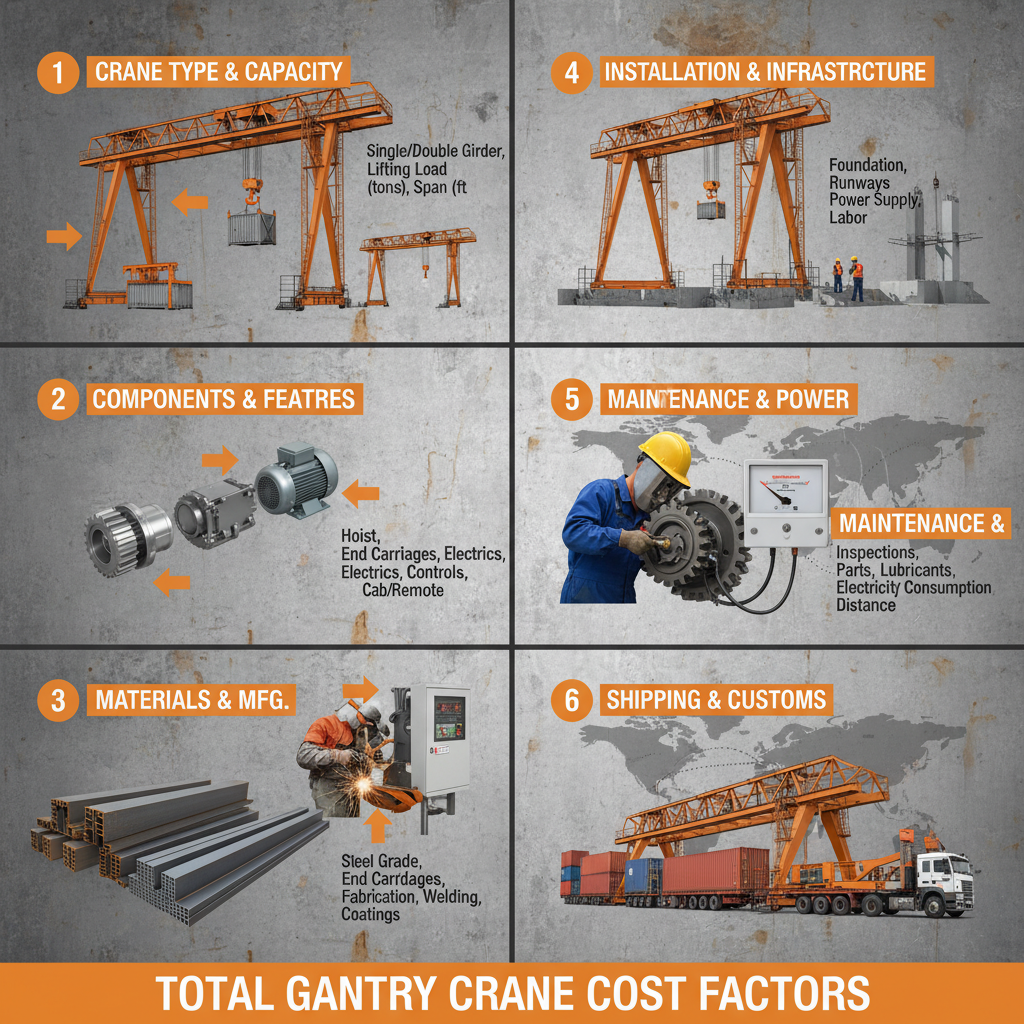
Several factors influence the cost of a fixed gantry crane, including the load capacity, span length, lifting height, and customization options. The type of hoist, control system, and safety features also contribute to the overall price. Material costs, fabrication complexity, and shipping expenses are additional considerations.
Yes, in many cases, a fixed gantry crane can be modified or upgraded after installation. Common upgrades include increasing the load capacity, extending the span length, or adding new safety features. However, any modifications must be performed by qualified engineers and adhere to relevant safety standards. A thorough structural assessment is essential before undertaking any alterations.
Regular maintenance is crucial for ensuring the safe and reliable operation of a fixed gantry crane. This includes lubricating moving parts, inspecting the hoist rope and chain, checking the brakes, and testing the control system. Periodic inspections should also be conducted to identify any signs of wear or damage.
Yes, when using a fixed gantry crane outdoors, it’s important to consider environmental factors such as wind, rain, and temperature extremes. Corrosion-resistant coatings and materials are essential to protect the crane from the elements. Wind load calculations must be performed to ensure the crane’s stability in high-wind conditions.
Conclusion
In conclusion, the fixed gantry crane stands as a cornerstone of modern industrial lifting solutions. Its inherent stability, scalability, and adaptability make it an invaluable asset across diverse sectors. Understanding its core components, applications, and future trends is crucial for businesses seeking to optimize efficiency, enhance safety, and achieve long-term operational success.
Looking ahead, continued innovation in automation, digitalization, and sustainable materials will further elevate the role of fixed gantry cranes. Investing in well-maintained, technologically advanced systems is not merely a capital expenditure, but a strategic move towards increased productivity, reduced costs, and a more sustainable future. Visit our website at www.daweihoisting.com to explore our range of fixed gantry crane solutions and discover how we can help you meet your lifting needs.