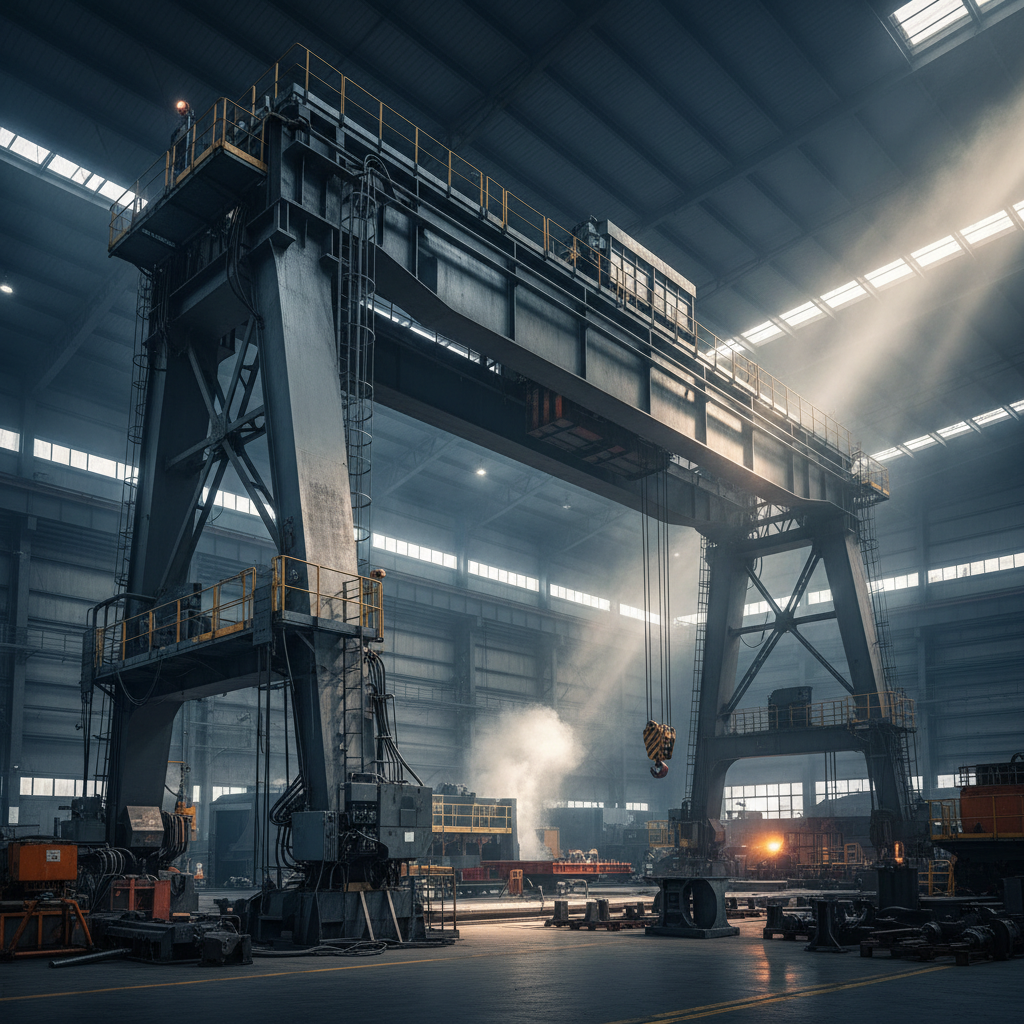
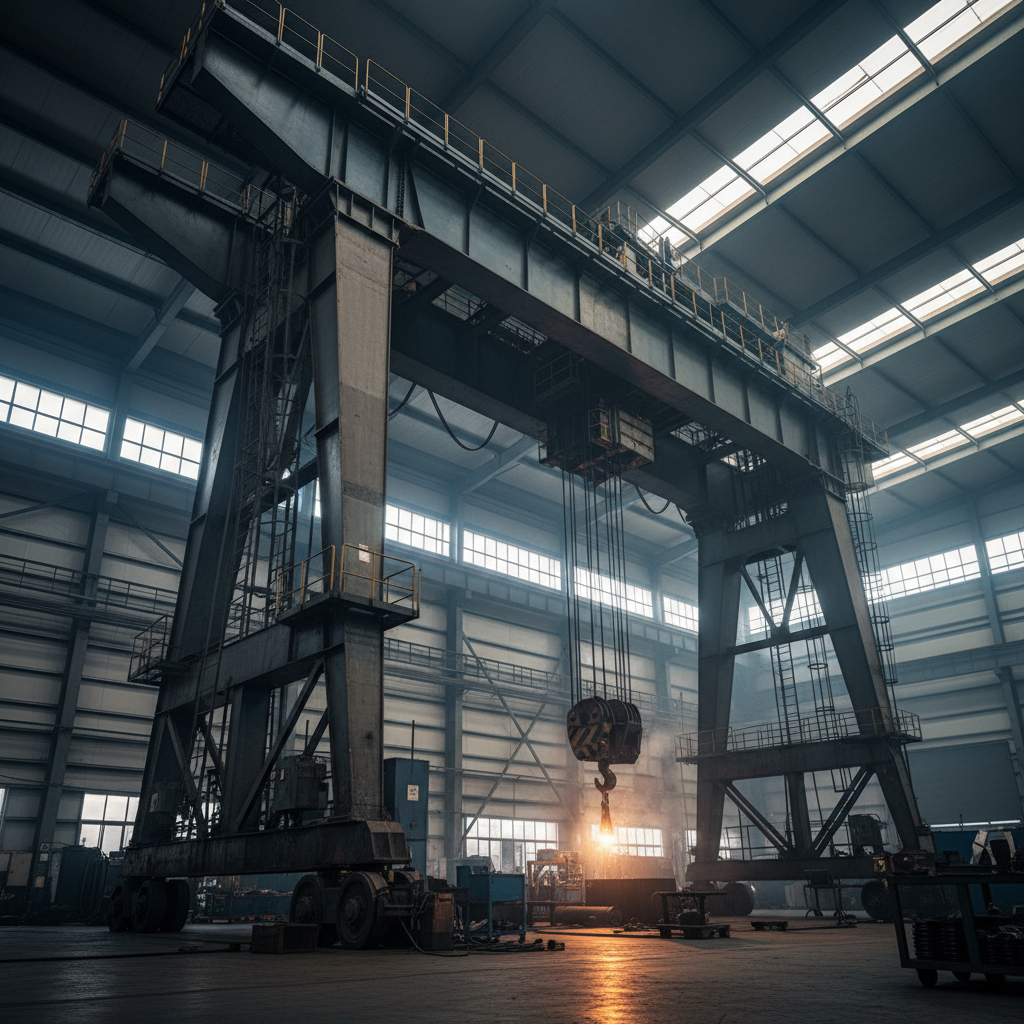
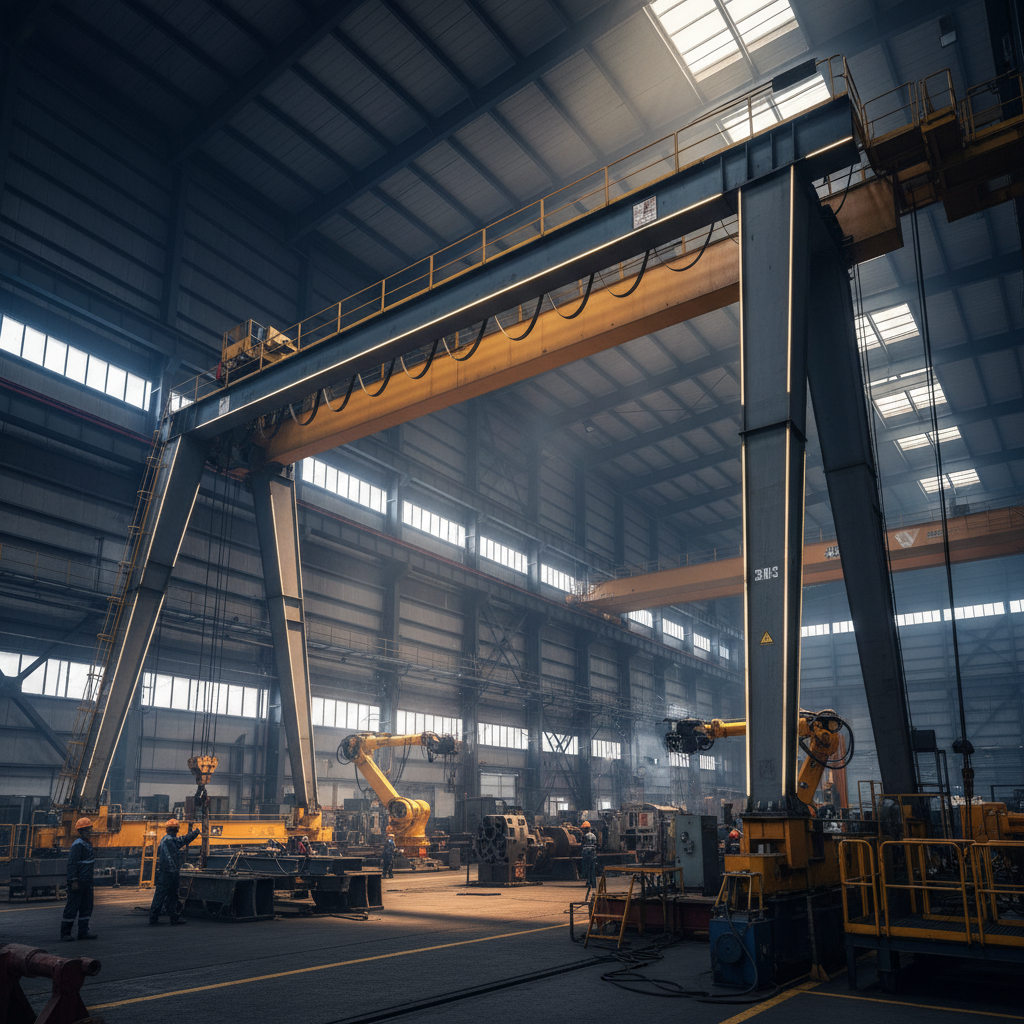
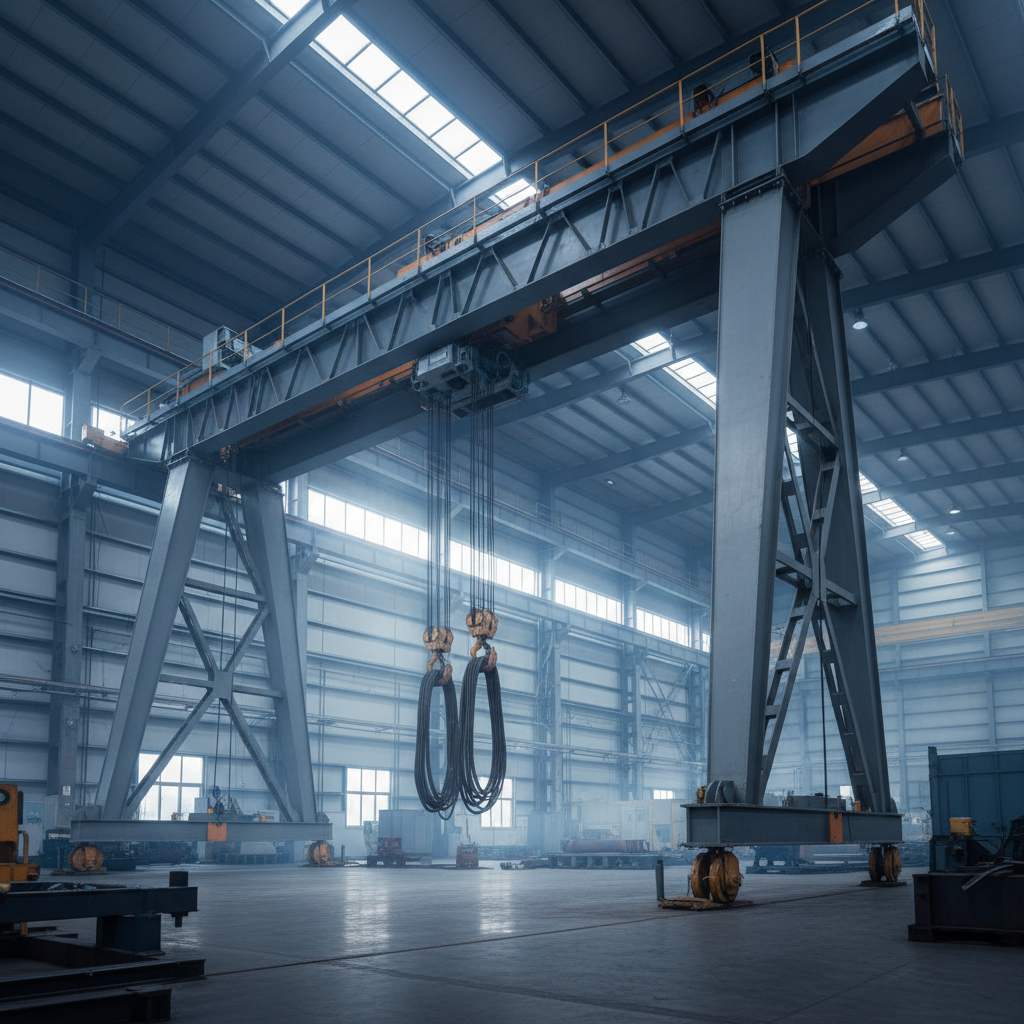
Gantry lifts, powerful overhead structures, have become indispensable across diverse industries globally. From bustling ports and rail yards to construction sites and manufacturing plants, these systems efficiently and safely move incredibly heavy loads. Their ability to handle substantial weight, coupled with their adaptability to various spaces and applications, makes them critical for modern logistical operations and infrastructure development. The increasing demand for efficient material handling solutions, especially as global trade expands, continues to drive the adoption and innovation in gantry lift technology.
The rise of e-commerce and the subsequent need for rapid distribution have further amplified the importance of gantry lifts within warehousing and logistics. Simultaneously, large-scale infrastructure projects – wind turbine installations, bridge construction, and shipbuilding, for example – rely heavily on these lifts to manage massive components. The United Nations Sustainable Development Goals (SDGs), particularly those focused on infrastructure and industrial innovation, indirectly benefit from advancements in gantry lift capabilities.
Understanding the intricacies of gantry lifts – their design, operation, safety protocols, and evolving technologies – is crucial for professionals in engineering, logistics, construction, and related fields. Investing in the right gantry lift solution can significantly enhance operational efficiency, reduce costs, and ensure workplace safety, ultimately contributing to sustained economic growth and progress. A well-chosen gantry lift is not just a piece of equipment; it’s a strategic asset.
Introduction to gantry lift
A gantry lift is essentially a crane structure supported by legs that travel on rails or wheels. Unlike traditional overhead cranes that require a building’s structure for support, gantry lifts are self-supporting, offering significant flexibility in placement and application. They are fundamental to efficient material handling in a wide range of industries, allowing for precise lifting and movement of heavy objects.
The evolution of the gantry lift reflects the demands of modern industry. Originally designed for shipbuilding and port operations, these systems have become increasingly sophisticated, incorporating advanced control systems, variable speed drives, and automated features. Their adaptability has made them essential in everything from aerospace manufacturing to renewable energy projects, underlining their crucial role in supporting global industrial progress.
Defining Gantry Lifts
At its core, a gantry lift is a type of crane designed to lift and move heavy materials horizontally within a defined area. The 'gantry' refers to the overhead structure supported by vertical legs, allowing it to span significant distances without needing a supporting building structure. This self-supporting characteristic is what differentiates gantry lifts from other crane types.
Gantry lifts are vital in modern industry and infrastructure, facilitating the efficient movement of large components during manufacturing, construction, and logistics. They offer a practical solution for situations where a fixed overhead crane isn't feasible, providing the versatility to adapt to varying workspace requirements.
Their widespread adoption also addresses critical humanitarian needs. In disaster relief operations, for example, portable gantry lifts can swiftly deploy to lift debris, transport aid supplies, and assist in rebuilding efforts, demonstrating their role in both economic progress and crisis response.
Core Components and Design Features
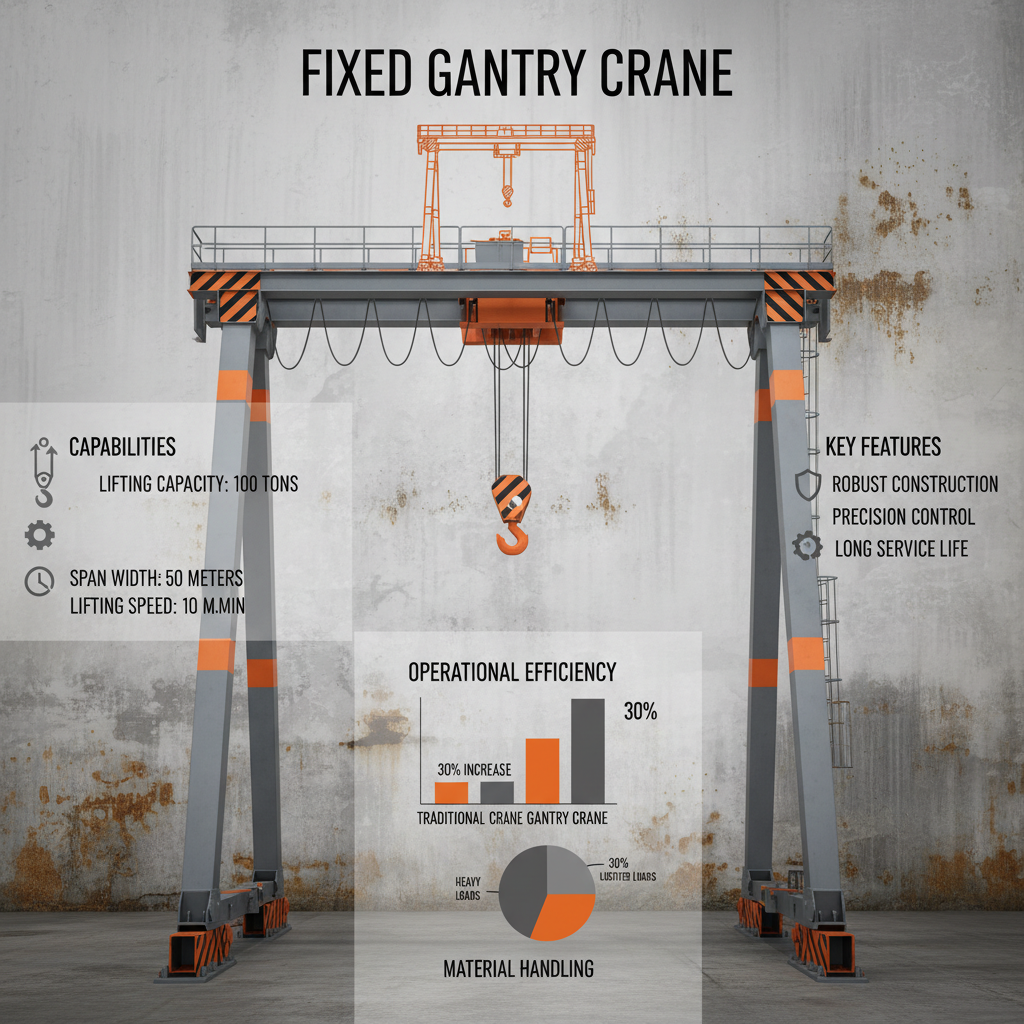
A typical gantry lift consists of several key components. These include the gantry structure itself – the beam spanning the area of operation – supported by two legs which run on rails or wheels. A hoisting mechanism, comprised of a hoist unit and trolley, lifts and moves the load along the beam. Control systems, ranging from simple manual controls to sophisticated programmable logic controllers (PLCs), manage the lift's operation.
Design features vary significantly depending on the specific application. For instance, a full gantry lift has legs at both ends, while a semi-gantry lift has one leg and one side supported by a building or wall. Customization options include adjustable height, span length, lifting capacity, and the integration of specialized attachments like lifting beams, spreaders, or magnets.
The choice of materials – typically steel – is also crucial, impacting the lift’s strength, durability, and lifespan. Modern gantry lifts are increasingly incorporating lightweight yet strong materials like high-strength alloys to reduce weight and improve performance. Understanding these core components and design considerations is vital for selecting the right gantry lift for a given task.
Durability and Load Capacity of gantry lift
Durability is paramount in gantry lift design, as these systems are subjected to heavy loads and demanding operational environments. Robust steel construction, coupled with meticulous engineering and quality control, ensures that a gantry lift can withstand years of continuous use. Regular maintenance and inspections are, of course, crucial to preserving its structural integrity.
Load capacity is another critical factor, ranging from a few tons to several hundred tons, depending on the application. This capacity is determined by factors such as the gantry’s structure, hoist mechanism, and rail or wheel system. Selecting a gantry lift with the appropriate load capacity is essential for safe and efficient operation, ensuring it can handle the intended materials without exceeding its limits.
Gantry Lift Performance Metrics
Global Applications of gantry lift
Gantry lifts find application across a staggering range of industries worldwide. In port operations, they are used to load and unload shipping containers, facilitating global trade. Rail yards utilize them for managing railcars and maintaining locomotive infrastructure. Construction sites employ gantry lifts for erecting prefabricated structures and handling heavy building materials.
Manufacturing facilities, particularly those dealing with large components like aircraft or wind turbines, rely on gantry lifts for assembly and material handling. Even in aerospace, gantry lifts play a crucial role in the construction and maintenance of spacecraft. In remote industrial zones, like mining operations, they offer a robust solution for moving heavy equipment and materials where traditional overhead cranes aren't practical.
Advantages and Long-Term Value
The advantages of utilizing gantry lifts are multifaceted. Cost-effectiveness is a key benefit, especially when compared to constructing a permanent overhead crane infrastructure. Gantry lifts offer scalability, allowing businesses to adapt their lifting capacity as their needs evolve. Their flexibility in placement and the ability to be customized to specific requirements further enhance their value.
Beyond the practical benefits, gantry lifts contribute to a safer and more efficient work environment. The precise control they offer minimizes the risk of accidents and reduces material handling time. Furthermore, investing in a high-quality gantry lift demonstrates a commitment to innovation and operational excellence, fostering trust with clients and stakeholders. A gantry lift is a long-term investment that yields significant returns.
Future Trends in gantry lift Technology
The future of gantry lift technology is focused on increased automation, integration with digital systems, and sustainable practices. Automated gantry lifts, guided by AI and machine learning, will optimize lifting operations, improve efficiency, and reduce the need for manual intervention. Real-time data analytics and remote monitoring will provide valuable insights into lift performance and maintenance requirements.
The incorporation of green energy sources, such as solar power, to operate gantry lifts will reduce their environmental footprint. Furthermore, the development of lighter and stronger materials, coupled with advanced manufacturing techniques, will lead to more efficient and durable gantry lift designs. Digital twin technology will enable virtual simulations for testing and optimization, accelerating the innovation process.
Policies promoting sustainable infrastructure and industrial modernization will also drive the adoption of advanced gantry lift technologies. These innovations promise to make gantry lifts even more integral to a wide range of industries in the years to come, enhancing their role in sustainable development and economic growth.
FAQS
Prioritize thorough training for all operators, encompassing load limits, proper signaling, and emergency procedures. Regular inspections are essential – check all lifting components, rail alignment, and control systems. Implement clear safety zones around the lift’s operating area, and ensure appropriate personal protective equipment (PPE) is always worn. Adherence to industry standards and manufacturer guidelines is paramount for preventing accidents.
Accurately assess the maximum weight of the heaviest load you’ll be lifting, and then add a safety margin – typically 25-50% – to account for dynamic forces and potential overloads. Consider the load’s dimensions and center of gravity, as these factors influence lift stability. Consulting with a qualified engineer is highly recommended to ensure you select a gantry lift with the appropriate capacity for your specific application.
Regular maintenance is crucial for reliable operation. This includes daily visual inspections, monthly lubrication of moving parts, and annual thorough inspections by qualified technicians. Check for wear and tear on lifting components, rail alignment, and control systems. Promptly address any identified issues to prevent breakdowns and ensure continued safety.
Yes, gantry lifts can be used outdoors, but they require specific adaptations for weather protection. Consider corrosion-resistant coatings, enclosed control panels, and weather-resistant electrical components. Ensure the foundation and rail system are designed to withstand wind loads and environmental factors. Regular maintenance is even more critical in outdoor environments.
Double-leg gantry lifts offer significantly increased stability and load capacity compared to single-leg models. They distribute the load more evenly, reducing stress on the structure. Double-leg gantries are ideal for lifting exceptionally heavy or bulky items, or in environments with high wind loads. They also provide more flexibility in terms of lifting height and span.
Automation streamlines gantry lift operations, increasing efficiency and reducing the need for manual intervention. Automated systems can optimize lifting paths, precisely position loads, and monitor system performance in real-time. This results in faster cycle times, reduced labor costs, and improved safety. Remote control and data analytics further enhance operational control and decision-making.
Conclusion
Gantry lifts are indispensable tools for modern industry, offering a versatile and cost-effective solution for lifting and moving heavy materials. Their adaptability, durability, and increasing integration with automation technologies make them essential for a wide range of applications, from ports and construction sites to manufacturing plants and disaster relief operations. Investing in a well-designed and properly maintained gantry lift yields significant long-term benefits, enhancing operational efficiency, improving safety, and fostering innovation.
As technology continues to advance, gantry lifts will undoubtedly become even more sophisticated and integrated into smart industrial ecosystems. Embracing these innovations – automated systems, digital monitoring, and sustainable materials – will be crucial for maximizing their value and ensuring they remain a cornerstone of efficient material handling for generations to come. To explore how a gantry lift can benefit your operations, visit our website today.