The 1 ton gantry crane stands as a vital component in modern material handling, bridging the gap between heavy lifting needs and space constraints. Its versatility and cost-effectiveness have propelled its adoption across a multitude of industries globally, from manufacturing and construction to shipping and warehousing. Understanding the nuances of a 1 ton gantry crane – its capabilities, applications, and future trends – is crucial for businesses seeking efficient and safe lifting solutions.
Globally, the demand for efficient material handling equipment is surging, driven by increased industrial production and infrastructure development. According to the World Bank, global trade volume is projected to continue its upward trajectory, further fueling the need for robust lifting solutions like the 1 ton gantry crane. This demand isn't limited to developed nations; emerging economies are investing heavily in infrastructure, creating significant opportunities for gantry crane manufacturers and service providers.
The 1 ton gantry crane addresses a critical challenge: the need for localized lifting capacity without the expense and space requirements of a traditional overhead crane system. It provides a powerful, yet manageable, solution for moving materials within a defined area, offering a balance of performance, affordability, and practicality that’s essential for various operations.
Introduction: Global or Industry Context
The 1 ton gantry crane isn't merely a piece of machinery; it’s an enabler of progress in countless industries. From supporting manufacturing assembly lines to facilitating efficient loading and unloading of goods in ports and rail yards, this equipment plays a crucial role in maintaining supply chain fluidity. The reliable operation of a 1 ton gantry crane translates directly to increased productivity and reduced operational costs for businesses.
Its relevance extends beyond commercial applications. In disaster relief scenarios, a 1 ton gantry crane can be invaluable for moving debris, delivering essential supplies, and supporting reconstruction efforts. The portability and relatively quick setup time compared to larger cranes make it an ideal solution for rapidly addressing emergency situations. 1 ton gantry crane options available today include models designed for rough terrain, enhancing their utility in challenging environments.
Definition & Meaning
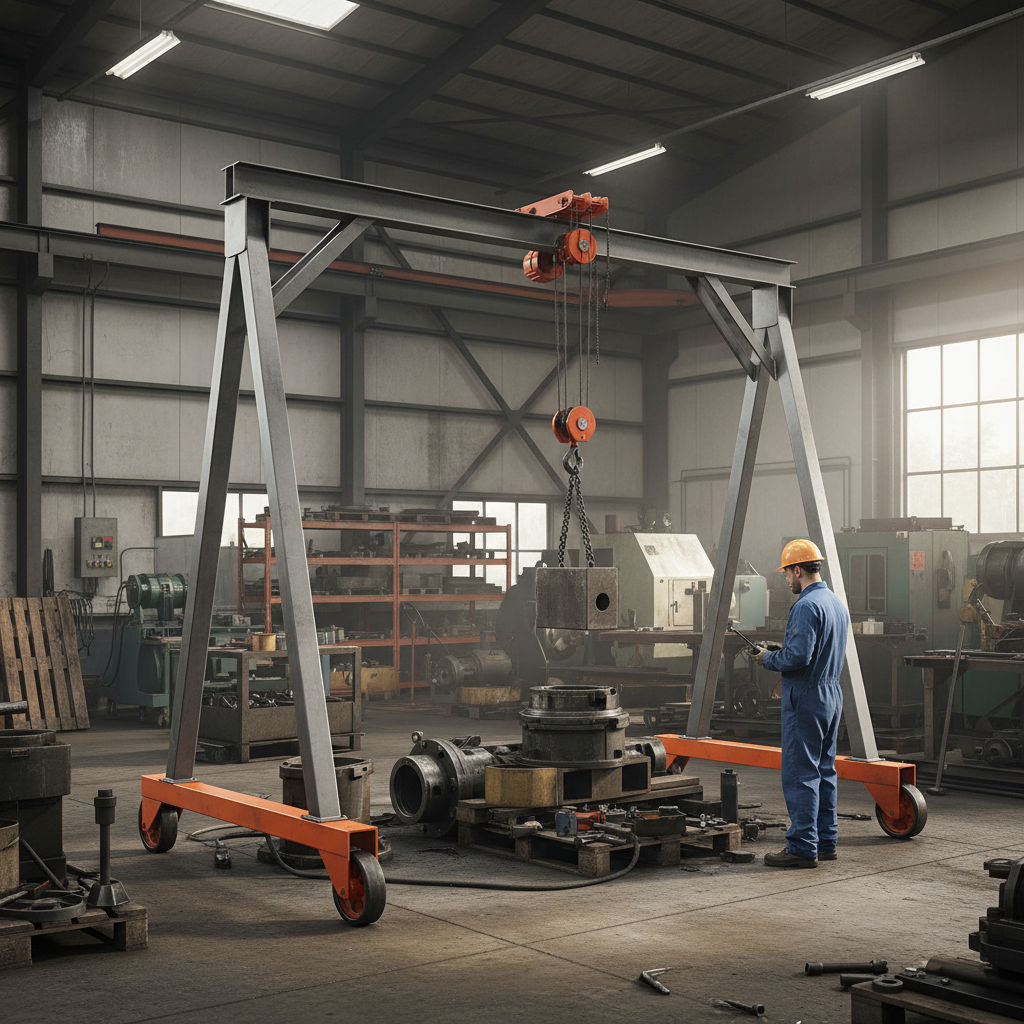
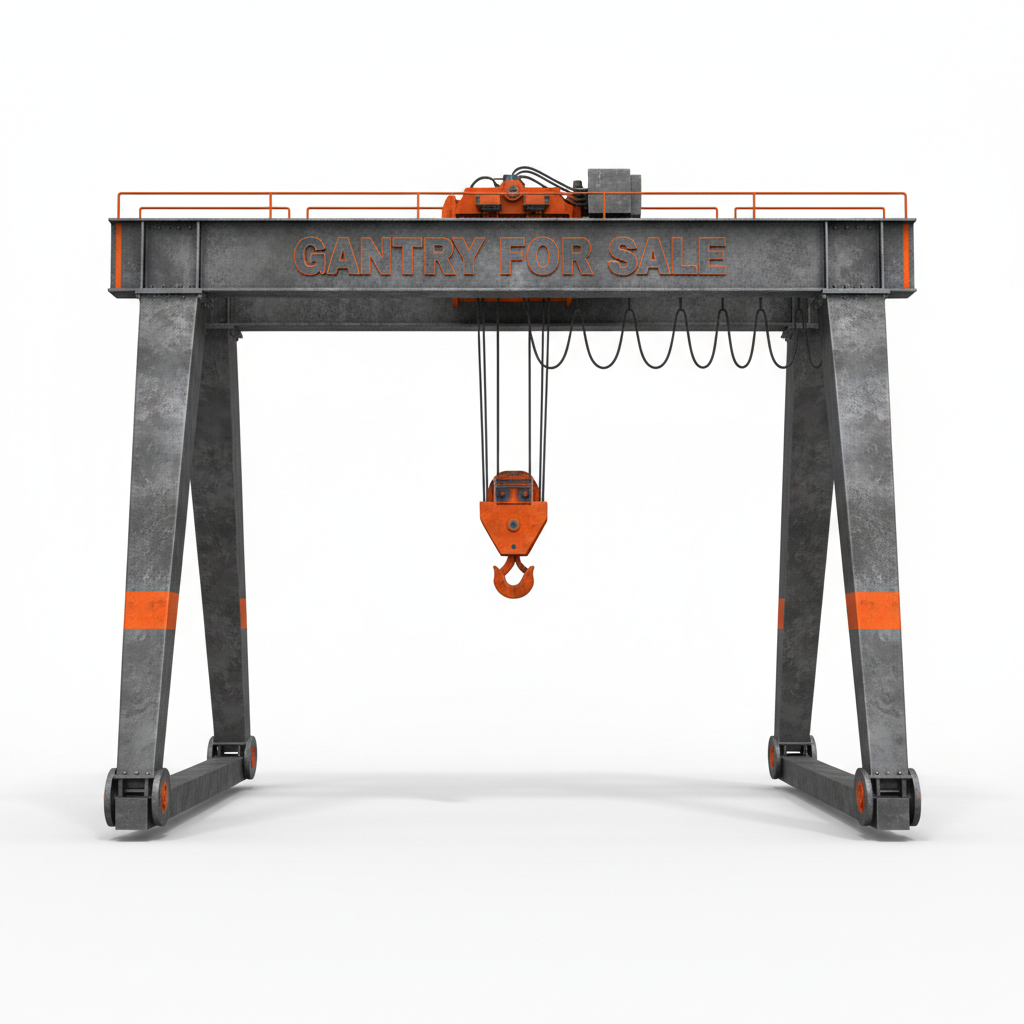
A 1 ton gantry crane is a type of crane characterized by a horizontal beam (the gantry) supported by vertical supports (legs) that travel on rails or wheels. The '1 ton' designation indicates its nominal lifting capacity – it's designed to safely lift loads weighing up to one metric ton (approximately 2200 pounds). These cranes are typically used indoors or outdoors, providing lifting capabilities where a fixed overhead crane is impractical or uneconomical.
In the context of modern industry, a 1 ton gantry crane represents a smart investment in efficiency and safety. It allows businesses to handle materials with precision and control, reducing the risk of worker injury and damage to goods. Its relatively simple design translates to easier maintenance and lower operating costs compared to more complex crane systems.
The connection to humanitarian needs, as previously mentioned, stems from its deployability and lifting capacity. The ability to quickly establish a lifting point in a disaster zone can be the difference between timely aid delivery and prolonged suffering. Its adaptability makes it a vital tool for rebuilding infrastructure and restoring essential services.
Key Factors or Core Components
Durability: A well-constructed 1 ton gantry crane is built to withstand the rigors of daily use. High-quality steel construction, robust welding, and durable components ensure long-term reliability and minimize downtime. Regular inspection and maintenance are, of course, critical for maximizing its lifespan.
Portability: One of the key advantages of a 1 ton gantry crane is its portability. Many models are designed to be easily disassembled and transported, allowing for quick relocation to different worksites. This flexibility is particularly valuable for construction companies and businesses with multiple facilities.
Safety Features: Modern 1 ton gantry cranes incorporate a range of safety features, including overload protection, limit switches, and emergency stop buttons. These features are essential for preventing accidents and ensuring the safety of personnel. Proper training on crane operation and safety procedures is also paramount.
Lifting Height & Span: The adjustable lifting height and span of a 1 ton gantry crane allow it to adapt to a variety of applications. Choosing a crane with the appropriate height and span is crucial for ensuring it can effectively handle the materials and operate within the available space.
Global Applications & Use Cases
1 ton gantry cranes are ubiquitous across a diverse range of industries. In manufacturing facilities, they are used for moving raw materials, components, and finished products. Construction companies utilize them for lifting and positioning building materials, such as steel beams and prefabricated panels. Shipyards and ports rely on them for loading and unloading cargo.
In remote industrial zones, where access to fixed overhead cranes is limited, a 1 ton gantry crane provides a practical and cost-effective lifting solution. They’re also increasingly popular in warehousing and logistics operations, optimizing space utilization and streamlining material flow.
In post-disaster relief operations, a 1 ton gantry crane can be rapidly deployed to clear debris, lift damaged structures, and deliver essential supplies to affected communities. Organizations like the Red Cross and FEMA often utilize portable gantry cranes in their emergency response efforts.
1 ton gantry crane Applications by Industry
Advantages & Long-Term Value
The advantages of utilizing a 1 ton gantry crane are numerous and far-reaching. From a cost perspective, they generally require a lower initial investment compared to fixed overhead crane systems, and their ease of maintenance translates to reduced long-term operating expenses. The ability to relocate the crane as needed also eliminates the need for multiple lifting solutions.
In terms of sustainability, a well-maintained 1 ton gantry crane can provide decades of reliable service, reducing the need for frequent replacements. The improved efficiency in material handling contributes to reduced energy consumption and waste. Beyond practical benefits, it enhances workplace safety, minimizing the risk of manual handling injuries and fostering a culture of responsibility.
Future Trends & Innovations
The future of 1 ton gantry cranes is being shaped by advancements in technology and a growing emphasis on sustainability. We're seeing the integration of smart sensors and IoT connectivity, allowing for remote monitoring of crane performance, predictive maintenance, and data-driven optimization of lifting operations.
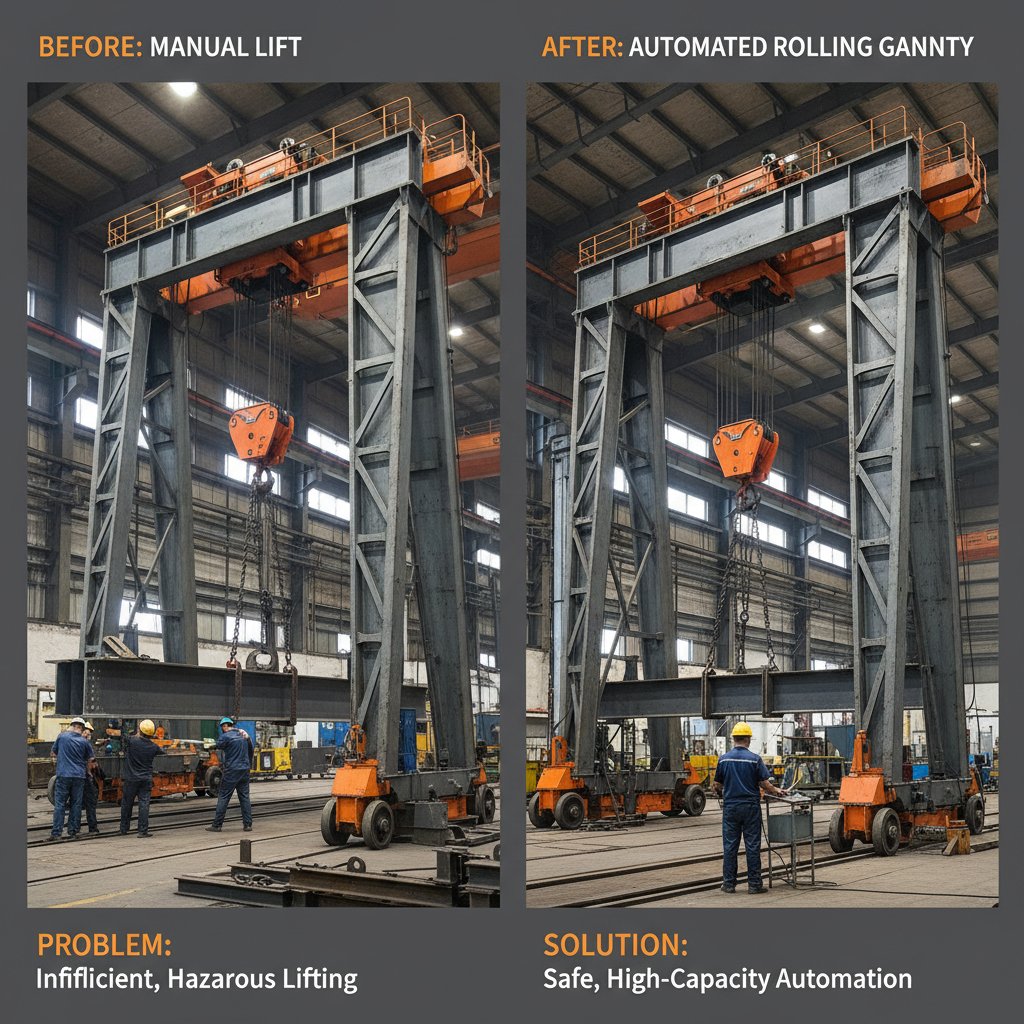
Automation is another key trend, with the development of semi-automated and fully automated gantry crane systems. These systems can significantly improve efficiency and reduce the risk of human error. The use of lighter, stronger materials, such as advanced alloys and composite materials, is also contributing to improved crane performance and reduced weight.
Challenges & Solutions
Despite their many advantages, 1 ton gantry cranes aren't without their challenges. One common limitation is the need for a level and stable surface for operation. Uneven ground can compromise the crane’s stability and safety. Solutions include using leveling plates or preparing a reinforced concrete foundation.
Another challenge is ensuring proper operator training and certification. Improper operation can lead to accidents and damage to equipment. Investing in comprehensive training programs and regular refresher courses is crucial.
Finally, space constraints can sometimes limit the optimal placement of a 1 ton gantry crane. Careful planning and consideration of the available space are essential for maximizing its effectiveness. 1 ton gantry crane manufacturers often offer customized solutions to address specific space limitations.
Summary of Challenges and Solutions for 1 ton gantry crane
| Challenge |
Severity (1-10) |
Potential Impact |
Proposed Solution |
| Uneven Ground |
7 |
Stability Compromised |
Leveling Plates/Concrete Foundation |
| Inadequate Operator Training |
9 |
Accidents & Damage |
Comprehensive Training Program |
| Space Constraints |
6 |
Reduced Efficiency |
Customized Crane Design |
| Maintenance Neglect |
8 |
Reduced Lifespan & Safety Risks |
Scheduled Preventative Maintenance |
| Overload Operation |
8 |
Crane Failure & Potential Injury |
Overload Protection System & Training |
| Corrosion in Harsh Environments |
5 |
Structural Weakness & Failure |
Protective Coatings & Regular Inspections |
FAQS
A well-maintained 1 ton gantry crane can easily last for 10-20 years, or even longer. The actual lifespan depends on several factors, including the frequency of use, the environment in which it operates, and the quality of maintenance. Regular inspections, lubrication, and replacement of worn parts are essential for maximizing its lifespan. Investing in a high-quality crane from a reputable manufacturer will also contribute to its longevity.
Essential safety features include overload protection, which prevents the crane from lifting loads exceeding its capacity; limit switches, which stop the crane’s movement at predetermined points; and emergency stop buttons, allowing for immediate shutdown in hazardous situations. Additionally, proper signage, clear operating instructions, and regular operator training are crucial for ensuring safe operation.
Regular maintenance is vital for ensuring the safe and reliable operation of a 1 ton gantry crane. This typically includes daily visual inspections, monthly lubrication of moving parts, and annual thorough inspections by a qualified technician. Key areas to inspect include the hoist, chain or wire rope, wheels, and brakes. A proactive maintenance schedule will minimize downtime and extend the crane’s lifespan.
Yes, many 1 ton gantry cranes are designed for outdoor use. However, it’s important to choose a model specifically rated for outdoor environments and equipped with features such as corrosion-resistant coatings and weather-proof electrical components. Proper anchoring and stabilization are also essential for ensuring stability in windy conditions.
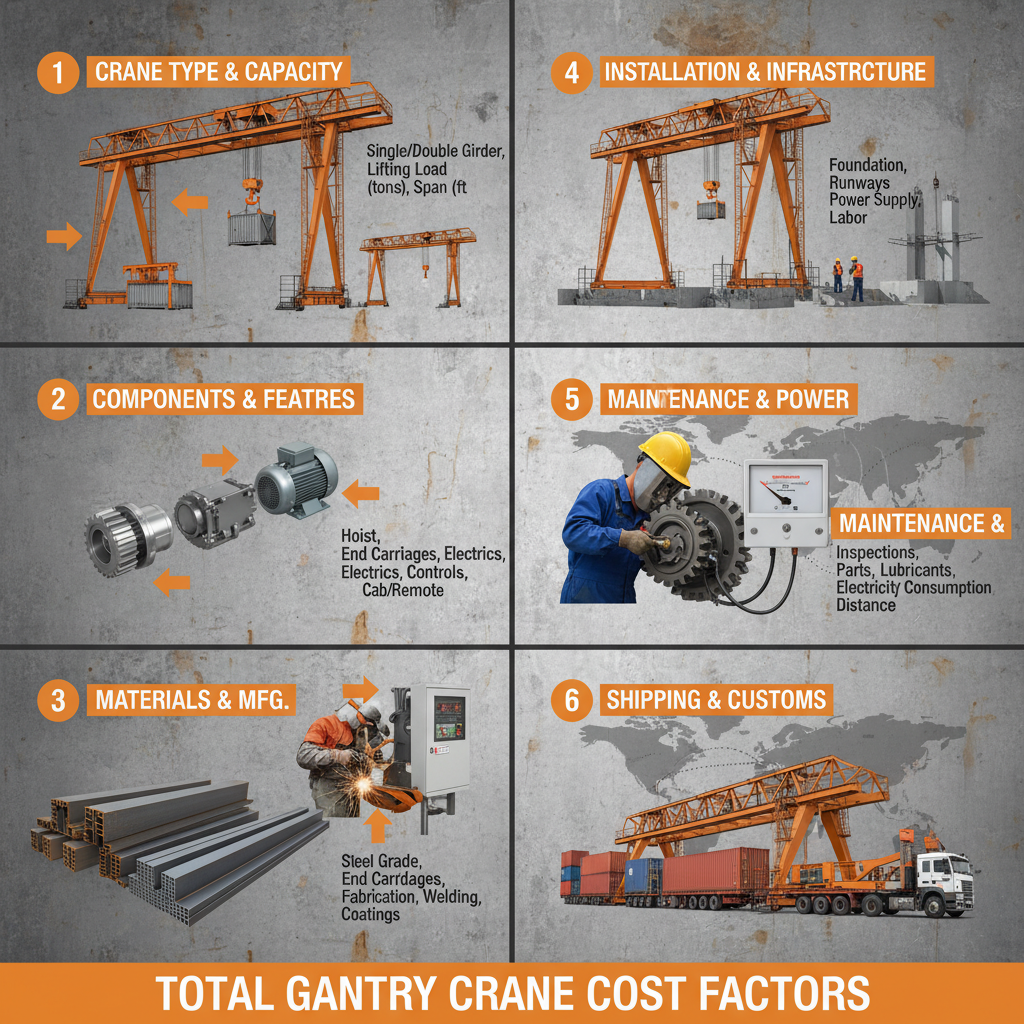
The cost of a 1 ton gantry crane can vary significantly depending on the features, span, lifting height, and manufacturer. Generally, you can expect to pay between $3,000 and $15,000. Factors like customization, delivery, and installation will also add to the overall cost. Obtaining quotes from multiple suppliers is recommended to find the best value.
Portable 1 ton gantry cranes offer significant flexibility and convenience. They can be easily disassembled and transported to different locations, making them ideal for projects with changing needs or limited space. This eliminates the need for permanent overhead crane installations and reduces overall costs. They are perfect for workshops, construction sites and event setups.
Conclusion
In conclusion, the 1 ton gantry crane is a versatile and valuable asset for a wide range of industries and applications. Its combination of lifting capacity, portability, and cost-effectiveness makes it an ideal solution for numerous material handling challenges. From boosting efficiency in manufacturing to providing critical support in disaster relief, the impact of this seemingly simple machine is profound.
Looking ahead, the integration of smart technologies and a continued focus on sustainability will further enhance the capabilities and appeal of the 1 ton gantry crane. Investing in a quality crane and prioritizing proper maintenance and operator training will ensure long-term reliability and safety. For businesses seeking an efficient, adaptable, and cost-effective lifting solution, a 1 ton gantry crane is an investment that delivers lasting value. Visit our website: www.daweihoisting.com