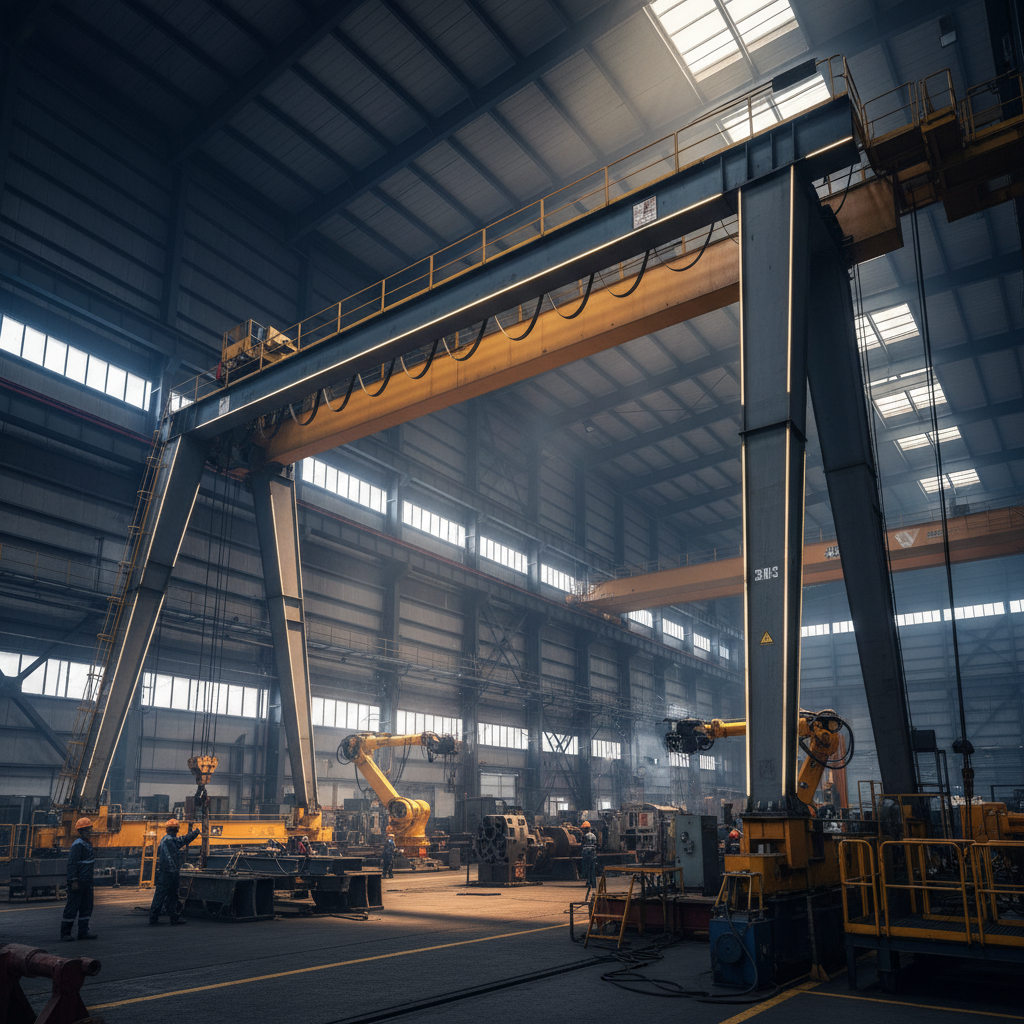
Look, adjustable cranes. They’re everywhere now, aren’t they? To be honest, five years ago, you’d see them, but not like this. Everyone’s scrambling for efficiency, tighter spaces, needing to lift heavier stuff… it's all driven by construction booming again, and frankly, the cost of labor going through the roof. You gotta get things up and running faster, and that means smarter lifting solutions. And it's not just construction, you see them at ports, warehouses, even some of the bigger fabrication shops now. The whole industry’s shifting towards modular builds, pre-fab components... which, naturally, means needing precise, adaptable lifting. It's a chain reaction, really.
Have you noticed how many guys are trying to retrofit older cranes with adjustable jibs? It's a mess, usually. They think they’re saving money, but end up with something that’s less reliable and honestly, a safety hazard. I saw a disaster waiting to happen at a steel mill in Jiangsu last month – a whole section of a boom was just…welded on, with no proper stress calculations. You can just smell trouble brewing. It's tempting, I get it, but it’s almost always cheaper in the long run to just get a properly engineered adjustable crane.
And the demand is just getting higher. The UN keeps talking about infrastructure projects in developing countries, post-disaster relief... all that needs lifting capacity, often in places where access is limited. So adjustable cranes, ones that can fold up and be transported easily, are incredibly valuable. It's not glamorous work designing these things, but somebody's gotta do it, and frankly, it's satisfying knowing you’re contributing to getting projects done safely and efficiently.
The Rising Demand and Global Context of Adjustable Cranes
Strangely enough, it's not just the big construction companies driving the demand for these things. I encountered this at a small pre-fab housing factory in Vietnam last time – they needed a crane that could navigate tight spaces inside the factory, and adjust to different lifting heights as they moved through the assembly line. They were using a clunky old mobile crane, and it was just… slowing everything down.
The numbers don't lie either. The global crane market is projected to hit, well, I saw different numbers, but somewhere around $60 billion by 2028. A big chunk of that growth is tied directly to adjustable cranes, specifically the smaller, more versatile models. And it's not just about growth in developed countries, it’s about the massive infrastructure projects happening in Africa, Asia, and South America. They need equipment that’s adaptable, easy to maintain, and can handle a wide range of loads.
Defining Adjustable Cranes: Beyond Basic Lifting
Alright, so what is an adjustable crane? It's not just a crane you can change the boom length on. It's about having a flexible lifting solution – a crane that can adapt to different job site conditions, load weights, and spatial constraints. It’s about optimizing efficiency and reducing the need for multiple cranes. A lot of them use telescoping booms, but the key is the articulation – the ability to change the angle and reach of the boom independently. It's about precision.
The connection to modern industry and humanitarian efforts is clear. In disaster relief, you need cranes that can get into tight spaces and lift debris quickly. In urban construction, you need cranes that can work around obstacles and navigate crowded sites. And frankly, in a world where everything is getting more compact and complex, you need lifting solutions that can keep up.
It's also about minimizing downtime. Changing configurations on a traditional crane can take hours. With an adjustable crane, you can often make adjustments in minutes. That time savings adds up, especially on large projects. Anyway, I think that's the core of it.
Core Components and Key Engineering Considerations
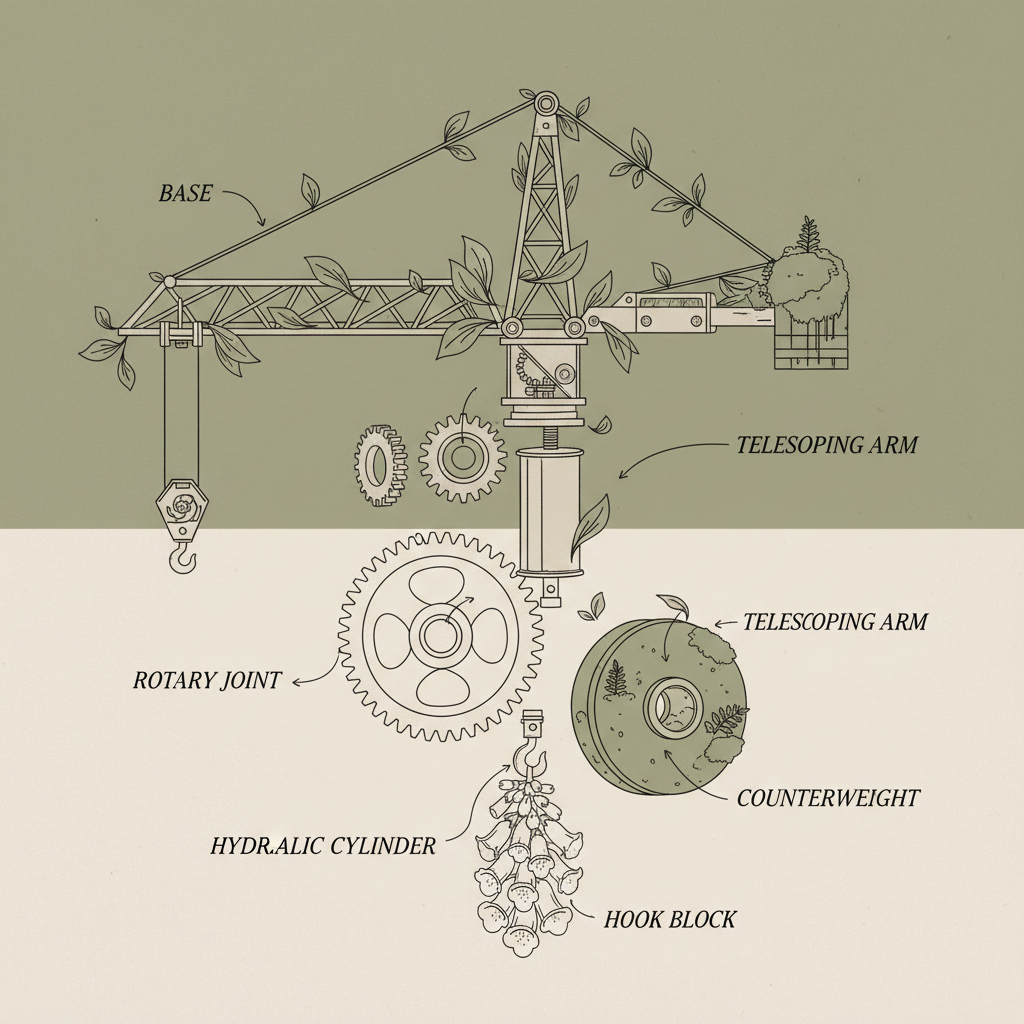
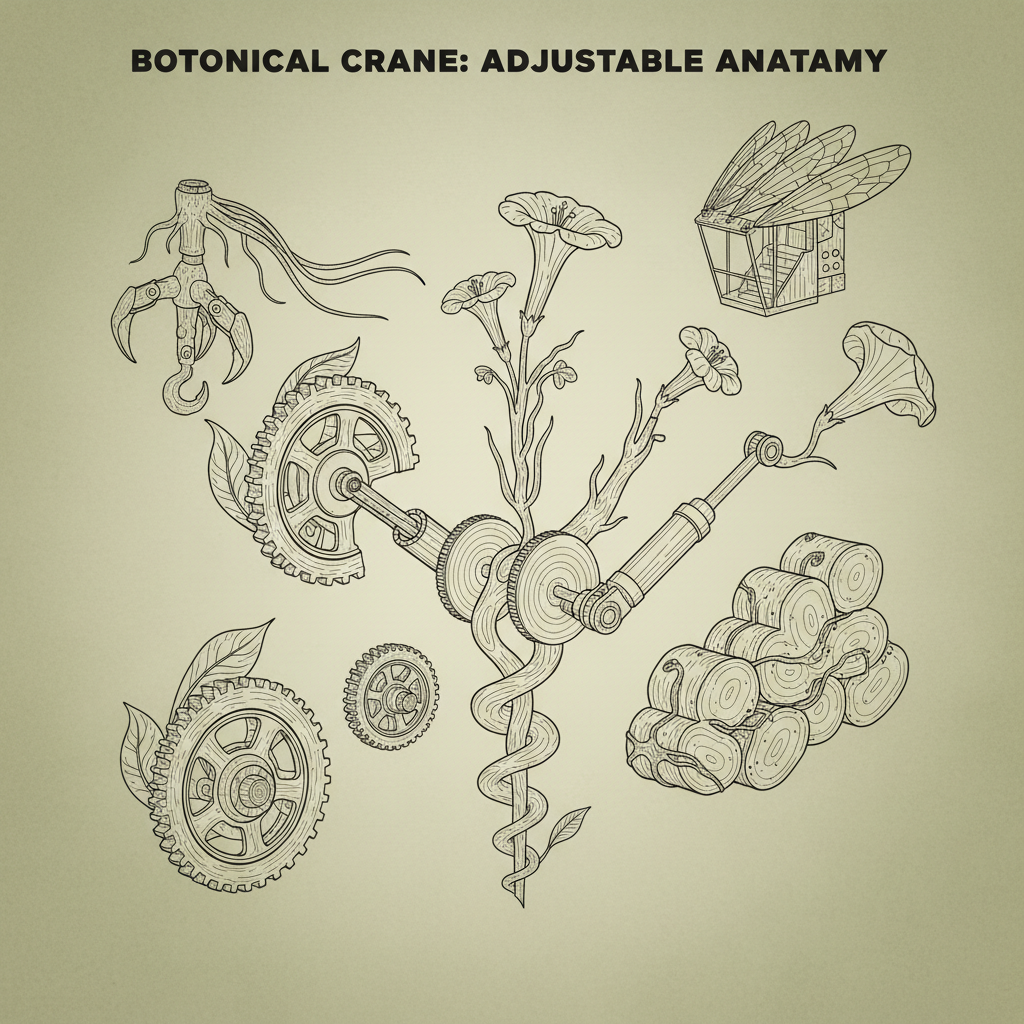
Now, the devil's in the details, right? The core components of these cranes are pretty standard – the boom, the counterweights, the hoisting mechanism – but it’s the design of the articulation points, the hydraulic systems, and the control mechanisms that really make or break an adjustable crane. You've got to get the geometry right, the stresses calculated accurately, and the controls intuitive. And trust me, that's harder than it sounds.
One common pitfall I've seen is over-engineering. Guys try to build something too strong, adding unnecessary weight and complexity. That reduces the crane’s maneuverability and increases its cost. Another mistake is skimping on the hydraulic system. You need a reliable, high-precision hydraulic system to ensure smooth, controlled movements. I've seen too many cranes with jerky, unpredictable movements – that's a recipe for disaster.
And then there's the control system. It has to be user-friendly, but also provide precise control over the boom's movements. A good control system will also include safety features like overload protection and automatic shut-off mechanisms. Later… Forget it, I won't mention the control system I saw that used an old DOS interface.
Material Science and Durability Testing
Let’s talk materials. High-strength steel is the backbone of most adjustable cranes, obviously. But the quality of the steel matters. You want something that’s both strong and ductile – meaning it can withstand stress without cracking. And you need to consider the steel’s resistance to corrosion, especially if the crane is going to be used in harsh environments. You can smell a bad batch of steel, honestly. It has this… metallic tang, a sort of off-putting scent.
Adjustable Crane Material Performance
Real-World Applications and Use Cases
I was at a port in Shanghai last year, and they were using a fleet of adjustable cranes to load and unload containers from ships. The key was the speed and flexibility. They could quickly adjust the boom angle and reach to handle containers of different sizes and weights, without having to reposition the crane constantly.
You also see them a lot in wind turbine maintenance. Getting components up to those turbines requires precise lifting, and adjustable cranes can navigate the tight spaces and challenging conditions.
Advantages, Customization, and Potential Drawbacks
The advantages are pretty clear: increased efficiency, reduced costs, improved safety, and greater flexibility. You can do more with less. Now, customization... that's where it gets interesting. I had a client in Shenzhen last month, a small boss making smart home devices. He insisted on changing the interface to instead of the standard USB. He said it was "more modern." It caused a week of headaches, finding compatible connectors and re-wiring everything. But, hey, it was his crane.
As for drawbacks… well, they're generally more expensive than traditional cranes. And they require more specialized maintenance. The hydraulic systems and articulation mechanisms are complex, and you need trained technicians to keep them running smoothly. Also, the increased complexity means there's more that can potentially go wrong.
Emerging Trends and Future Innovations
Everything’s going electric, right? Electric adjustable cranes are starting to gain traction, especially in urban areas where noise and emissions are a concern. And the control systems are getting smarter. We’re seeing more integration of sensors, data analytics, and even AI to optimize crane performance and improve safety.
There’s also a lot of research going into new materials – lighter, stronger, and more corrosion-resistant alloys. I’ve heard whispers about using carbon fiber in some applications, but it’s still too expensive for widespread use.
And don't forget automation. Autonomous adjustable cranes, capable of operating without a human operator, are still a ways off, but the technology is developing rapidly.
Key Performance Indicators for Adjustable Crane Longevity
| Component |
Inspection Frequency |
Severity of Failure |
Estimated Repair Cost |
| Hydraulic Cylinders |
Monthly |
Medium |
$500 - $1500 |
| Boom Articulation Points |
Quarterly |
High |
$1000 - $3000 |
| Control System |
Annually |
Medium |
$300 - $800 |
| Wire Ropes |
Bi-Annually |
High |
$700 - $2000 |
| Counterweights |
Annually |
Low |
$100 - $300 |
| Base Stabilizers |
Quarterly |
Medium |
$400 - $1200 |
FAQS
That's a tricky one. It really depends on maintenance, the environment, and how hard it’s worked. But generally, with regular inspections and proper servicing, you can expect a well-built adjustable crane to last 15-20 years, sometimes longer. I've seen some old ones still kicking around after 25, but they've been meticulously maintained. The key is staying on top of those inspections – don’t wait for something to break.
Generally, adjustable cranes are cheaper to buy and operate, especially for smaller projects. Tower cranes have higher initial costs, require more space for setup, and need skilled operators. However, for very large-scale projects, a tower crane might be more efficient. It really depends on the specific needs of the job. But for most applications, the adjustable crane gives you a better bang for your buck.
Absolutely. Look for cranes that meet ISO 12999 standards, and ideally, they should also have a CE marking if you're in Europe. Also, check that the manufacturer provides a detailed operator's manual and training materials. Safety should always be the top priority, and a certified crane is a good starting point. Don't cut corners on safety, trust me.
The biggest headache is usually the hydraulics. Leaks, worn seals, and contaminated fluid can cause all sorts of problems. Regular fluid changes and inspections are crucial. Also, the articulation points need to be greased and inspected frequently to prevent corrosion and wear. And, of course, the control system can be a pain if it’s not properly maintained.
They can be used indoors, but you need to be careful about the floor loading and headroom. Some adjustable cranes are designed specifically for indoor use and have non-marking tires and lower noise levels. It's important to choose the right crane for the application and ensure that the indoor environment is suitable.
That varies hugely! Smaller adjustable cranes might lift a few tons, while larger ones can handle 20 tons or more. It depends on the boom length, the crane’s capacity, and the stability of the base. Always check the load chart and never exceed the crane’s rated capacity. Seriously, don't even think about it.
Conclusion
So, adjustable cranes. They’re not magic, but they’re a game-changer for a lot of industries. They offer flexibility, efficiency, and cost savings, but they also require proper maintenance and a commitment to safety. It’s about finding the right balance between performance and reliability.
Ultimately, whether this thing works or not, the worker will know the moment he tightens the screw. It's that simple. And if you're looking for a reliable adjustable crane, give us a shout. You can find us at www.daweihoisting.com.