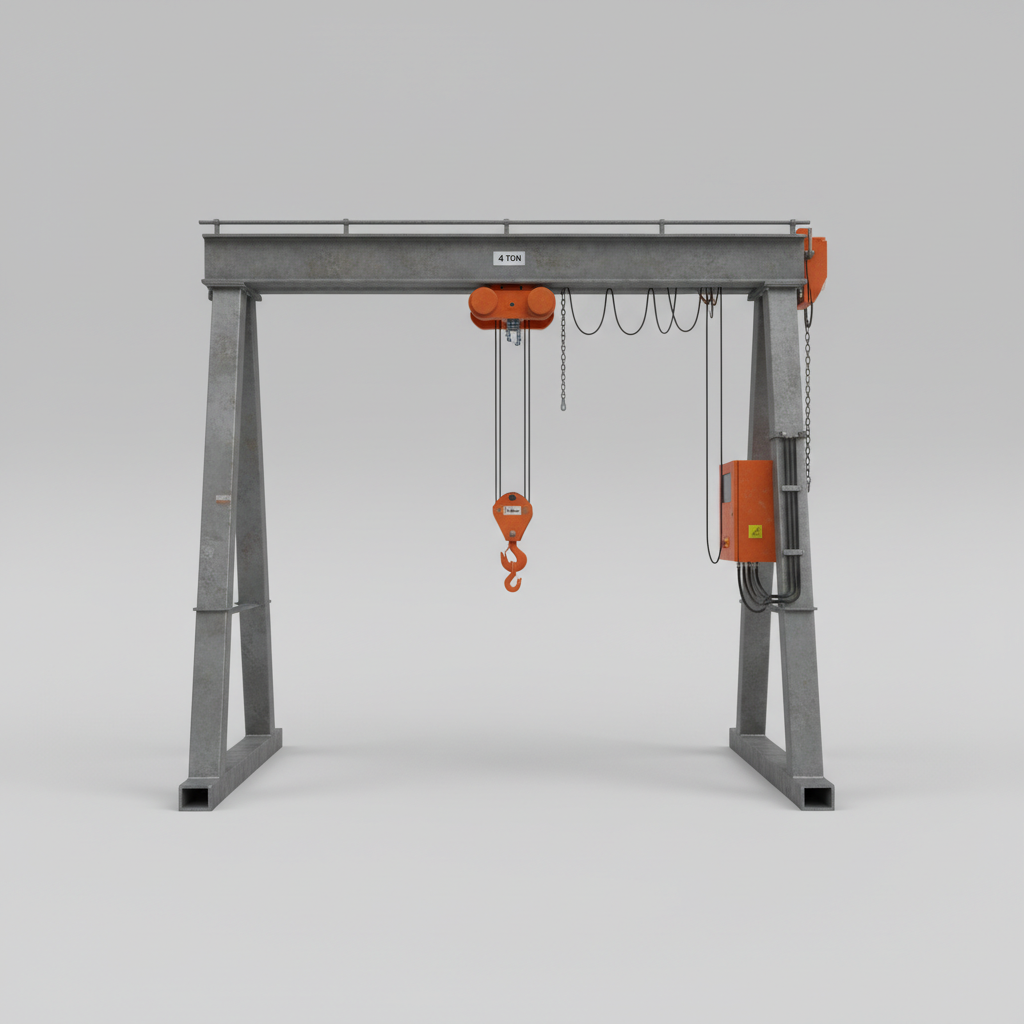
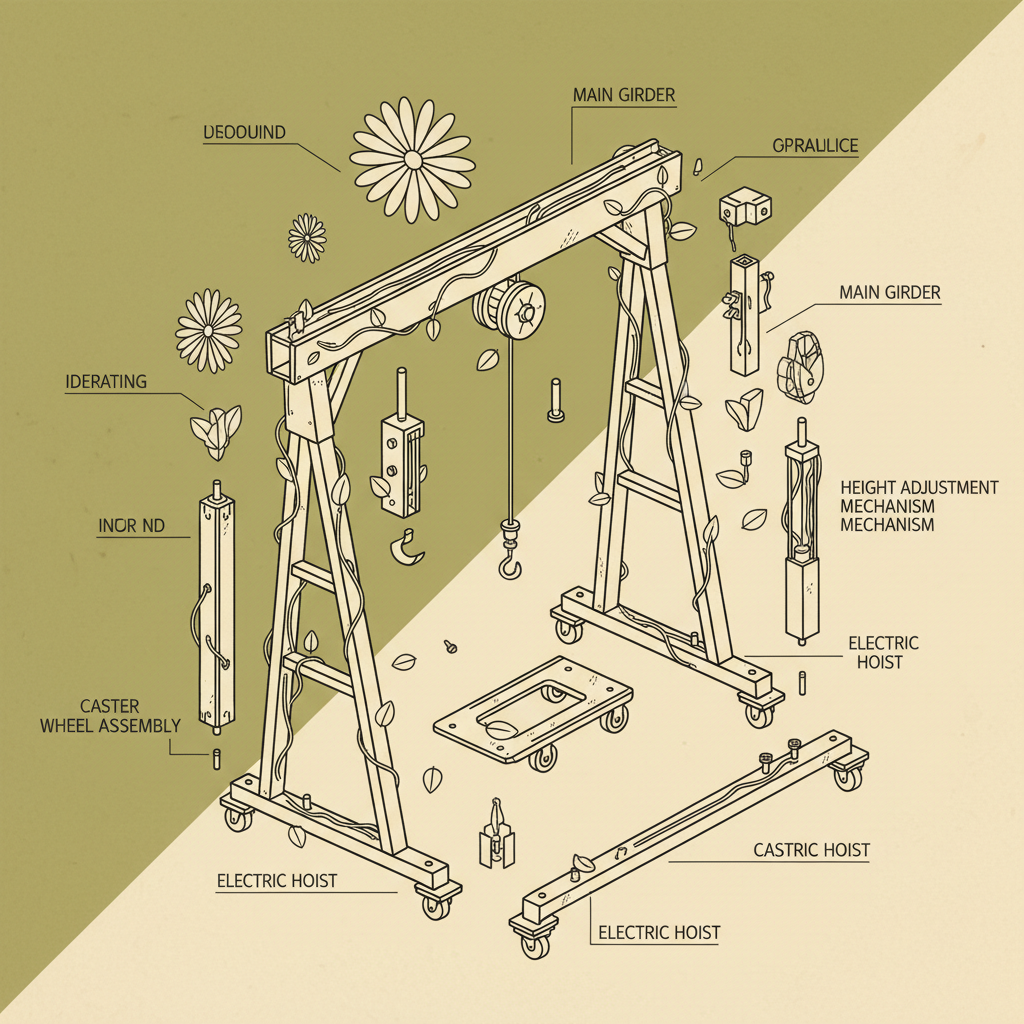
You know, these days everyone's talking about modularity. Pre-fab, quick assembly, less waste… it’s all the rage. And honestly, it’s about time. I’ve spent too many years watching perfectly good lumber get ruined because of a miscalculation on-site.
But modularity isn’t just slapping some pieces together. It's about thinking through the whole process, from the factory floor to the final tightening of a bolt. And that's where a lot of folks stumble. They chase the hype without understanding the real-world constraints.
The Rise of Modular Construction
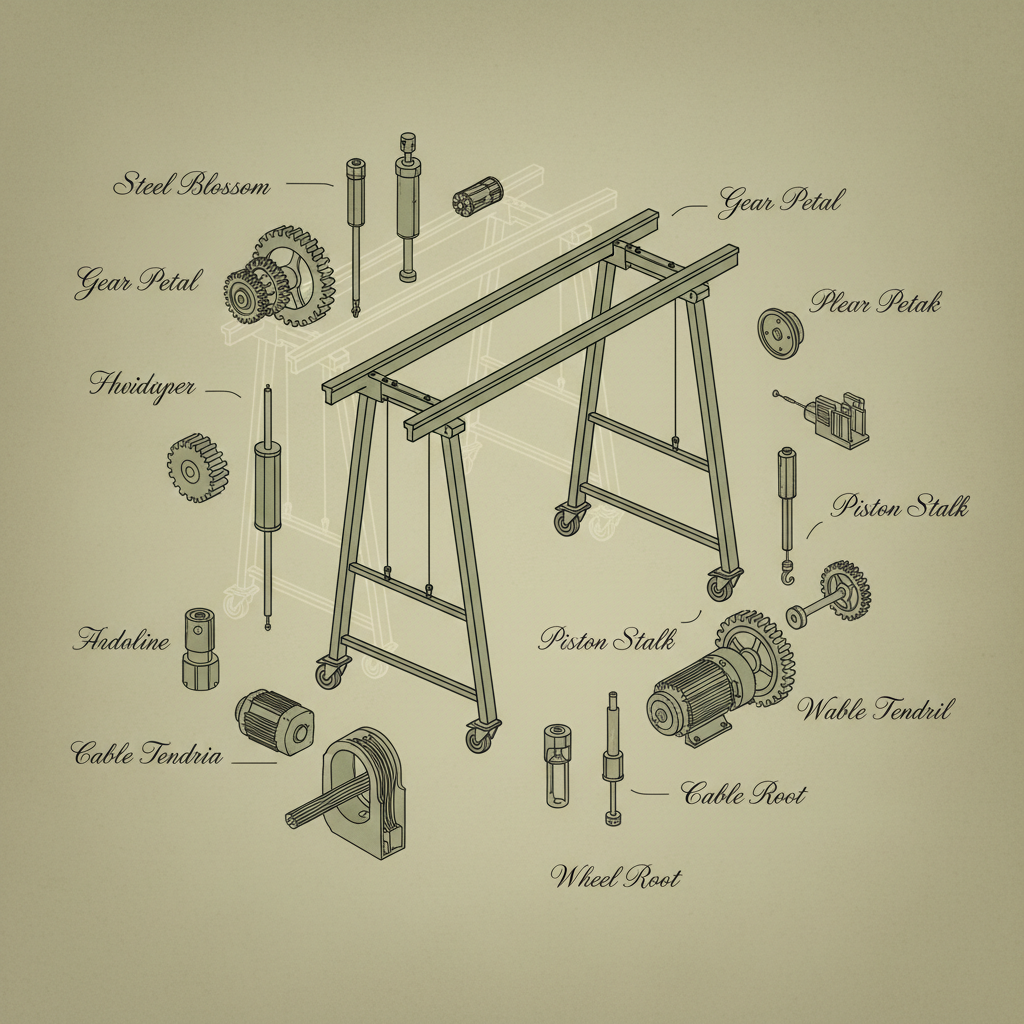
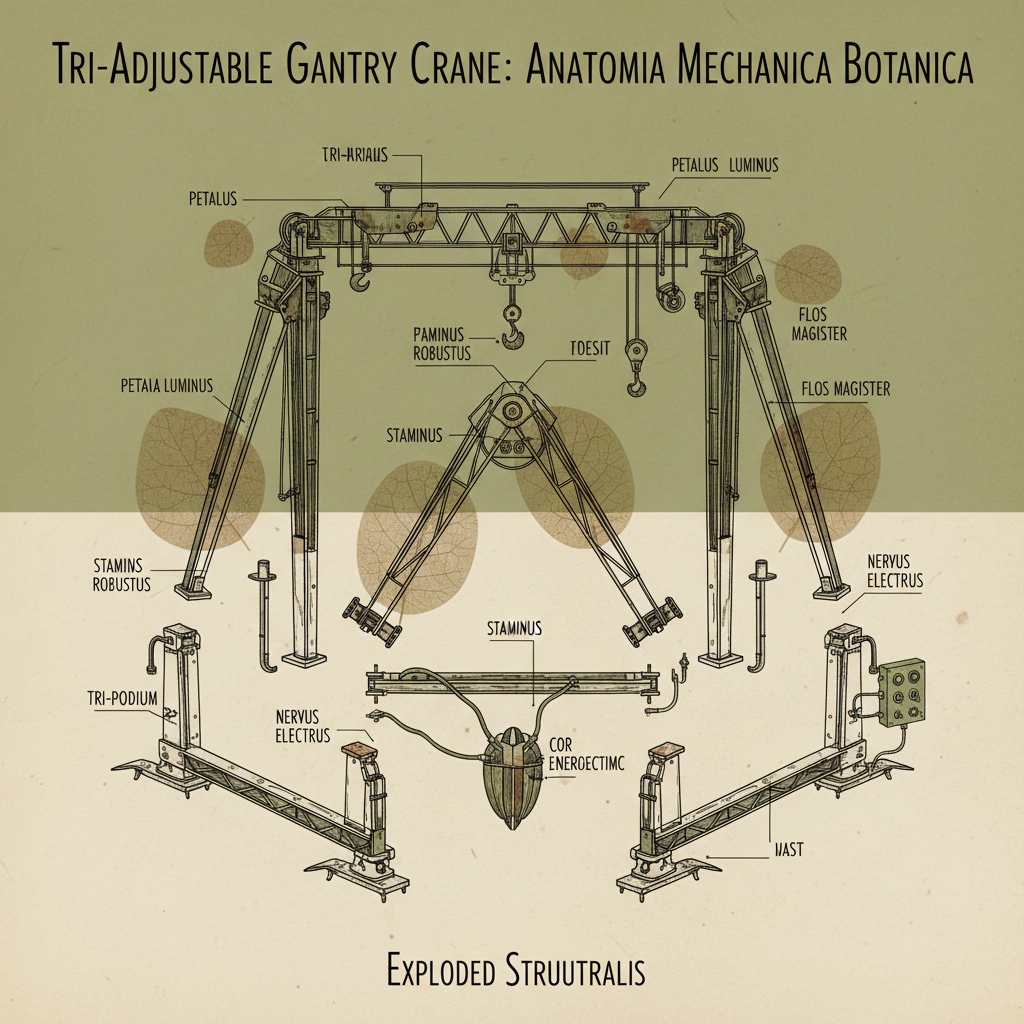
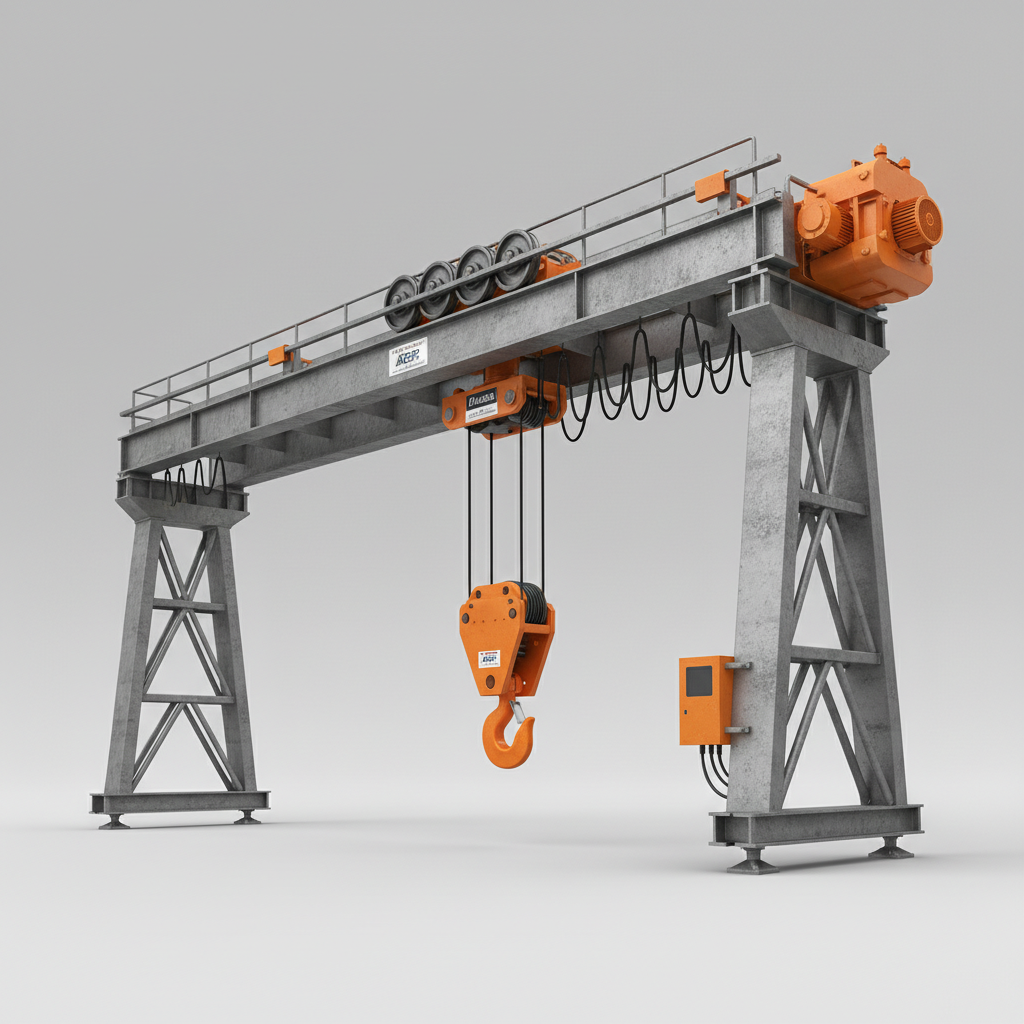
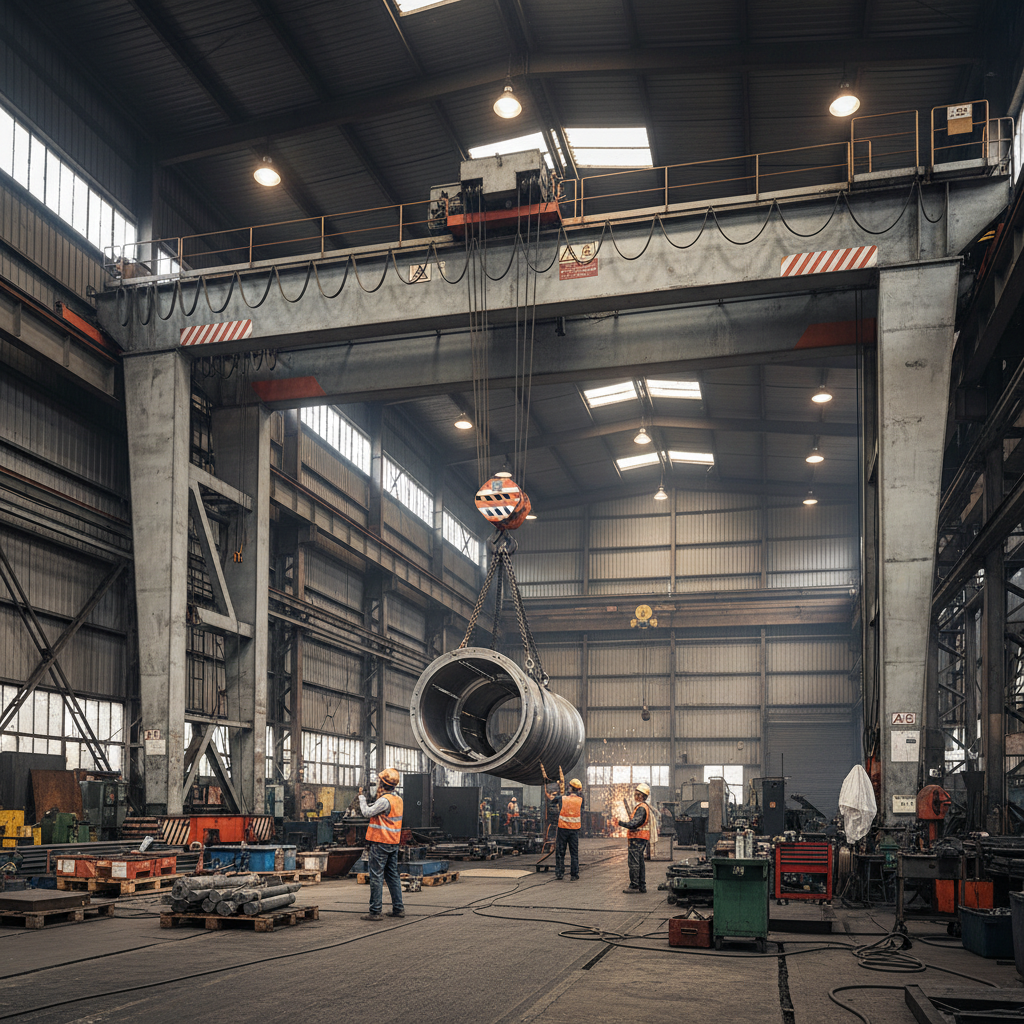
It's all about speed and efficiency now, isn't it? Clients want things yesterday. And frankly, traditional construction just can’t keep up. That’s where a tri adjustable gantry crane comes in - it streamlines the entire lifting process, making modular assembly so much faster. Have you noticed how often delays happen just because of material handling? It’s insane. But the real key is getting the design right from the start.
People get so caught up in the ‘modular’ aspect, they forget about basic engineering principles. Load distribution, wind resistance, connections… these are the things that keep me up at night.
Design Pitfalls and Key Considerations
To be honest, one of the biggest mistakes I see is over-complicating things. Designers want to be clever, to show off their skills. But a simple, robust design is almost always better. It's easier to manufacture, easier to assemble, and easier to maintain. Strangely, clients sometimes push back against simplicity, wanting something “unique.” It’s a battle.
Another thing? Connection points. This is where things always fail. You need a solid, reliable connection that can withstand stress and vibration. Think about the environment it will be used in. Coastal areas? Constant rain? Heavy loads? These factors all matter.
And don’t even get me started on tolerances. A tenth of a millimeter can make or break a project. You need to factor in manufacturing variations, shipping damage, and on-site adjustments.
Material Selection: Beyond the Specs
I encountered this at a factory in Jiangsu Province last time. They were using this supposedly “high-strength” steel, but it smelled wrong. Like, faintly of sulfur. Turns out it was a cheaper alloy masquerading as the real thing. You gotta trust your gut sometimes.
But beyond that, it’s about understanding the properties of the materials. Wood, of course, smells like wood. You can tell a good piece of lumber just by the scent. Steel feels…cold, solid. Aluminum is lightweight, but it flexes. You need to know how these materials will behave under different conditions.
We're leaning heavily into high-grade aluminum alloys for the gantry crane structure itself. It's lightweight enough for easy transport and assembly, yet strong enough to handle significant loads. And the corrosion resistance is a huge plus, especially in coastal projects.
Real-World Testing: Beyond the Lab
Lab tests are fine, but they don’t tell the whole story. You need to test things in the real world, under real-world conditions. We’ve started setting up test sites at various construction locations. We'll subject the tri adjustable gantry crane to actual loads, varying temperatures, and even simulated weather events.
Tri Adjustable Gantry Crane Performance Metrics
User Application: The Unexpected
You always get surprises. We designed the gantry crane for lifting modular components, right? But then a contractor started using it to hoist pre-assembled HVAC units onto rooftops. I never would have thought of that.
Or another time, a team used it as a temporary support structure while they repaired a damaged wall. It wasn't the intended use, but it worked. That’s the beauty of a versatile design. It's about giving the users the flexibility to adapt to changing conditions.
Advantages, Disadvantages, and Customization
The big advantage of our tri adjustable gantry crane is its adaptability. You can adjust the height and span to fit a wide range of applications. It's also relatively easy to transport and assemble, which saves time and money. But, and there's always a but, it's not ideal for extremely heavy lifts. We have other solutions for that.
And frankly, the initial investment can be higher than traditional lifting equipment. However, when you factor in the long-term savings from reduced labor costs and increased efficiency, it usually pays for itself.
Case Study: Shenzhen Smart Home Boss
Last month, that small boss in Shenzhen who makes smart home devices insisted on changing the interface to . Said it was “more modern.” We tried to explain that the existing connection was perfectly adequate, and cheaper to source. He wouldn’t budge. The result? A two-week delay while we re-engineered the whole system.
He said he "needed to stand out". Anyway, I think he just wanted to be difficult. That’s the kind of thing you encounter all the time. Clients with bright ideas, but no understanding of the practical realities.
But the good news is that we've learned from these experiences. We're now offering more customization options, but we also have a firm policy of pushing back on changes that are unnecessary or detrimental to the project.
Core Performance Analysis of Tri Adjustable Gantry Crane
| Application Scenario |
Load Capacity (Tons) |
Assembly Complexity (1-5) |
Cost Effectiveness (1-5) |
| Prefabricated Housing Construction |
5 |
3 |
4 |
| Bridge Component Installation |
15 |
4 |
3 |
| Industrial Equipment Maintenance |
2 |
2 |
5 |
| Wind Turbine Assembly |
20 |
5 |
2 |
| Shipbuilding & Repair |
10 |
4 |
3 |
| Data Center Module Installation |
3 |
2 |
4 |
FAQS
That depends on the specific model and the site conditions, but our standard cranes are engineered to withstand winds up to 60 mph. For higher wind areas, we offer reinforced designs and anchoring systems. You've gotta factor in the local building codes, though. I saw a crane topple over in Florida once because someone ignored the wind warnings – not a pretty sight.
With a skilled crew and proper preparation, you can have a standard tri adjustable gantry crane up and running in about half a day. It’s quicker than trying to rig up a traditional system, and that time saving can be crucial on a tight schedule. We also provide on-site training for your team to ensure a smooth and safe assembly process.
Regular inspection of the steel members for corrosion is key, especially in coastal environments. Lubricating the moving parts, checking the bolts, and ensuring the leveling feet are secure – that’s the basics. We provide a detailed maintenance schedule and can offer on-site maintenance services if needed. Honestly, a little preventative maintenance goes a long way.
Absolutely. That's one of the biggest advantages! The adjustable feet and modular design allow for relatively easy relocation within the worksite. You’ll need a forklift or similar equipment to lift and move the base sections, but it’s much simpler than dismantling and rebuilding a fixed crane. But be careful, you don't want to be moving it while there is a load!
We offer a range of models with varying weight capacities, from 5 tons to 20 tons and beyond. The maximum load will depend on the crane's span, height, and the site conditions. It's crucial to consult the specifications and adhere to the load limits. Pushing it too hard is just asking for trouble.
Definitely. We can customize the height, span, and even the load capacity to meet your specific needs. For example, we recently built a crane with a non-standard span for a shipbuilding yard in Korea. It’s a bit more expensive, but it’s worth it if it solves a critical problem for the customer.
Conclusion
Ultimately, a tri adjustable gantry crane isn’t some magic bullet. It’s a tool, and like any tool, it’s only as good as the people using it. The real benefit comes from the combination of intelligent design, quality materials, and, most importantly, a clear understanding of the job at hand. It streamlines processes, boosts efficiency, and makes life a little easier for the guys on the ground.
But here's the thing. You can have the fanciest crane in the world, with all the bells and whistles. It won’t matter if the worker tightening the last bolt isn't confident in the system. Ultimately, whether this thing works or not, the worker will know the moment he tightens the screw.