The world of material handling is constantly evolving, driven by demands for increased efficiency, safety, and adaptability in various industries. Among the essential tools in this domain, the outdoor gantry crane stands out as a versatile and robust solution for lifting and moving heavy loads in outdoor environments. Its ability to provide a cost-effective and adaptable lifting solution makes it increasingly vital in construction, manufacturing, shipping yards, and more. Understanding the intricacies of these cranes – their design, applications, and future trends – is crucial for professionals seeking to optimize their operations and ensure workplace safety.
Global trade and infrastructure development are key drivers behind the growing demand for efficient lifting solutions. According to the UNCTAD, global trade reached record levels in 2022, necessitating faster and more reliable cargo handling. Similarly, the World Bank reports significant investments in infrastructure projects across emerging economies, fueling the need for robust material handling equipment like outdoor gantry cranes. These cranes address the critical challenge of safely and efficiently moving materials in open areas where fixed overhead cranes are impractical or impossible to install.
The need for adaptable, cost-effective, and safe lifting solutions has never been greater. Industries facing logistical challenges, limited space, or the need for frequent relocation often find outdoor gantry cranes to be the ideal choice. Investing in a quality gantry crane isn't just about lifting capacity; it's about streamlining processes, reducing downtime, and protecting personnel.
The Importance of Outdoor Gantry Cranes
The modern industrial landscape demands efficient and reliable material handling solutions, especially in outdoor settings. Outdoor gantry cranes provide a powerful and flexible solution for businesses needing to lift and move heavy objects in areas where traditional overhead cranes are not feasible. Their ability to adapt to different environments and lifting requirements makes them a cornerstone of many operations.
Beyond their practical applications, these cranes also play a critical role in workplace safety. By providing a controlled and secure lifting process, they minimize the risk of accidents and injuries associated with manual handling. Investing in a properly designed and maintained gantry crane is therefore an investment in both productivity and the well-being of your workforce.
Defining the Outdoor Gantry Crane
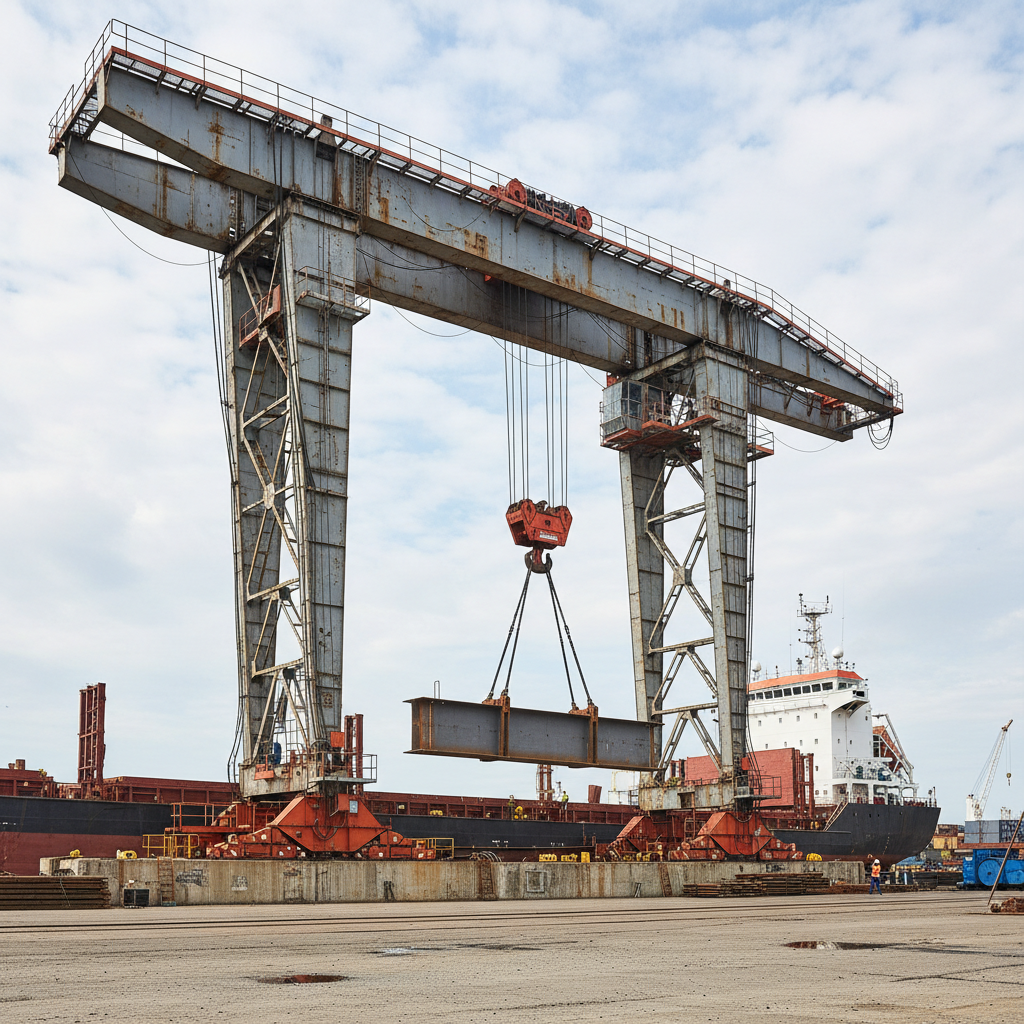
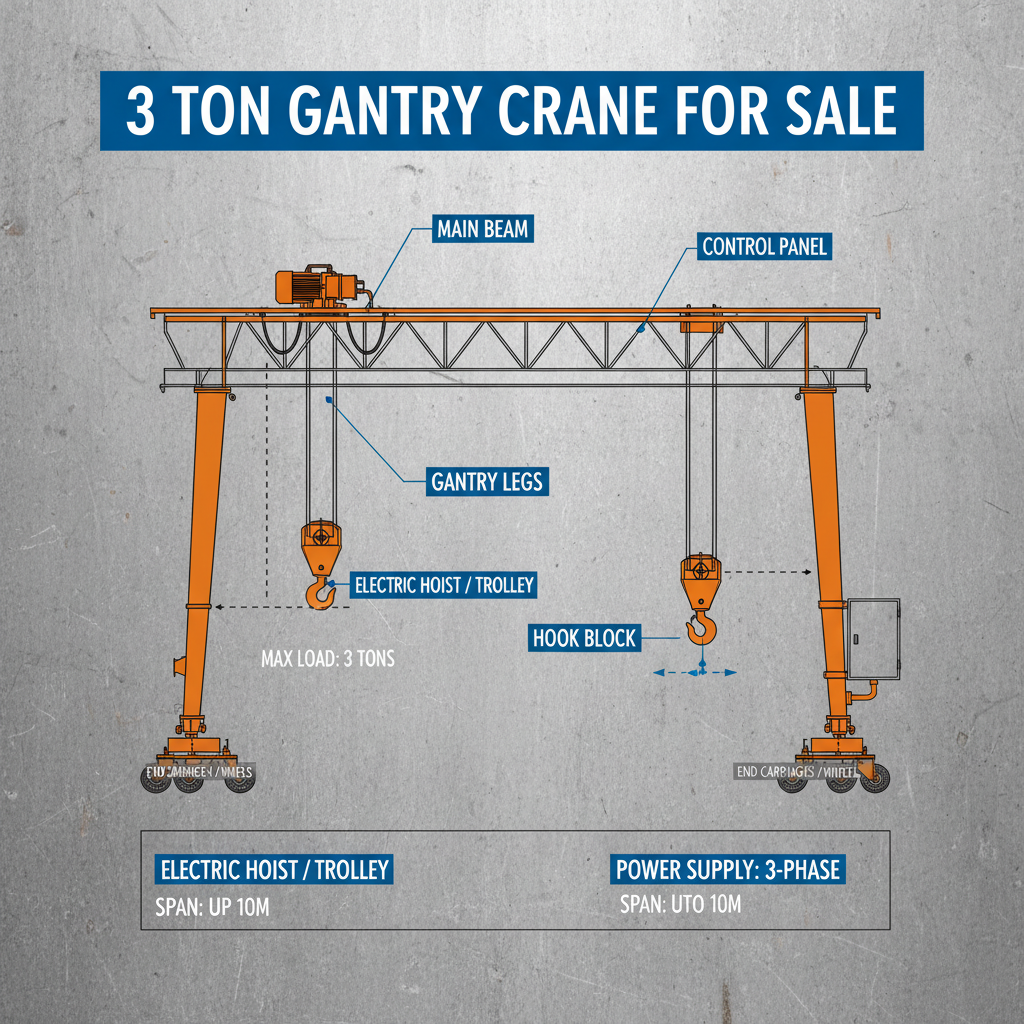
At its core, an outdoor gantry crane is a type of crane consisting of a horizontal beam (the gantry) supported by vertical legs. These legs typically travel on a fixed rail system or directly on the ground, allowing the crane to move along the length of the work area. The lifting mechanism – typically a hoist, trolley, or specialized attachment – is suspended from the gantry beam, enabling the lifting and positioning of heavy loads.
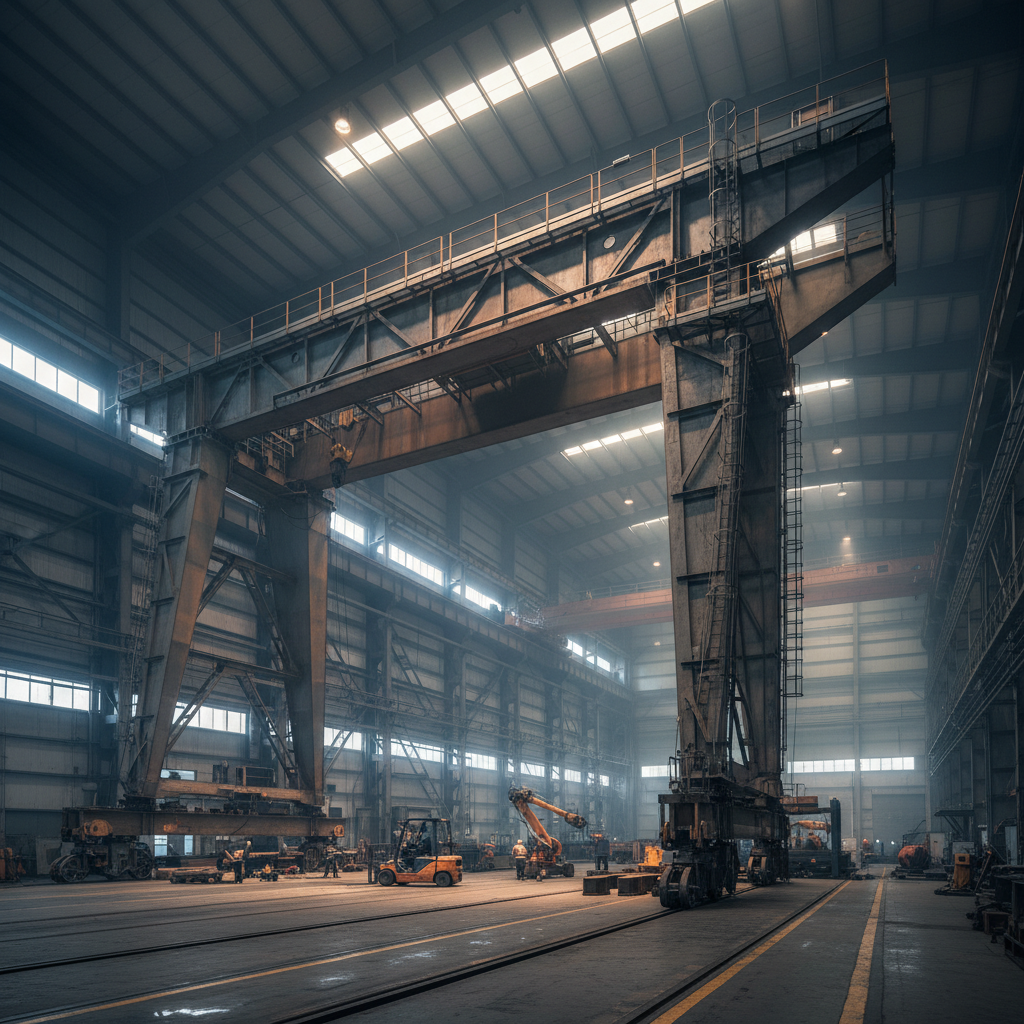
Unlike traditional overhead cranes which require a building structure for support, gantry cranes are self-supporting, making them ideal for outdoor use, shipping yards, rail yards, and any location lacking the necessary overhead infrastructure. This portability and adaptability are key features that differentiate them from other lifting solutions.
The connection to modern industry is undeniable. In a world reliant on efficient supply chains and rapid infrastructure development, the outdoor gantry crane facilitates the movement of materials, components, and finished goods, streamlining operations and contributing to economic growth.
Core Components and Design Considerations
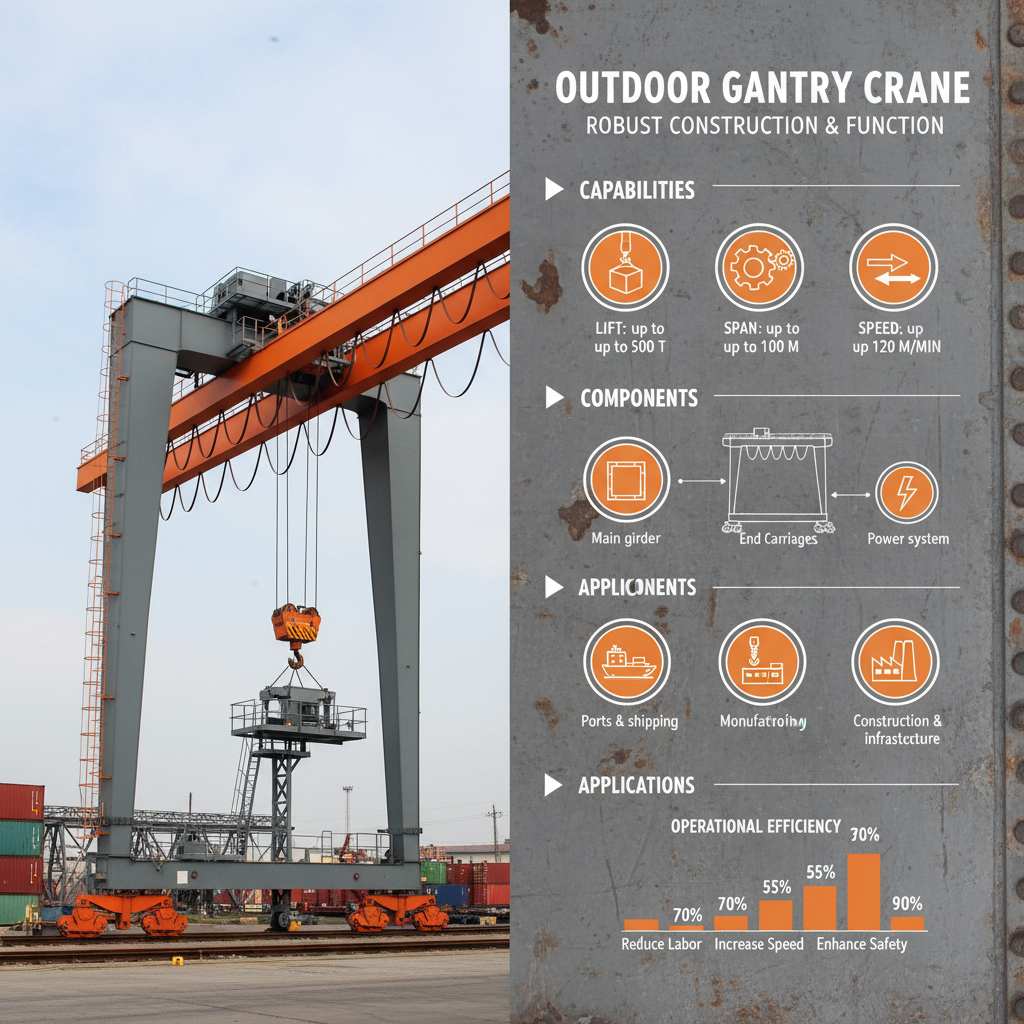
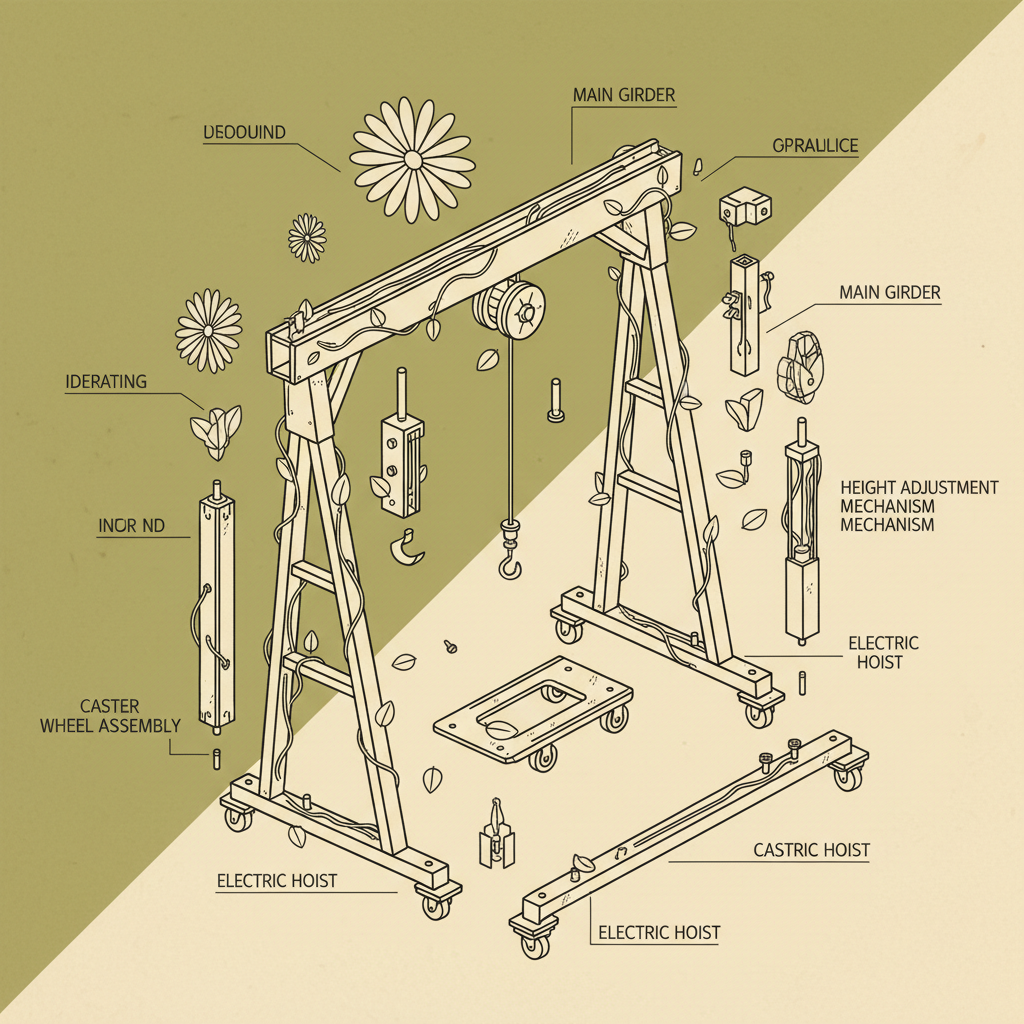
Several key components define the functionality and performance of an outdoor gantry crane. These include the gantry beam itself, which provides the lifting span; the legs, which offer stability and support; the hoist mechanism (chain, wire rope, or hydraulic), responsible for lifting the load; and the trolley, which allows for lateral movement along the gantry beam. The control system – ranging from simple manual operation to sophisticated automated controls – dictates the crane’s precision and ease of use.
Design considerations are paramount. The load capacity, span length, lifting height, and environmental conditions all influence the selection of materials, the dimensions of the components, and the overall structural integrity of the crane. For outdoor applications, corrosion resistance and weatherproofing are critical, often achieved through specialized coatings and materials like stainless steel.
Furthermore, safety features like overload protection, emergency stop buttons, and limit switches are essential to ensure safe and reliable operation. Regular inspections and maintenance are also crucial to identify and address potential issues before they escalate into hazards.
Key Benefits: Durability, Versatility, and Cost-Effectiveness
Durability is a hallmark of well-engineered outdoor gantry cranes. Built to withstand harsh weather conditions and heavy loads, they offer a long service life with minimal maintenance requirements. Their robust construction ensures reliable performance even in demanding environments.
Versatility is another significant advantage. Gantry cranes can be customized with a variety of lifting attachments – such as hooks, clamps, and magnets – to handle diverse materials and shapes. They can also be adapted to different working environments, from construction sites to shipping terminals.
Comparative Cost Analysis of Material Handling Solutions
Global Applications of Outdoor Gantry Cranes
The versatility of outdoor gantry cranes translates into a wide range of applications across diverse industries. In construction, they are used for lifting and positioning prefabricated components, steel beams, and heavy machinery. Shipping yards rely on them for loading and unloading cargo containers from trucks and trains.
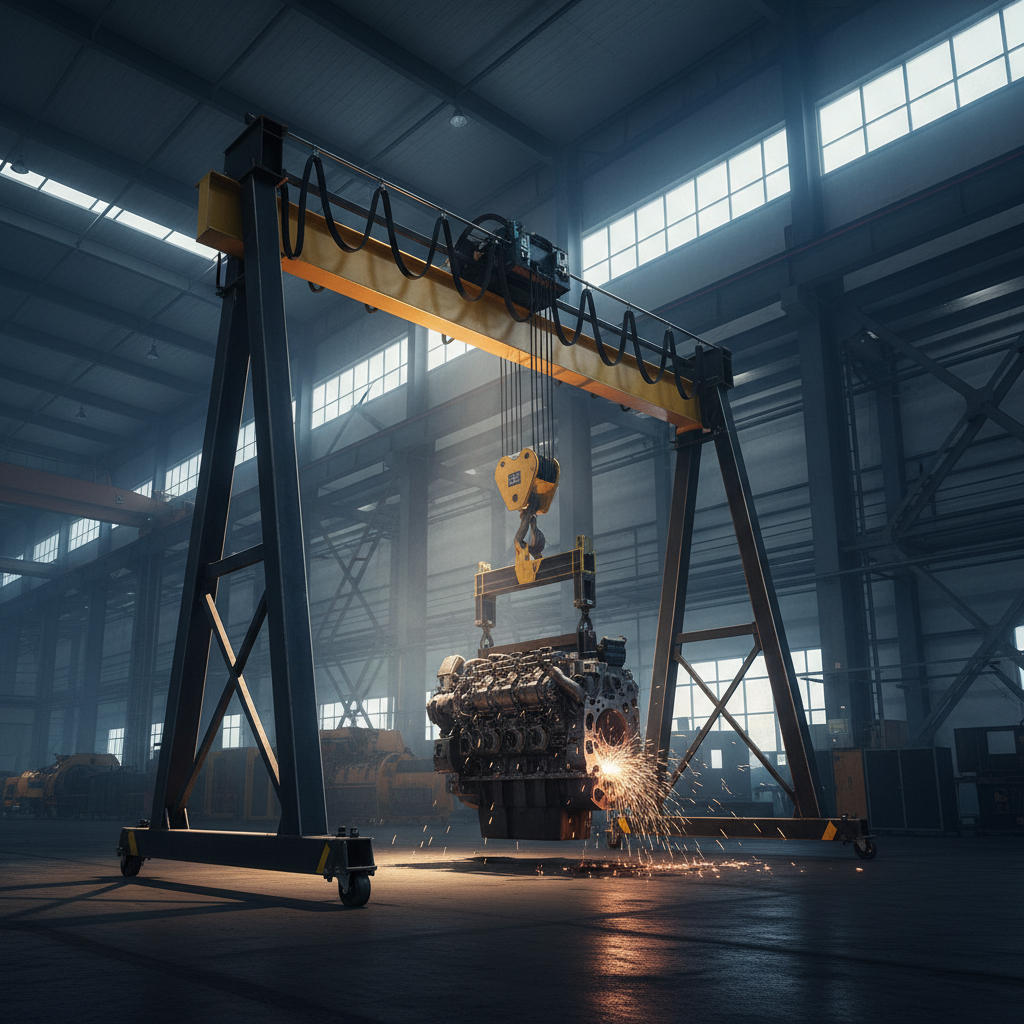
In the rail industry, gantry cranes facilitate the efficient handling of rail cars and components. Manufacturing facilities utilize them for moving raw materials, work-in-progress, and finished goods. Furthermore, they are increasingly employed in renewable energy projects, such as wind turbine construction and maintenance.
Advantages and Long-Term Value Proposition
Beyond the immediate benefits of increased efficiency and safety, outdoor gantry cranes offer significant long-term value. Their durability and low maintenance requirements translate into reduced operating costs over the lifespan of the equipment. The ability to adapt to changing needs through the addition of different lifting attachments provides a flexible and future-proof solution.
From a sustainability perspective, gantry cranes can contribute to reduced energy consumption by optimizing material handling processes. They also minimize the risk of accidents and injuries, creating a safer and more productive work environment, and fostering a stronger reputation for your organization.
The emotional benefit of providing a safe working environment for employees, coupled with the logical advantages of increased efficiency and reduced costs, makes investing in a quality gantry crane a strategically sound decision.
Future Trends and Innovations in Gantry Crane Technology
The future of outdoor gantry cranes is poised to be shaped by several key technological advancements. Automation and remote control systems are gaining traction, enabling more precise and efficient operation, reducing the need for manual intervention, and improving worker safety.
The integration of IoT (Internet of Things) sensors and data analytics will provide real-time insights into crane performance, enabling predictive maintenance and optimizing operational efficiency. Furthermore, the development of more sustainable materials and energy-efficient drive systems will contribute to a greener and more environmentally responsible material handling industry.
Expect to see advancements in lightweight materials, such as carbon fiber composites, to reduce crane weight and increase lifting capacity. The trend towards modular and easily configurable gantry cranes will also continue, allowing for greater customization and faster deployment.
Factors Affecting the Performance and Reliability of Outdoor Gantry Cranes
| Environmental Conditions |
Maintenance Schedule |
Operator Skill Level |
Load Distribution & Capacity |
| Temperature Extremes (Impact: Corrosion, Material Fatigue) |
Preventative Lubrication (Rating: 8/10) |
Formal Training & Certification (Rating: 9/10) |
Even Weight Distribution (Rating: 10/10) |
| Humidity & Rainfall (Impact: Rust, Electrical Issues) |
Regular Bolt Tightening (Rating: 7/10) |
Experience with Similar Equipment (Rating: 7/10) |
Avoiding Overloading (Rating: 10/10) |
| Wind Exposure (Impact: Stability, Load Swing) |
Wire Rope/Chain Inspection (Rating: 9/10) |
Understanding Safety Protocols (Rating: 8/10) |
Proper Sling Selection (Rating: 9/10) |
| Saltwater Exposure (Impact: Accelerated Corrosion) |
Gearbox Oil Changes (Rating: 6/10) |
Adherence to Inspection Checklists (Rating: 7/10) |
Dynamic Load Considerations (Rating: 8/10) |
| Dust & Debris (Impact: Wear & Tear on Components) |
Bearing Lubrication & Replacement (Rating: 7/10) |
Emergency Stop Procedure Knowledge (Rating: 8/10) |
Center of Gravity Calculation (Rating: 6/10) |
| UV Radiation (Impact: Material Degradation) |
Control System Calibration (Rating: 5/10) |
Pre-Operation Safety Inspection (Rating: 9/10) |
Load Angle & Stability (Rating: 7/10) |
FAQS
When choosing an outdoor gantry crane for a shipyard, several factors are critical. Corrosion resistance is paramount due to the saltwater environment, demanding materials like stainless steel or specialized coatings. The lifting capacity must align with the weight of ship components, and the span should accommodate the width of vessels being serviced. Consider mobility requirements for maneuvering around docks and drydocks, and ensure compliance with maritime safety regulations.
Routine maintenance frequency depends on usage intensity and environmental conditions. However, a general guideline includes monthly inspections of wire ropes, chains, and hooks; quarterly lubrication of moving parts; and annual comprehensive inspections by a qualified technician. Regular maintenance prevents breakdowns, extends the crane’s lifespan, and ensures safe operation.
Essential safety features include overload protection systems to prevent lifting beyond capacity; emergency stop buttons for immediate shutdown; limit switches to prevent over-travel; audible and visual warning systems; and properly maintained safety guards. Regular safety training for operators is also crucial.
A well-maintained outdoor gantry crane can have a lifespan of 20-30 years or even longer. Factors influencing longevity include the quality of materials, the severity of operating conditions, and the diligence of the maintenance program. Investing in high-quality components and adhering to a rigorous maintenance schedule will maximize the crane’s lifespan.
Yes, outdoor gantry cranes are highly customizable. Options include varying span lengths, lifting capacities, heights, and the integration of specialized lifting attachments such as magnets, clamps, and rotating hooks. Control systems can also be tailored to specific needs, from simple push-button controls to sophisticated automated systems.
Mobile outdoor gantry cranes offer greater flexibility and adaptability. They can be easily moved to different locations within a work site, eliminating the need for fixed infrastructure. This is particularly advantageous for projects with changing layouts or where multiple lifting points are required. However, mobile cranes typically have a lower lifting capacity than fixed models.
Conclusion
In conclusion, the outdoor gantry crane remains an indispensable tool for modern material handling, offering a potent combination of durability, versatility, and cost-effectiveness. From construction and shipping to manufacturing and renewable energy, these cranes empower businesses to overcome logistical challenges, enhance operational efficiency, and prioritize workplace safety. Understanding the nuances of their design, applications, and future trends is paramount for professionals seeking to optimize their operations.
Looking ahead, the integration of automation, IoT, and sustainable materials will further elevate the performance and environmental responsibility of gantry cranes. Investing in a well-engineered and properly maintained crane is not merely an expenditure; it's a strategic investment in the long-term success and sustainability of your business. Visit our website at www.daweihoisting.com to explore our range of gantry crane solutions.