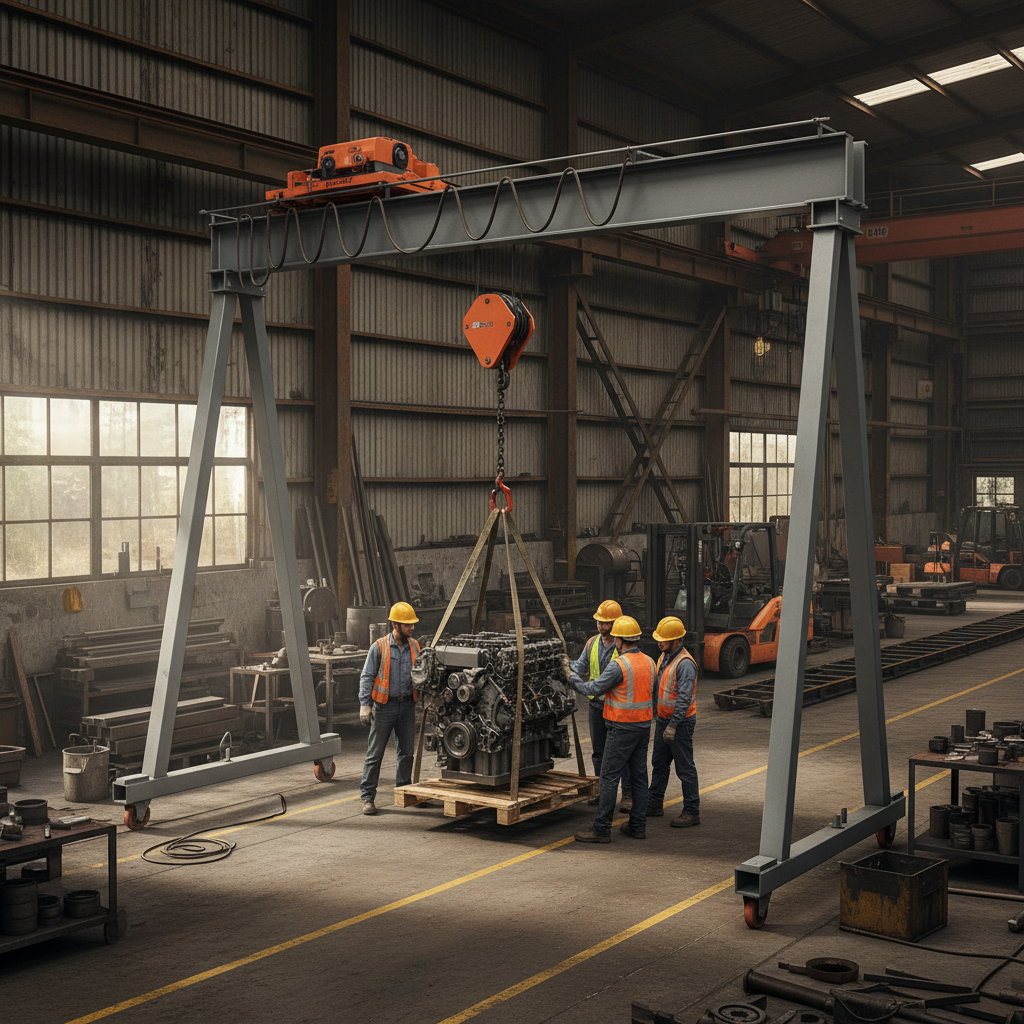
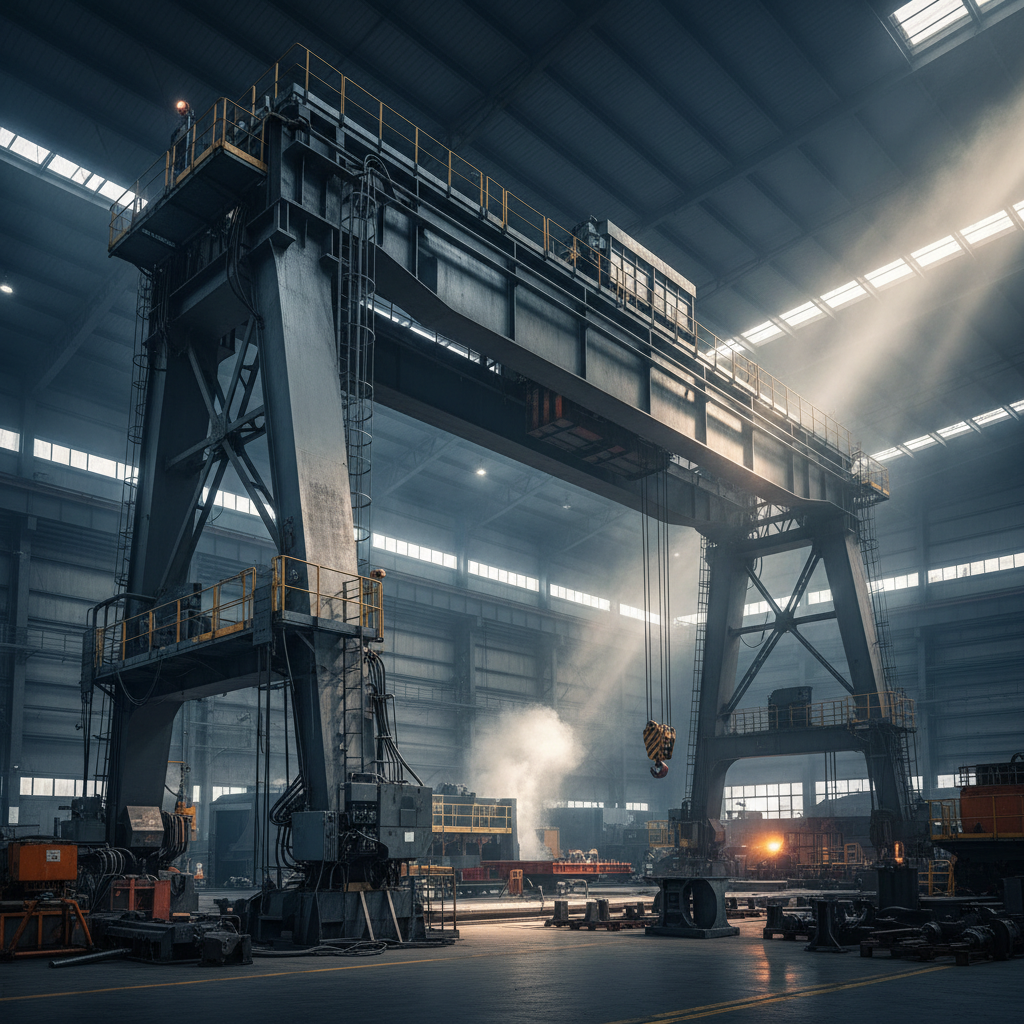
The 1 2 ton gantry crane is a versatile lifting solution widely utilized across diverse industries. Its ability to provide overhead lifting within a confined space, without the need for supporting building structures, makes it invaluable for outdoor storage, manufacturing, and construction sites. Understanding its capabilities, applications, and safety protocols is crucial for optimizing operational efficiency and minimizing risks.
Globally, the demand for efficient and cost-effective lifting equipment is continuously increasing, driven by expanding industrialization and infrastructure development. The 1 2 ton gantry crane addresses this demand by offering a flexible and scalable solution for handling materials weighing up to 1 2 tons. Its adaptability makes it suitable for both temporary and permanent installations, contributing significantly to project timelines and logistical operations.
The proliferation of 1 2 ton gantry cranes highlights a global need for adaptable and robust material handling solutions. These cranes are particularly important in regions experiencing rapid economic growth and infrastructural development, offering a practical solution where traditional overhead cranes are impractical or too expensive. Their relative ease of installation and operation further contributes to their widespread adoption.
Introduction to 1 2 ton Gantry Cranes
A 1 2 ton gantry crane offers a distinct advantage in situations where a traditional overhead crane is not feasible. Its freestanding structure, supported by legs that travel on rails, eliminates the need for overhead support structures, making it ideal for outdoor environments, loading docks, and areas with limited ceiling height. This adaptability broadens its use case across many sectors.
The design of a 1 2 ton gantry crane centers around providing a safe and efficient method for lifting and moving loads within a defined area. Careful consideration is given to structural integrity, load capacity, and operational safety. Regular inspections and adherence to safety guidelines are paramount to ensuring long-term reliability and preventing accidents.
Defining the 1 2 Ton Gantry Crane
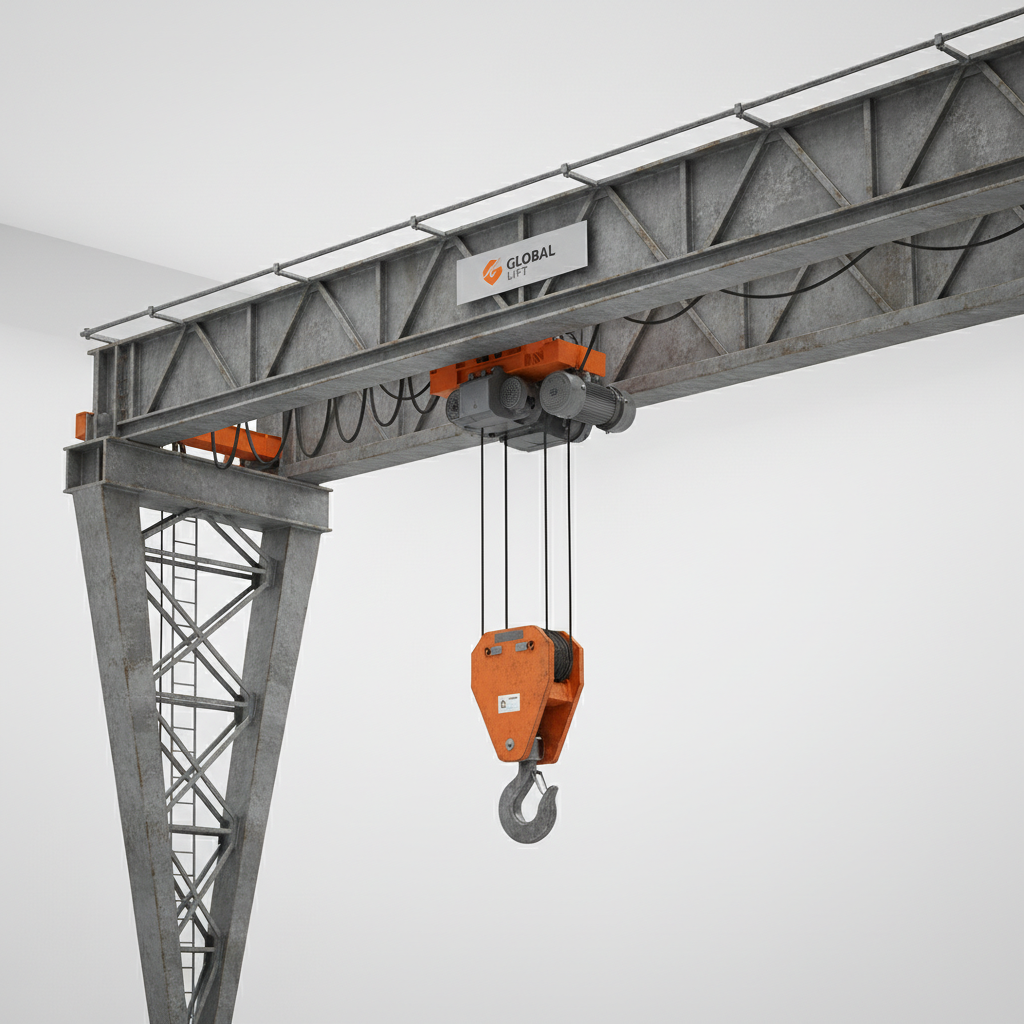
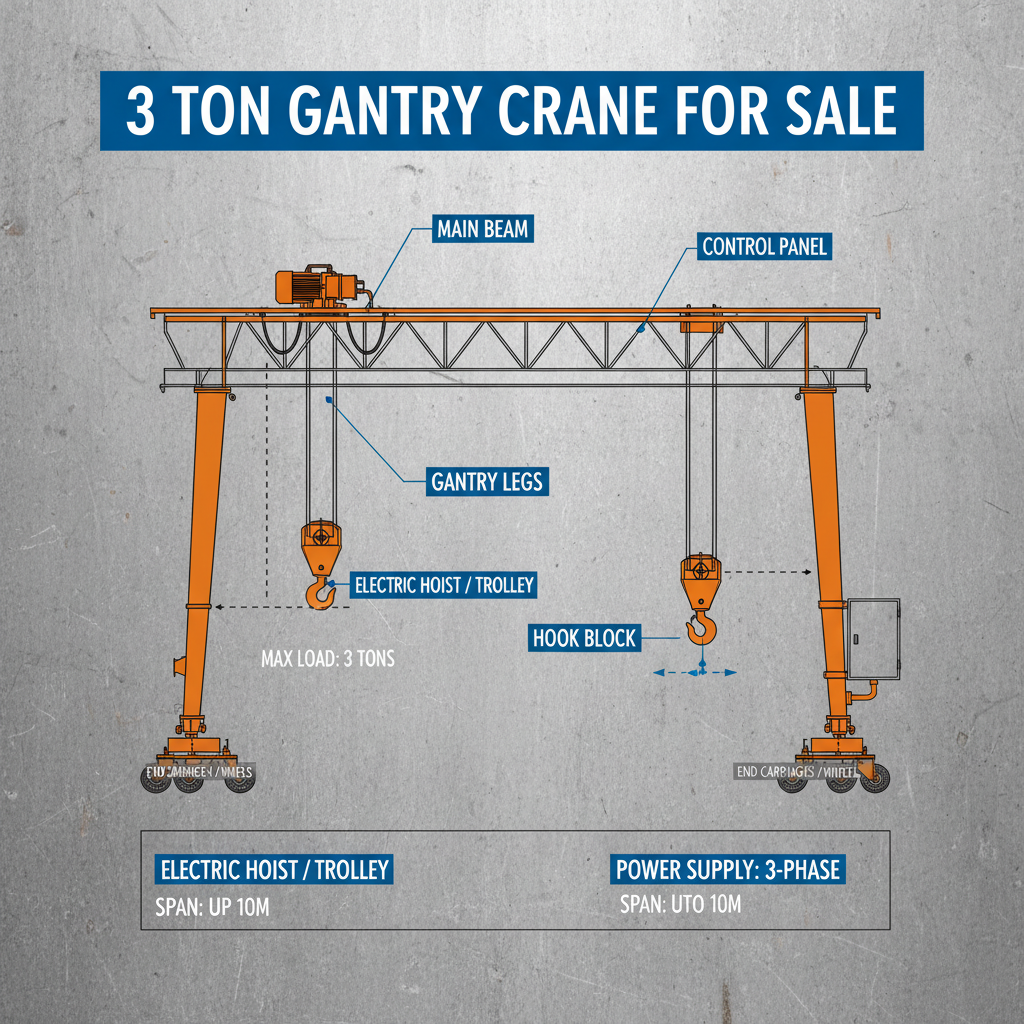
A 1 2 ton gantry crane is essentially a lifting machine characterized by its horizontal beam (the bridge) supported by two vertical legs (the uprights) which travel on rails. It’s designed to lift loads up to 1 2 tons (approximately 2,200 lbs) and is commonly used for moving heavy objects across a specific area. It's a crucial piece of equipment in many industrial settings.
This type of crane has become indispensable in modern industry, streamlining material handling processes and boosting productivity. It efficiently addresses the need for controlled lifting and positioning of goods, especially in environments where space or structural limitations prevent the installation of a conventional overhead crane.
The 1 2 ton gantry crane’s connection to humanitarian needs can be observed in disaster relief efforts, where it assists in lifting debris and distributing essential supplies. Its portability and relatively quick deployment capabilities make it a valuable asset in emergency situations.
Core Components and Key Factors
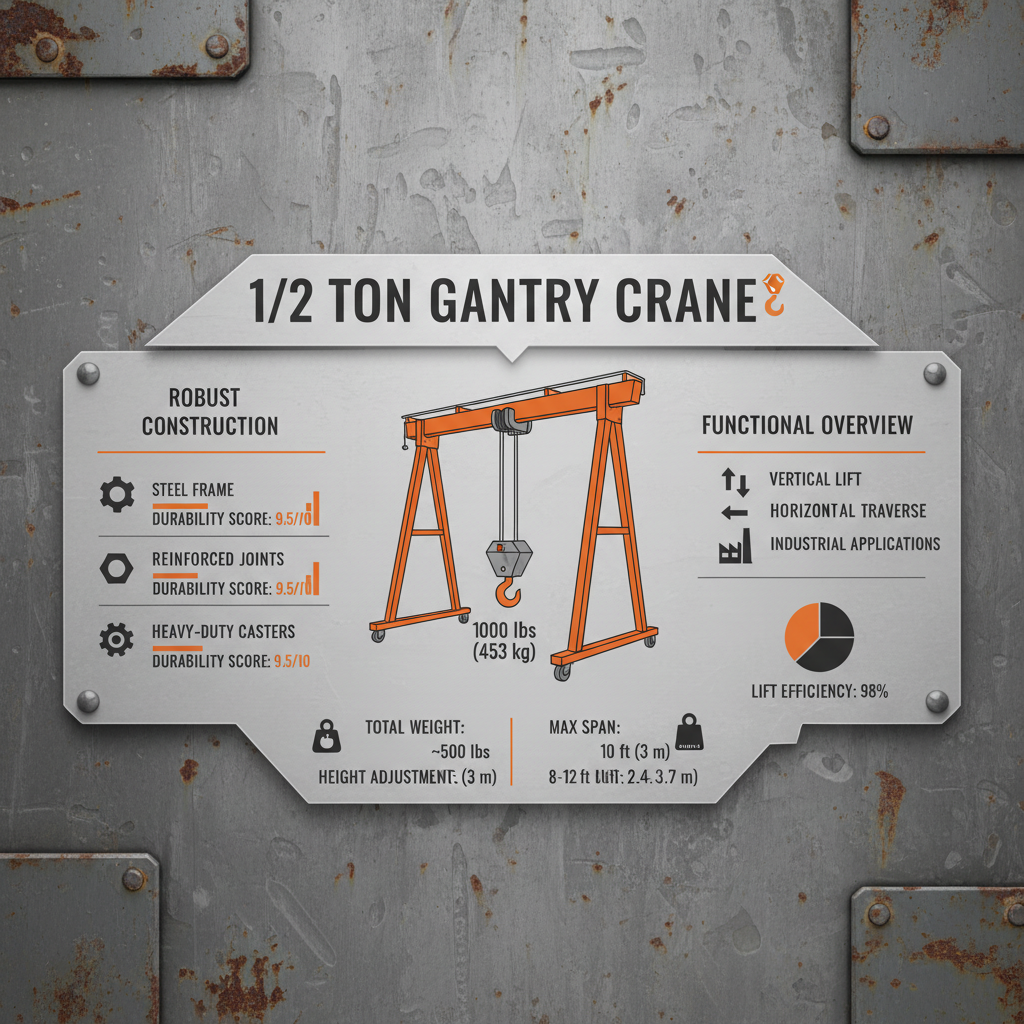
Durability is a primary factor. 1 2 ton gantry cranes are typically constructed from heavy-duty steel, engineered to withstand continuous use and harsh environmental conditions. High-quality welding and robust components ensure a long service life and minimal downtime.
Load Capacity & Stability are intrinsically linked. The 1 2 ton rating signifies the maximum weight the crane can safely lift. Stable operation relies on a well-engineered base and proper weight distribution to prevent tipping or instability during lifting operations. Careful calculation of load centers of gravity is vital.
Mobility is a significant advantage. The wheeled design of the legs allows for easy movement along the rails, providing flexibility within the workspace. The ability to adjust the span and height of the crane further enhances its adaptability to various applications.
Practical Applications Across Industries
The construction industry frequently utilizes 1 2 ton gantry cranes for lifting and positioning building materials, such as steel beams, prefabricated components, and concrete panels. Their ability to operate outdoors and adapt to varying site conditions makes them ideal for construction projects.
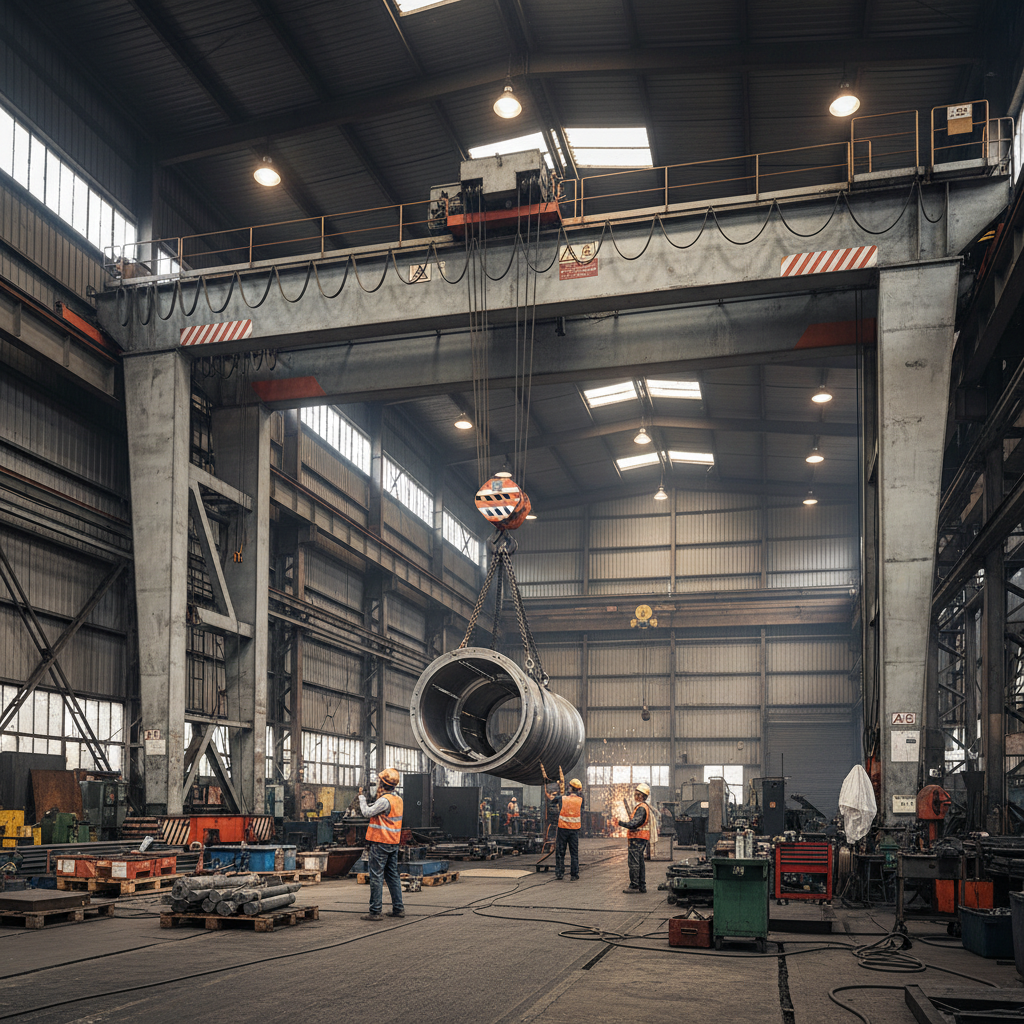
In manufacturing facilities, these cranes are essential for moving heavy machinery, molds, and raw materials. They help to streamline production processes and improve overall efficiency. The precise control offered by modern gantry cranes also enhances safety.
1 2 ton Gantry Crane Usage by Industry
Advantages and Long-Term Value Proposition
Cost-effectiveness is a major advantage of a 1 2 ton gantry crane. Compared to installing a fixed overhead crane, the lower initial investment and reduced installation costs make it an appealing option, particularly for smaller businesses or temporary projects. This economic benefit doesn't compromise functionality.
The longevity and minimal maintenance requirements contribute to a strong long-term value. With regular inspections and upkeep, a well-maintained 1 2 ton gantry crane can reliably serve its purpose for many years, reducing the total cost of ownership and enhancing return on investment.
Future Trends and Innovation in Gantry Crane Technology
The integration of smart technology, such as remote monitoring and predictive maintenance systems, is becoming increasingly common. These technologies allow for real-time performance tracking, early detection of potential issues, and optimized maintenance schedules, enhancing operational efficiency.
Automation is also playing a larger role, with the development of self-propelled gantry cranes and robotic lifting systems. These advancements reduce the need for manual operation, improving safety and productivity in demanding environments.
Challenges and Solutions for Optimal Performance
One common challenge is ensuring adequate ground stability. Uneven surfaces or insufficient load-bearing capacity can compromise the crane's stability. Solutions include using base plates to distribute the load, preparing a level foundation, and performing regular ground condition assessments.
Maintaining proper alignment of the rails is also critical. Misaligned rails can cause binding, uneven movement, and potential damage to the crane. Periodic inspections and adjustments are essential to ensure smooth and reliable operation.
Addressing these challenges proactively, through diligent maintenance and careful planning, maximizes the performance and safety of the 1 2 ton gantry crane, ensuring long-term reliability and operational efficiency.
Summary of 1 2 ton Gantry Crane Performance Metrics
| Performance Metric |
Importance Level (1-10) |
Monitoring Frequency |
Potential Impact of Neglect |
| Structural Integrity |
10 |
Monthly |
Catastrophic Failure |
| Rail Alignment |
8 |
Quarterly |
Reduced Efficiency, Damage |
| Brake System Performance |
9 |
Weekly |
Safety Hazard |
| Hoist Chain/Wire Rope Condition |
7 |
Bi-Weekly |
Load Dropping Risk |
| Wheel Bearing Lubrication |
6 |
Monthly |
Increased Friction, Wear |
| Limit Switch Functionality |
8 |
Quarterly |
Over-Travel Risk |
FAQS
Lead times for a 1 2 ton gantry crane can vary depending on customization requirements and current production schedules. Generally, standard models are available within 4-6 weeks, while customized cranes may require 8-12 weeks. Factors impacting lead time include material availability, order volume, and shipping distance. Confirm with the supplier for an accurate timeframe.
Standard safety features typically include overload protection, emergency stop buttons, limit switches to prevent over-travel, and audible warning systems. Additional safety features like collision avoidance systems and variable frequency drives for smoother operation are also available. Proper training and adherence to safety protocols are crucial.
Yes, 1 2 ton gantry cranes can be used outdoors, but specific considerations are necessary. Models designed for outdoor use typically include corrosion-resistant coatings, weatherproof electrical components, and secure anchoring systems to withstand wind loads. Regular maintenance is also essential to address environmental factors.
A typical maintenance schedule includes daily visual inspections, monthly lubrication of moving parts, quarterly checks of the braking system and electrical components, and annual professional inspections. Maintaining detailed maintenance records is crucial for ensuring safety and extending the crane's lifespan.
The cost of a 1 2 ton gantry crane can vary significantly based on factors like span length, lift height, customization options, and supplier. Generally, prices range from $5,000 to $20,000. It's essential to obtain quotes from multiple suppliers to compare pricing and features.
Operators should receive comprehensive training covering safe lifting practices, crane operation procedures, load weight calculations, and emergency procedures. Certification programs, like those offered by OSHA, are highly recommended to ensure operator competency and compliance with safety regulations.
Conclusion
The 1 2 ton gantry crane stands as a crucial asset for a wide range of industries, providing a cost-effective, adaptable, and safe solution for material handling. Its ability to overcome the limitations of fixed overhead cranes, coupled with its ease of installation and operation, makes it a valuable tool for businesses of all sizes. Investing in a quality 1 2 ton gantry crane is an investment in efficiency and productivity.
Looking ahead, the integration of smart technologies and automation will continue to enhance the performance and safety of these cranes. By embracing innovation and adhering to best practices in maintenance and operator training, businesses can maximize the long-term benefits of a 1 2 ton gantry crane and ensure a safe and productive working environment. For more information and to explore our range of gantry cranes, visit our website: www.daweihoisting.com