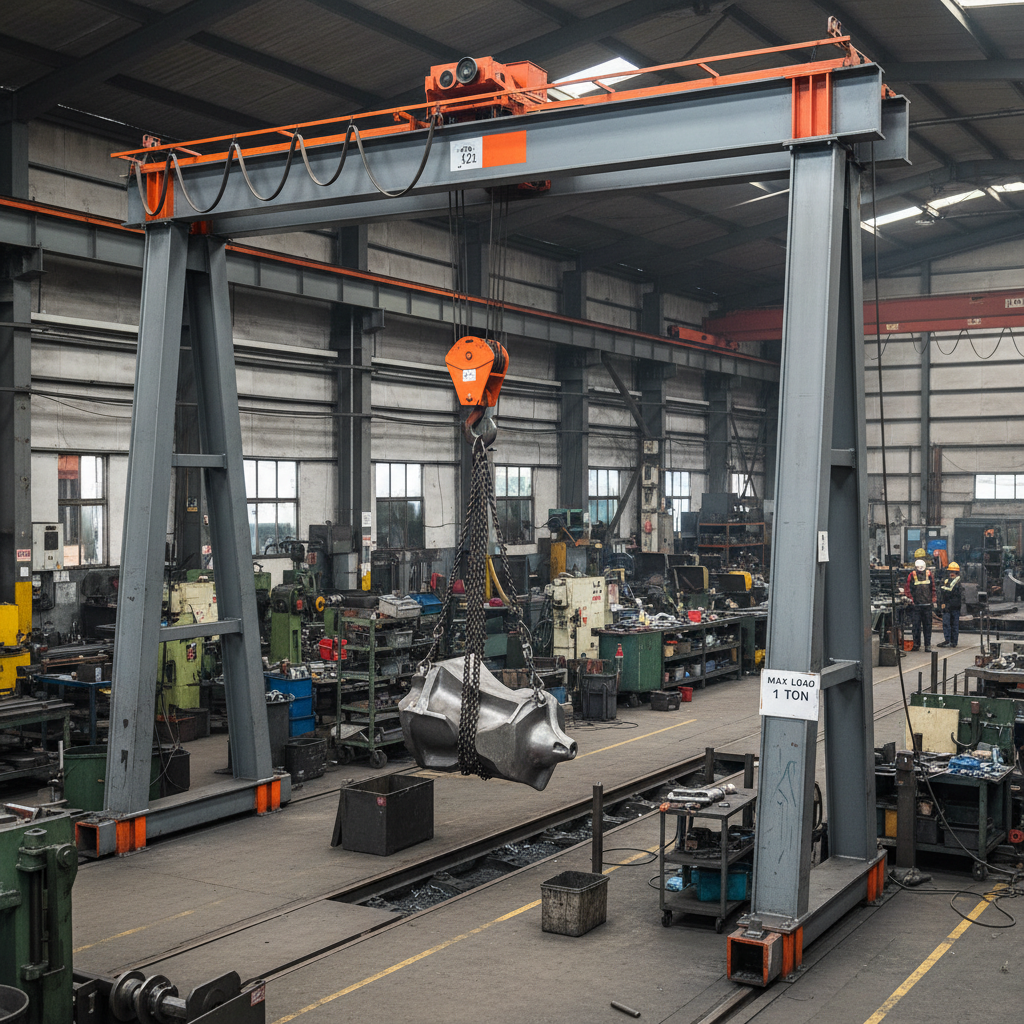
Gantry crane hoists are integral components in modern material handling, serving as the lifting mechanism for gantry cranes. These cranes, distinguished by their portal structure supported by legs traveling on rails, are vital across diverse industries, from shipping ports and rail yards to manufacturing plants and construction sites. The effectiveness of a gantry crane is fundamentally linked to the quality and performance of its hoist, making understanding gantry crane hoists crucial for optimizing operational efficiency and ensuring safety.
Globally, the demand for efficient and reliable lifting solutions is consistently growing, driven by expanding infrastructure projects, increasing trade volumes, and the need for optimized logistics. According to the World Bank, global trade reached nearly $28.5 trillion in 2022, necessitating robust material handling systems. Gantry crane hoists directly contribute to this demand by enabling the swift and safe movement of goods, components, and materials.
The significance of understanding gantry crane hoists extends beyond mere operational efficiency. Selecting the right hoist type, considering load capacity, and implementing preventative maintenance programs directly impact workplace safety, minimize downtime, and maximize return on investment. Properly functioning gantry crane hoists are essential for maintaining productivity and fulfilling logistical demands in a competitive global market.
Defining Gantry Crane Hoists and Their Significance
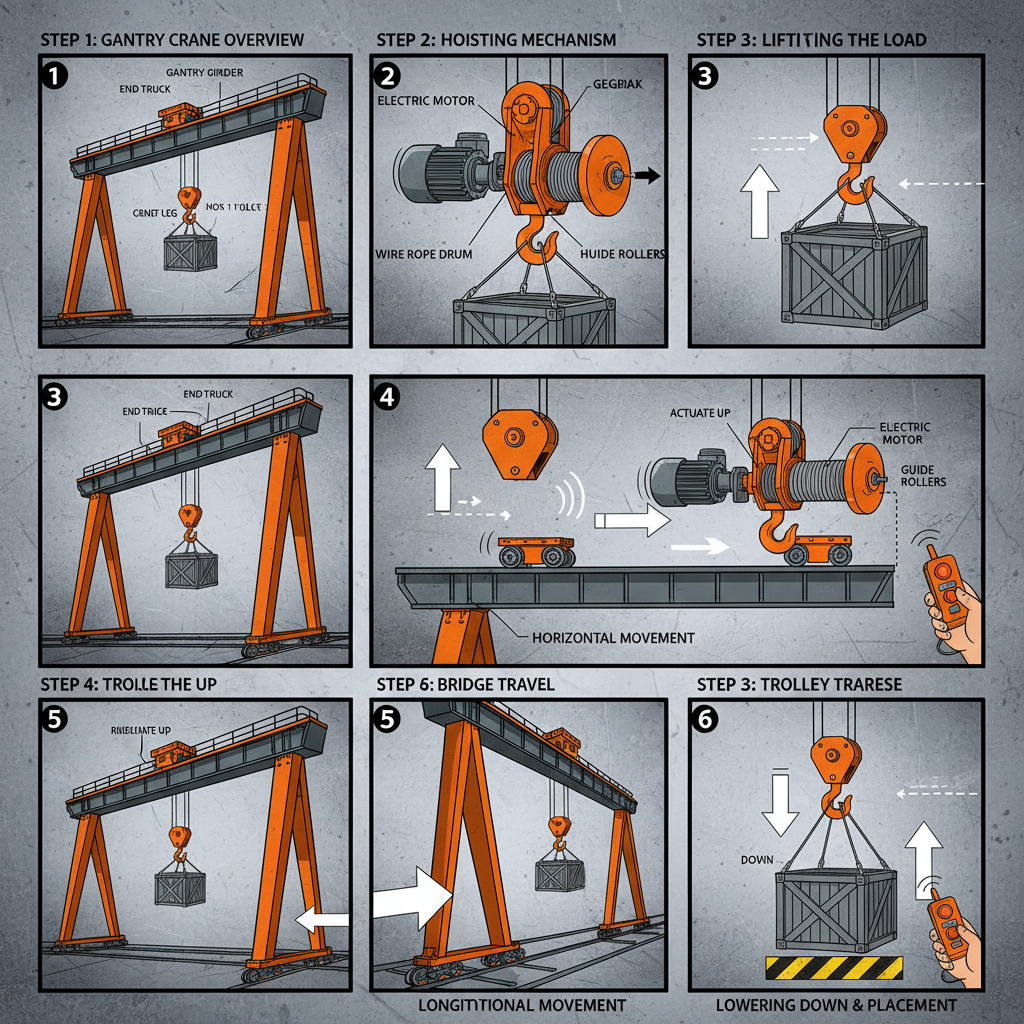
A gantry crane hoist is the lifting component of a gantry crane, responsible for raising and lowering heavy loads. It typically consists of a lifting medium (wire rope, chain, or synthetic webbing), a hook or lifting attachment, and a drive mechanism – whether electric, pneumatic, or manual. The hoist’s capacity, speed, and precision dictate the crane's overall performance. gantry crane hoist selection is crucial.
The connection between the gantry crane hoist and modern industry is undeniable. From facilitating the unloading of shipping containers in bustling ports to handling large steel components in fabrication workshops, gantry crane hoists underpin logistical operations worldwide. They are also integral in humanitarian aid, enabling the rapid deployment of essential supplies and equipment in disaster-stricken areas.
Global Relevance and Industry Context
The global market for gantry cranes and, consequently, gantry crane hoists, is substantial and projected to continue its growth trajectory. The increasing demand is fueled by sectors like logistics, construction, manufacturing, and energy. Asia-Pacific currently represents the largest market share, driven by rapid industrialization in countries like China and India. North America and Europe also maintain significant demand, particularly in specialized applications.
According to a report by Research and Markets, the global gantry crane market is expected to reach $7.2 billion by 2028, growing at a CAGR of 4.8% from 2021. This growth directly correlates with increased demand for efficient and reliable gantry crane hoists. This rise isn’t merely about volume, but also about increasingly sophisticated hoist technology to meet complex lifting requirements.
A key challenge addressed by advancements in gantry crane hoist technology is the need for improved safety and efficiency in handling increasingly heavy and awkward loads. Traditional lifting methods often pose risks to workers and can be time-consuming. Modern hoists, equipped with features like variable frequency drives, load monitoring systems, and anti-collision technology, are designed to mitigate these risks and optimize productivity.
Understanding the Core Components of a Gantry Crane Hoist
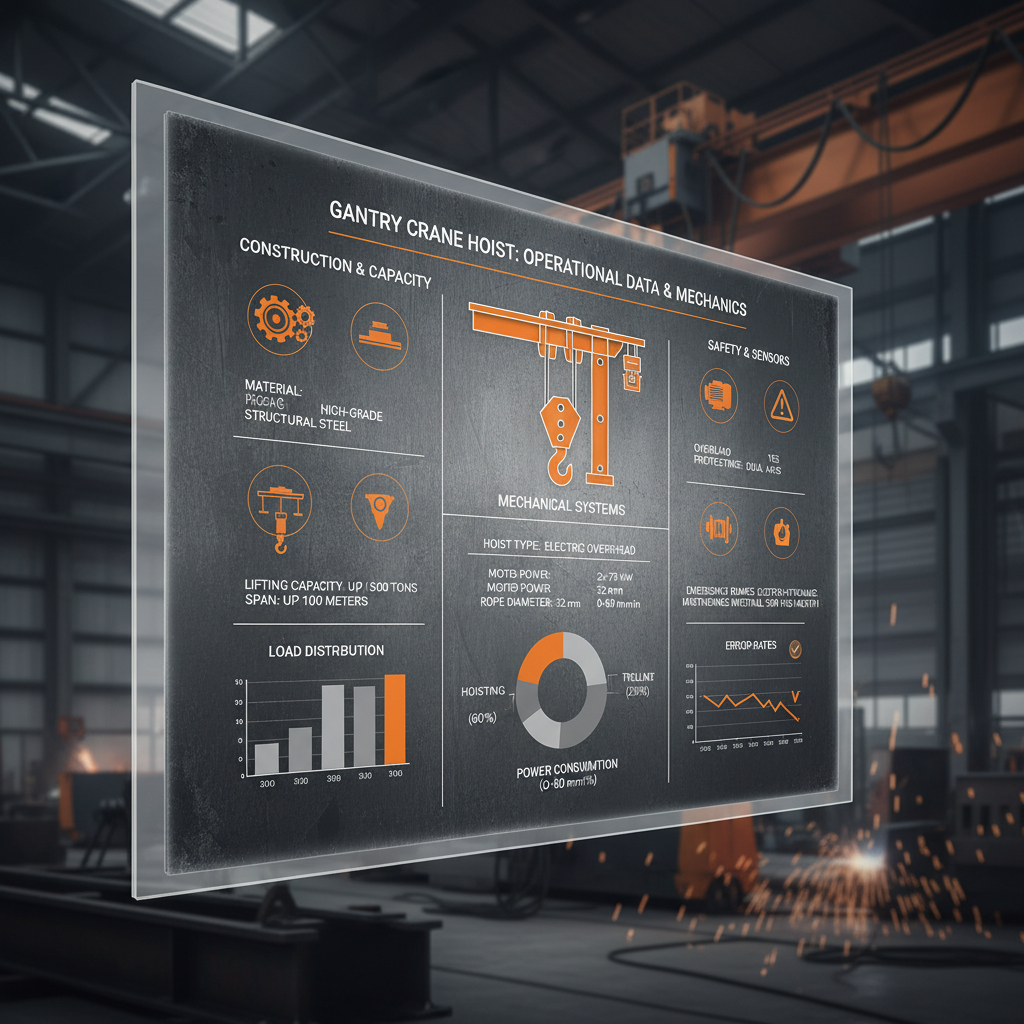
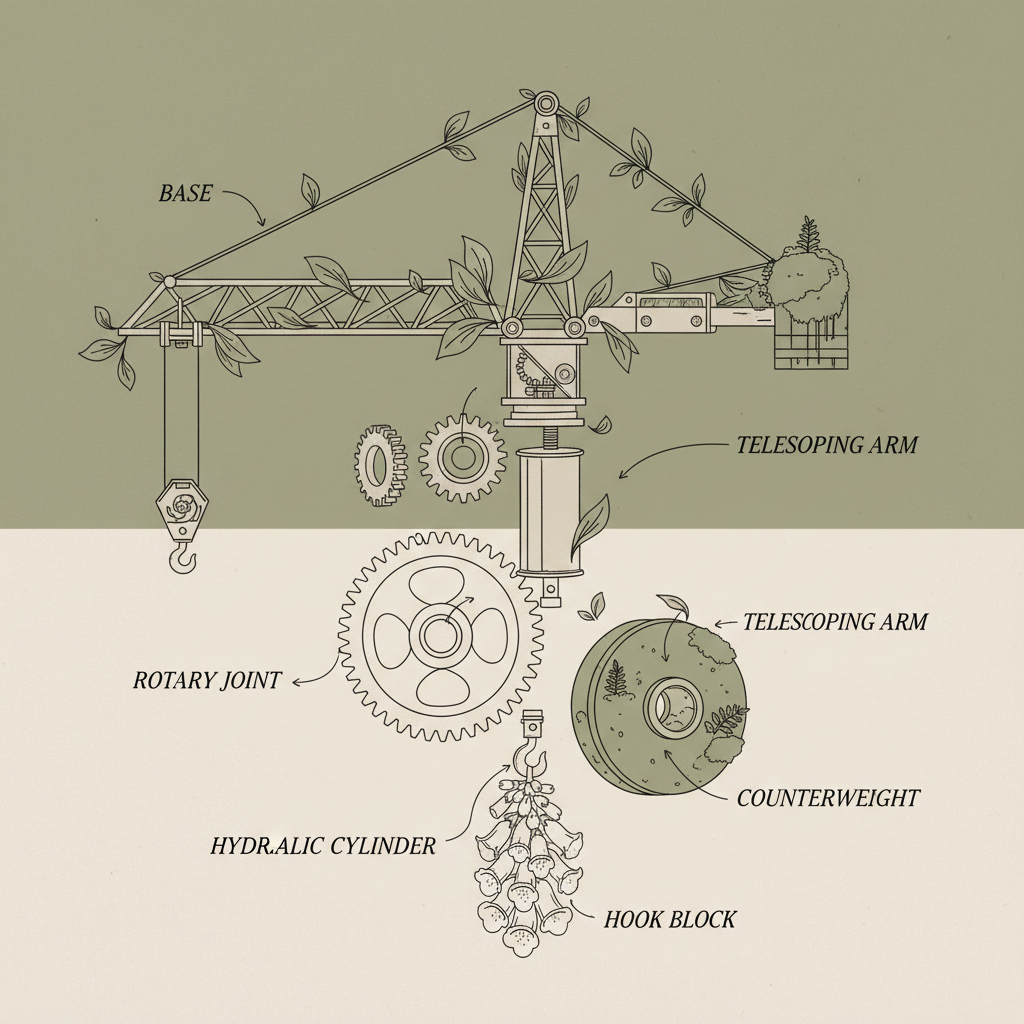
At its core, a gantry crane hoist comprises several essential components working in concert. The lifting medium, typically a wire rope, chain, or synthetic webbing, provides the direct connection to the load. The hook or lifting attachment is designed to securely grasp the load. The gearbox and motor – often electric – provide the power to raise and lower the load, and the braking system ensures controlled deceleration and holding.
Beyond these core elements, modern gantry crane hoists often incorporate advanced features like variable frequency drives (VFDs) for precise speed control, load cells for accurate weight measurement, and remote control systems for enhanced operator convenience and safety. The control panel, encompassing the necessary switches and indicators, allows for smooth and secure operation of the hoist.
The selection of each component is critical and dependent on the specific application and load requirements. For example, environments with corrosive substances may necessitate stainless steel components or specialized coatings to prevent degradation. High-duty cycle applications may require hoists with robust gearboxes and cooling systems to ensure longevity and reliability.
Key Factors Influencing Gantry Crane Hoist Performance
Durability is paramount for gantry crane hoists, as they are subjected to continuous stress and demanding operating conditions. High-quality materials, robust construction, and meticulous manufacturing processes contribute to a long service life. Scalability – the ability to adapt to changing load requirements – is another important factor. Modular hoist designs allow for easy upgrades and modifications.
Cost efficiency is crucial, considering both the initial purchase price and long-term operating costs. While cheaper hoists may offer short-term savings, they often lack the durability and reliability of premium models, leading to increased maintenance and downtime. gantry crane hoist maintenance schedules are also a key element.
Gantry Crane Hoist Performance Metrics
Global Applications and Diverse Use Cases
Gantry crane hoists find application across a wide spectrum of industries. In shipping ports, they are indispensable for loading and unloading containers from vessels. Rail yards rely on them for handling rail cars and components. Manufacturing facilities utilize them to move heavy machinery, raw materials, and finished products.
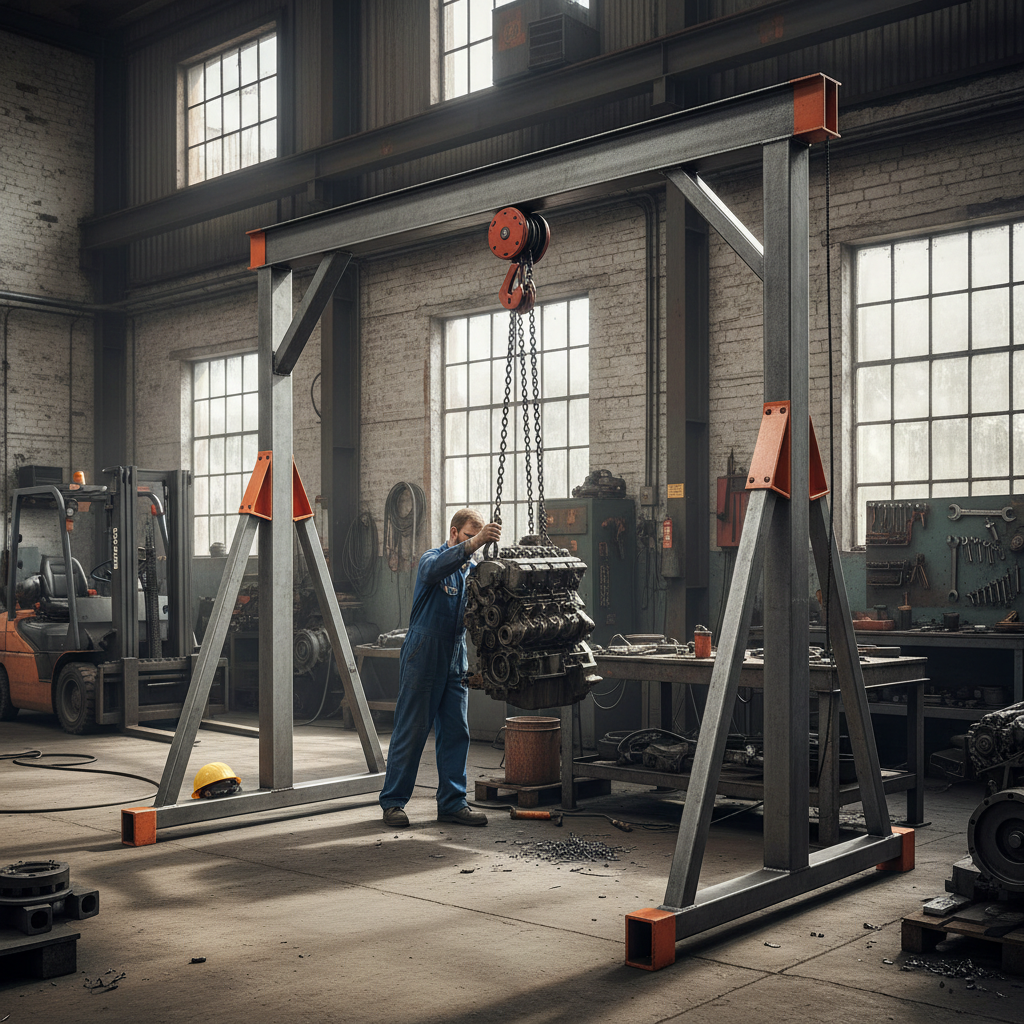
Construction sites commonly employ gantry crane hoists for lifting building materials, prefabricated components, and heavy equipment. Power plants utilize them for maintenance and repair activities, handling large turbines and generators. In remote industrial zones, where access is limited, portable gantry crane hoists offer a flexible and cost-effective lifting solution.
Advantages and Long-Term Value Proposition
The advantages of investing in high-quality gantry crane hoists extend beyond immediate operational benefits. Reduced downtime, minimized maintenance costs, and increased safety contribute to significant long-term savings. Sustainable hoist designs, incorporating energy-efficient motors and durable materials, minimize environmental impact. gantry crane hoist designs enhance reliability.
From a social impact perspective, safe and efficient lifting operations contribute to a more secure and productive work environment. A reputation for reliability fosters trust with clients and stakeholders. Adopting innovative hoist technologies demonstrates a commitment to progress and continuous improvement, strengthening a company's competitive edge.
Future Trends and Innovations in Gantry Crane Hoist Technology
The future of gantry crane hoist technology is being shaped by several key trends. Automation, driven by advancements in robotics and artificial intelligence, is leading to the development of self-operating hoists capable of performing complex lifting tasks with minimal human intervention. Digital transformation, facilitated by the Industrial Internet of Things (IIoT), enables remote monitoring, predictive maintenance, and data-driven optimization.
Green energy solutions, such as electric hoists powered by renewable energy sources, are gaining traction as companies strive to reduce their carbon footprint. The development of lightweight, high-strength materials, like carbon fiber composites, is enabling the creation of more efficient and portable hoist designs. Sustainability and environmental concerns are increasingly driving innovation in the industry.
Furthermore, advancements in sensor technology and data analytics are leading to the development of "smart" hoists that can detect potential failures, optimize performance, and provide real-time feedback to operators, significantly enhancing safety and efficiency.
FAQS
When selecting a gantry crane hoist, consider your load capacity requirements, lifting height, duty cycle (how frequently it will be used), environmental conditions (temperature, humidity, corrosives), and power source availability. Ensure the hoist meets relevant safety standards and certifications. Compatibility with your existing gantry crane system is also critical.
Regular maintenance is vital for ensuring the longevity and safety of your gantry crane hoist. Recommended maintenance intervals vary based on usage and manufacturer guidelines, but generally include monthly inspections, lubrication of moving parts, wire rope/chain inspection, and annual load testing. Keeping a detailed maintenance log is also recommended.
Essential safety features include overload protection, emergency stop buttons, limit switches (to prevent over-travel), and a reliable braking system. Consider hoists with anti-collision systems, especially in environments with multiple cranes operating in close proximity. Properly functioning warning devices, such as alarms and lights, are also crucial.
Wire rope hoists are generally more cost-effective and suitable for lifting heavier loads over longer distances. Chain hoists offer greater precision and are better suited for applications requiring frequent lifting and lowering of smaller loads. Chain hoists also require less maintenance than wire rope hoists. The choice depends on the specific application.
Ensure all operators are properly trained and certified. Conduct regular safety inspections, follow all manufacturer recommendations, and adhere to established safety procedures. Never exceed the hoist's rated load capacity. Implement a lockout/tagout procedure for maintenance and repairs. Maintain a clear and unobstructed lifting area.
The lifespan of a gantry crane hoist depends on factors such as usage, maintenance, and environmental conditions. With proper maintenance, a high-quality hoist can typically last 10-20 years or more. However, regular inspections and timely replacement of worn components are essential to ensure continued safe operation and prevent premature failure.
Conclusion
Gantry crane hoists are foundational to modern material handling, impacting industries globally. Their significance extends beyond mere lifting capacity to encompass safety, efficiency, and sustainability. Understanding the core components, key factors influencing performance, and emerging trends in hoist technology is vital for optimizing operations and maximizing return on investment. The continued advancement in hoist technologies like automation and smart features, coupled with a focus on green energy solutions, promises a future of even safer, more efficient, and environmentally responsible lifting solutions.
Investing in a well-maintained, appropriately specified gantry crane hoist is not simply an expense, but a strategic investment in productivity, safety, and long-term value. We encourage you to explore the latest innovations and consult with industry experts to ensure you select the ideal hoist for your specific needs.