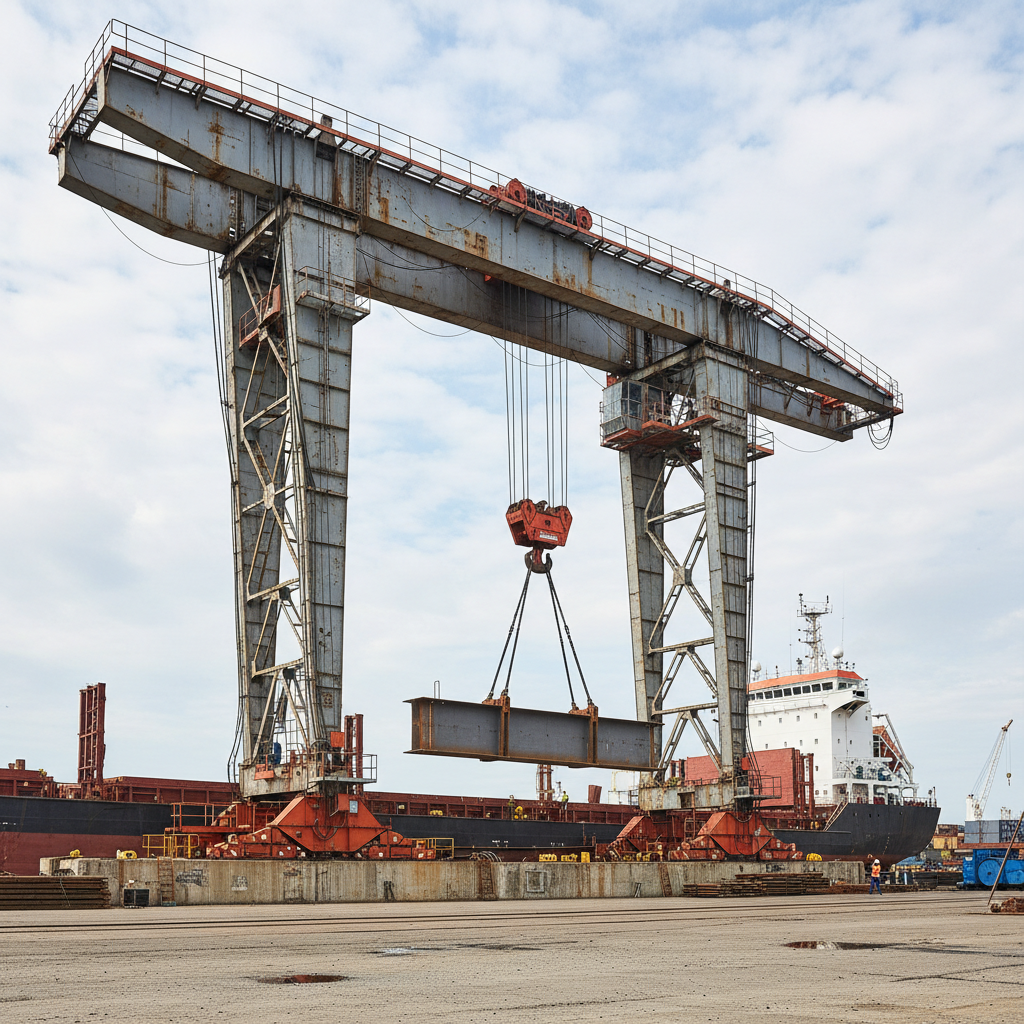
The increasing demand for efficient and adaptable lifting solutions has driven the evolution of the small gantry. These compact, yet robust structures are becoming integral to a wide range of industries, from manufacturing and logistics to construction and even disaster relief. Understanding the capabilities and applications of small gantries is crucial for businesses seeking to optimize their operations and enhance workplace safety.
Globally, industries are facing pressures to increase productivity while minimizing costs and maintaining stringent safety standards. Small gantry systems provide a versatile and cost-effective solution to these challenges, offering a significant advantage over traditional overhead cranes in specific applications. The trend towards lean manufacturing and just-in-time delivery further emphasizes the need for flexible material handling systems, fueling the demand for readily deployable and customizable gantries.
The benefits extend beyond purely operational aspects. Small gantries enable businesses to improve workflow, reduce manual handling risks, and ultimately enhance the overall efficiency of their processes. Their modular design facilitates easy installation and maintenance, minimizing downtime and contributing to a faster return on investment.
The Core Principles of small gantry
The fundamental principle behind a small gantry lies in its ability to provide a stable overhead lifting point without the extensive infrastructure requirements of a full-scale bridge crane. This makes them ideal for situations where space is limited or permanent installations are impractical. They function by distributing load across a framework, typically constructed from steel, ensuring safe and efficient material movement.
Effective small gantry design prioritizes load capacity, span length, and height of lift. Careful consideration of these factors, combined with robust construction and adherence to safety standards, guarantees reliable performance across diverse operational environments.
The Global Impact of small gantry Technology
The demand for small gantries is experiencing substantial growth across multiple continents. Emerging economies, particularly in Asia and South America, are rapidly adopting these systems to support their burgeoning industrial sectors. The United Nations Industrial Development Organization (UNIDO) actively promotes the use of efficient material handling technologies, including small gantries, to enhance productivity and improve working conditions in developing countries.
North America and Europe continue to represent significant markets, driven by the need for optimized logistics solutions and workplace safety improvements. In these regions, the focus is increasingly on customized small gantries designed to integrate seamlessly with existing automated systems and smart factory initiatives.
The global supply chain disruptions experienced in recent years have further highlighted the importance of adaptable and resilient material handling solutions. Small gantries are playing a critical role in helping businesses overcome these challenges by providing the flexibility to quickly adjust to changing demands and optimize their operations.
Defining a small gantry
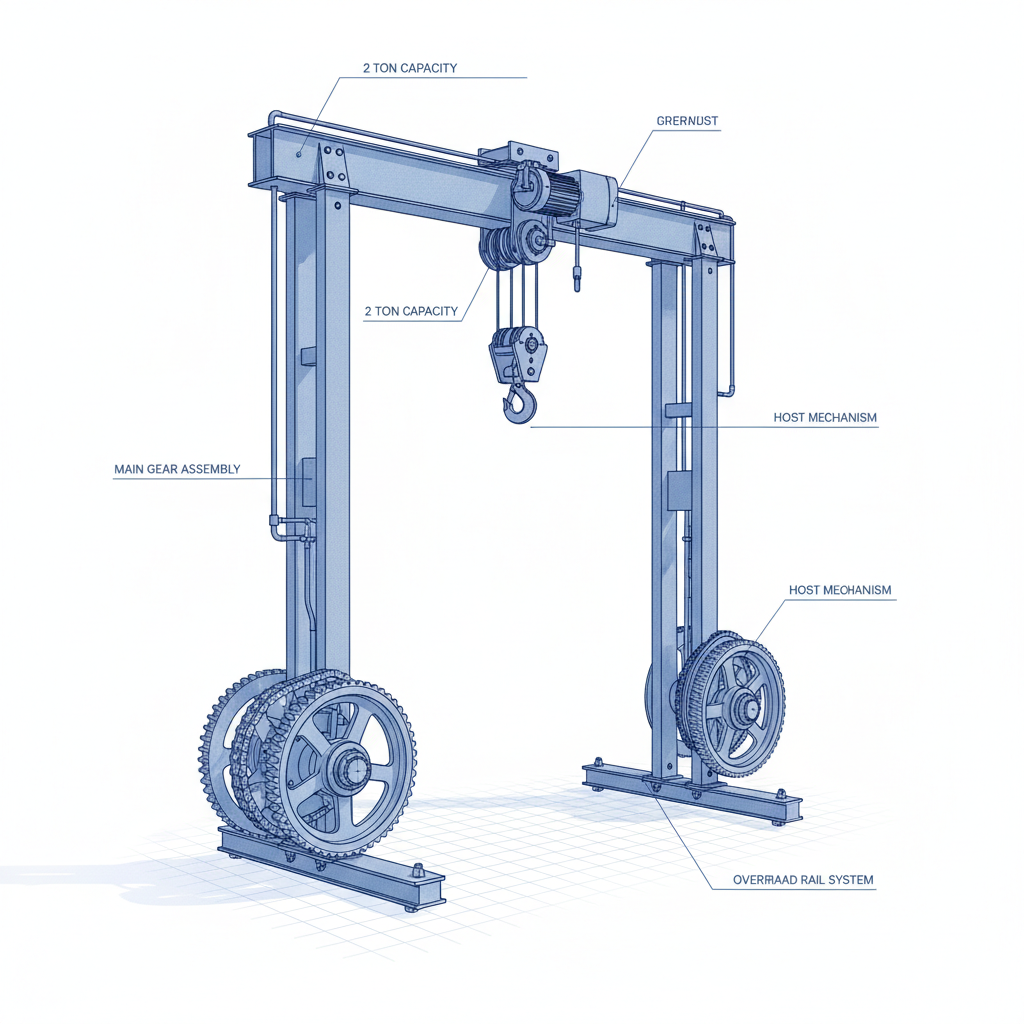
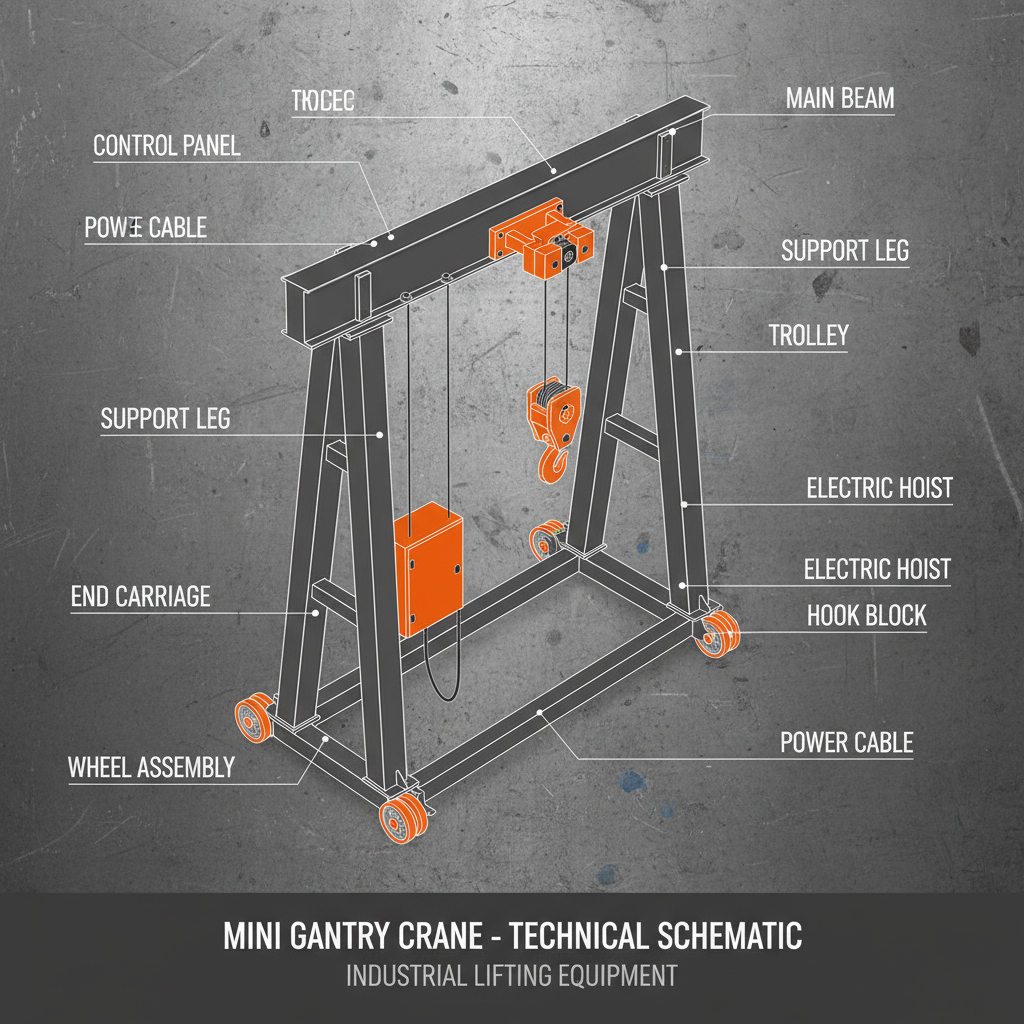
A small gantry is essentially a self-supporting, mobile or stationary lifting frame used to lift and move materials. Distinguished from larger overhead cranes, they typically have a smaller footprint and are designed for localized lifting tasks. The core components include supporting legs, a horizontal beam (the gantry beam), and a lifting mechanism – often a hoist, chain block, or wire rope hoist.
Its connection to modern industry stems from the need for efficient material handling in diverse settings. Unlike fixed overhead crane systems, small gantries offer a cost-effective and versatile alternative. They address the demands for increased productivity, improved safety, and enhanced workflow flexibility in manufacturing, warehousing, and construction environments.
In humanitarian contexts, portable small gantries are invaluable for disaster relief, enabling the swift lifting and movement of essential supplies and equipment in challenging and remote locations. Their ease of deployment and adaptability make them crucial assets in emergency response scenarios.
Key Components and Features of a small gantry
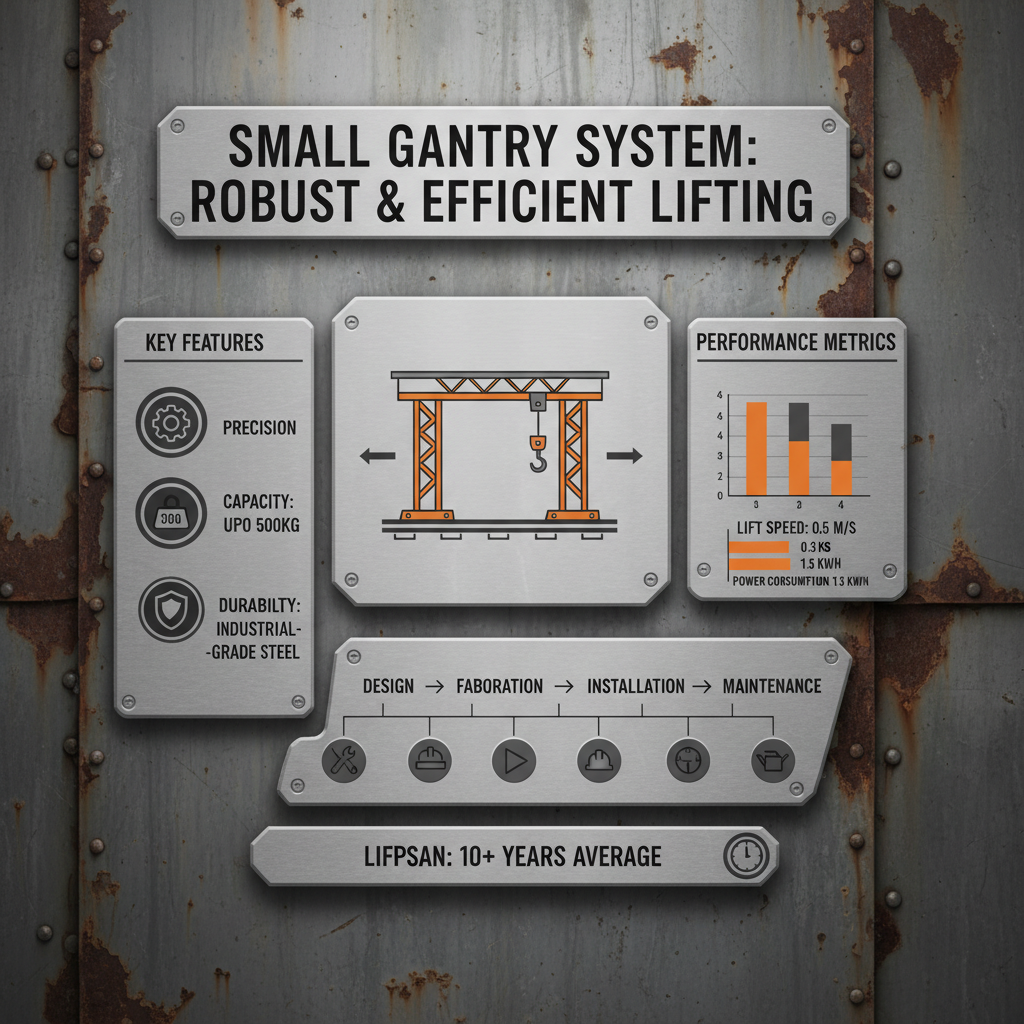
Several factors contribute to the efficacy of a small gantry. Firstly, Durability is paramount. Constructed from high-strength steel, these systems are built to withstand heavy loads and demanding operating conditions, ensuring a long service life. Secondly, Scalability allows for customization; gantries can be tailored to specific lifting requirements, accommodating various load capacities, spans, and heights.
Cost Efficiency is another key benefit. Compared to permanent overhead crane installations, small gantries represent a significantly lower upfront investment, requiring minimal site preparation and installation costs. Portability is crucial, allowing for easy relocation within a facility or transportation to different job sites. Finally, Safety Features such as overload protection, emergency stop buttons, and robust construction contribute to a secure operating environment.
small gantry Performance Metrics
Real-World Applications of small gantry
In post-disaster relief operations, portable small gantries are deployed to rapidly lift and distribute critical aid supplies, clearing debris and facilitating access to affected areas. In remote industrial zones, where infrastructure may be limited, these gantries provide a cost-effective and adaptable lifting solution for construction, maintenance, and material handling tasks.
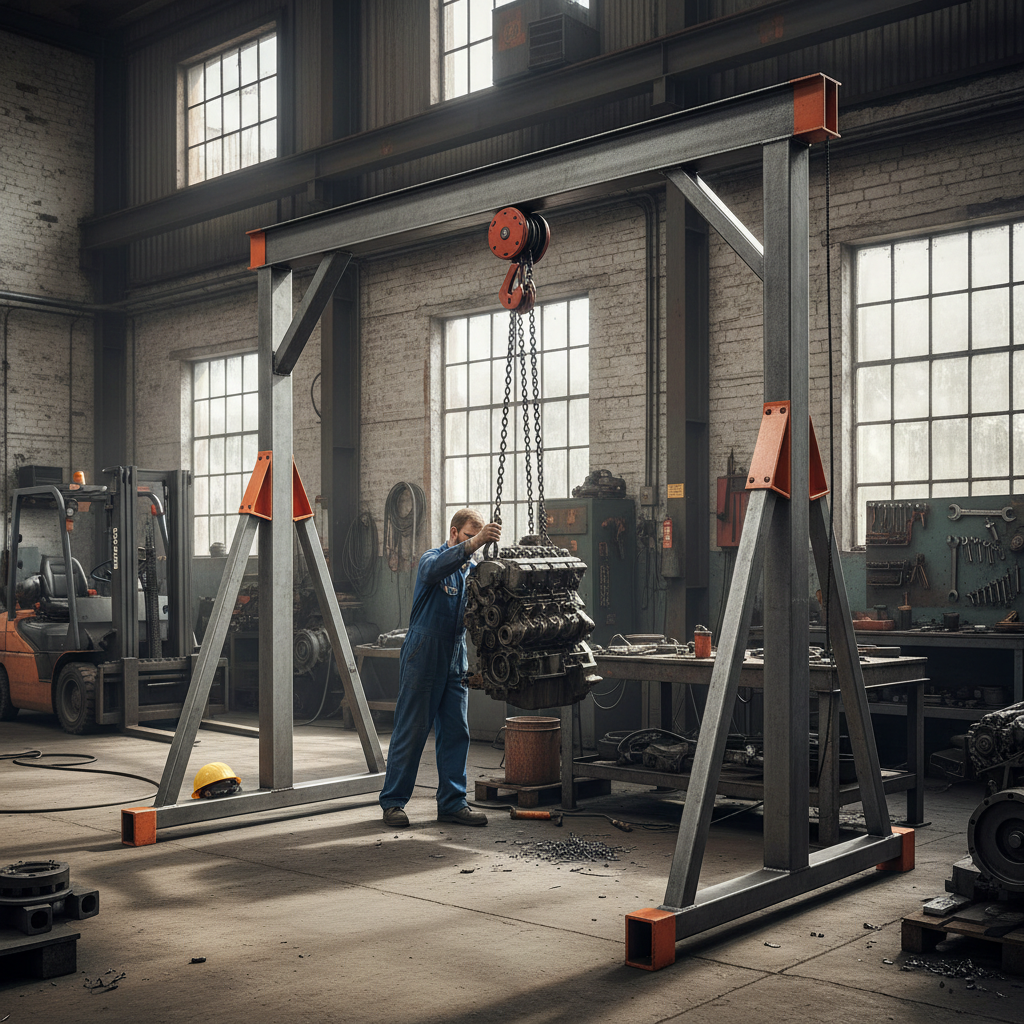
Manufacturing facilities utilize small gantries for tasks such as machine loading and unloading, assembly operations, and material transfer between workstations. Warehouses benefit from their ability to optimize storage space and streamline the movement of goods. The automotive industry relies on these systems for handling engine blocks, transmissions, and other heavy components.
Advantages and Long-Term Value of small gantry
The tangible benefits of a small gantry system extend beyond immediate cost savings. Reduced manual handling translates to fewer workplace injuries and lower insurance premiums, enhancing worker safety and well-being. The system's modular design promotes sustainability by allowing for easy adaptation and component replacement, extending its lifespan and minimizing waste.
From an emotional perspective, small gantries contribute to a more dignified and efficient work environment, empowering employees and fostering a sense of trust. The reliability and robustness of these systems instill confidence and minimize disruptions to operations. Logically, their integration into streamlined workflows enhances productivity, reduces downtime, and ultimately drives profitability.
Future Trends and Innovations in small gantry
The future of small gantry technology is intrinsically linked to advancements in automation, digitalization, and sustainable practices. We anticipate increased integration with IoT (Internet of Things) sensors, enabling real-time monitoring of load weights, operational status, and maintenance needs. This data-driven approach will facilitate predictive maintenance, optimize performance, and enhance safety.
The development of lighter yet stronger materials, such as carbon fiber composites, will further reduce the weight and increase the portability of small gantries. Exploring the use of renewable energy sources to power lifting mechanisms and incorporating smart control systems for optimized energy consumption are also key areas of innovation.
Furthermore, digital twin technology will allow for virtual simulations and testing of small gantry systems, streamlining the design process and ensuring optimal performance in specific applications. These advancements promise to revolutionize material handling and logistics across a wide range of industries.
Summary of Challenges and Potential Solutions for small gantry Implementation
| Challenge Area |
Potential Impact |
Proposed Solution |
Implementation Difficulty (1-10) |
| Initial Investment Cost |
May be a barrier for smaller businesses. |
Explore leasing options and modular configurations. |
4 |
| Space Constraints |
Limited area for installation and operation. |
Utilize compact designs and optimize layout. |
6 |
| Operator Training |
Insufficient training can lead to accidents. |
Comprehensive training programs and certification. |
5 |
| Maintenance Requirements |
Regular maintenance is crucial for safe operation. |
Implement a preventative maintenance schedule. |
3 |
| Integration with Existing Systems |
Compatibility issues with automation infrastructure. |
Select systems with open communication protocols. |
7 |
| Load Capacity Limitations |
Not suitable for extremely heavy loads. |
Carefully assess load requirements and select appropriately sized gantry. |
2 |
FAQS
Safety is paramount. Always ensure operators are thoroughly trained on proper procedures. Regularly inspect the gantry for any signs of damage or wear, focusing on the lifting points, wheels, and braking systems. Adhere to strict load capacity limits and never exceed them. Utilize safety features like overload protection and emergency stop buttons, and maintain a clear zone around the gantry during operation.
Generally, small gantries are significantly more cost-effective than traditional overhead cranes. The initial investment is lower due to reduced installation requirements, as they often don't require permanent structural modifications. Maintenance costs are also typically lower. However, the best choice depends on the specific application, load requirements, and frequency of use.
Small gantries excel in environments where space is limited, or a permanent overhead crane isn’t feasible. This includes manufacturing facilities, warehouses, loading docks, outdoor storage areas, and even construction sites. Their portability makes them ideal for projects requiring frequent relocation or temporary lifting solutions.
Absolutely. Small gantries are highly customizable. You can specify the span, height, load capacity, lifting mechanism (hoist, chain block), and even add features like casters for mobility. Manufacturers can tailor the gantry to perfectly match your operational requirements.
Lead times can vary depending on the complexity of the customization and the manufacturer's workload. Generally, you can expect a lead time of 4-8 weeks for a standard, customized small gantry. More complex designs or larger orders may require longer lead times. It's best to discuss your specific needs with a supplier to get an accurate estimate.
Ensure the manufacturer provides documentation demonstrating compliance with relevant industry standards, such as those set by ASME (American Society of Mechanical Engineers) or ISO (International Organization for Standardization). Look for certifications and conduct a thorough review of the gantry’s specifications and safety features before purchase.
Conclusion
In conclusion, the small gantry represents a versatile and efficient lifting solution with broad applications across diverse industries. Its adaptability, cost-effectiveness, and commitment to safety make it a valuable asset for businesses seeking to optimize their operations and enhance productivity. As technology continues to evolve, we can expect even greater innovation in this field, driving further improvements in performance and sustainability.
Looking ahead, investing in a well-designed and properly maintained small gantry system is a strategic move that can yield significant long-term benefits. By embracing the advancements in automation and digitalization, businesses can unlock the full potential of these systems and position themselves for continued success in an increasingly competitive global landscape. Visit our website at www.daweihoisting.com to explore our range of small gantry solutions and discover how we can help you meet your lifting needs.