In the fast-paced world of modern industrial logistics, the ability to move heavy loads with precision and safety is paramount. A custom gantry crane serves as the backbone for countless manufacturing plants, warehouses, and construction sites, offering a tailored lifting solution that standard off-the-shelf equipment simply cannot match. By aligning the crane's specifications with the exact spatial and weight requirements of a facility, businesses can eliminate operational bottlenecks and significantly reduce the risk of workplace accidents.
Globally, the demand for specialized material handling has surged as industries shift toward lean manufacturing and just-in-time delivery systems. The integration of a custom gantry crane allows for maximum flexibility, enabling operators to optimize their floor layout without being restricted by fixed pillars or rigid overhead rails. This adaptability is crucial for companies that frequently update their production lines or handle oversized components that vary in dimensions.
Understanding the intricacies of customization—from span width and lifting height to motorized travel and safety sensors—is the first step toward enhancing operational efficiency. Investing in a bespoke lifting system is not merely a purchase of machinery; it is a strategic decision to improve throughput, ensure the longevity of handled materials, and provide a safer, more ergonomic environment for the workforce.
Global Industry Context of Custom Gantry Cranes
The global material handling market is witnessing a paradigm shift toward highly specialized equipment to meet the demands of Industry 4.0. According to ISO standards and industrial productivity reports, the efficiency of a production line is often limited by the "last mile" of material movement within the shop floor. A custom gantry crane addresses this by providing a precise fit for the environment, reducing the wasted motion typically associated with oversized or undersized generic cranes.
In emerging markets and established industrial hubs alike, the challenge remains the same: how to lift heavier loads in tighter spaces without compromising safety. The move toward customized lifting solutions reflects a global trend where efficiency is measured by the ability to integrate hardware seamlessly into a digital and spatial workflow, ensuring that the crane supports the process rather than hindering it.
Defining the Custom Gantry Crane Solution
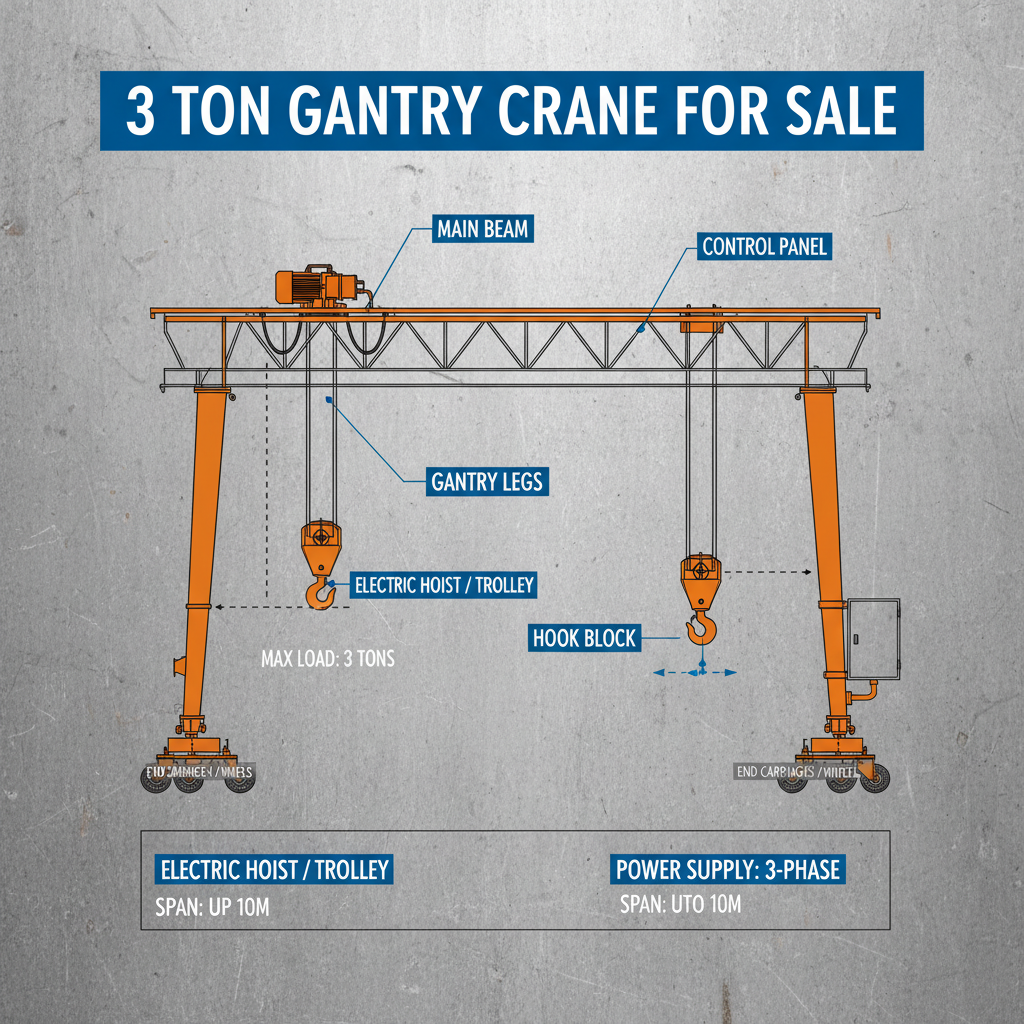
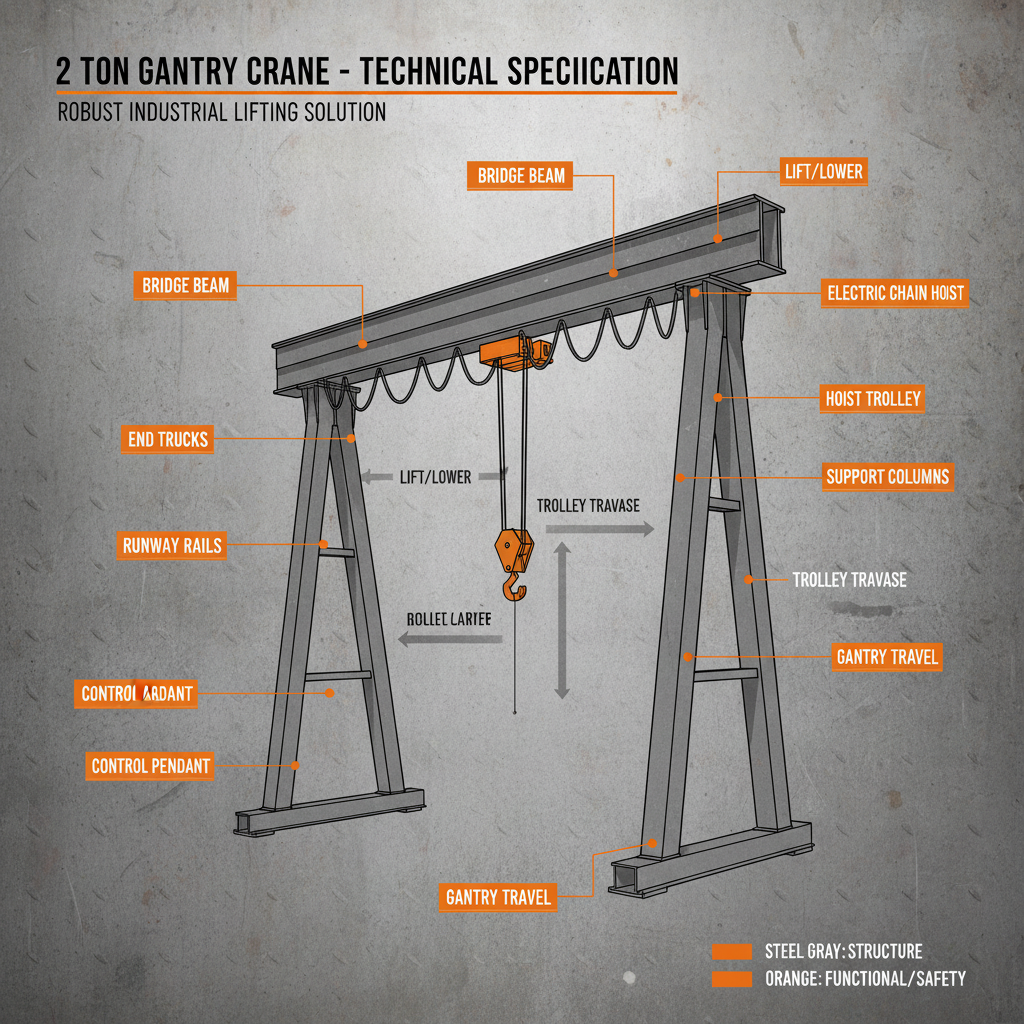
At its core, a custom gantry crane is a lifting system consisting of a hoist and trolley traversing a beam supported by two legs that move on wheels or tracks. Unlike standard models, a "custom" solution is engineered from the ground up based on the user's specific load capacity, span width, lifting height, and environmental conditions (such as extreme temperatures or corrosive atmospheres).
This level of tailoring is essential for modern industry because it bridges the gap between manual labor and fully automated systems. Whether it is a lightweight aluminum gantry for a cleanroom or a heavy-duty steel structure for a shipyard, the customized approach ensures that the equipment is neither under-engineered (which leads to safety risks) nor over-engineered (which leads to unnecessary costs).
Beyond the technical specs, these systems represent a commitment to operational ergonomics. By customizing the control systems—be it via wireless pendants, cabin-operated consoles, or PLC integration—companies can ensure that the lifting process is intuitive and reduces operator fatigue, directly impacting the overall productivity of the facility.
Core Components and Engineering Factors
The structural integrity of a custom gantry crane begins with the selection of materials. High-grade alloy steels are typically used for heavy-duty applications to ensure a high strength-to-weight ratio, while aluminum is preferred for portable, lightweight customizations. The beam design—whether I-beam or box girder—is calculated based on the maximum deflection allowed under full load to prevent structural failure.
Durability and scalability are the two most critical factors during the design phase. A truly effective custom gantry crane is designed not just for today's needs but with the possibility of future upgrades. This includes installing modular hoist attachments or ensuring the rail system can be extended if the warehouse expands, thereby protecting the long-term capital investment.
Furthermore, the integration of safety components such as overload protection sensors, limit switches, and emergency stop mechanisms is non-negotiable. In a customized setup, these components are placed strategically based on the specific movement patterns of the load, ensuring that the crane operates within its safe working envelope regardless of the complexity of the lift.
Global Applications and Industrial Use Cases
Across the globe, the application of the custom gantry crane varies by industry. In the automotive sector, these cranes are used for precise engine installation and chassis movement, where the span must be exactly calibrated to the assembly line width. In heavy machinery manufacturing, such as wind turbine blade production, massive custom gantries are employed to flip and transport components that weigh dozens of tons.
In more specialized contexts, such as aerospace hangers or remote mining sites, customization allows the equipment to function in extreme conditions. For instance, in coastal regions, cranes are treated with specialized anti-corrosion coatings to withstand salt spray, while in cold-storage warehouses, lubricants and seals are modified to prevent freezing, ensuring continuous operation.
Performance Efficiency of Custom Gantry Crane Configurations
Long-Term Value and Operational Advantages
The primary advantage of investing in a custom gantry crane is the dramatic increase in operational safety. By tailoring the crane to the specific load and height of the workplace, companies eliminate the "trial and error" approach often associated with generic equipment. This leads to a significant reduction in load swings and structural stress, fostering a culture of safety and trust among the operators.
From a financial perspective, the long-term value is realized through reduced downtime and lower maintenance costs. Custom-built cranes utilize components that are matched to the duty cycle of the application. A crane designed for high-frequency, light-load lifting will have a different motor and gear configuration than one designed for rare, ultra-heavy lifts, preventing premature wear and tear and optimizing the total cost of ownership.
Future Innovations in Lifting Technology
The future of the custom gantry crane is inextricably linked to the digital transformation of the factory floor. We are seeing the rise of "Smart Gantries" equipped with IoT sensors that monitor structural health in real-time, predicting when a component might fail before it actually does. This shift from reactive to predictive maintenance will virtually eliminate unplanned downtime.
Automation and AI are also playing a pivotal role. Future customized systems will likely feature semi-autonomous positioning, where the crane can move a load to a predefined coordinate with millimeter precision using laser-guided systems. This reduces the reliance on highly skilled operators and increases the speed of repetitive tasks.
Sustainability is another key driver. The transition toward electric-drive systems and the use of recycled high-strength steels are making custom cranes more eco-friendly. By optimizing the weight of the structure through advanced FEA (Finite Element Analysis), manufacturers can reduce the energy required to move the crane, contributing to a lower carbon footprint for the entire facility.
Overcoming Implementation Challenges
One of the most common challenges in implementing a custom gantry crane is the initial planning phase. Many businesses struggle to accurately define their maximum load requirements or overlook the impact of floor load-bearing capacity. The solution lies in a collaborative engineering approach, where the manufacturer conducts a full site survey and load analysis before the first piece of steel is cut.
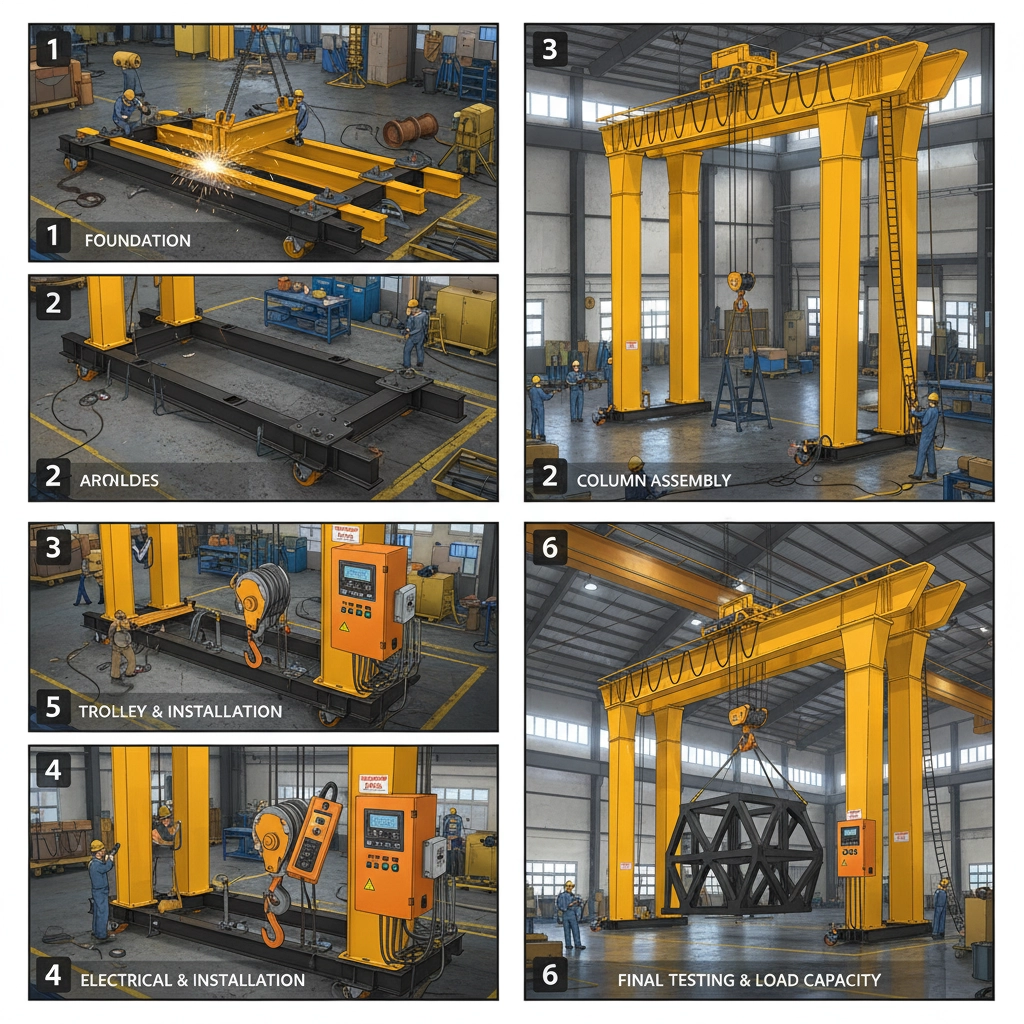
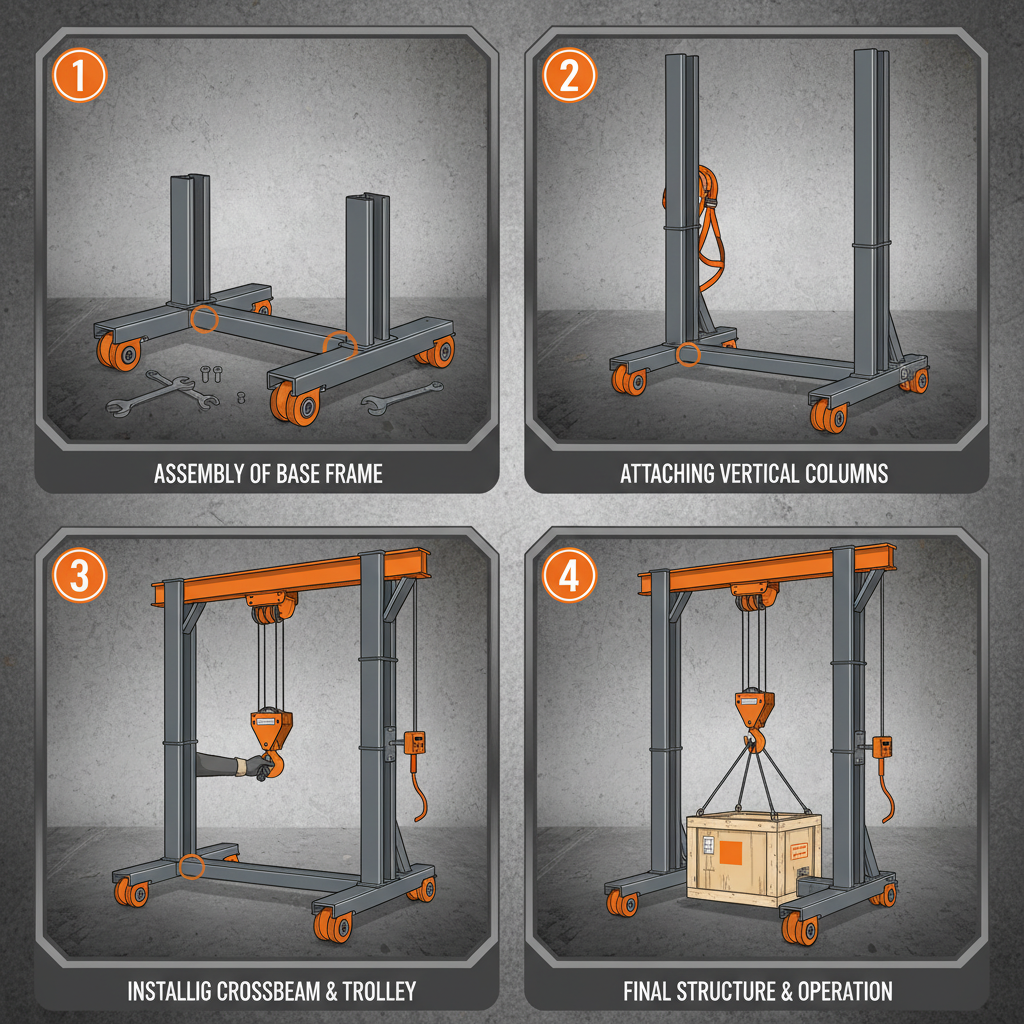
Another hurdle is the integration of the crane into existing workflows without disrupting current production. To solve this, modular design is employed, allowing the crane to be prefabricated in sections and assembled on-site. This minimizes the installation window and ensures that the transition to the new system is seamless.
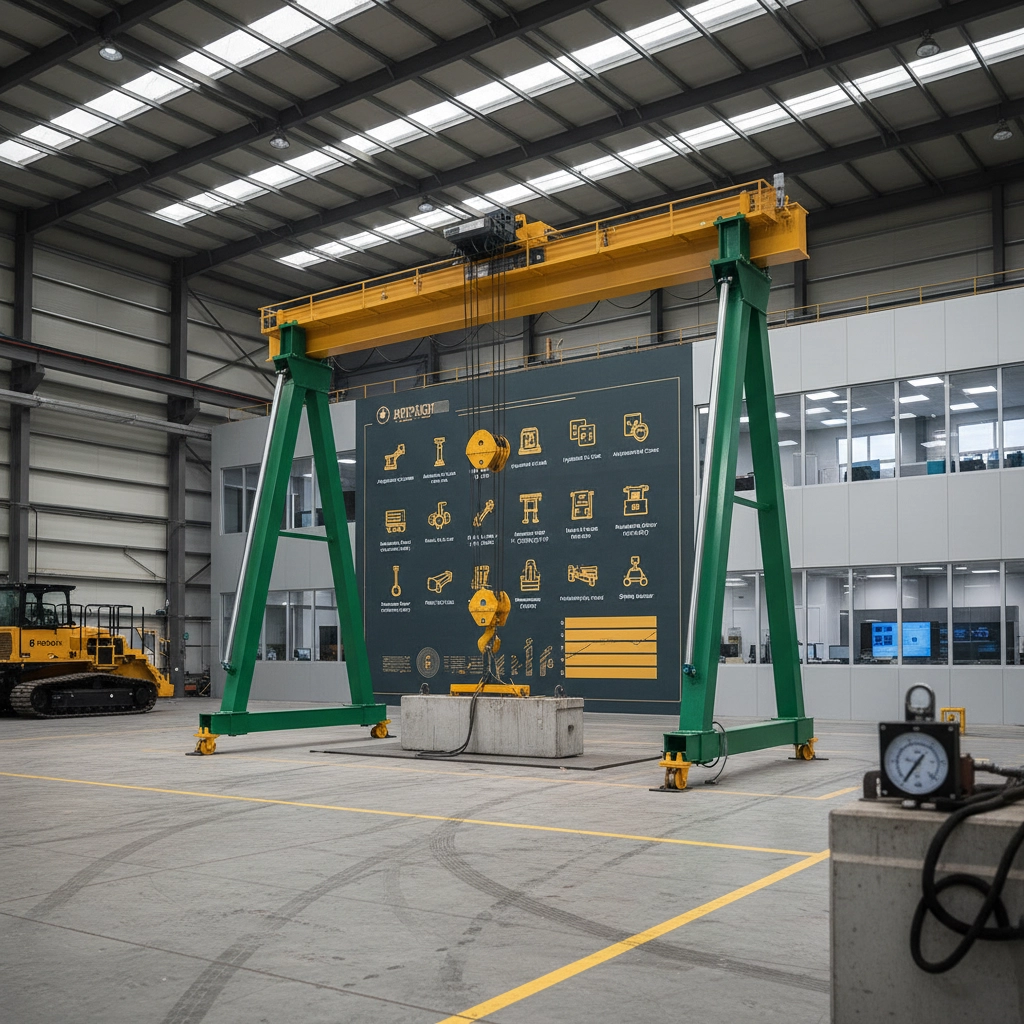
Finally, regulatory compliance and certification (such as OSHA or CE) can be complex for custom builds. Expert manufacturers overcome this by integrating safety standards into the design phase, providing comprehensive documentation and load-test certifications that ensure the equipment is legal and safe for immediate use upon installation.
Comparative Analysis of Custom Gantry Crane Design Approaches
| Design Focus |
Material Choice |
Cost Efficiency |
Safety Rating |
| Ultra-Heavy Industrial |
Reinforced Box Steel |
Moderate (High Capex) |
10/10 |
| Lightweight Portable |
T6061 Aluminum |
High (Fast ROI) |
8/10 |
| Precision Assembly |
Precision-Milled Steel |
Moderate |
9/10 |
| Outdoor/Corrosive |
Galvanized Alloy |
Low (High Maint.) |
9/10 |
| Semi-Automated |
Hybrid Steel-Composite |
Moderate |
9/10 |
| Budget-Optimized |
Standard Carbon Steel |
Very High |
7/10 |
FAQS
A custom gantry crane is engineered to fit your specific workspace and load requirements, meaning you don't waste floor space on a crane that is too large, nor do you risk safety by using one that is under-powered. It allows for specific height adjustments, customized span widths, and the integration of specialized hoisting attachments that standard models simply don't offer, leading to higher efficiency and safety.
To determine load capacity, you must calculate the weight of the heaviest object you intend to lift, plus the weight of the rigging and any specialized attachments. We recommend adding a safety margin of 15-20% to account for dynamic loading and future growth. A professional site survey by an engineer is the best way to ensure the capacity matches your operational needs and floor load limits.
Yes, if the crane is designed with scalability in mind. Many of our custom solutions use modular beams and interchangeable hoists, allowing you to upgrade the lifting capacity or extend the span in the future. However, any structural modification should be verified by an engineer to ensure the center of gravity and stability ratings remain within safe limits.
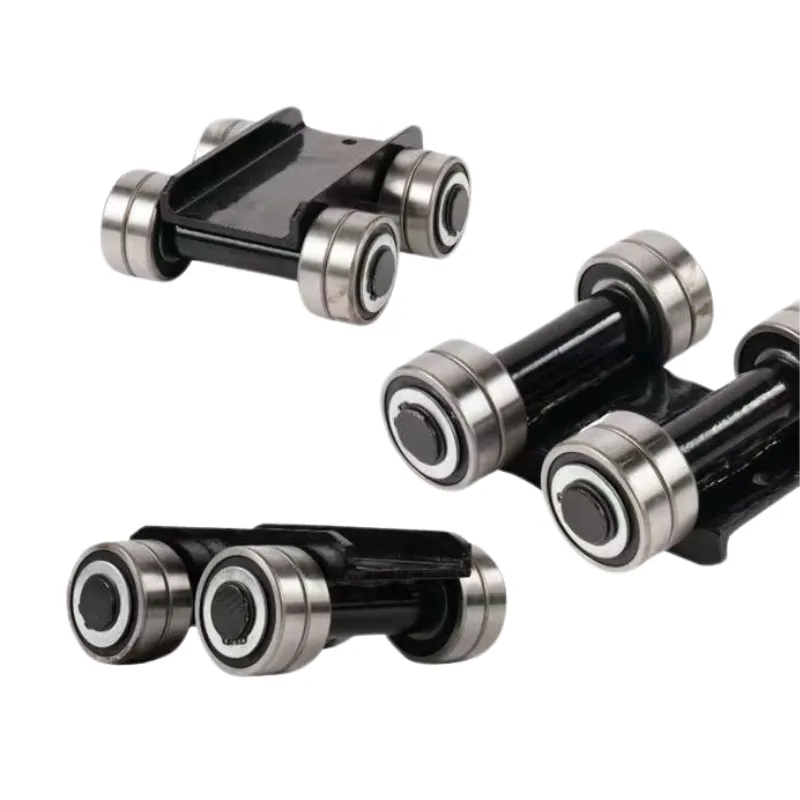
Maintenance generally includes daily visual inspections of cables and hooks, monthly lubrication of wheels and gears, and annual structural audits to check for bolt tightness and weld integrity. Because custom cranes are tailored to specific duty cycles, we provide a customized maintenance schedule that focuses on the components most stressed by your particular application.
Absolutely. All our custom gantry cranes are built to adhere to strict international standards such as ISO, ASME, or CE, depending on your region. The customization process includes a rigorous certification phase where the crane is load-tested and verified by third-party inspectors to ensure it meets all legal and safety requirements before being commissioned.
The timeline varies based on complexity, but typically ranges from 4 to 12 weeks. This includes a design phase (site survey and CAD drawings), the fabrication period, and the final on-site assembly. We use modular construction techniques to keep on-site installation time to a minimum, often completing the final setup in just a few days.
Conclusion
The implementation of a custom gantry crane is a strategic investment that transforms industrial material handling from a potential bottleneck into a competitive advantage. By focusing on precise engineering, material durability, and ergonomic design, businesses can achieve a rare balance of maximum safety and peak operational efficiency. From the initial design phase to the integration of smart technologies, the customized approach ensures that the lifting system evolves alongside the business, providing long-term value and reliability.
As we look toward a future defined by automation and green energy, the role of tailored lifting solutions will only become more critical. We encourage facility managers and engineers to move beyond the limitations of generic equipment and embrace the precision of bespoke engineering. By aligning your lifting infrastructure with your specific operational goals, you ensure a safer, more productive, and more sustainable industrial future. Visit our website: www.daweihoisting.com